Chicago's Office-to-Residential Conversion Boom: How New Grocery Stores Are Solving the Loop's Food Desert Problem
Is the Loop a Food Desert? Understanding Downtown Chicago's Grocery Gap
Yes, Chicago's Loop has historically faced serious grocery access challenges—an area where residents lack convenient access to fresh, affordable groceries within a half-mile radius. While the Loop itself may not fit the strict USDA definition of a food desert (which requires more than half a mile distance in urban areas), many downtown residents still struggle to access full-service grocery stores, particularly for everyday shopping needs. With over 40,000 residents calling downtown home, the lack of walkable grocery options has been a persistent livability issue.
This grocery shortage has been a major obstacle to office-to-residential conversions in the Loop, but Chicago's unprecedented conversion wave is bringing this issue to the forefront.
The Office-to-Residential Conversion Wave Transforming Chicago's Loop
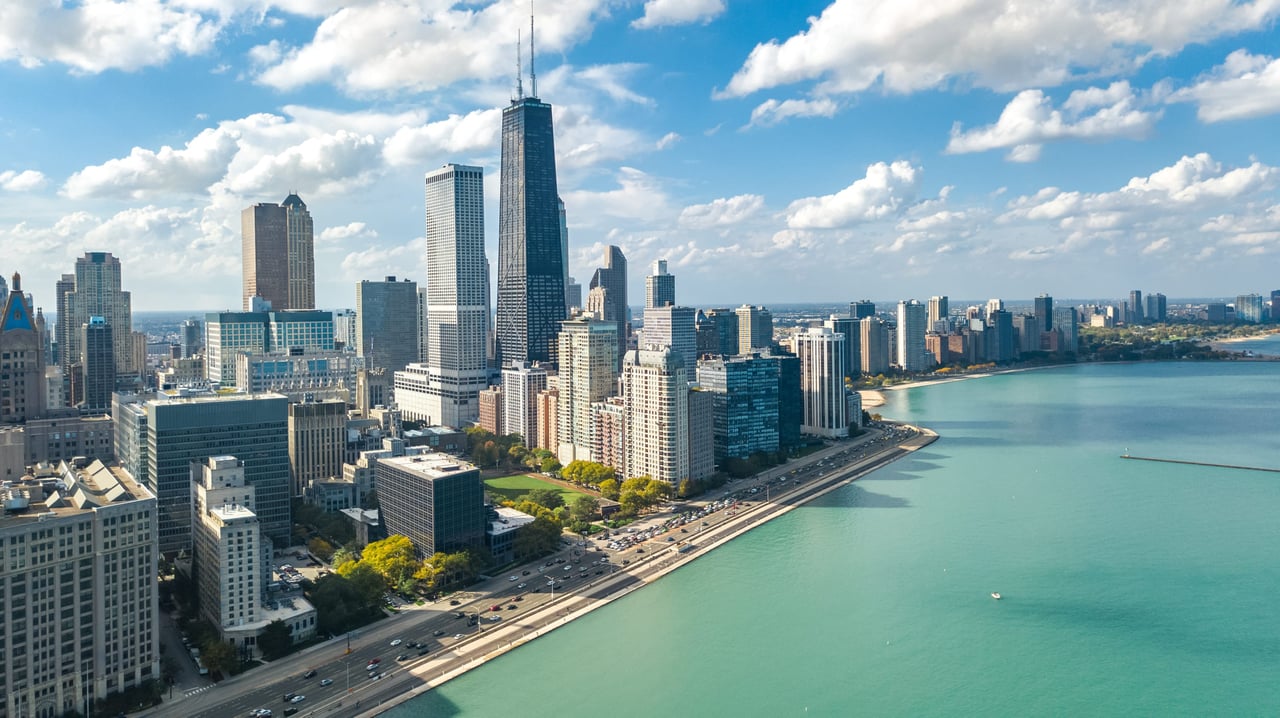
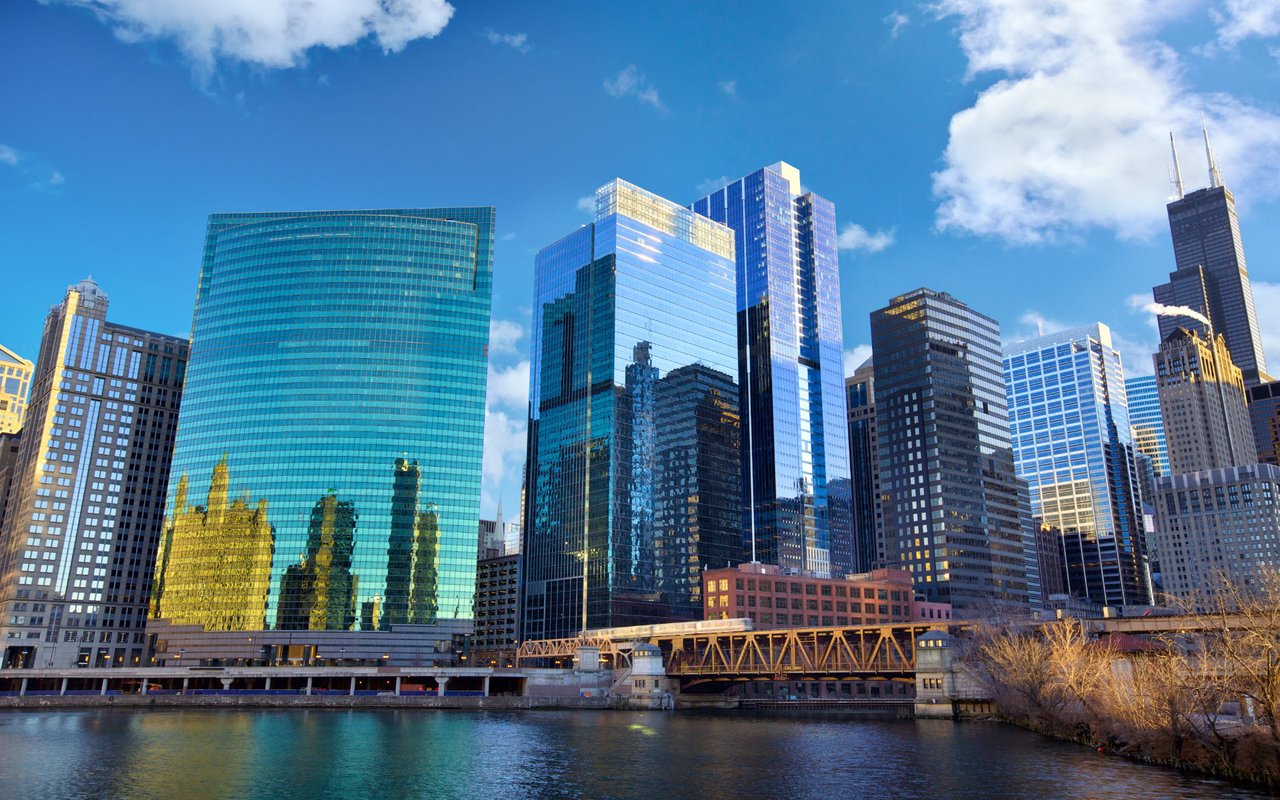
Chicago is leading the nation in commercial-to-residential conversions, with multiple major projects approved or underway in the Loop and surrounding downtown areas as of late 2024 and early 2025. Through Mayor Johnson's LaSalle Street Corridor Revitalization Initiative and independent conversion projects, downtown Chicago is poised to add approximately 1,500-2,000 new residential units over the next two to three years.
Confirmed conversion projects include:
- 79 West Monroe Street (The Rector Building) - 171 apartments, groundbreaking completed in March 2025, with 35% affordable units
- 30 North LaSalle Street - 350 residential units planned in the landmark 44-story tower (seeking $57 million in taxpayer funding)
- 65 East Wacker Place - 252 apartments under construction as of late 2025, preserving Morton's Steakhouse at street level
- 500 North Michigan Avenue - 320 apartments approved for the Magnificent Mile tower, converting floors 7-24
- Harris and Continental Buildings - Additional LaSalle Street projects adding 345 and 168 units respectively
Why the conversion boom is happening now:
- Record-high office vacancy rates (23-28% downtown) following the shift to remote work
- Federal and state tax incentives including historic tax credits making conversions financially viable
- City TIF funding and zoning reforms specifically designed to support adaptive reuse
- Growing demand for downtown living among young professionals and empty nesters
- Lower conversion costs compared to ground-up construction in the current market
However, without adequate grocery infrastructure, these properties struggle to compete with neighborhoods like the West Loop, River North, and South Loop that offer walkable amenities—specifically, convenient access to fresh food.
How a Full-Service Grocery Store Changes Everything for Loop Residents
The Game-Changing Impact on Livability
A full-service grocery store in the Loop doesn't just fill a gap—it fundamentally transforms the neighborhood's viability as a residential community. Here's the measurable impact:
Property values and rental demand: Buildings within a quarter-mile of grocery stores see 15-25% higher property values and significantly lower vacancy rates. Residential conversions near grocery amenities command premium rents—typically $200-400 more per month than comparable units requiring residents to travel for groceries.
Resident retention and quality of life: Access to fresh food within walking distance is consistently ranked as the #1 amenity desired by downtown dwellers. Without it, even luxury conversions face high turnover as residents relocate to more convenient neighborhoods after their initial lease expires.
Economic vitality beyond groceries: A major grocery store generates foot traffic that supports adjacent businesses—coffee shops, restaurants, fitness studios, and retail. The grocery acts as an anchor tenant that activates entire blocks, creating the 18-hour neighborhood environment that makes downtown living appealing and sustainable.
The Numbers Tell the Story
Chicago's food access challenges are well-documented. While Mayor Johnson's administration explored opening a city-owned grocery store in 2023-2024, a feasibility study by HR&A Advisors concluded the city could establish a three-store network for $26.7 million in upfront investment. Though the city ultimately shifted toward supporting public markets and community grocers, the study underscored the critical infrastructure gap affecting livability in underserved areas—including downtown.
Current Grocery Landscape and Future Opportunities
The good news? Chicago developers and city officials recognize grocery infrastructure as essential to downtown's residential transformation:
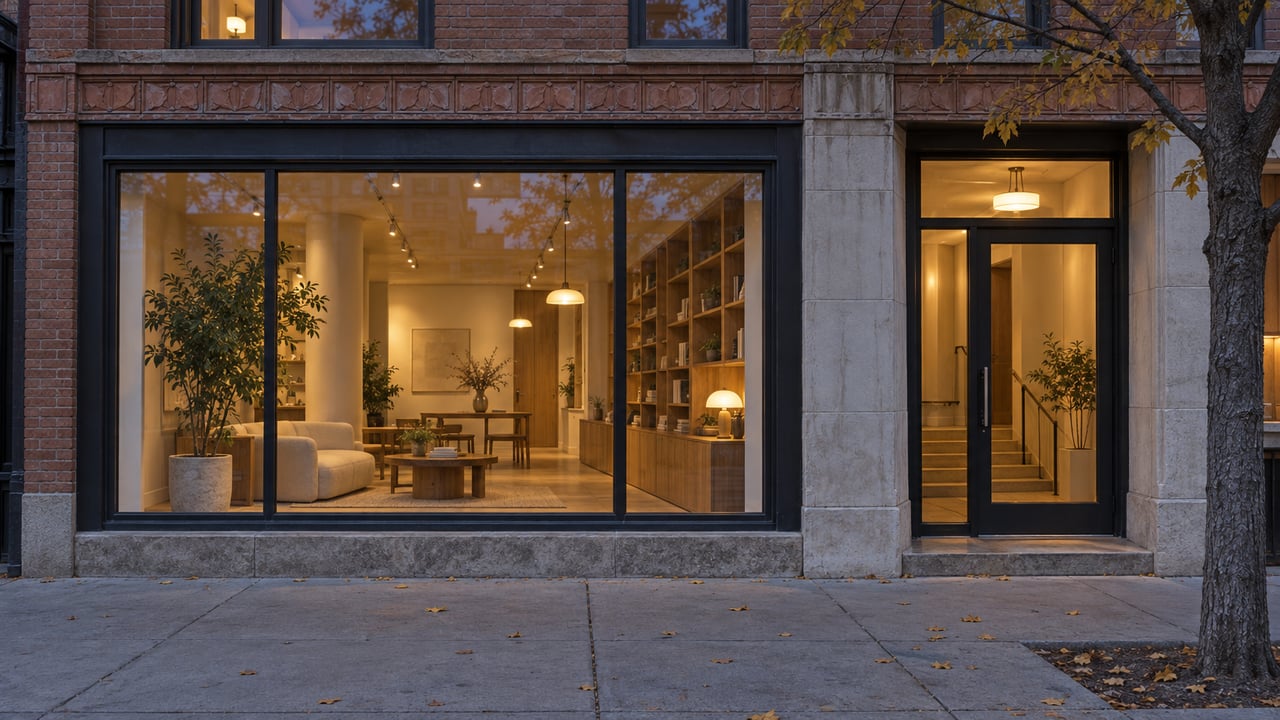
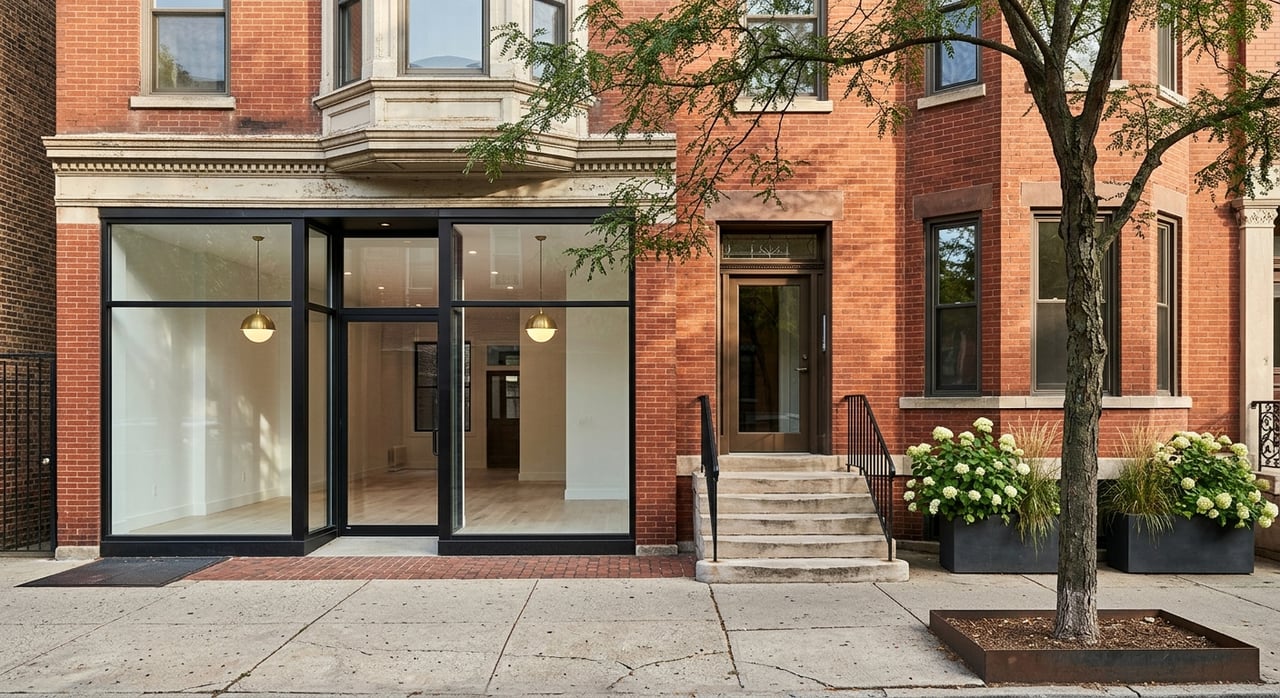
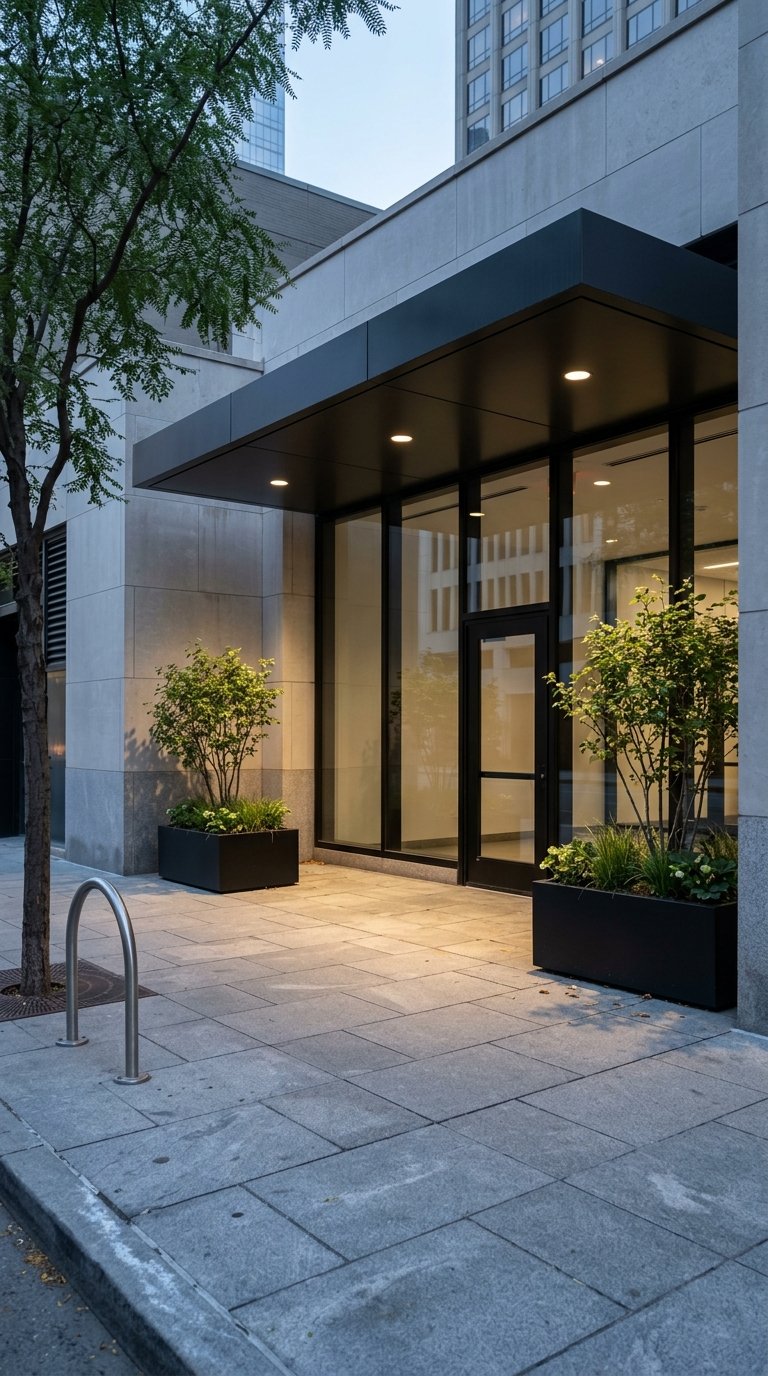
Retail spaces being created: Several conversion projects are incorporating ground-floor retail space specifically designed to accommodate grocery tenants, with ceiling heights, loading dock access, and square footage (15,000-30,000 SF) suitable for urban grocery formats.
State and city support: Illinois launched the Illinois Grocery Initiative with $20 million in funding for new stores in food deserts and equipment upgrades for existing grocers. While primarily focused on South and West Side neighborhoods, this demonstrates government commitment to solving grocery access challenges citywide.
Emerging grocery models: Community-focused markets like Go Green Community Fresh Market in Englewood and Forty Acres Fresh Market in Austin prove that neighborhood-scaled grocery operations can succeed with proper support, offering models that could work in the Loop.
For the Loop specifically, attracting either a full-service grocer (Target, Mariano's, or Whole Foods) or multiple specialty food retailers would catalyze the residential conversion success. The 68-vehicle parking garage at 500 North Michiganand ground-floor retail spaces in LaSalle Street buildings provide the infrastructure needed—now it's about recruitment and execution.
Investment Opportunity: Why Loop Conversions Are Smart Plays
For real estate investors and homebuyers, the math is compelling:
Early-stage opportunity: Properties in conversion buildings represent some of Chicago's best value propositions. You're buying into neighborhoods that are just beginning their transformation—before grocery announcements drive premiums higher.
What smart buyers are looking for:
- Conversion condos or apartments within 0.5 miles of River North, West Loop, or South Loop grocery options as a stopgap
- Buildings with mixed-use retail space on lower floors that could attract food retailers
- Projects backed by experienced developers like R2, Prime Group, Commonwealth Development Partners, and Mavrek Development who understand residential tenant needs
- LaSalle Street corridor properties positioned to benefit from the city's targeted revitalization initiative
The timing advantage: Office-to-residential conversions typically take 18-24 months from groundbreaking to occupancy. Early buyers secure pre-construction pricing and benefit from immediate appreciation once grocery amenities are confirmed. The window for below-market entry is narrow—typically 6-12 months before retail momentum builds.
What This Means for Chicago's Real Estate Market
Chicago's office-to-residential conversion trend, combined with solving the grocery infrastructure problem, positions the Loop for unprecedented residential growth. This isn't just adaptive reuse—it's fundamental neighborhood transformation from a 9-to-5 business district into a true 18-hour residential community.
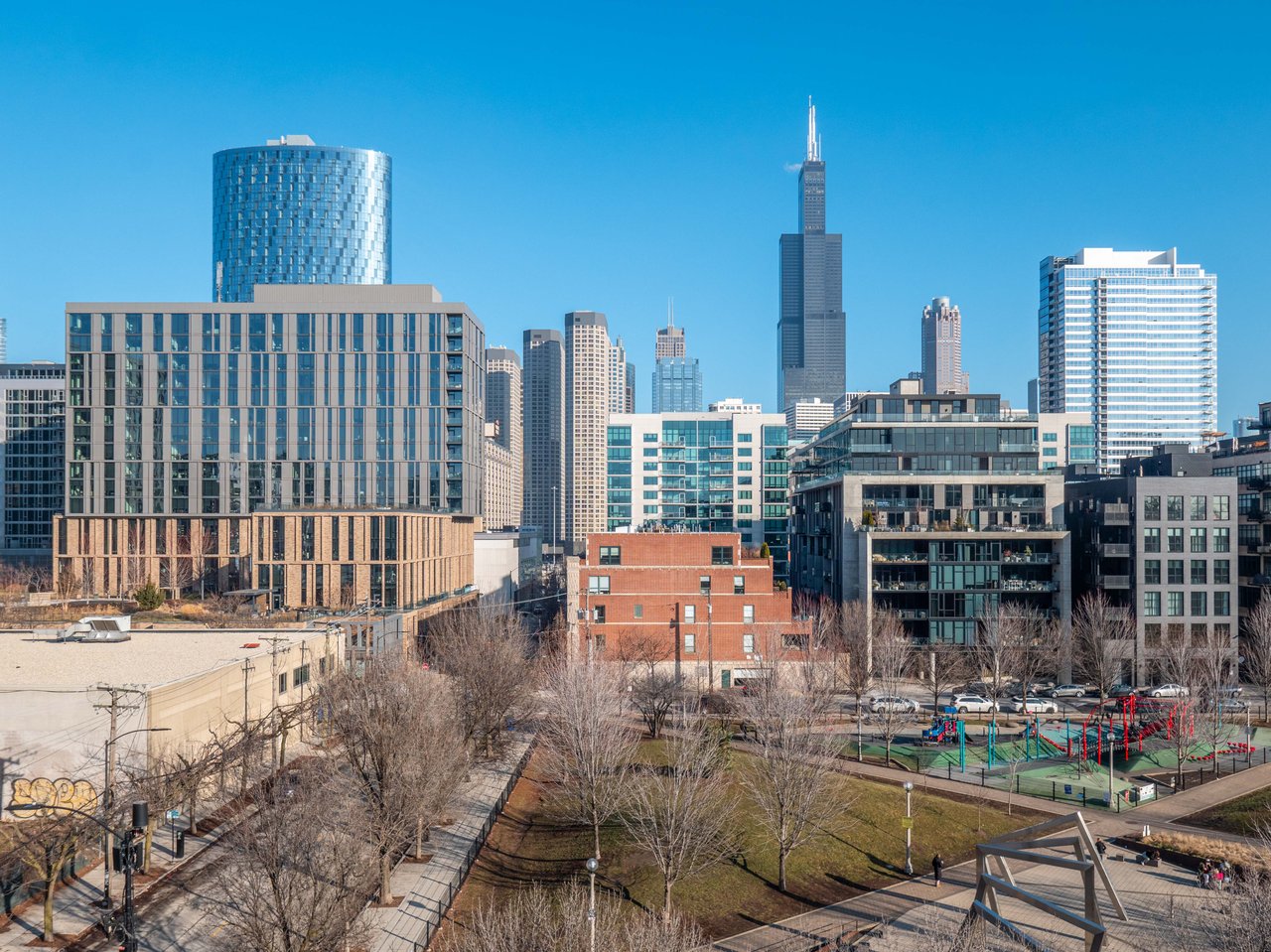
For sellers in established neighborhoods like the West Loop, River North, or South Loop, emphasize your neighborhood's existing walkability advantages and grocery access. As the Loop matures residentially, these neighborhoods set the standard that downtown must match.
For buyers, the calculation comes down to risk tolerance and timeline. Enter the Loop market now during the transformation phase for maximum upside potential, or wait 2-3 years for full amenity build-out if you prioritize immediate livability. History consistently shows early movers in emerging neighborhoods capture the greatest appreciation—think West Loop in 2010, South Loop in 2000, or River North in 1995.
The Bottom Line: Chicago's Downtown Renaissance Requires Grocery Infrastructure
Converting empty office buildings into residential units addresses part of Chicago's downtown challenge, but creating truly livable neighborhoods requires food access. The Loop cannot fully transition from a business district to a thriving residential community without solving its grocery infrastructure gap.
The developers, city officials, and grocers who solve this equation will unlock billions in residential real estate value—and the investors who understand this dynamic will be positioned to benefit from one of Chicago's most significant urban transformations in decades.
The opportunity is now: With 79 West Monroe already under construction, 30 North LaSalle and 65 East Wacker moving forward, and 500 North Michigan approved, the Loop's residential future is no longer theoretical. It's happening. The question is whether grocery infrastructure will keep pace—and which investors will recognize the value before everyone else does.
Ready to explore Chicago's evolving downtown market? As a West Loop specialist with 25 years of experience navigating Chicago real estate transformations, I help clients identify properties positioned for growth in emerging and established neighborhoods. Whether you're considering a Loop conversion condo, comparing downtown options, or evaluating investment potential, let's discuss your Chicago real estate strategy. Contact me today for a personalized market analysis.