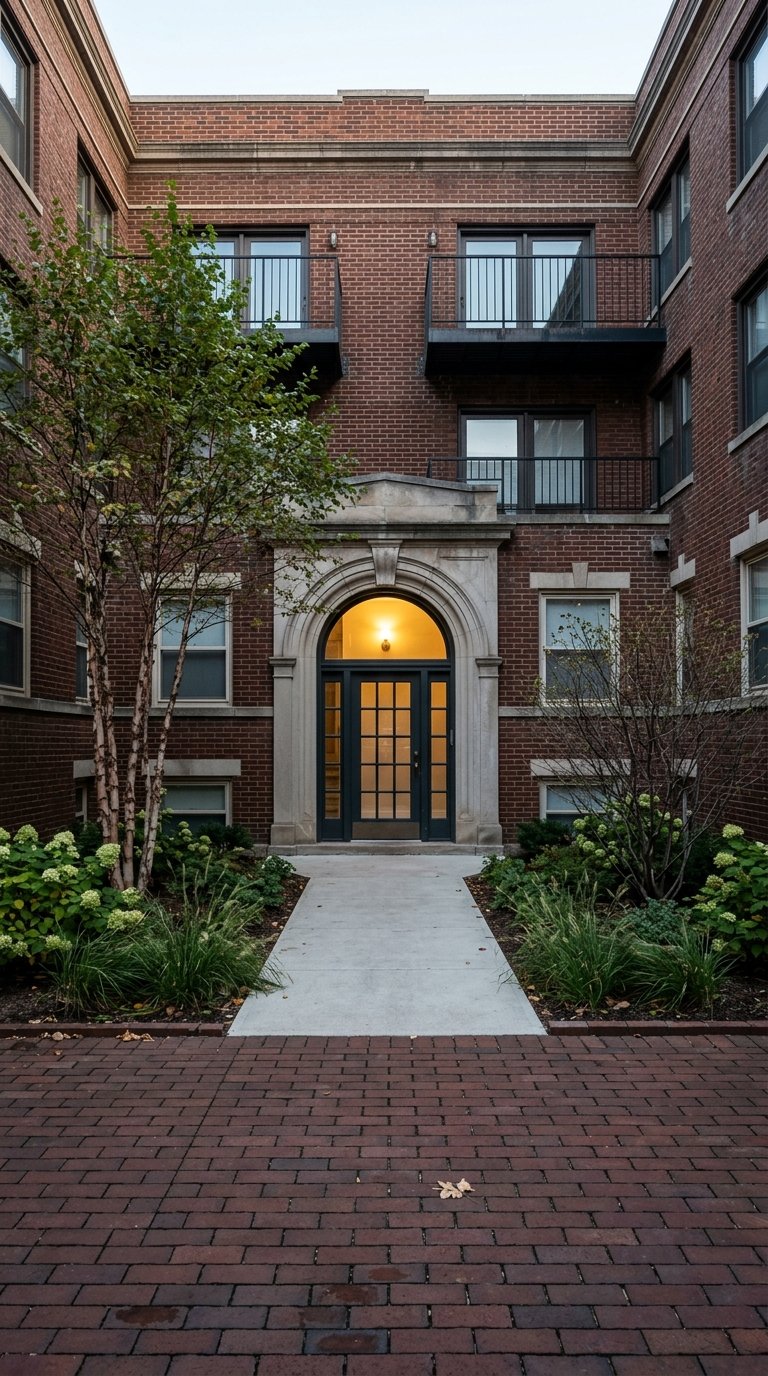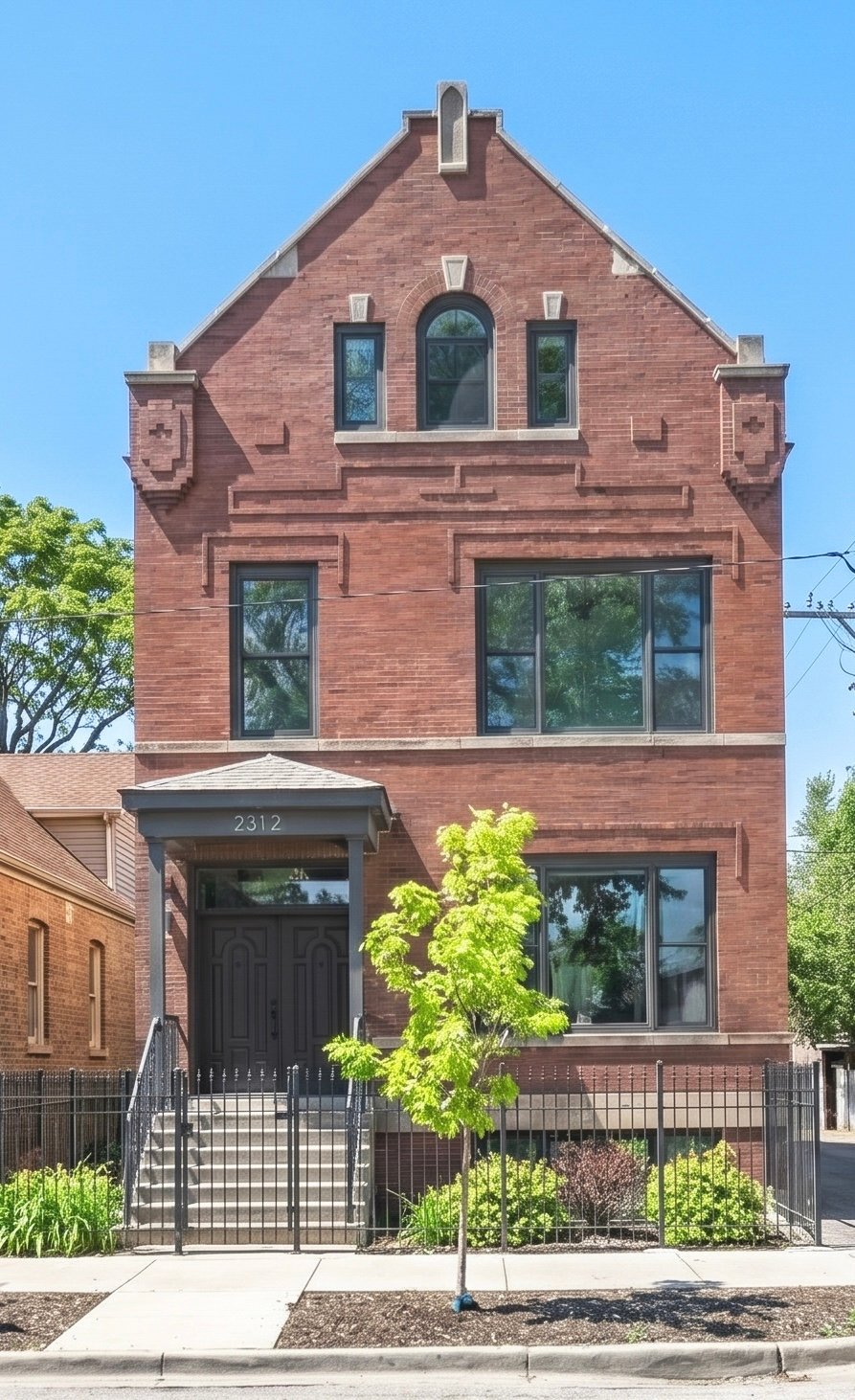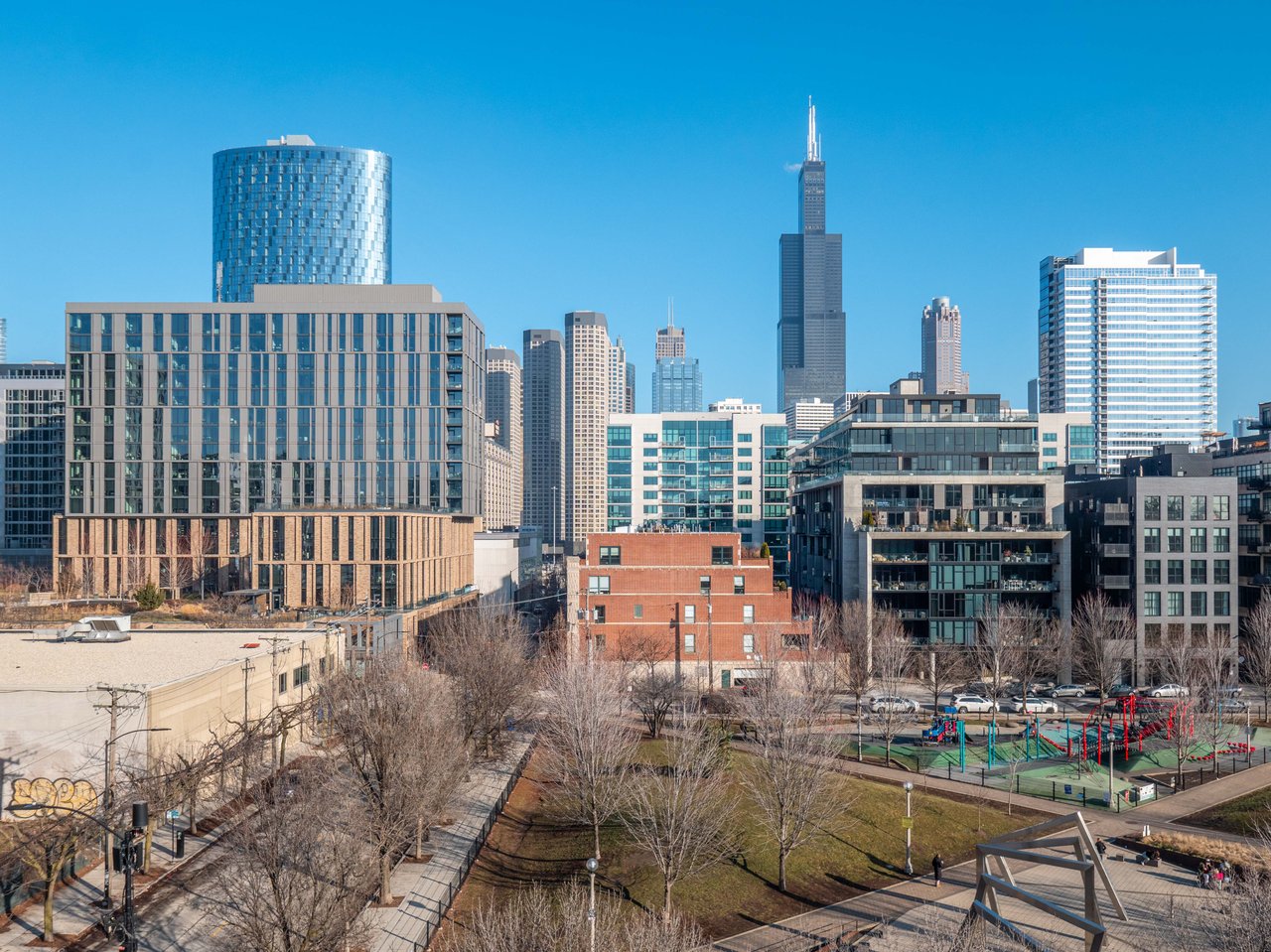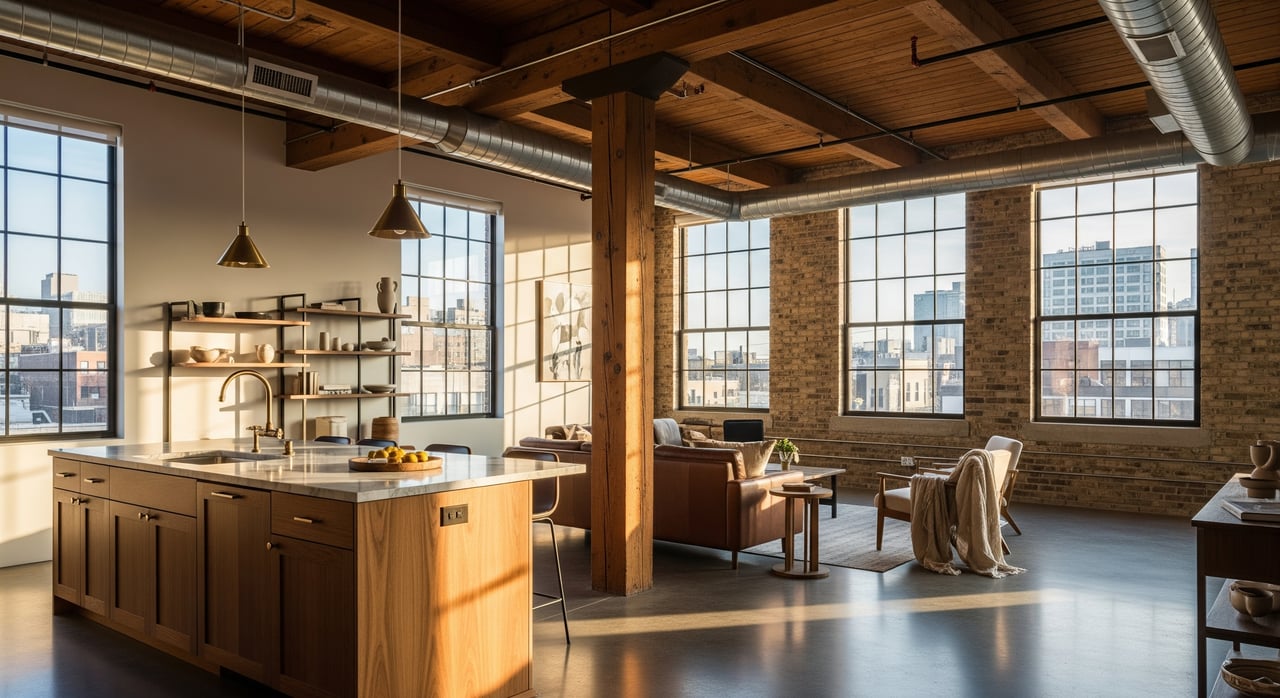
Love the look of brick, beams, and big windows but want modern comfort in the West Loop? You are not alone. Many 60607 buyers search for “loft style,” then discover there are two paths: soft lofts and true lofts. This guide breaks down the difference, where you will find each in the West Loop, and what to check before you buy so you can move forward with confidence. Let’s dive in.
Soft loft vs. true loft: the quick answer
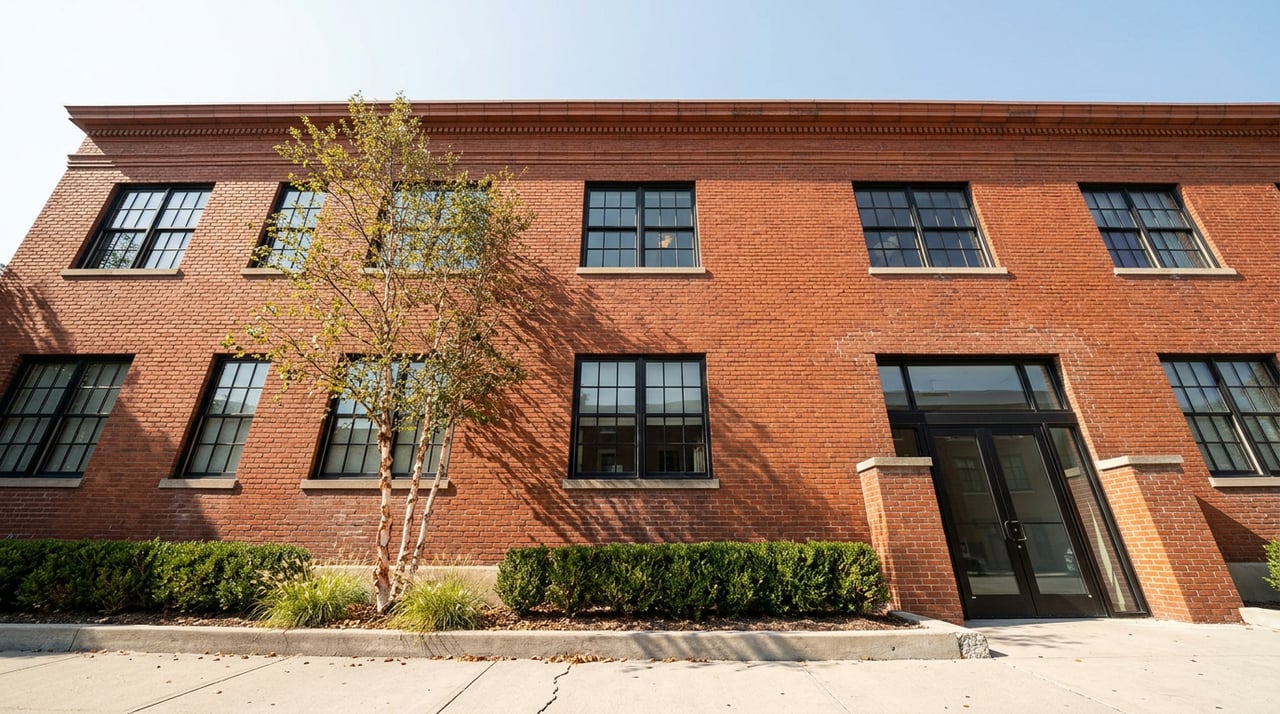
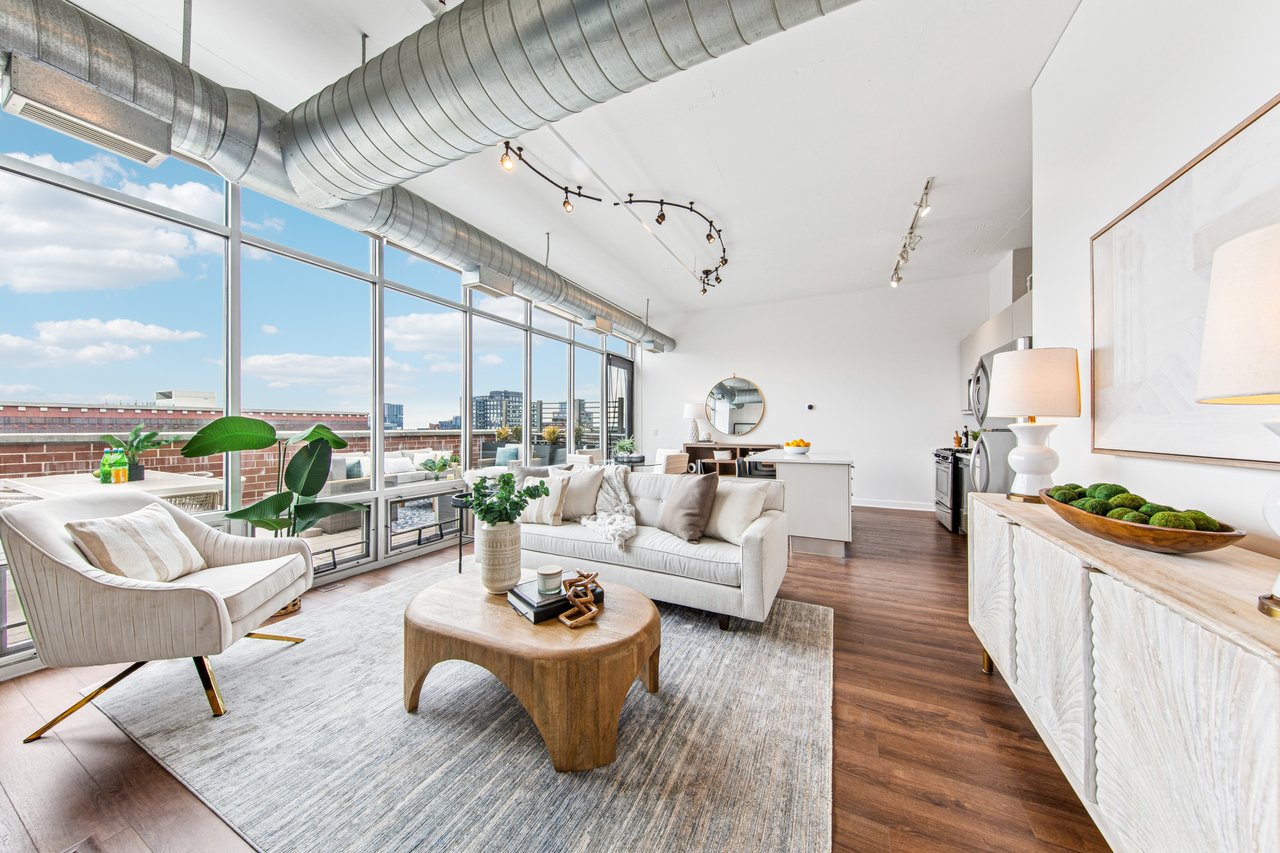
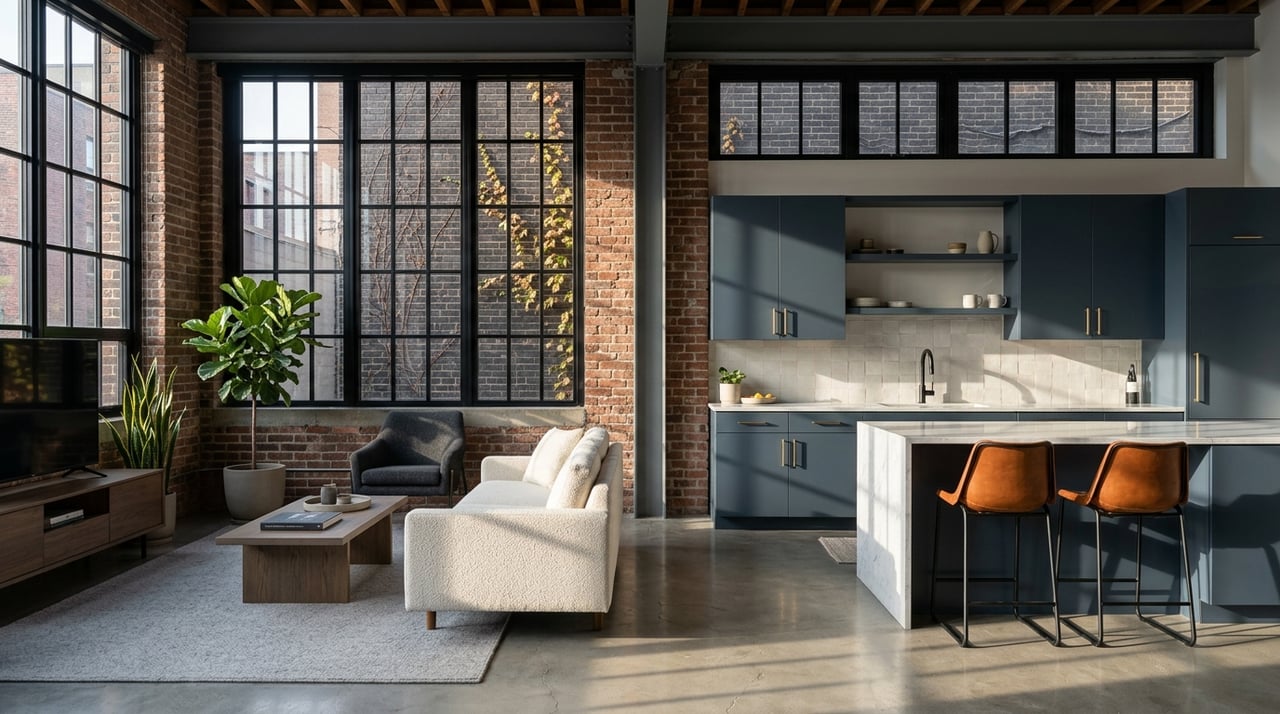
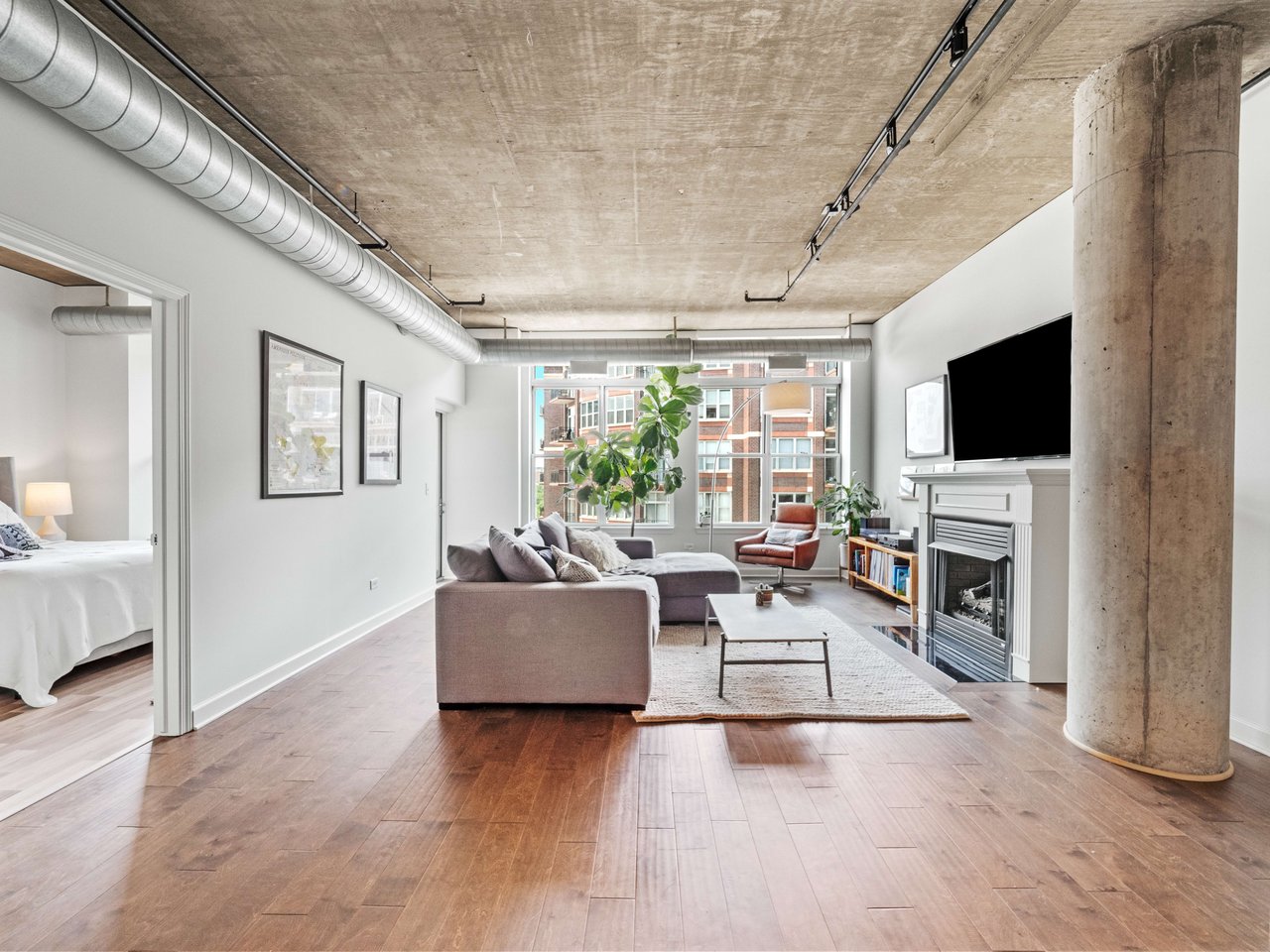
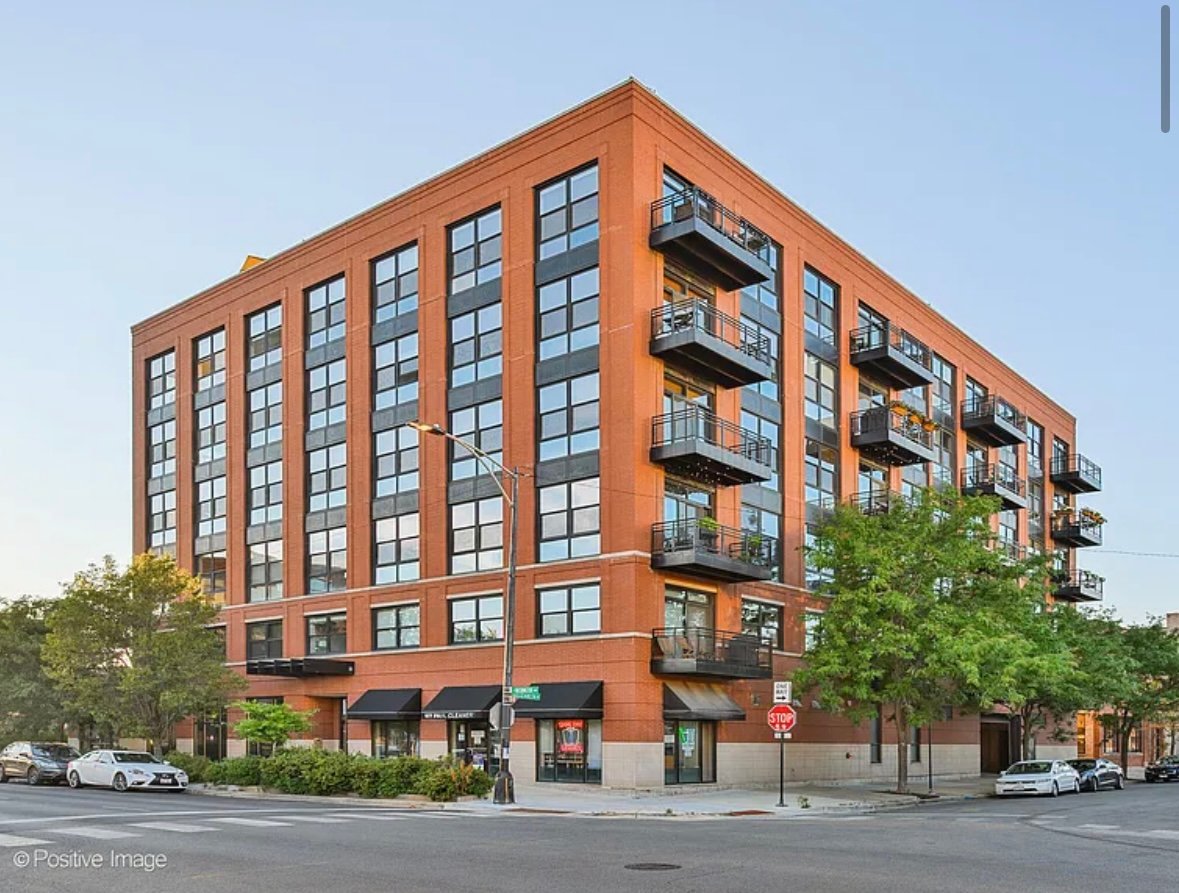
A true, or hard, loft is a former warehouse or factory that was converted to homes. You will often see original brick or concrete, heavy timber, large factory-style windows, and very open layouts with soaring ceilings, often 12 to 20 feet or more. These spaces feel authentic and dramatic, but they may have older floor assemblies and retrofit systems.
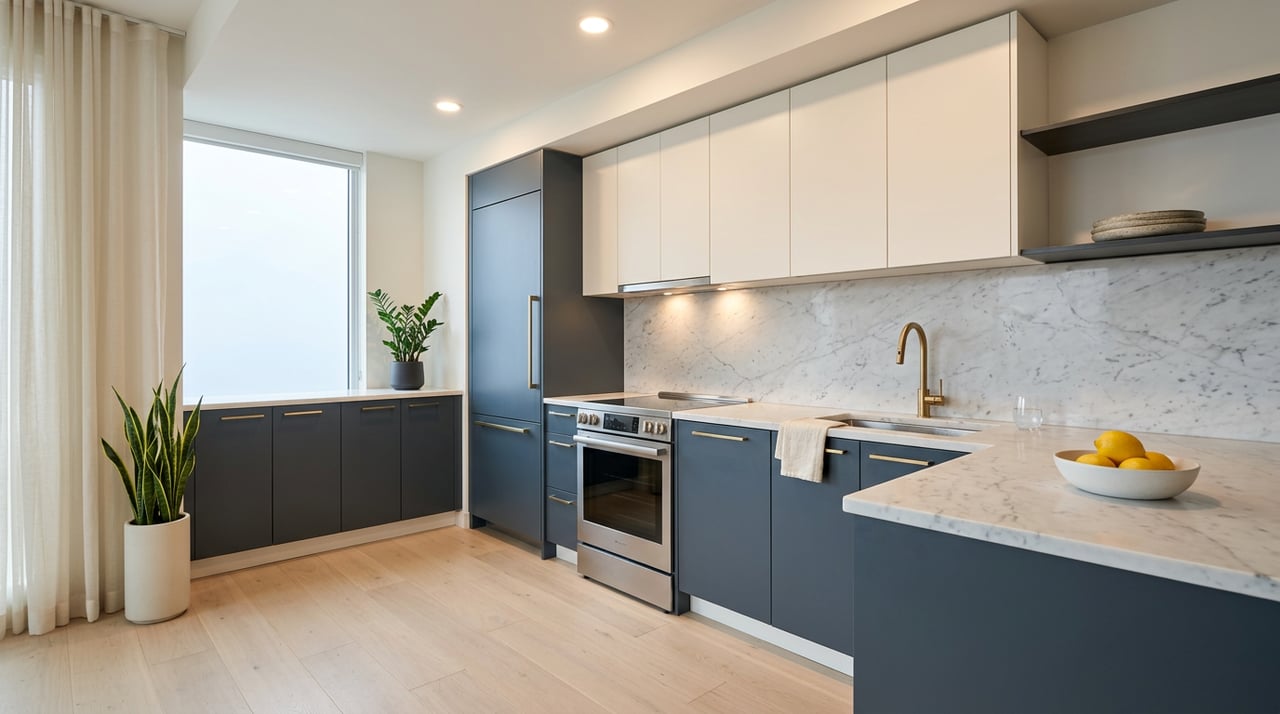
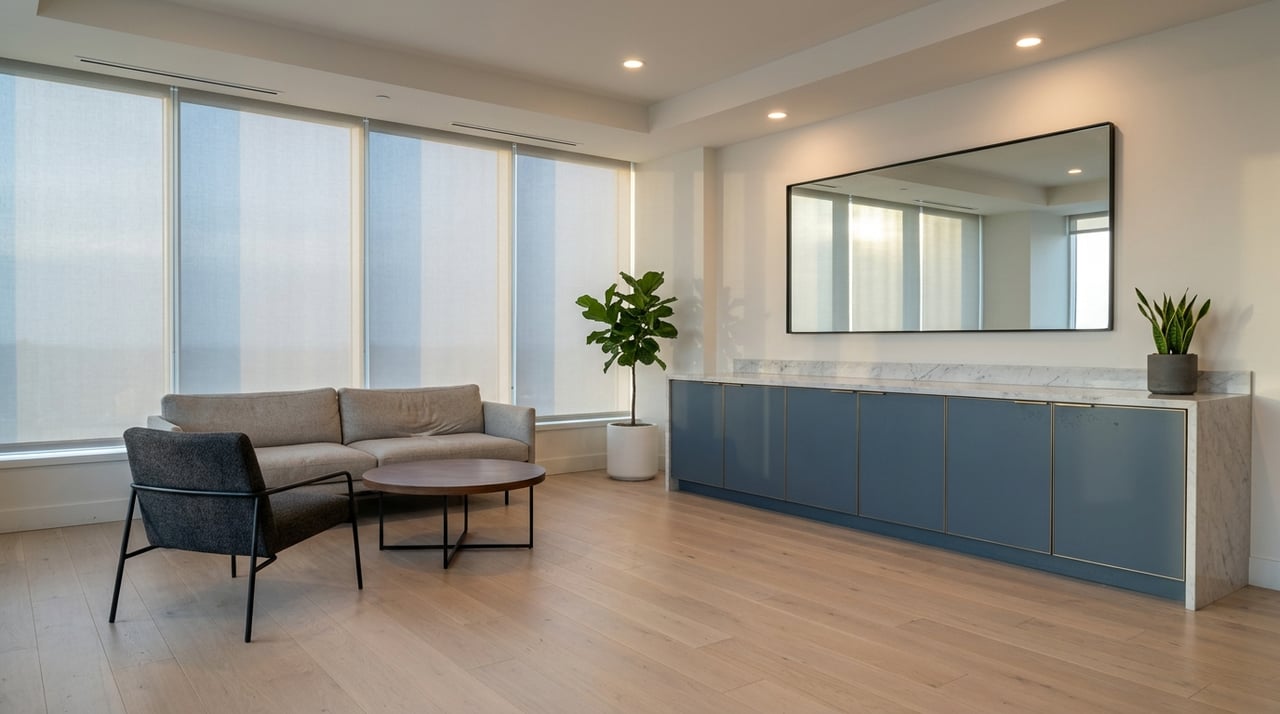
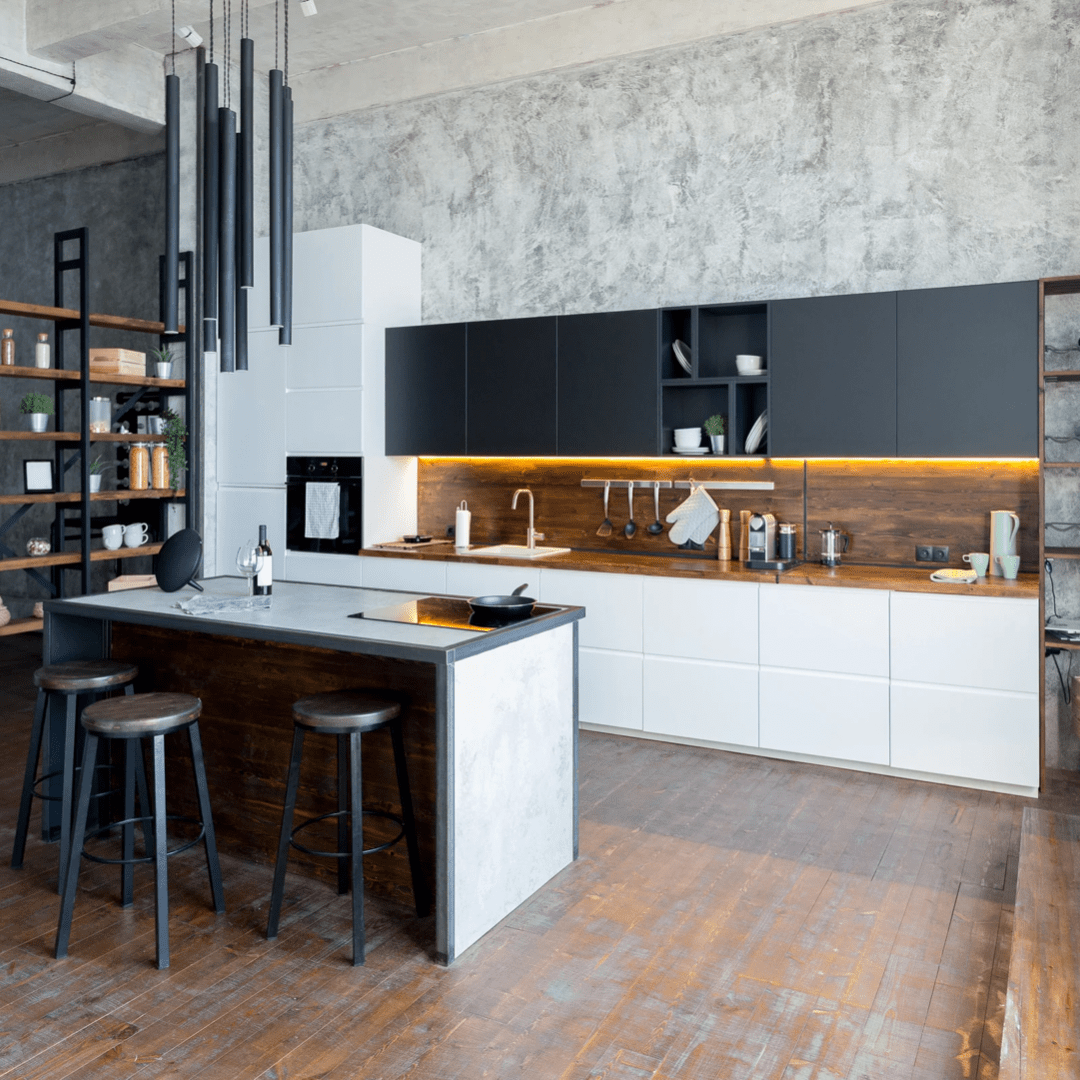
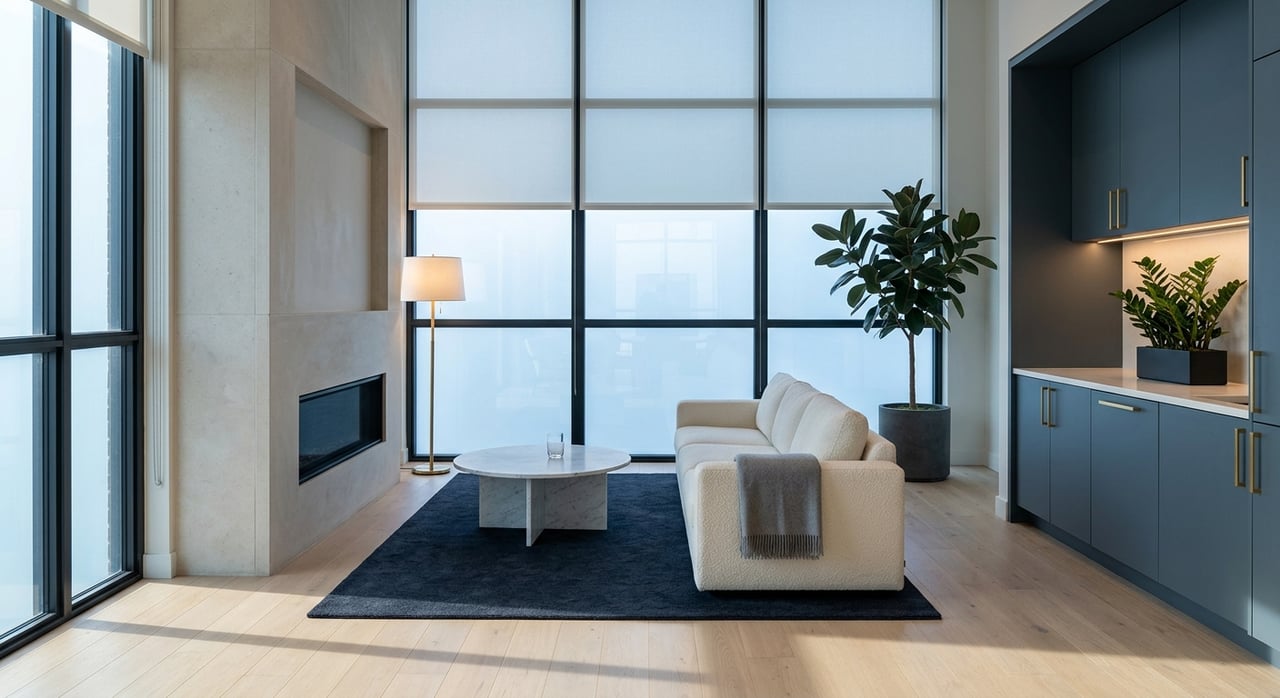
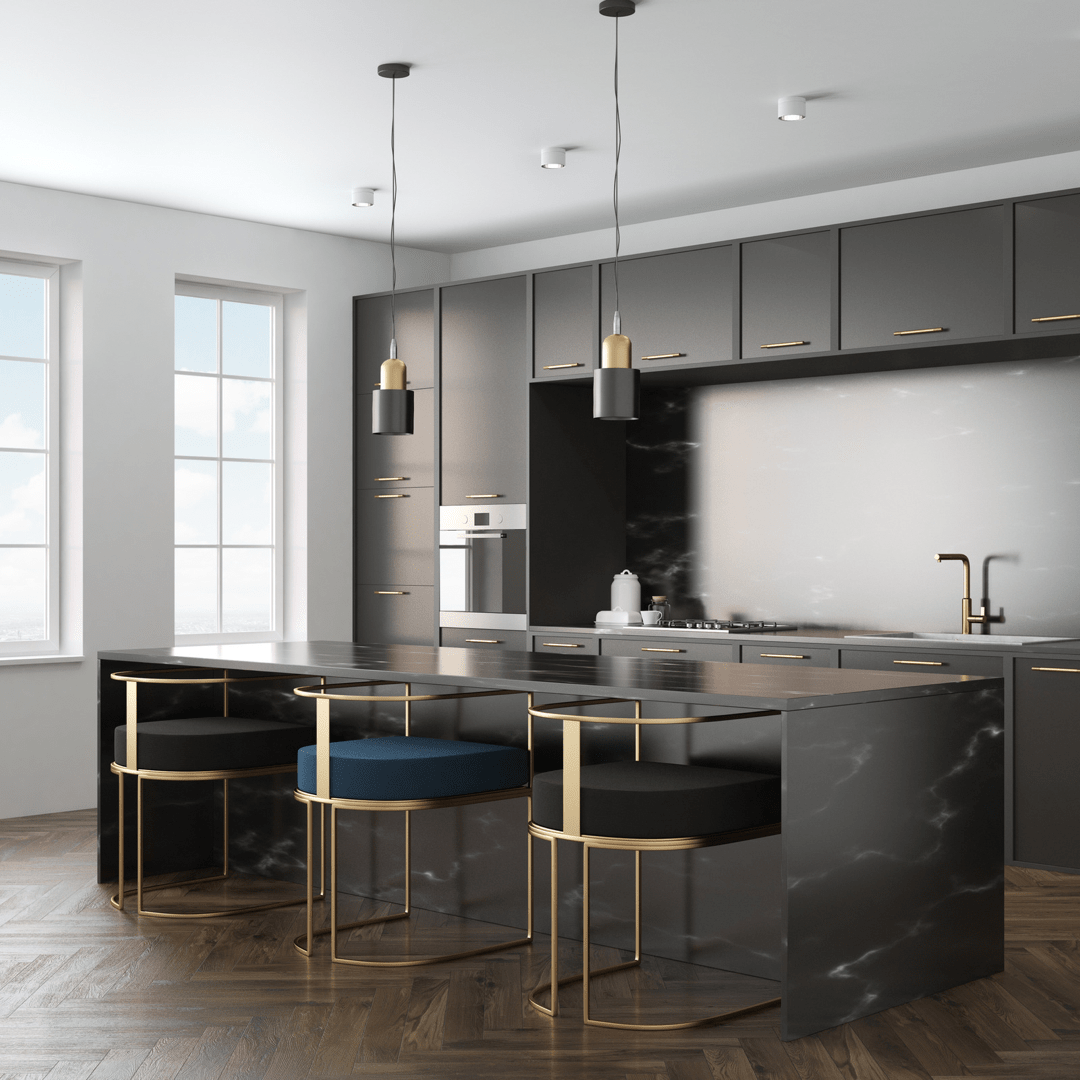
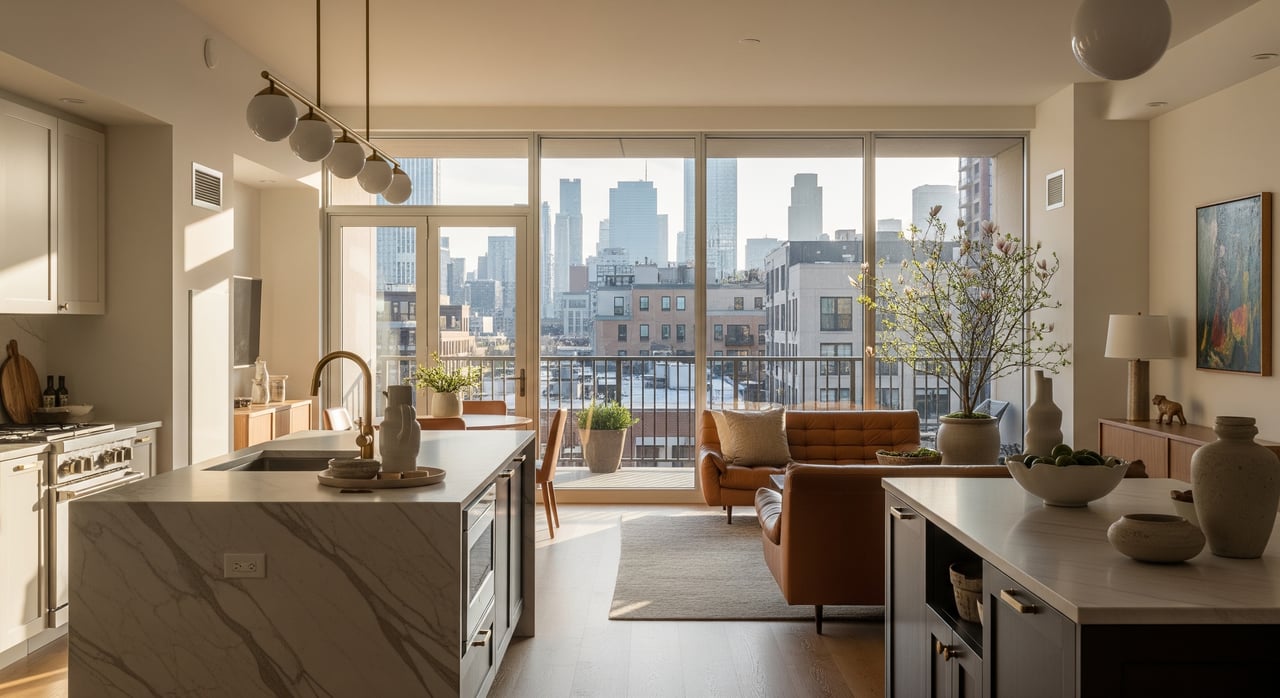
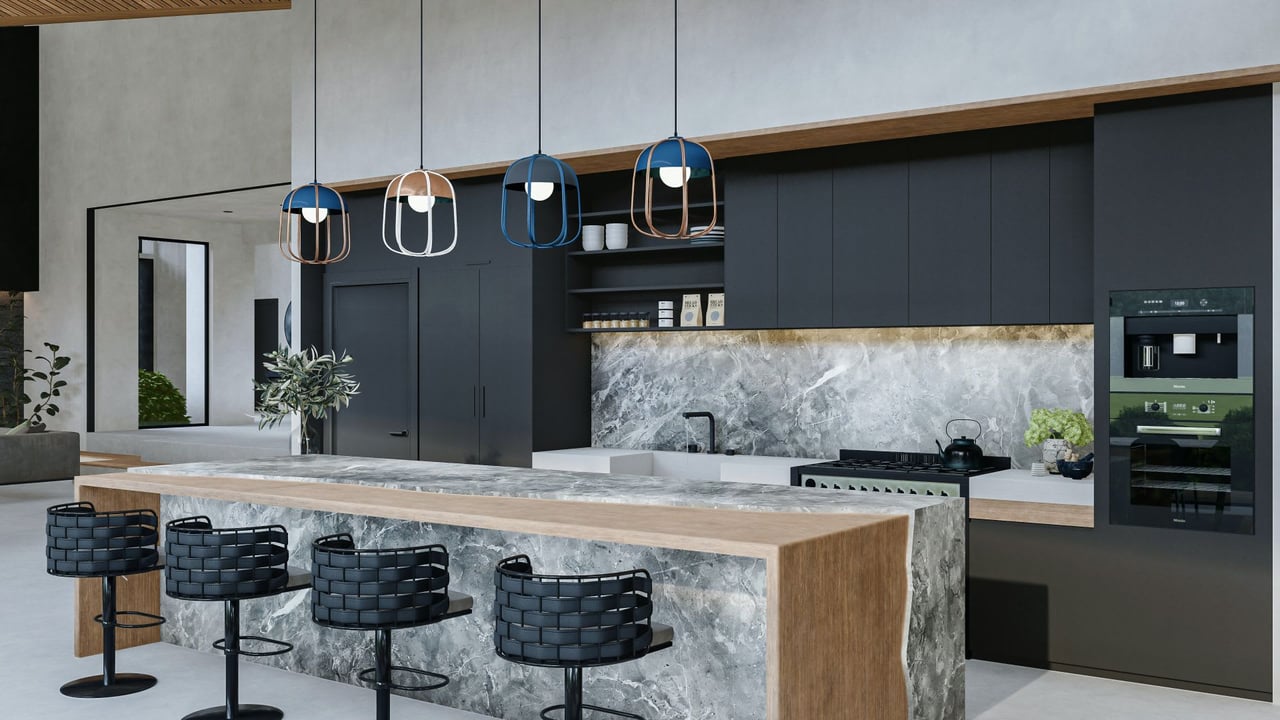
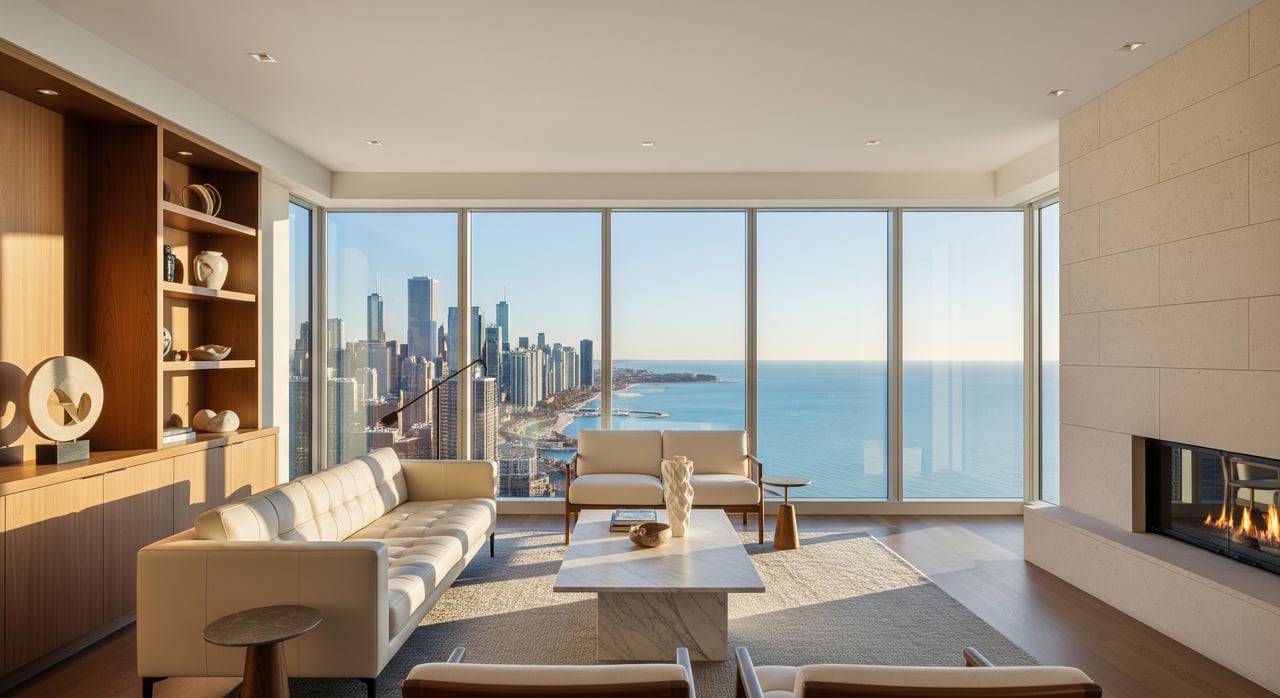
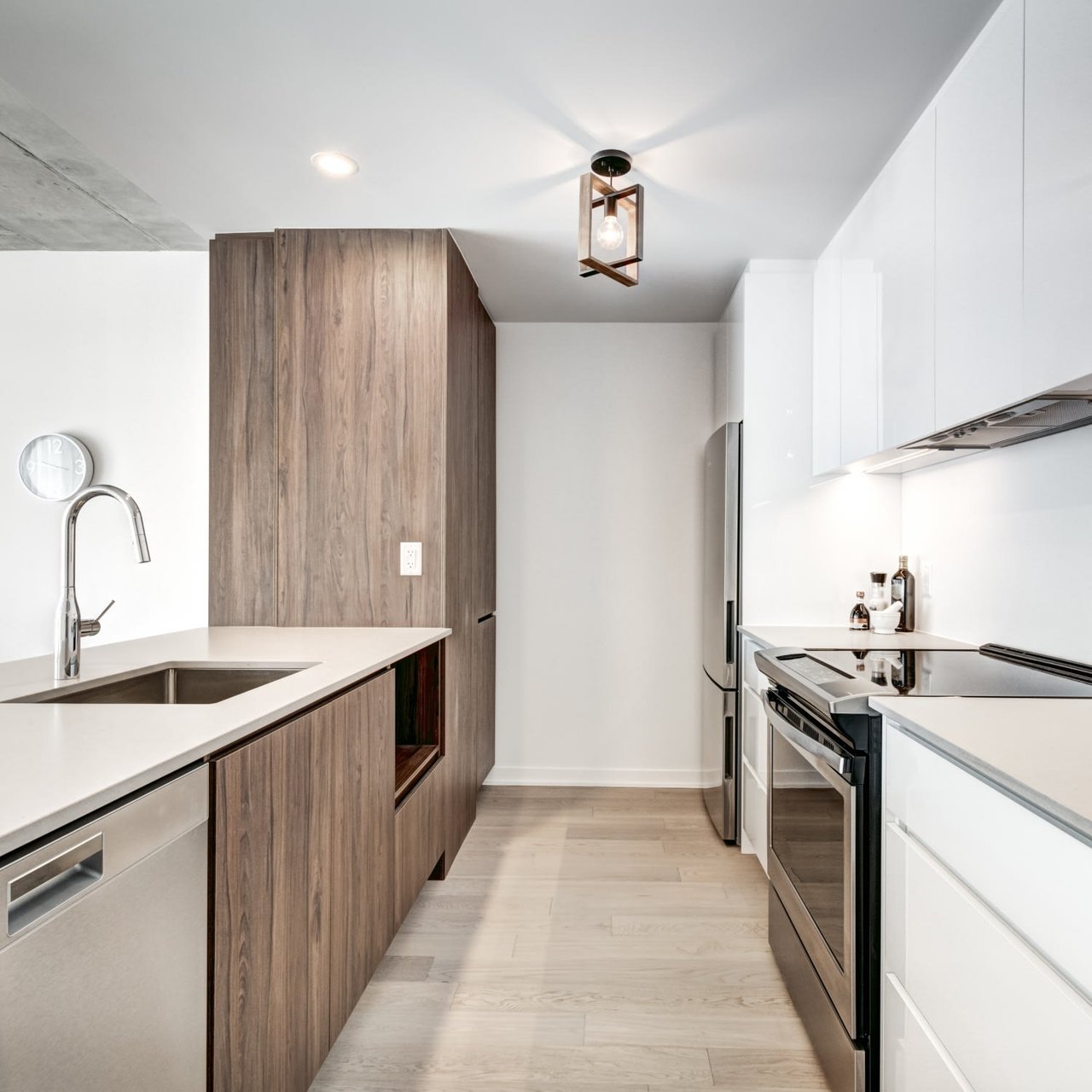
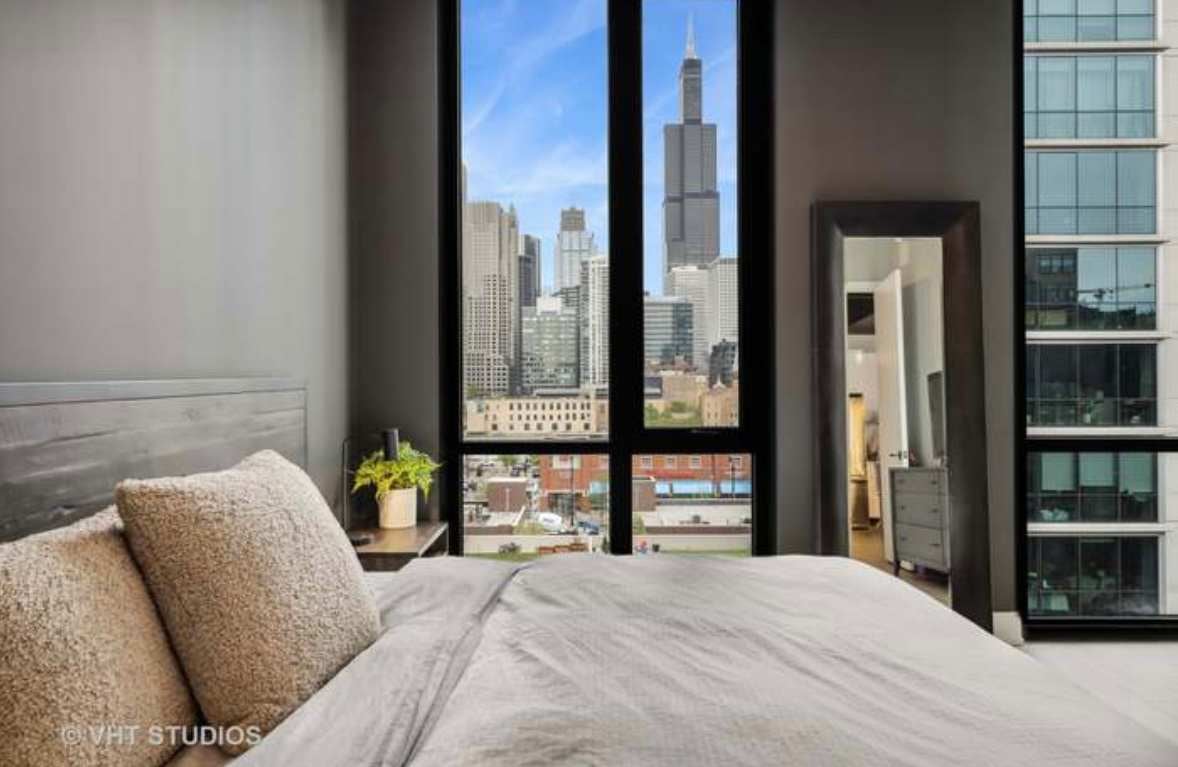
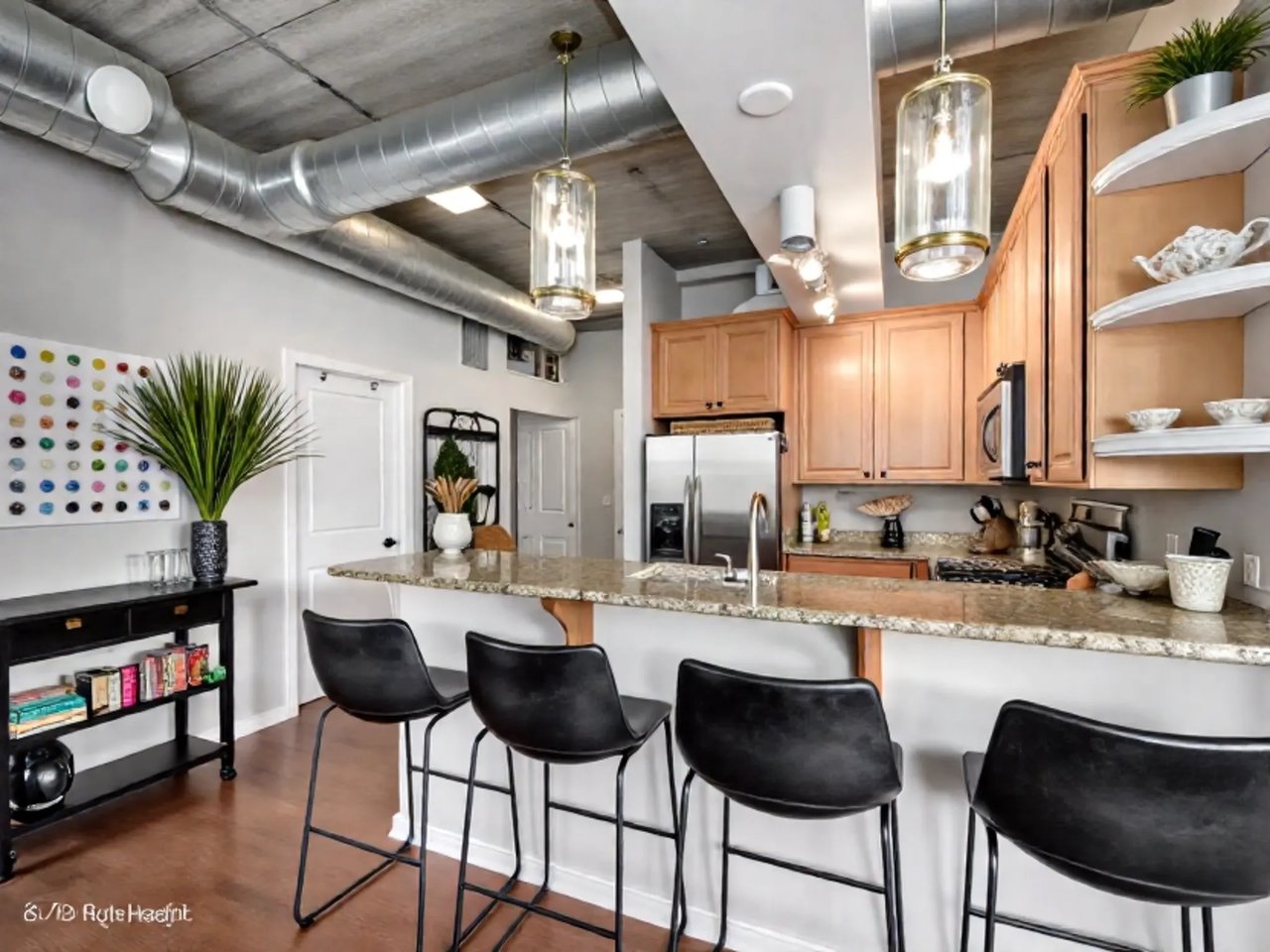
A soft loft is newer construction that borrows the loft aesthetic. You might see exposed ductwork or concrete-look finishes, but systems, insulation, and sound assemblies are modern. Ceilings are commonly 9 to 12 feet, and layouts feel more conventional, with defined bedrooms and building amenities.
Key takeaway: authenticity vs. interpretation. True lofts are historic conversions with raw character. Soft lofts deliver the look with contemporary comfort and services.
Where you will find them in 60607
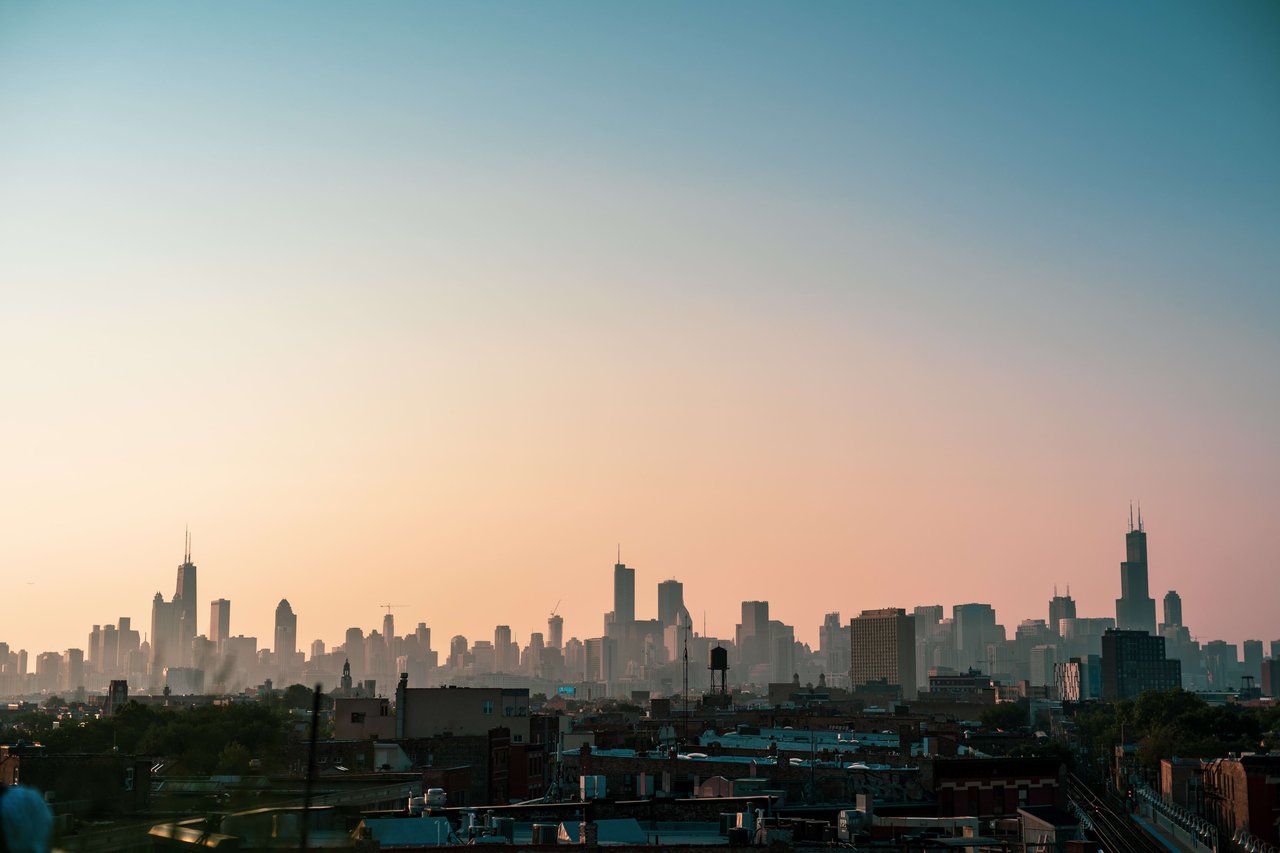
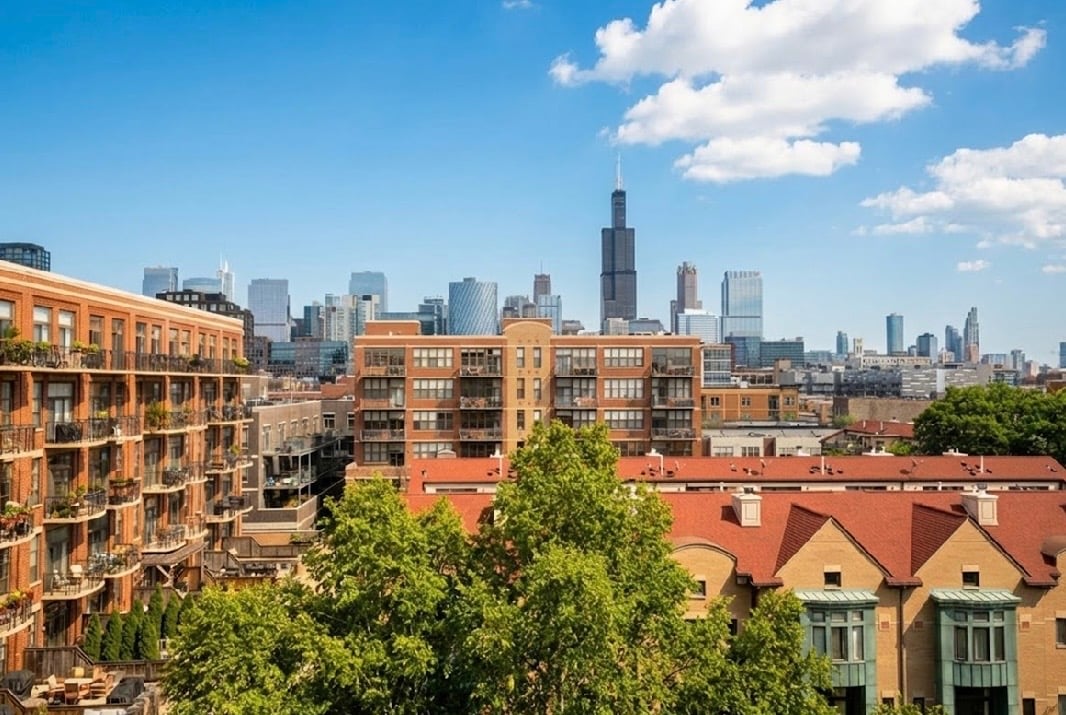
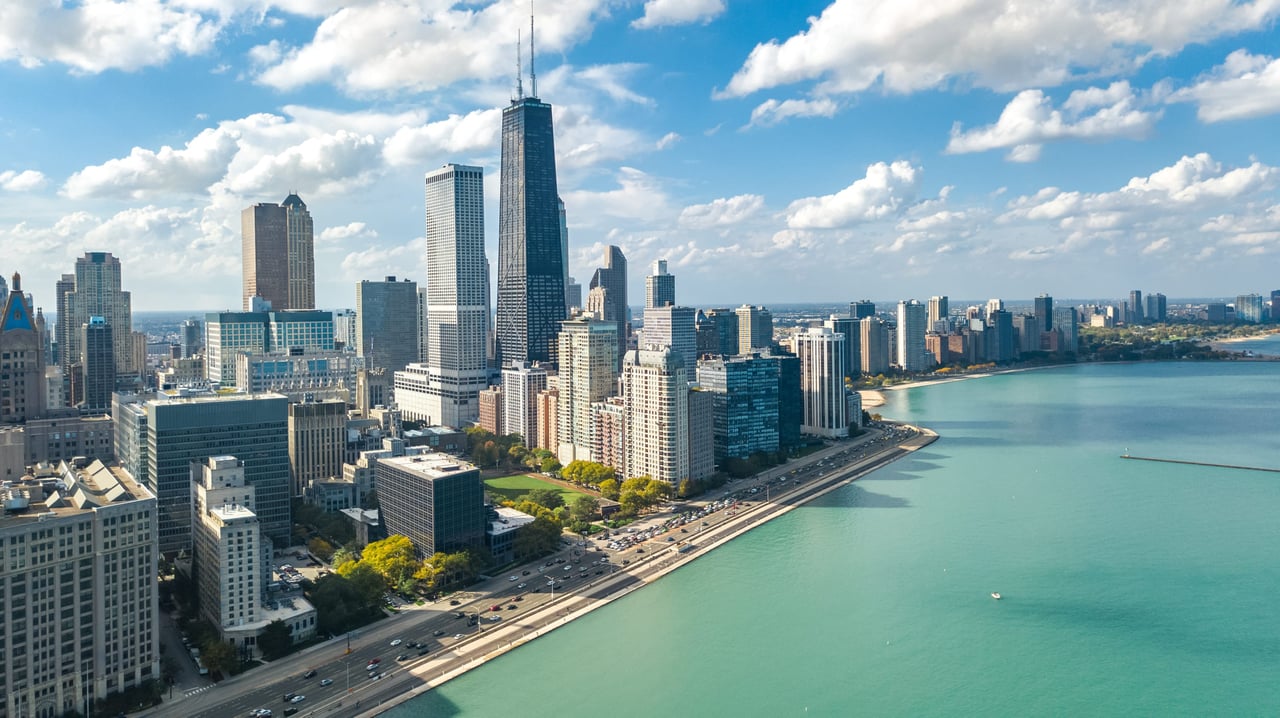
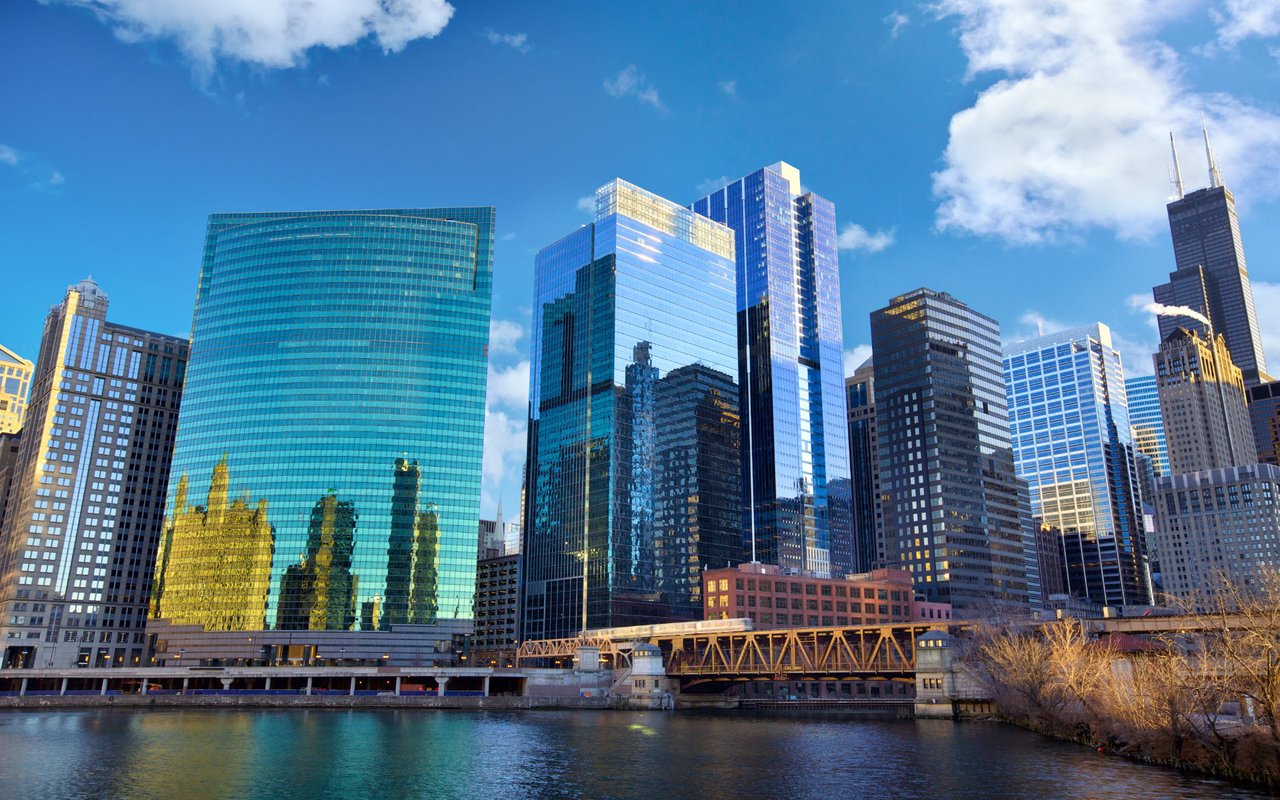
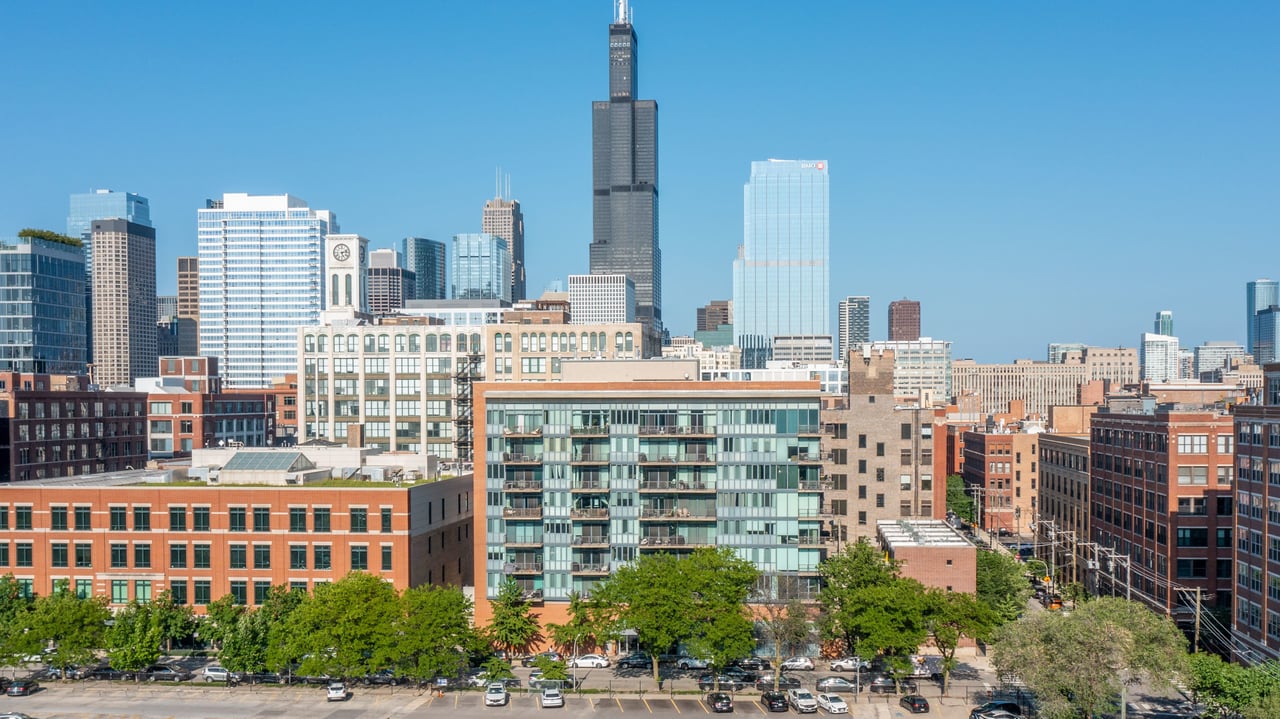
The West Loop and Fulton Market began as an industrial district and evolved into a mixed-use community over several decades. That history created a housing mix that includes both converted warehouse lofts and newer buildings with loft-inspired design. This blend is a big reason buyers love the neighborhood.
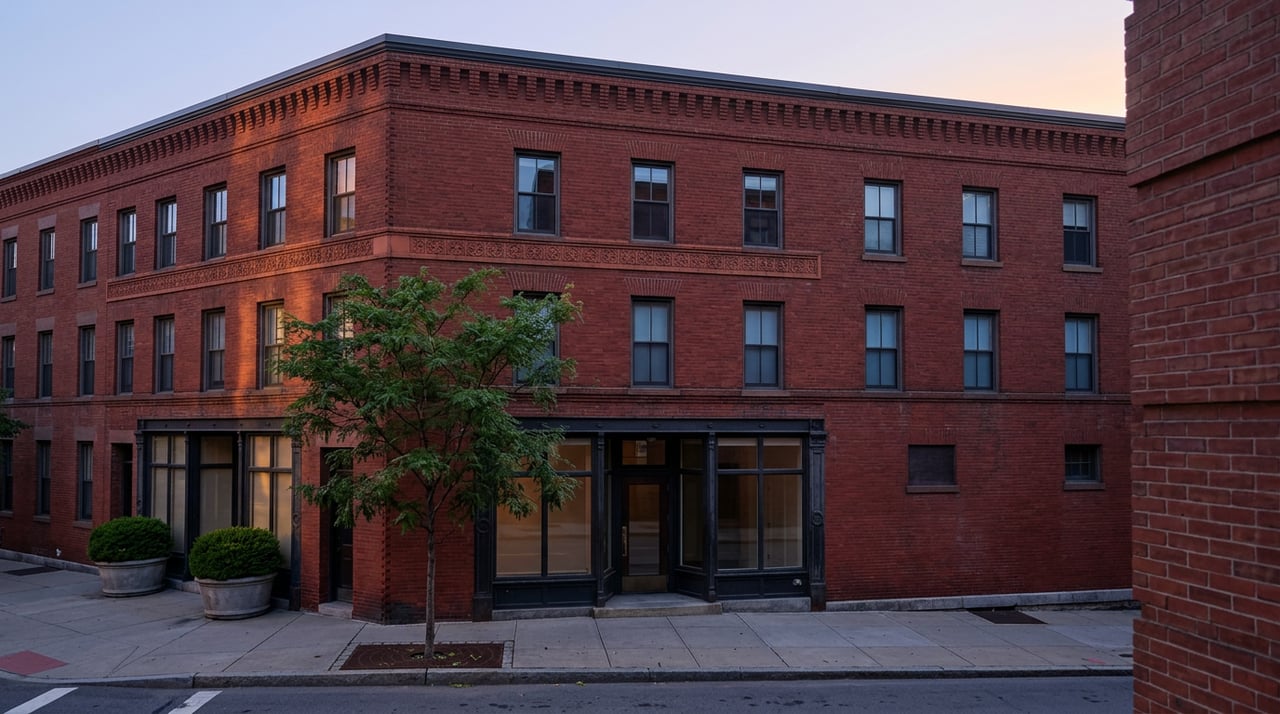
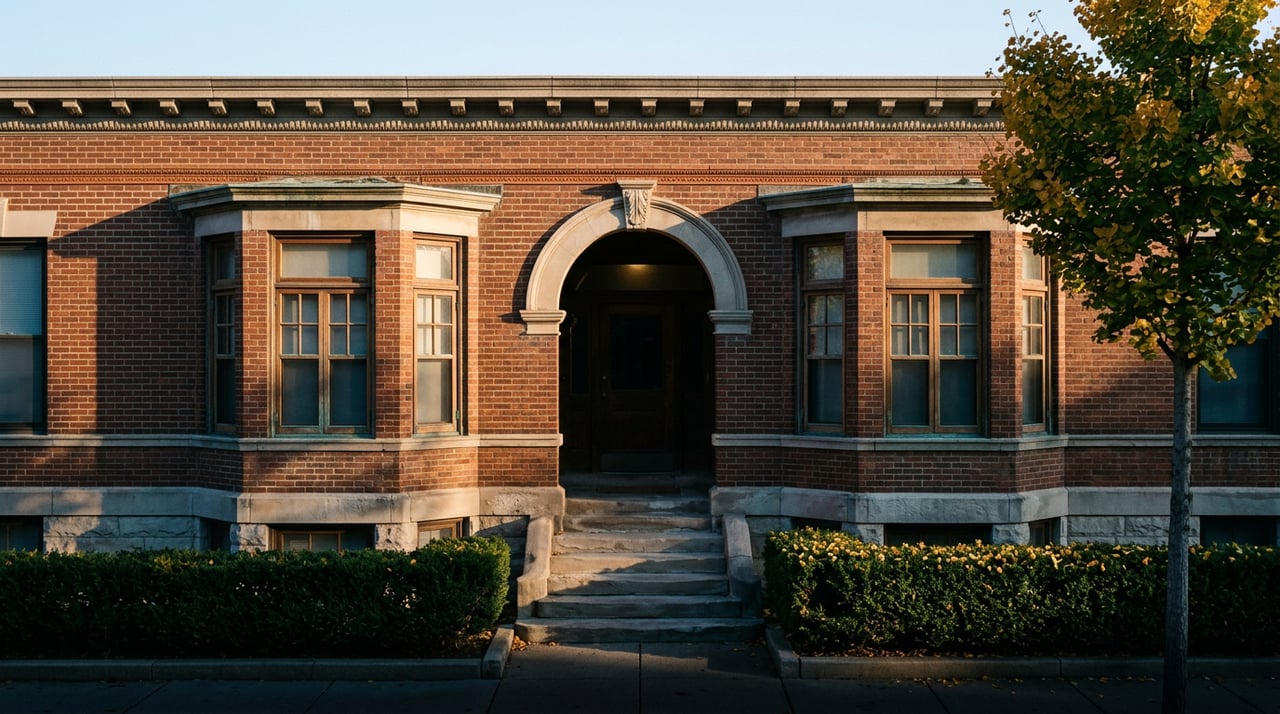
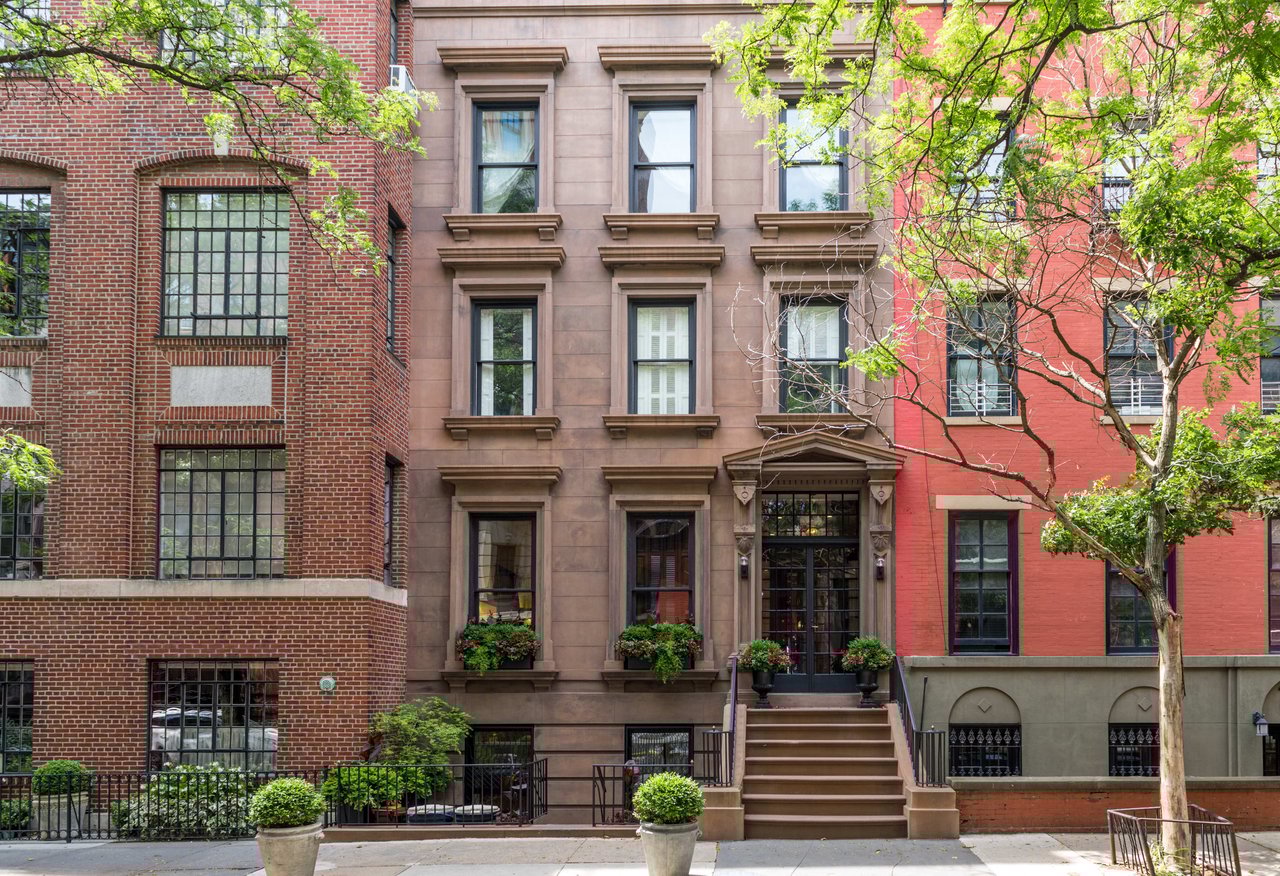
- True lofts tend to be in boutique conversions within older masonry or timber buildings. You will see irregular floor plates, original materials, and unique layouts.
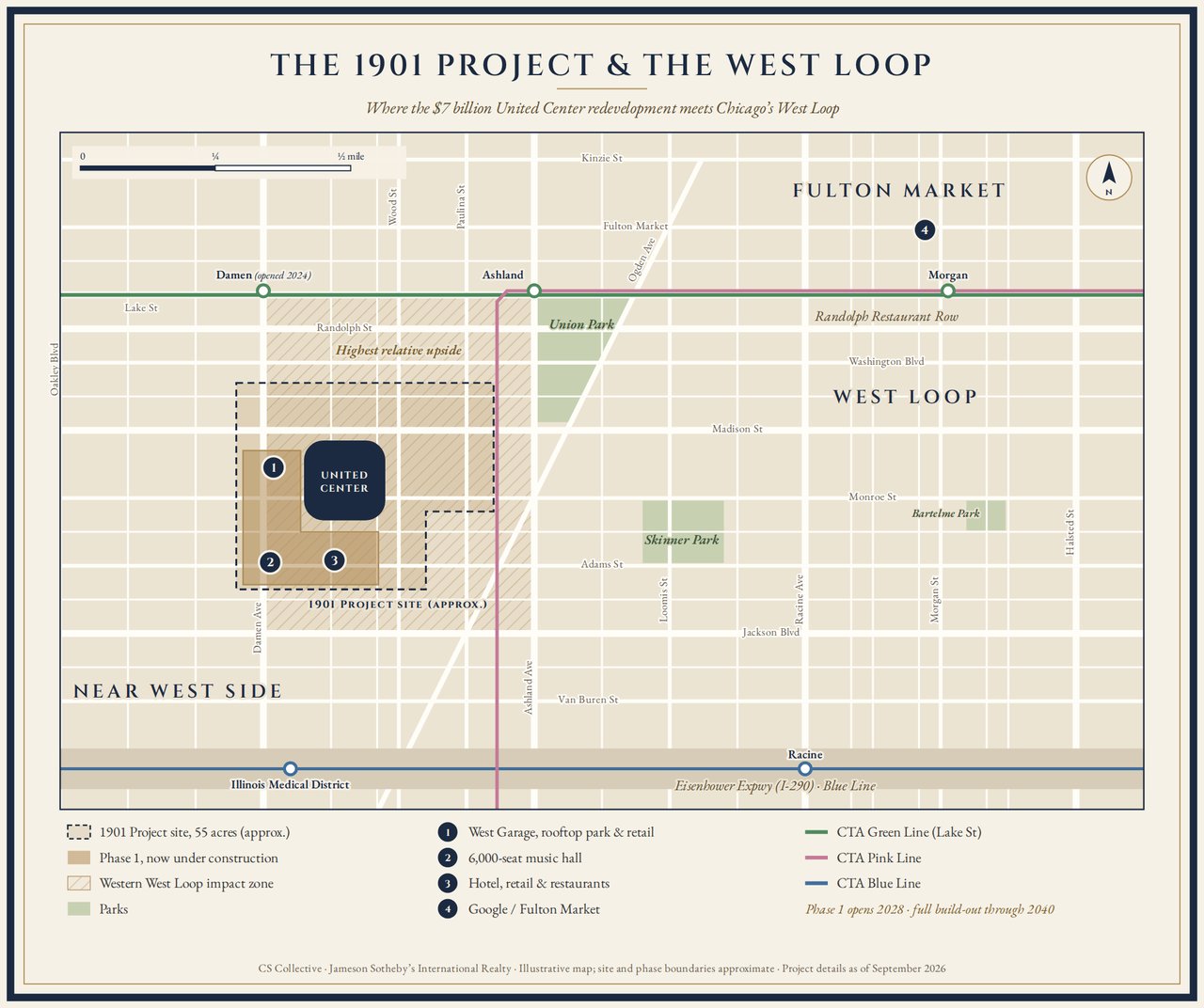
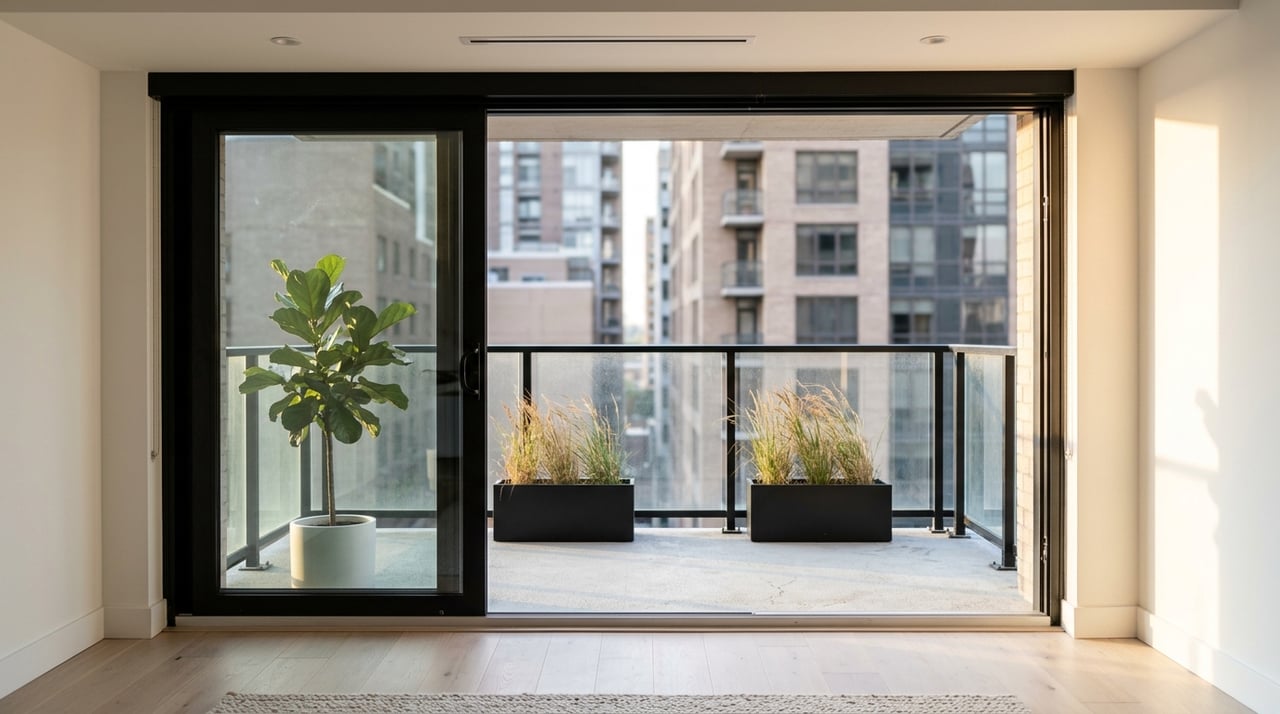
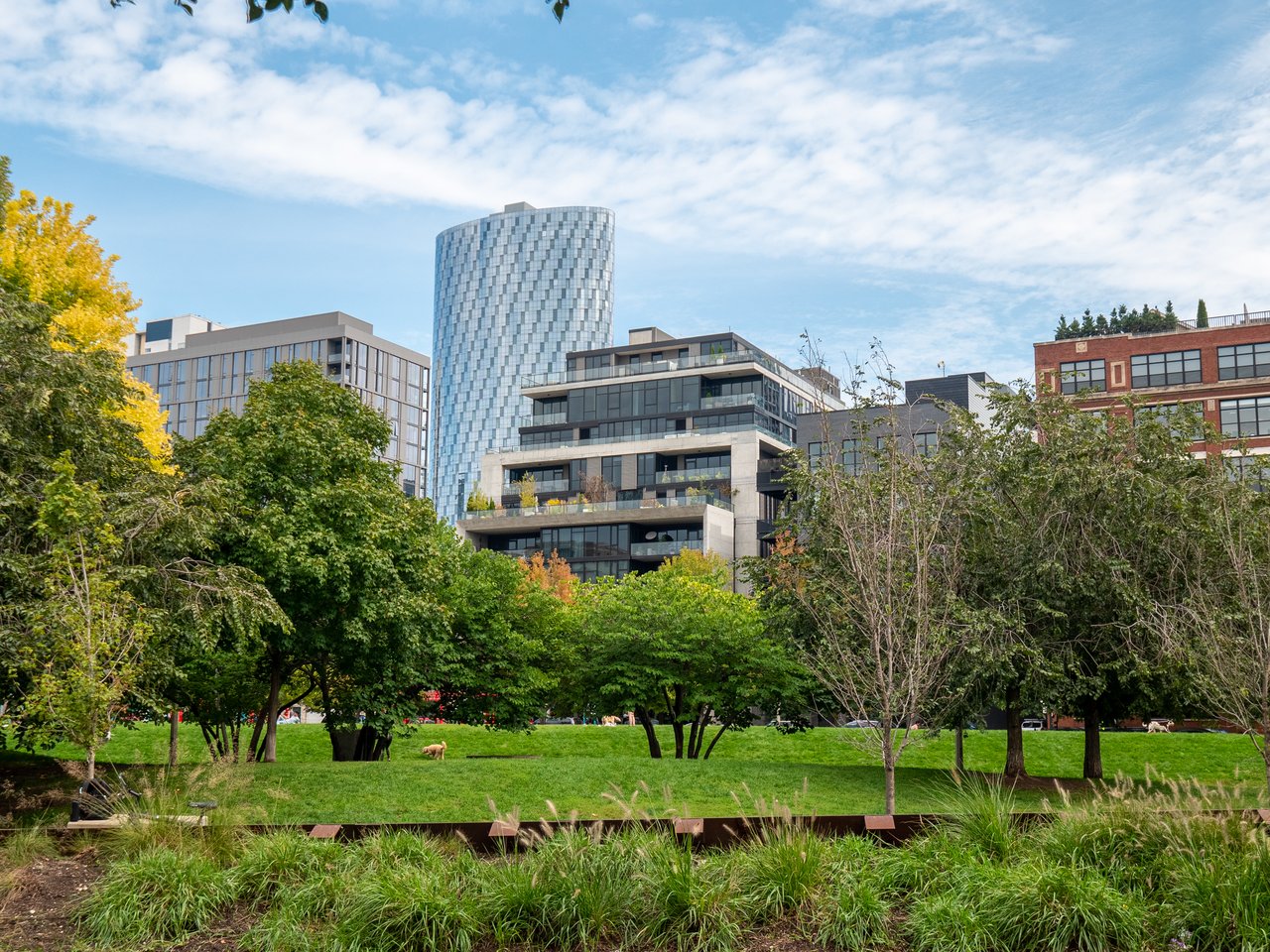
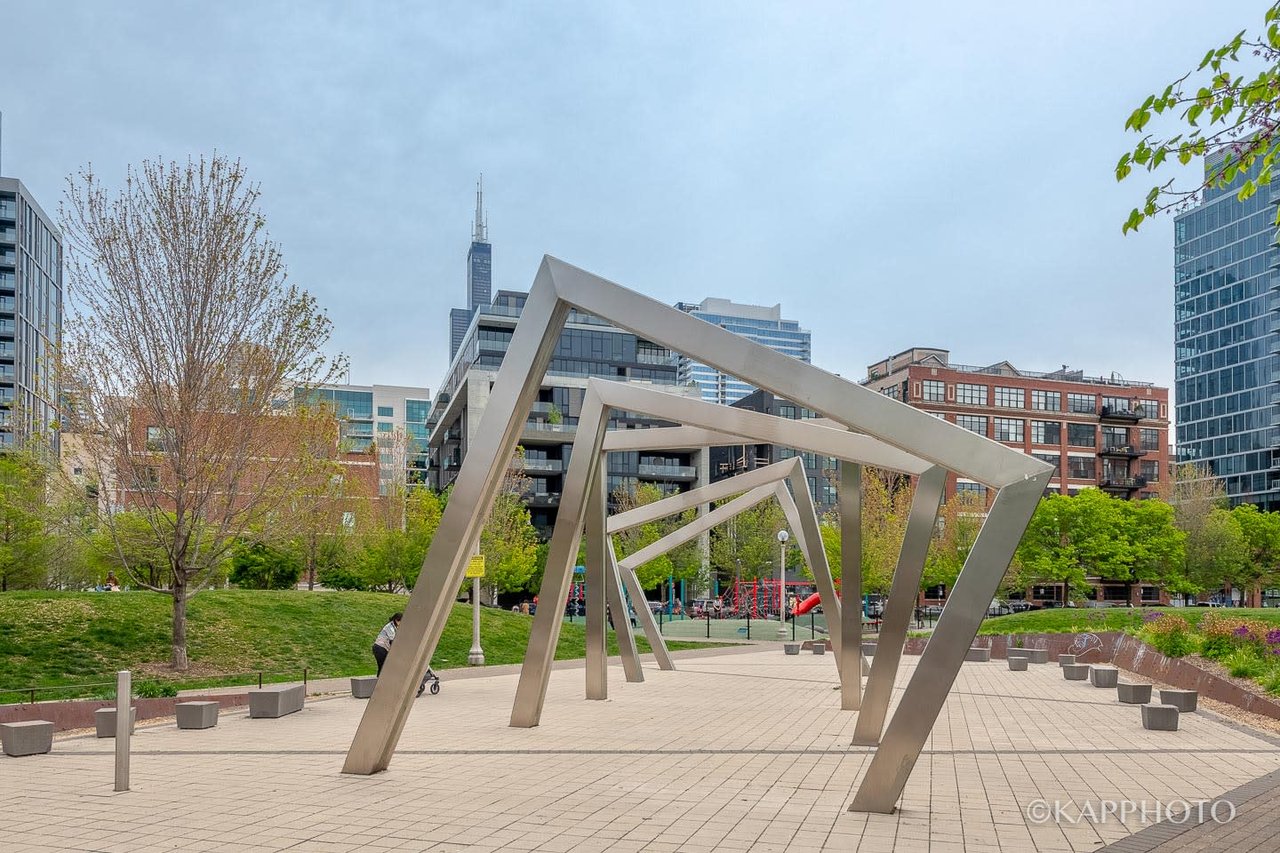
- Soft lofts are common in purpose-built condo buildings from the 2000s through today. Many sit near high-amenity corridors and parks, including the Randolph Street corridor, Fulton Market, and Mary Bartelme Park.
How soft lofts live day to day
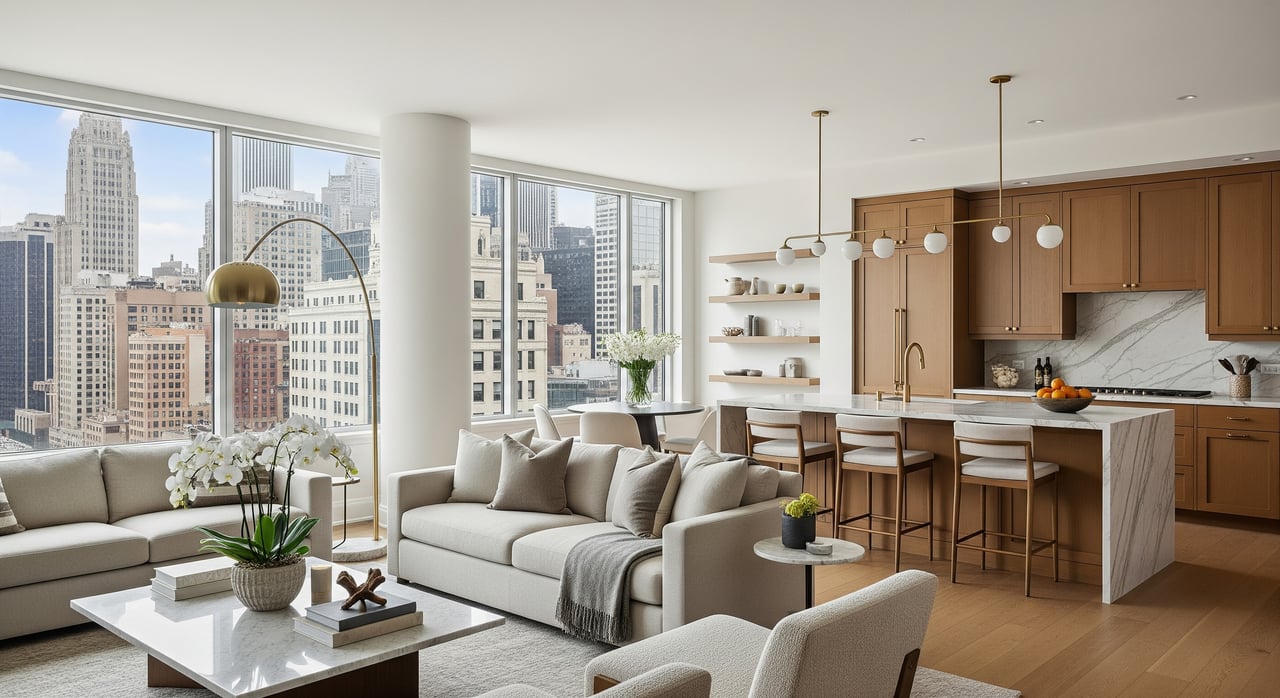
Soft lofts are designed for modern living. You typically get better thermal performance at the windows and more predictable HVAC, electrical, and plumbing systems. Building assemblies often include sound-rated walls and floors for improved privacy.
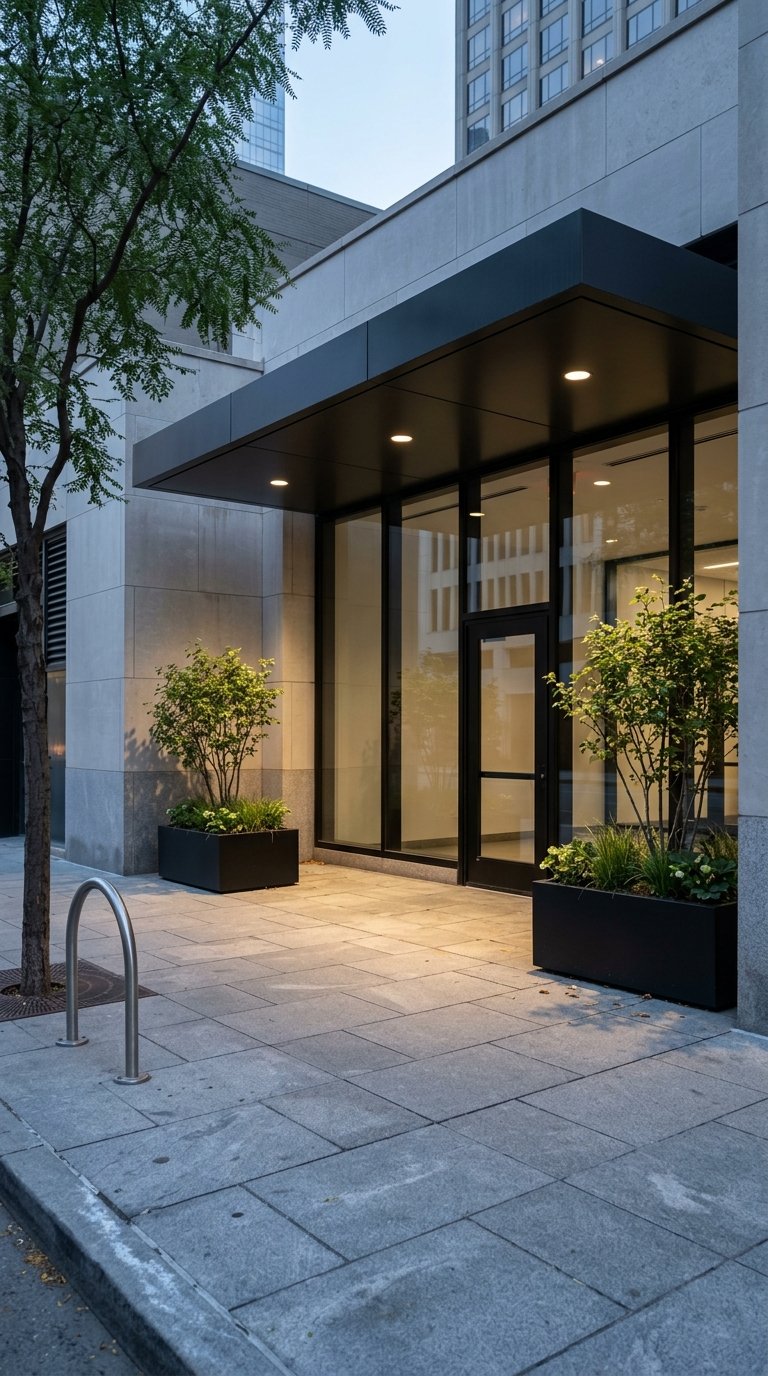
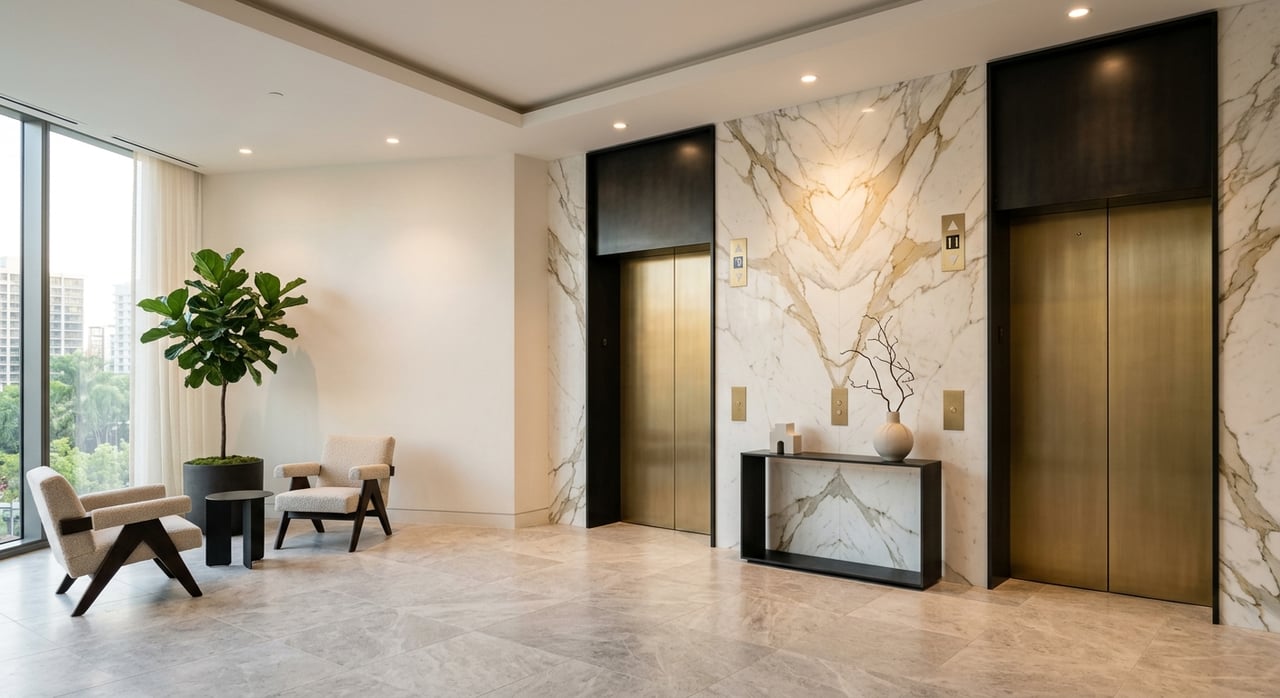
Amenities are part of the appeal. Many soft-loft buildings offer services like a doorman, fitness rooms, and well-planned common areas. HOA structures and documentation are standard, which can simplify lending and resale.
What to look for on tours
Ceiling height and mezzanines
Ask for the exact floor-to-ceiling height in main living areas. Higher ceilings increase volume and light but can raise heating and cooling costs. If there is a mezzanine or lofted area, confirm how it is classified, whether it counts as official square footage, and if it can be marketed as a legal bedroom.
Windows and thermal comfort
In true lofts, original factory-style windows look great but may have lower thermal performance. Ask about replacement history, storm windows, and any rules tied to historic preservation. In soft lofts, glazing is typically modern, which can help with comfort and efficiency.
Sound and privacy
Review what the building has done for sound control. Two key metrics are STC for airborne sound and IIC for impact noise. Soft lofts generally achieve higher ratings due to modern assemblies, while conversions may transmit more sound. Visit at different times to gauge hallway and neighboring noise, and ask if the HOA has specifications or data on floor and ceiling assemblies.
Systems and maintenance
In true lofts, systems were retrofitted. Ask about the age and capacity of boilers or chillers and how distribution systems were integrated. In soft lofts, verify HVAC type, efficiency, and service records. In all buildings, check access to any exposed ductwork or finishes to confirm maintenance will be straightforward.
Fire safety and egress
Confirm sprinkler coverage, alarm systems, and exit routes. If a lofted area is used as a bedroom, verify it meets egress and fire-code requirements. This matters for safety, insurance, and financing.
HOA, financing, and legal checks
Condo documents and reserves
Request the declaration, bylaws, budget, reserve study, and recent board minutes. Look for a history of window or roof projects, special assessments, and any upcoming capital work. Healthy reserves and a clear maintenance plan support long-term value.
Rules and rental policies
If you plan to rent now or later, review leasing policies, minimum lease terms, and any short-term rental restrictions. Check owner-occupancy levels and delinquency rates, which can impact financing.
Historic and environmental context
Some conversions sit within historic overlays or on former industrial sites. Ask for any preservation rules related to exterior changes, and request available environmental or remediation records. Confirm whether any ongoing monitoring or controls are in place.
Resale value in the West Loop
Buyer demand in 60607 is diverse. Some buyers chase historic character and wide-open layouts, while others prefer turnkey amenities and predictable systems. Your resale strategy should match your property type and its most likely buyer.
- True lofts can command an authenticity premium, especially when the conversion and finishes are exceptional. The buyer pool can be narrower if layouts are very open or systems are older.
- Soft lofts can attract a broader audience, including first-time buyers who value amenities and modern assemblies. Strong building reserves and services may support higher price per square foot.
Appraisals rely on comparable sales. Unique true-loft floor plans and mezzanines can complicate comps. Soft-loft condos often have more direct comparisons, which can smooth the process.
For resale presentation, define space in true lofts with thoughtful staging to highlight light and scale. In soft lofts, emphasize modern systems, amenities, and proximity to West Loop dining, parks, and services.
Pre-offer checklist for 60607 buyers
- Confirm ceiling heights and whether mezzanines count as bedrooms or official square footage.
- Visit at different times to check noise, daylight, and elevator or corridor traffic.
- Ask for the certificate of occupancy, any known code violations, and window or roof replacement history.
Documents to request during attorney review:
- Condo declaration, bylaws, board minutes, reserve study, audited financials, current budget, and the building’s insurance certificate.
- For conversions, request structural and remediation reports and permits related to the conversion.
- Mechanical maintenance logs and records of recent capital projects.
- Any historic-preservation rules, easements, or recorded restrictions.
Inspections to consider:
- General home inspection covering structure, roof, electrical, and plumbing.
- HVAC inspection for capacity, zones, and service records.
- Moisture and thermal scan for masonry and window leaks, especially in older buildings.
- An acoustical review of floor and ceiling assemblies or at minimum a detailed discussion of STC and IIC expectations.
- Code and egress review for mezzanines or non-standard sleeping areas.
Negotiation levers:
- Credits for sound mitigation, window upgrades, or HVAC improvements where needed.
- Contingencies for HOA document review and financing approval, especially with unique legal structures.
- If environmental history exists, request complete documentation and applicable warranties.
Soft loft or true loft: which fits you?
Choose a true loft if you value historic character, scale, and one-of-a-kind layouts, and if you are comfortable managing potential quirks of older assemblies. Choose a soft loft if you want loft style with modern building systems, clearer HOA frameworks, and amenities that fit a lock-and-leave lifestyle.
If you are weighing options in 60607, you deserve advice grounded in valuation and neighborhood insight. For a curated tour list, comps you can trust, and a plan to navigate HOA and inspection details, connect with Stephanie Turner.
FAQs
What is a soft loft in Chicago’s West Loop?
- A soft loft is newer construction that mimics loft aesthetics, offering open layouts and exposed-style finishes with modern systems, insulation, and amenities.
Are soft lofts quieter than true lofts?
- Often yes, because many soft-loft buildings use sound-rated wall and floor assemblies that can achieve higher STC and IIC performance than older conversions.
Do mezzanines count as bedrooms in 60607 condos?
- Not always; legal bedroom status depends on code-compliant egress and other criteria, so confirm classification and square-footage treatment with building documents.
What HOA documents should I review before buying a loft?
- Ask for the declaration, bylaws, recent board minutes, reserve study, audited financials, current budget, and the insurance certificate to assess financial health and rules.
How do appraisals handle unique loft layouts in the West Loop?
- Appraisers rely on local comps and may adjust for functional utility, which can be more complex for irregular floor plans and mezzanines than for standardized condos.