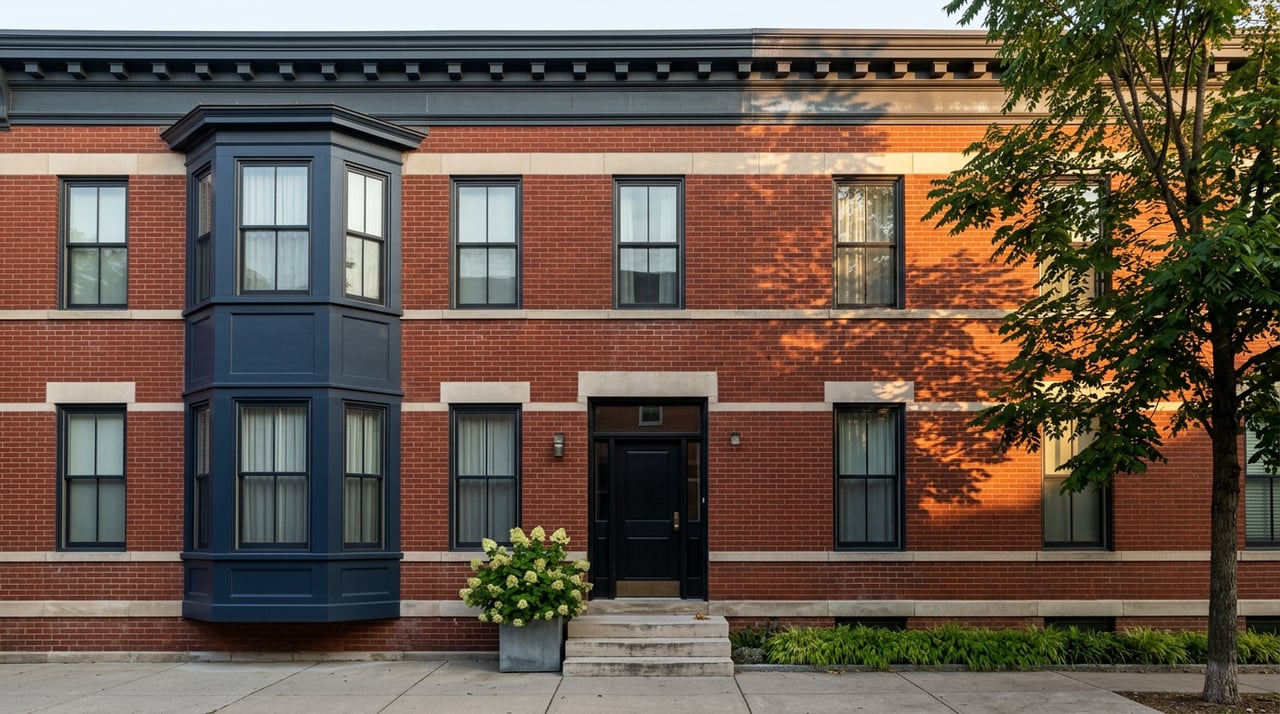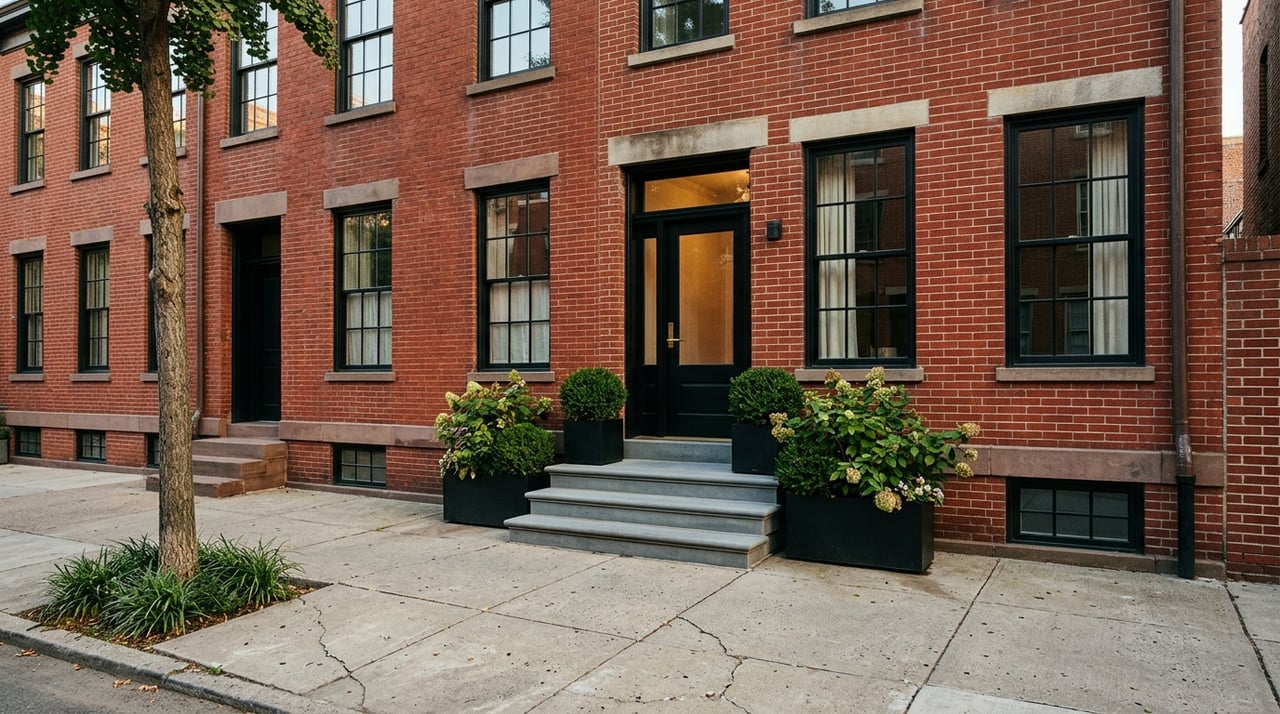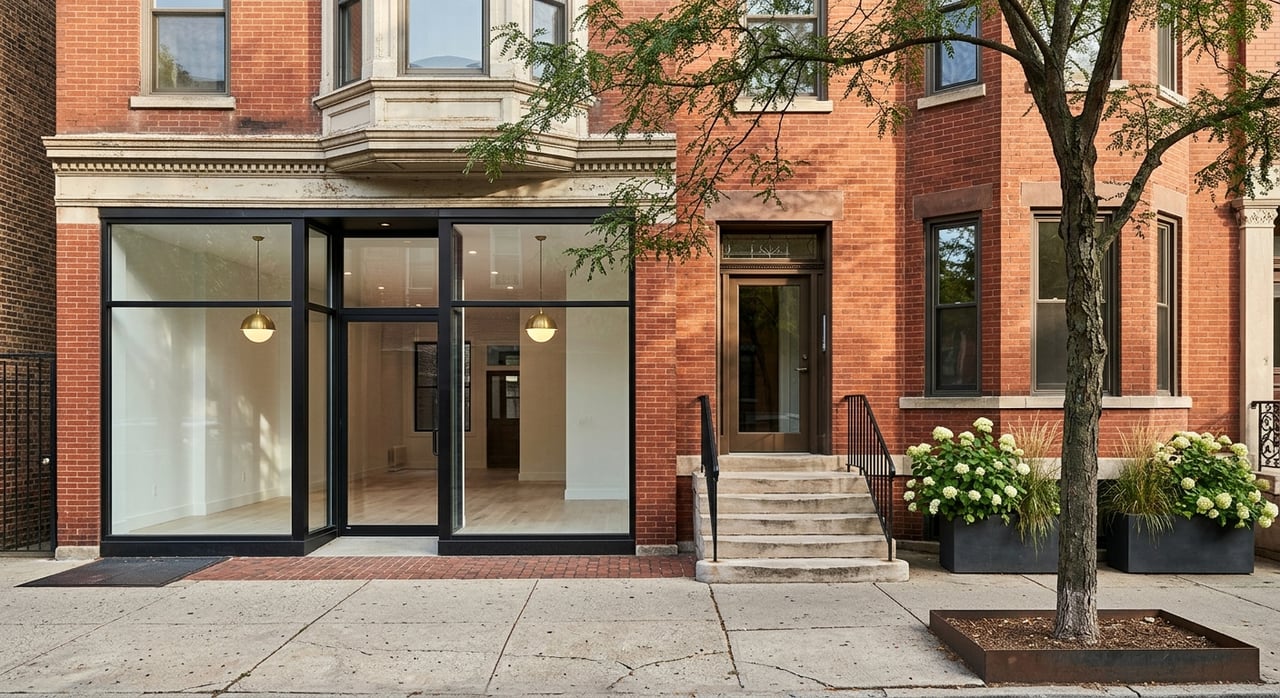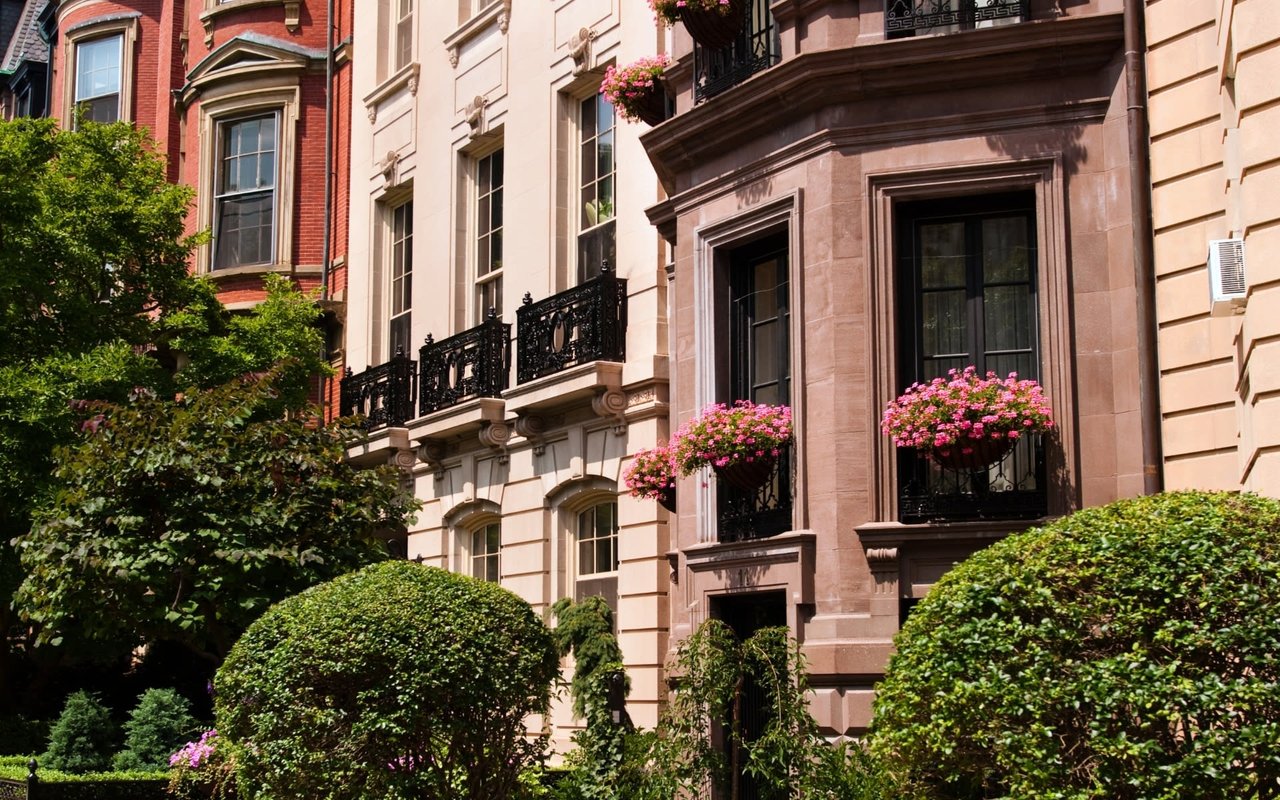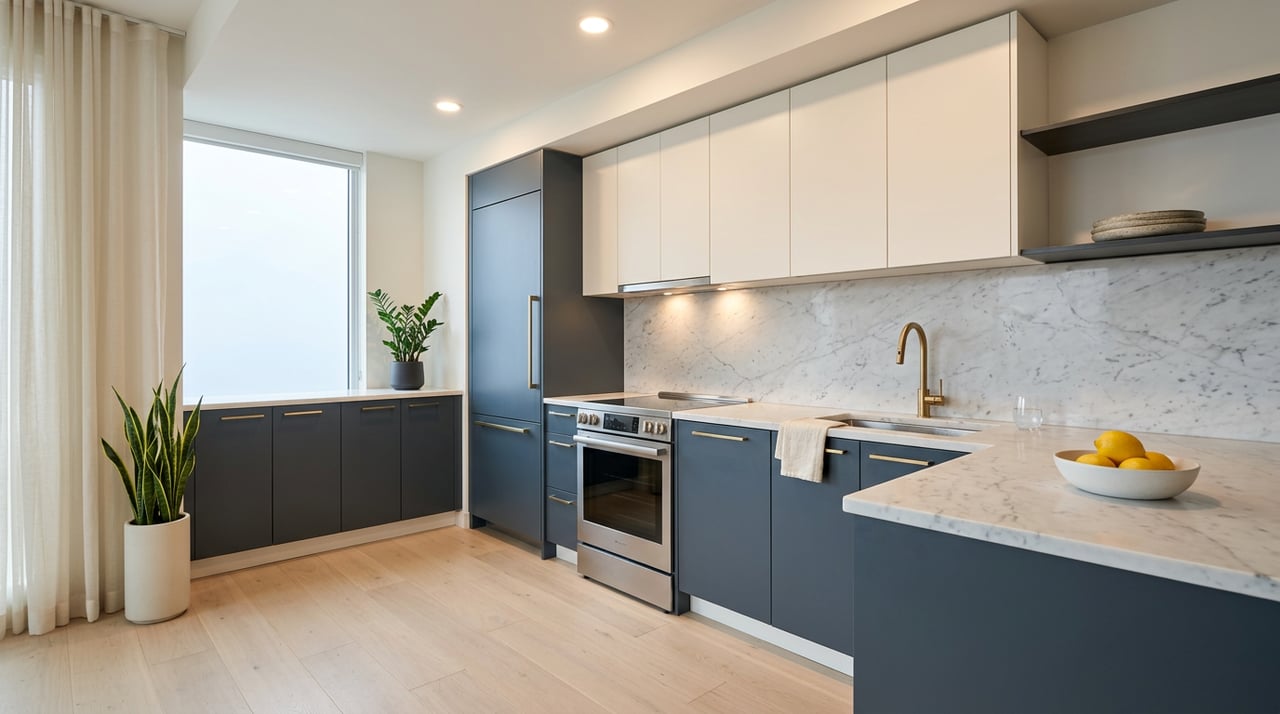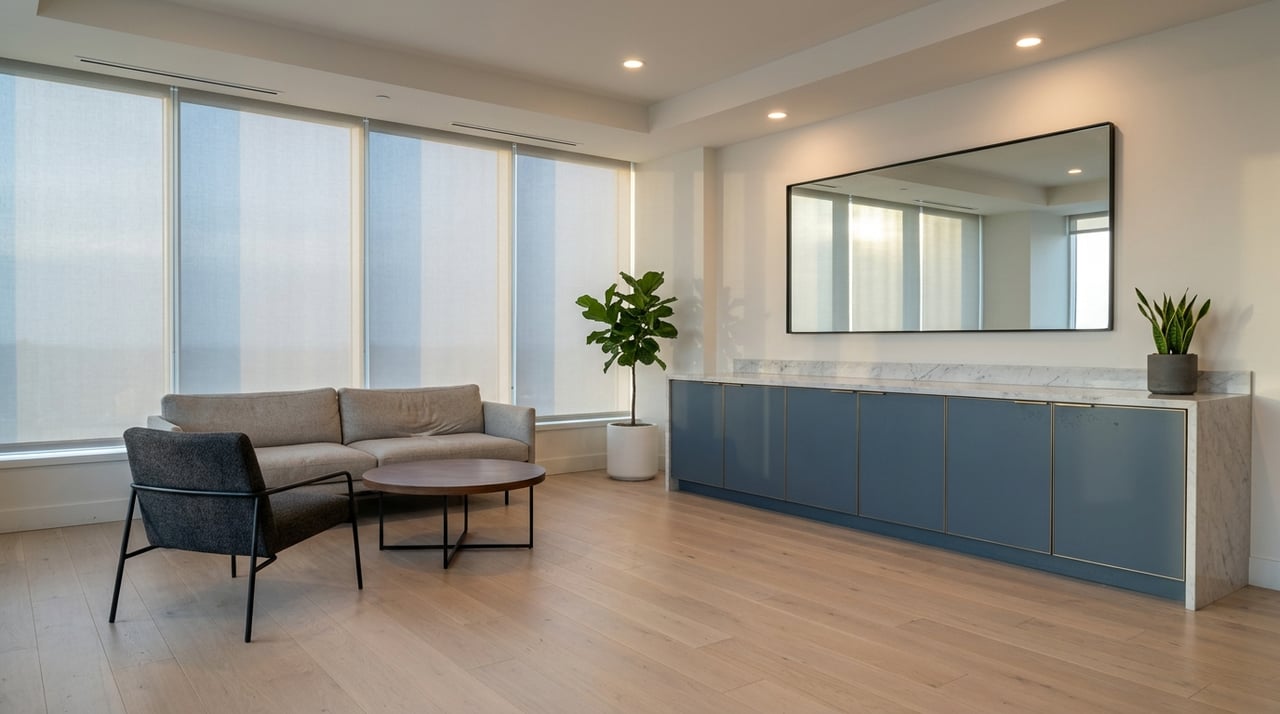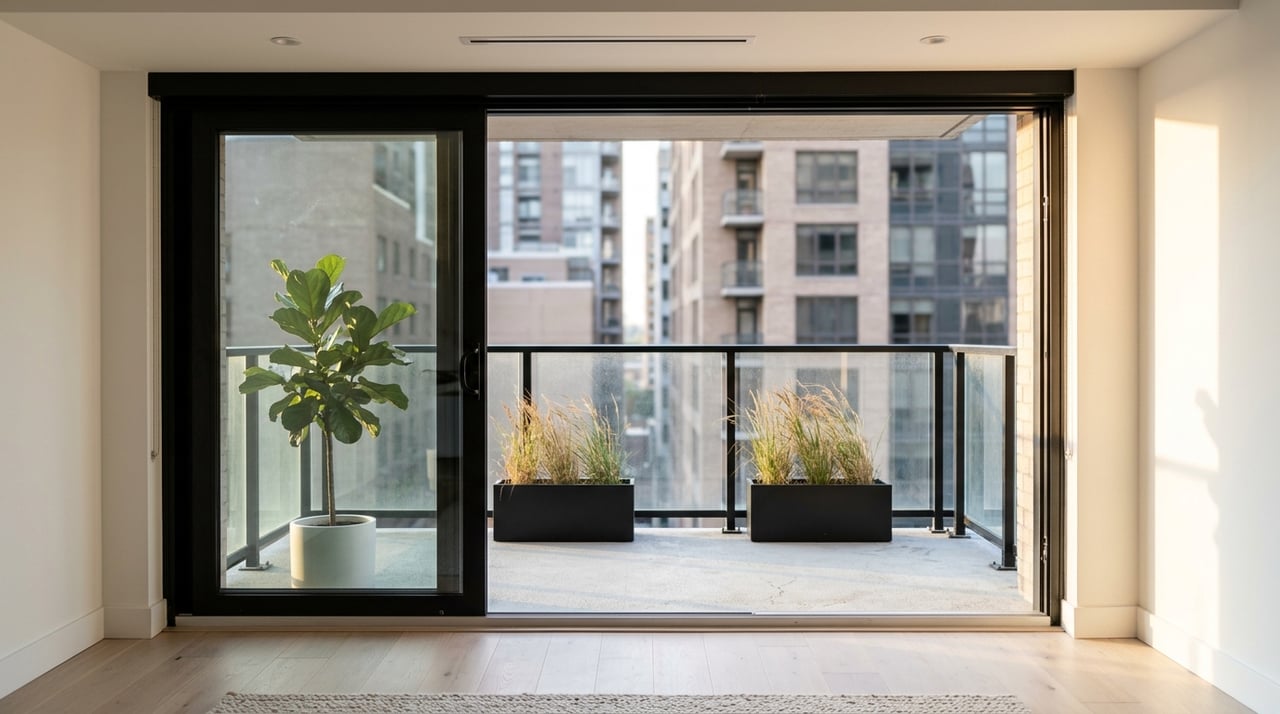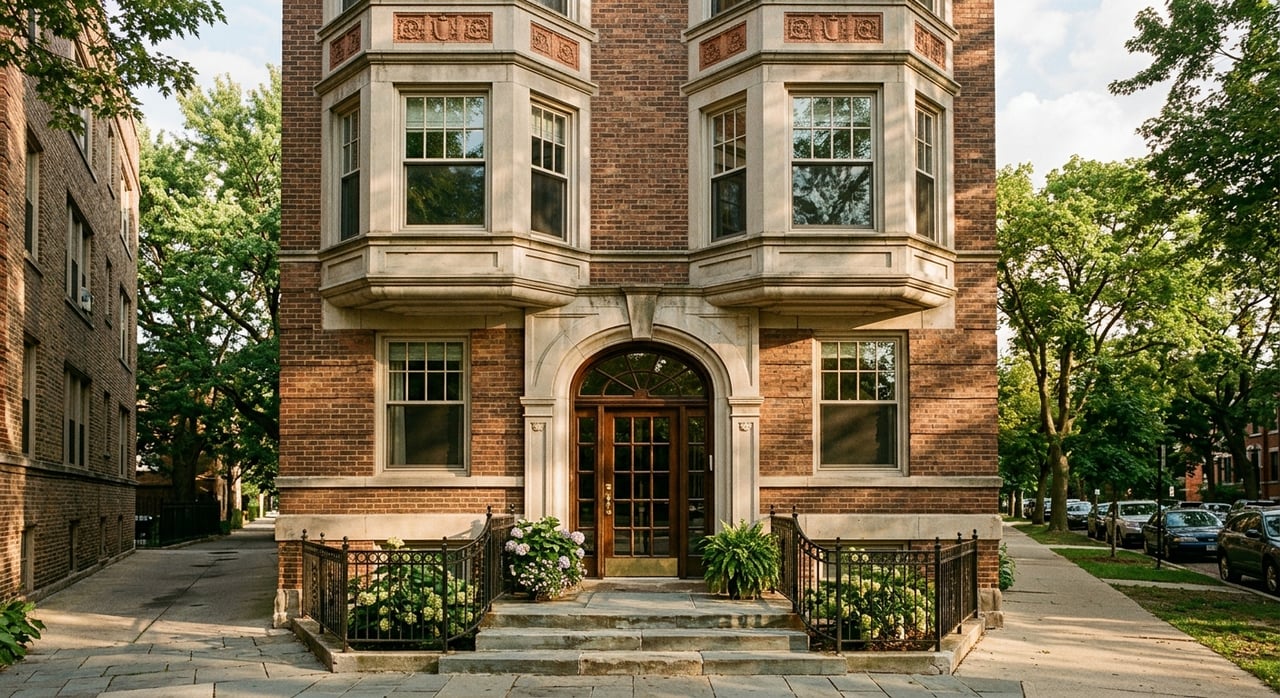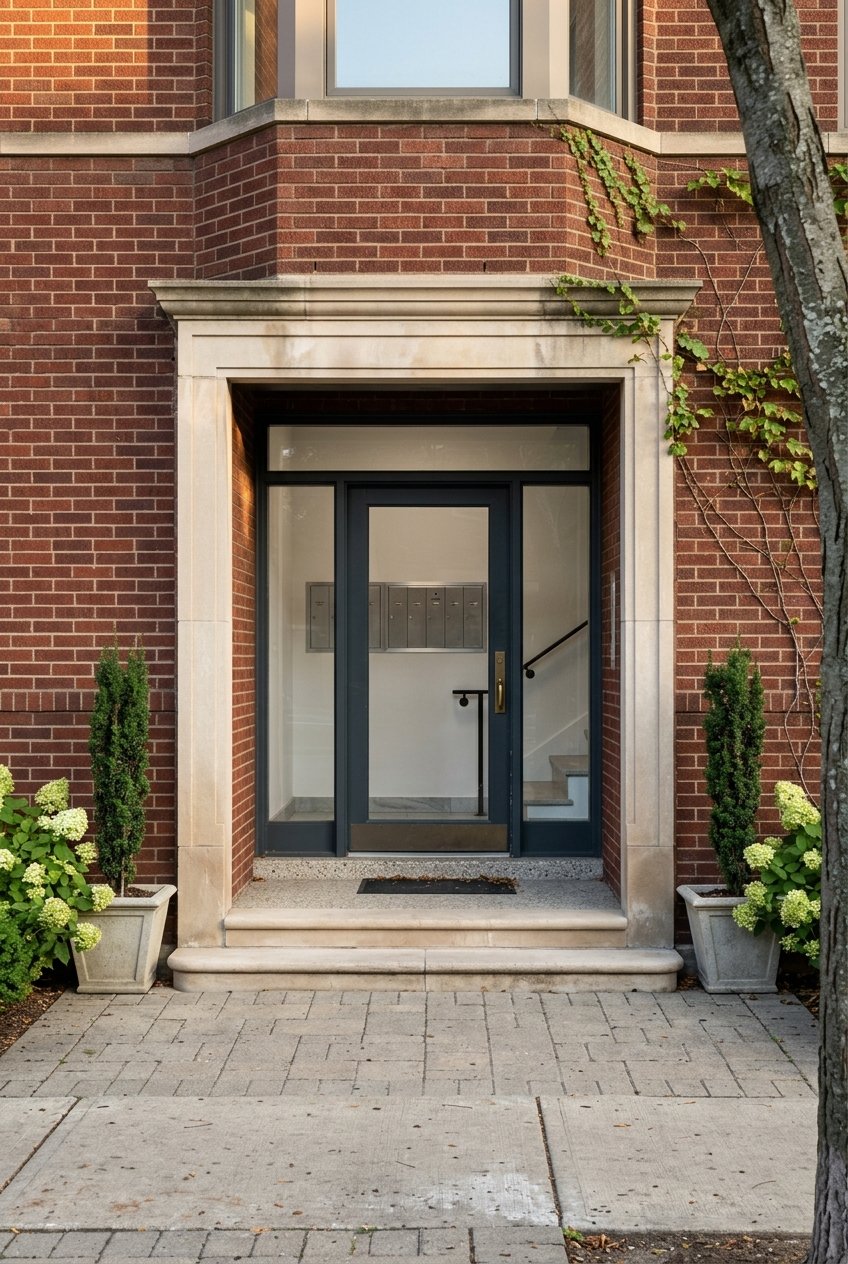
Trying to choose between a Lincoln Park single-family home and a townhome? You are not alone. Both options shine here, but each comes with different costs, responsibilities, and financing paths. In this guide, you will see how ownership type affects your monthly payment, maintenance, approvals, outdoor space, and future resale. By the end, you will have a clear framework to pick what fits your life and budget. Let’s dive in.
Lincoln Park market at a glance
Lincoln Park is a high-demand, low-supply market, and the property type you pick has a big impact on price. Recent snapshots show the pattern clearly. Redfin’s January 2026 median for all home types sits around $750,000, while Zillow’s Home Value Index for the area is about $622,000 for the same period. These measures track different things, which explains the gap.
Detached single-family homes are scarce and command a premium. Aggregated rollups often show single-family medians near $2.6 million in Lincoln Park, while townhomes trend closer to $1 million. This spread reflects real scarcity of fee-simple houses compared with attached homes. If you want precise pricing by block and by property type, ask for an MLS pull for your target streets and features.
What you get with each home type
Fee-simple single-family
- You own the house and the land. You control exterior changes, systems, and yard.
- You carry all maintenance and capital costs. That includes roof, façade, windows, landscaping, and snow removal.
Townhome or rowhome
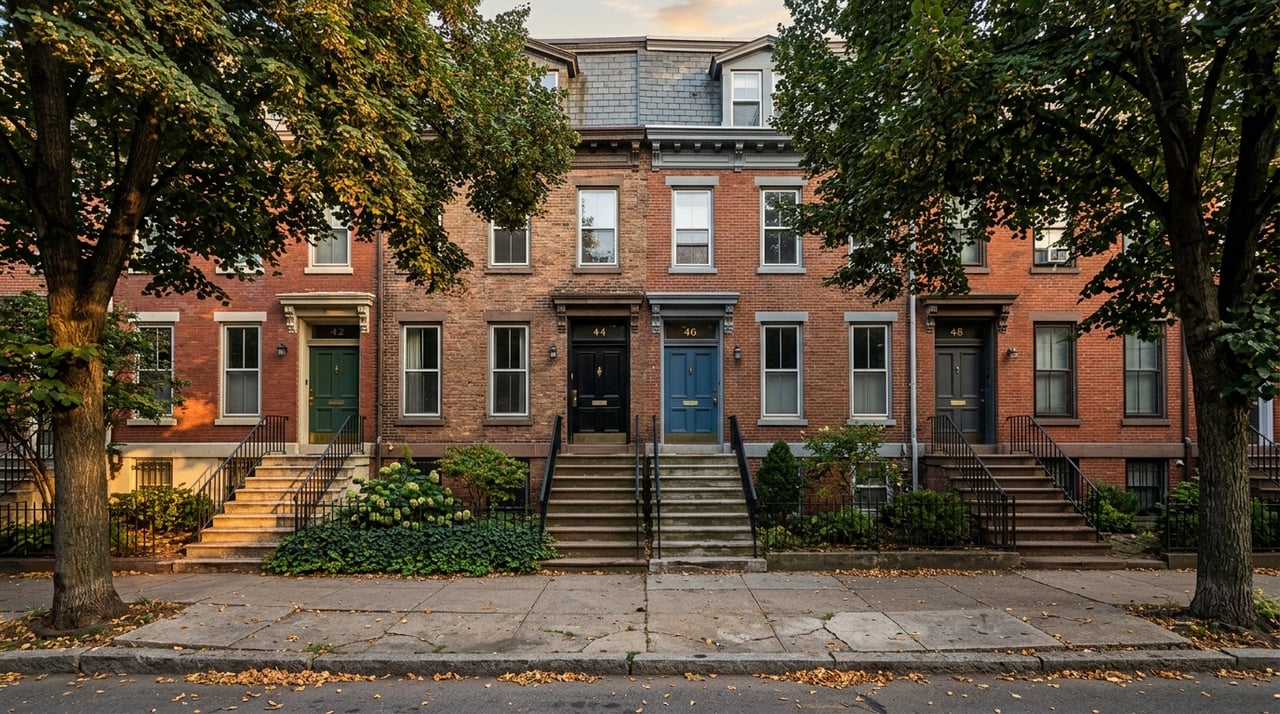
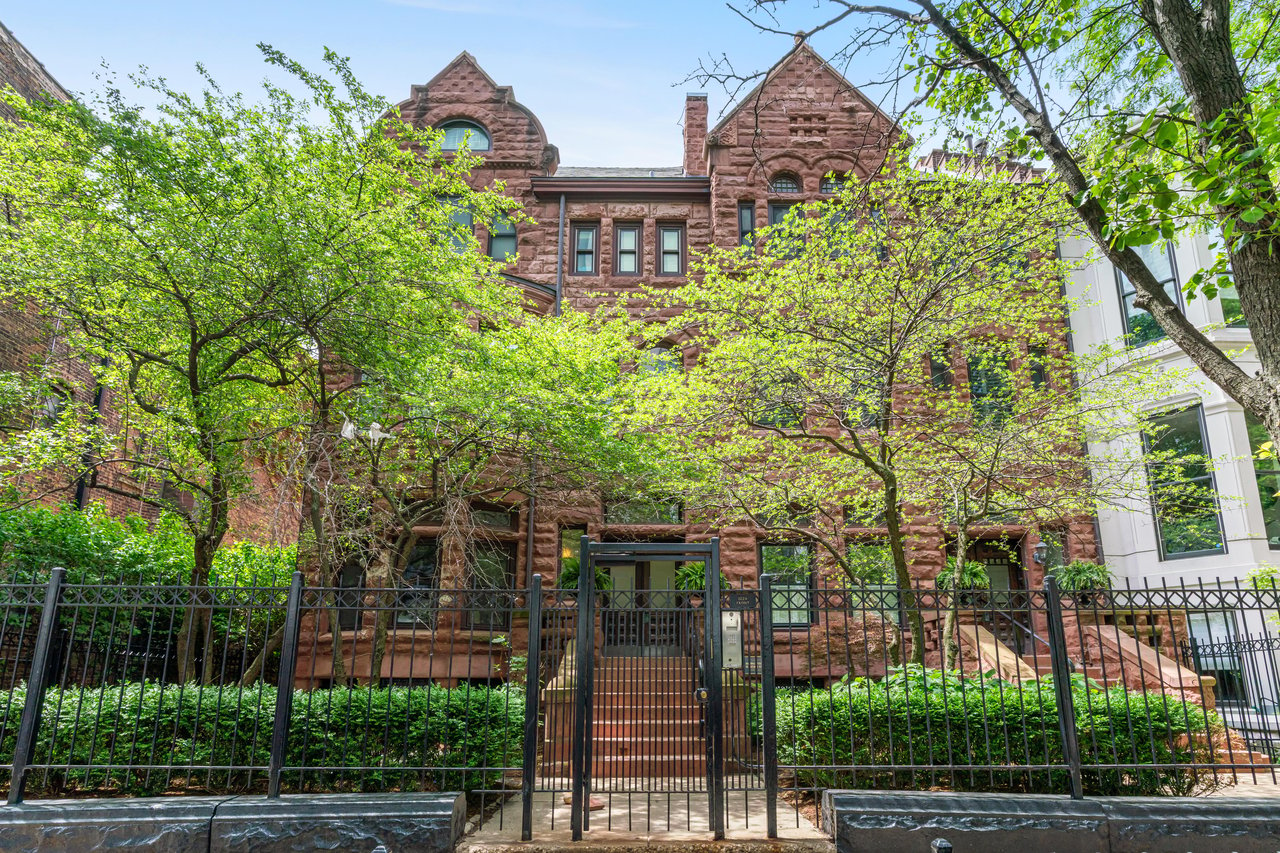
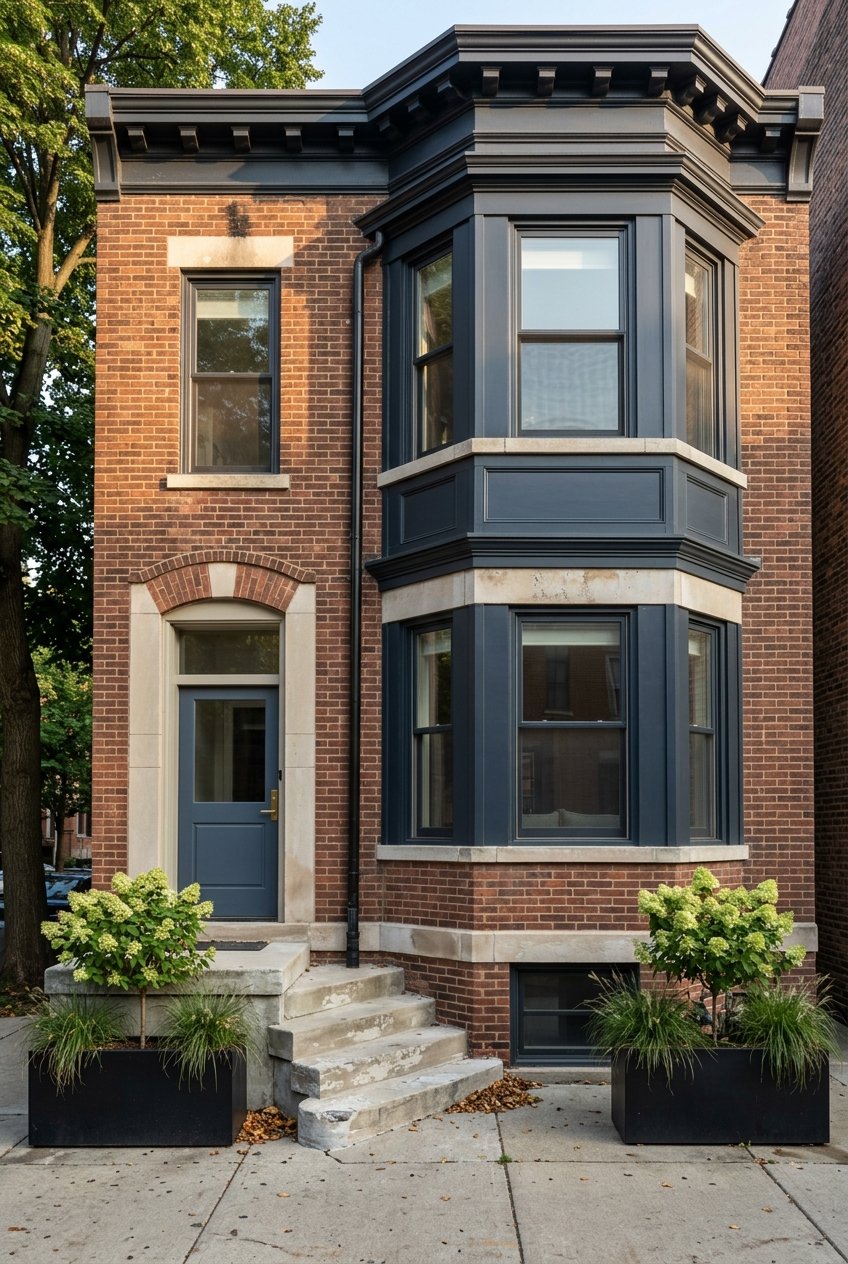
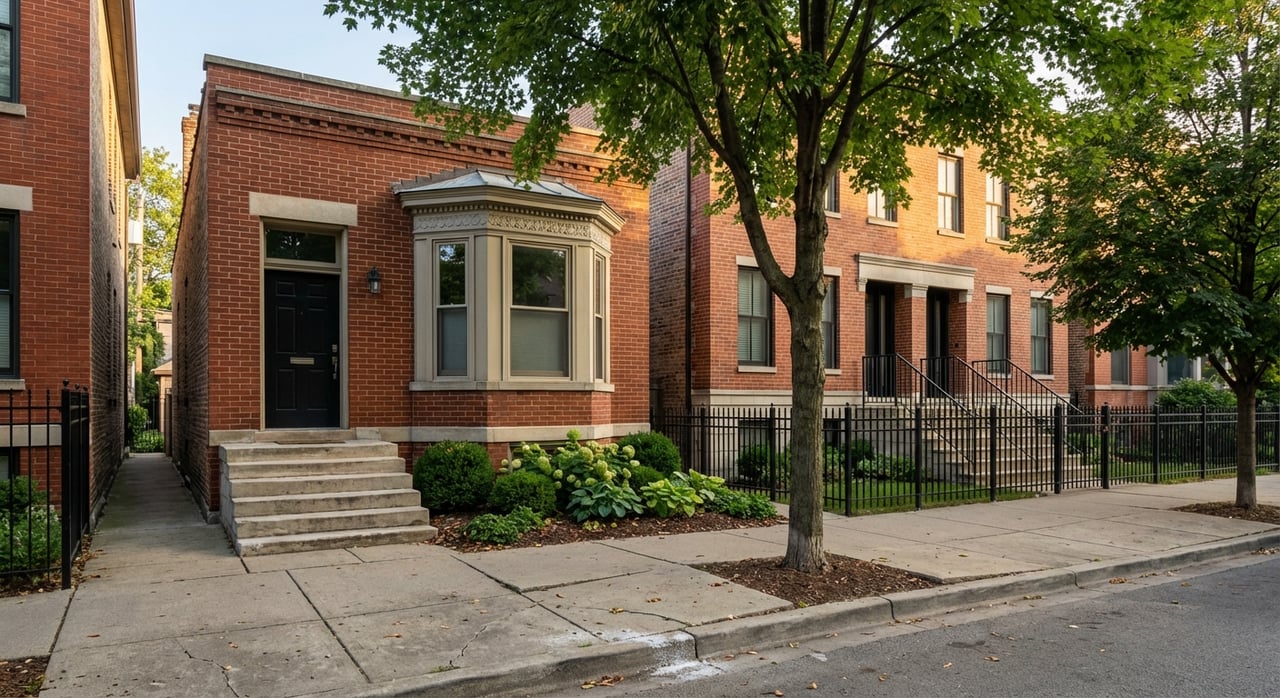
- The look does not define ownership. In Lincoln Park you will see both fee-simple townhomes and townhomes that are legally condominiums. The recorded documents (deed, plat, declaration) control who maintains what. Guidance on how property types are classified is outlined in this overview of MLS property types.
- Condo-titled townhomes place much of the exterior and common elements under the association. The Illinois Condominium Property Act explains how unit boundaries and common elements are defined, and how costs are shared through assessments. Review the recorded declaration and bylaws to see maintenance splits and rules. You can read the Act’s framework on Justia’s Illinois code library.
Bottom line: Fee-simple means maximum control and responsibility. Condo-titled townhomes trade some control for shared maintenance and predictable assessments.
Financing and approvals
Condos and condo-titled townhomes go through a “project” review in addition to your personal loan underwriting. Conventional lenders that follow Fannie Mae review items like reserves, owner-occupancy mix, assessment delinquencies, special assessments, and litigation. Projects that do not meet standards can limit loan options or raise costs. You can see what lenders look for in Fannie Mae’s project standards.
If you plan to use VA or FHA financing, ask early whether the project has current approval. Some programs require it before you can close. This VA overview explains how to check project status and why approval matters for timing and eligibility. Review the VA condo approval basics.
Practical tip: When you tour a townhome, ask whether it is fee-simple or a condominium. Then have your lender confirm whether a full project review is needed. This small step can save time and stress later.
What monthly costs really look like
When you compare a single-family home with a townhome, look at total monthly cost, not just the price. Include:
- Principal and interest on your loan
- Property taxes
- HOA or condo assessments (if any)
- Insurance (HO-3 for fee-simple homes, HO-6 for condos)
- Utilities, parking, and a maintenance reserve
HOA assessments vary widely in Lincoln Park. Smaller townhome communities can be in the low hundreds per month. Boutique and amenity buildings can be in the high hundreds to low thousands. Always look at what the fee includes, from exterior maintenance to trash removal, snow, reserves, or amenities.
Cook County taxes vary by assessment, equalization, levies, and exemptions. Condos and single-family residences are assessed under the same framework in large counties like Cook, which informs how value is determined. You can read the assessment basis in the Illinois Property Tax Code’s relevant sections on ilga.gov. Recent reassessment cycles have shifted tax burdens in parts of the county, so verify the current bill for the exact parcel. For a clear overview of how Cook County taxes work, see this guide from the Chicago Reporter.
Insurance differs by ownership type. Condo owners typically carry an HO-6 policy for interior finishes, contents, liability, and sometimes loss assessment. Fee-simple owners carry an HO-3 that covers the full structure. The scope of the building’s master policy (bare walls-in or broader coverage) affects what you must insure. For a plain-English explainer, read this condo insurance guide.
Example monthly comparison (illustrative only)
Assumptions for comparison: price $750,000, 20 percent down, $600,000 loan, 30-year fixed at about 6.09 percent (Freddie Mac weekly average, Feb 2026), property tax effective rate example ~1.9 percent for Chicago. HOA ranges shown for modest to mid-level services. Get a current rate quote from your lender and confirm actual taxes and HOA for the address. You can monitor rate trends on the Freddie Mac PMMS.
| Cost line | Single-family example | Townhome example | Notes |
|---|---|---|---|
| Principal & interest | ~$3,600 | ~$3,600 | $600,000 at ~6.09 percent |
| Property taxes | ~$1,190 | ~$1,190 | Rate varies by parcel and levies |
| HOA/assessments | $0 | $300–$700 | Wide range by services and reserves |
| Insurance | HO-3 (varies) | HO-6 (typically lower) | Master policy scope matters |
| Maintenance reserve | Higher, variable | Lower if exterior covered | Plan for roof, façade, and systems |
Use this as a framework. The right way to compare two homes is to build a side-by-side worksheet with actual HOA inclusions, tax history, insurance quotes, and a realistic maintenance reserve.
Maintenance and outdoor space
- Fee-simple single-family: You handle the roof, exterior, yard, snow, structural repairs, and systems. You also control materials and design within local code.
- Fee-simple townhome: Similar responsibility, though some communities have small HOAs that cover shared drives, landscaping, or trash. Read the declaration to confirm what is included.
- Condo-titled townhome: The association often handles exterior, roof, common elements, and grounds. You pay assessments that fund routine work and reserves. Always read the documents, since some projects split responsibilities differently.
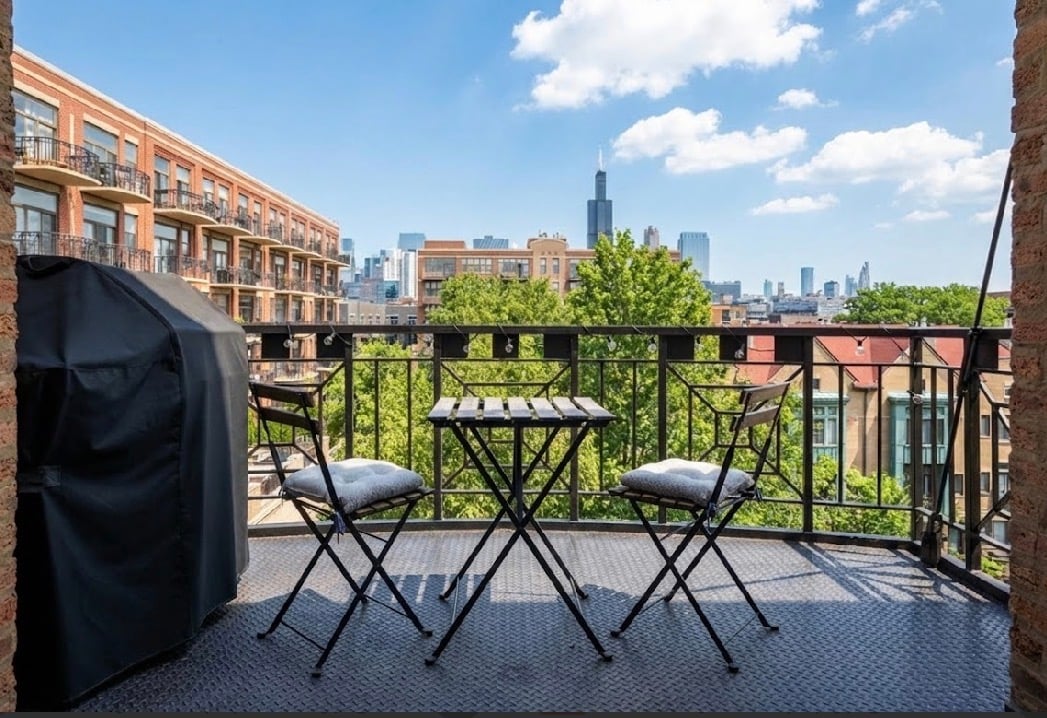
Outdoor space and parking are major value drivers in Lincoln Park. Detached homes often offer yards. Many townhomes offer private patios or roof decks, and parking can be attached, deeded, or leased depending on the property. Verify what is included and what costs extra.
Local rules and permits
Parts of Lincoln Park and nearby Old Town fall within Chicago Landmark districts. Exterior changes visible from the street often require permit review and approval by the Commission on Chicago Landmarks. This can affect timing, materials, and scope for renovations. Before you plan exterior work, review the owner guidance on the Commission’s permit process and confirm whether your block is subject to landmark rules.
Resale patterns in Lincoln Park
Scarcity supports value. Detached single-family homes are limited in Lincoln Park and often sell at a premium relative to attached options. Townhomes with private outdoor space and garage parking also attract strong demand and can sell well, generally below detached homes at comparable finishes. Your best predictor of future resale is hyperlocal data, so review recent closed sales on the same blocks and within your specific property type.
For many buyers, school boundaries are a practical part of the search. If school fit is a priority, confirm attendance boundaries with Chicago Public Schools for each address. For context on one local high school, you can review independent data on Lincoln Park High School and compare with other sources you trust. Keep in mind that school assignments can change, so verify during your purchase.
A simple decision framework
Use these four steps to choose with confidence:
- Budget the full monthly number. Add mortgage, taxes, HOA, insurance, utilities, parking, and a maintenance reserve. If the HOA is higher, see whether it replaces costs you would carry alone in a house.
- List your must-haves. Beds and baths, private outdoor space, garage or deeded parking, storage, and any school boundary needs.
- Decide on control vs convenience. If you want to change exteriors or manage materials and schedules, fee-simple can be a fit. If you want less hands-on maintenance, a condo-titled townhome with a healthy HOA may suit you.
- Confirm financing path early. Condo projects must meet lender standards. FHA and VA loans may require project approval. Fee-simple and many PUD townhomes follow simpler reviews. See Fannie Mae’s project standards and check VA/FHA requirements if relevant.
Buyer due-diligence checklist
For condo or condo-titled townhomes
- Declaration, bylaws, and rules and regulations
- Current budget, year-to-date financials, and 2 to 3 years of income and expense statements
- Reserve study, current reserve balance, and any approved special assessments
- Board meeting minutes for the past 12 to 24 months
- Master insurance declarations, including limits and deductibles
- Delinquency report and any litigation disclosures
- Estoppel or paid assessment letter showing current amounts due
Red flags to watch: very low reserves, a pattern of special assessments, more than 15 percent of units delinquent on assessments, or active major litigation. These can restrict financing under Fannie Mae’s guidelines and may signal future costs.
For a quick primer on what HOA fees often cover and how to read them, review this short document checklist overview.
For fee-simple homes and fee-simple townhomes
- Current survey for lot lines, easements, and alley access
- Seller disclosures and permits for any major work
- Property tax history and current exemptions (homeowner, senior)
Tip on taxes: Illinois applies a similar assessment basis to owner-occupied condos and single-family homes in large counties like Cook, but tax bills still vary widely by levies and exemptions. Review the parcel’s current and prior bills and budget for reassessment risk. The Chicago Reporter guide offers a helpful overview.
Ready to compare specific homes?
If you want a side-by-side on actual properties, ask for an MLS-driven worksheet. You will see the HOA line items, the current tax bill, reserve funding, and a maintenance allowance appropriate to the home’s age and systems. That is the most reliable way to choose between a fee-simple single-family and a townhome in Lincoln Park.
When you are ready, connect with Stephanie Turner for a valuation-forward consultation, private inventory access, and a clear, data-backed plan to move forward with confidence.
FAQs
What is the key difference between fee-simple and condo-titled townhomes in Lincoln Park?
- Fee-simple townhomes give you ownership of the structure and land with direct exterior responsibility, while condo-titled townhomes place exteriors and common elements under an HOA with shared costs defined by the condominium documents.
How do HOA fees in Lincoln Park affect my monthly payment?
- HOA assessments can range from the low hundreds to over a thousand per month, so add them to your mortgage, taxes, insurance, and utilities to compare the true monthly total across properties.
Will financing be harder for a condo-titled townhome?
- It can be, because lenders review the project’s reserves, delinquencies, and other factors; confirm with your lender early and reference Fannie Mae’s project standards for what is evaluated.
How should I estimate Chicago property taxes when comparing homes?
- Use the current parcel’s tax bill, note exemptions, and budget for reassessment changes; for process context, see the Chicago Reporter’s tax overview.
Are exterior renovations limited in Lincoln Park’s landmark areas?
- Yes, many exterior changes visible from the street require review and approval; consult the Commission on Chicago Landmarks owner Q&A and plan extra time for permits.