Thinking about selling your West Loop condo this spring but not sure if the timing is right? You are not alone. Spring brings more listings and more buyers, which can help your results, but it also adds competition. In a neighborhood as nuanced as the West Loop, your building type, price band, and timing matter. This guide shows you how to read the market, weigh your goals, and prepare a smart plan. Let’s dive in.
Quick 60607 market check this week
You do not need to memorize statistics. You just need the right snapshot. Ask your agent to pull the latest for 60607 and your building:
- Median sale price and price per square foot for the last 12 months and year over year.
- Months supply of condo inventory and active listing counts in 60607.
- Days on market and sale-to-list price ratio for comparable condos.
- New and pending listings in the last 30, 60, and 90 days to gauge momentum.
For a reliable pulse, review local monthly reports from the Chicago Association of Realtors and building-level comps from MRED. Pair that with the current 30-year fixed rate trend from the Freddie Mac Primary Mortgage Market Survey so you understand buyer affordability right now.
Two reminders that can protect your price:
- City and ZIP averages can hide big differences between buildings and price bands. Your building’s inventory and recent comps are the most predictive.
- Spring brings more traffic and more listings. The best-priced, best-presented units still capture top attention.
How building type shapes demand
High-rise luxury towers
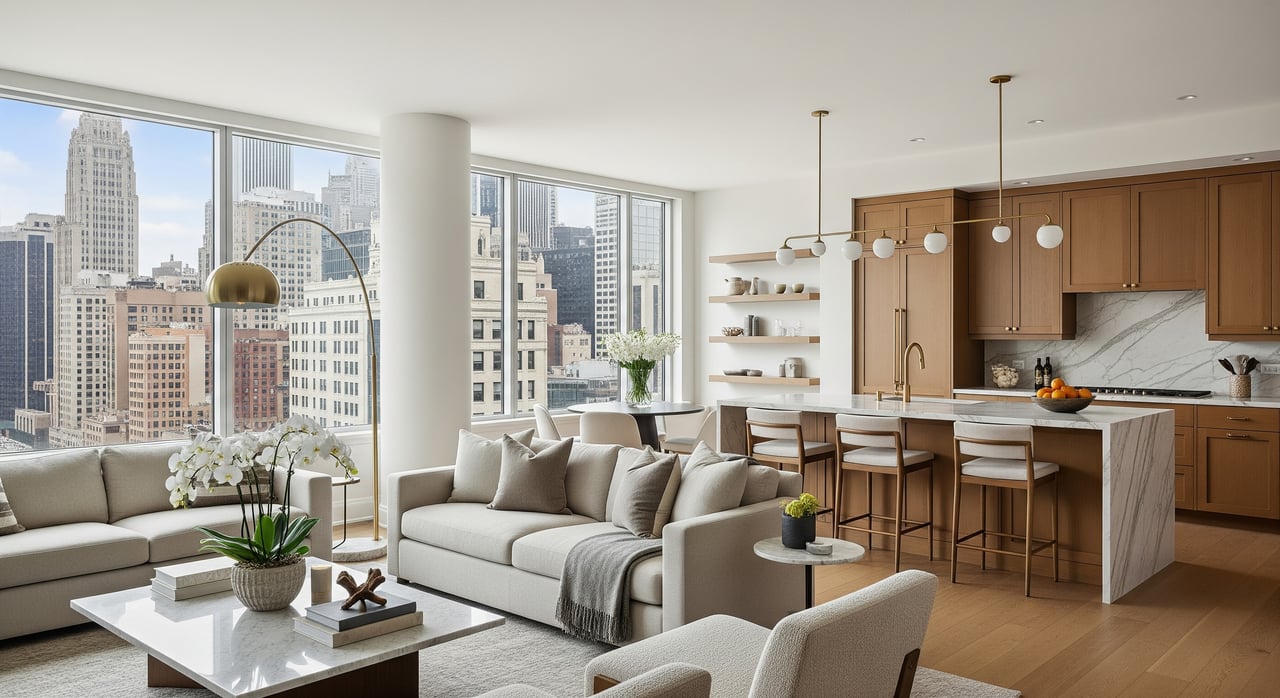
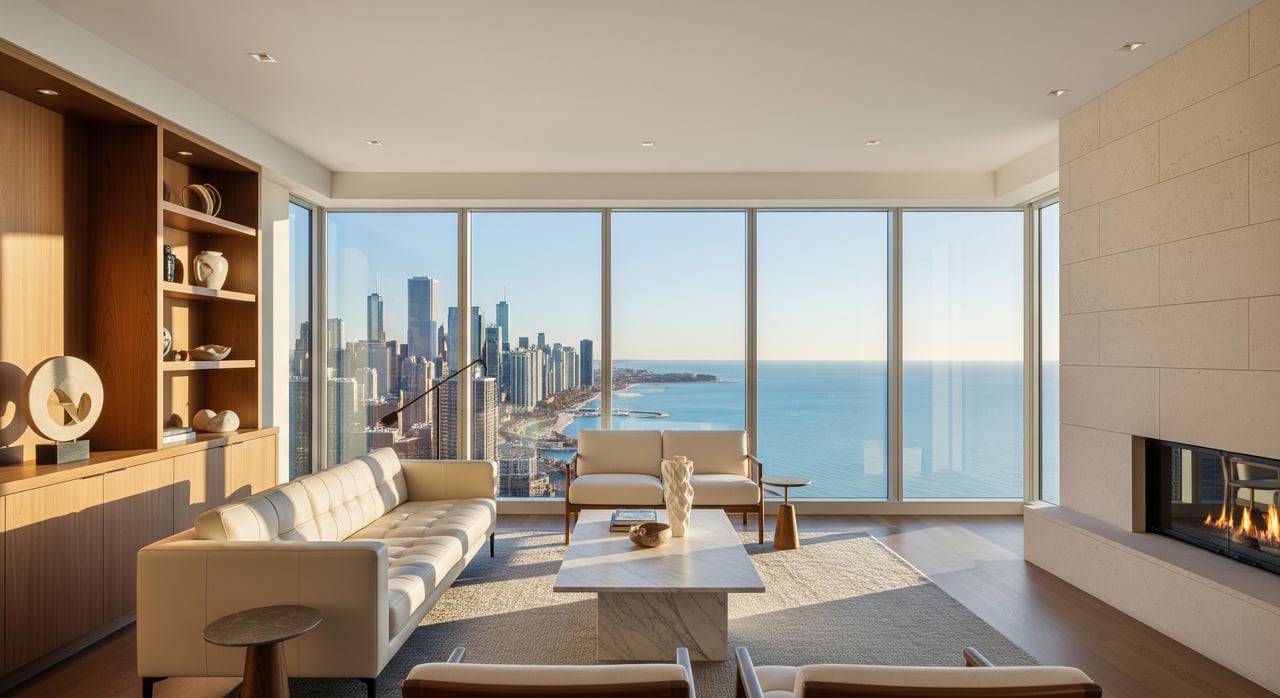
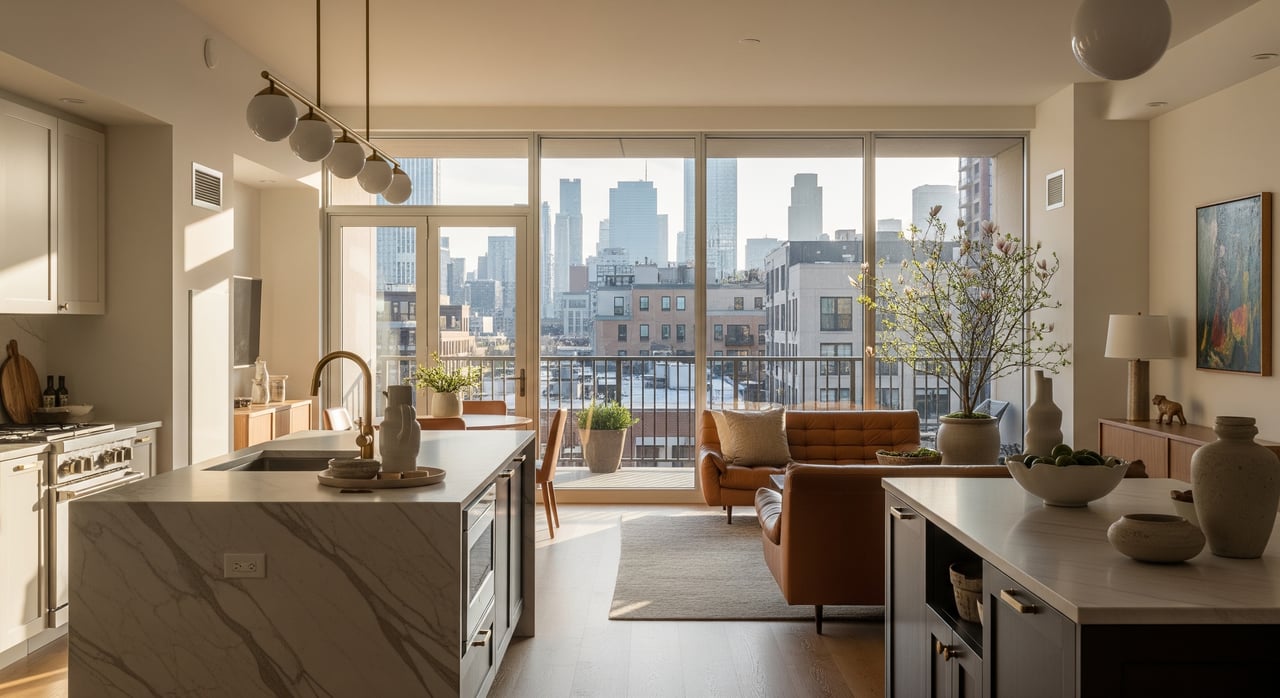
If you are in a newer, full-service tower, buyers often pay for amenities, views, and finishes. Focus on standout features and recent sales in the same stack or line. If high-end demand is improving, these properties can see faster recovery when inventory tightens.
Mid-rise contemporary buildings
Homes built in the 2000s to mid-2010s attract professional buyers who value parking, storage, and low-maintenance living. HOA fees, in-unit condition, and parking rights are key value drivers. Price bands here can be competitive in spring, so accurate pricing and presentation matter.
Converted lofts and vintage stock
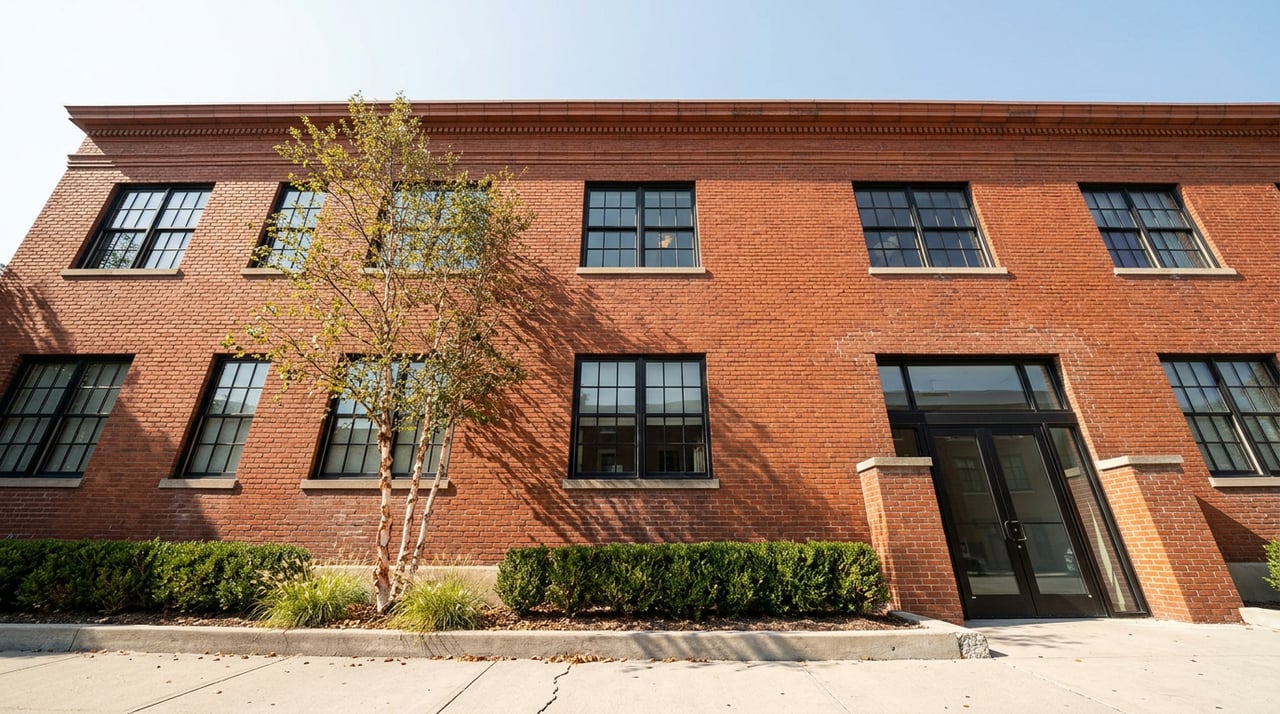
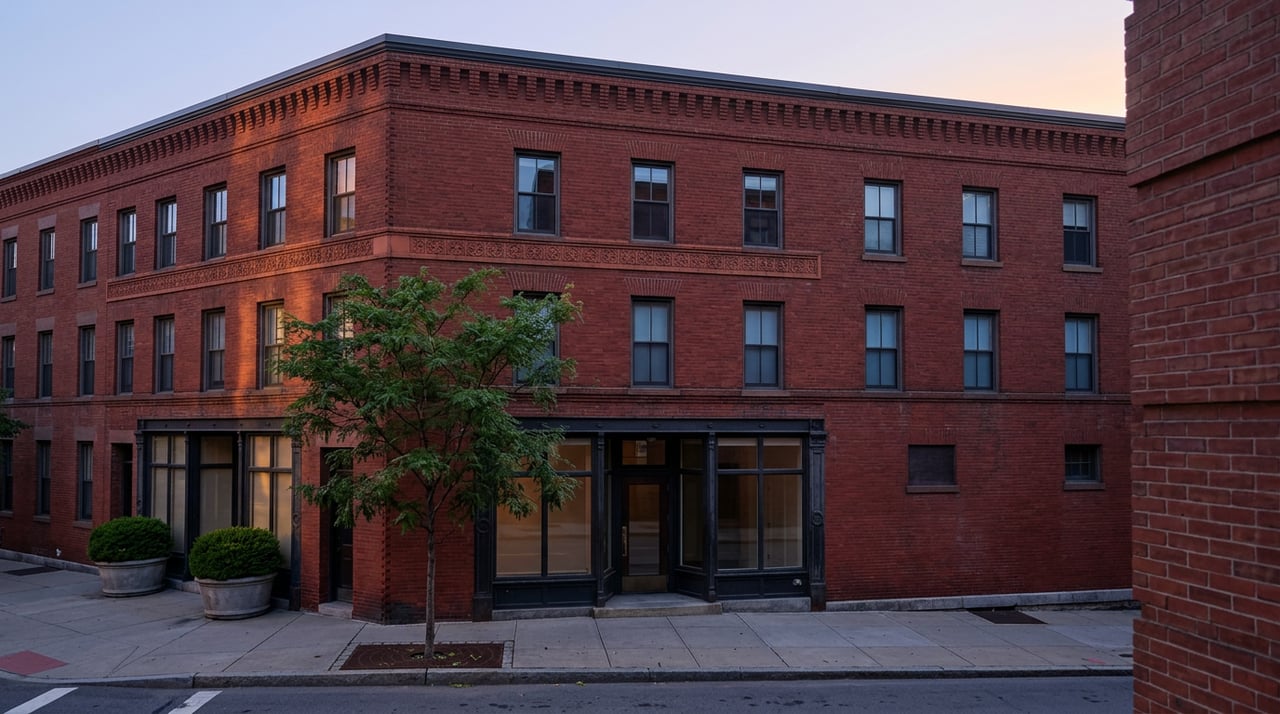
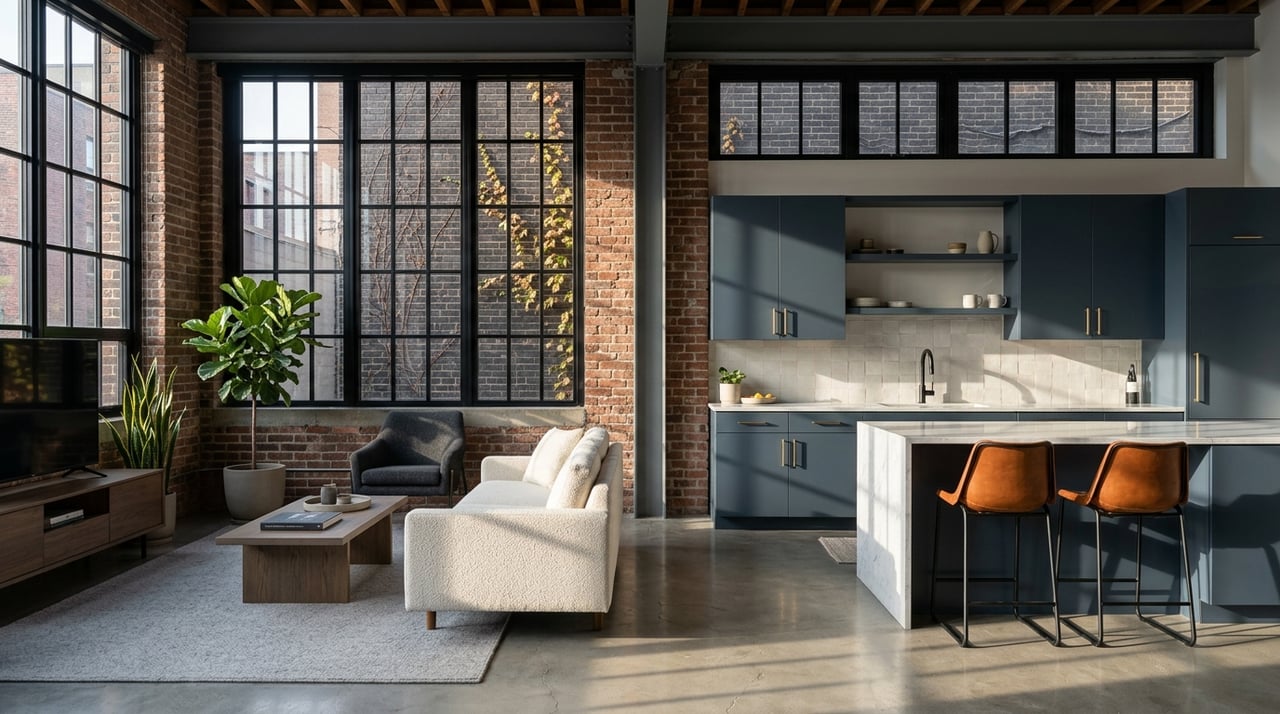
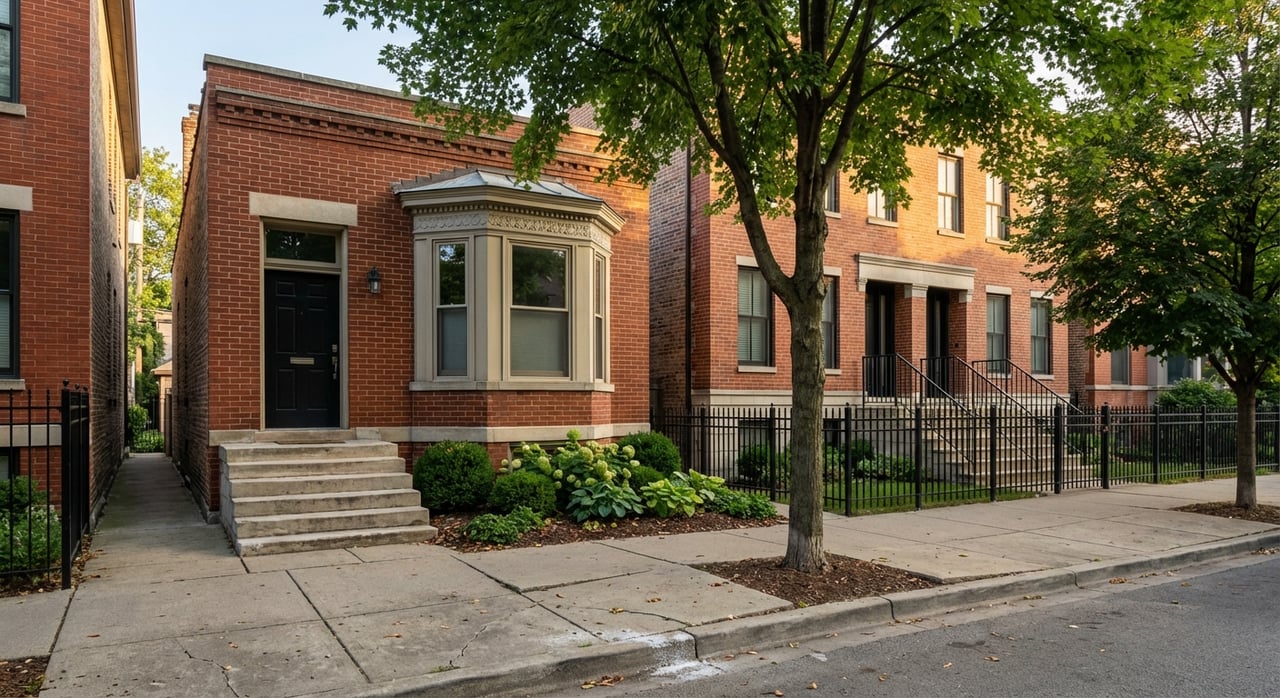
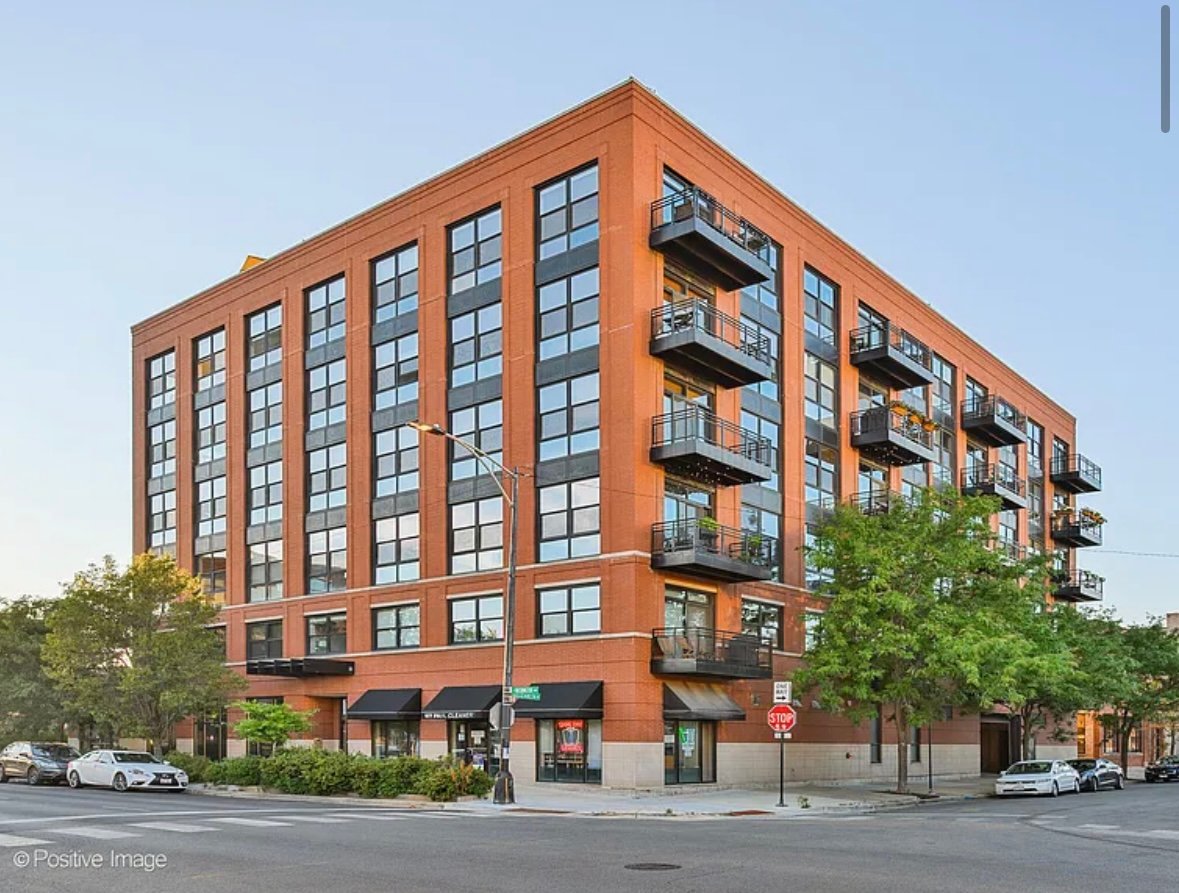
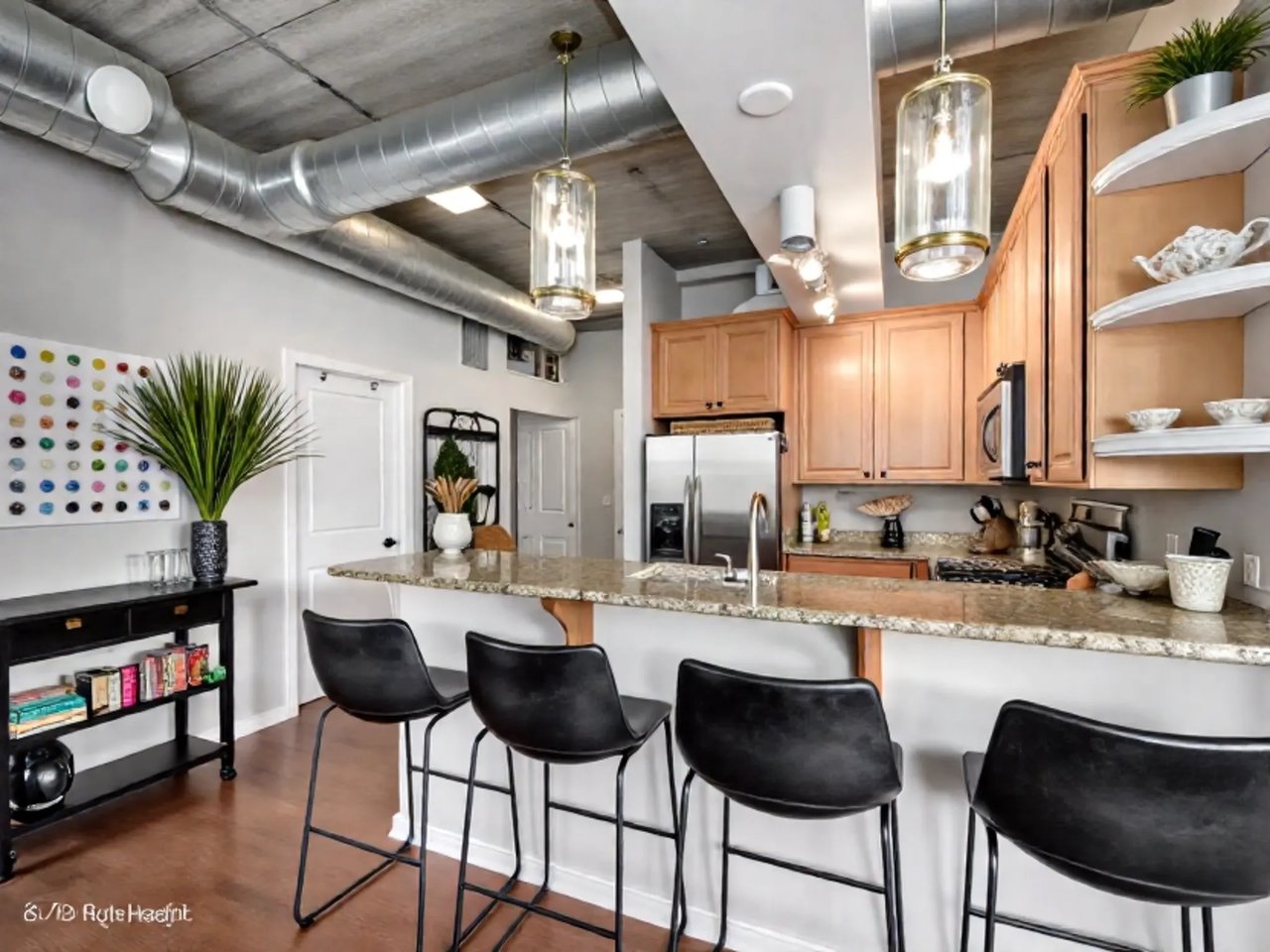
Brick-and-timber conversions and older masonry buildings are prized for character. Floor plan, ceiling height, and renovation level vary a lot, so comps must be adjusted carefully. Fresh paint, lighting, and staging can help buyers visualize how to use large open spaces.
New construction and developer inventory
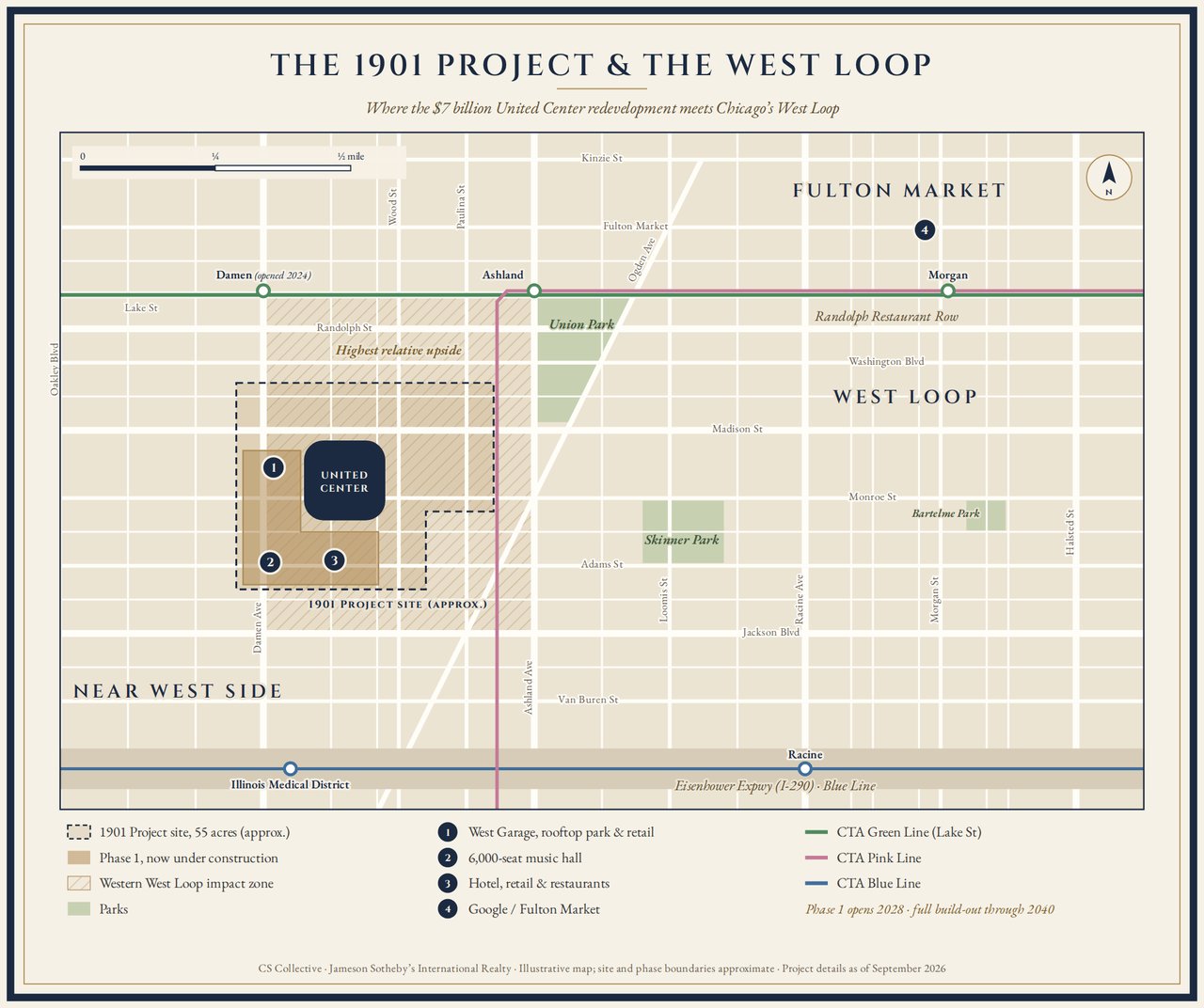
New deliveries can swell supply in a small radius, which may affect pricing power for nearby resales. If several closings are coming in your building or on your block, monitor listing flow closely and plan your pricing strategy with that in mind.
How price band affects your timing
Entry-level condos
Studios and many 1-bedroom units draw rate-sensitive buyers. If mortgage rates tick down and entry inventory is thin, days on market can compress. Pricing within the tightest comp range helps you capture activity early.
Mid-market 1- and 2-bedrooms
This is the broadest buyer pool in the West Loop. Updated finishes, move-in readiness, and parking access can lift your price per square foot. If months supply is low, listing in spring can be compelling.
Upper-tier and luxury homes
Larger 2-bedrooms, penthouses, and units above $1 million sell to a smaller pool. Cash rates are higher here and buyers are selective. Expect a longer timeline unless the building has fresh, strong comps and low competing inventory.
Decision framework: sell this spring or wait
Market signals that favor listing now
- Low active inventory and low months supply in your building or price band.
- Recent comps selling near or above list price within your target days on market.
- Mortgage rates stable or trending down, plus an uptick in showings and pendings compared with winter.
Signals that suggest waiting
- Rising days on market and declining prices for very similar units.
- A wave of comparable new listings or new construction deliveries in your immediate area.
- HOA special assessments, rule changes, or litigation that could narrow your buyer pool.
Weigh market strength against your urgency
Plot your situation on a simple grid: market conditions strong or weak, and your timing urgent or flexible. If conditions are strong and you are flexible, spring is a favorable window. If conditions are weak and timing is urgent, consider targeted updates, sharper pricing, or credits to attract offers quickly.
West Loop red flags to check early
- Developer closings or new deliveries that could add near-term supply.
- HOA reserves and any planned or recent special assessments.
- Rental caps or resale restrictions that limit investor demand.
- Building insurance issues or litigation that may complicate buyer financing.
If you spot any of these, right-size your pricing and disclosure strategy before you hit the market.
What to bring to a valuation consult
Come prepared so you and your agent can move from estimate to action.
Building and unit documents
- HOA budget, reserve study, meeting minutes, and any assessment notices.
- Recent utility bills, property tax bill, and unit insurance records.
- Documentation for renovations and permits, plus parking and storage rights.
- Any prior appraisal or listing history for the unit.
Metrics to request from your agent
- 6 to 12 closed comps, ideally in your building or within a quarter mile, with price, days on market, and sale-to-list ratio.
- Active and pending competition nearby, including price per square foot and features.
- Price per square foot trend for 60607 and for your building, 3- and 12-month views.
- Months supply for 60607 and for your specific segment.
- Cash versus financed share of recent sales, if available.
- Buyer profile trends for comps, such as local versus relocating buyers.
- Estimated net proceeds at different list prices, including transfer taxes and closing costs.
- A recommended list price with a confidence band and probability of sale within 30, 60, and 90 days.
Smart questions to ask
- How did comparable units in this building perform versus list price in the past year?
- What pricing strategy do you recommend for this spring and why?
- Which marketing channels match this price band and building type?
- Which buyer cohorts are most active right now for a unit like mine?
- How will showings and open houses work with our building’s access rules?
Prep and costs so you net more
Typical seller costs to factor in
- Brokerage commission, title and closing costs, and city transfer taxes.
- Payoff of your mortgage and any liens.
- Prorated property taxes and HOA dues.
- Pre-list expenses like repairs, paint, staging, and any required condo documents.
For city transfer tax details, review the City of Chicago’s Real Property Transfer Tax guidance. For property tax history and assessments, visit the Cook County Assessor, and use Recorder or transfer records when you need precise sale history.
Condo and HOA factors that move the needle
- Reserve strength and assessment history often influence buyer confidence.
- Rental policies and investor concentration can affect demand.
- Pet rules, parking assignments, and storage rights have clear market value in the West Loop.
- Insurance coverage and any litigation can impact financing options for buyers.
Legal and disclosure items
Illinois requires standard seller disclosures, plus an association resale packet for condos. Packet contents and fees vary by building and can affect your timeline. If you have questions about HOA law, review the Illinois Condominium Property Act and consult a local closing attorney.
Tax planning
If you are eligible for the federal primary residence exclusion, it can reduce or eliminate capital gains tax. Confirm your situation with a CPA. Also verify any ongoing property tax reassessment or appeal status, since buyers will compare tax burdens when choosing between units.
If you plan to sell now
- Request a building-level CMA and a pricing band with probabilities of selling in 30, 60, and 90 days.
- Complete a light-prep checklist: patch, paint, deep clean, update lighting, and stage for photos.
- Gather HOA documents early, including budget, reserves, minutes, and resale disclosures.
- Decide on concessions, such as a credit for a small assessment or closing costs if needed.
- Choose a launch plan with clear timing for photography, listing go-live, and first open house.
If you plan to wait
- Track monthly stats for your segment and your building’s active inventory.
- Knock out higher-ROI upgrades and repairs so you are market-ready.
- Revisit pricing quarterly with fresh comps and rate context from Freddie Mac’s weekly survey.
- Confirm tax timing, lease obligations, or financing plans for your next move.
Work with a valuation-first advisor
Selling a West Loop condo is less about broad averages and more about the story your building, floor plan, and price band tell. With appraisal-informed pricing, building-specific comps, and premium marketing reach, you can move with confidence this spring. If you want a tailored valuation and go-to-market plan for your 60607 condo, connect with Stephanie Turner to start a focused, data-driven consult.
FAQs
What should 60607 condo sellers check before listing in spring?
- Review months supply, recent days on market for similar units, and mortgage rate trends alongside building-level comps and upcoming inventory.
How do HOA assessments affect my West Loop sale?
- Recent or pending assessments often lead to pricing adjustments or buyer credits, so disclose early and factor them into your pricing strategy.
Do mortgage rates really change my sale timeline?
- Yes, spring buyers are sensitive to weekly rate moves, which influence affordability and showing traffic, so track current rates before setting price.
Are new construction deliveries a risk for my condo?
- They can be if units are similar to yours and launch at the same time; more nearby supply can pressure pricing and extend days on market.
What documents do West Loop condo sellers need?
- HOA budget and reserves, meeting minutes, resale packet, tax and insurance records, renovation permits, and parking or storage documentation.