Thinking about a condo in Streeterville but unsure what truly drives value? With so many towers, amenities, and views to compare, it can feel hard to know where to start. You want a home that fits your lifestyle today and holds its value tomorrow. In this guide, you’ll learn how pricing works in Streeterville, how buildings differ, and what to review before you make an offer, plus a practical buyer checklist you can use on your next tour. Let’s dive in.
Why Streeterville stands out
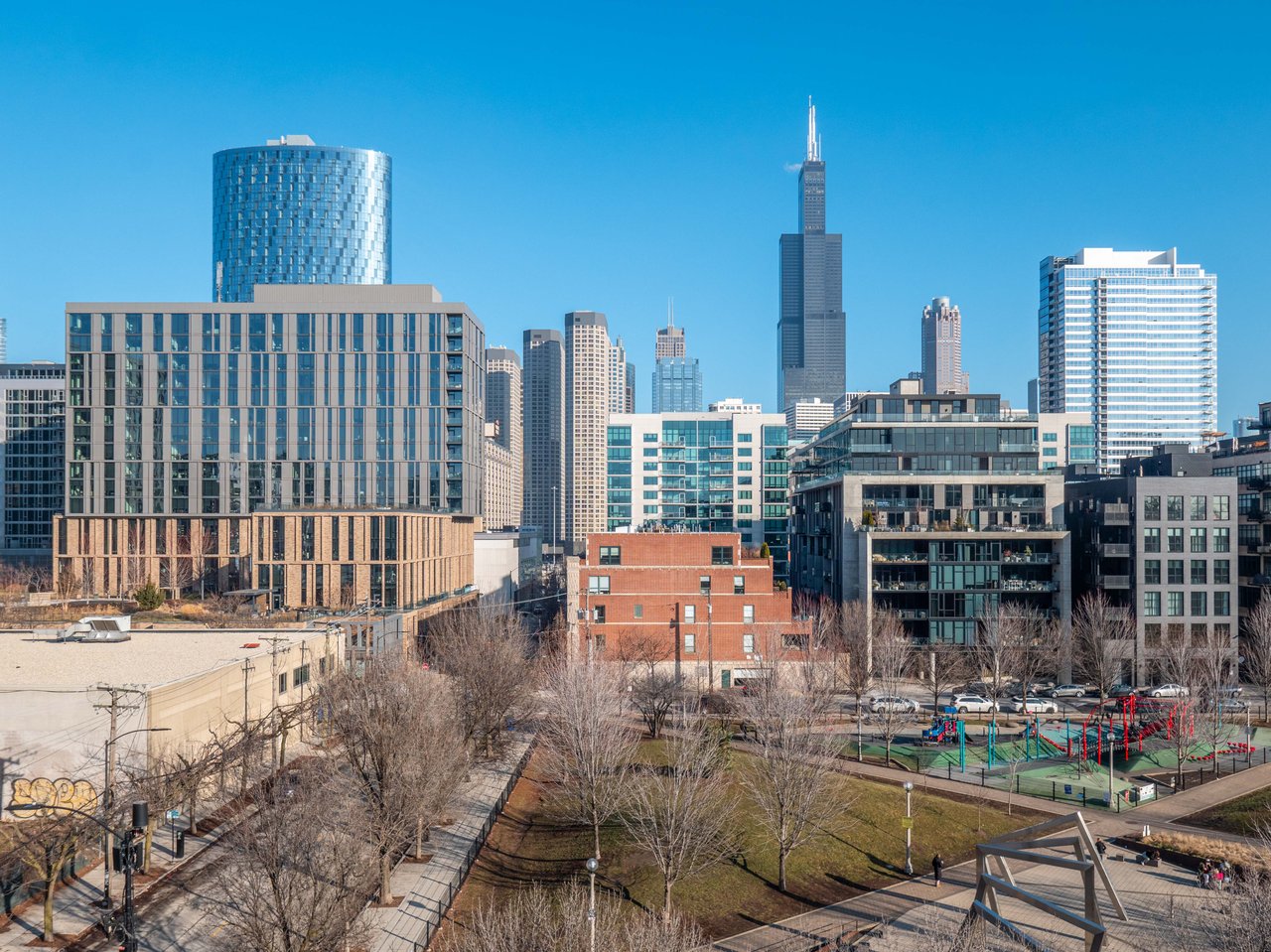
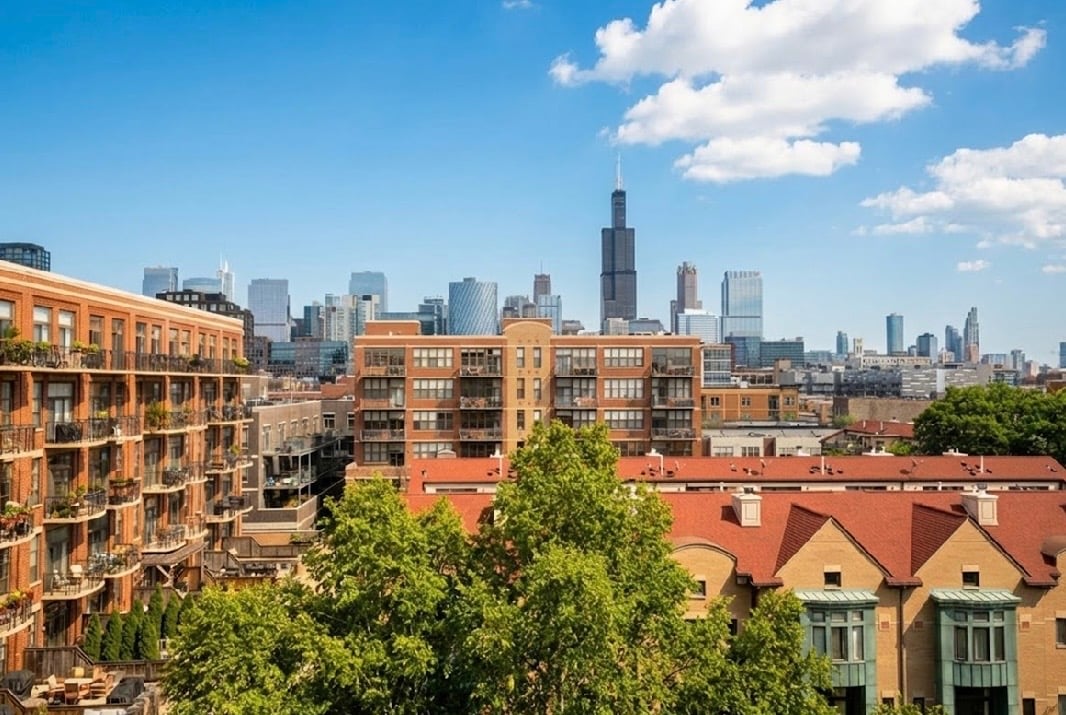
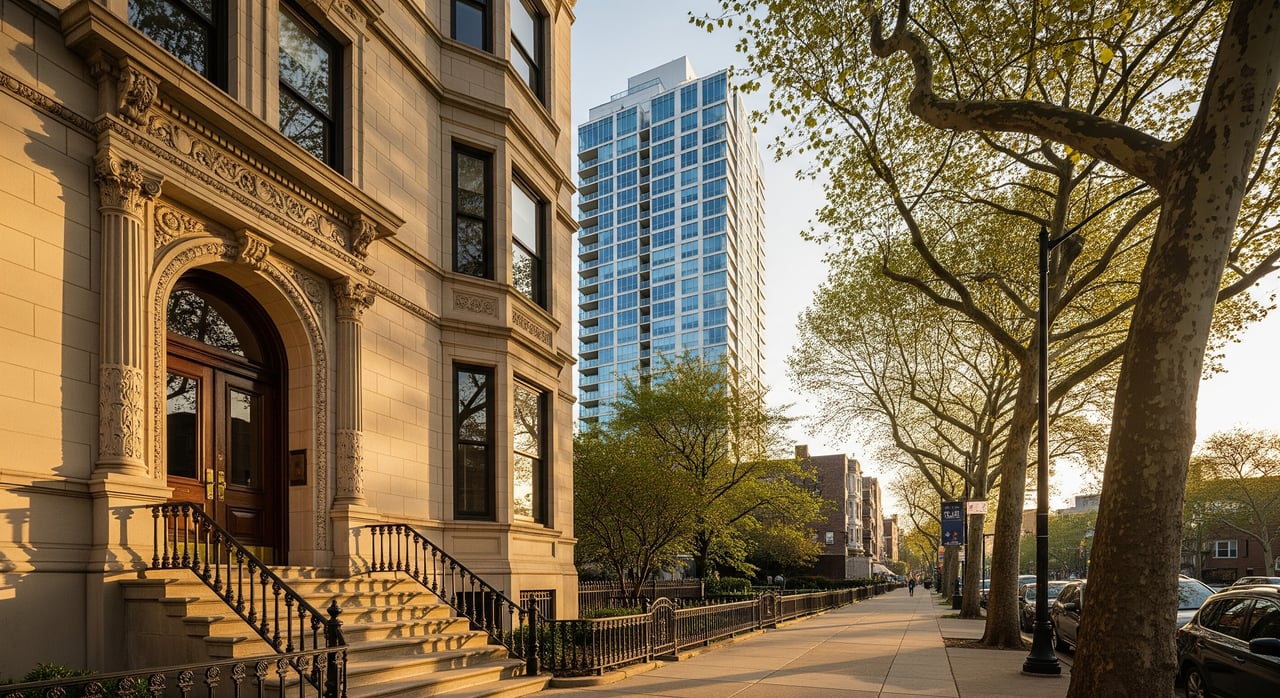
Streeterville sits just east of North Michigan Avenue, with the Chicago River to the south and the lakefront to the east. It is a high-density, highly walkable neighborhood with a strong mix of residential towers, cultural attractions, and medical institutions. Many buildings are positioned to capture lake or river views, which is a major value driver.
Buyers here often want convenience, full-service amenities, and proximity to the lakefront. Professionals, downsizers, medical staff, and investors are common. If you prefer concierge-level living and water views in a central setting, Streeterville should be on your shortlist.
How pricing works in Streeterville
Pricing varies widely by view, building age, amenity level, and unit condition. Understanding these drivers helps you compare apples to apples and avoid paying a premium for features that do not matter to you.
Views and orientation
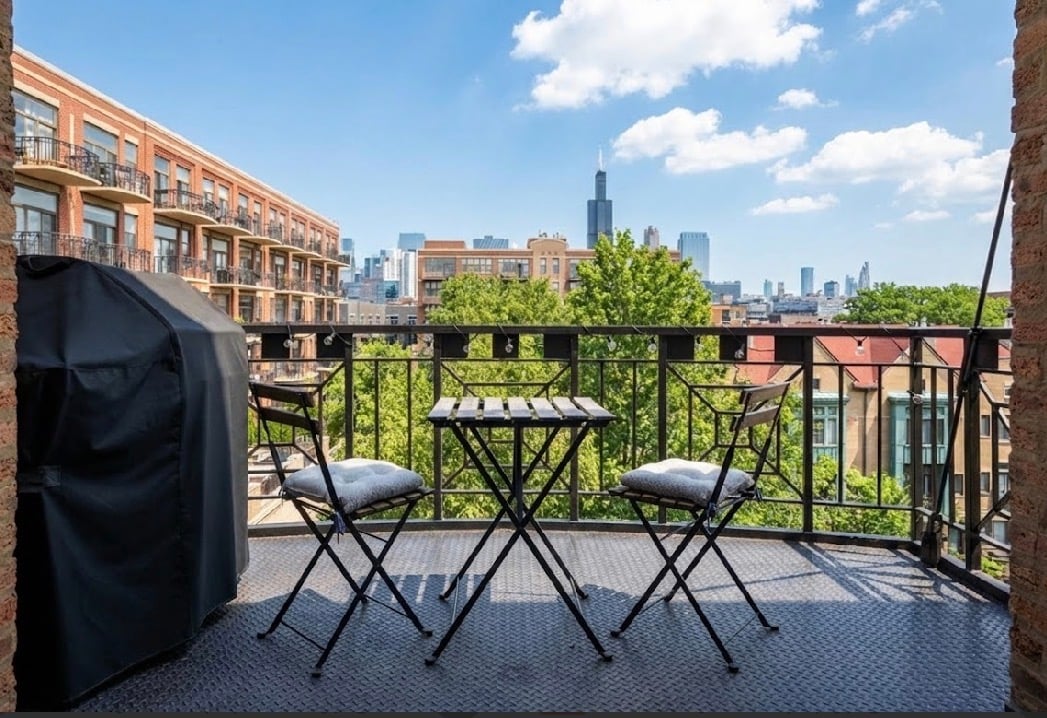
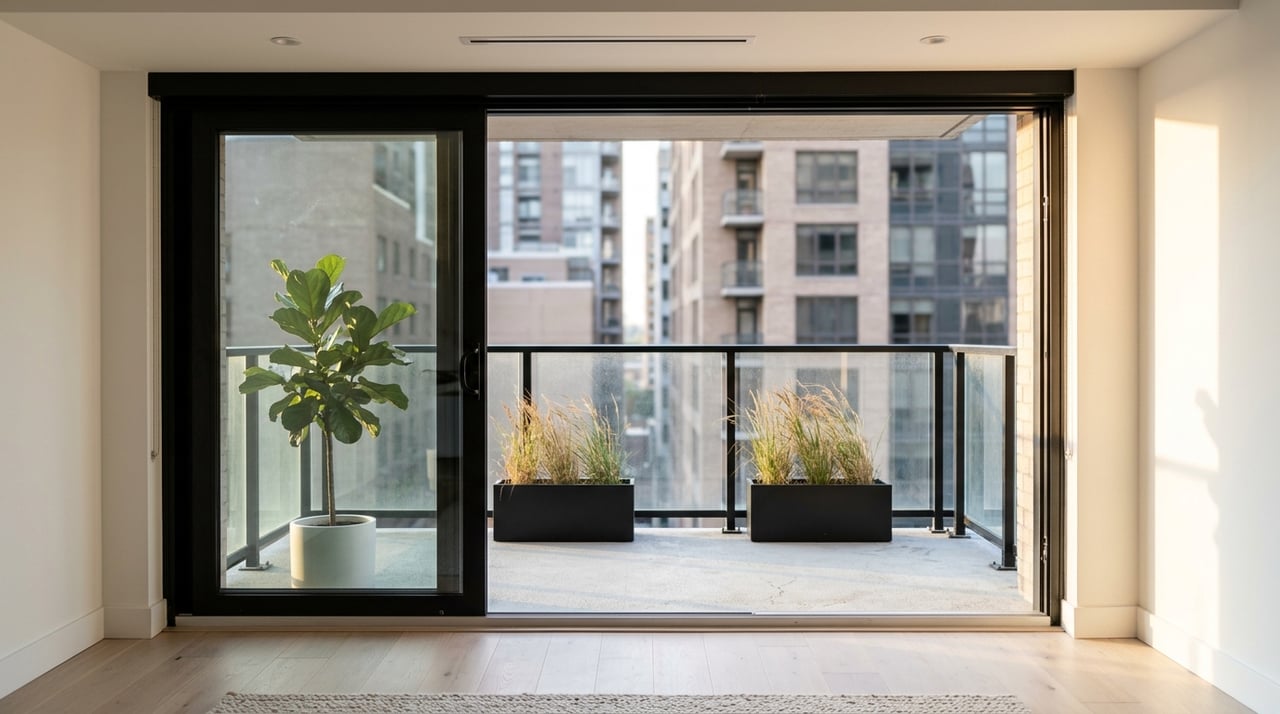
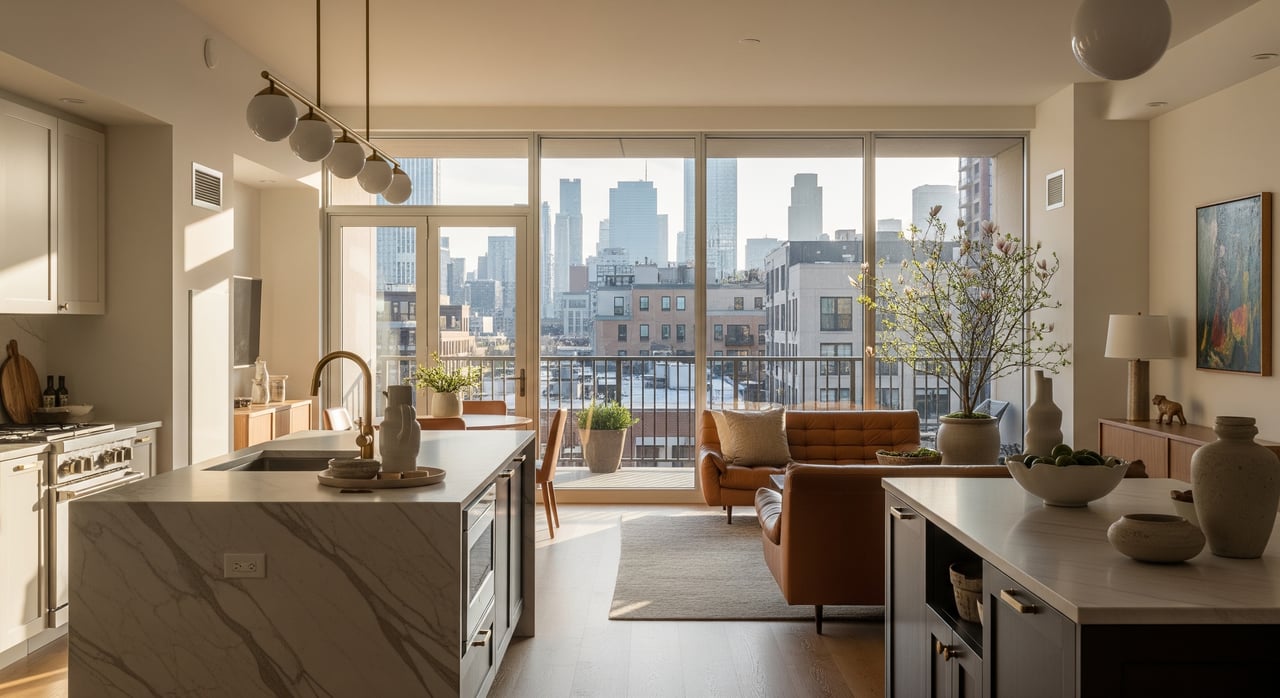
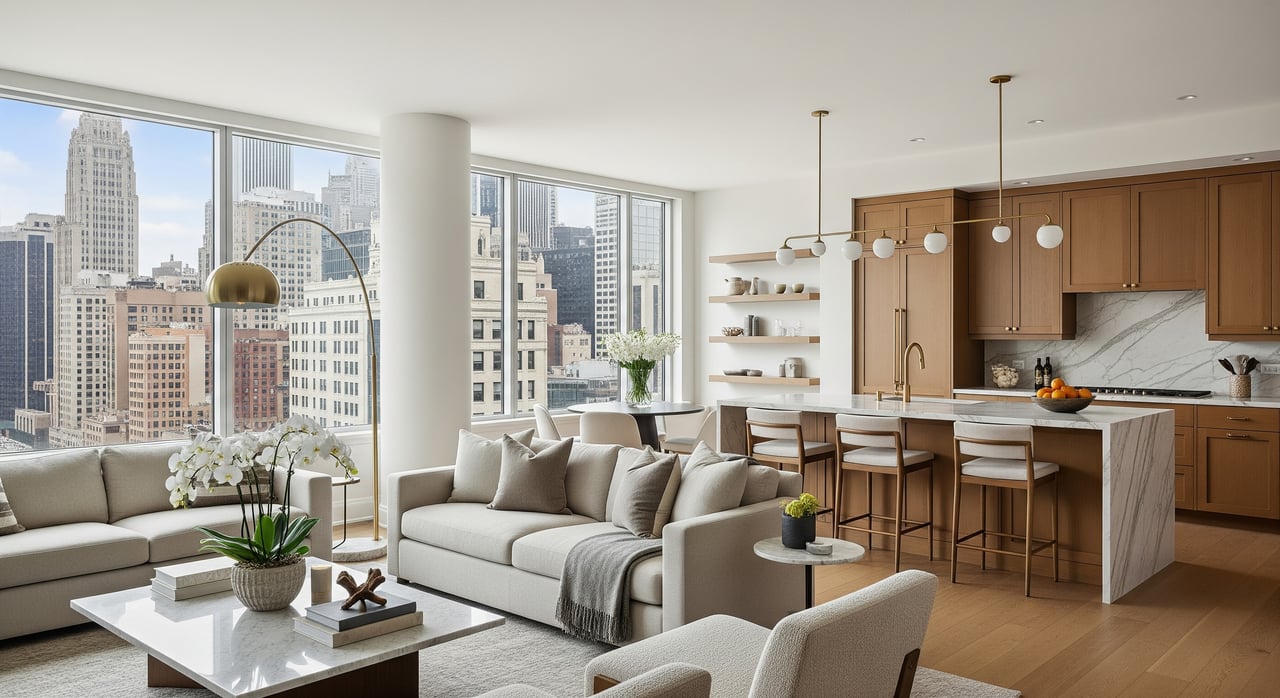
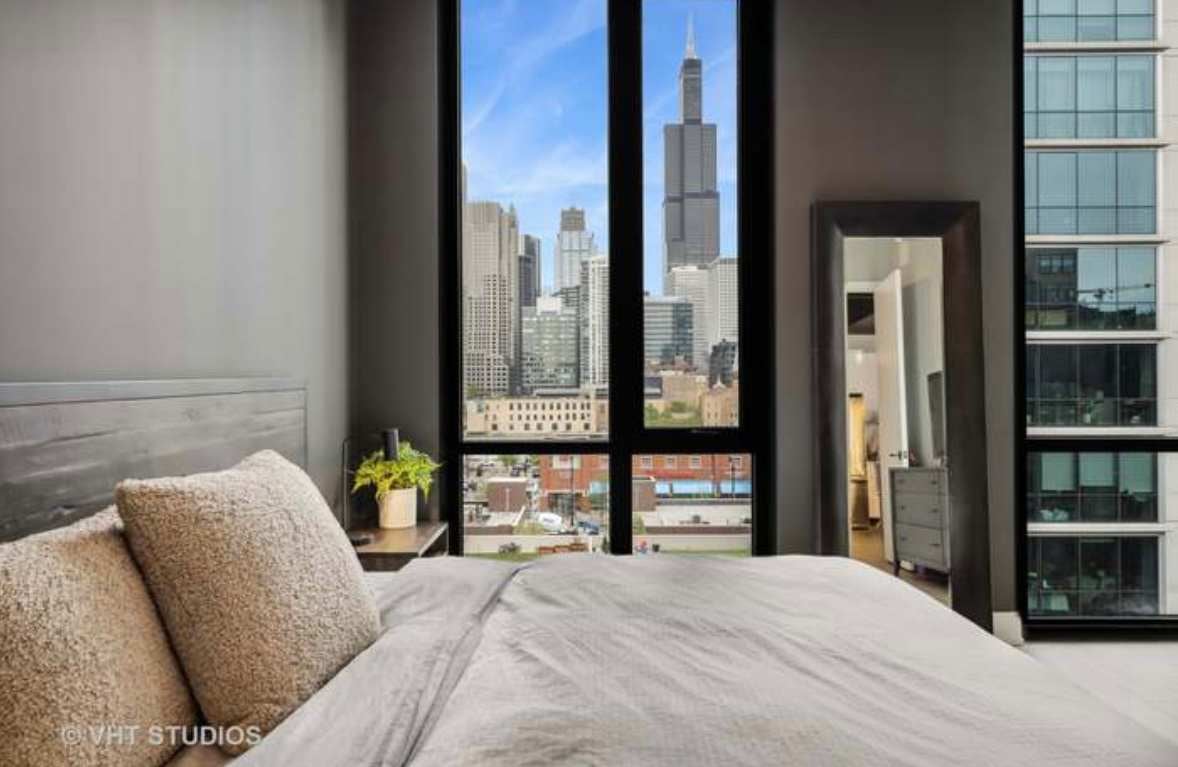
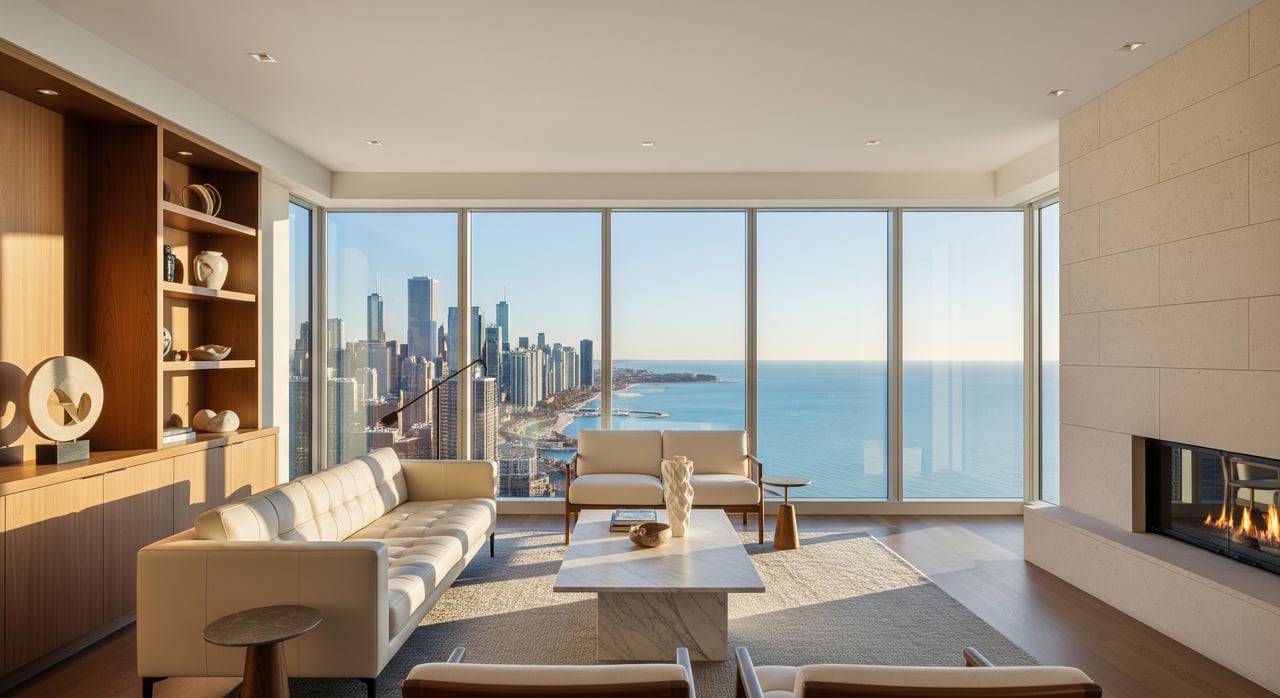
Units with unobstructed lake or river views typically command a strong premium. Corner units with multiple exposures or balconies are often more desirable and can sell faster. If view quality is important, verify orientation at different times of day and confirm any planned or potential nearby development that could affect sightlines.
Building age and amenities
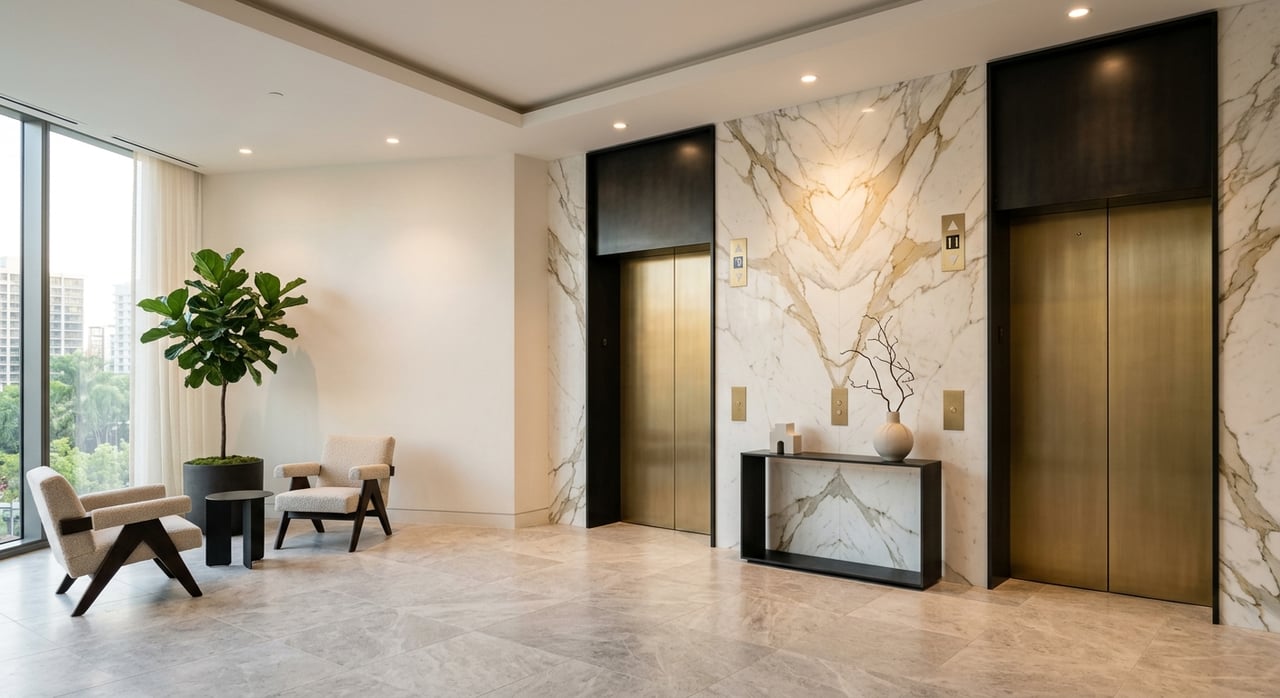
Newer towers and luxury buildings with staffed services often carry higher prices and monthly assessments. Expect features like a 24-hour doorman or concierge, fitness and wellness areas, pools, entertainment rooms, and valet or on-site parking. Older or basic buildings may have lower monthly costs but fewer amenities.
Floor level and exposure
Higher floors typically cost more per square foot. Elevation can reduce street noise and improve natural light, which helps with resale. If a lower floor fits your budget, weigh the tradeoffs on noise and privacy.
Condition and finishes
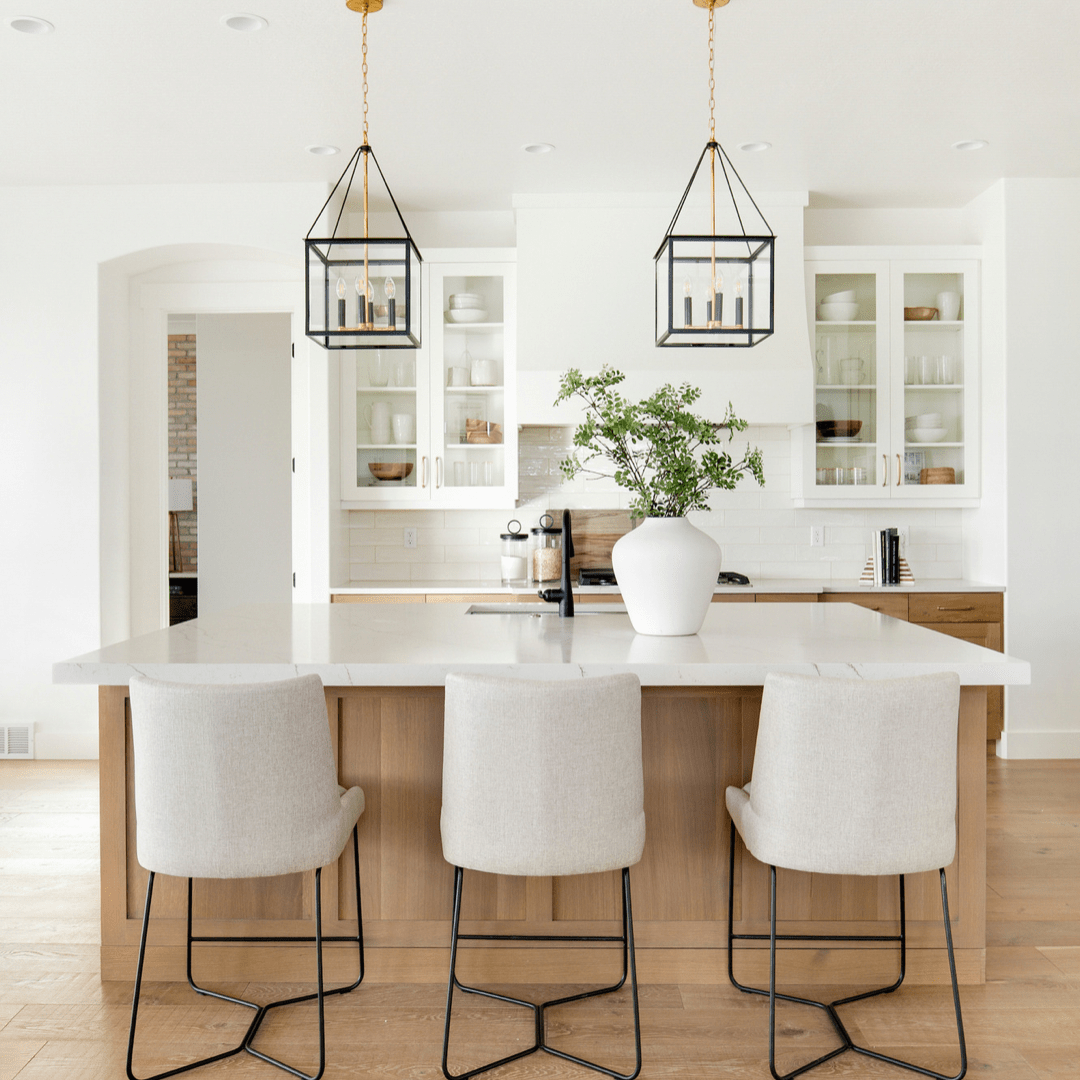
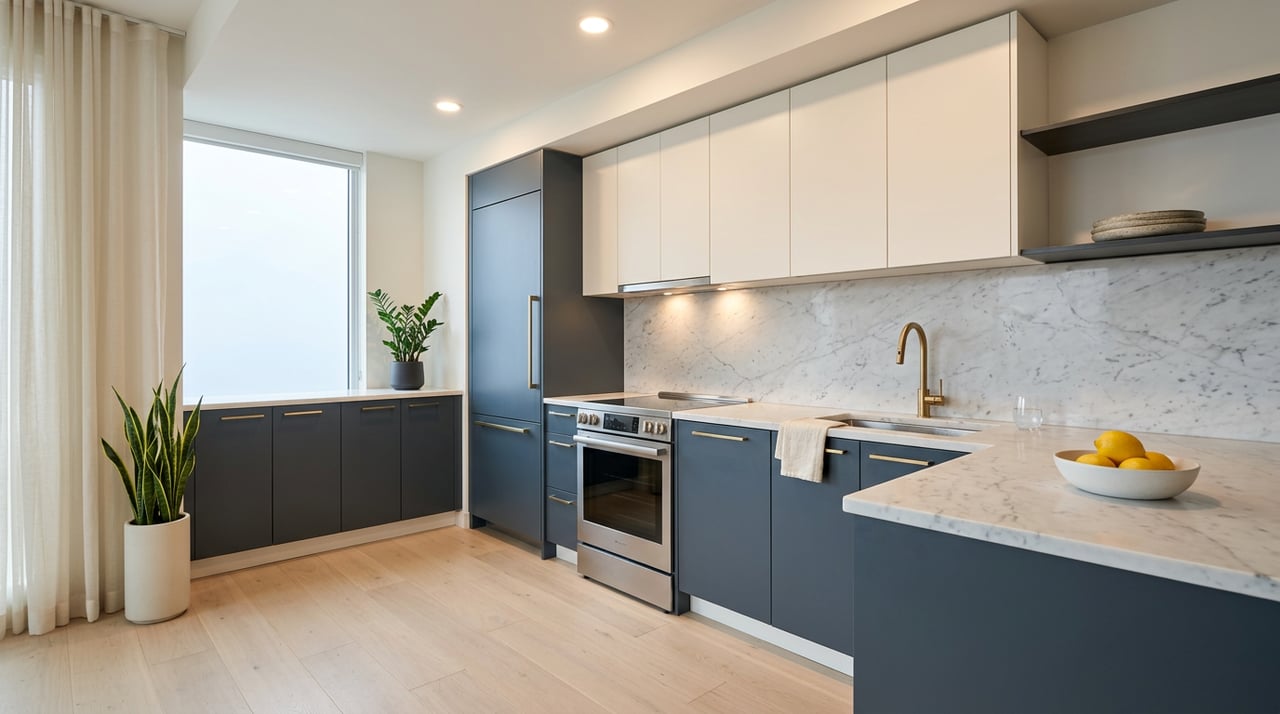
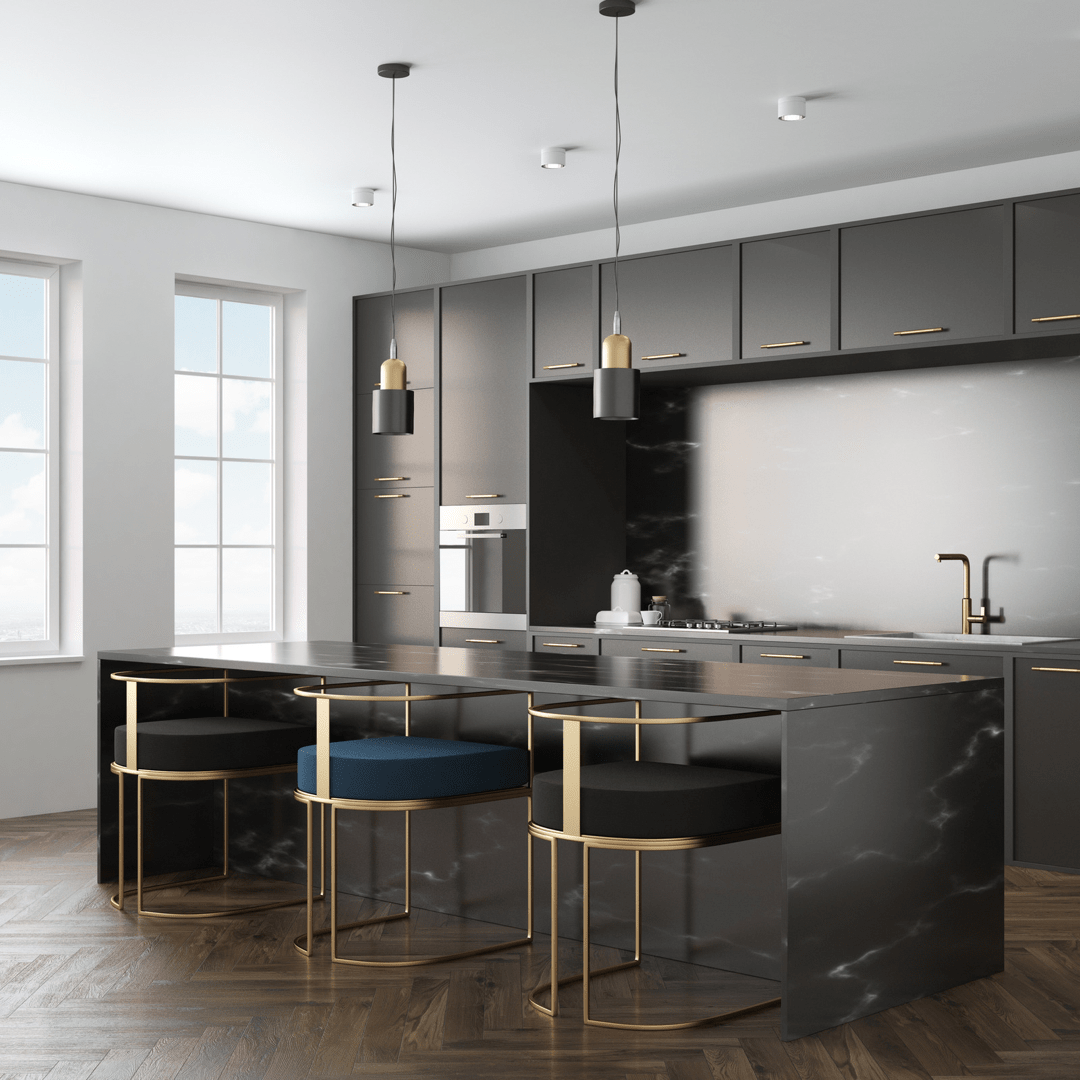
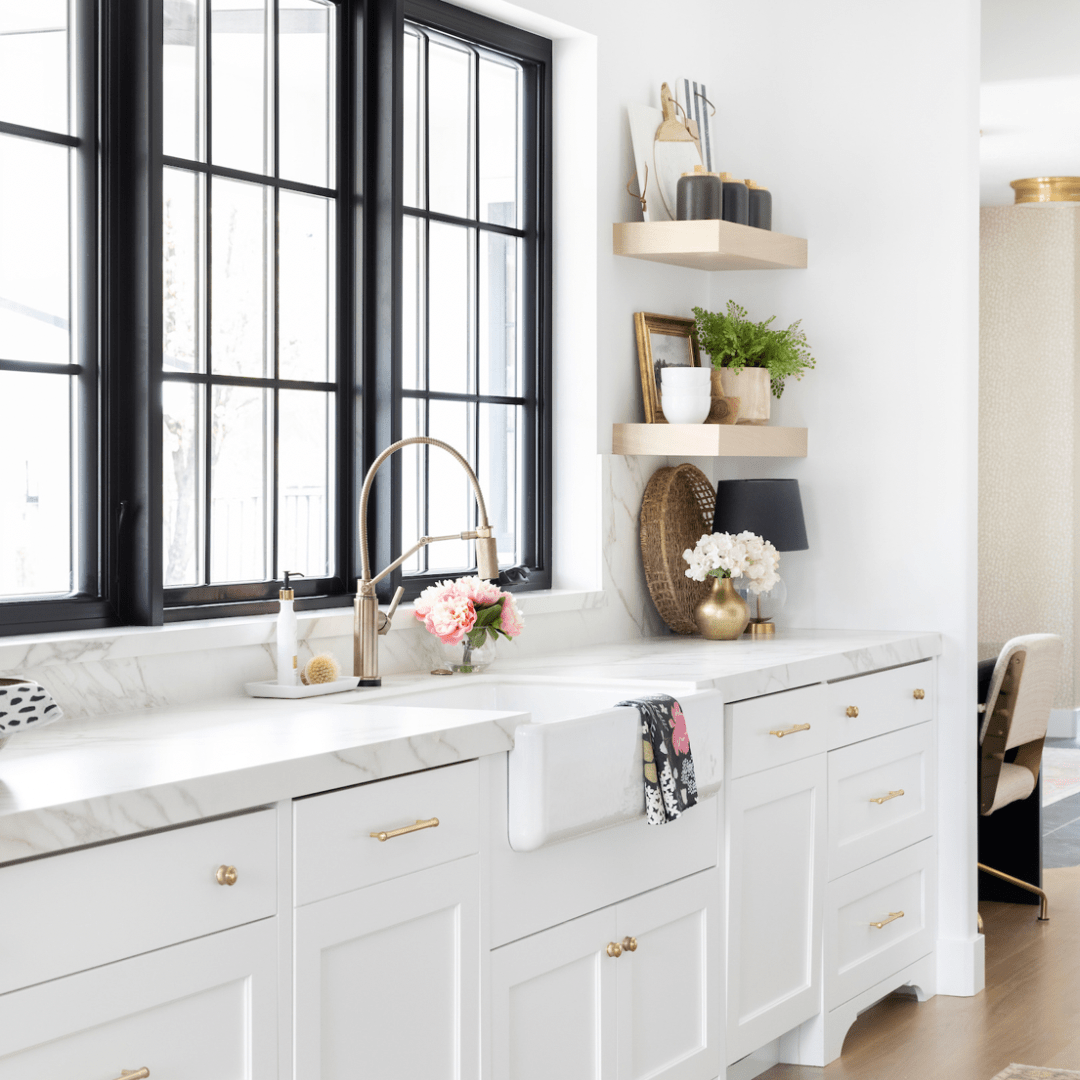
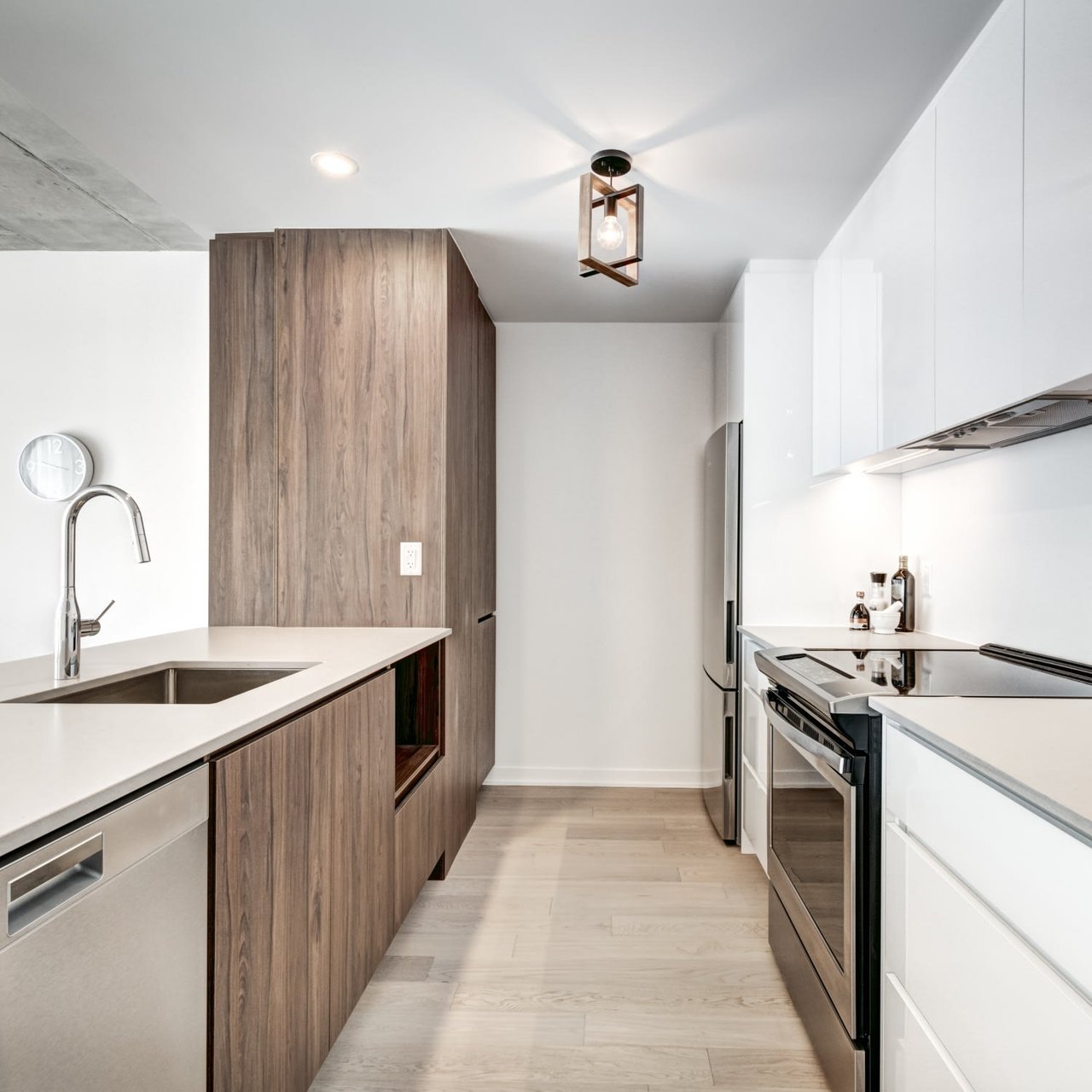
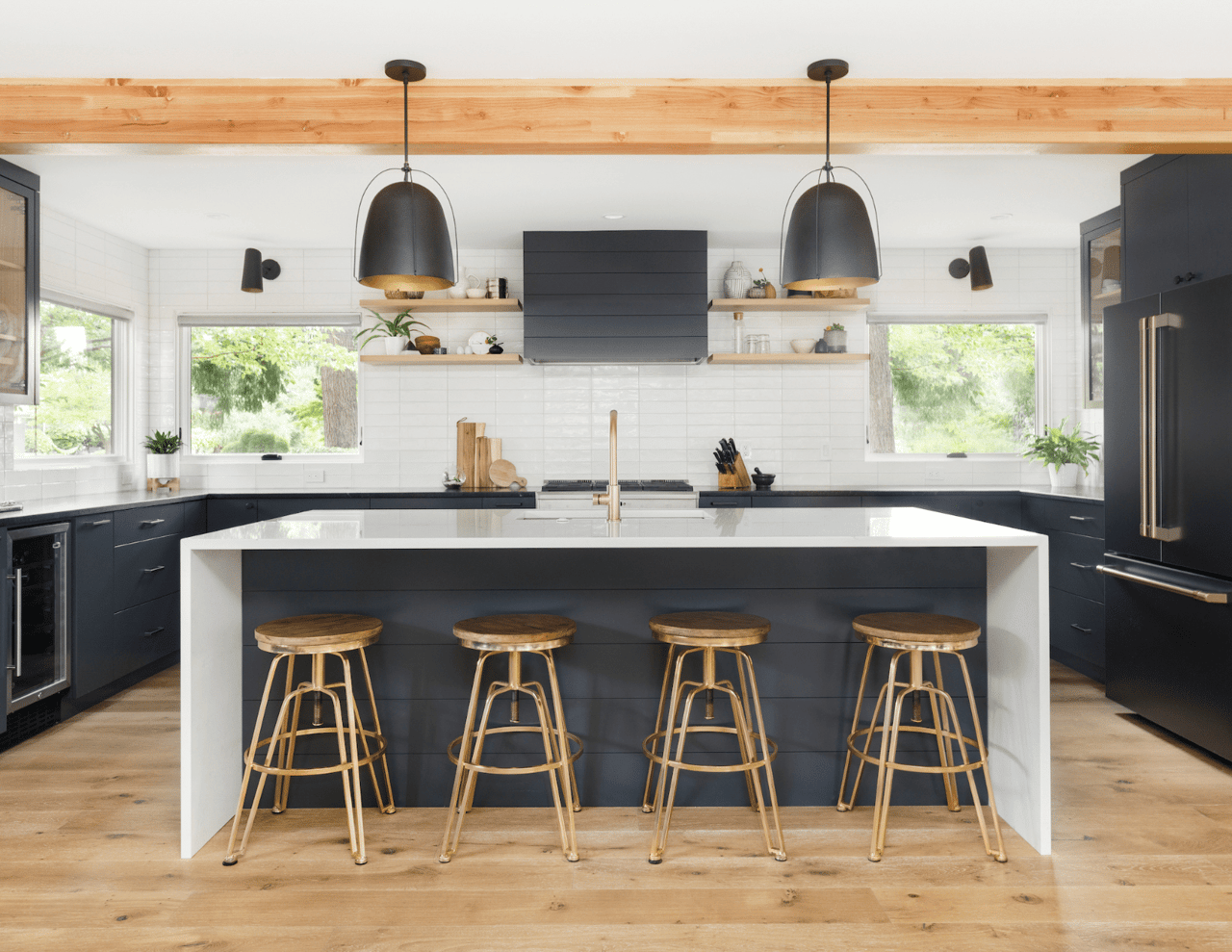
Updated kitchens and baths, modern mechanicals, and in-unit laundry are highly valued and can impact loan appraisal and future resale. If a unit needs work, estimate realistic renovation costs and timing, and compare against a move-in-ready option in the same building.
Parking and storage
On-site, assigned, or deeded parking adds value and everyday convenience. Buildings with ample storage, bike rooms, and organized package handling can also enhance livability.
Association financial health
Strong reserves, a clear capital plan, and low delinquency rates build buyer confidence. This can affect financing options and resale, especially in larger towers where capital projects are expensive.
Inventory and timing your search
Streeterville follows downtown Chicago’s seasonal cycle. You will usually see more new listings and buyer activity in spring and summer, and fewer options in winter. If you want maximum choice, target the spring listing wave. If you prioritize negotiation leverage, late fall and winter can sometimes offer more room to navigate on price.
Streeterville also has two supply streams: resale units and developer or new-construction inventory. New or developer-controlled inventory can come with different pricing and incentive structures, along with newer amenity packages and sometimes different assessment frameworks. Always compare monthly costs and reserves, not just list price.
Streeterville vs nearby options
- Streeterville: Heavily high-rise and amenity-driven with strong lake and river proximity. More consistent amenity tiers across larger towers.
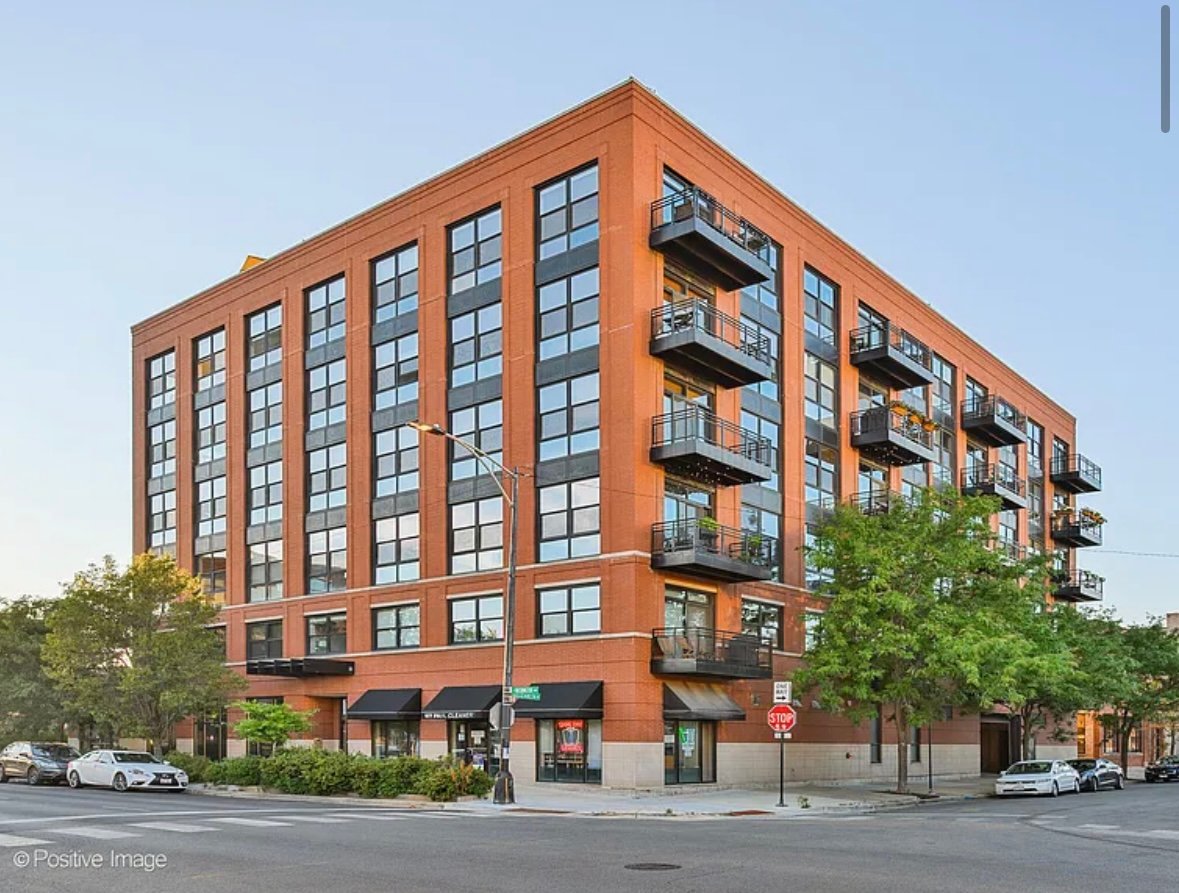
- River North: More conversion lofts, a younger vibe, and a mix of building types. You will find greater variety in floor plans and finish levels.
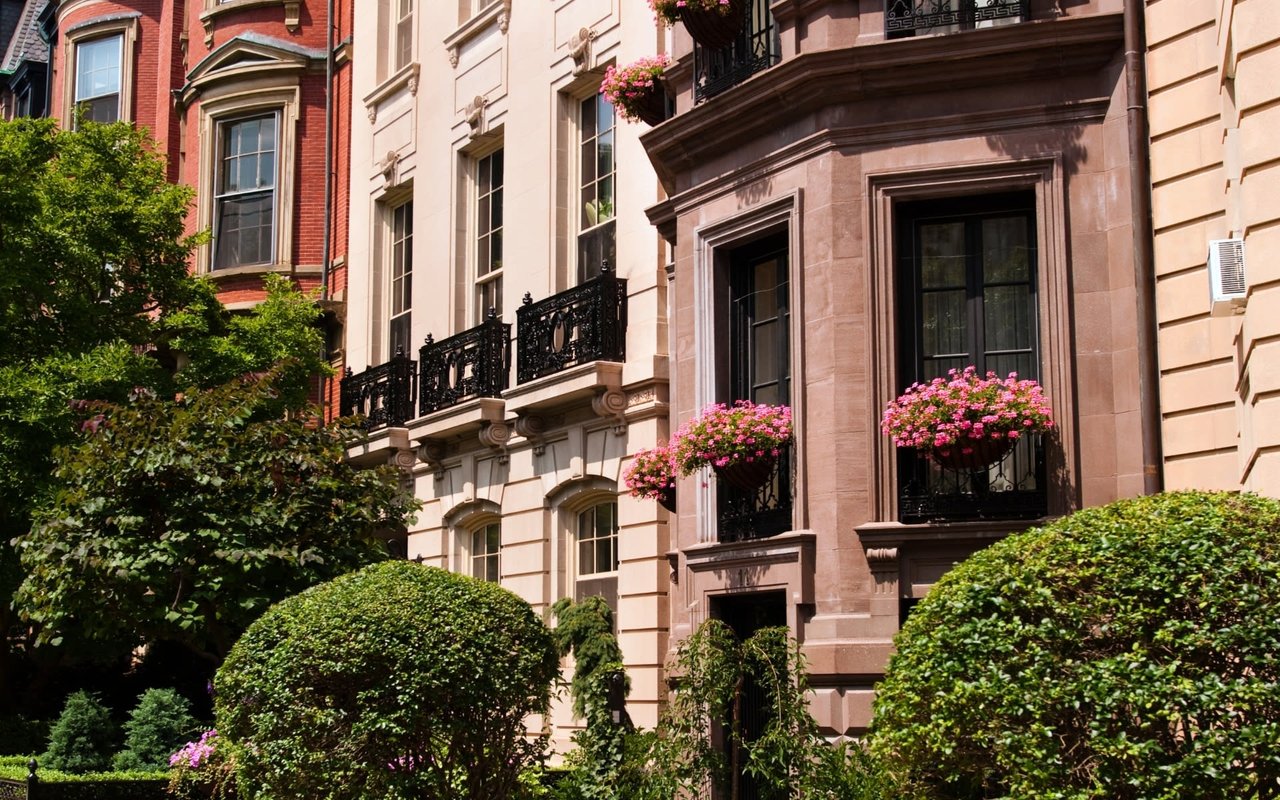
- Gold Coast: Older, historic luxury buildings on tree-lined streets with smaller associations and fewer large podium amenities.
If you want full-service tower amenities and water views, Streeterville is often the best fit. If a broader mix of unit types matters more, you might compare with River North or Gold Coast while weighing the amenity tradeoffs.
Building tiers and what to expect
Understanding amenity tiers helps you forecast monthly costs and lifestyle fit.
Basic buildings
- Elevator, secure entry, and on-site management or a part-time superintendent.
- Laundry may be in a shared area unless retrofitted for in-unit.
- Lower HOA fees due to minimal shared amenities and smaller staff.
Mid-tier buildings
- Front desk or concierge, fitness room, common lounge, rooftop deck.
- Package rooms and some assigned or guest parking.
- HOA fees reflect staffed services and upkeep of shared spaces.
Luxury and full-service towers
- 24/7 concierge or doorman, valet, indoor or outdoor pools, full fitness and wellness centers.
- Business centers, entertaining rooms, dog amenities, and house car service may be included.
- Higher HOA fees to cover staff payroll, insurance, utilities, and long-term capital maintenance.
HOA assessments and reserves: read before you offer
The association’s health influences your long-term costs and future resale. Ask for these documents early.
What to review
- Current operating budget and 2 to 3 years of financials.
- Reserve study and current reserve balance.
- Delinquency ledger showing owners behind on dues.
- Board meeting minutes from the last 6 to 12 months.
- Any disclosures about pending litigation or large vendor contracts.
- Rules and regulations, including rental and pet policies.
Red flags to watch
- Low reserves relative to building age and upcoming projects.
- Frequent or recent special assessments for big-ticket items.
- High delinquency rates that strain cash flow.
- Ongoing litigation that could affect financing or signal governance issues.
Typical triggers for special assessments
- Façade or window replacement programs in older towers.
- Major mechanical system updates, lobby or garage repairs, or pool equipment replacement.
Ask how capital projects are funded. Pay-as-you-go, reserve-funded, or special assessment or loan approaches carry different cost implications for owners.
Floor plans and features to prioritize
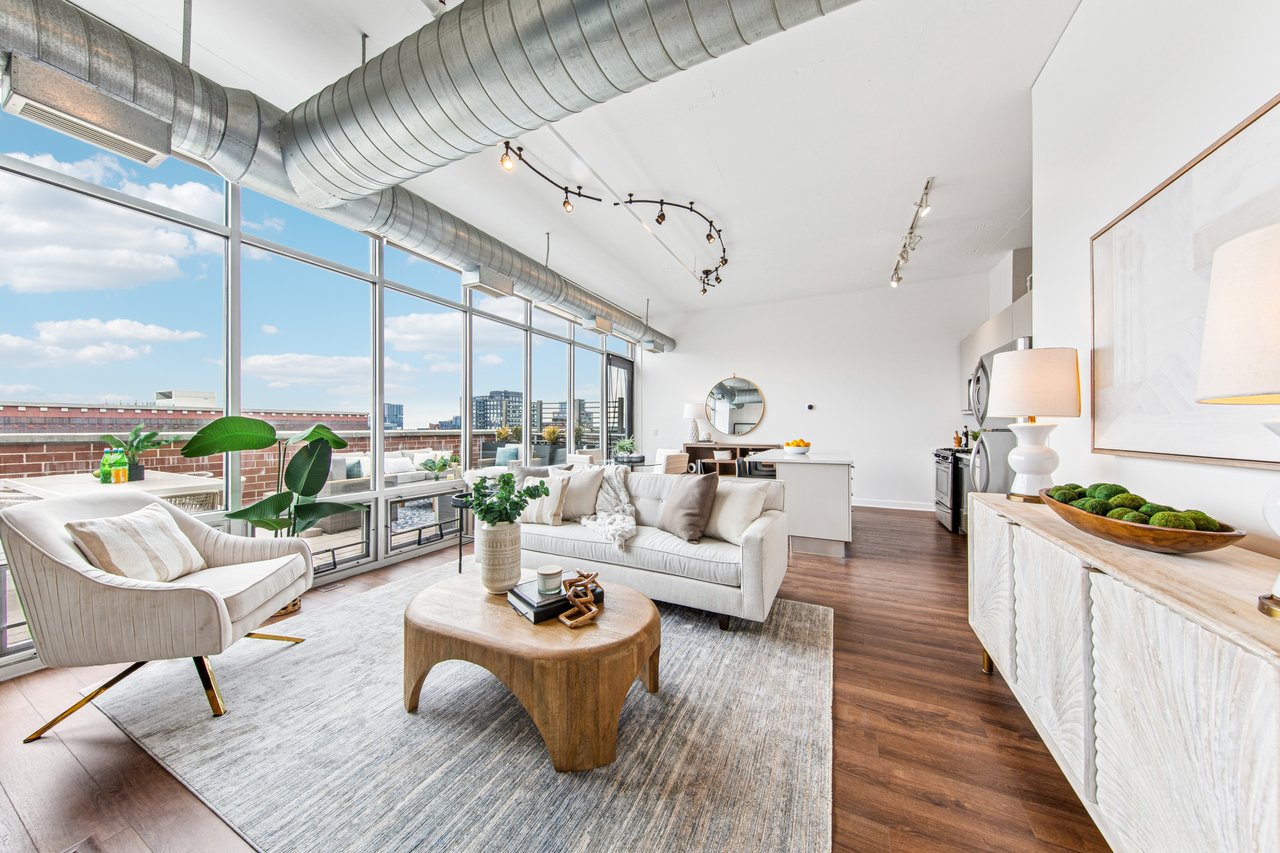
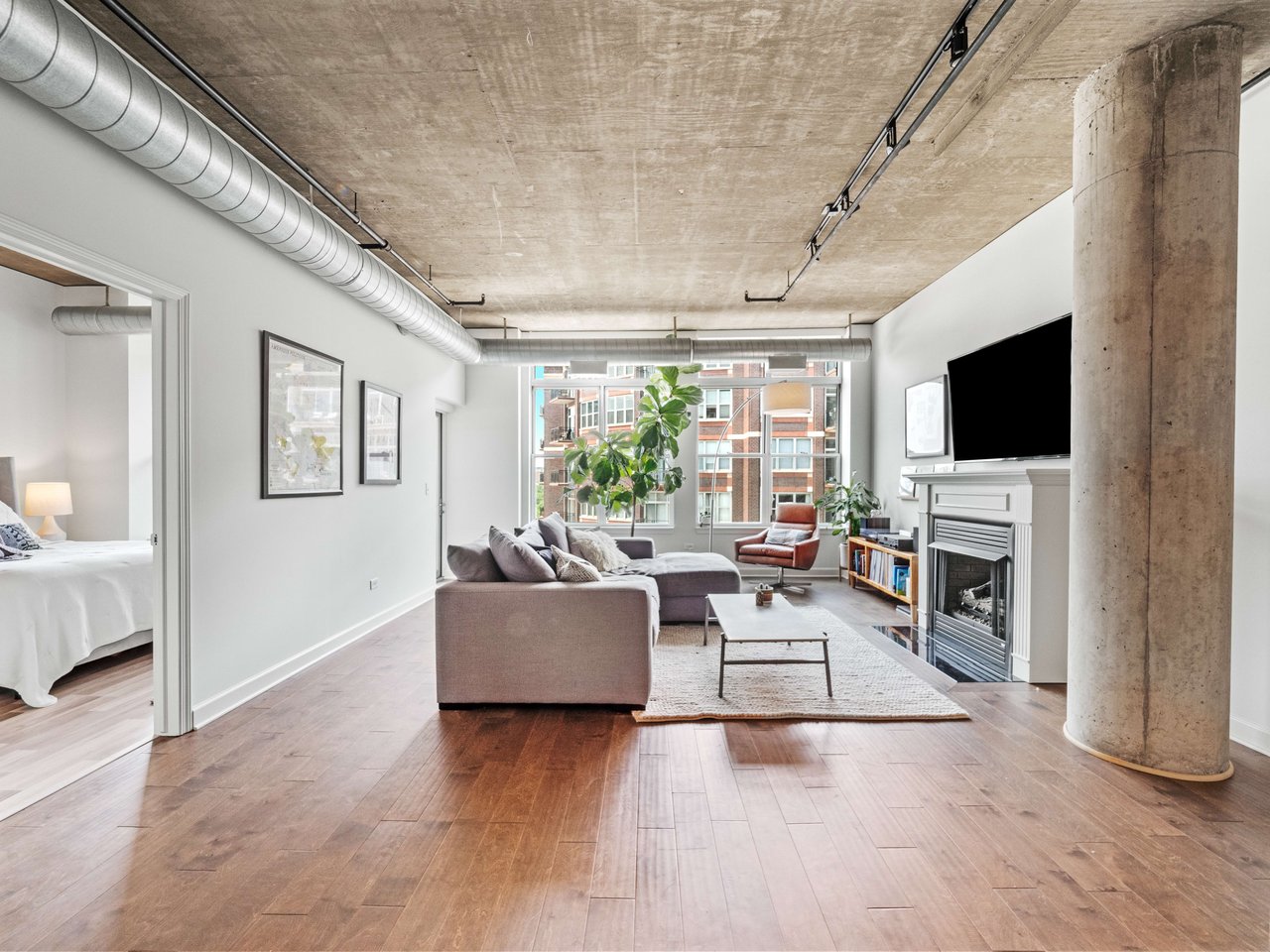
Streeterville’s most common layouts include studios and convertibles, one-bedrooms with or without dens, two-bedrooms with one or two baths, and a smaller pool of three-bedrooms or combined units. Corner units and certain “stacks” are prized for their views and light. Loft-style spaces are more common in River North, though some Streeterville buildings offer them.
As a general size guide, studios often come in under 600 square feet. One-bedrooms usually range from 600 to 900 square feet. Two-bedrooms often span 900 to 1,400 or more. Always verify square footage and how it was measured.
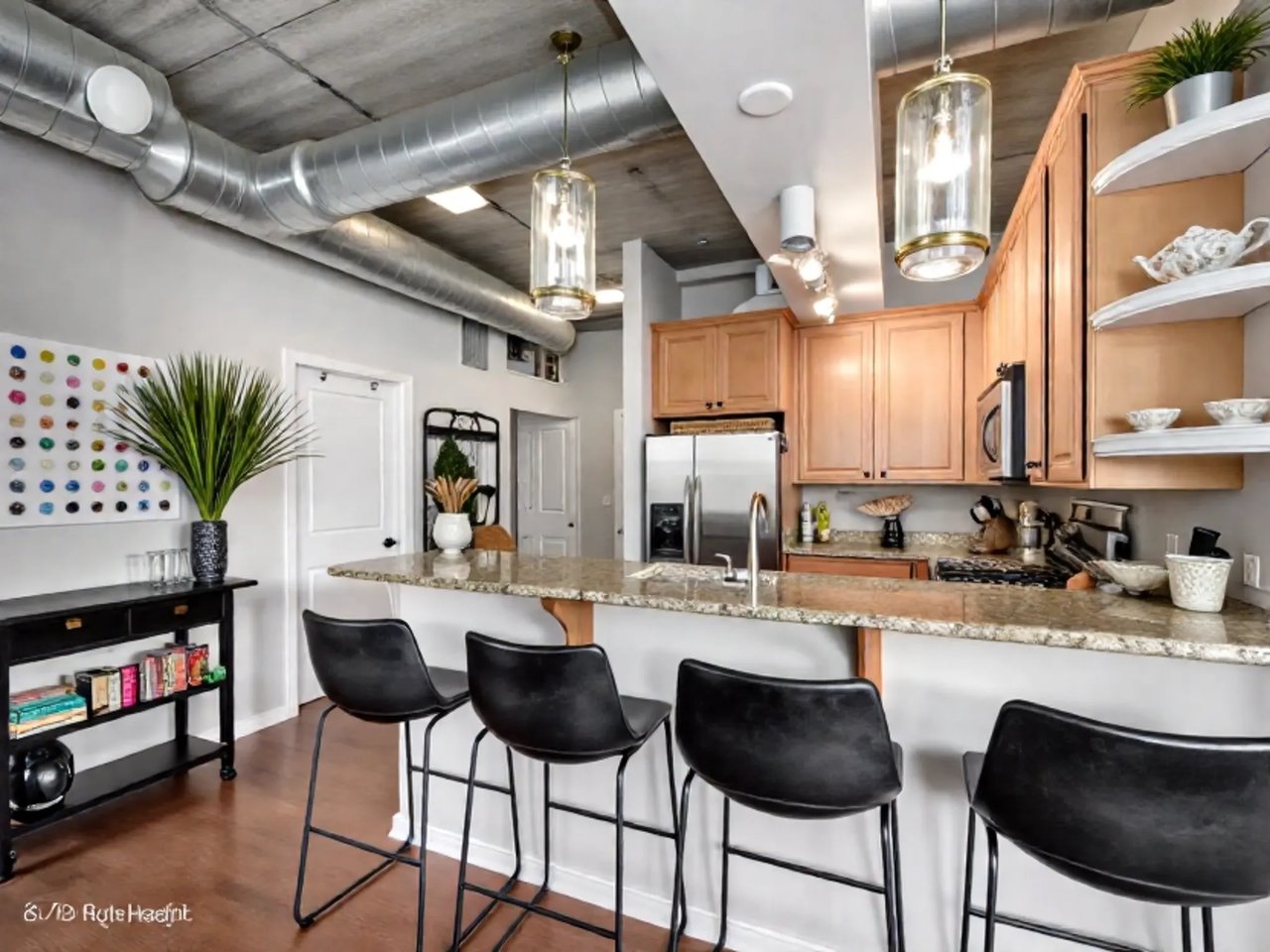
Features that improve daily living and resale include in-unit laundry, central air, quality windows, outdoor space, and open-plan kitchens. Modern finishes and smart home features can also help your unit stand out.
Streeterville condo buyer checklist
Use this list to compare buildings on equal terms.
Documents and financials to request
- Current budget plus the prior 2 to 3 years of financial statements.
- Reserve study and the latest reserve balance.
- Board meeting minutes for the last 6 to 12 months.
- A list of past and proposed special assessments.
- Delinquency summary and any lender-registered mortgages on the association.
- Certificate of insurance with coverage details and deductibles.
- Declaration, bylaws, rules, rental policy, and pet policy.
- Any pending litigation disclosures.
- Seller’s condo questionnaire, recent utilities, assessment history, and invoices for recent upgrades.
Financial red flags in the building
- Insufficient reserves for known capital needs.
- Repeated special assessments in recent years.
- High owner delinquency or a thin ownership base.
- Unbudgeted large projects showing up in board minutes.
- Active litigation with unclear risk exposure.
Physical checks while touring
- Unit checks: washer and dryer, HVAC age and function, water heater age, window seals, balcony condition, water pressure, and ventilation.
- Noise: listen for street noise, elevator or mechanical noise, and sound transfer from neighbors.
- Building checks: elevator condition and wait times, package handling, lobby flow, and cleanliness.
- Amenities: verify fitness room, pool, roof deck, and garage maintenance.
- Parking and storage: confirm whether parking is deeded or by license, costs, and location of storage and bike areas.
Questions to ask management or the listing team
- Owner-occupancy rate and current rental policy or caps.
- Special assessments in the last 5 years and any planned projects.
- Current delinquency rate and any large delinquencies.
- Capital projects underway or anticipated, such as façade or window work.
- How utilities are billed and which are included in assessments.
- Whether the building has FHA or VA approval if that affects your financing.
Financing and resale considerations
Financing can be influenced by association health, investor concentration, and rental policies. A high share of investor-owned units or active litigation can limit loan options. Rental restrictions can narrow the future buyer pool, which may shape resale dynamics.
Document the rental policy, owner-occupancy rate, and any short-term rental rules. Confirm whether the building is approved for common loan programs that matter to you. Keep a record of amenity condition and capital plans to help future buyers understand the building’s long-term outlook.
Next steps
If you want lake or river views, full-service amenities, and a central location, Streeterville offers a strong mix of options. The key is to balance what you will use and enjoy with long-term costs, including assessments and likely capital projects. With the right due diligence, you can find a unit that fits your lifestyle and holds value.
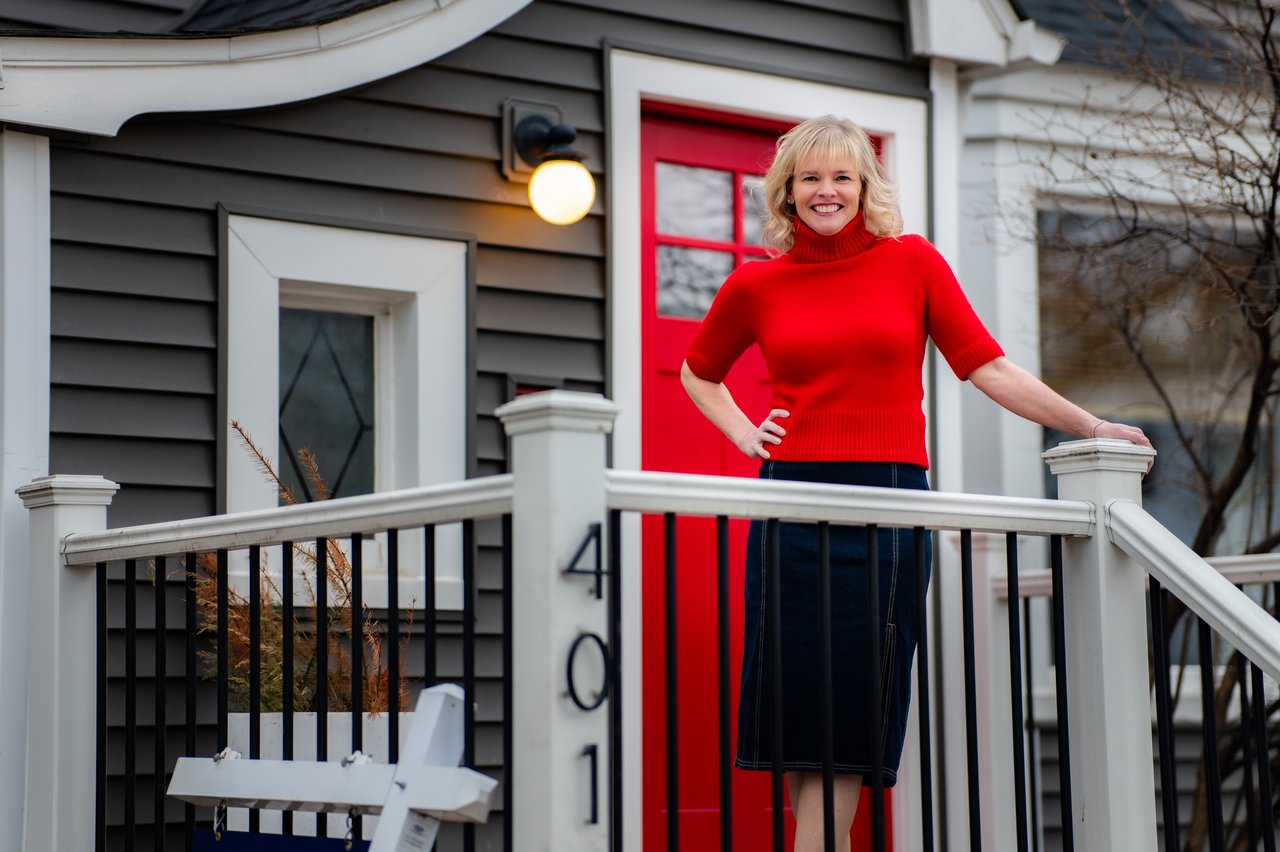
Ready to compare buildings or want a valuation-driven game plan? Connect with Stephanie Turner for boutique buyer representation, clear pricing guidance, and access to private inventory channels through a premium marketing network.
FAQs
What drives Streeterville condo prices the most?
- Views, building amenities and age, floor level, unit condition, parking, and the association’s financial strength are the main drivers.
How does Streeterville differ from River North and Gold Coast?
- Streeterville centers on amenity-rich towers and water proximity, while River North offers more loft conversions and variety, and Gold Coast features older, historic buildings with smaller associations.
When is the best time to shop for a Streeterville condo?
- Spring and summer generally bring more listings and activity, while late fall and winter can sometimes offer better negotiation opportunities.
What HOA documents should I review before making an offer?
- Ask for the current budget, several years of financials, the reserve study, recent board minutes, delinquency data, special assessment history, litigation disclosures, and all governing documents.
What building red flags should I watch for during due diligence?
- Low reserves for an older tower, repeated special assessments, high delinquencies, unbudgeted capital projects in minutes, and any ongoing litigation.
Which unit features improve resale in Streeterville?
- Unobstructed lake or river views, balconies, in-unit laundry, modern mechanicals, open-plan kitchens, quality windows, and on-site deeded parking are all positives.