How Baby Boomers Are Shaping Chicago's Real Estate Market in 2025-2026
Baby boomers control 35.6% of Chicago's housing market while representing just 19.9% of the population. This generational housing imbalance is reshaping inventory, pricing, and opportunities for buyers and sellers across the Chicagoland area. Here's what you need to know about the boomer effect on Chicago real estate heading into 2026.
Quick Answer: What's the Baby Boomer Impact on Chicago Real Estate?
Baby boomers own more than one-third of Chicago homes, creating significant inventory constraints. In 2026, expect modest price growth of 2.5-4.5%, continued tight inventory, and strong competition from cash-buying boomers. The long-anticipated "silver tsunami" will unfold gradually over the next decade rather than all at once, with 13-14 million older homeowners nationally expected to exit homeownership between 2026-2036.
The Numbers Behind the Boomer Dominance in Chicago
Chicago's housing market reveals a striking demographic mismatch. Baby boomers account for 35.6% of homeowners in Chicago while comprising only 19.9% of the metro population. This outsized ownership creates one of the most significant factors constraining housing supply in 2025.
Nationally, the picture is even more dramatic. Baby boomers represent 42% of all home buyers and an impressive 53% of all sellers—the highest share of any generational cohort. This dual dominance means boomers control both supply and demand dynamics in ways that profoundly impact younger buyers.
Why This Matters for Chicago Buyers and Sellers
The concentration of boomer ownership means fewer homes available for first-time buyers, particularly millennials and Gen Z. When properties do come to market, boomers often have significant advantages:
• Cash purchases: 49% of older baby boomers (70-78 years old) buy homes entirely with cash, bypassing financing altogether
• Home equity leverage: 62% of older boomers and 53% of younger boomers (60-69) use proceeds from selling their previous home as their primary down payment source
• Competitive advantage: With substantial equity and often no mortgage contingencies, boomer buyers can make more compelling offers than younger, financing-dependent buyers
Why Aren't Baby Boomers Selling Their Chicago Homes?
Despite expectations of mass downsizing, most baby boomers are staying put. Understanding why reveals important insights for Chicago's real estate future.
The Aging-in-Place Movement
Approximately 75% of adults over age 50 want to age in their current homes rather than downsize. This isn't just sentiment—it's a practical decision based on familiarity, community connections, and established healthcare relationships. Many boomers are investing in home modifications like stairlifts, walk-in tubs, and accessibility features rather than moving.
The Financial Trap of Downsizing
The math often doesn't work for downsizing baby boomers:
Paid-off mortgages: Many boomers own their homes outright or have extremely low mortgage rates locked in from earlier refinancing
Expensive smaller homes: Between 2020 and 2024, U.S. home prices increased 30%, making even smaller properties cost as much or more than current homes
High moving costs: Selling costs average 8-10% of a home's sale price when factoring in commissions, staging, repairs, and moving expenses
Limited inventory: There's a shortage of appropriately-sized homes (2,000 square feet, single-level) in desirable neighborhoods where boomers want to stay
Beyond the Numbers: Emotional and Practical Barriers
Decades of accumulated possessions, memories, and established routines make moving overwhelming. The physical and emotional effort of sorting through a lifetime of belongings stops many boomers from even starting the downsizing process. Add to this concerns about retirement community costs, potential loss of independence, and unfamiliarity with rental markets, and the decision to stay becomes even more compelling.
The "Silver Tsunami": Wave or Ripple?
Industry experts have debated whether a "silver tsunami" of baby boomer home sales will flood the market. The data suggests a more nuanced reality.
2026: A Critical Demographic Milestone
The oldest baby boomers turn 80 in 2026, marking a significant demographic inflection point. Research shows homeownership retention drops substantially once owners enter their 80s. Between 2026 and 2036, the number of older homeowners expected to exit homeownership is projected to reach 13.1 to 14.6 million—a 42% increase over the previous decade.
Why the Transition Will Be Gradual
Despite the large numbers, several factors ensure this won't be a sudden market shock:
Extended timeline: Baby boomers were born between 1946 and 1964. The youngest boomers won't reach their 80s until the mid-2040s
Healthier aging: Modern boomers are wealthier and healthier than previous generations, staying in their homes longer than past cohorts
Inheritance, not sales: Many homes will be bequeathed to heirs who may retain ownership rather than selling immediately
The "DDD" pattern: Death, divorce, and downsizing will drive gradual releases rather than coordinated sales events
Chicago Real Estate Market Predictions for 2026
Understanding boomer dynamics helps forecast Chicago's 2026 market conditions with greater precision.
Home Price Growth: Steady but Modest
Chicago home prices are projected to increase 2.5% to 4.5% through 2026. With current median values around $297,772, this translates to estimated prices of $305,200 to $311,200 by early 2026. This modest appreciation reflects a balanced market—steady enough to protect equity without creating volatility.
Nationally, experts forecast a 4% median home price gain in 2026 following an estimated 3% increase in 2025. Chicago's slightly lower projections reflect its more affordable baseline compared to coastal markets.
Not All Chicago Neighborhoods Will Perform Equally
While citywide averages tell one story, neighborhood-level dynamics reveal opportunities:
Outperforming areas: Bronzeville, South Shore, and Avondale are expected to see above-average appreciation due to revitalization efforts and relative affordability
Stable premium markets: West Loop, Logan Square, and River North will likely see price stability with continued rental demand
Suburban strength: Families priced out of city neighborhoods are pushing toward suburban downtowns that balance convenience and affordability
Transaction Volume: A Potential Rebound
After years of depressed sales activity, 2026 may bring relief. The National Association of Realtors forecasts a 14% nationwide increase in home sales for 2026, with new-home sales projected to rise 5%. If Chicago follows national trends, this could mean significantly more transaction activity than 2024-2025.
Key drivers include lower mortgage rates (if they materialize), improved buyer sentiment, and accumulated pent-up demand from buyers who delayed purchases during the high-rate environment.
Rental Market: Continued Strength in 2026
Chicago's rental market shows no signs of weakening. One-bedroom units currently averaging $1,863 per month could reach $1,930 to $1,960 by mid-2026. Two-bedroom units may exceed $2,450 per month, especially in high-demand areas like West Loop, Logan Square, and River North.
The rental surge reflects demographic shifts (millennials and Gen Z entering rental markets), rising homeownership costs, and limited new rental construction. For investors, this creates stable income opportunities, particularly in neighborhoods with transit access and revitalization momentum.
Strategic Implications for Chicago Buyers, Sellers, and Investors
First-Time Buyers: Navigate the Boomer-Dominated Market
Competing against cash-heavy boomers requires strategic positioning:
Get pre-approved with strong financing to compete against cash offers when possible
Consider emerging neighborhoods like Bronzeville and Avondale where appreciation potential is strong but competition is less intense
Look for properties that need cosmetic updates—boomers prefer move-in-ready homes, creating opportunities for renovation-tolerant buyers
Focus on condos and townhomes rather than single-family homes where boomer competition is fiercest
Sellers: Position Properties for Maximum Appeal
With boomers representing 53% of buyers, understanding their preferences is critical:
Emphasize move-in-ready condition—boomers pay premiums to avoid renovation hassles
Highlight single-level living or main-floor bedroom configurations for aging-in-place appeal
Price competitively—inventory remains tight, but sellers expecting 2021-2022 appreciation levels will face longer market times
Market accessibility features, low maintenance, and proximity to healthcare and amenities
Real Estate Investors: Play the Long Game
The boomer effect creates distinct opportunities for patient investors:
Target boomer-dense neighborhoods: Focus on areas with high boomer ownership where future inventory releases are most likely
Watch for estate sales: Monitor probate listings and downsizing announcements for below-market opportunities
Invest in rental properties: With strong rental demand projected through 2026, two- to four-unit buildings in transit-accessible neighborhoods offer solid returns
Consider senior housing exposure: As the oldest boomers reach 80, demand for senior housing will reach historic levels with occupancy rates potentially exceeding 90%
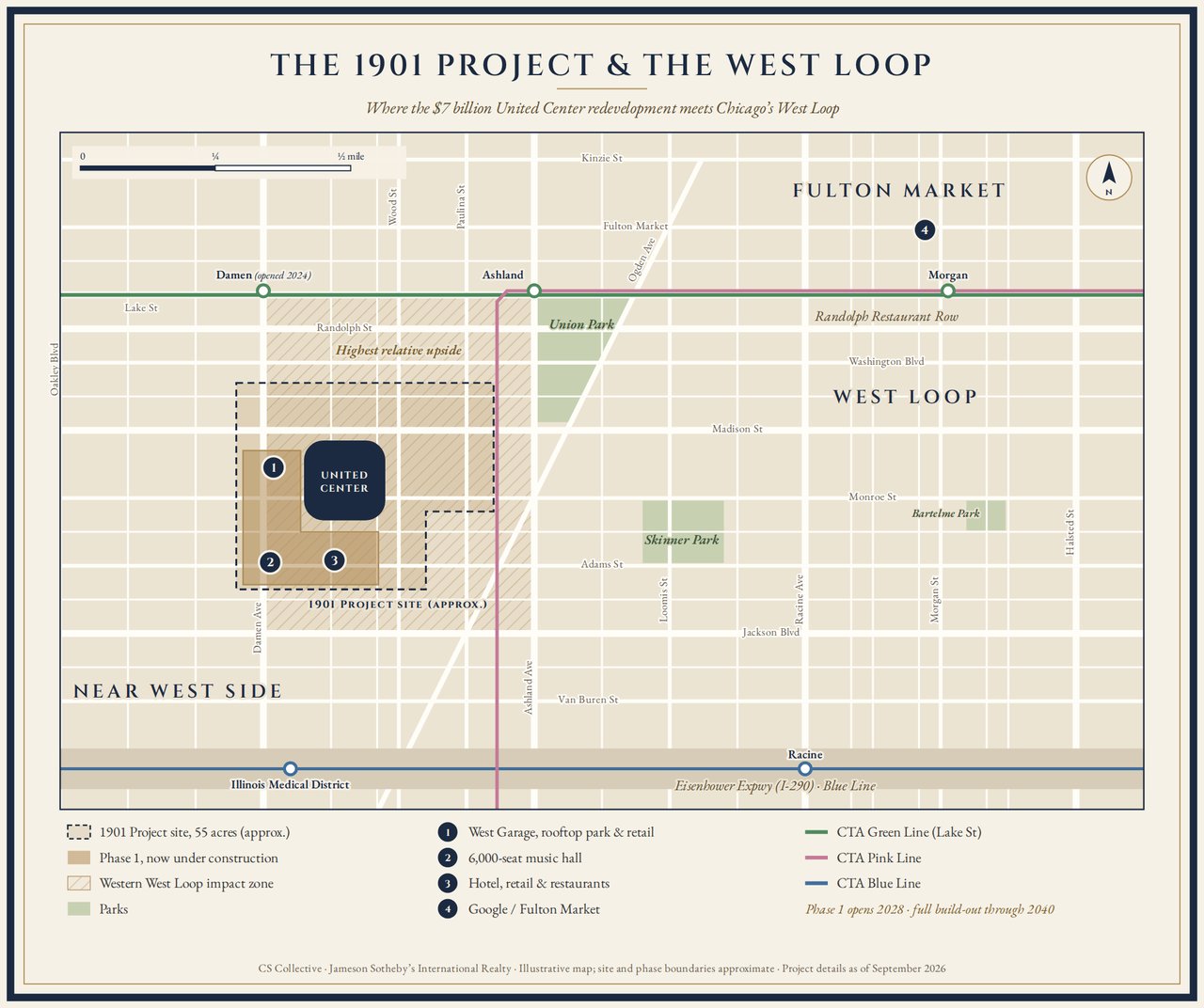
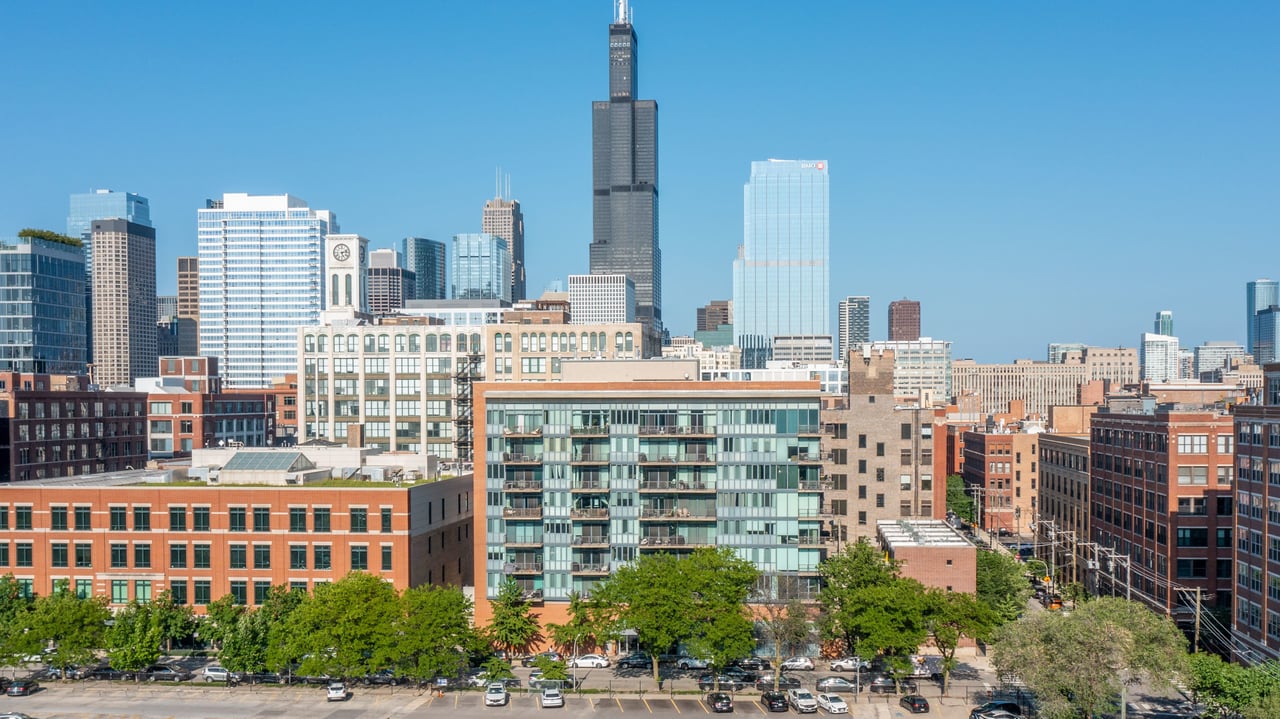
The West Loop Advantage in a Boomer-Influenced Market
As Chicago's premier neighborhood expert with 25 years of West Loop experience, I see unique positioning for this area within the broader boomer dynamics.
The West Loop attracts both younger buyers seeking urban lifestyle and downsizing boomers who want walkability, dining, and culture without sacrificing quality. This dual appeal creates consistent demand that insulates the neighborhood from dramatic swings.
Key West Loop advantages include:
• Diverse housing stock accommodating both downsizing boomers and growing families
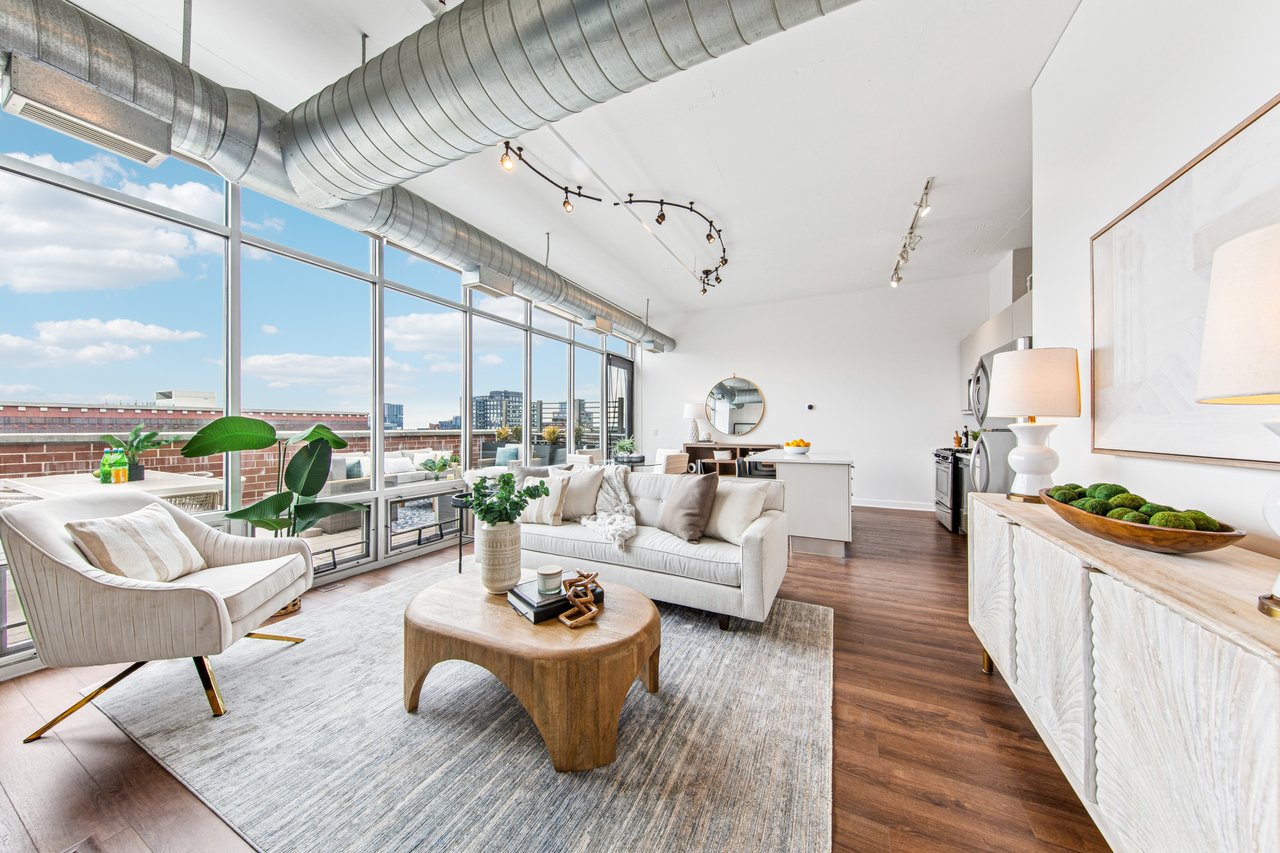
• Premium finishes and modern construction appealing to move-in-ready preferences
• Transit access reducing car dependency—attractive for aging populations
• Walkable amenities (restaurants, parks, healthcare) supporting aging-in-place goals
Looking Beyond 2026: The Decade Ahead
While 2026 marks a demographic milestone, the full baby boomer transition will unfold over the next 10-20 years. This extended timeline means:
Gradual inventory increases: Don't expect sudden floods—expect steady, predictable increases in available homes
Continued generational competition: Millennials (now in their 30s and 40s) will compete with boomers throughout the 2020s and into the 2030s
Policy responses: Expect cities to adapt zoning and housing policies to facilitate boomer transitions and increase housing diversity
Market innovation: New housing products will emerge targeting downsizing boomers—expect growth in age-restricted communities, lock-and-leave townhomes, and senior co-housing
The Bottom Line: Patience and Strategy Win
Baby boomers' dominance of Chicago's housing market is the defining dynamic of 2025-2026 real estate. Their preference to age in place, substantial equity advantages, and sheer numbers create challenges for younger buyers while maintaining upward price pressure.
The "silver tsunami" will arrive eventually—but as a decade-long wave rather than a sudden flood. The turning point begins in 2026 as the oldest boomers reach 80, but full effects won't materialize until the 2030s and beyond.
For Chicago buyers, sellers, and investors, understanding these dynamics isn't just academic—it's essential for making informed decisions. Whether you're competing for a first home, positioning a property for sale, or building a long-term investment portfolio, the boomer effect shapes every strategy.
As a West Loop specialist with 25 years of neighborhood expertise, I help clients navigate these complex market dynamics with data-driven insights and local knowledge. Whether you're looking to buy, sell, or invest in Chicago real estate, understanding the generational forces shaping our market is your competitive advantage.
Ready to Navigate Chicago's Real Estate Market?
Whether you're a first-time buyer competing in a boomer-dominated market, a seller positioning your property for maximum value, or an investor seeking opportunities in this shifting landscape, I bring 25 years of Chicago real estate expertise—particularly in the West Loop—to help you succeed.
Contact Stephanie today for a personalized market analysis and strategic guidance tailored to your real estate goals.
Related Topics:
• Chicago home prices 2026 forecast
• West Loop real estate market trends
• Baby boomer downsizing Chicago
• First-time home buyer strategies Chicago
• Chicago real estate investment opportunities 2026
• Silver tsunami Chicago housing market