Craving a lock-and-leave Chicago home base where you can touch down for work, dining, and lakefront weekends? If the Gold Coast is on your list, you are not alone. A pied-à-terre here pairs walk-to-everything living with full-service buildings that make part-time ownership simple. This guide shows you what to look for, what it really costs, the rules that matter, and the due diligence that protects your purchase. Let’s dive in.
Why a Gold Coast pied-à-terre
Location and lifestyle perks
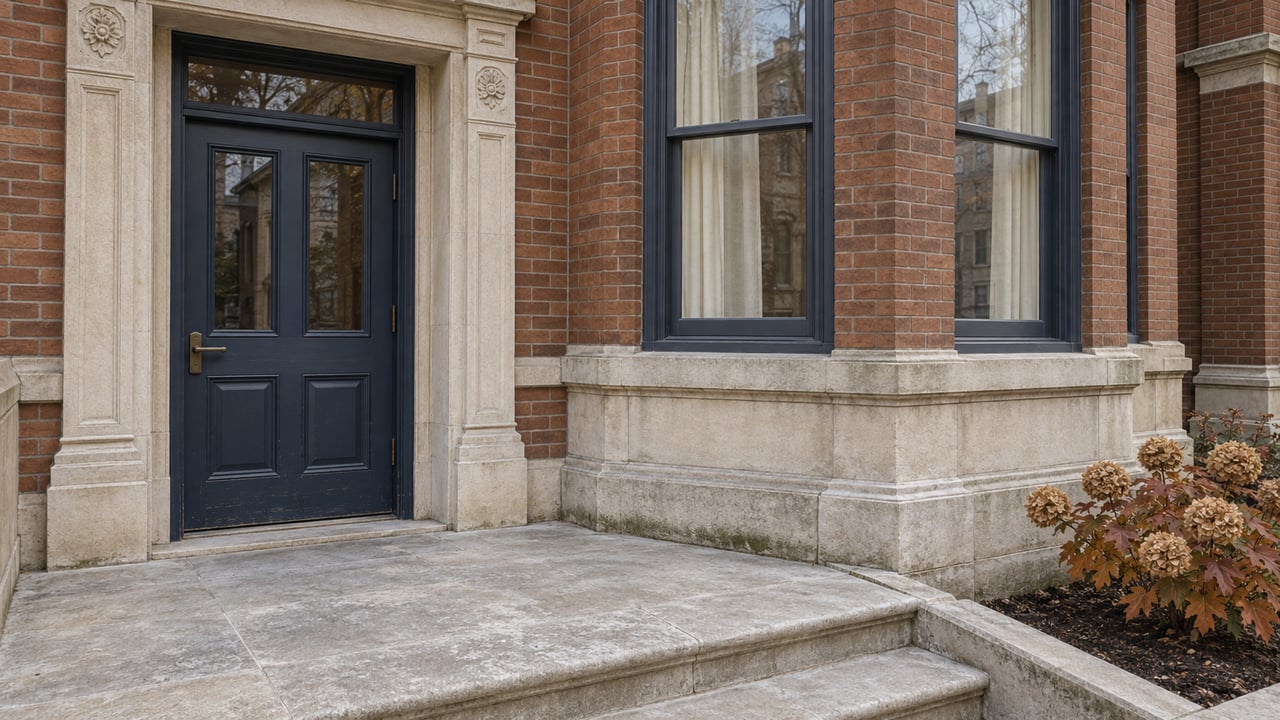
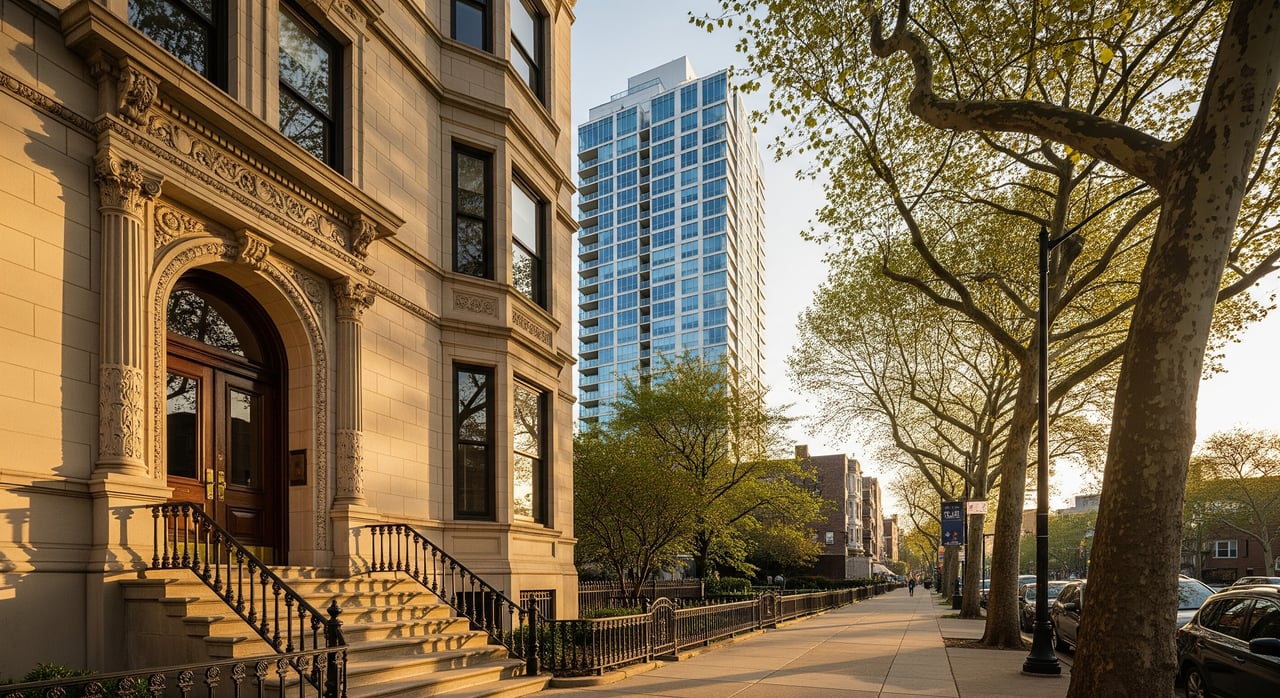
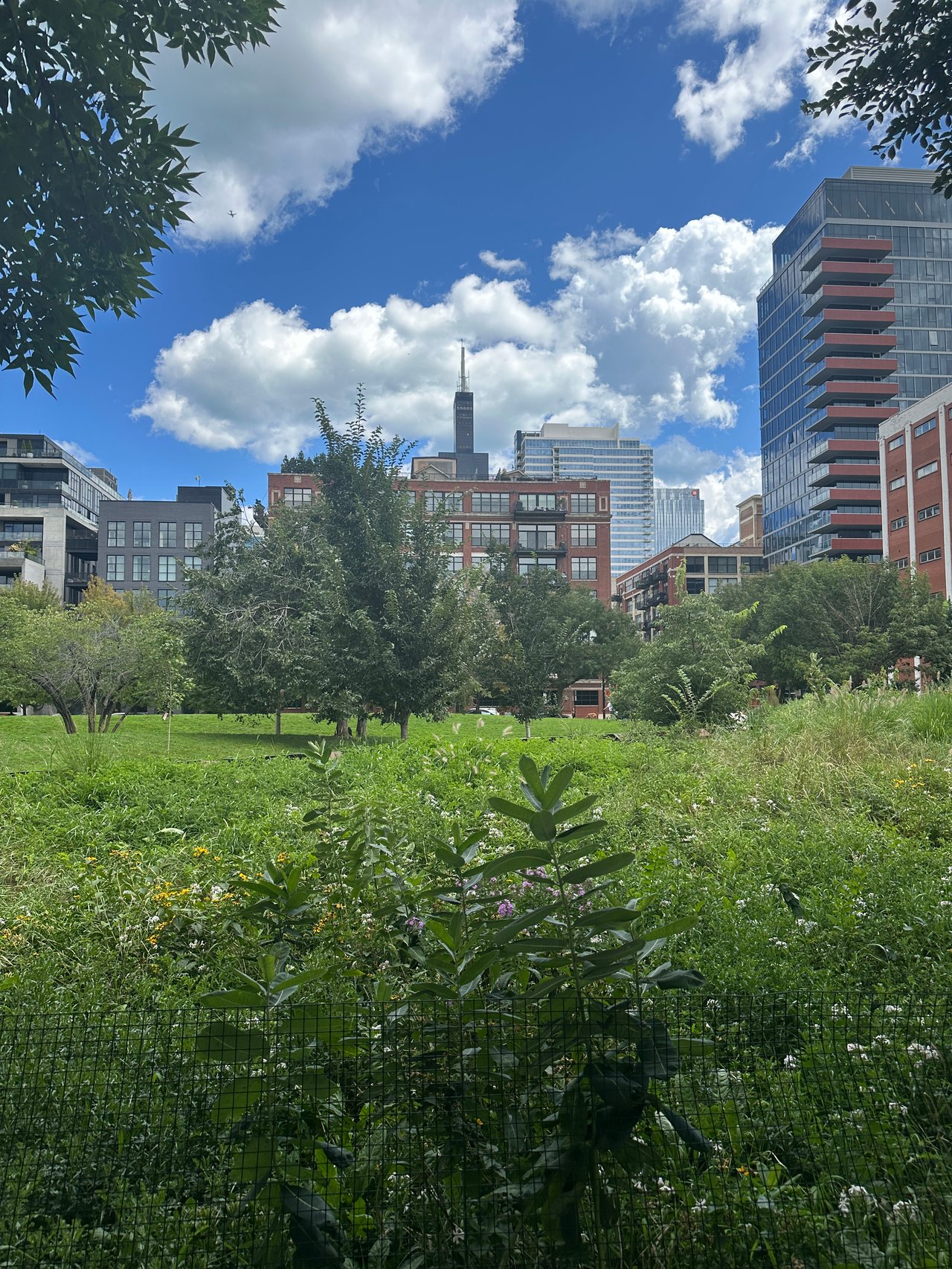
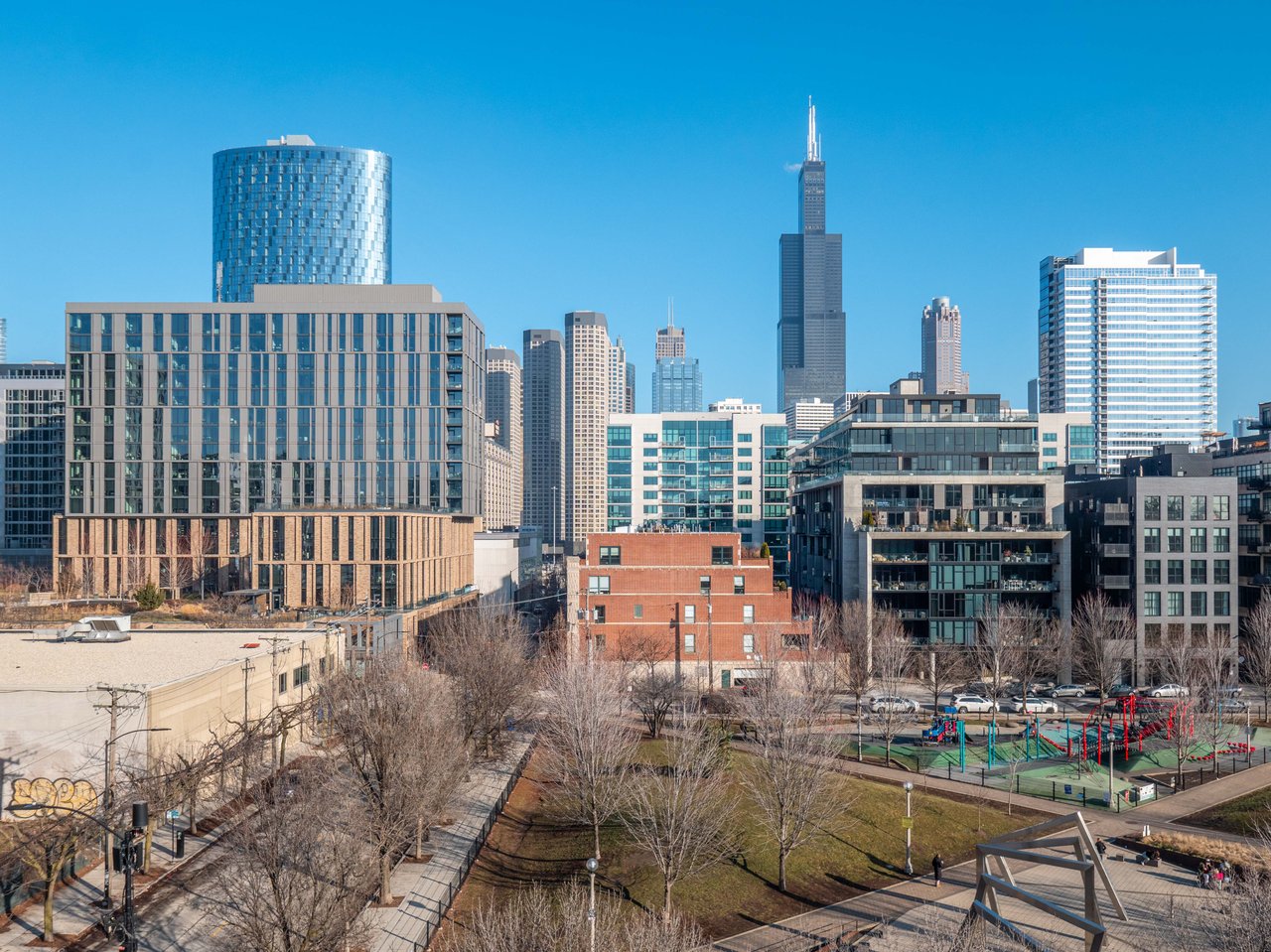
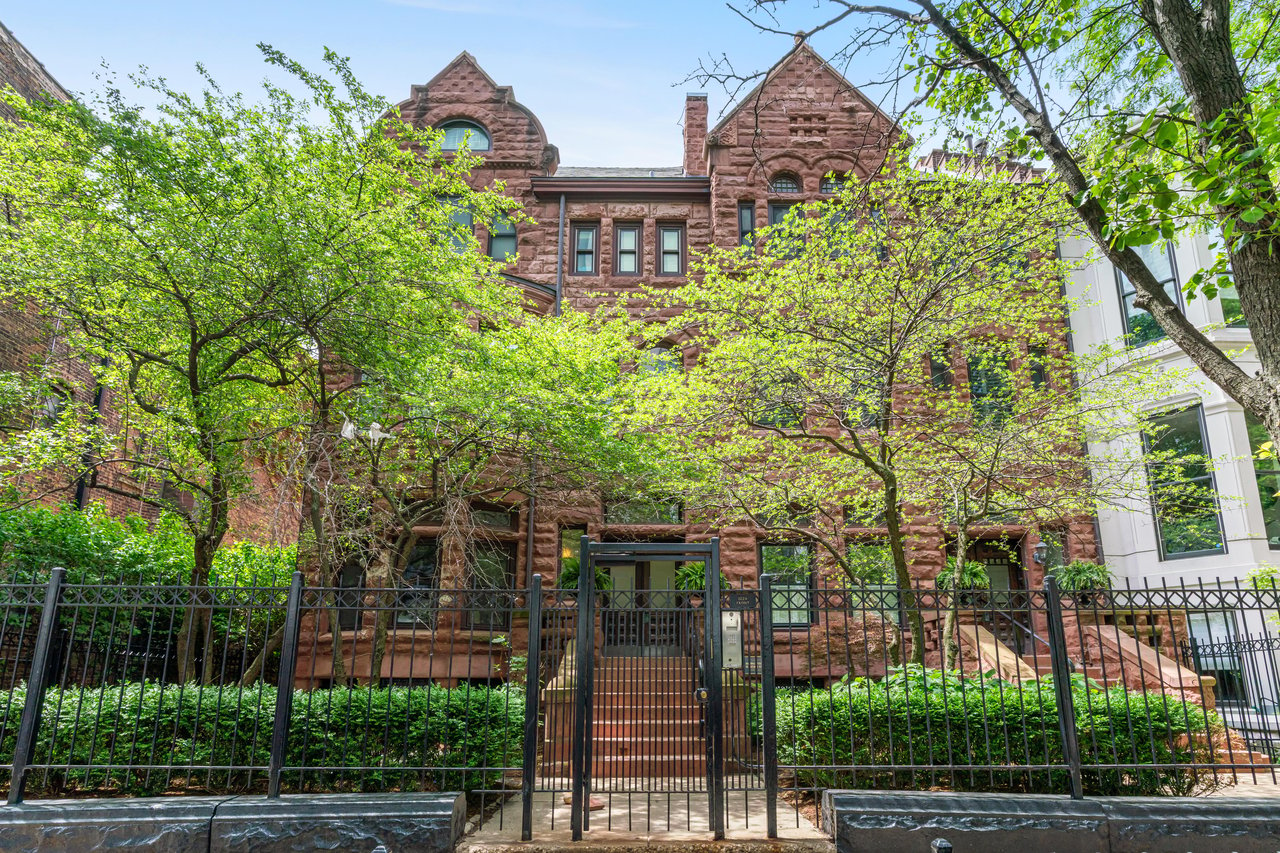
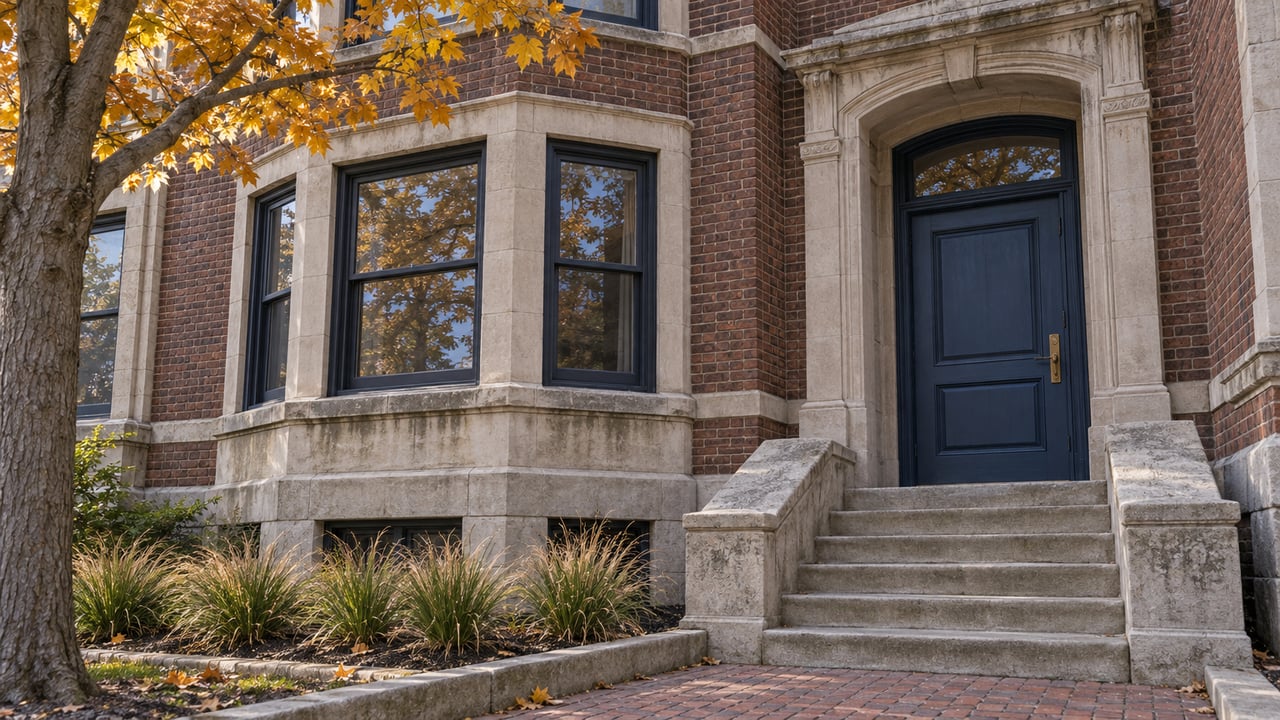
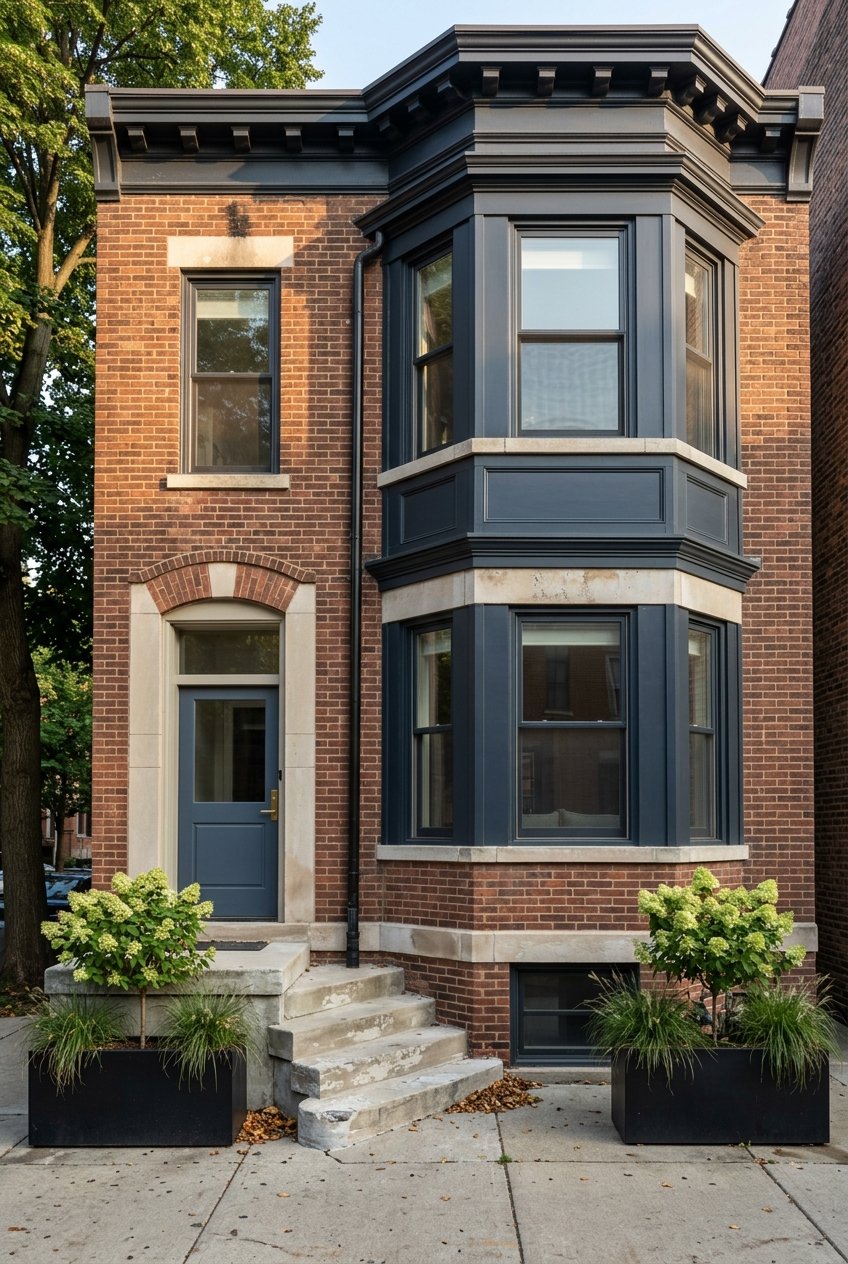
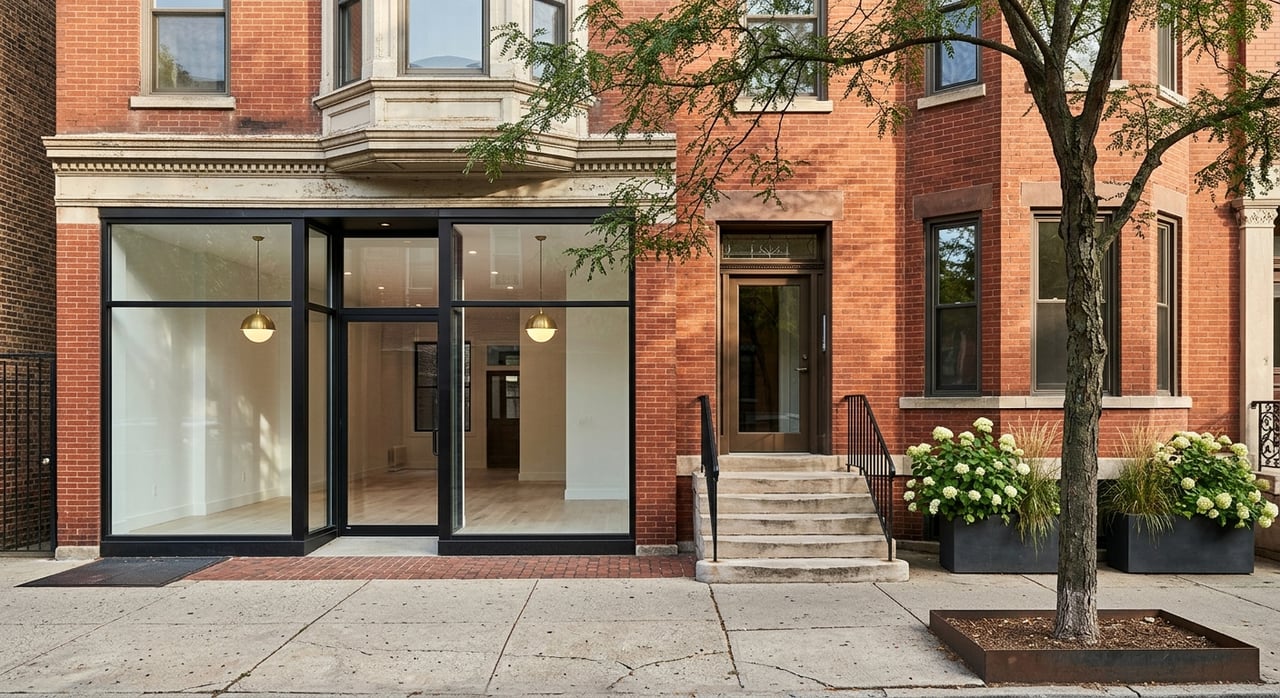
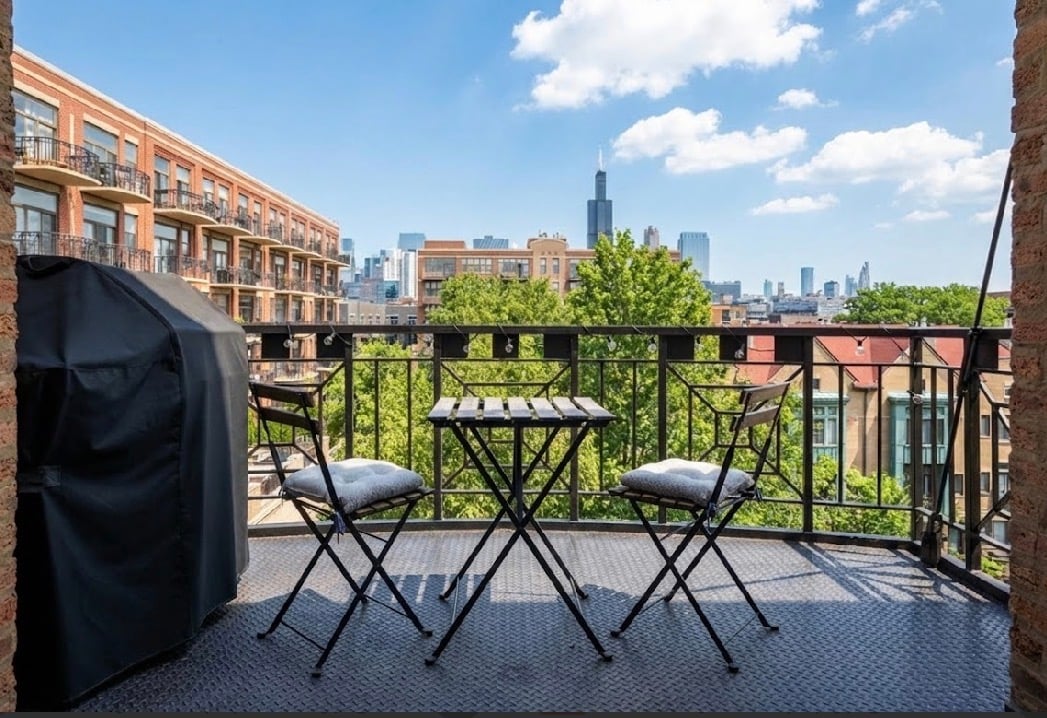
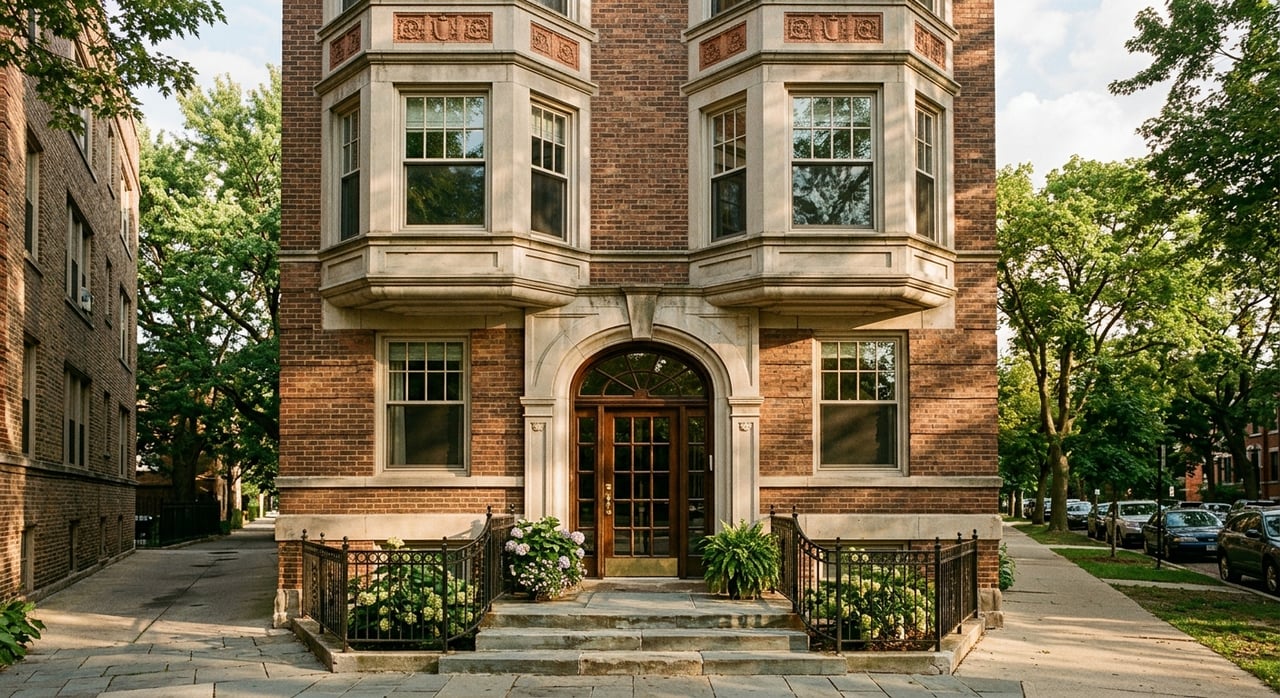
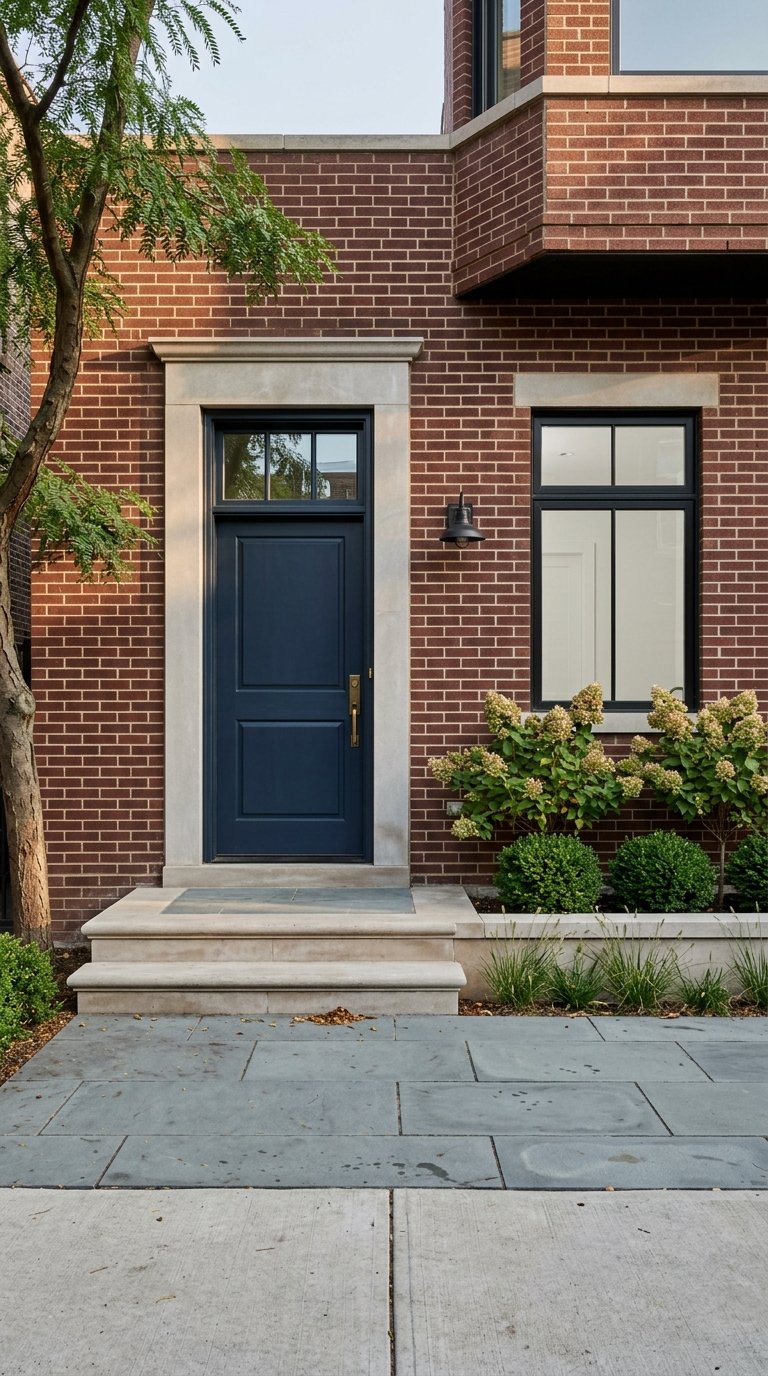
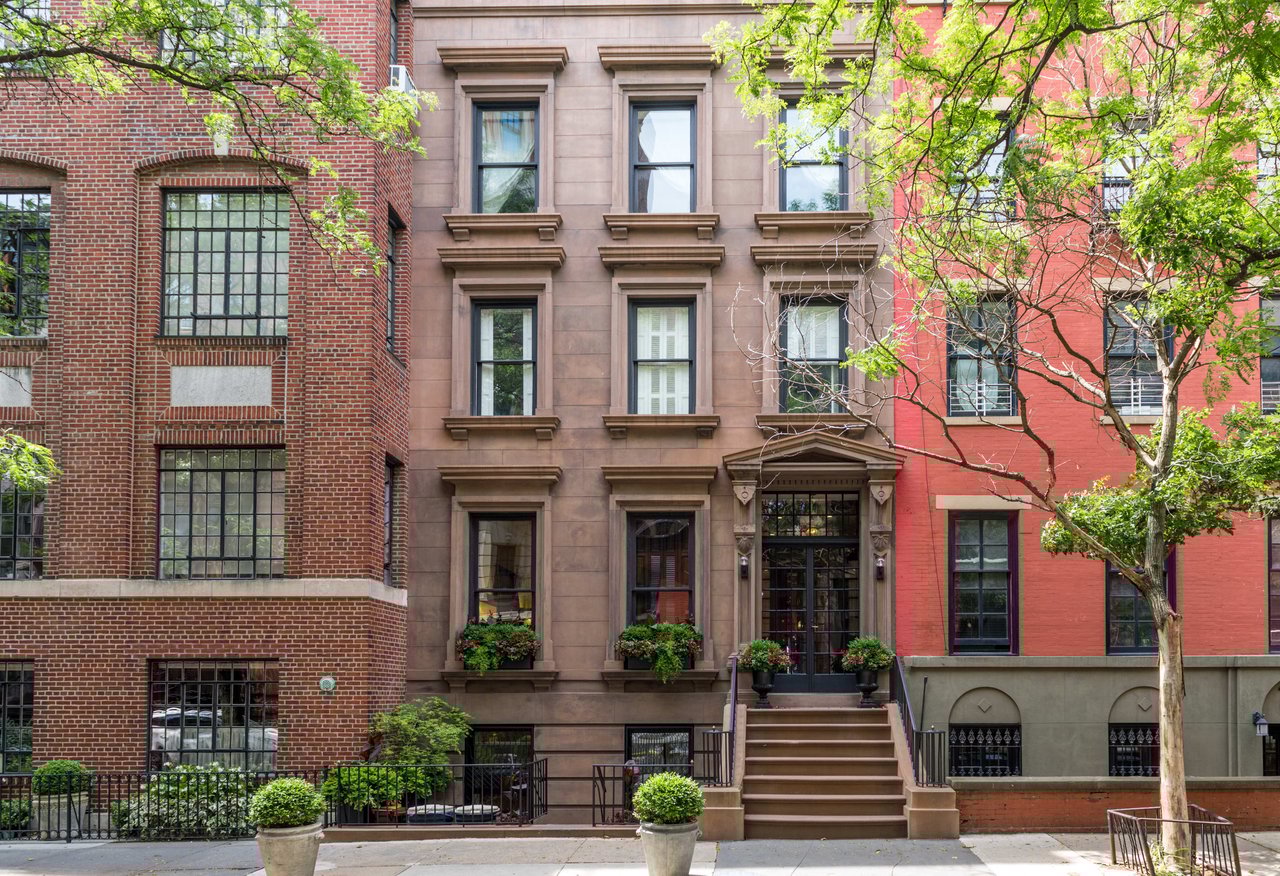
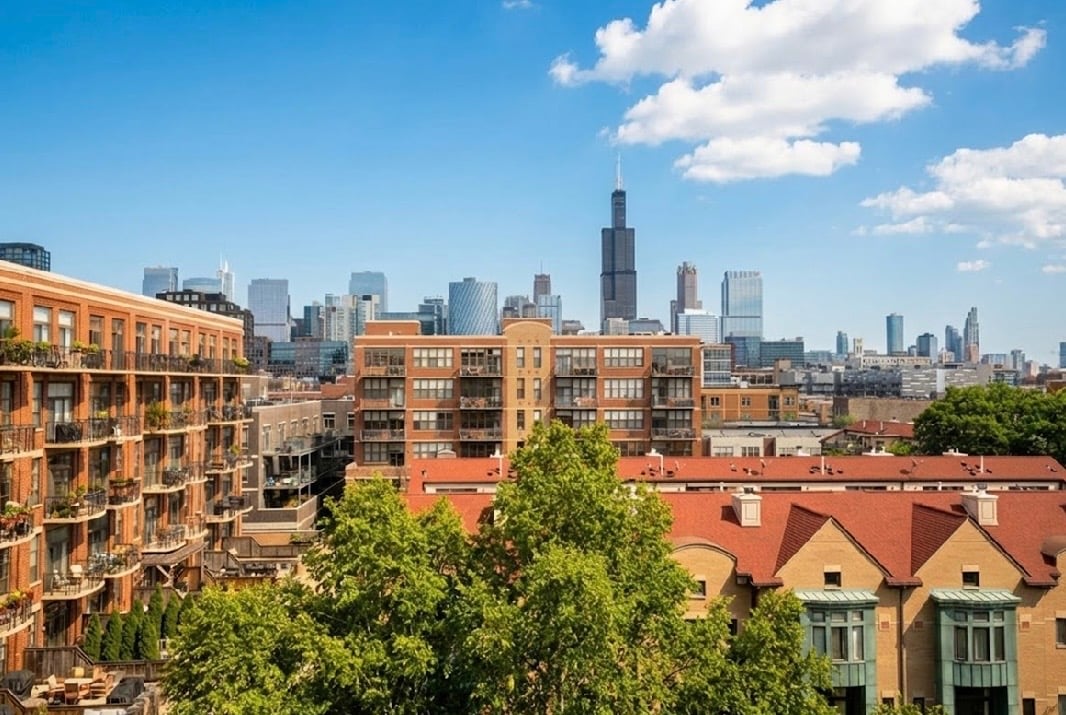
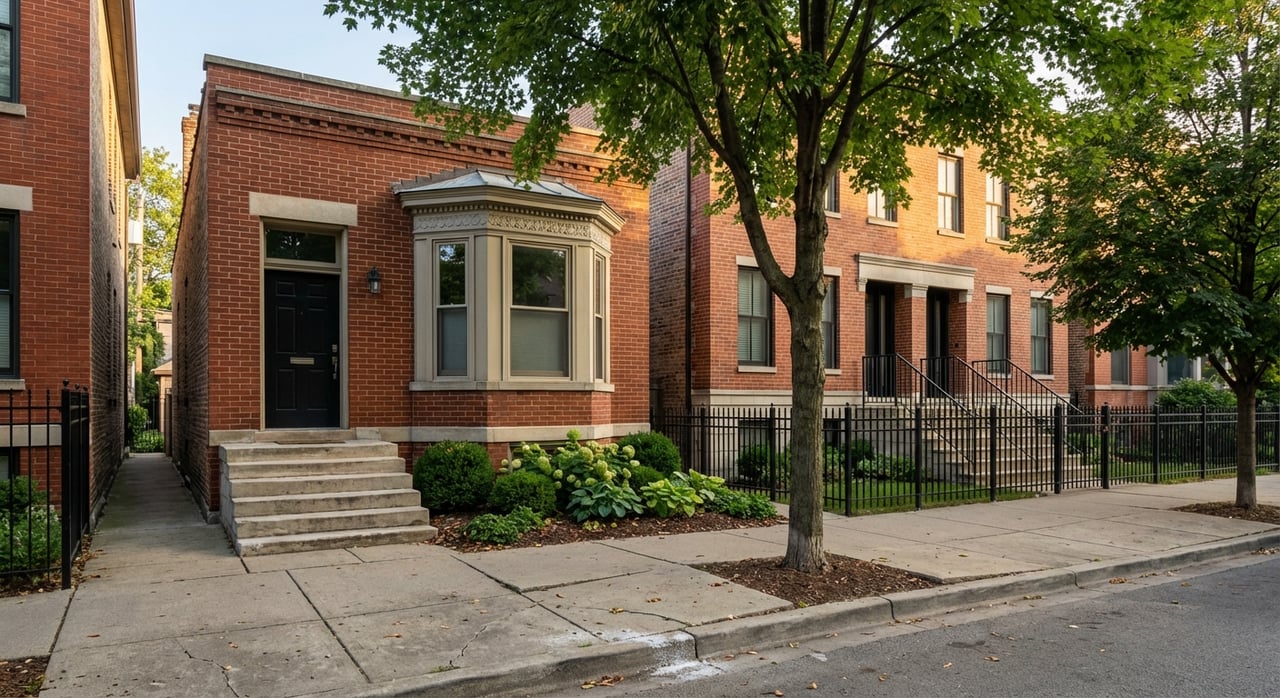
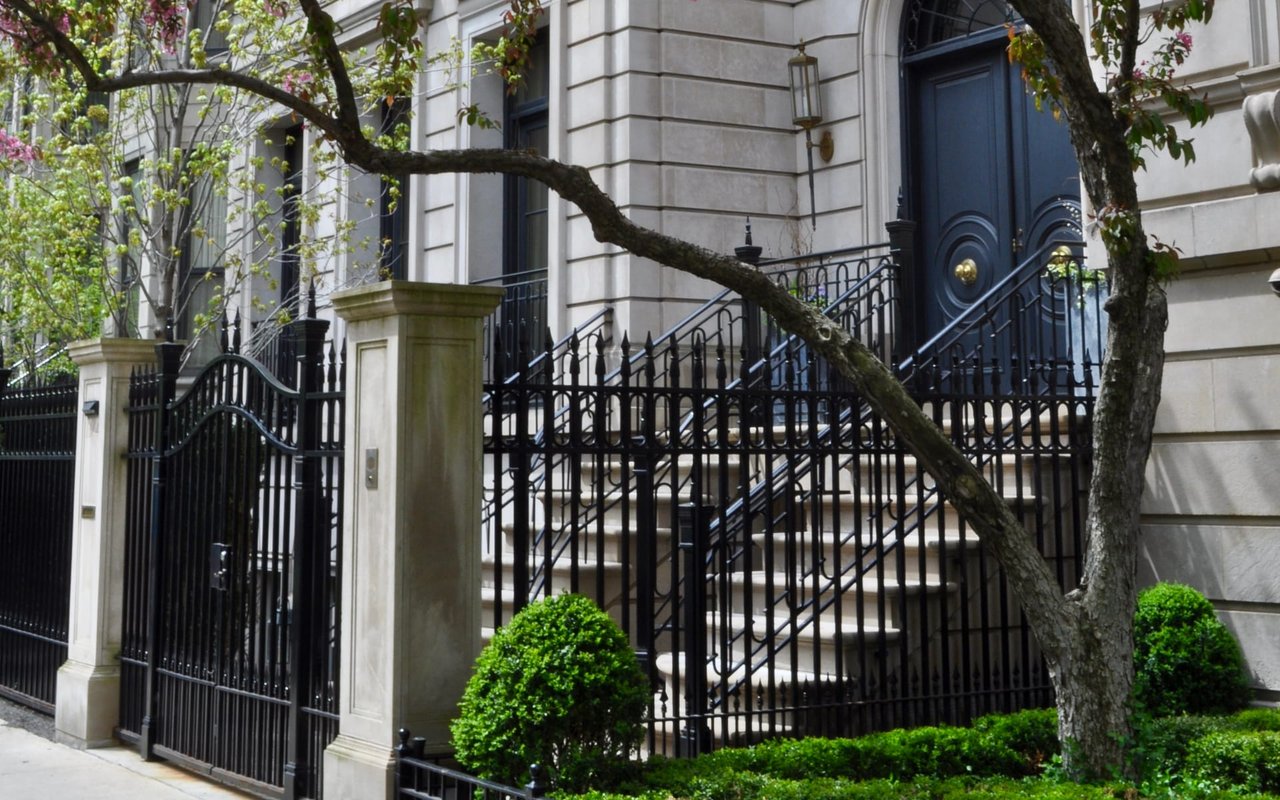
The Gold Coast places you near Oak Street shopping, Oak Street Beach, the lakefront trail, and a deep bench of restaurants and cultural spots. The neighborhood blends historic architecture with modern towers, so you get classic Chicago charm alongside sky-high views. For frequent travelers and suburbanites, the ability to arrive, park, and walk to everything is the main draw.
What these homes look like
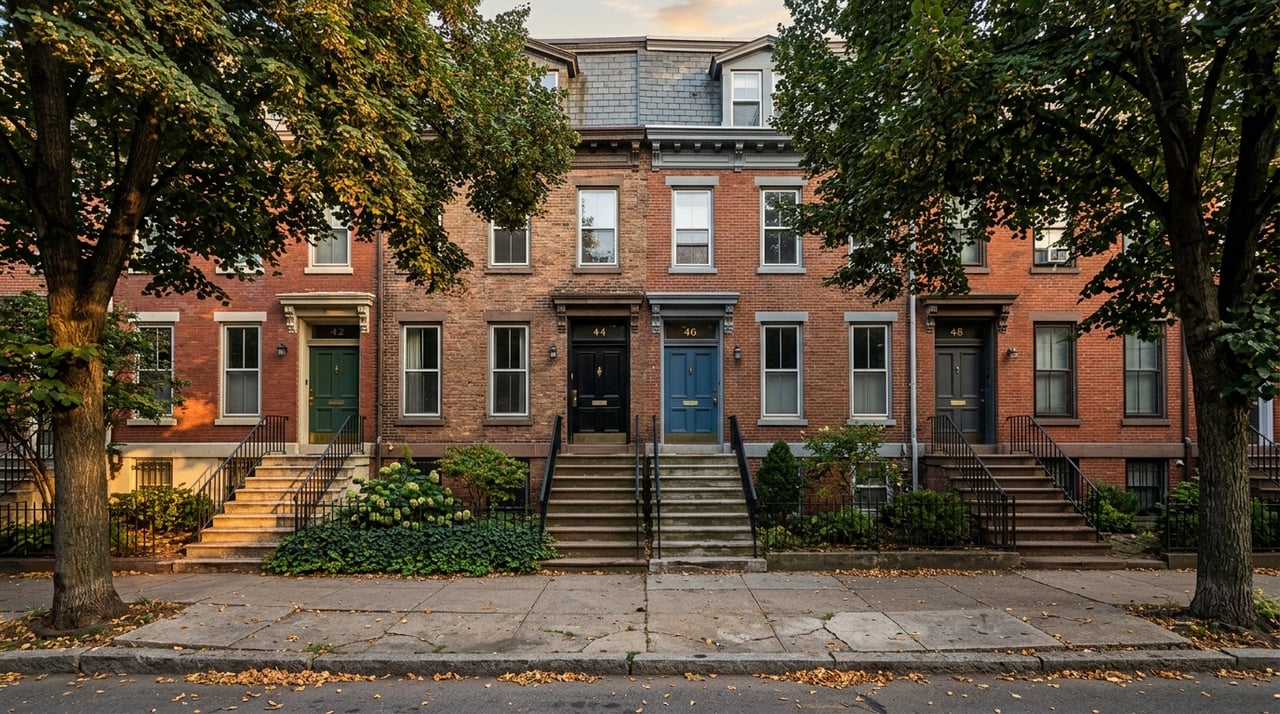
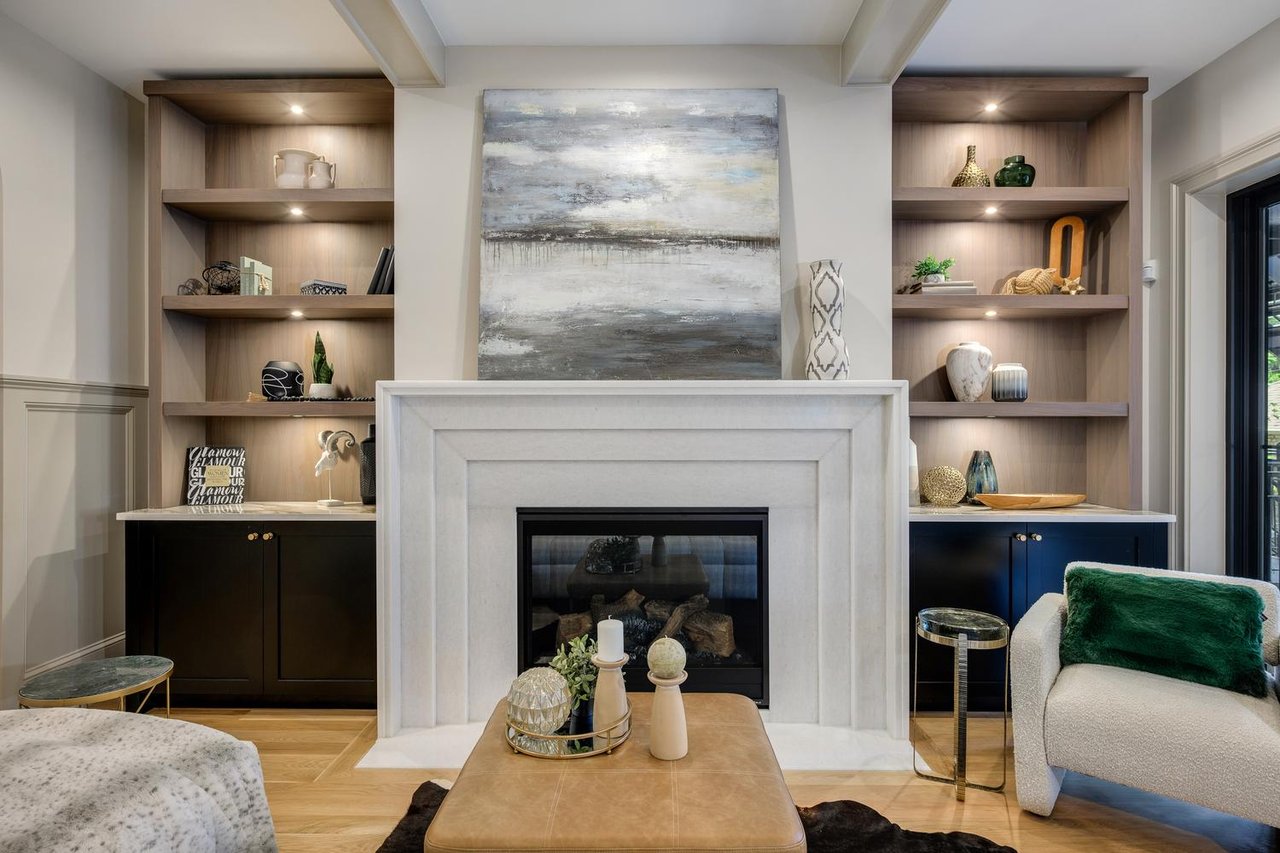
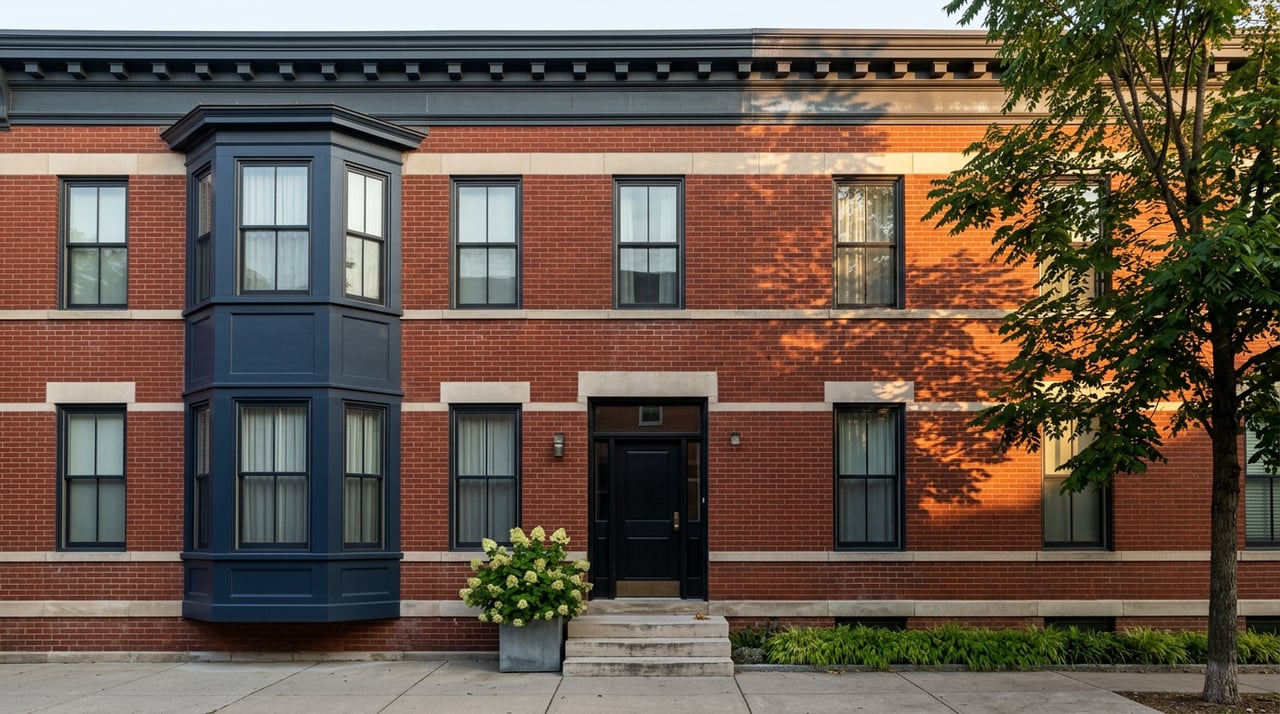
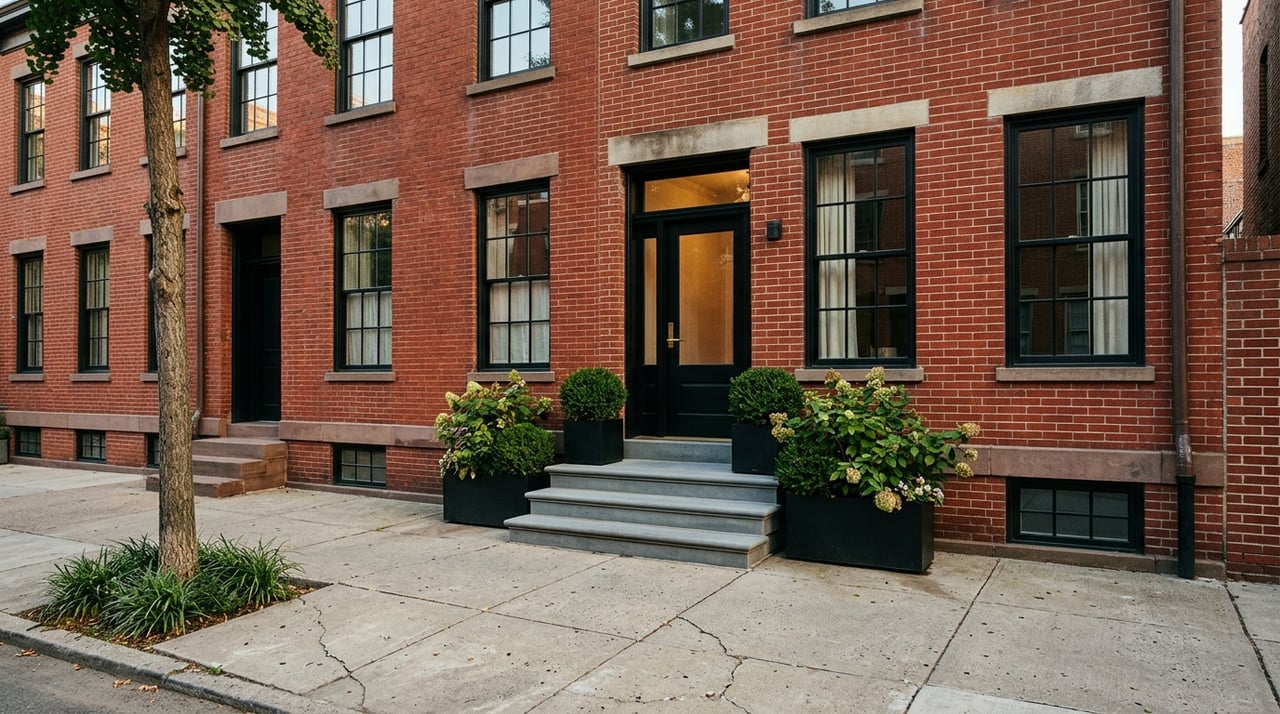
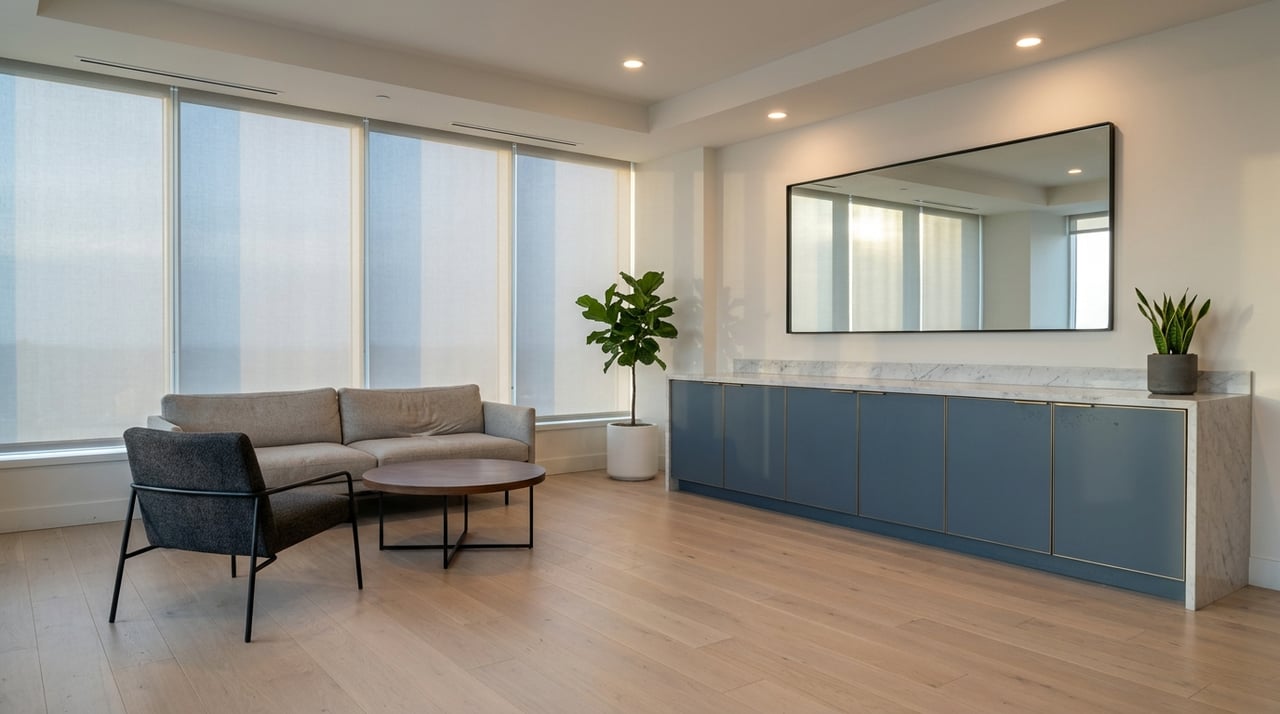
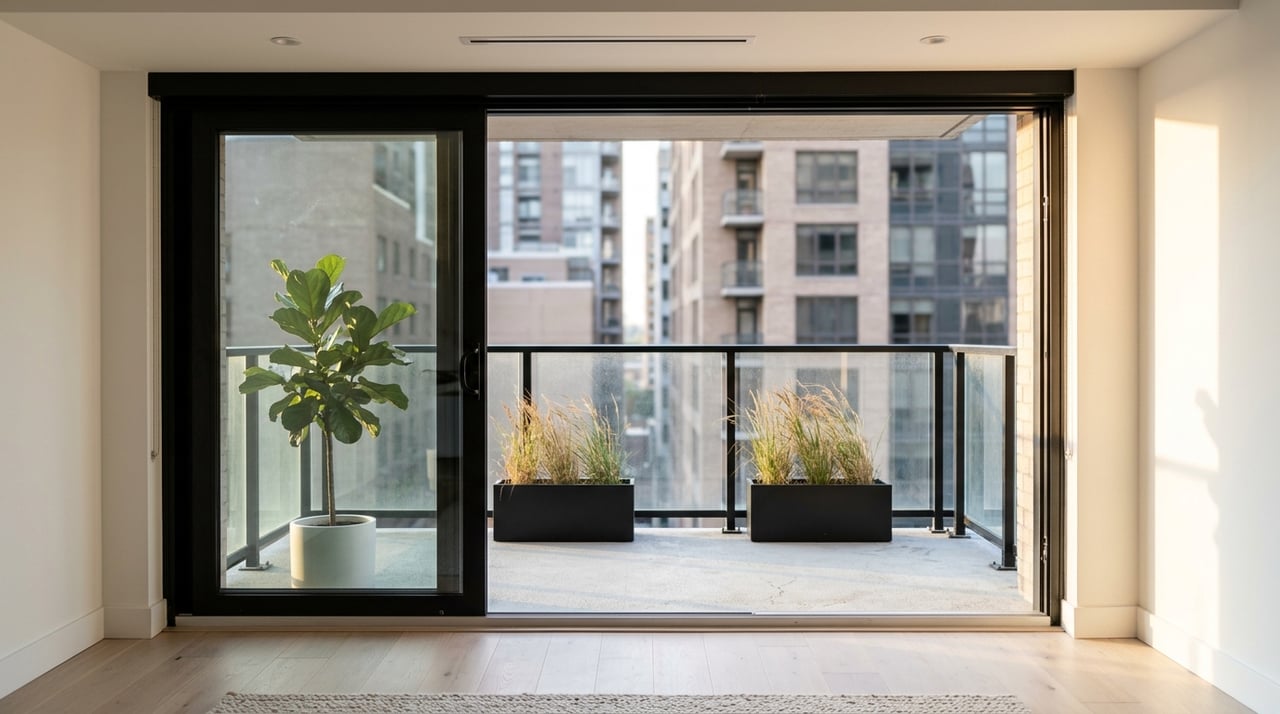
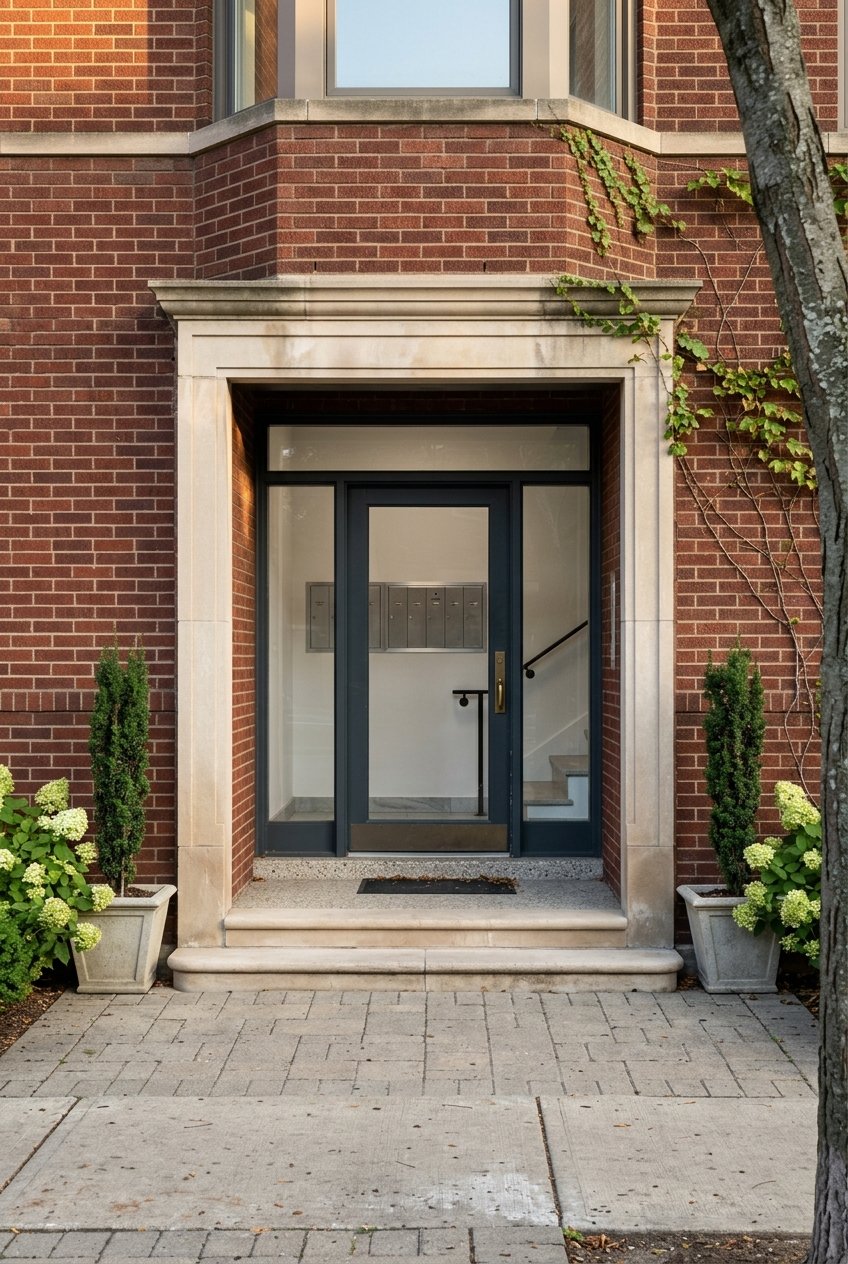
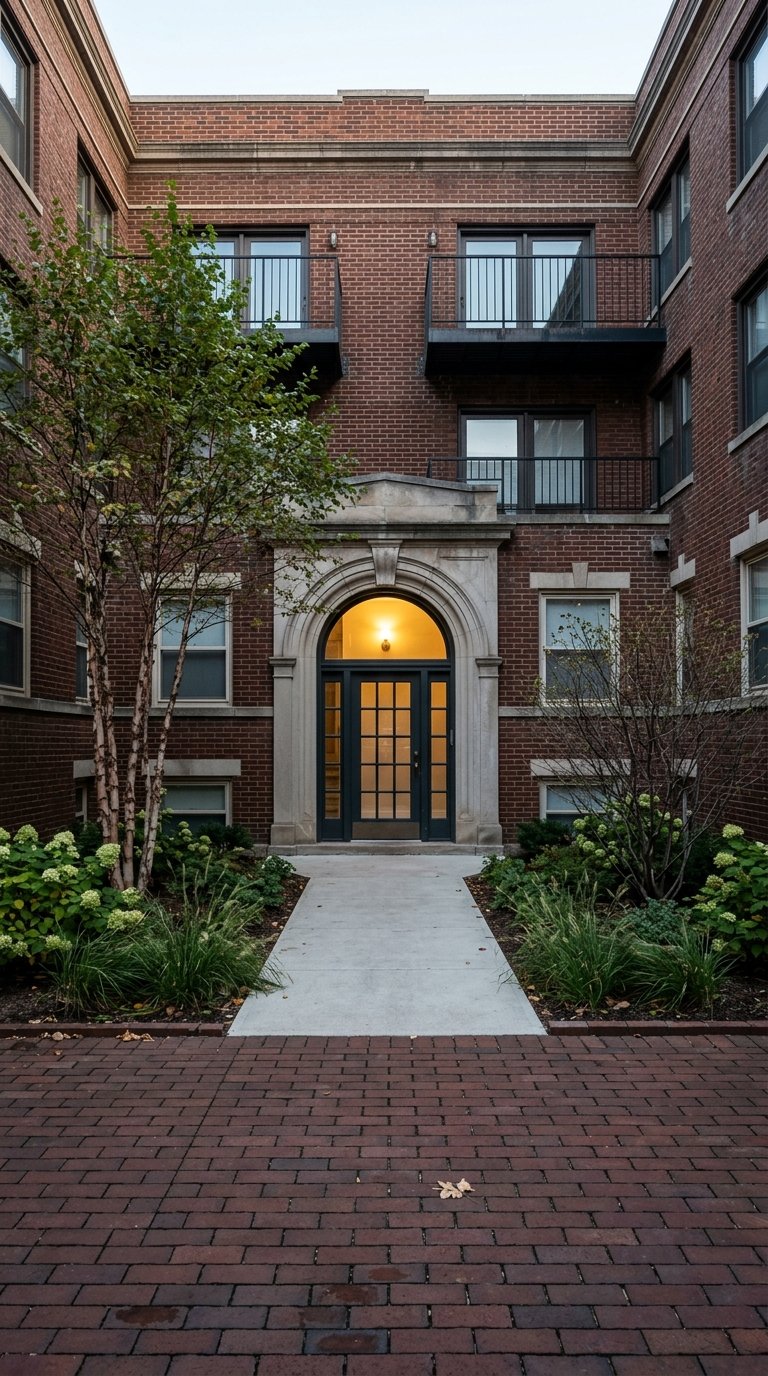
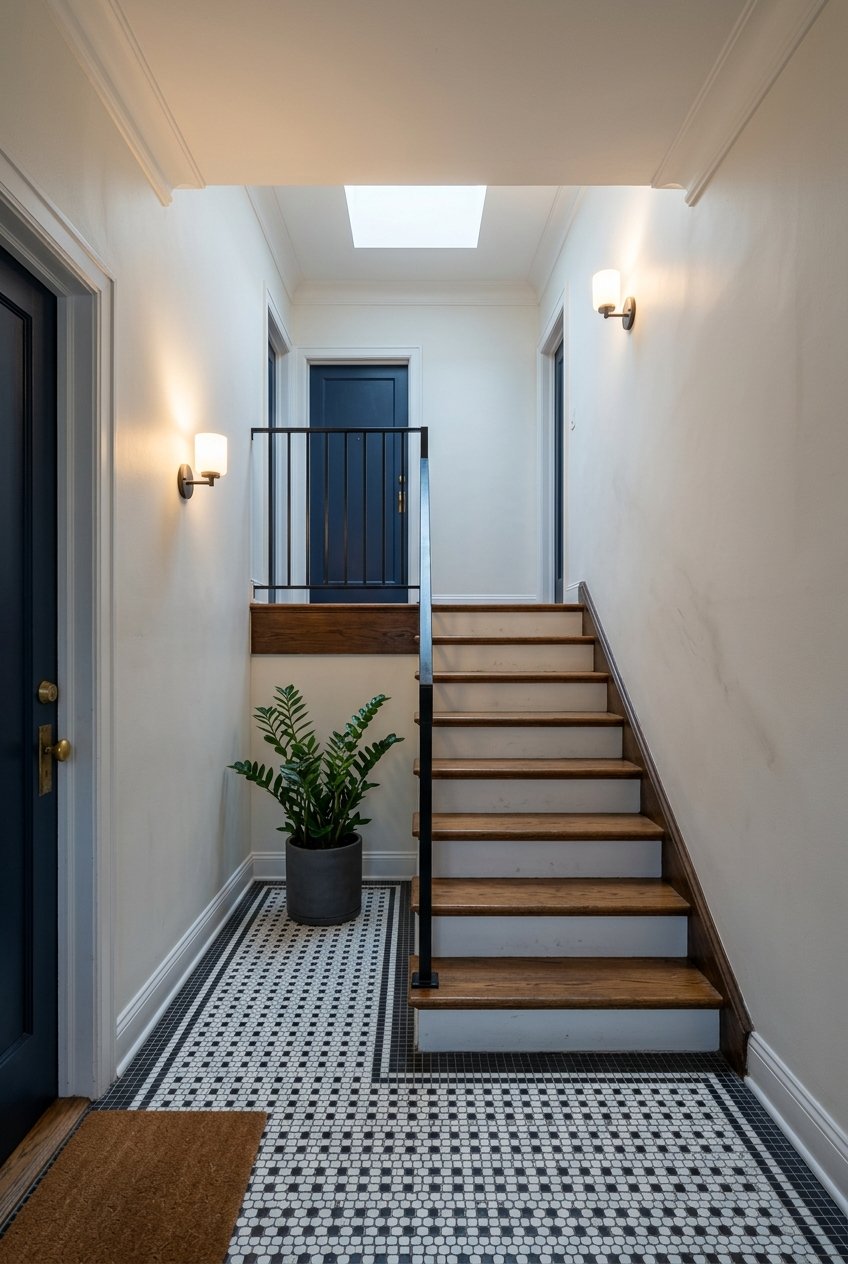
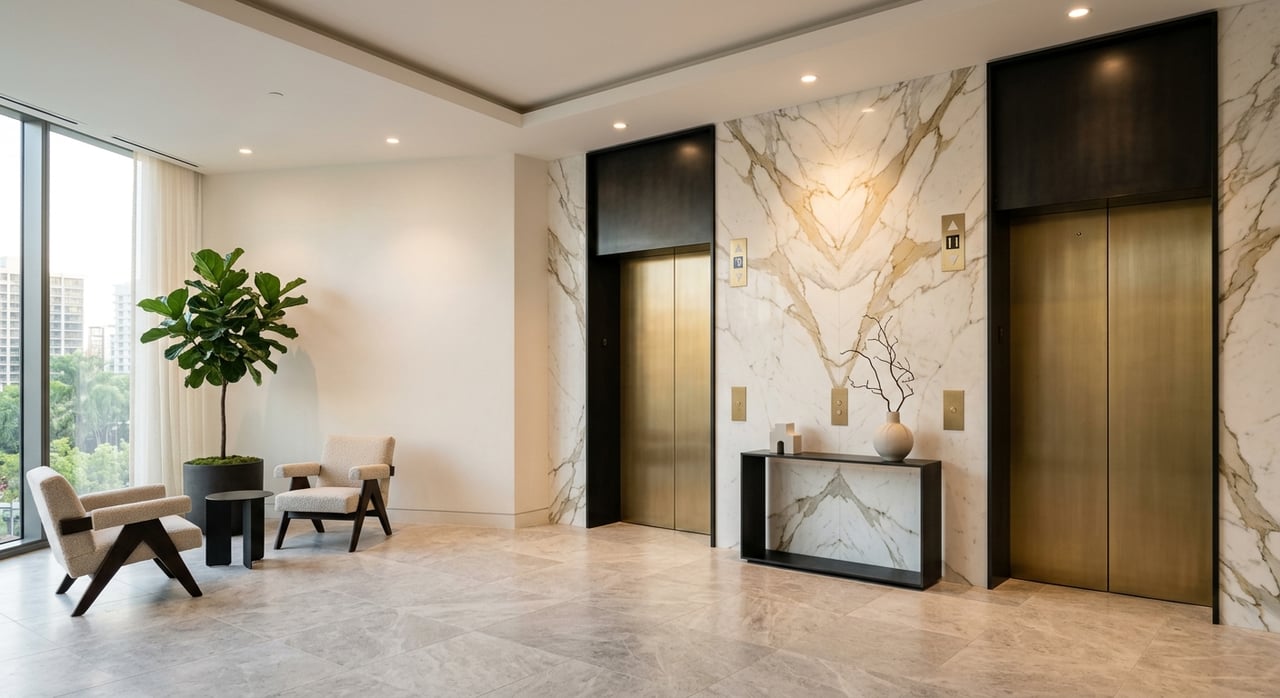
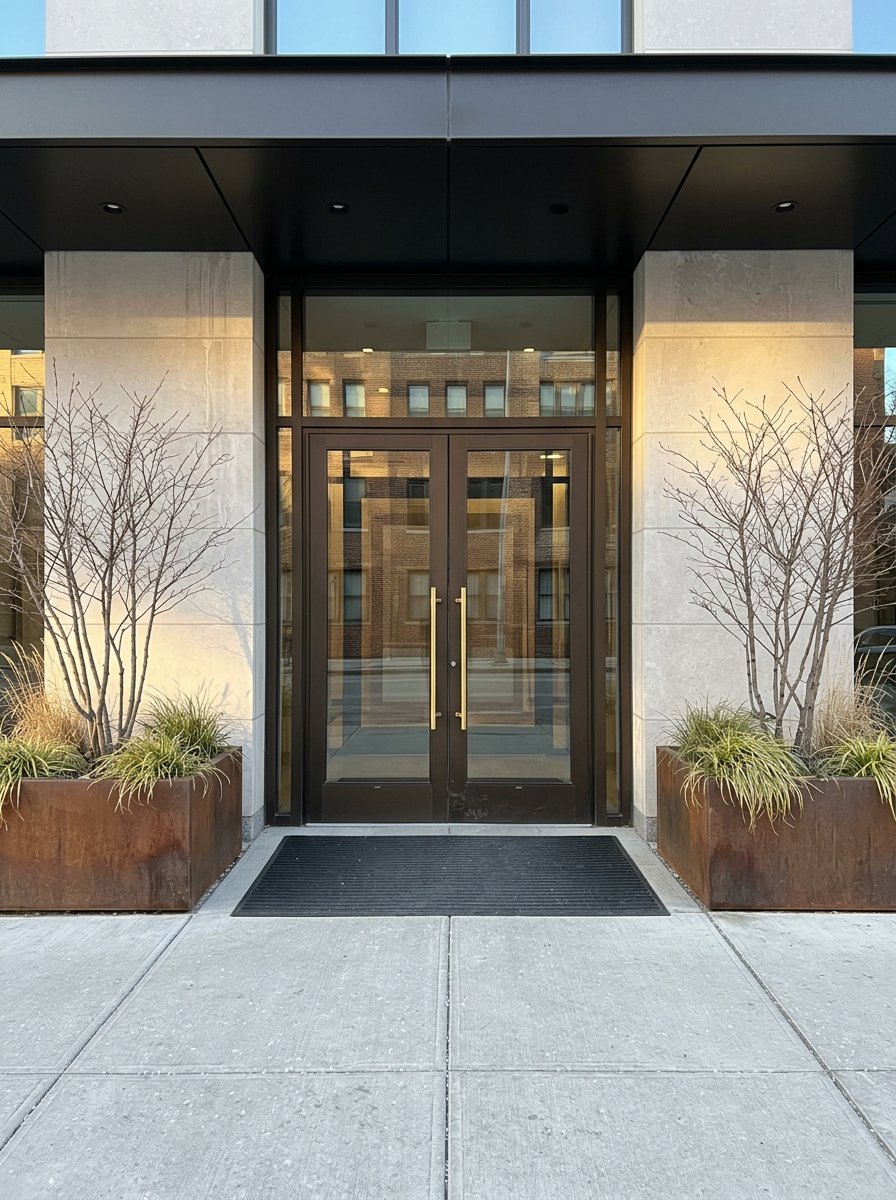
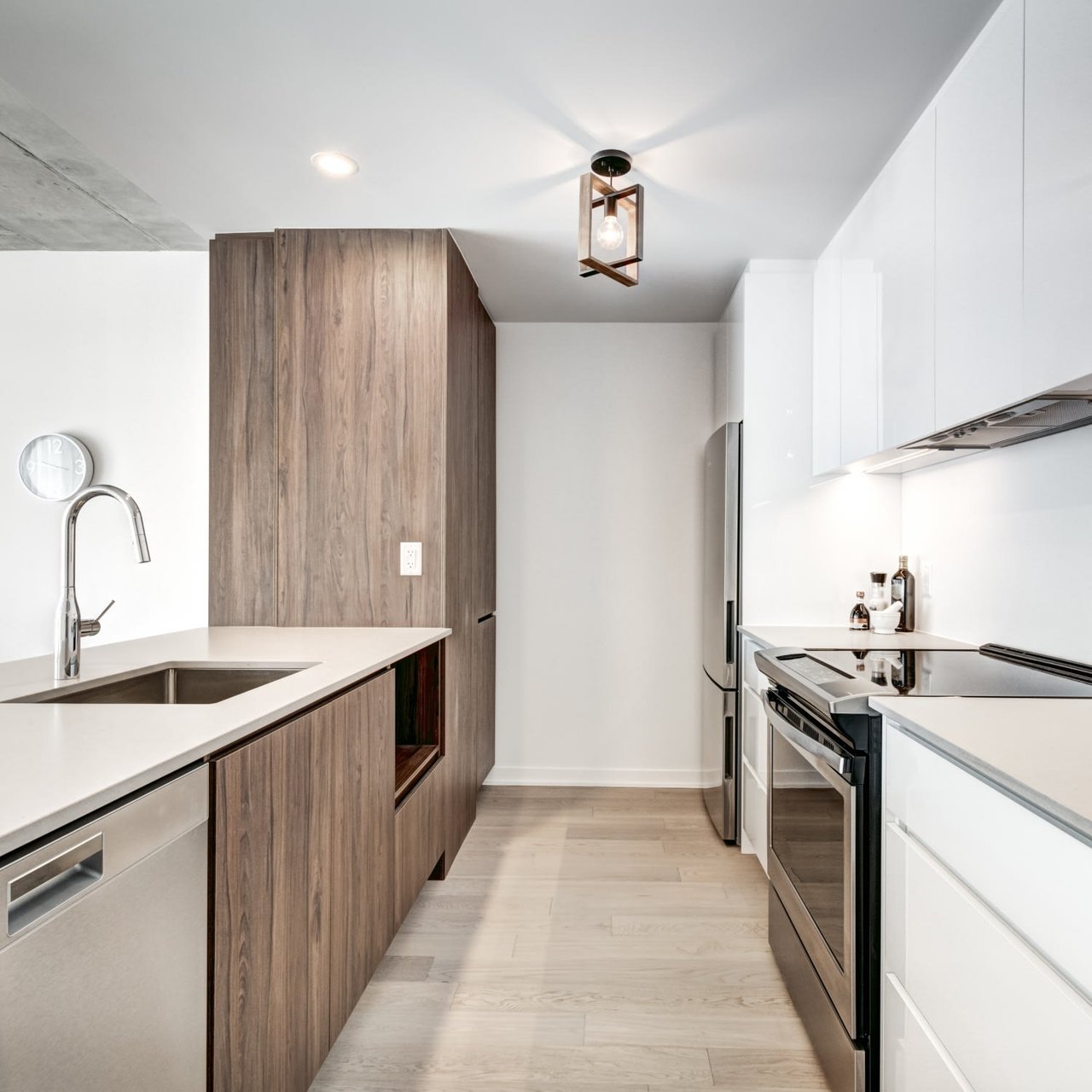
Most pied-à-terre buyers focus on studios, one-bedrooms, or compact two-bedrooms. You will see prewar elevator buildings with lower monthly fees and fewer services, midcentury high-rises with generous amenities, and newer luxury towers. Part-time owners often prefer full-service buildings with door staff, on-site management, package rooms, and in-building amenities like fitness centers, pools, and guest suites. Decide early if you want deeded parking or are comfortable with on-site monthly valet or nearby garages.
What it really costs to carry
HOA assessments and what they include
Monthly assessments vary widely based on building age, size, and amenity level. Expect lower dues in smaller, low-service buildings and higher dues in full-service towers. Always confirm what your fee covers. Many associations include some combination of heat, water, internet or cable, building insurance, door staff, maintenance, and reserve contributions. Ask for a line-item breakdown before you offer.
Cook County property taxes on second homes
Chicago property taxes are higher than the national average and vary by district. A simple way to plan is to use an effective tax-rate range around 1.8 to 2.1 percent of market value as a starting estimate, then verify the exact Property Index Number for the unit. If this will not be your primary residence, you generally will not receive primary-residence exemptions, so base your budget on the full rate. For context on Illinois property taxes and effective rates, review this overview of Cook County property taxes from SmartAsset. Their guide explains why rates vary and why you must confirm the specific PIN for any condo you consider.
- Read more about Illinois property tax context and estimates using SmartAsset’s property tax overview.
Cook County property tax overview
Insurance and the master policy
Your condo association carries a master insurance policy, but the scope can differ. Some are bare-walls, some are walls-in, and others are all-in. You will want an HO-6 policy that covers interior finishes, personal property, liability, and meaningful loss-assessment coverage. Associations sometimes carry large deductibles, and owners can be assessed for a share of an uncovered claim or the deductible itself. A clear summary of HO-6 coverage and common condo insurance gaps is available in this condo insurance guide.
- Learn about HO-6, master policies, and loss-assessment coverage.
Utilities and parking
In some buildings, heat and water are included in the assessment. In others, you pay separately. Parking can be deeded and sold with the unit, or it can be leased monthly. Deeded spaces in high-demand locations often command a premium, and valet or leased options can have wait lists. If you expect to drive in on weekends, confirm parking availability and transfer rules up front.
If you plan to rent occasionally
Chicago treats short-term rentals differently than standard leases and imposes multiple taxes and surcharges on stays under local thresholds, along with registration and record-keeping requirements. Platforms may collect some taxes, but you are still responsible for compliance. Before you assume any rental income, review a current summary of Chicago’s shared-housing rules and taxes and check your building’s stance.
- See a high-level summary of Chicago’s shared-housing taxes and registration framework.
Chicago shared-housing overview
Rules that can make or break your plan
Read the declaration, bylaws, and rules
Your building’s recorded declaration and rules control leasing, subletting, pets, business use, and more. Many Chicago condos restrict short-term leases or require board approval for any rental. Do not rely on verbal assurances. Ask for the recorded documents and resale disclosures governed by the Illinois Condominium Property Act.
- Review the Illinois Condominium Property Act for disclosure and governance basics.
Illinois Condominium Property Act
Short-term rentals and the prohibited list
Chicago’s Shared Housing Ordinance requires registration for short-term rentals and allows condo associations to place their building on the City’s Prohibited Buildings List, which blocks registration and platform listings for units in that building. Courts have upheld both association-level bans and the City’s enforcement. The Seventh Circuit’s decision in Mogan v. City of Chicago confirmed that condominium declarations banning short-term stays and the City’s ordinance can be enforced. If rental income is part of your plan, check two things before you write an offer: whether your building is on the City’s prohibited list and whether the declaration restricts lease duration.
- Check the City’s Prohibited Buildings List and confirm status with management.
City of Chicago Prohibited Buildings List
- Read the Seventh Circuit’s Mogan v. City of Chicago decision and a plain-English summary of its implications.
Mogan v. City of Chicago decision
Illinois HOA law blog analysis of Mogan
Other rules to review closely
Many associations set minimum lease terms, limit the percentage of rented units, require board approval for leases, or maintain right-of-first-refusal procedures for resales. Some require absentee owners to designate a local contact. Pet rules and guest suite policies also vary. Associations can levy fines for violations, and unpaid assessments can lead to liens. Ask for written policies and recent enforcement history in the minutes.
Financing and lender checkpoints
Second home vs. investment classification
If you intend primarily personal use with occasional visits, lenders will often underwrite the condo as a second home. If you plan to rent regularly, it may be classified as an investment property. The classification can affect down payment, documentation, and pricing. Get lender input early to align your plan with underwriting rules and your association’s policies. For a quick primer on the difference, see this overview of second homes vs. investment properties.
- Understand how lenders classify second homes compared to investments.
Second home vs. investment overview
Warrantability and the project review
Conventional lenders and the GSEs review condo projects for overall health. Key checkpoints include owner-occupancy ratios, meaningful reserve funding, delinquency levels, the amount of commercial space, single-entity ownership concentration, pending litigation, and any major deferred maintenance. If a project fails these tests, financing options can narrow. For a summary of lender expectations and FAQs, start here, and for a plain-language look at reserve funding thresholds used in underwriting summaries, see this guide.
- Review lender FAQs on condo project eligibility.
- Learn why reserve funding and delinquency rates matter in condo approvals.
Condo reserve requirements overview
Rate context for planning
Interest rates change weekly. If you are modeling payments, use a current 30-year fixed average as a baseline and build in a cushion. Freddie Mac’s Primary Mortgage Market Survey publishes updated averages you can reference.
- Check the latest average 30-year fixed rate.
A focused due-diligence checklist
Before you make an offer, line up documents and contingencies that answer the big questions. Use this list to stay organized:
- Governing documents. Recorded declaration, bylaws, rules, and all amendments. These control leasing, transfer procedures, and use restrictions. Request in full.
- Reference: Illinois Condominium Property Act
- Budgets and financials. Current-year budget plus the last 2 to 3 years of financial statements. Look for steady reserve contributions and operating surpluses.
- Reference: Condo reserve requirements overview
- Reserve study. Confirm date, funding level, and planned projects. Underfunded reserves often point to future special assessments.
- Board minutes. Read 12 to 24 months of minutes for clues on special assessments, capital projects, litigation, and rental or pet policy changes.
- Reference: Freddie Mac condo FAQs
- Insurance certificates. Master policy declarations showing coverages, limits, and deductibles. Match with your HO-6 quote and request loss-assessment coverage.
- Reference: Condo insurance guide
- Assessment ledger and estoppel. Confirm the seller is current and ask for a building-wide delinquency snapshot.
- Reference: Illinois Condominium Property Act
- Rental policy and City status. Written statement of lease terms and any restrictions, plus confirmation of whether the building is on the City’s Prohibited Buildings List.
- Reference: Prohibited Buildings List
- Service and management contracts. Review the management agreement and big vendor contracts. Ask for any recent engineer or capital needs reports.
- Reference: Freddie Mac condo FAQs
- Parking and storage. Clarify deeded vs. leased, transfer rules, monthly costs, and wait lists.
- Lender questionnaire. If you are financing, have the association complete the standard condo questionnaire early.
Smart negotiation and timing tips
- Make key contingencies explicit. Require satisfactory resale disclosures, a reserve study you approve, and written confirmation of parking and locker rights.
- Put rental rules in writing. If any rental use matters to you, require a written statement from the association and verify the City’s Prohibited Buildings List before you waive contingencies.
- Reference: Prohibited Buildings List
- Get lender eyes on the project early. Secure pre-approval and request a preliminary project review so you know about reserves, delinquency rates, or litigation before you are locked in.
- Reference: Freddie Mac condo FAQs
Common surprises to avoid
- Big master-policy deductibles. If the association carries a large deductible, owners can face loss assessments after a claim. Your HO-6 policy’s loss-assessment coverage matters.
- Reference: Condo insurance guide
- Thin reserves and looming projects. Underfunded reserves increase the chance of special assessments and can complicate financing.
- Reference: Condo reserve requirements overview
- Parking assumptions. Deeded spaces can be expensive and leased options can have wait lists. Confirm availability, cost, and transfer rules.
- Short-term rental limits. A condo declaration or the City’s Prohibited Buildings List can block short stays even if platforms allow listings elsewhere.
- Reference: Mogan decision and Prohibited Buildings List
The bottom line
Buying a pied-à-terre in the Gold Coast can be a smooth, rewarding move when you match the right building services to your lifestyle and verify the numbers and rules. Focus on full-service conveniences you will use, confirm taxes and insurance needs, and get clear on leasing and City rules before you buy. With a strong due-diligence process, you can enjoy the neighborhood’s best perks with confidence.
If you want a valuation-driven, boutique approach to your search, let’s talk. Work with someone who pairs local knowledge with careful analysis and a high-touch process. Start your plan with Stephanie Turner.
FAQs
What is a pied-à-terre in Chicago’s Gold Coast?
- A pied-à-terre is a part-time city residence, often a studio or one-bedroom condo in a full-service building, used for periodic stays rather than as a primary home.
How do Gold Coast HOA fees typically vary by building type?
- Smaller, low-service buildings tend to have lower assessments, while full-service towers with door staff, pools, and on-site management often run in the high hundreds to over $1,000 per month.
Can you short-term rent a Gold Coast condo as a second home?
- Only if both your condo’s declaration allows it and the building is not on the City’s Prohibited Buildings List; Chicago also requires shared-housing registration and imposes specific taxes and surcharges.
How do Cook County taxes impact a non-primary condo?
- Second homes generally do not qualify for primary-residence exemptions, so budget using a full effective tax rate and verify the exact Property Index Number for the unit.
Which documents should you review before buying a condo pied-à-terre?
- Request the declaration and rules, budgets and financials, reserve study, 12 to 24 months of minutes, master policy certificates, assessment ledgers, rental policy, City prohibited-list status, and any major service or engineer reports.
What makes a condo project warrantable for financing?
- Lenders look for healthy reserves, acceptable owner-occupancy and delinquency levels, limited litigation risk, and no major deferred maintenance; projects that miss these marks can limit loan options.