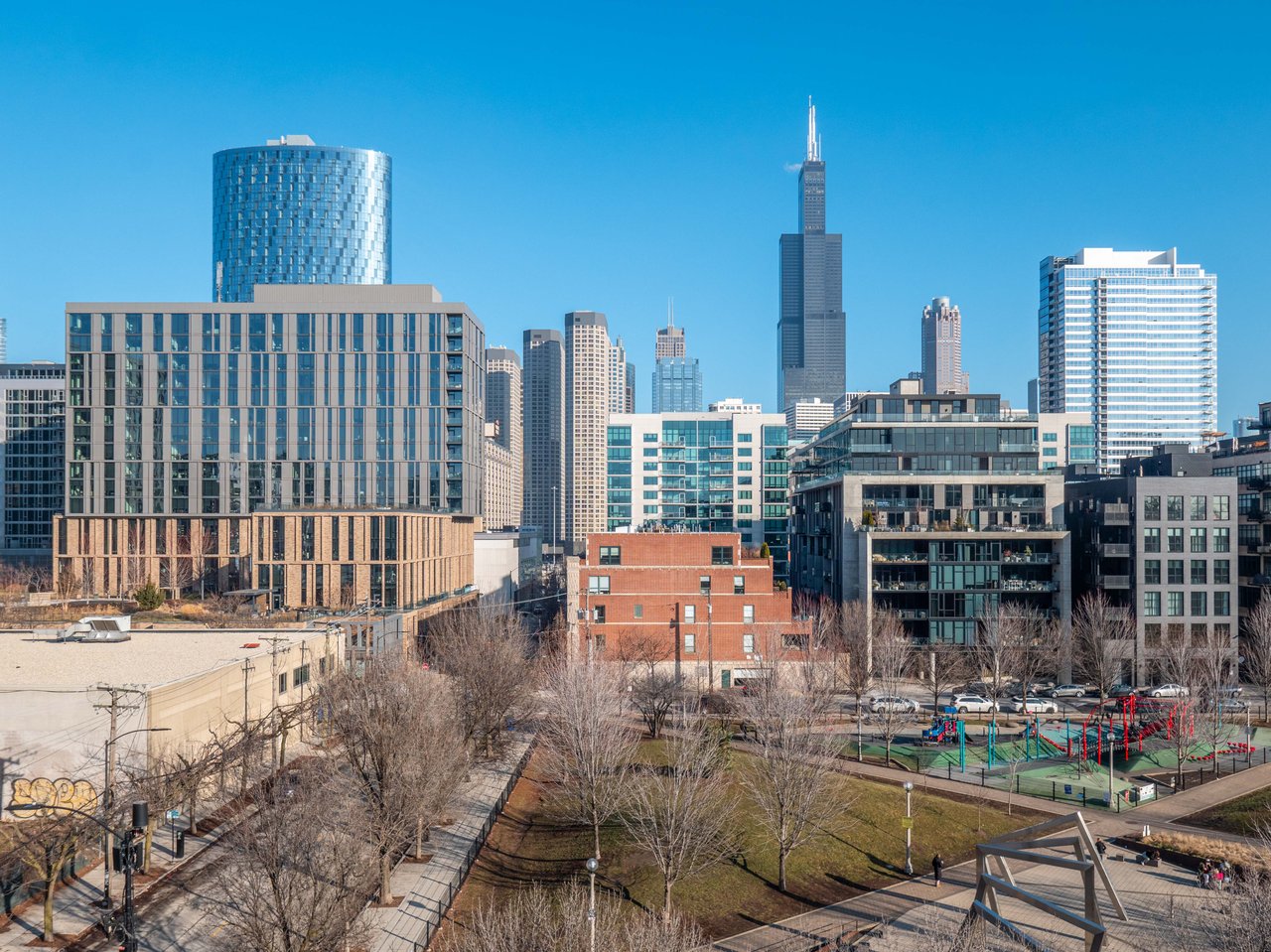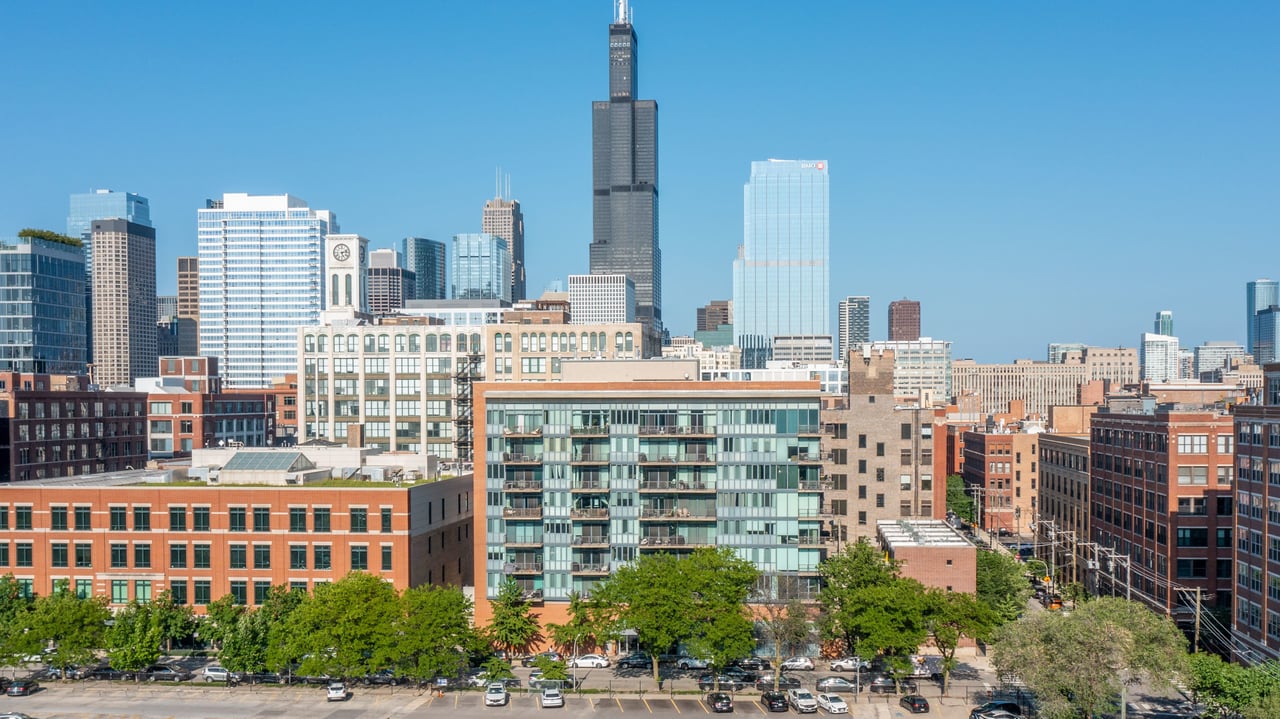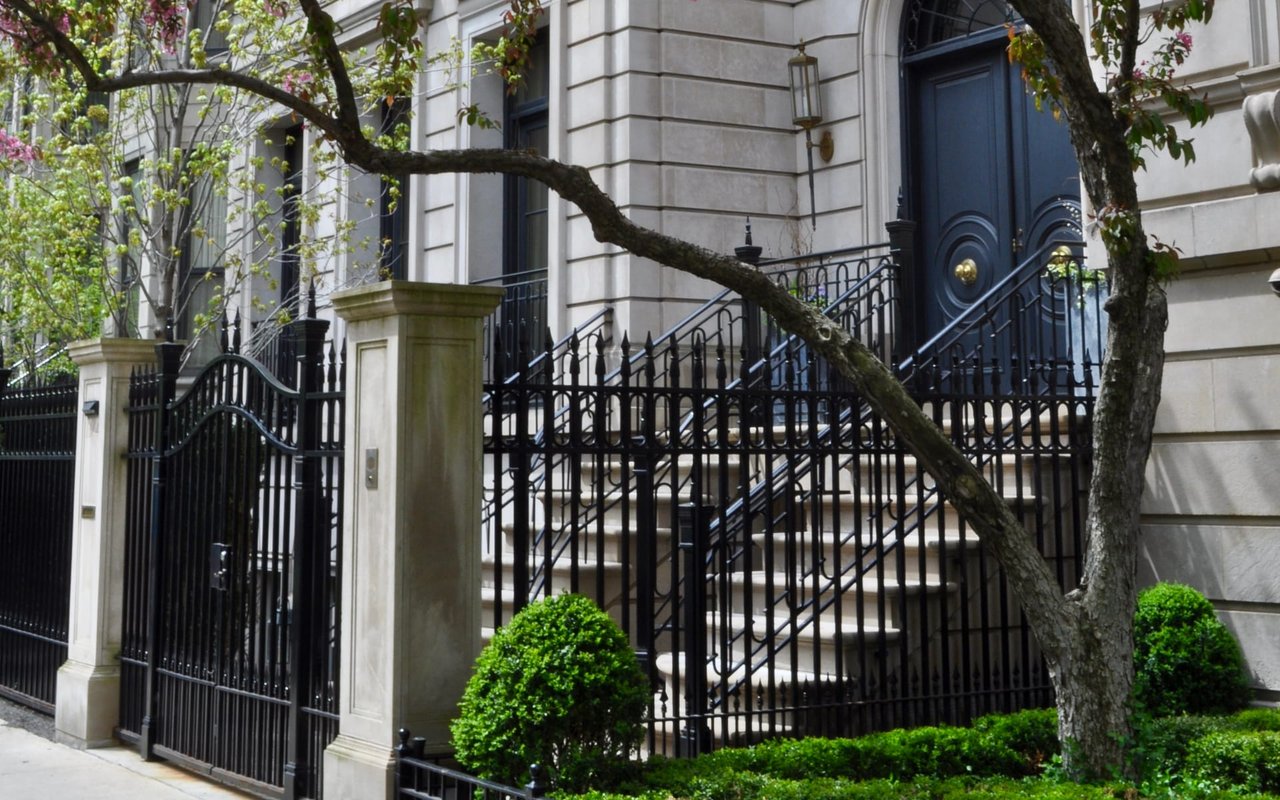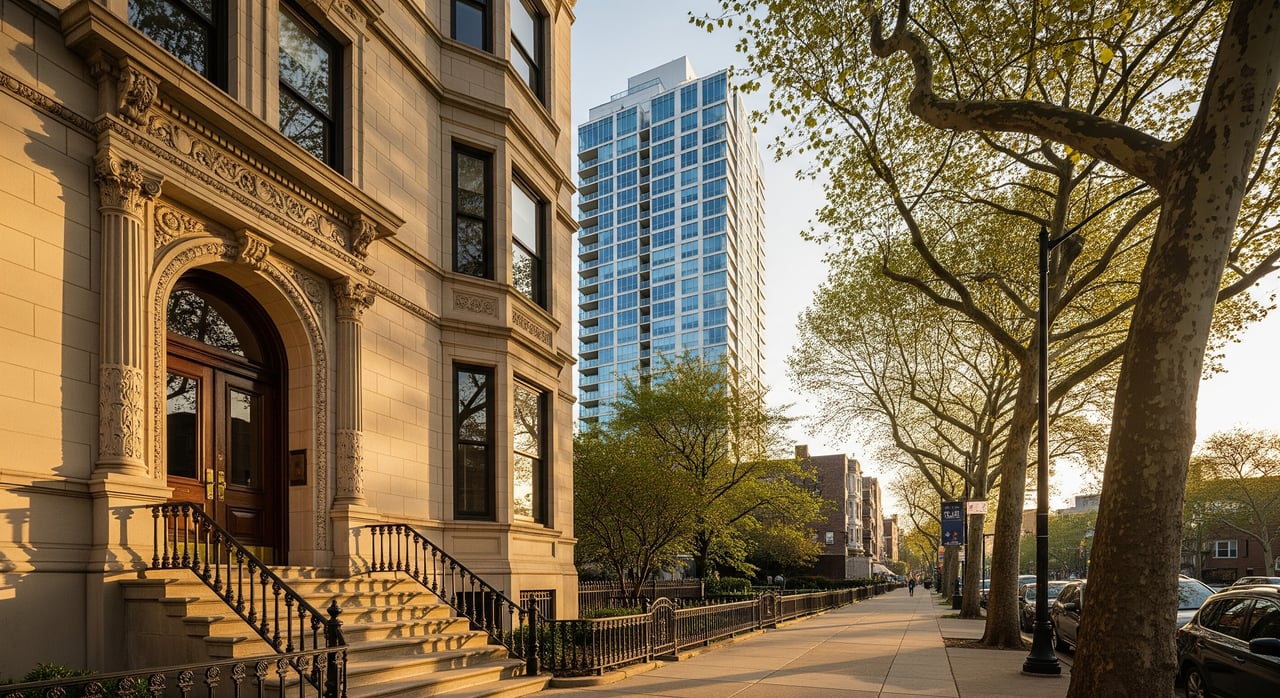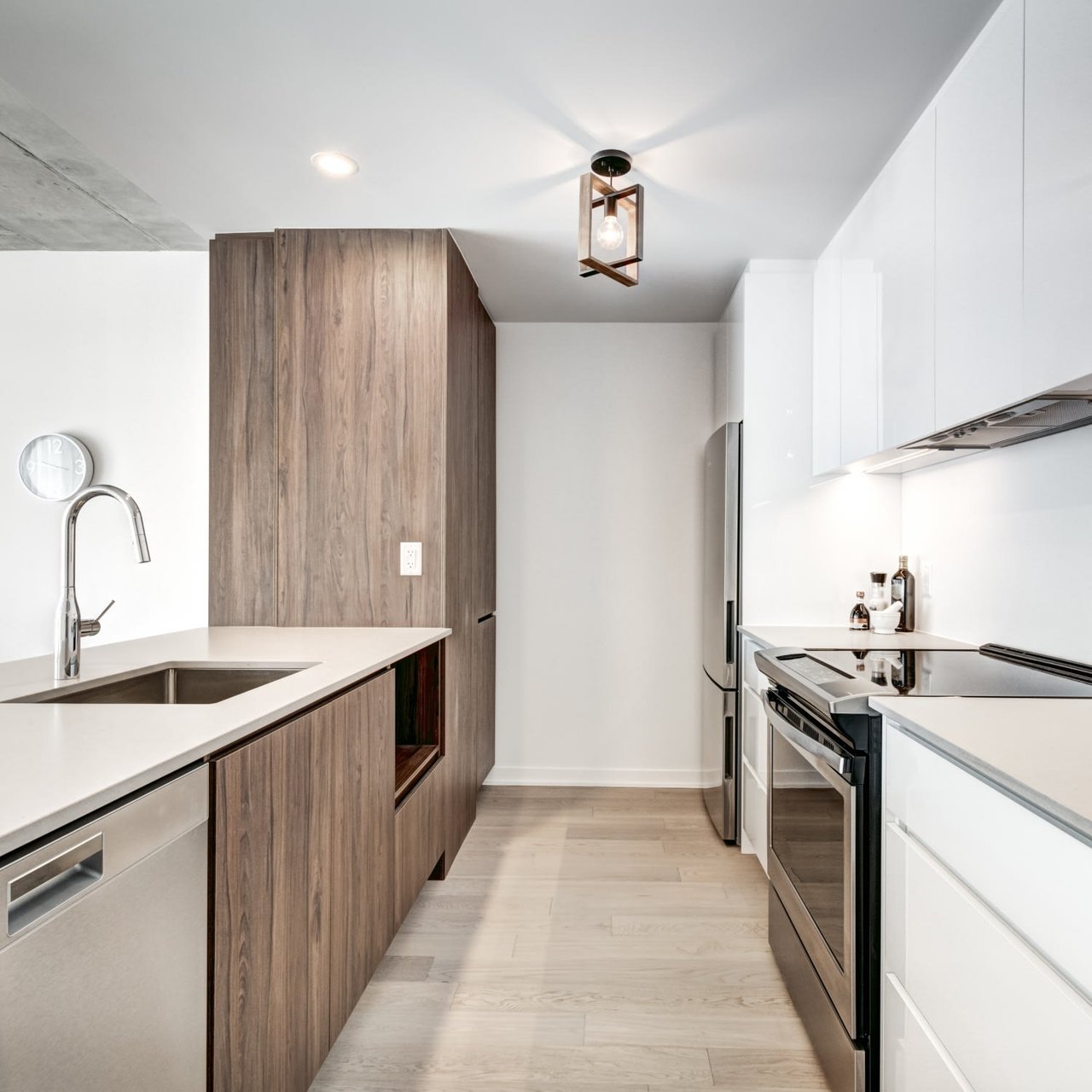
Thinking about buying a condo in the Loop and wondering whether it will still feel like a smart decision years from now? That is a fair question, especially in a downtown market where lifestyle appeal is strong but price growth has not always moved in a straight line. If you are weighing convenience, long-term value, and future rental flexibility, this guide will help you look at the Loop with a clear, practical lens. Let’s dive in.
The short answer
Yes, buying a condo in the Loop can be a smart long-term move, but it depends on what you want the property to do for you.
If your goal is central-city living, easy access to transit and amenities, and the option to lease the unit in a market with solid occupancy, the Loop can make sense. If your plan depends on fast appreciation or easy short-term rental income, the case is much weaker.
That distinction matters because the Loop is not a simple set-it-and-forget-it condo market. In this part of Chicago, your long-term outcome often depends as much on the building as on the unit itself.
Loop condos are a major part of downtown
The Loop has long been a meaningful part of Chicago’s downtown condo market. According to a HUD report on the Downtown Chicago housing market, condominiums made up 96% of home sales in the Downtown Chicago HMA during the 12 months ending June 2020, and 25% of all condominium sales since 2005 were in the Loop.
That gives you useful context. When you buy in the Loop, you are entering a market where condos are not a side category. They are the main product, which means buyers need to pay close attention to condo-specific issues like association finances, reserves, rules, and monthly carrying costs.
Price trends are mixed, not one-directional
If you are looking for a market that only goes up, the Loop probably is not the right story. The available data points suggest a market that moves in cycles, with periods of softness and recovery rather than steady, linear appreciation.
For example, the research shows Zillow placed The Loop home-value index at $277,798 as of March 31, 2026, down 3.4% year over year, while Redfin reported a March 2026 median sale price of $427,000, up 6.1% year over year. These figures use different methodologies, so they are best treated as directional snapshots, not direct apples-to-apples comparisons.
The longer view also supports a more measured outlook. HUD found that downtown Chicago condominium sales averaged $323,700 during the 12 months ending June 2020, which was 31% below the 2008 peak, and that Loop condominium sales prices averaged $352,900 annually since 2005 in its study period.
What that means for long-term buyers
For you, this means the smartest reason to buy in the Loop is often lifestyle utility first, appreciation second. If you will use the home well for several years, enjoy the location, and buy carefully, the value proposition can be strong even if price growth is uneven over time.
That is especially true if you define success broadly. A condo that gives you a central location, reliable transit access, and future leasing potential may still be a very good long-term purchase, even if it does not behave like a high-growth speculative asset.
Rental demand is a real strength
One of the best arguments in favor of a Loop condo is the depth of the downtown rental market. According to Cushman & Wakefield’s Chicago multifamily market report for Q2 2025, The Loop submarket posted 95.6% occupancy, with average effective rent of $2,768 per unit.
That is a healthy occupancy figure. It suggests the area still has durable leasing demand, which matters if you may keep the condo as a second home, future rental, or backup plan in case your needs change.
Downtown Chicago overall posted 94.7% occupancy in the same report, while the broader Chicago market was 95.4% occupied. The report also noted that 56.1% of proposed units in the Chicago area were downtown, showing that the urban core continues to attract attention and investment.
Rental demand does not guarantee investment success
Strong occupancy is helpful, but it is not the same as automatic investment performance. A condo can sit in a healthy rental market and still underperform if the building’s costs are too high or its rules are too restrictive.
That is why investor economics in the Loop come down to the full cost stack. Your mortgage, taxes, insurance, association fees, and any rental limitations all affect whether a unit works as a long-term hold.
The research is clear on this point: in a condo market, building financials matter as much as the unit itself. A beautiful floor plan does not offset weak reserves, governance issues, or a pattern of rising special assessments.
HOA fees and building finances matter more here
Monthly ownership costs can have a major impact on long-term returns in the Loop. HUD noted that condo association fees in the Chicago MSA increased 27% from 2005 to 2015, which is an important reminder that carrying costs do not stay fixed.
When you evaluate a Loop condo, it helps to look beyond the list price and ask sharper questions about the association. A lower-priced unit with weak reserves or unusually high future capital needs may be less attractive than a more expensive unit in a better-run building.
What to review before you buy
Under the Illinois Condominium Property Act, resale buyers are entitled to key association documents and disclosures. That gives you a chance to review the details that often shape your real long-term risk.
Here are some of the biggest items to examine:
- Current budget
- Reserve-fund status
- Anticipated capital expenditures
- Financial statements
- Pending suits or judgments
- Insurance coverage
- Association bylaws and declaration
- Any liens or alteration-compliance issues
Illinois law also requires annual budgets to provide reasonable reserves for capital expenditures and deferred maintenance unless the association waives that requirement by a two-thirds vote. If the requirement is waived, that must be disclosed, and that is the kind of detail you do not want to miss.
Short-term rental plans face real limits
If part of your strategy is short-term rental income, you need to be very careful in the Loop. Chicago’s rules are not casual, and many buyers overestimate how much flexibility they will have.
Under the city’s vacation-rental rules, a separate license is required for each unit. The code also limits vacation rentals or shared housing units in a building to no more than six units, or one-quarter of the building’s units, whichever is less, unless an adjustment is granted.
The rules go further than just a license cap. They require insurance, guest registration records kept for three years, and a posted license number and local contact person. If a building exceeds the limit, licenses and registrations in that building can be revoked.
There is also a zoning layer to consider. The city’s shared-housing rules require zoning review, and some precincts in residentially zoned areas can restrict new or additional shared-housing units and vacation rentals.
Why this matters for buyers
If you want a Loop condo because you may occasionally rent it out nightly or use it like a flexible travel asset, you should not assume that option will be available. In practice, short-term rental potential is both city-regulated and building-specific.
For many buyers, that means a Loop condo works better as a long-term hold or traditional lease opportunity than as an easy short-term rental play. If flexibility matters to you, building rules should be part of your decision from day one.
Downtown recovery still shapes the outlook
The long-term value of a Loop condo is tied to the bigger story of downtown Chicago. That story has some encouraging signs, but it is still evolving.
On the office side, the market remains soft. CBRE’s Q1 2026 Chicago downtown office figures reported 27.0% direct office vacancy in the Chicago CBD, which is a meaningful headwind for the traditional office-centered version of the Loop.
At the same time, the city and private developers are pushing office-to-residential conversions, including 79 W. Monroe under the LaSalle Street Corridor Revitalization initiative. That matters because more residential use can support a stronger live-work-play environment over time.
Retail is also improving, though from a low base. Local reporting from The Real Deal said Loop retail vacancy fell to about 28.5% in 2025 from about 29.8% in 2024, and that more than 40 new restaurants, cafes, and retail stores have opened or are scheduled to open soon.
Why the mixed-use shift matters
For long-term condo owners, the strongest version of the Loop is not just a business district. It is a more complete neighborhood with more residents, more daily-use retail, and more street activity beyond office hours.
That shift is not finished, and there is still uncertainty. But the combination of active conversions and improving retail suggests the long-term thesis is really about whether downtown keeps becoming more residential and mixed-use.
If that trend continues, it could support long-term desirability for well-located condos in strong buildings. If progress stalls, buyers may need to rely more heavily on personal lifestyle value than on broad neighborhood momentum.
When a Loop condo makes sense
A Loop condo may be a smart long-term move if most of these points describe you:
- You want a central location and plan to stay for several years
- You value transit access, convenience, and downtown amenities
- You are comfortable with a market that can be more cyclical than some neighborhood markets
- You may want the option to lease the unit later
- You are willing to review building finances and rules carefully before buying
In this scenario, the purchase is grounded in both use and flexibility. That is usually the most durable reason to buy in the Loop.
When you should be more cautious
You may want to slow down if your plan depends on any of the following:
- Fast appreciation over a short timeline
- Easy short-term rental income
- Minimal condo-association oversight
- Ignoring reserves, litigation, or special-assessment risk
- Buying based only on the unit finishes or skyline view
The Loop can reward thoughtful buyers, but it is less forgiving when the building itself has hidden issues. In many cases, the best long-term move is not simply buying in the Loop. It is buying the right Loop building.
The bottom line
Buying a condo in the Loop can be a smart long-term move if you see it as a home or asset with strong daily utility, future leasing depth, and some downtown volatility built into the equation. The market data support a balanced view: rental demand looks healthy, but appreciation is uneven, short-term rental rules are restrictive, and building quality matters tremendously.
If you are considering a Loop purchase, the most important step is careful due diligence on value, monthly costs, and association health. That is where long-term confidence usually comes from. If you want a thoughtful, data-informed perspective on condo buying in central Chicago, Stephanie Turner can help you evaluate the building, the numbers, and the bigger neighborhood picture.
FAQs
Is buying a condo in the Chicago Loop better for living or investing?
- For most buyers, a Loop condo is strongest as a long-term home with future rental flexibility, not as a quick appreciation or short-term rental play.
How important are HOA finances when buying a condo in the Loop?
- HOA finances are extremely important because reserves, capital projects, fees, litigation, and special-assessment risk can shape your long-term costs as much as the purchase price.
Can you use a Chicago Loop condo as a short-term rental?
- Sometimes, but Chicago’s licensing rules, unit caps, insurance requirements, zoning review, and condo-building restrictions can limit or block short-term rental use.
Are Loop condo prices rising steadily over time?
- No. The research points to a cyclical market with mixed current signals rather than a simple pattern of steady appreciation.
What should you review before buying a condo in the Chicago Loop?
- You should review the association budget, reserve-fund status, anticipated capital expenditures, financial statements, insurance, bylaws, pending litigation, and any rental restrictions before moving forward.