If you want a Chicago neighborhood where coffee, dinner, errands, green space, and transit can all fit into the same day without much planning, Bucktown and nearby Wicker Park deserve a close look. For many buyers, the appeal is not just the buzz of a popular area. It is the ability to step outside and have real options within a few blocks, while still finding quieter residential streets nearby. In this guide, you’ll get a practical look at what walk-to-everything living actually means here, from the busiest corridors to the housing patterns that shape daily life. Let’s dive in.
What walk-to-everything means here
In Bucktown and Wicker Park, walkability is not limited to one main strip. The area is shaped by several active business corridors, including Damen Avenue, Milwaukee Avenue, North Avenue, Division Street, Ashland Avenue, Armitage Avenue, Western Avenue, and Elston Avenue, which helps spread out daily errands and neighborhood activity across multiple streets, according to the Wicker Park Bucktown Chamber of Commerce.
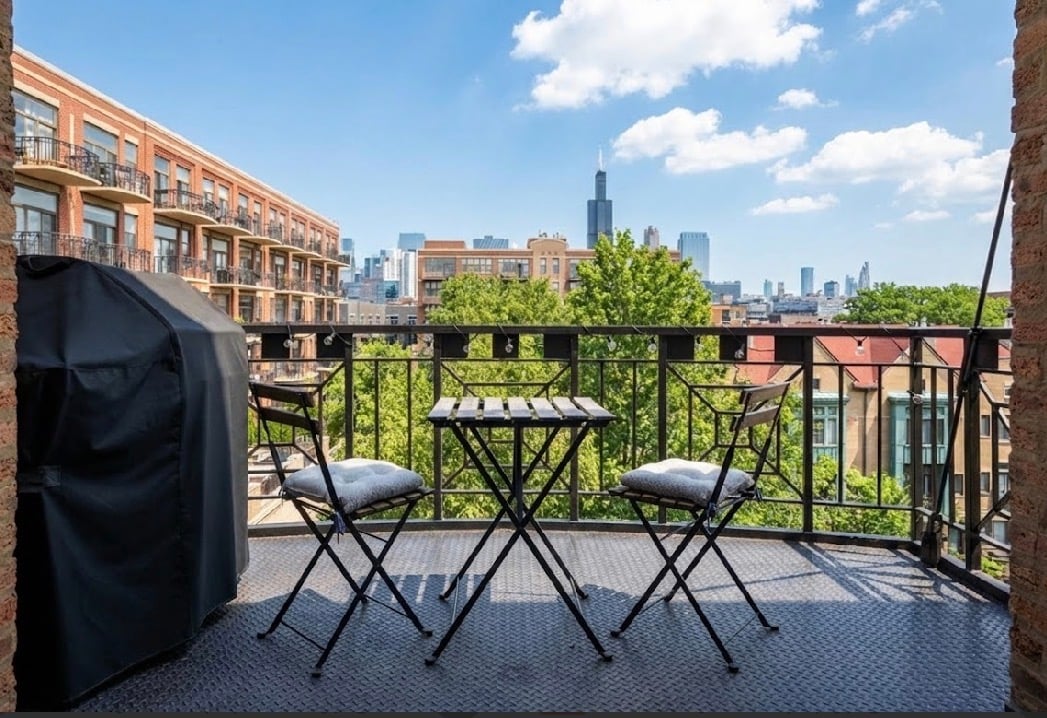
That layout creates an experience many buyers want but do not always find easily. You can be close to restaurants, shops, and transit, yet still live on a residential block that feels more removed from the busiest corners. In practical terms, that means your lifestyle can feel connected without feeling like you live in the middle of constant foot traffic.
Milwaukee and Damen set the pace
A big part of the neighborhood’s energy centers around Milwaukee Avenue and Damen Avenue. Choose Chicago identifies Milwaukee as the main shopping spine and points to the Six Corners intersection of North, Milwaukee, and Damen as the area’s most concentrated activity node.
This is where the walk-to-everything story becomes very tangible. You have bookstores, shopping, coffee shops, galleries, restaurants, pubs, music venues, and late-night spots within a compact area. Choose Chicago specifically highlights destinations like Myopic Books, Una Mae’s, Dove’s Luncheonette, Club Lucky, Bloom, Pompette, and Ina Mae Tavern.
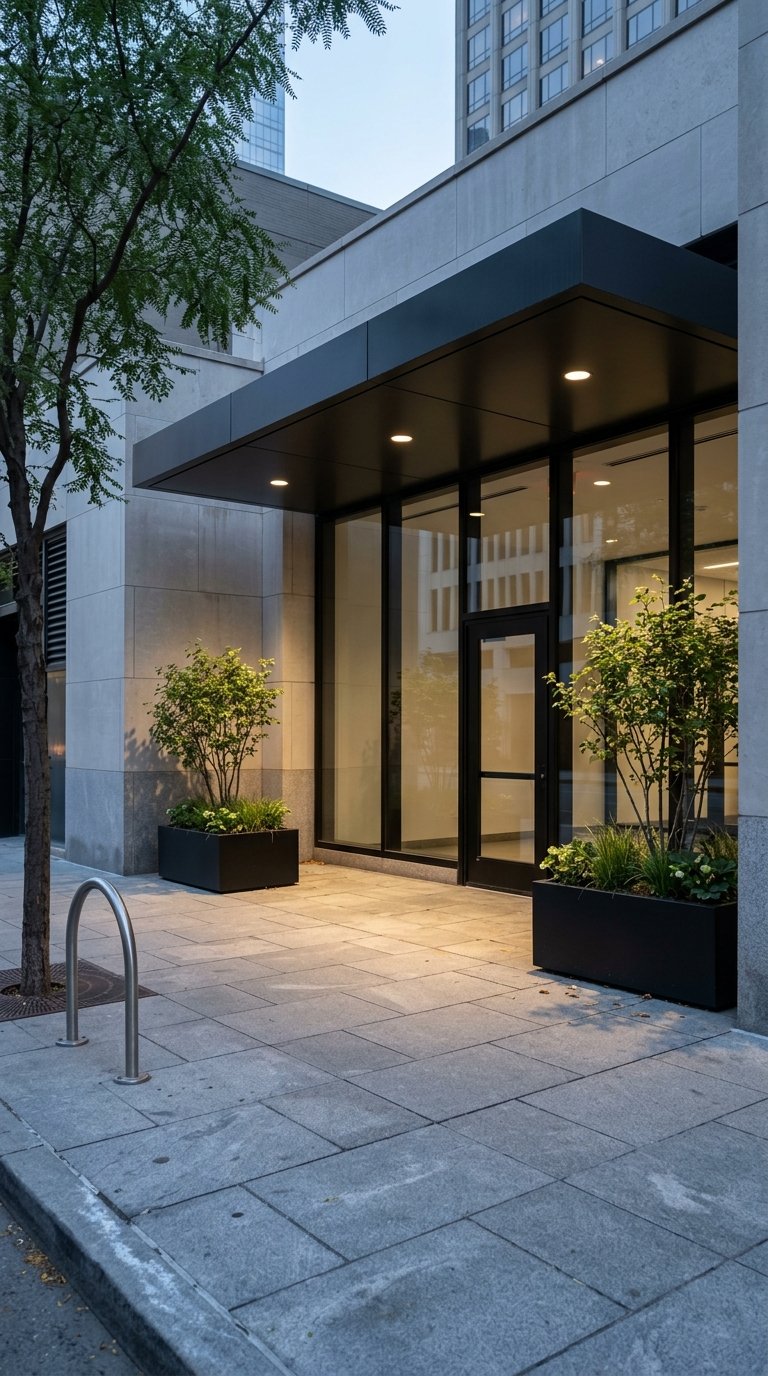
Damen is especially important on the Bucktown side. The Wicker Park Bucktown SSA master plan describes Damen as a neighborhood-oriented shopping corridor in a residential setting, with retail and mixed-use buildings that feel more pedestrian-scaled than broader arterials.
Busy corridors, quieter side streets
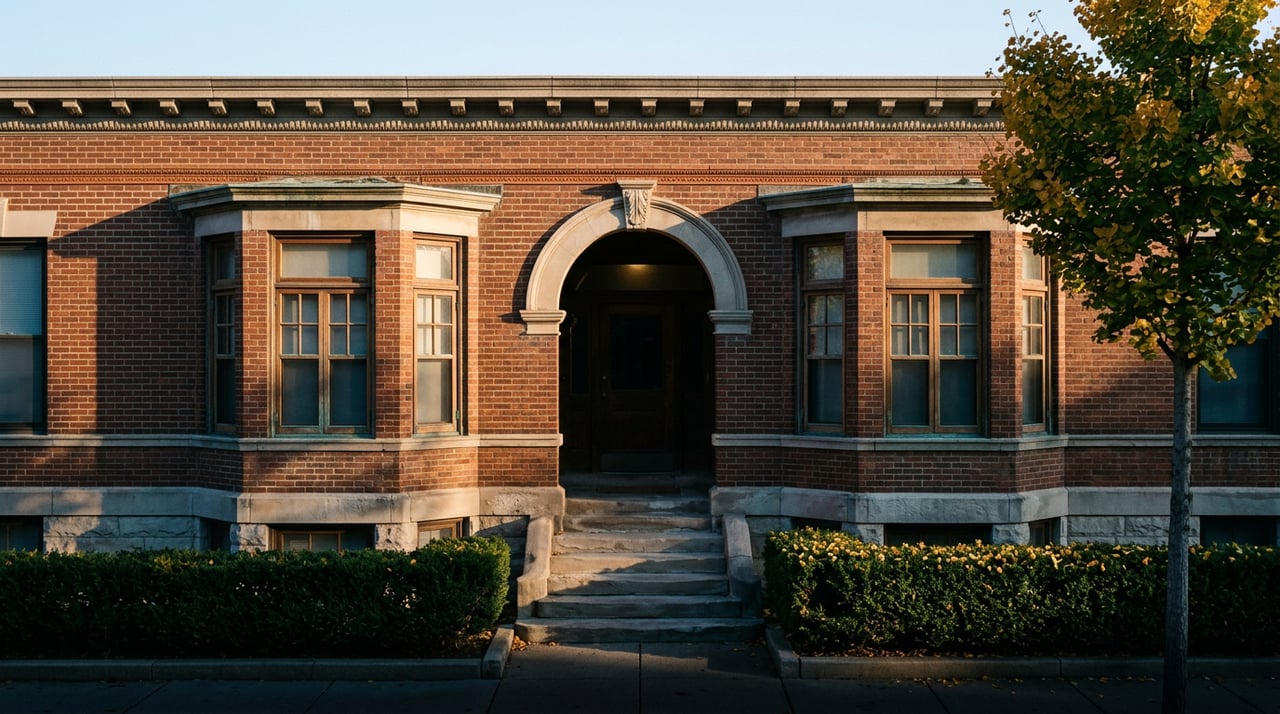
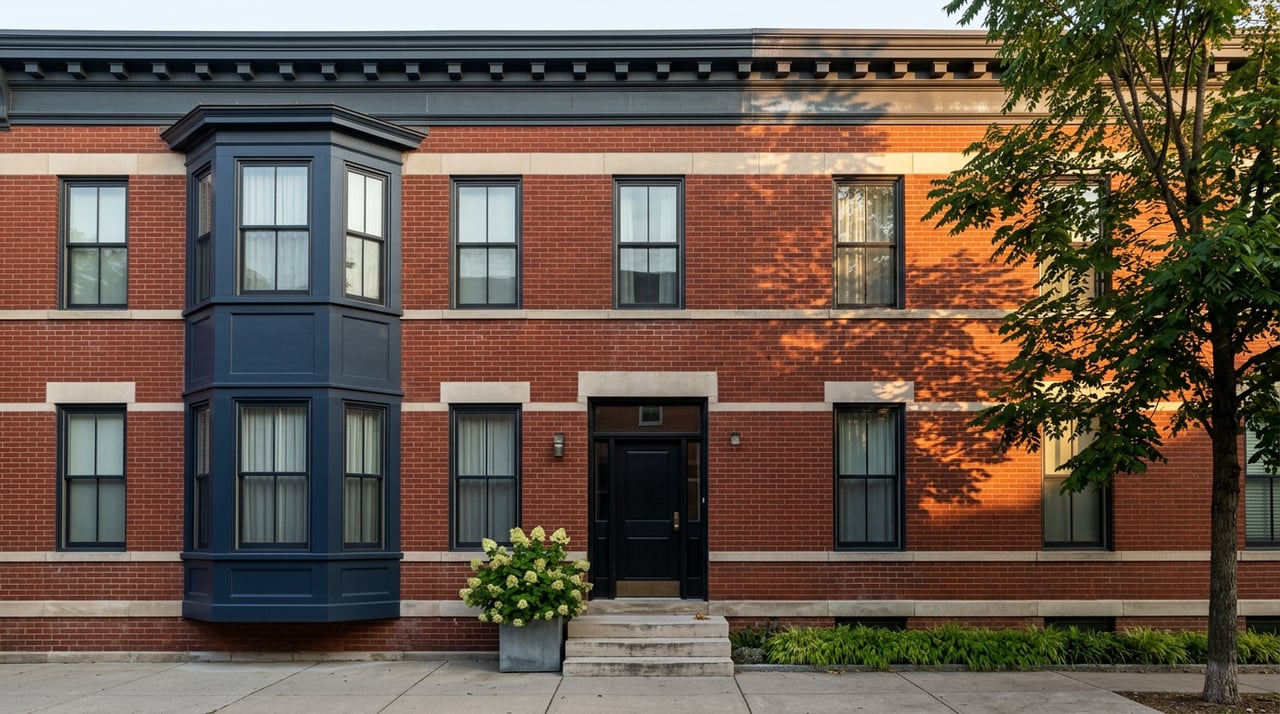
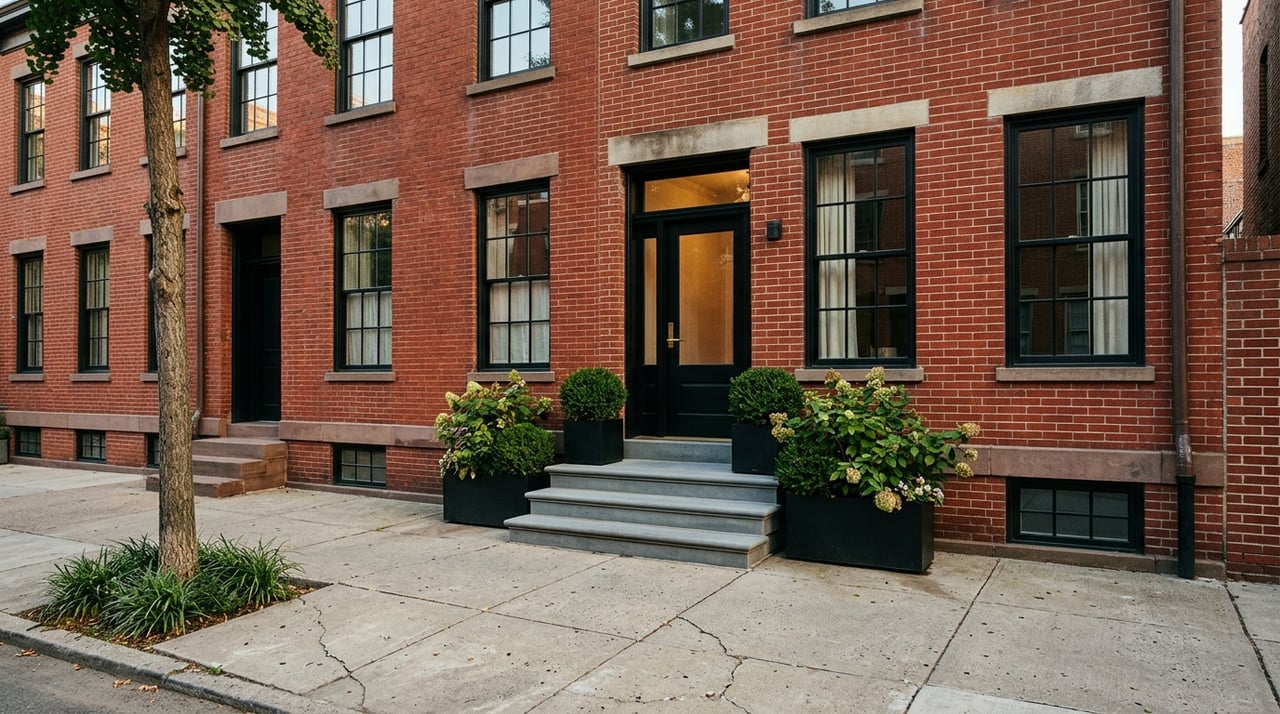
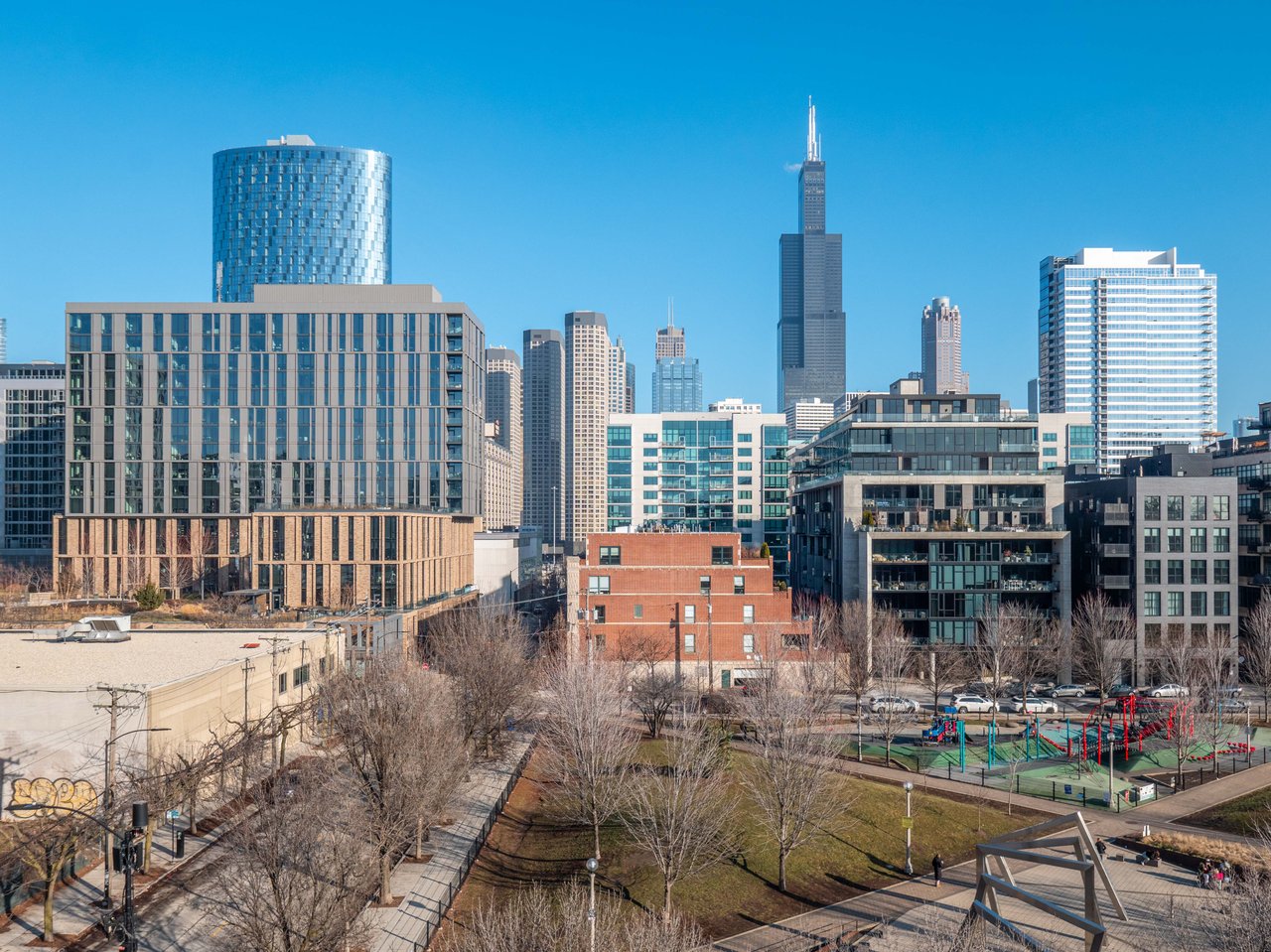
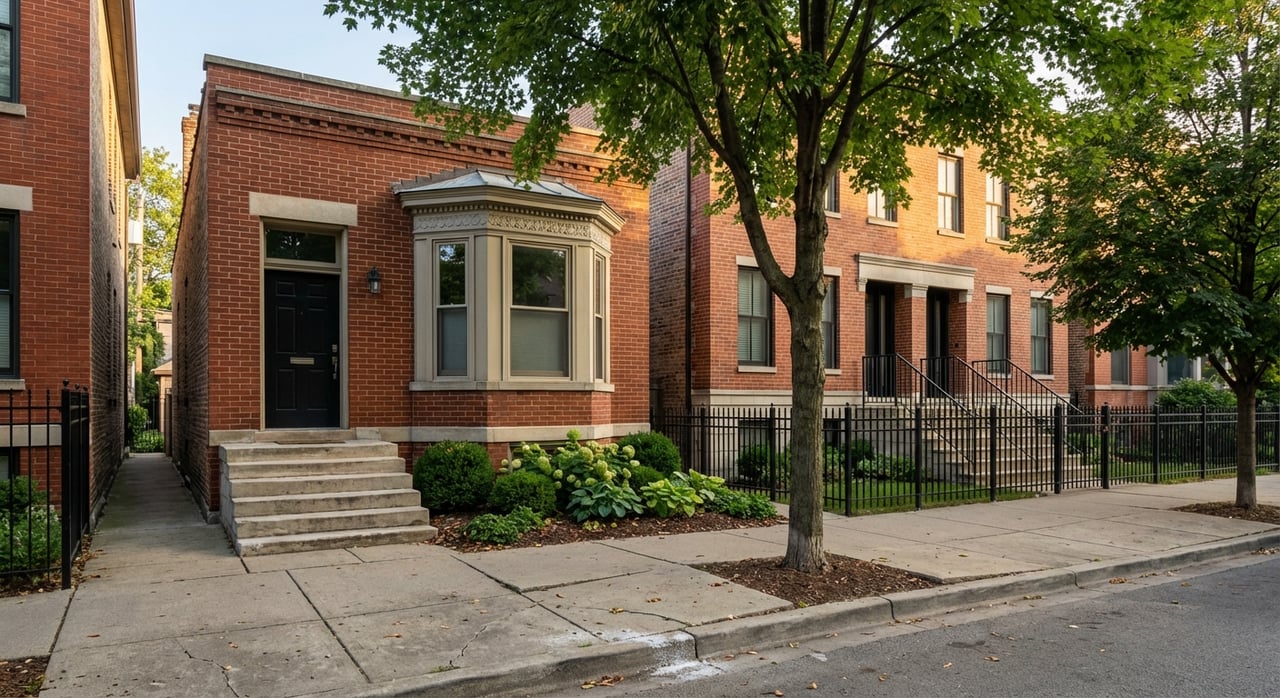
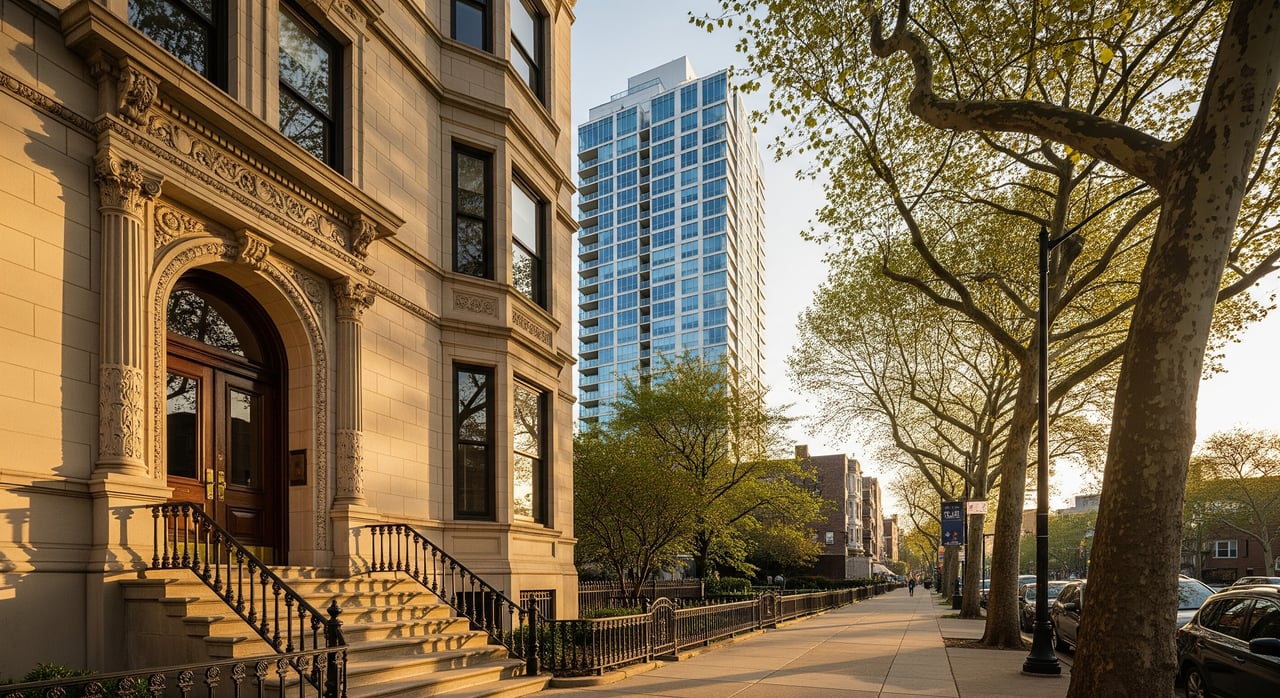
One of the most appealing parts of living in Bucktown is the contrast from block to block. Near Milwaukee and Damen, you get more density, more storefronts, and more street activity. A few blocks away, the streetscape shifts into a more residential pattern with homes, smaller buildings, and a calmer pace.
That contrast is a big reason the area works for so many different buyers. If you like being able to walk to dinner or pick up a few things without getting in the car, you can have that convenience. At the same time, you may not need to live directly on the most active commercial stretch to enjoy it.
Transit makes car-light living realistic
For many people, true walkability includes more than what is right outside the door. It also means you can move around the city easily without relying on a car every day. In Bucktown and Wicker Park, CTA access is a major part of that equation.
The CTA and local chamber resources identify Blue Line service at Division, Damen, and Western, along with bus routes including 50 Damen, 56 Milwaukee, 70 Division, 72 North, 73 Armitage, and 49 Western. That network gives you practical options for commuting, meeting friends in other neighborhoods, or getting to downtown destinations.
For buyers who still want occasional regional rail access, the Wicker Park Bucktown Chamber notes that Clybourn Station sits along the neighborhood’s edge and is the busiest commuter rail station outside downtown. Depending on where you live, that can be another useful layer of mobility.
The 606 expands your daily radius
Walkability is not only about storefronts and transit stops. Green space changes how a neighborhood feels day to day, especially if you like to walk, run, or bike as part of your routine. That is where The 606 becomes a meaningful amenity for Bucktown residents.
According to the official The 606 site, the trail runs 2.7 miles between Ashland and Ridgeway, includes 12 access points and 17 ramps, and is best reached by foot, bike, or CTA. The Damen access point is especially notable because it places you right at the Milwaukee, North, and Damen hub.
The trail also ties together neighborhood green space in a way that supports an active daily lifestyle. The Chicago Park District notes that the 606 trail system includes Walsh Park, Churchill Park, Park No. 567, and Julia de Burgos Park, which reinforces how outdoor access is woven into the area rather than treated as a separate destination.
Parks support everyday living
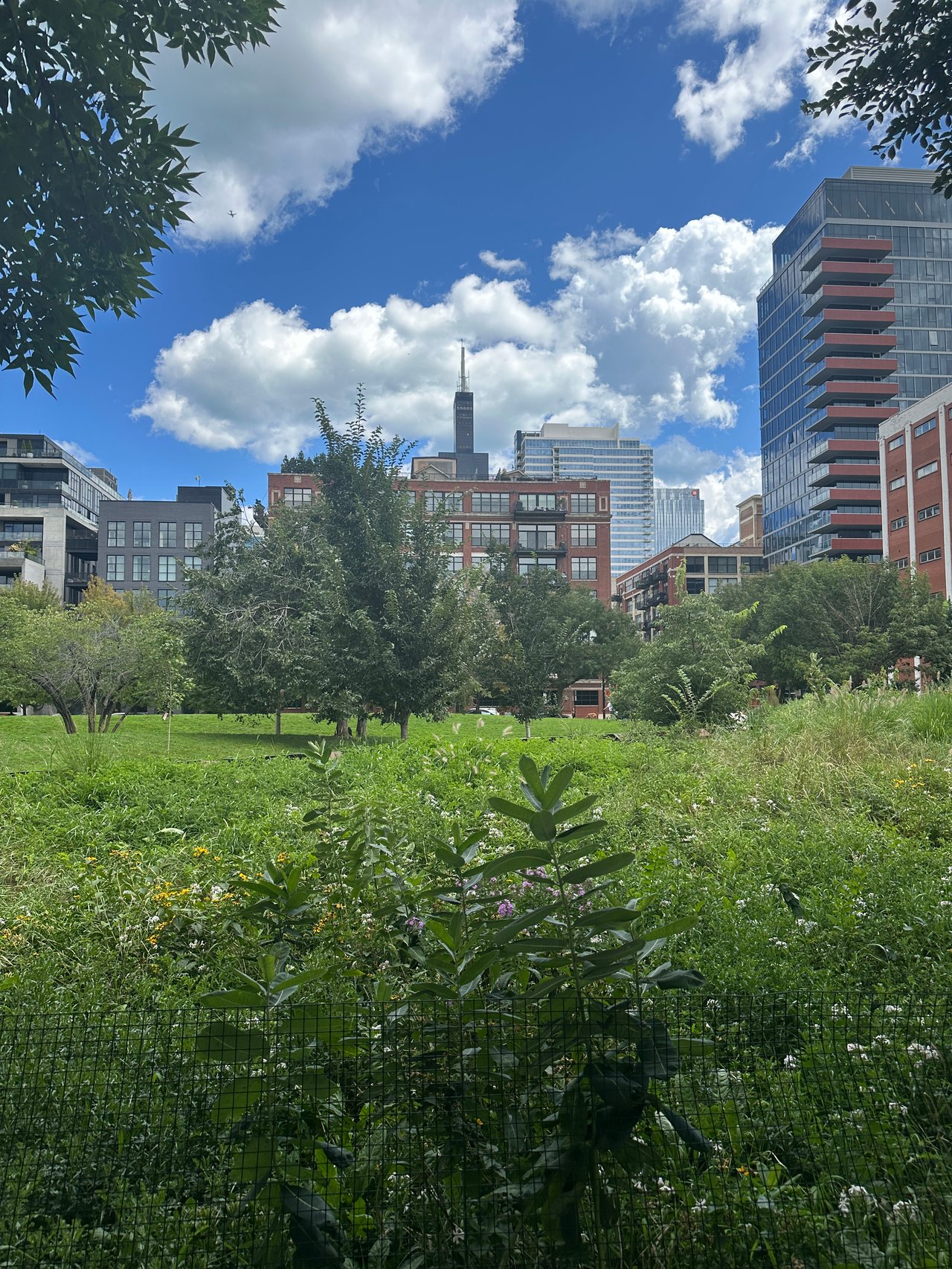
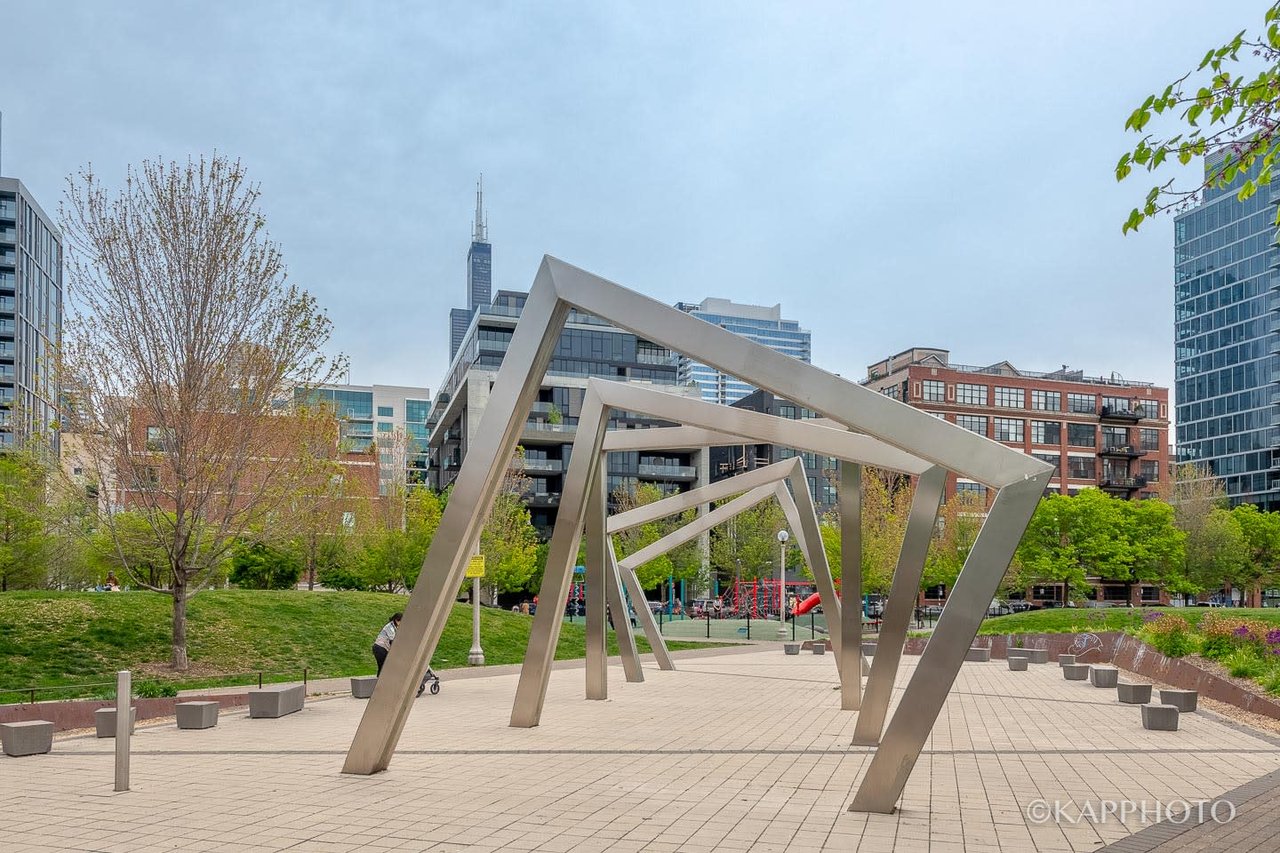
For many buyers, park access matters just as much as restaurant access. Whether you have a dog, want a place to unwind, or simply like having more open space nearby, Bucktown and Wicker Park offer practical neighborhood options.
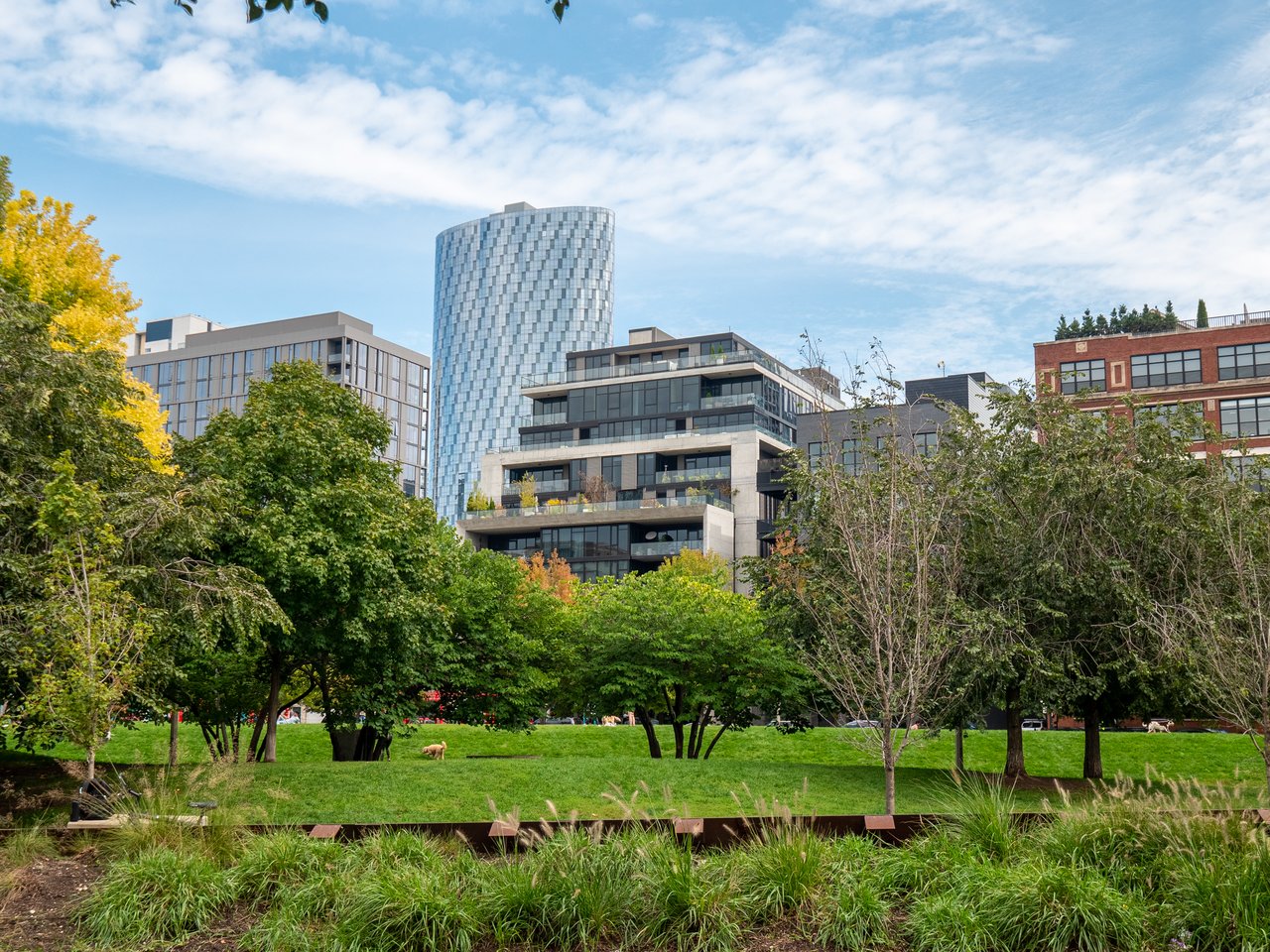
Wicker Park itself spans 4.74 acres and includes a fieldhouse, playground, spray feature, community gardens, dog-friendly area, baseball field, basketball courts, and a soccer or football field. The Park District also notes that the park hosts sports, camps, and community events, which makes it more than just a patch of green on a map.
Holstein Park adds another strong neighborhood amenity, with a fieldhouse, gymnasium, playground, pool, water spray feature, baseball field, and picnic area, plus after-school and youth programs. If you are thinking about day-to-day livability, these kinds of amenities can play a major role in how a neighborhood functions for you over time.
Housing options fit different lifestyles
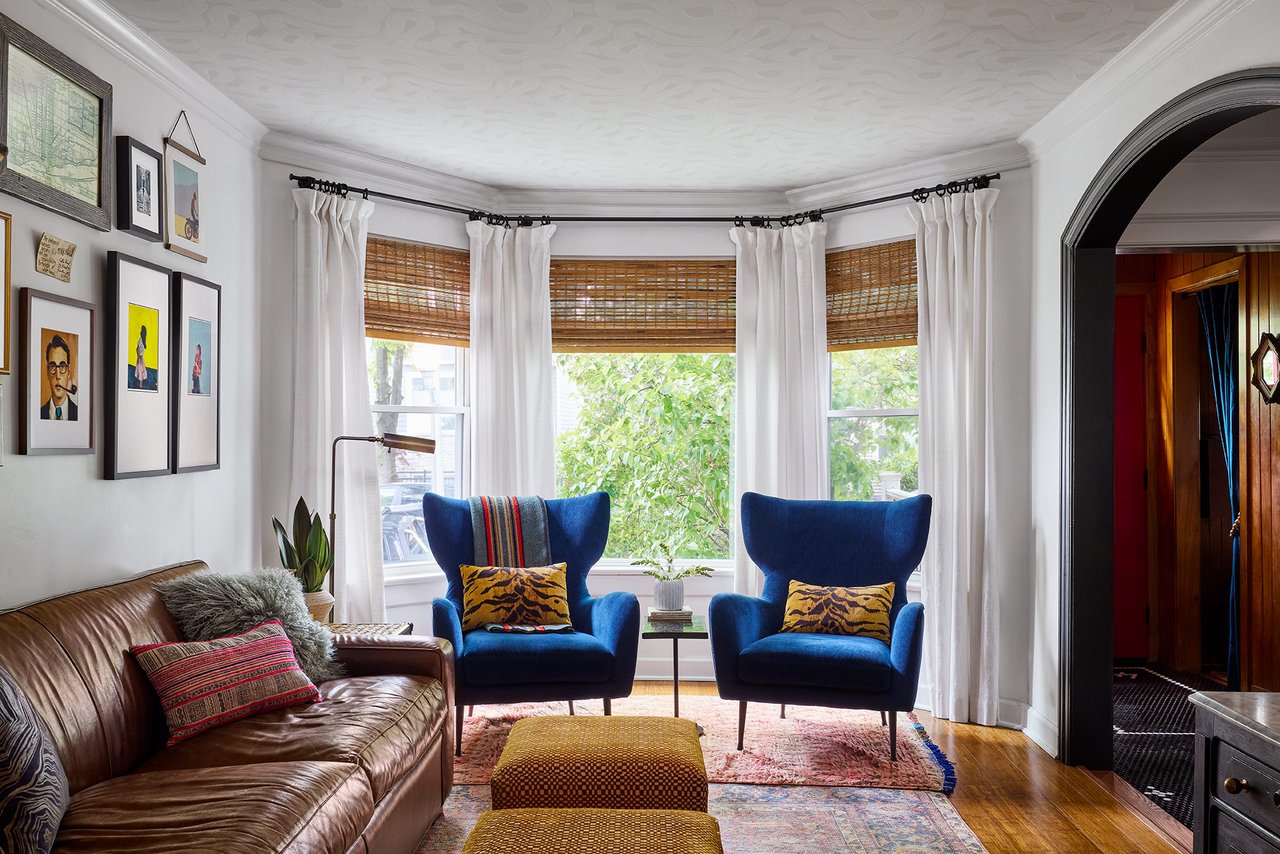
A walkable neighborhood only works if the housing options support the way you want to live. In Bucktown and Wicker Park, the housing stock is broad, which is one reason the area continues to attract a wide range of buyers.
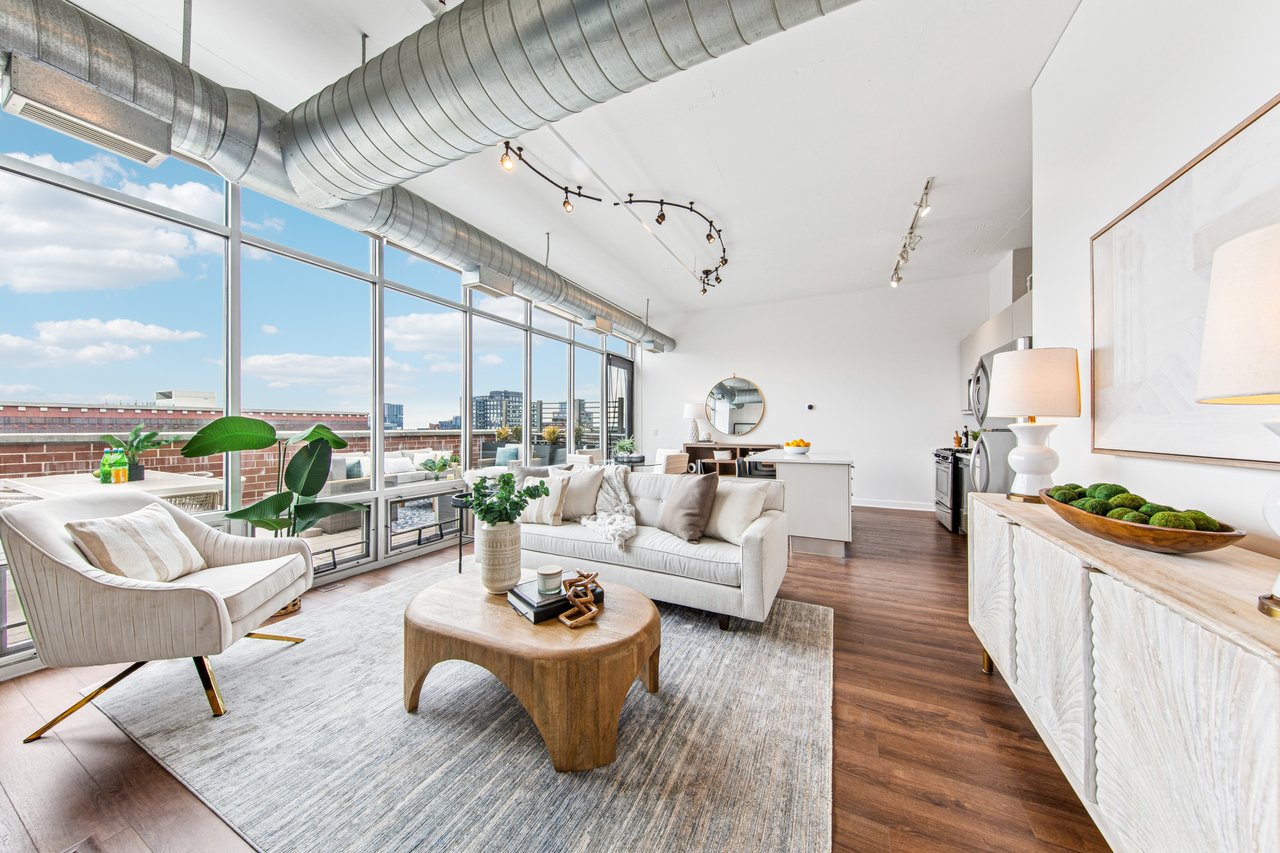
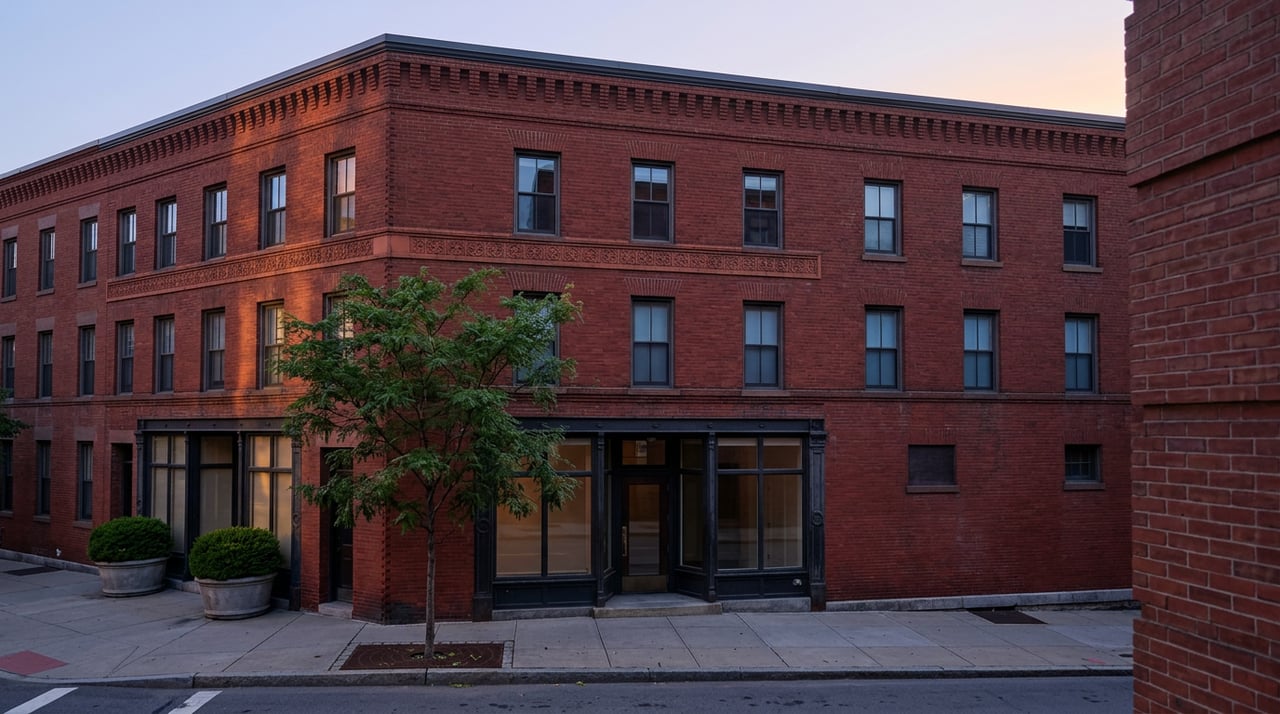
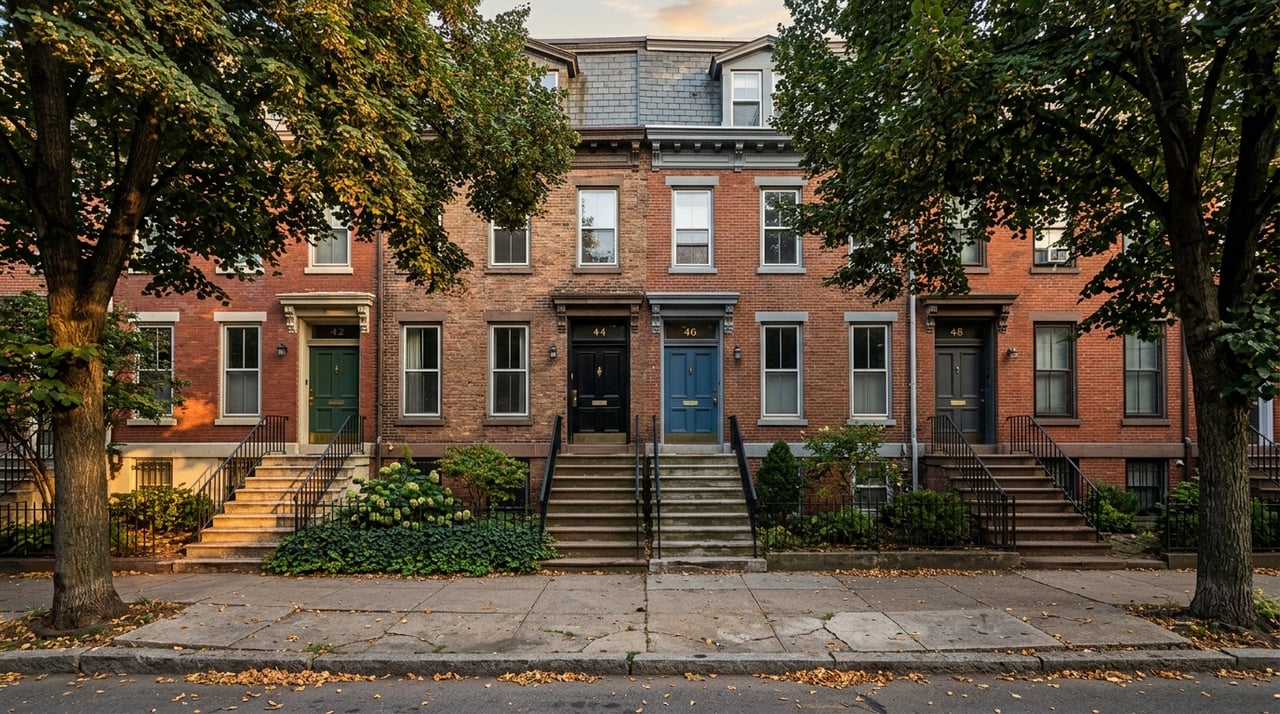
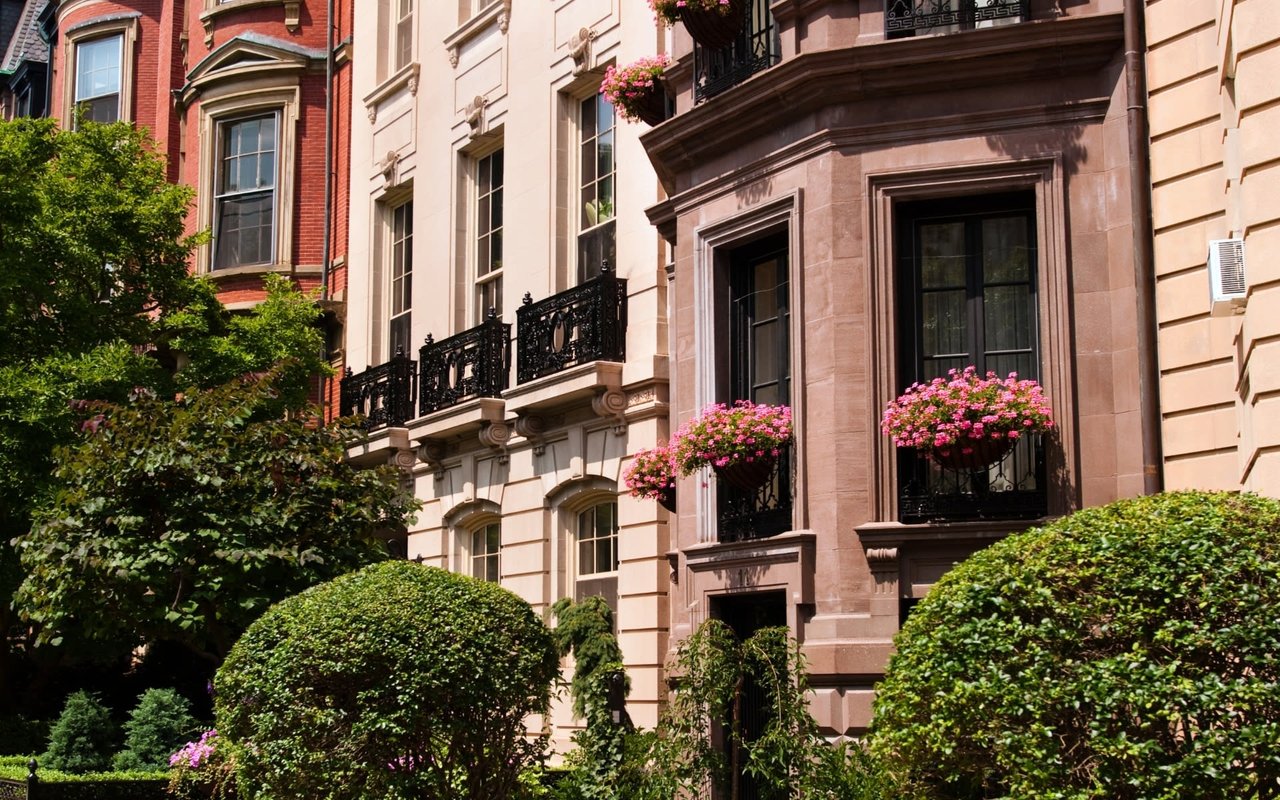
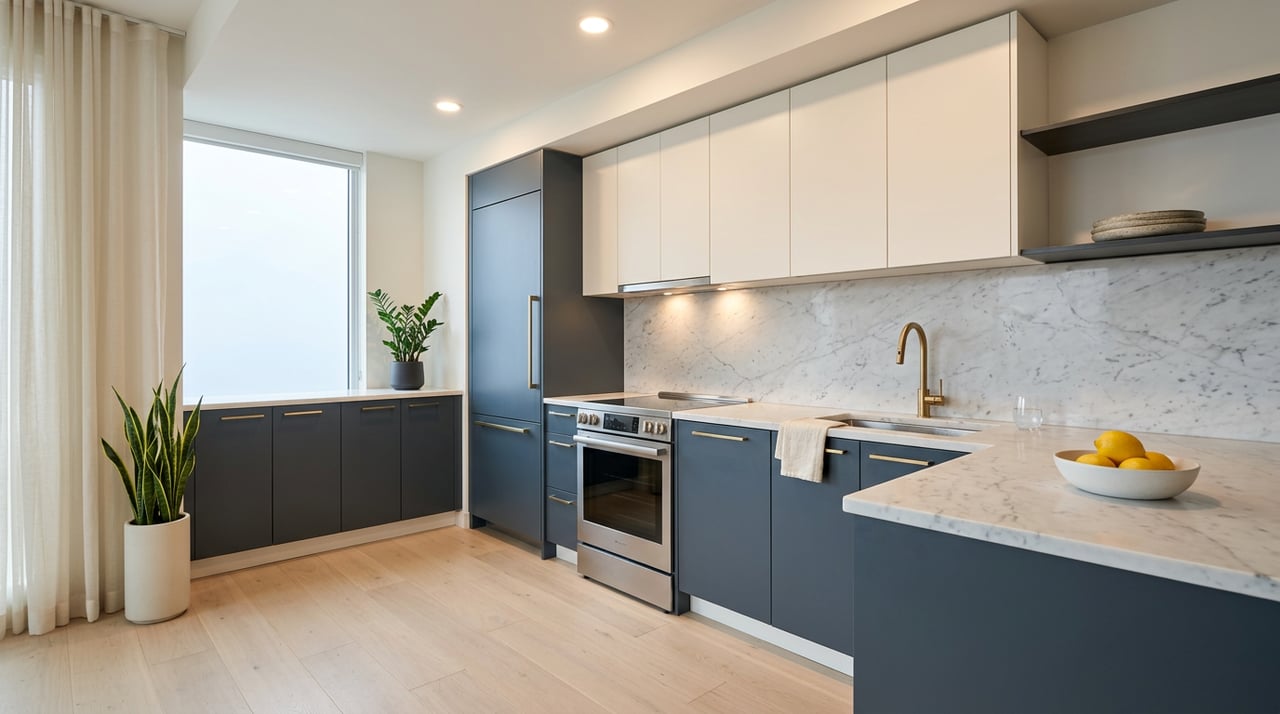
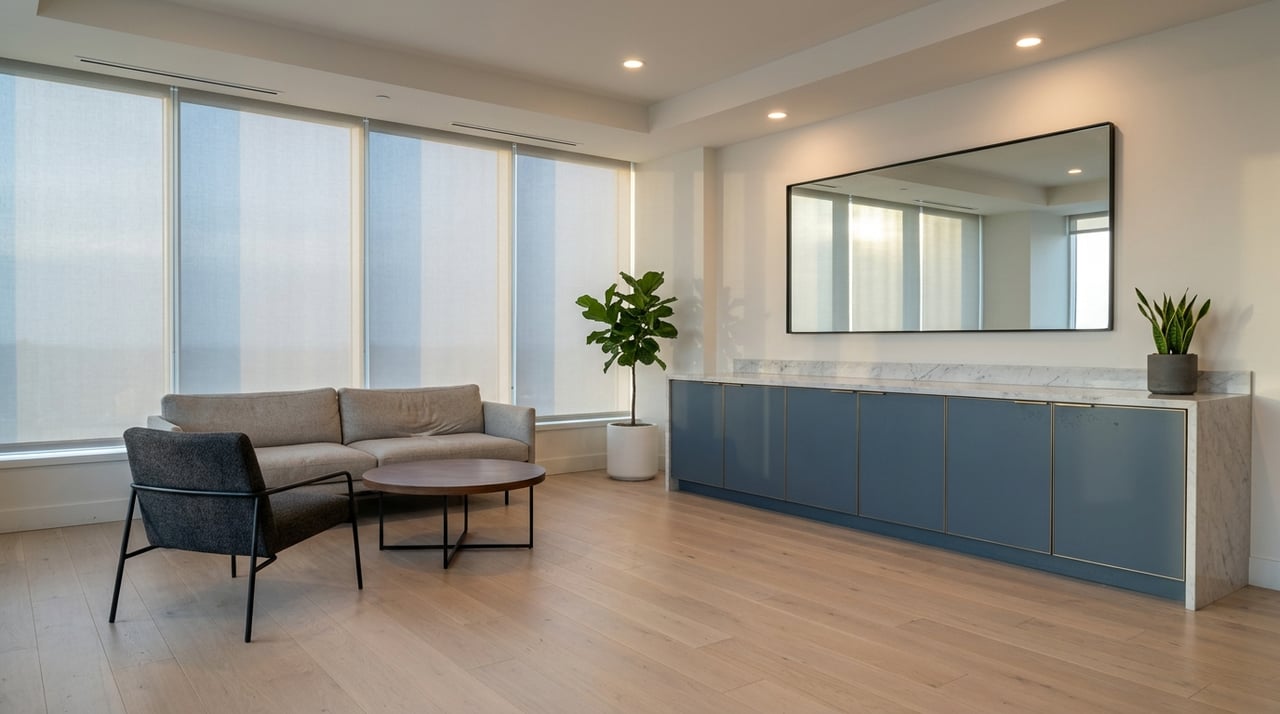
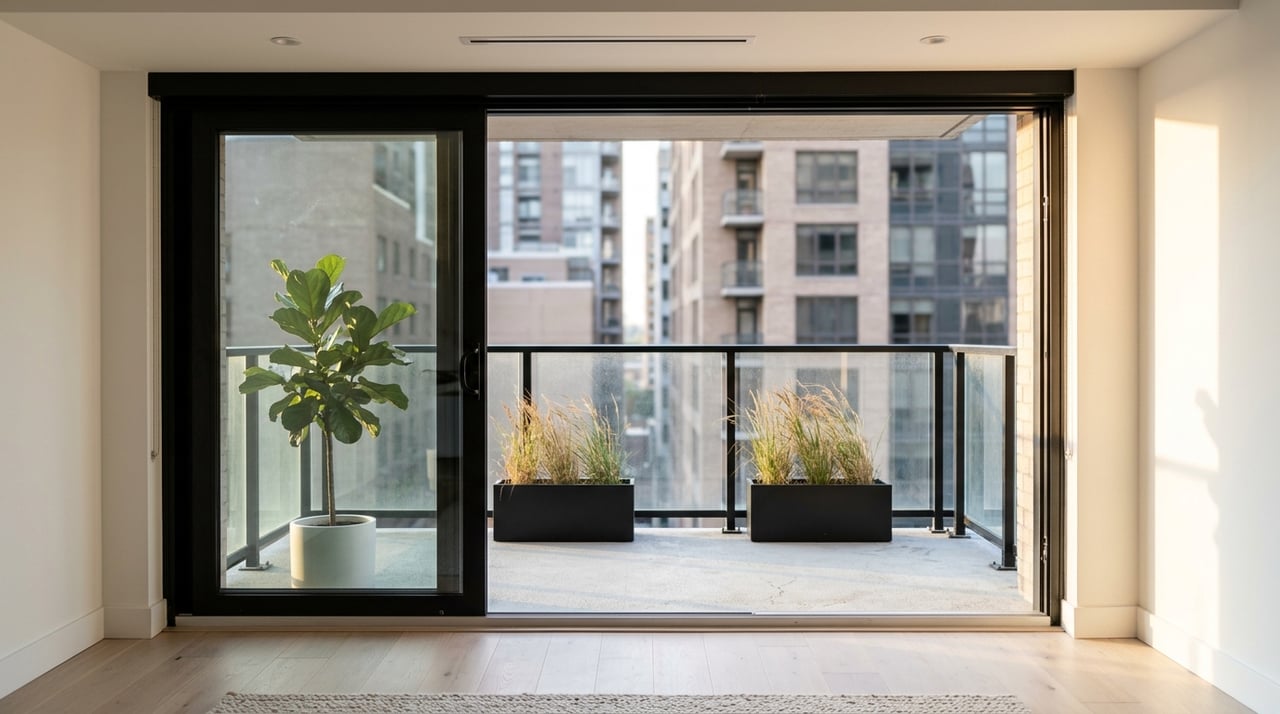
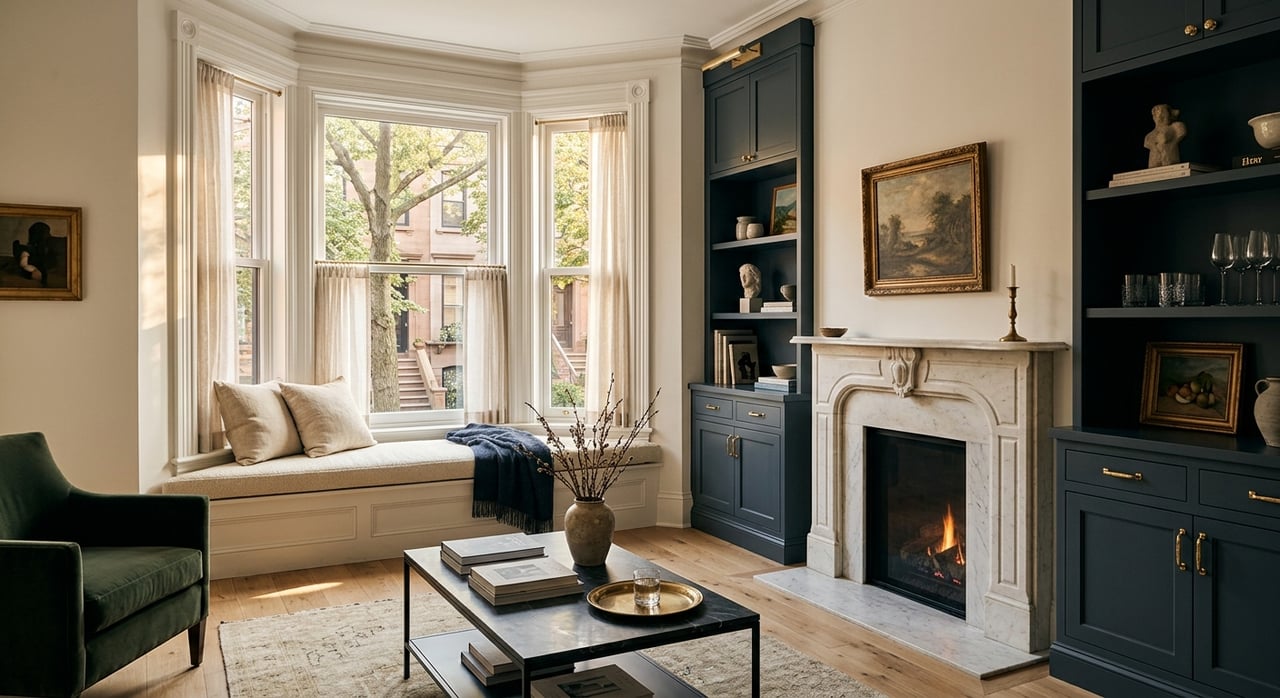
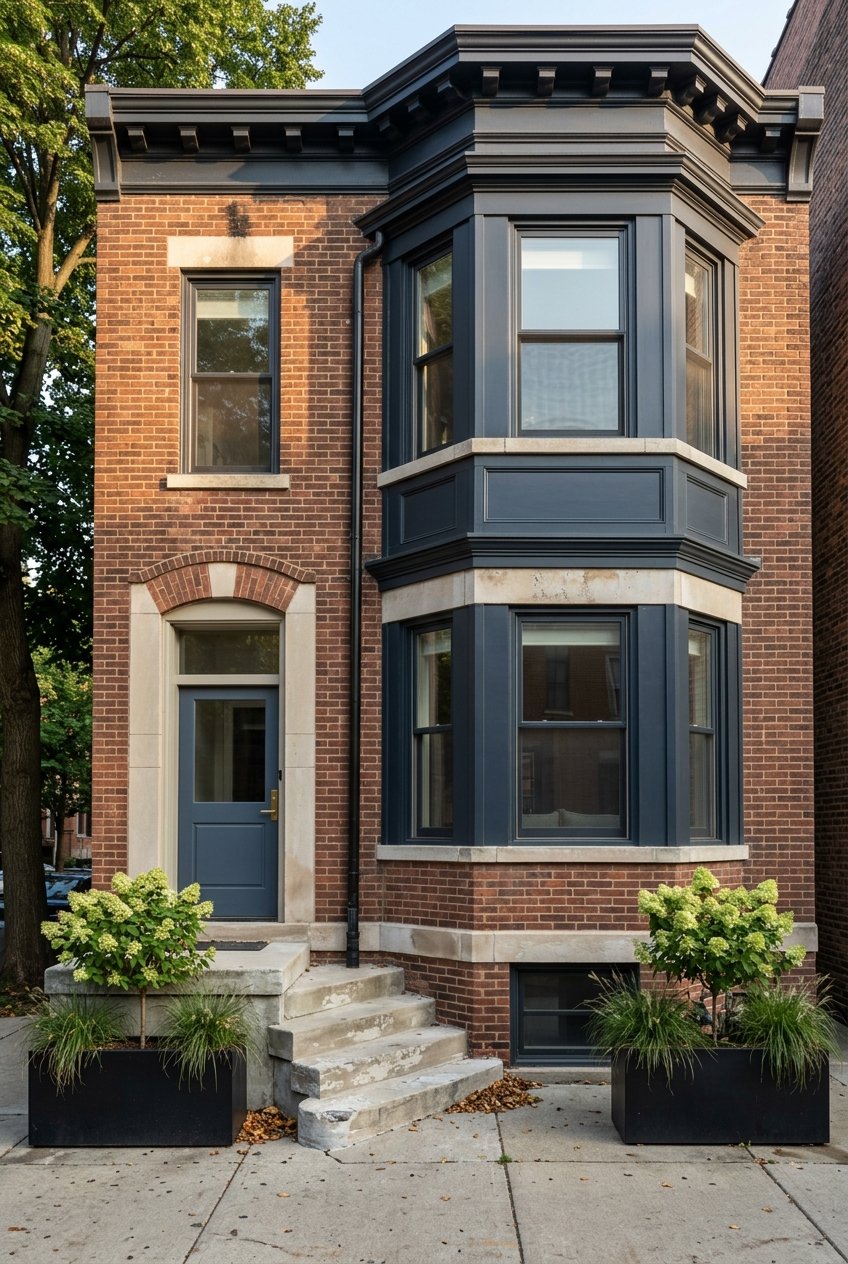
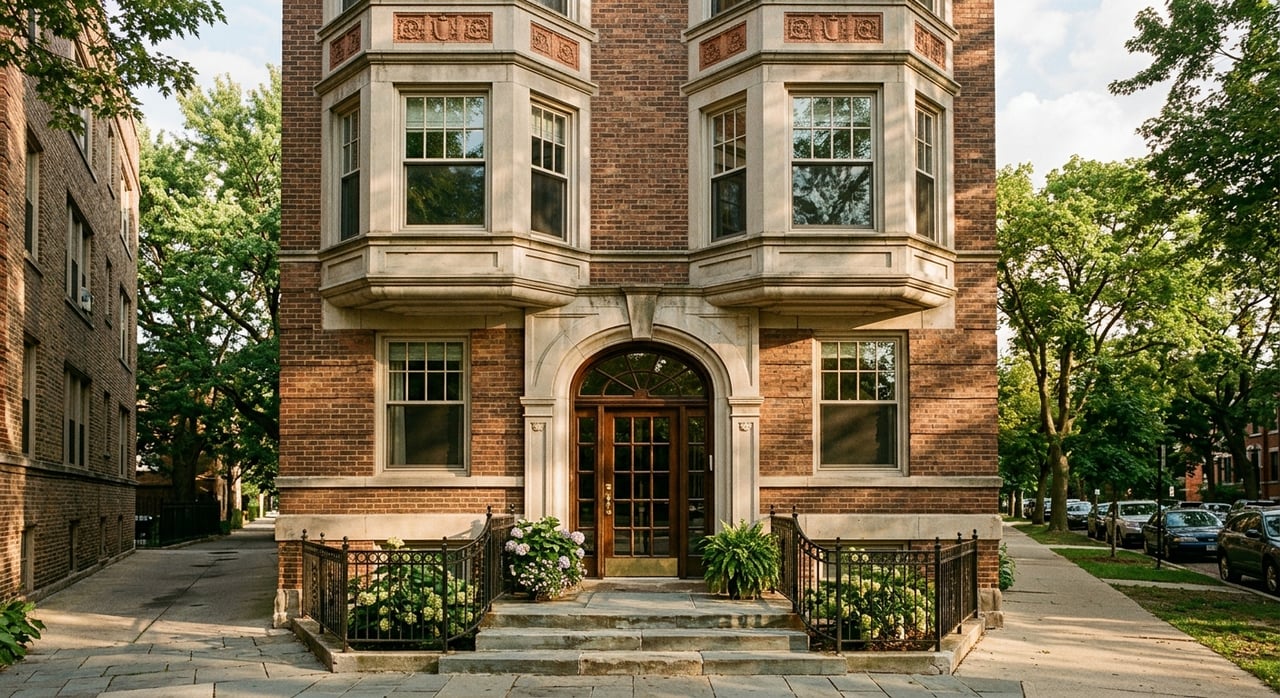
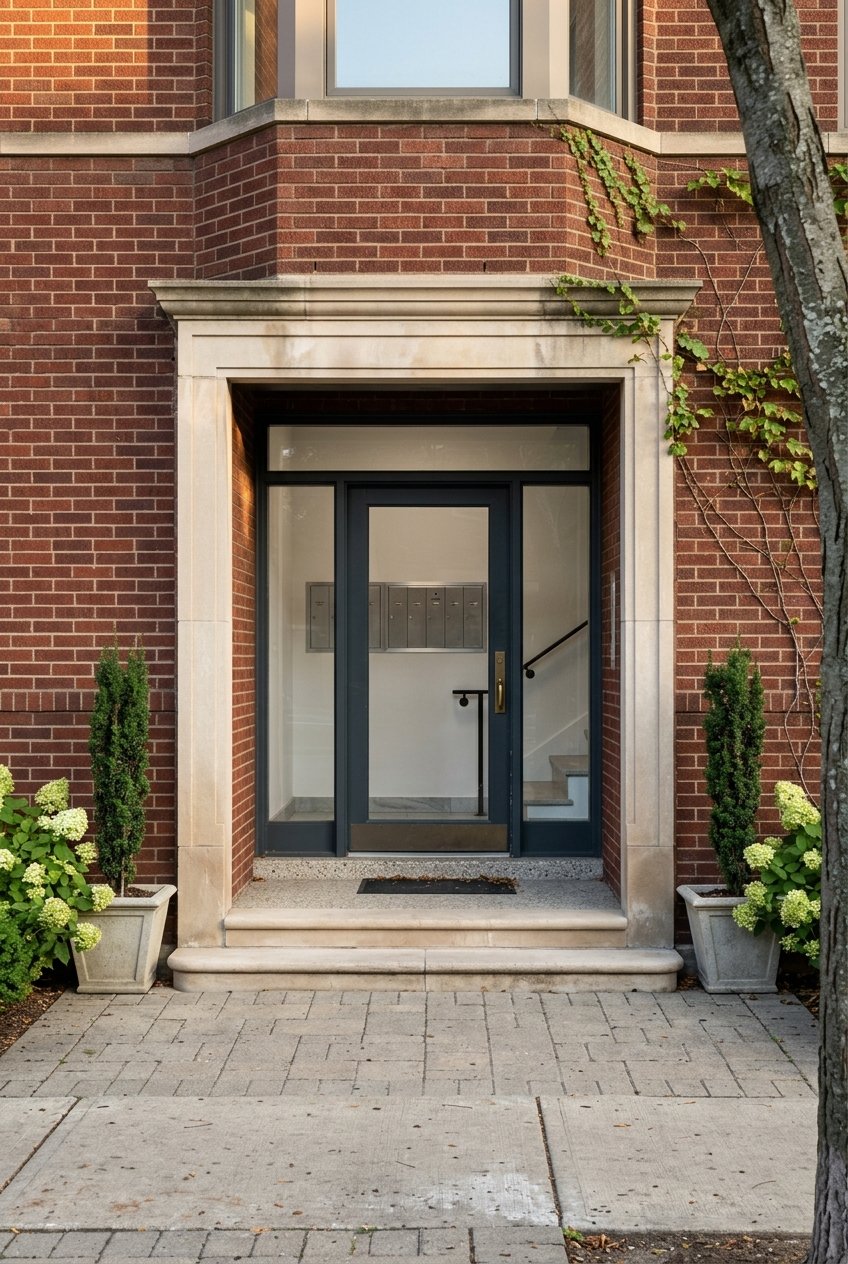
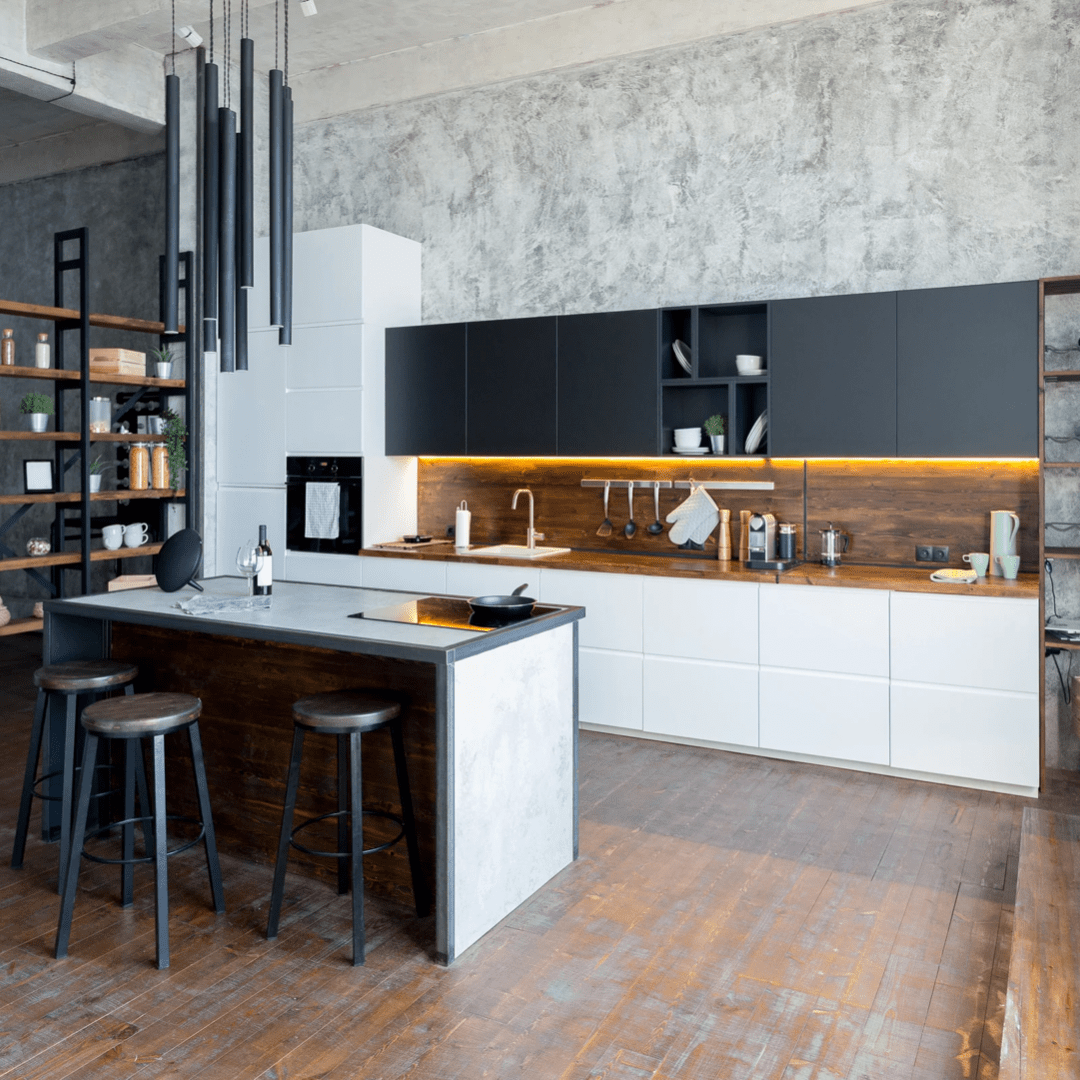
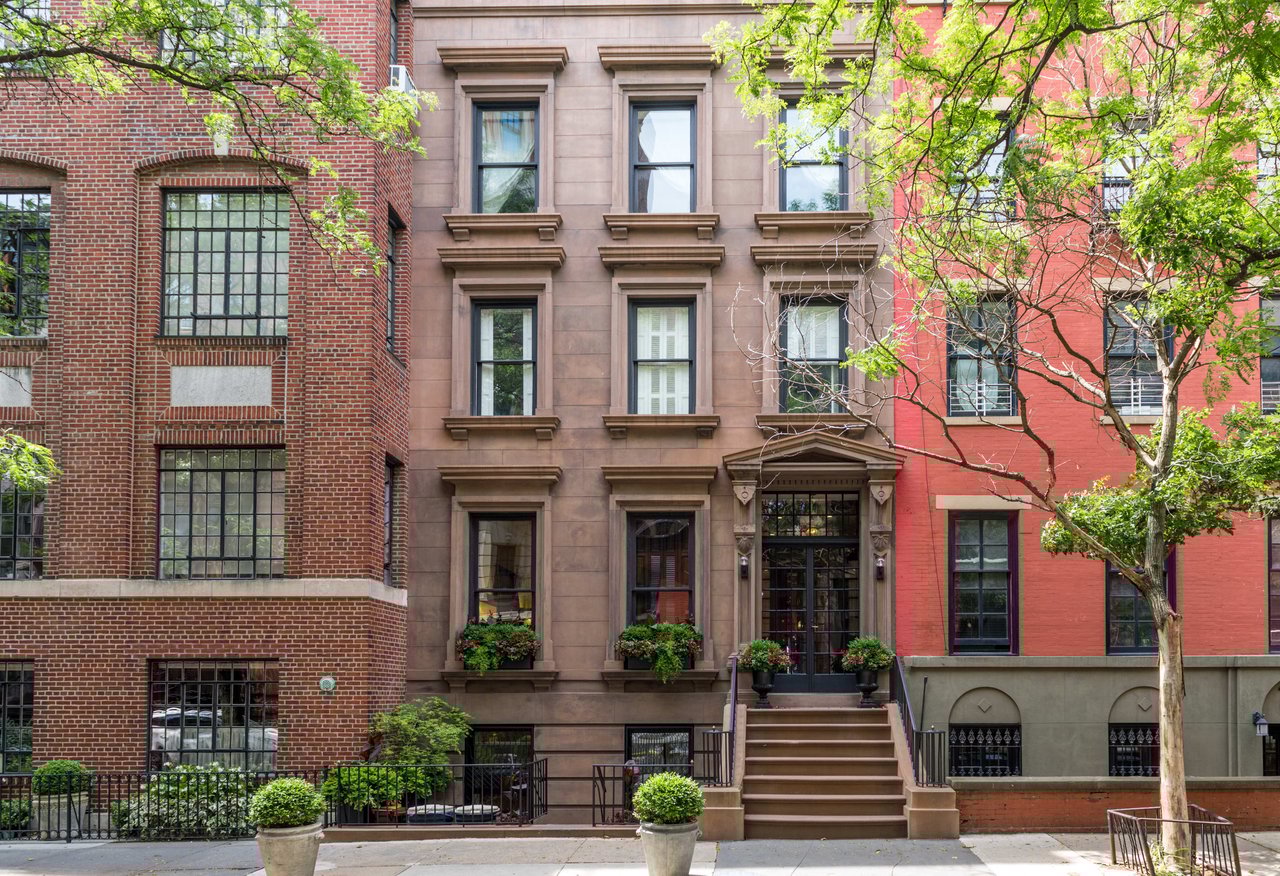
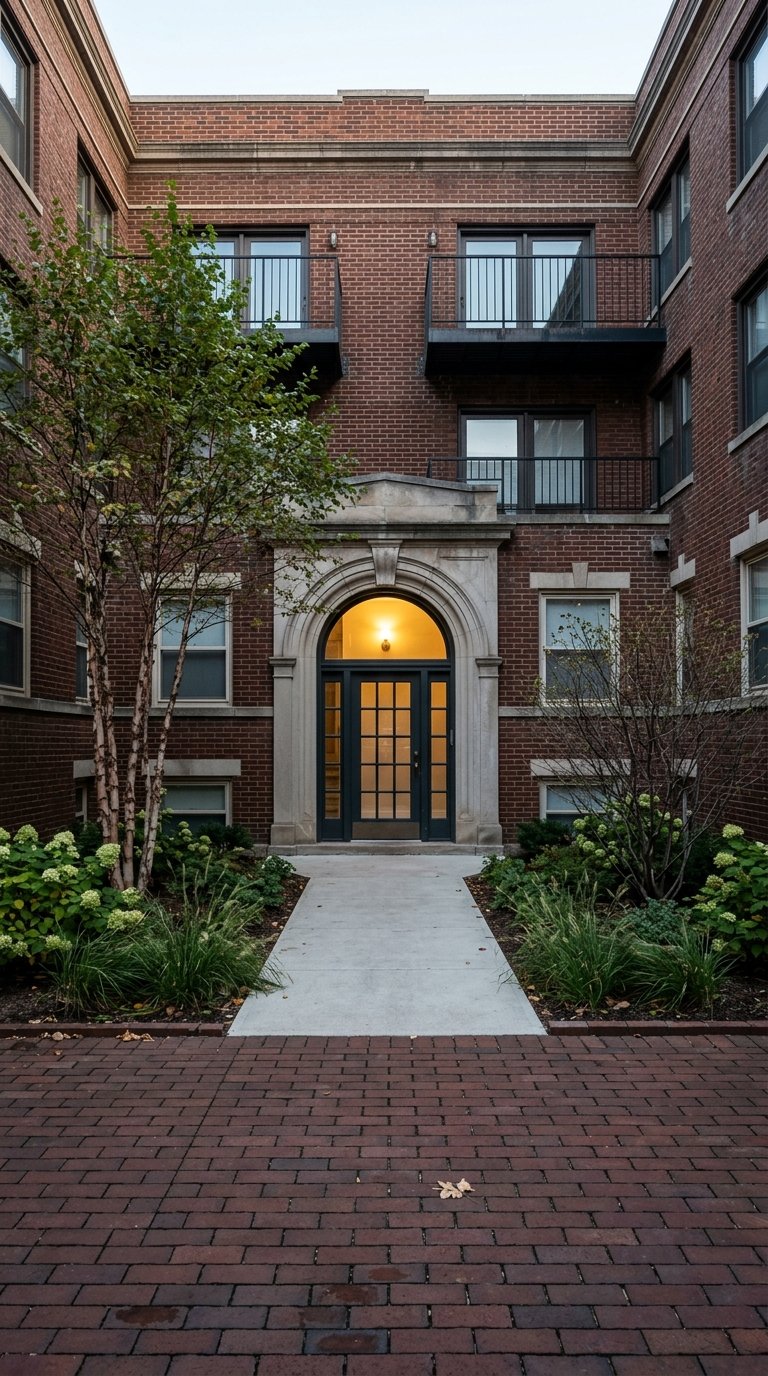
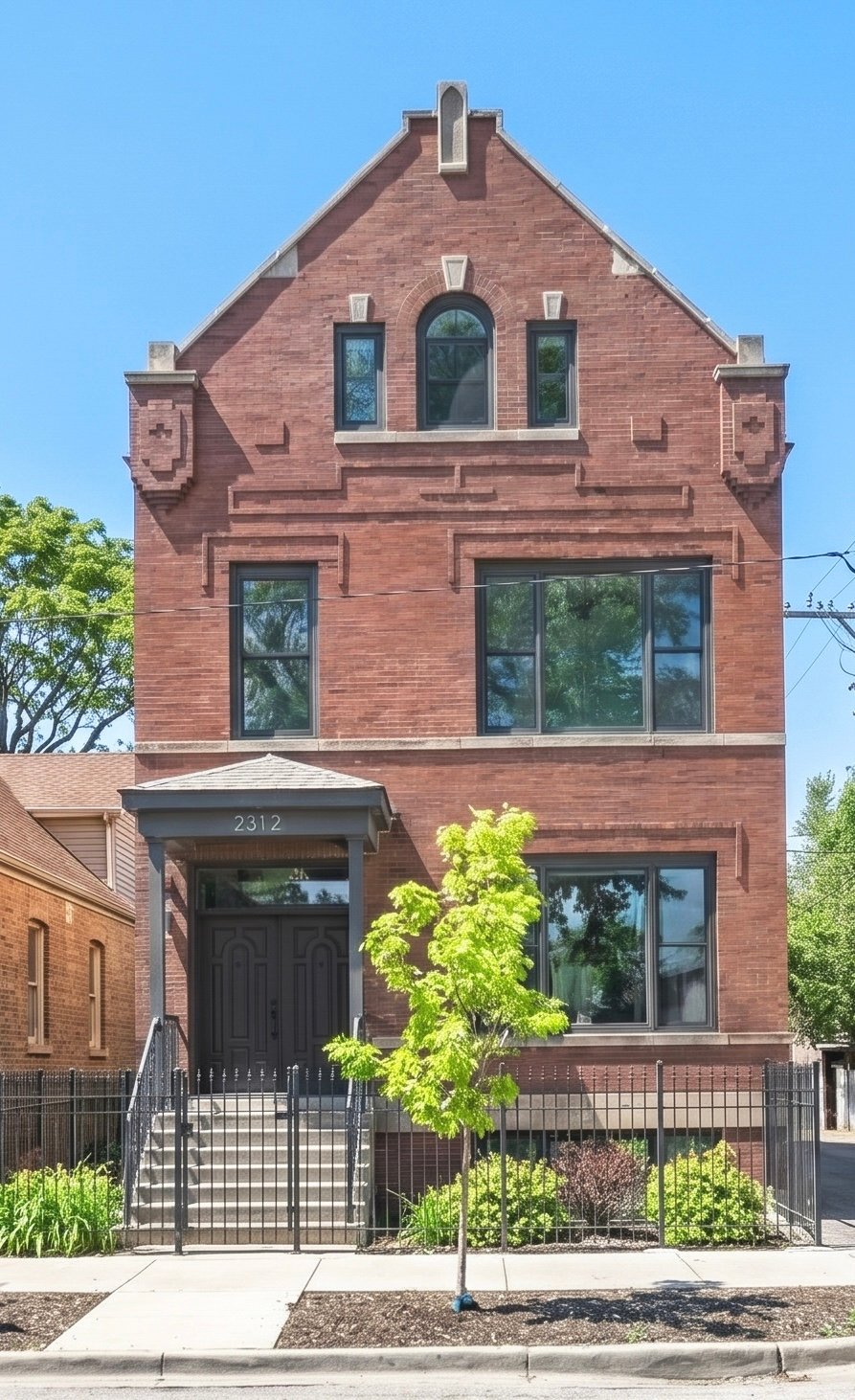
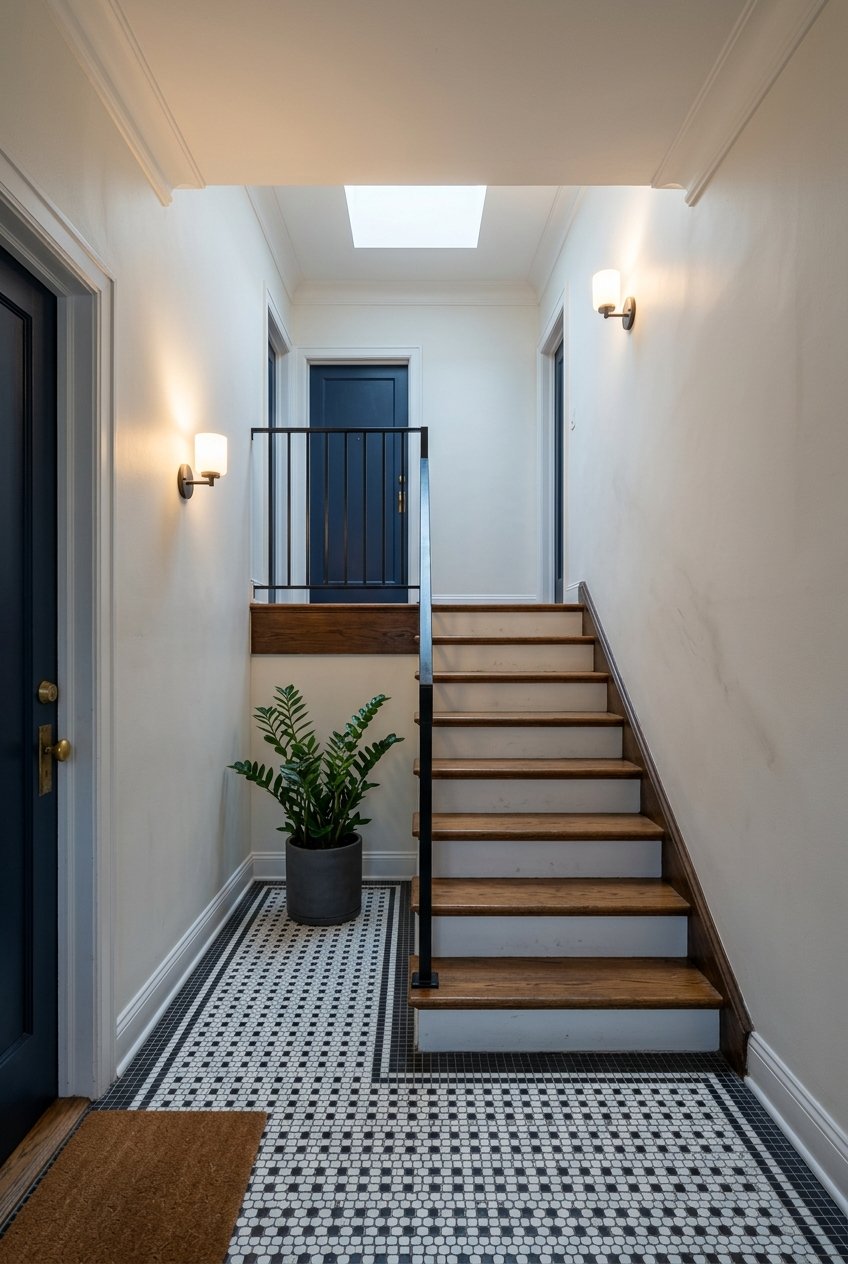
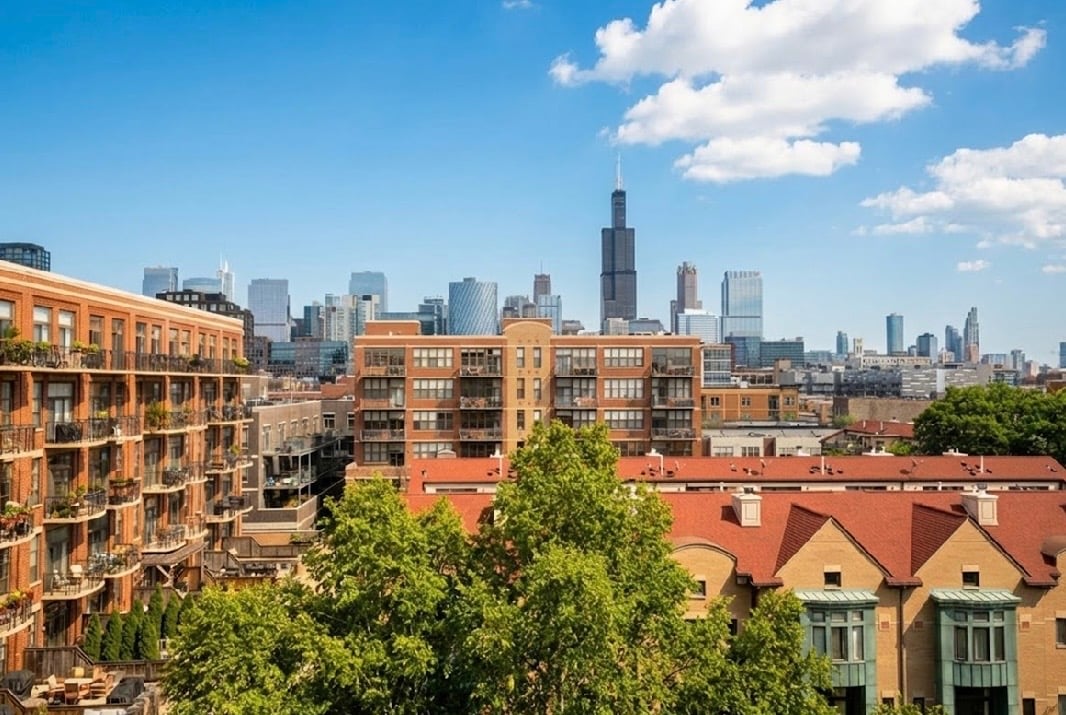
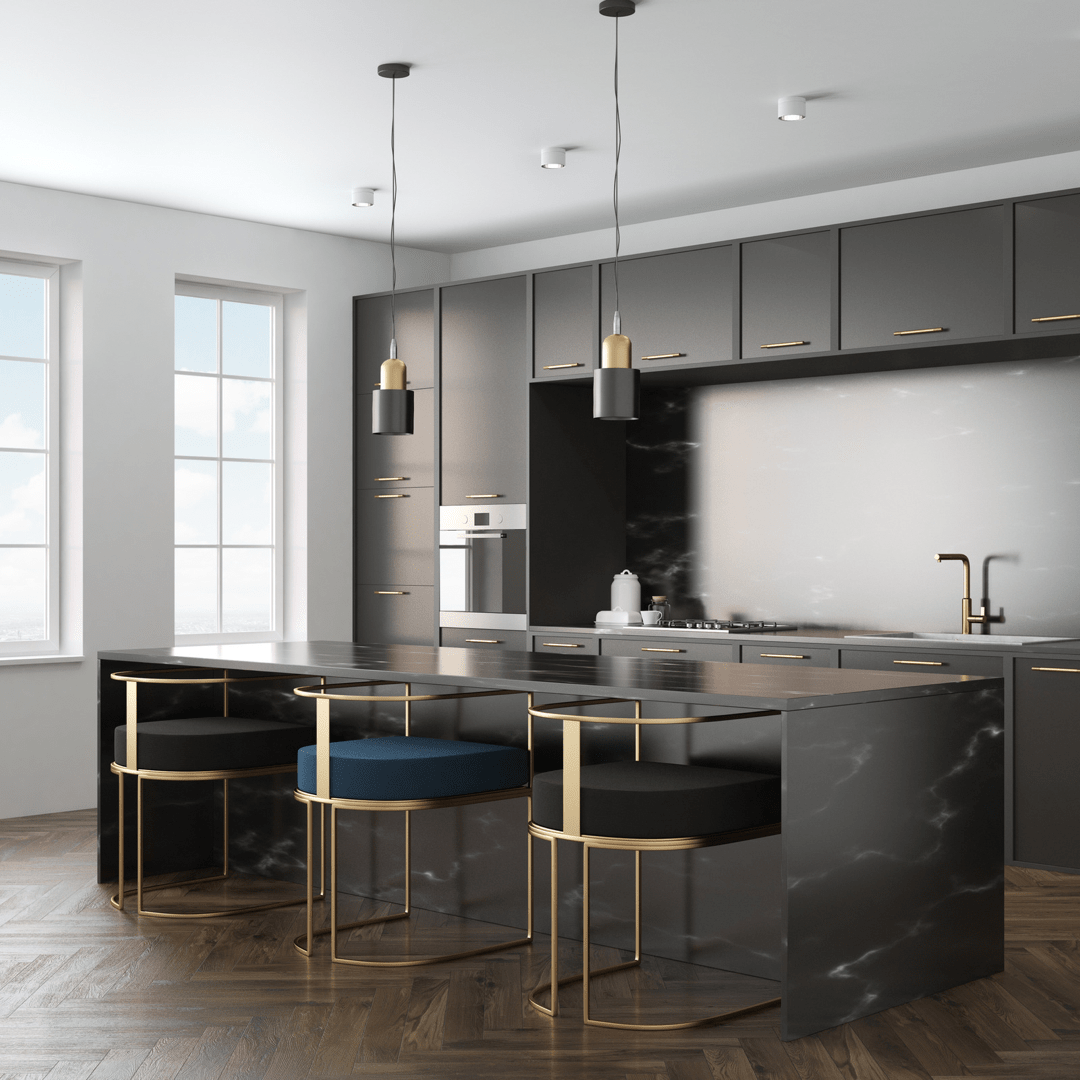
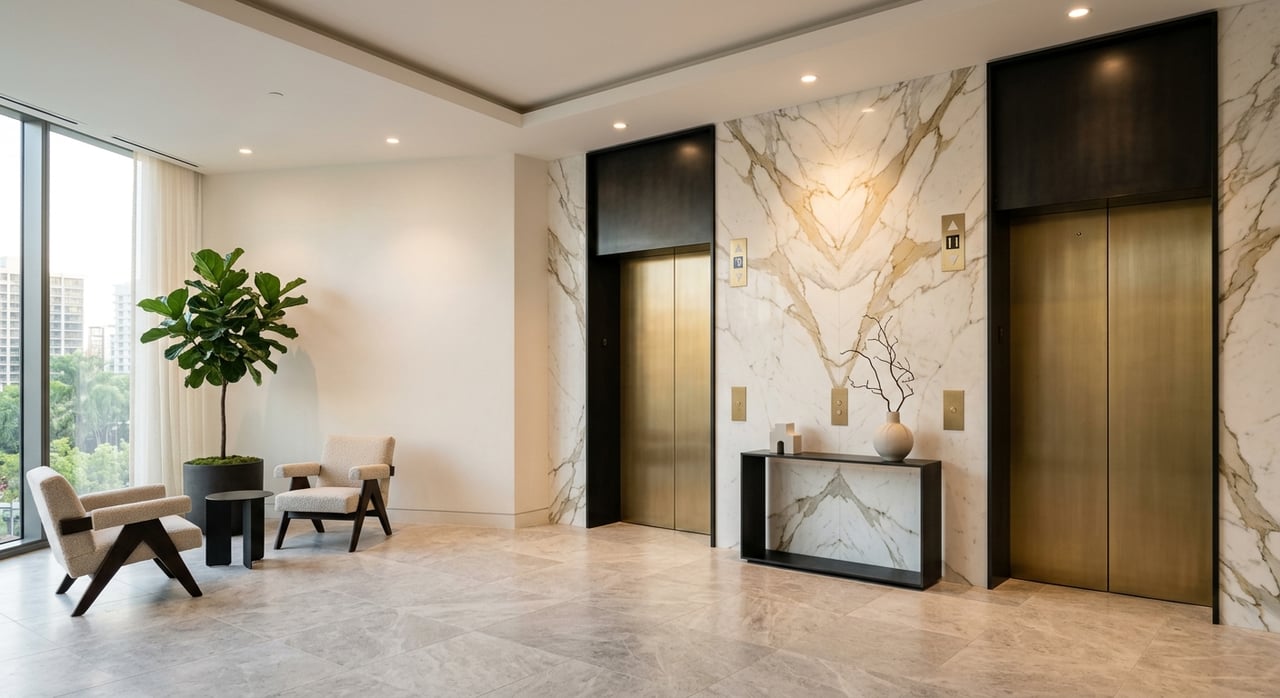
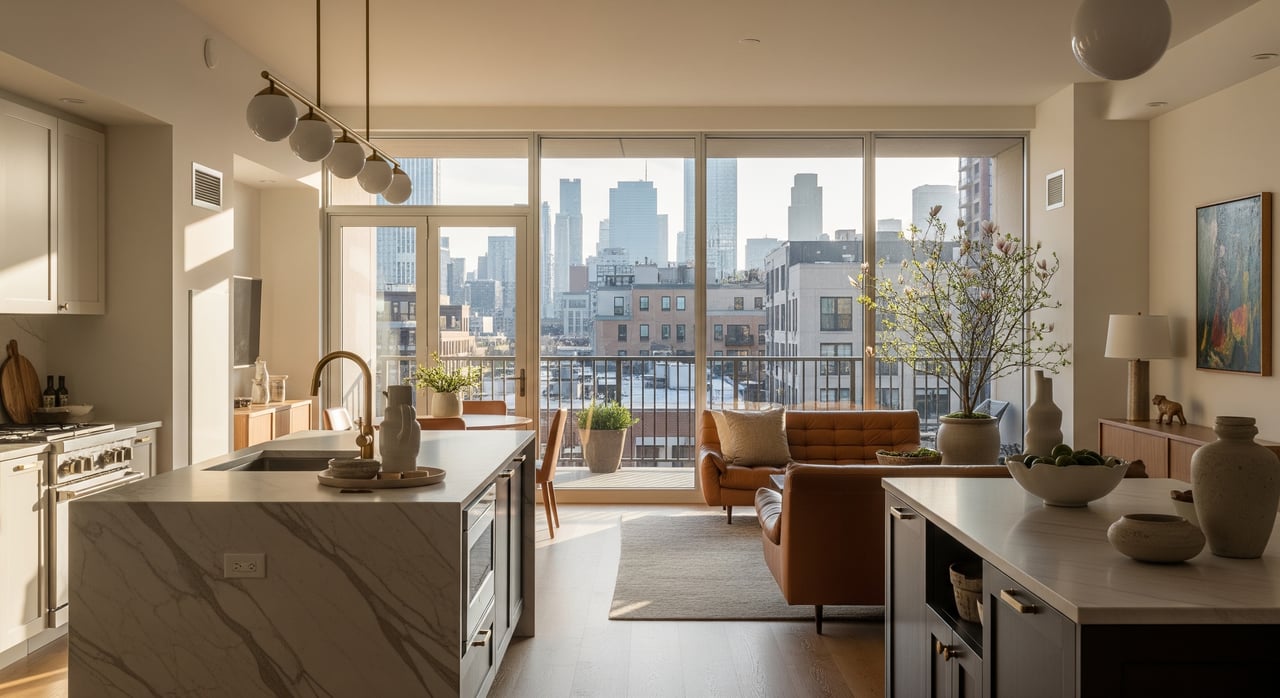
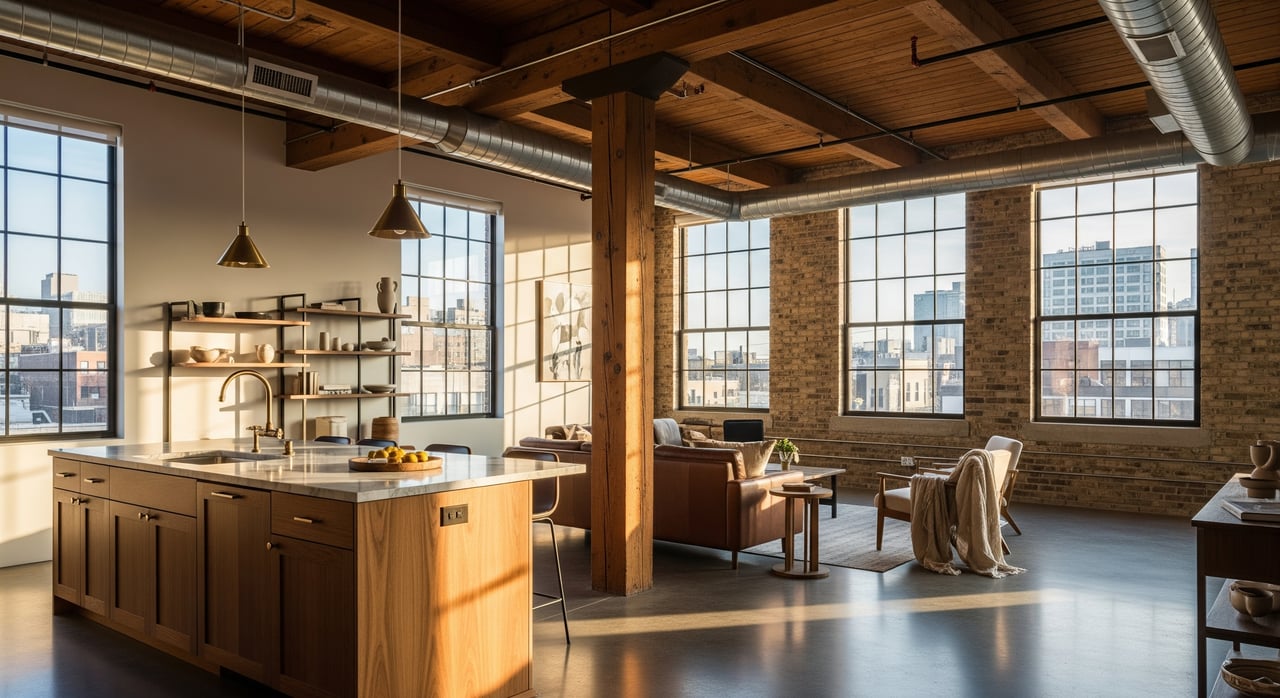
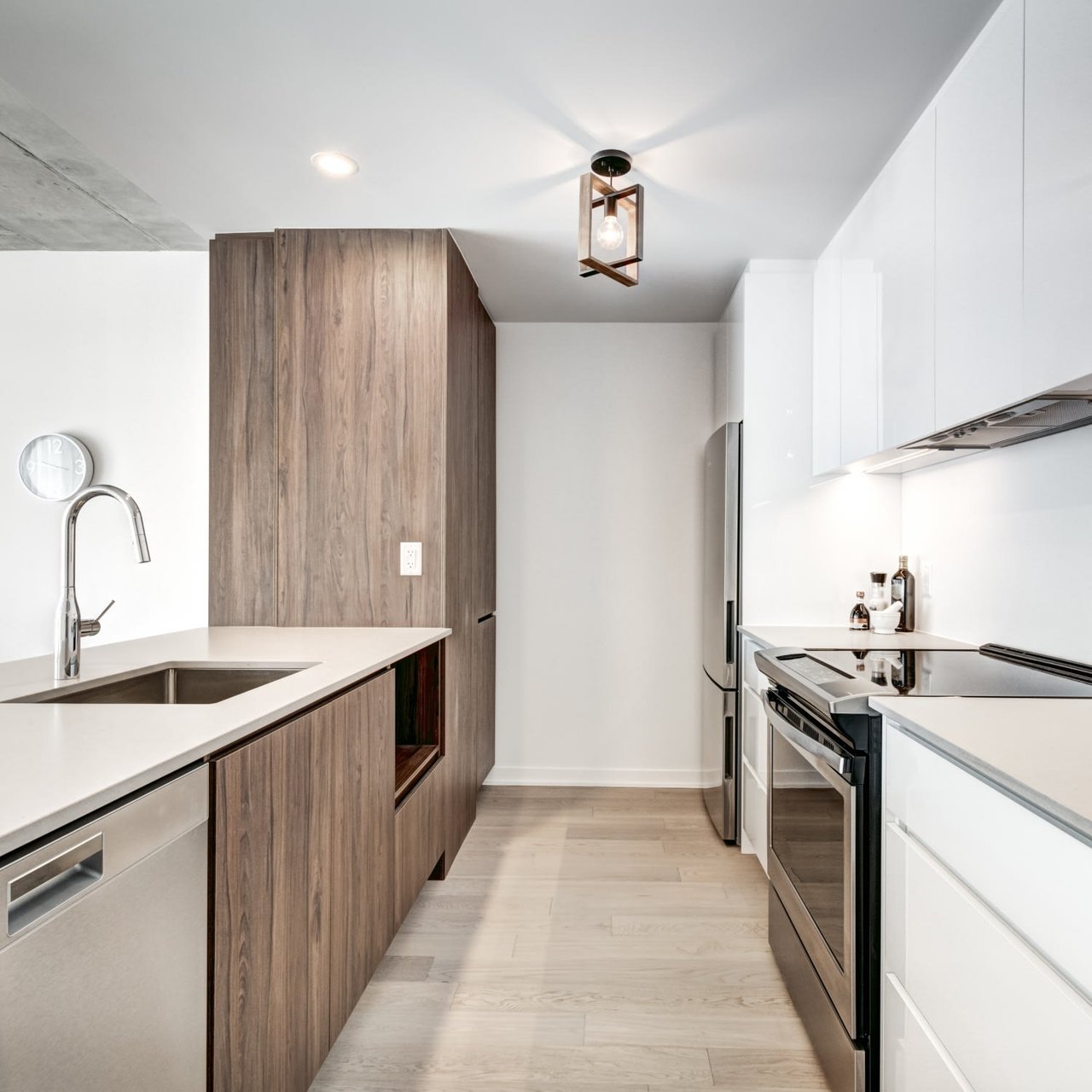
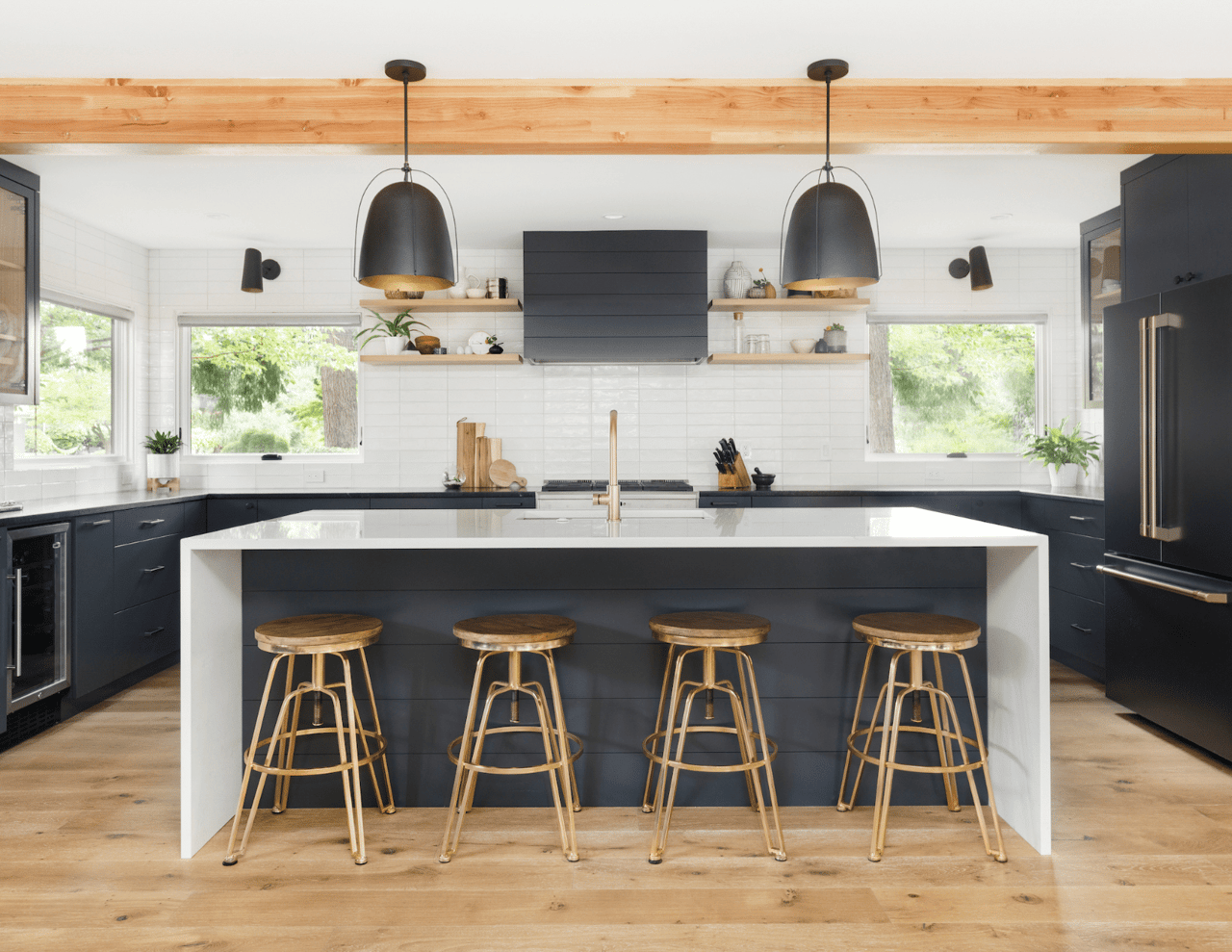
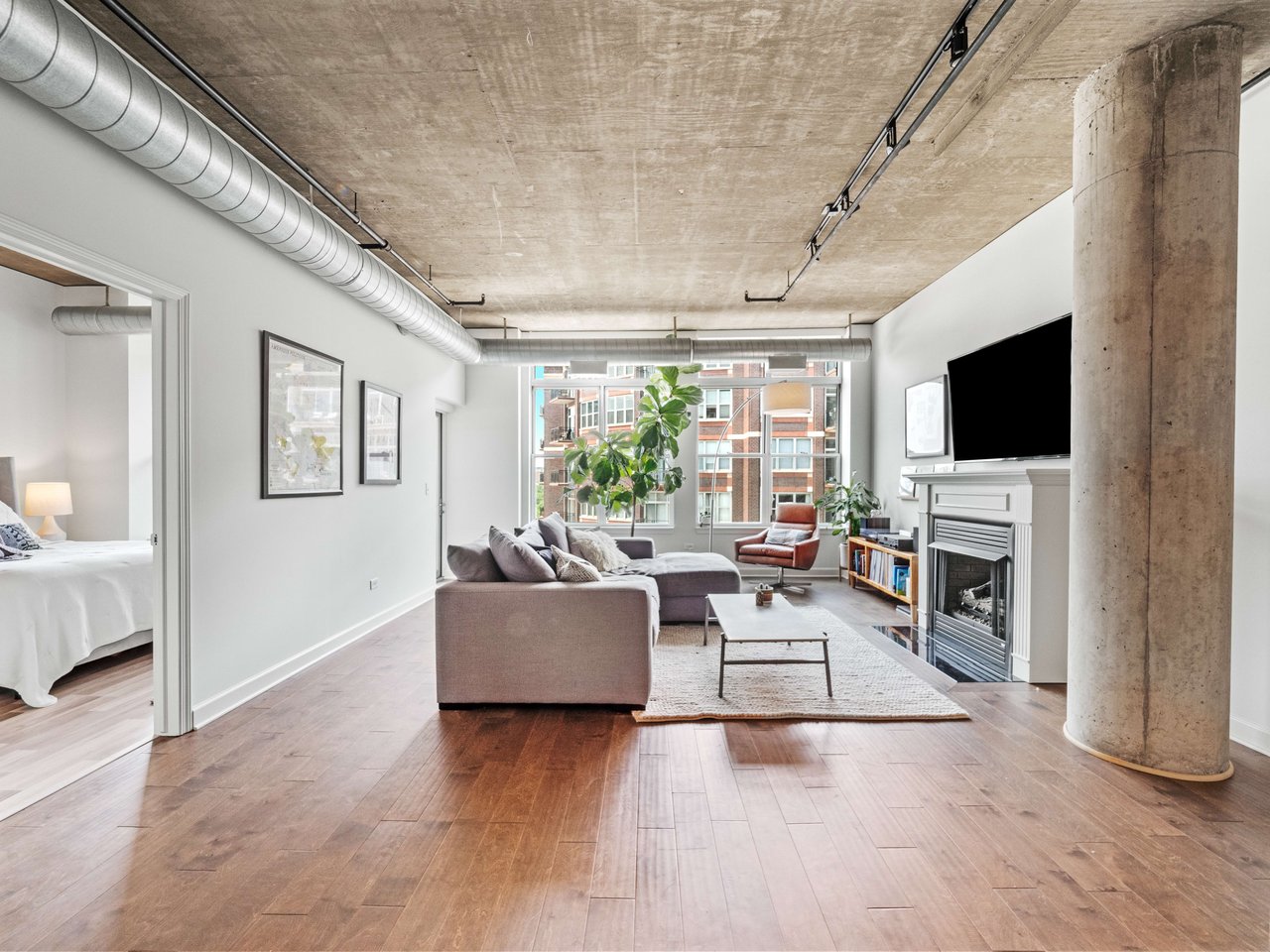
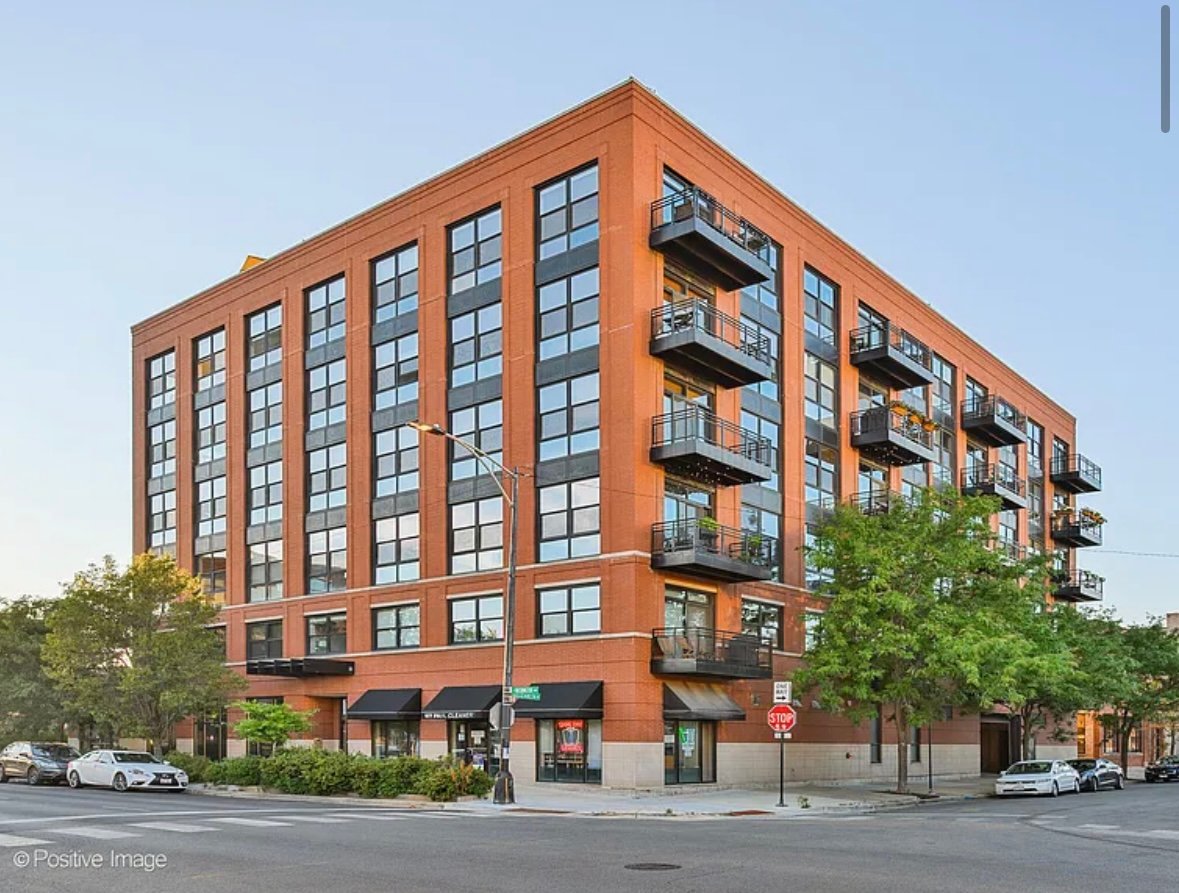
A current local neighborhood guide from @properties describes the area as offering vintage walk-ups, rustic lofts, new-construction three-flats and mid-rises, along with single-family homes ranging from cottages and bungalows to gut-rehabbed greystones and new construction. Another local guide from Choose City Living similarly points to a mix of vintage cottages, condos, new construction, and single-family homes.
From a home search perspective, location within the neighborhood matters. The denser condo and loft pockets tend to be closer to the Milwaukee and Damen corridors, while more residential Bucktown side streets are often where buyers find a stronger concentration of single-family homes and newer builds. That distinction can help you narrow your search based on whether you want to be in the middle of activity or just near it.
How to think about your home search
If you are considering Bucktown or Wicker Park, it helps to define what walkability means to you personally. For one buyer, it may mean being able to grab coffee, groceries, and dinner on foot. For another, it may mean quick Blue Line access and a shorter daily routine with fewer car trips.
A focused home search usually starts with a few practical questions:
- Do you want to live closest to the retail core near Milwaukee, North, and Damen?
- Would you rather be on a quieter residential block with a short walk to the busiest corridors?
- Is CTA access a top priority for your routine?
- Would nearby park or trail access meaningfully shape your daily lifestyle?
- Are you looking for a condo, loft, townhouse, or single-family home?
These are the details that often make the difference between liking a neighborhood in theory and loving how it works for you in real life.
Why buyers stay interested here
Bucktown and Wicker Park continue to stand out because they offer more than one version of city living. You can find blocks with active storefronts and late-night energy, but you can also find stretches that feel more residential and tucked away. That balance is a big part of the appeal.
For buyers who value lifestyle, convenience, and flexibility, the area checks many boxes at once. You have shopping, dining, transit, parks, and trail access layered into the neighborhood fabric, which is exactly what makes walk-to-everything living feel real rather than just marketable.
If you want help comparing blocks, weighing housing options, or finding the right fit within Bucktown and nearby neighborhoods, Stephanie Turner offers a thoughtful, data-informed approach with personalized guidance every step of the way.
FAQs
What makes Bucktown and Wicker Park feel walkable?
- The area combines active business corridors, pedestrian-scaled shopping streets, Blue Line access, bus routes, parks, and The 606, so many daily needs and outings can be done on foot or with transit.
What are the main walkable streets in Bucktown and Wicker Park?
- Milwaukee Avenue and Damen Avenue are key corridors, while North Avenue, Division Street, Ashland Avenue, Armitage Avenue, Western Avenue, and Elston Avenue also contribute to the neighborhood’s day-to-day convenience.
Is Bucktown a good neighborhood for car-light living?
- For many residents, yes. Blue Line stations at Division, Damen, and Western, along with multiple bus routes and access to The 606, support a lifestyle with less daily dependence on a car.
What types of homes can you find in Bucktown and Wicker Park?
- Buyers can find vintage walk-ups, lofts, condos, new-construction three-flats and mid-rises, cottages, bungalows, greystones, and single-family homes, depending on the block and location.
How does The 606 affect daily life in Bucktown?
- The 606 adds a 2.7-mile trail connection for walking, biking, and recreation, and it links residents to multiple parks and access points, including one near the Milwaukee, North, and Damen hub.
Are there quieter residential blocks near Bucktown shopping and dining?
- Yes. One of the area’s main strengths is the contrast between busy mixed-use corridors and quieter side streets located only a few blocks away.