You do not have to choose between lakefront access, real neighborhood character, and a price point that still feels within reach. In Chicago, that mix is harder to find than many buyers expect, especially on the North Side. If Uptown has not been on your short list, this neighborhood may deserve a second look. Let’s dive in.
Uptown offers a rare lakefront value
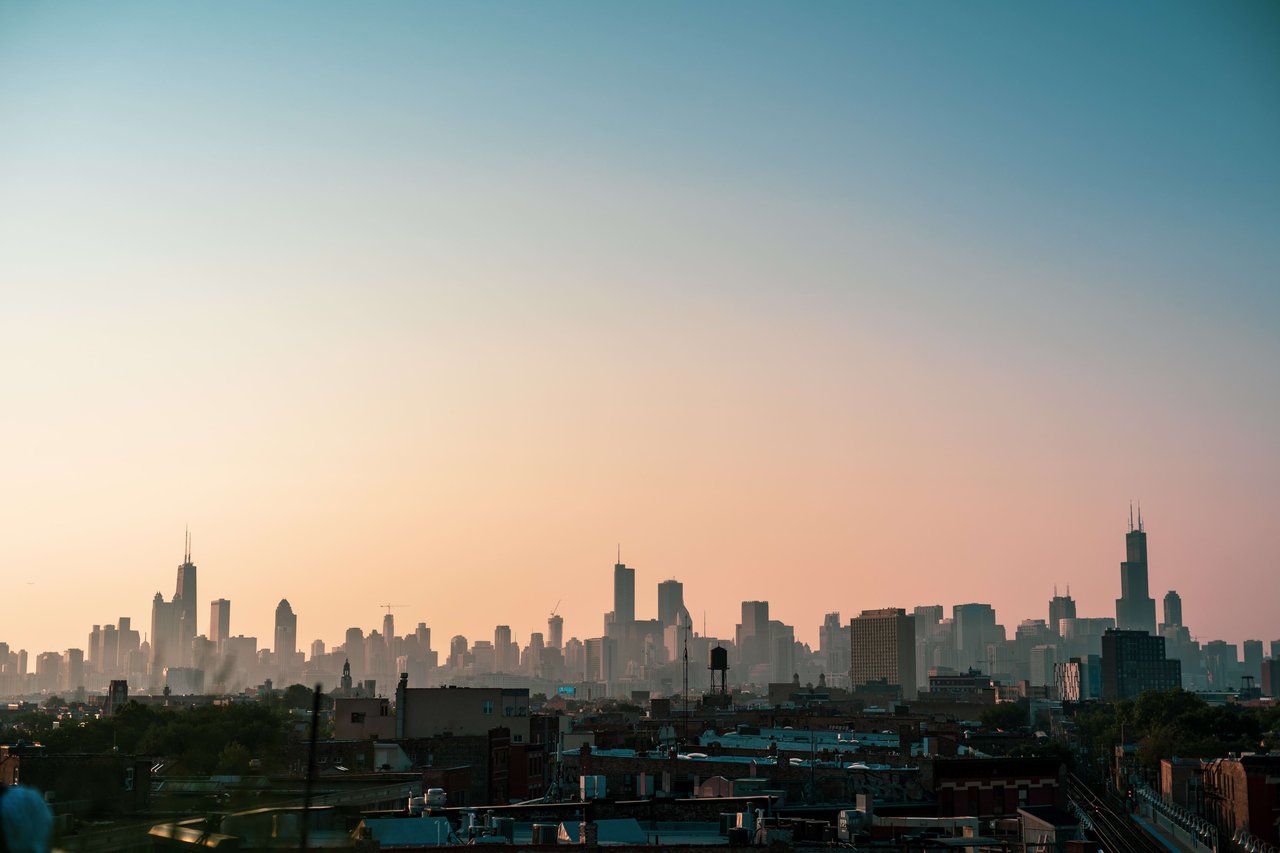
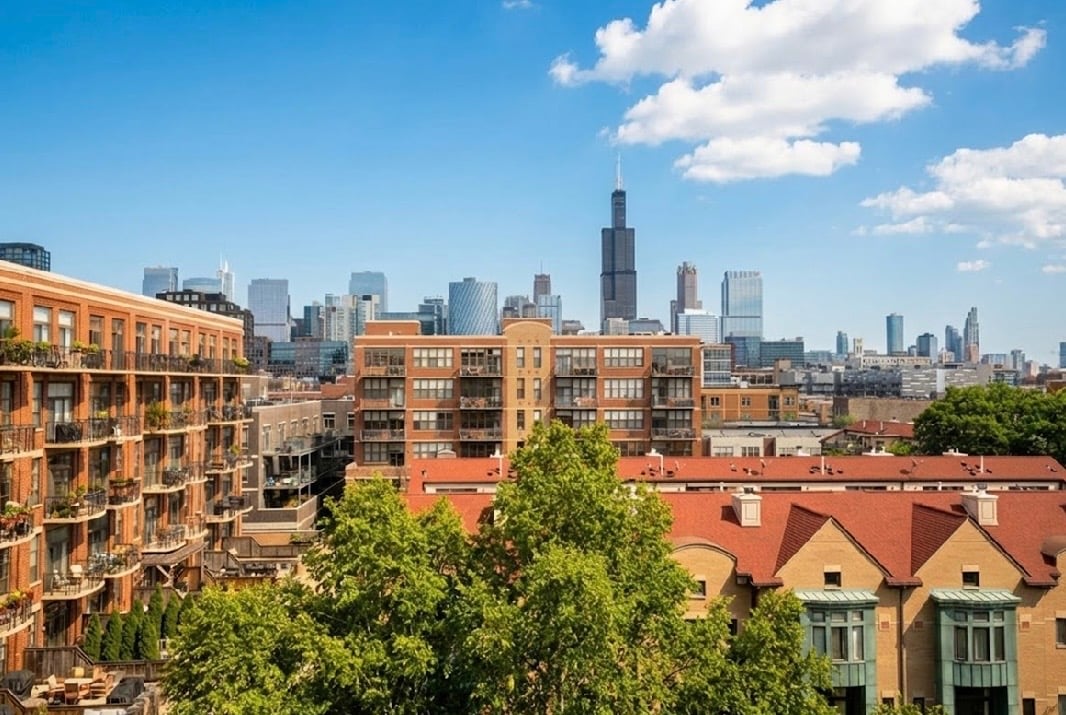
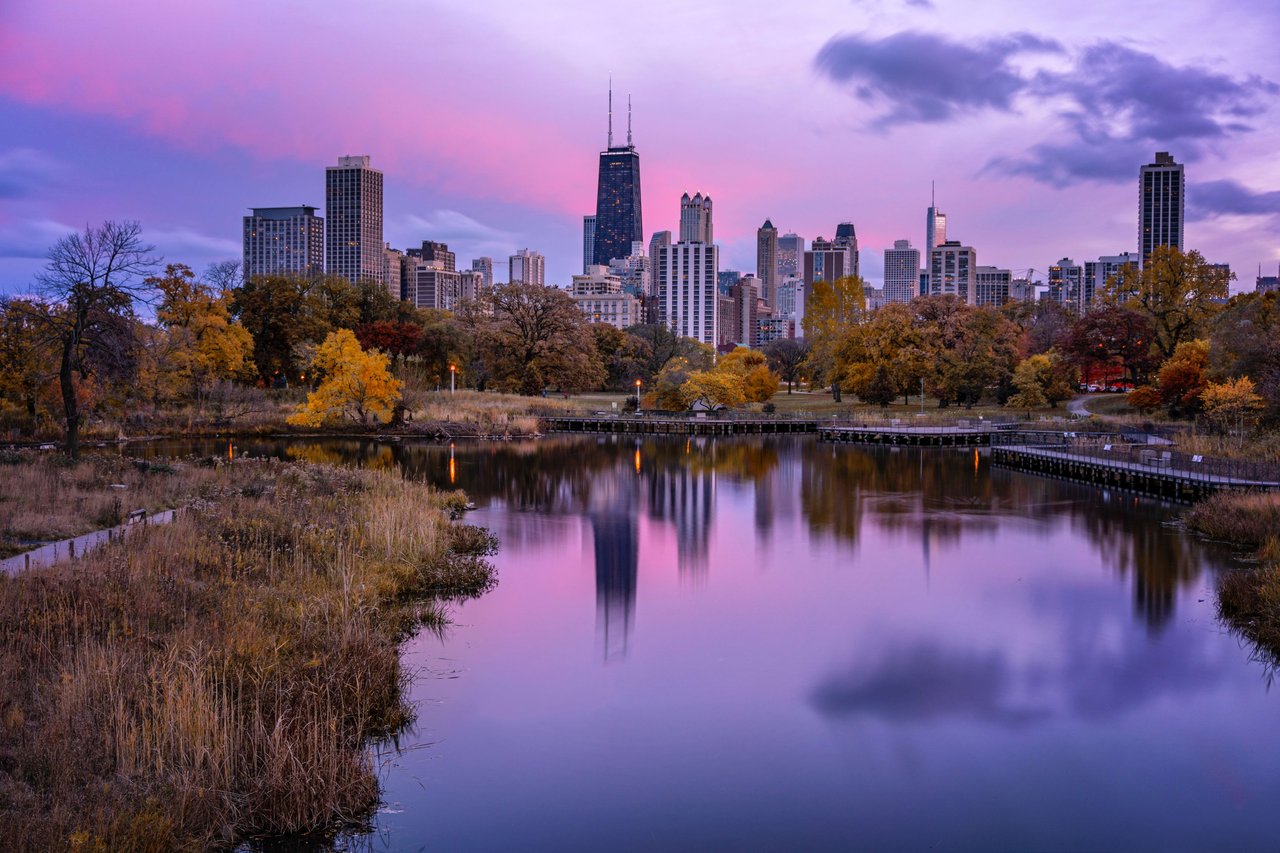
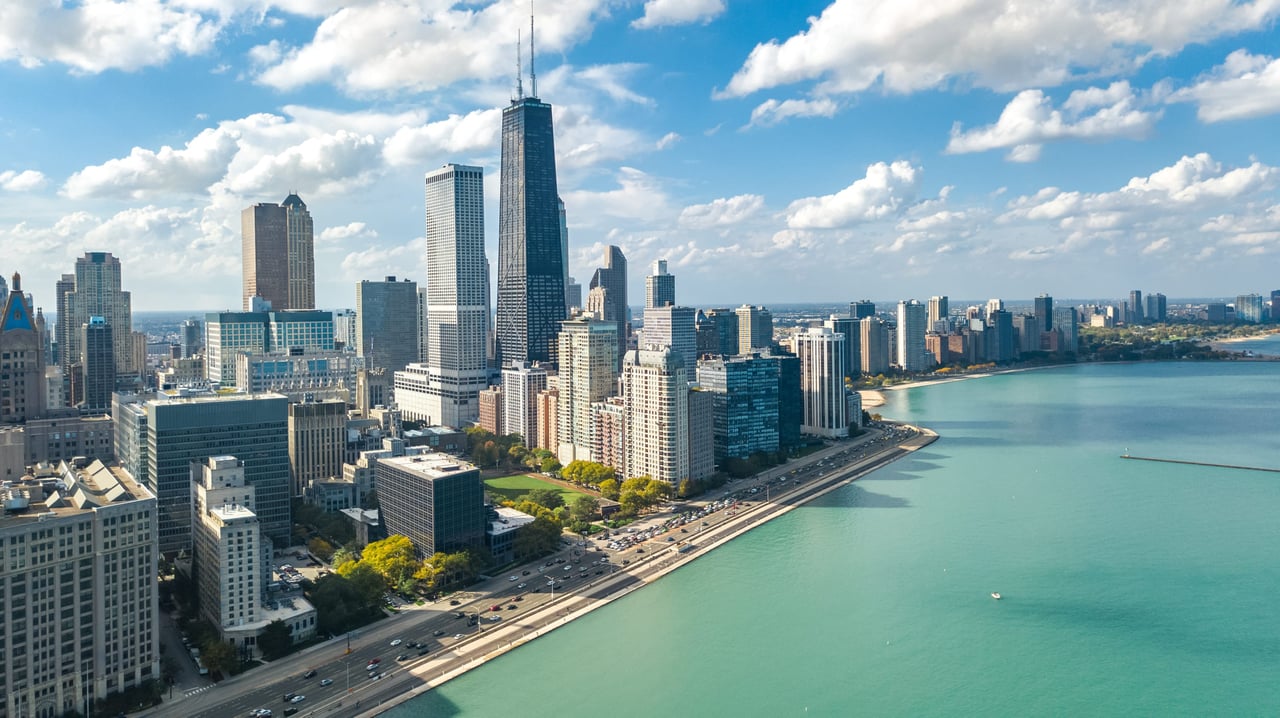
Uptown sits along Lake Michigan about six miles north of downtown, with boundaries generally described as Irving Park Road to Foster Avenue, the lake to the east, and Ravenswood Avenue to the west. It is home to nearly 60,000 residents and includes distinct pockets such as Asia on Argyle, Buena Park, Sheridan Park, the lakefront, and Uptown Square. That range gives the neighborhood a layered feel that stands out from more one-note lakefront areas.
What makes Uptown easy to overlook is also what makes it compelling. It does not always get the same attention as Lake View or Lincoln Park, yet it shares many of the same North Side advantages, including transit access, lakefront amenities, and classic Chicago housing stock. If you want location and lifestyle without the highest nearby price tags, Uptown deserves a serious look.
Lakefront living feels practical here
In some neighborhoods, the lake is more of a backdrop than part of daily life. In Uptown, Montrose Beach and Montrose Point Bird Sanctuary make the lakefront feel usable, active, and close at hand. That matters if you want more than a pretty view.
According to the Chicago Park District, Montrose Beach offers food concessions, kayak and volleyball rentals, showers, restrooms, a non-motorized boat launch, and an ADA-accessible beach walk. There is also a dog-friendly beach at the north end. These features support the kind of day-to-day use that many buyers picture when they say they want to live near the water.
Montrose Point Bird Sanctuary adds another layer to Uptown’s lakefront identity. The sanctuary has recorded more than 300 bird species and includes the well-known Magic Hedge, a 150-yard area that attracts migratory birds. Natural areas are open from dawn to dusk, and an accessible loop trail was added in 2021.
Uptown has real cultural depth
A neighborhood feels different when it has history you can still see and use. Uptown’s entertainment legacy remains one of its biggest strengths, especially along the Broadway and Lawrence corridor. The Uptown Chamber of Commerce describes that corridor as a regional entertainment center drawing more than 240,000 annual attendees.
Major venues include the Aragon Ballroom, Riviera Theatre, Uptown Underground, and Uptown Lounge. The Aragon Ballroom opened in 1926 and has served many roles over the years, from dance hall to roller rink to concert venue. The Uptown Theatre, which opened in 1925, still stands as a landmark with both National Register and Chicago Landmark recognition.
Then there is the Green Mill, one of Chicago’s oldest continuously operating bars, which has been open since the early 20th century. Together, these venues give Uptown a concentration of performance history and architecture that is hard to replicate. For buyers who care about a neighborhood’s identity, that matters just as much as proximity to the lake.
Argyle adds everyday energy
Uptown’s appeal is not only about big venues and historic buildings. It also shows up in everyday routines, especially around Argyle. This corridor evolved over time, from a Jewish community to a district shaped by Chinese entrepreneurs in the 1970s and Vietnamese and Cambodian refugees after 1975.
Today, Asia on Argyle is one of the neighborhood’s most recognizable draws. Choose Chicago highlights the area for its Southeast Asian food scene, and the mix of options contributes to Uptown’s strong everyday appeal. The area is known for a wide range of dining, including sushi, dim sum, banh mi, pho, Ethiopian cuisine, and longtime local destinations.
The Argyle Night Market adds to that energy. The event began in 2013 and features food from local Argyle restaurants along with live cultural and musical performances on summer Thursday evenings. The Uptown Chamber says the market draws more than 40,000 annual attendees.
Transit helps Uptown stay connected
Lakefront neighborhoods can feel isolated if getting around is difficult. Uptown avoids that problem. Choose Chicago notes service from the Brown, Red, and Purple lines, plus Metra access.
That connectivity supports many kinds of buyers, from commuters to hybrid workers to people who simply want easier access to other parts of the city. It also reinforces Uptown’s value proposition. You get a lakefront setting that still feels linked to the rest of Chicago.
Housing stock reflects classic Chicago
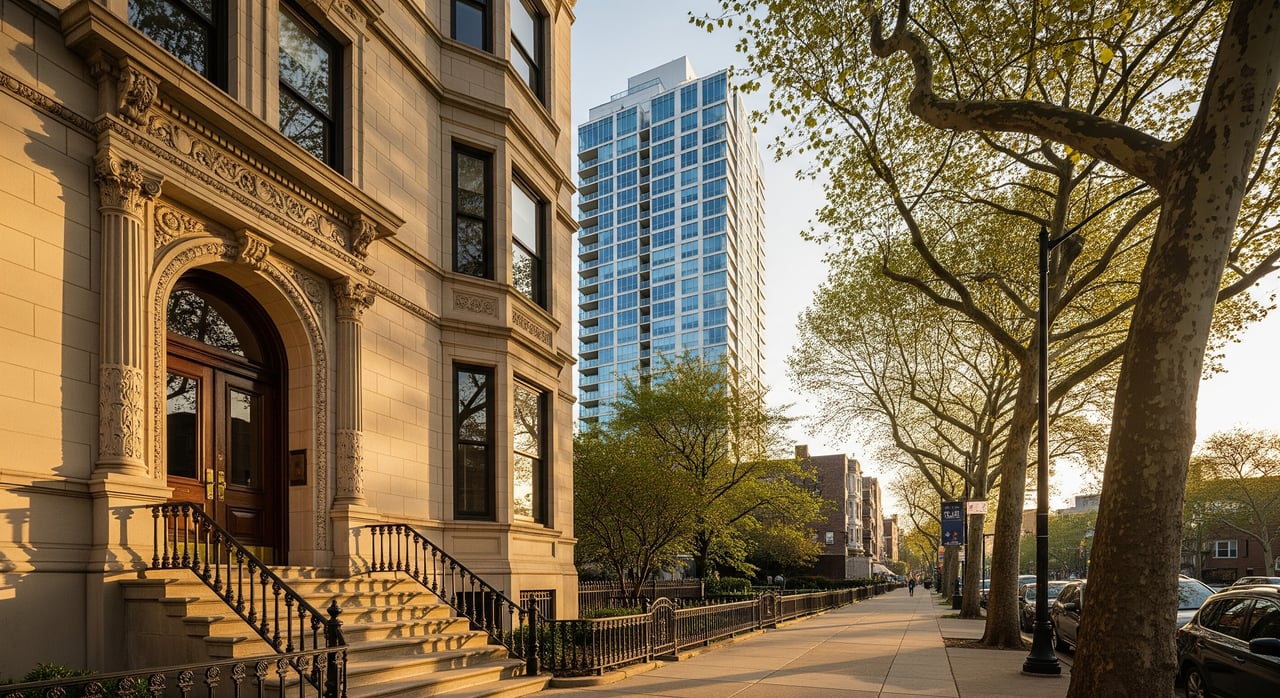
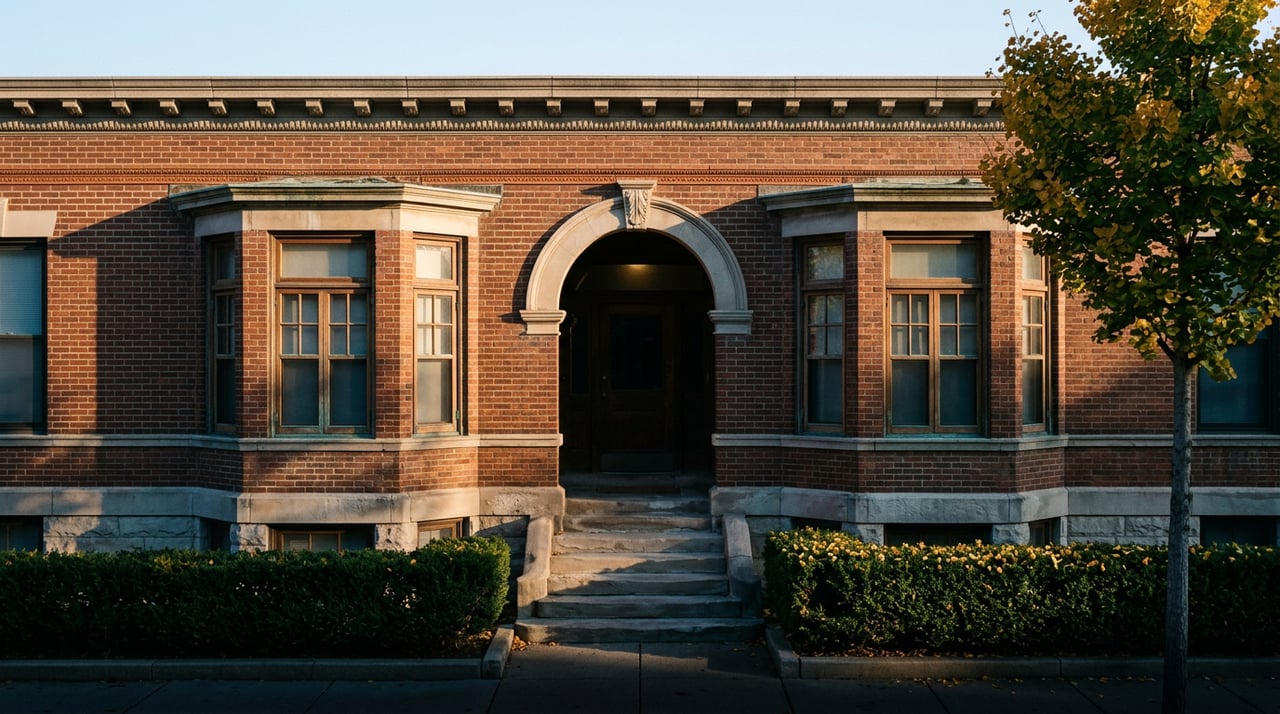
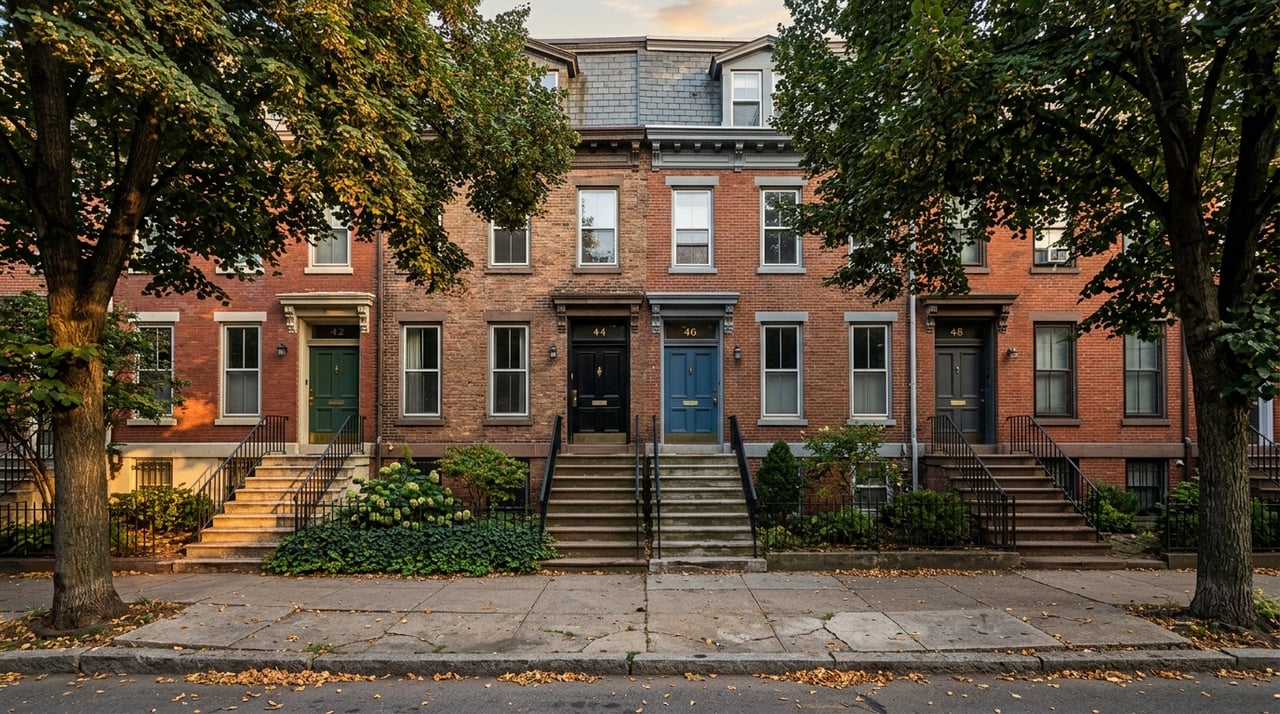
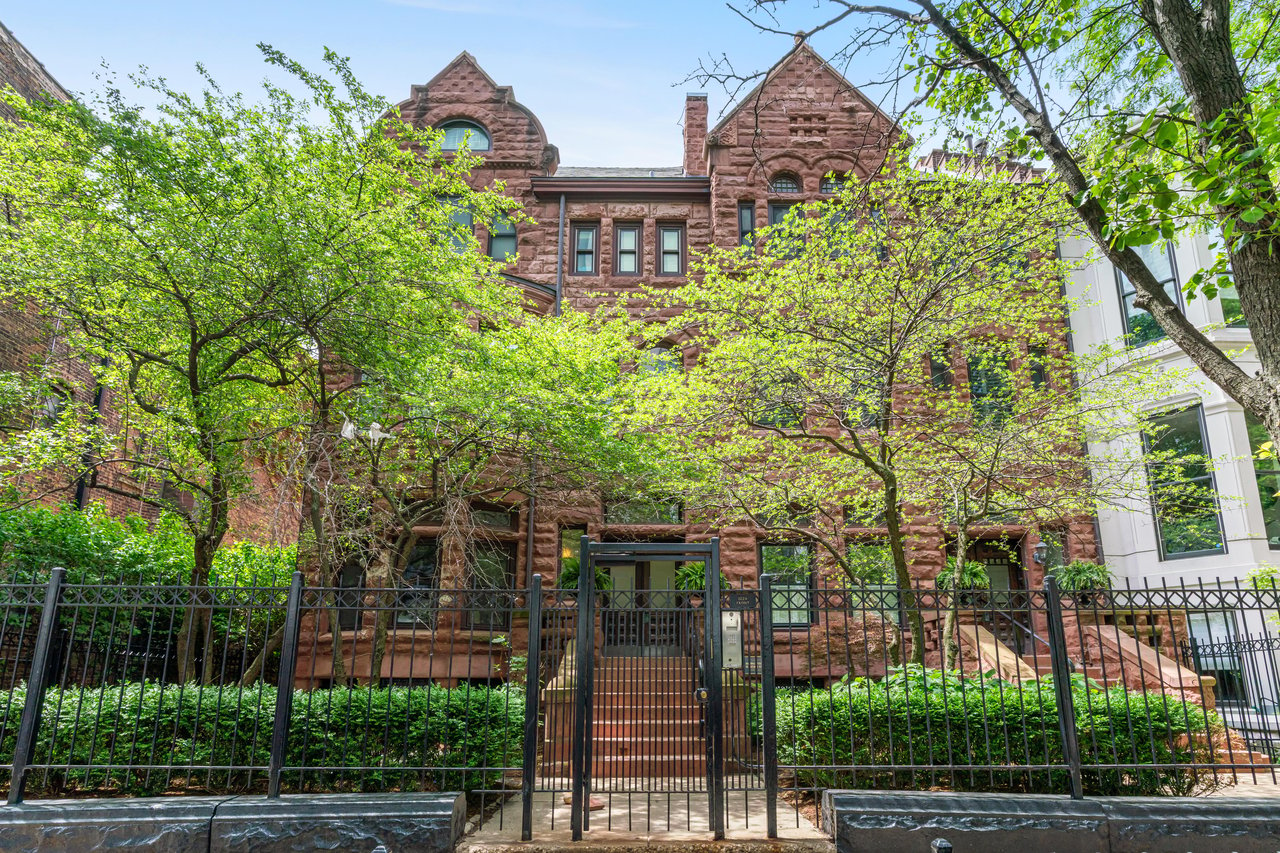
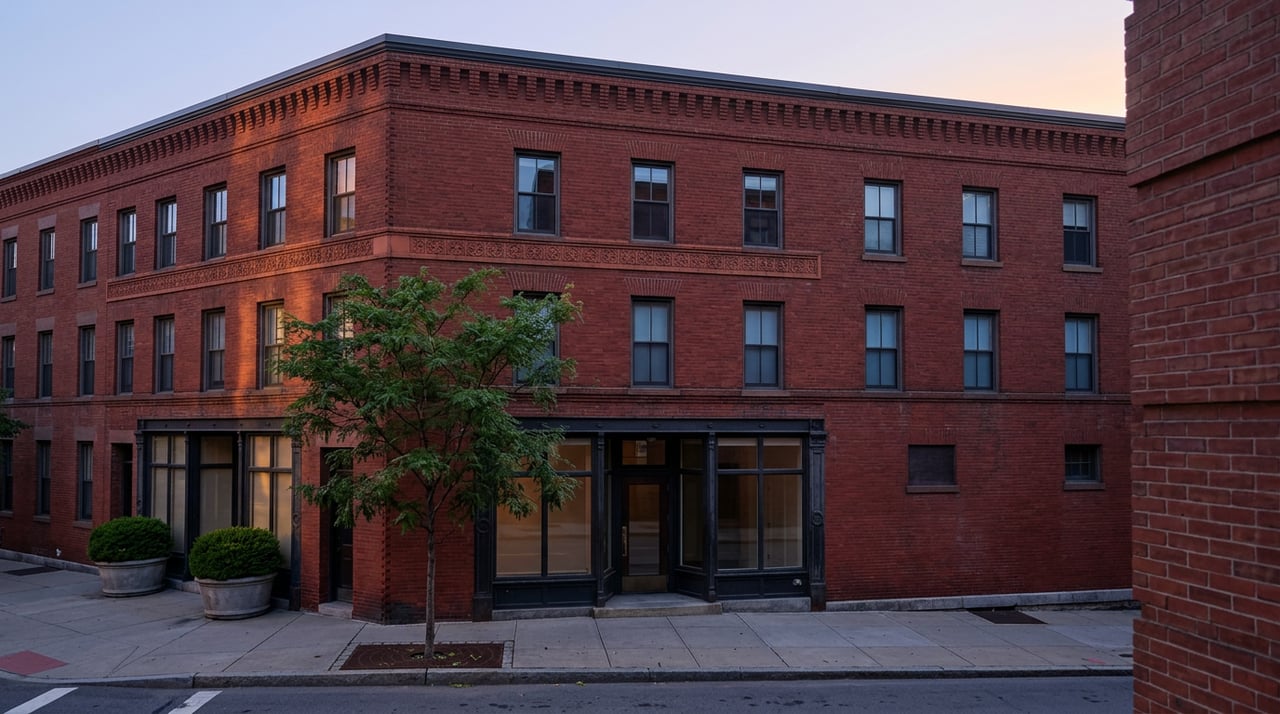
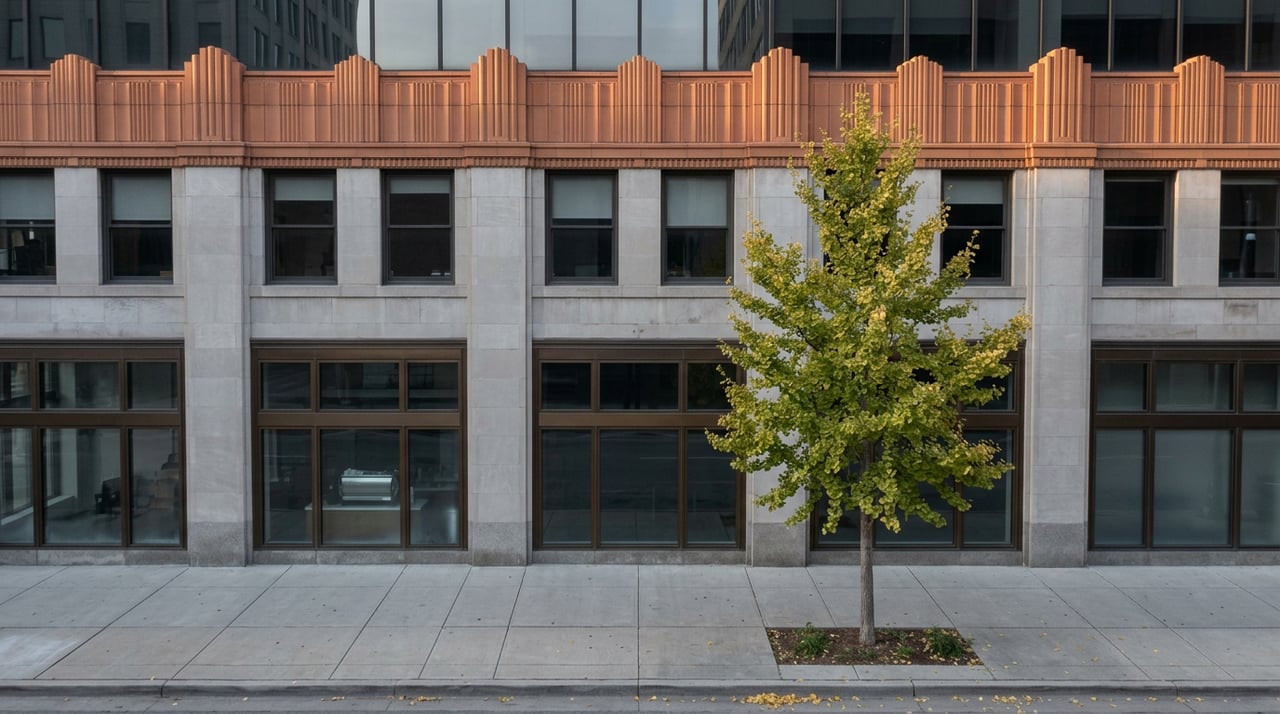
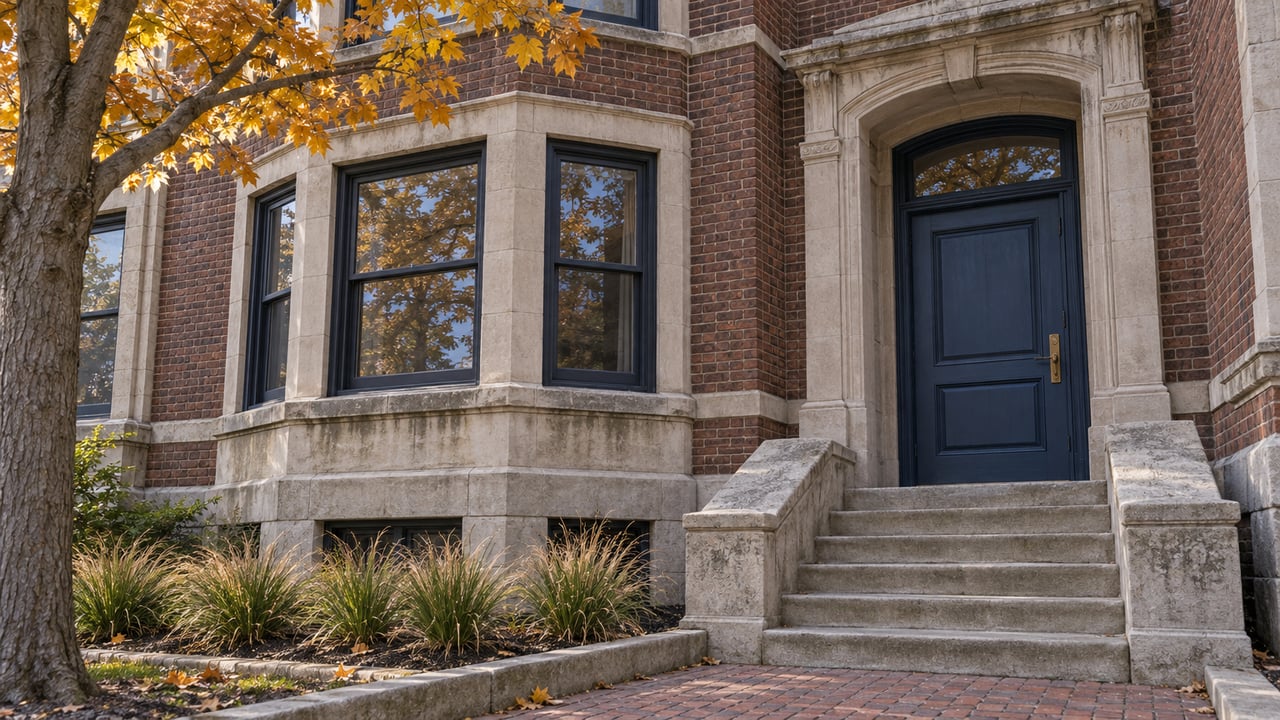
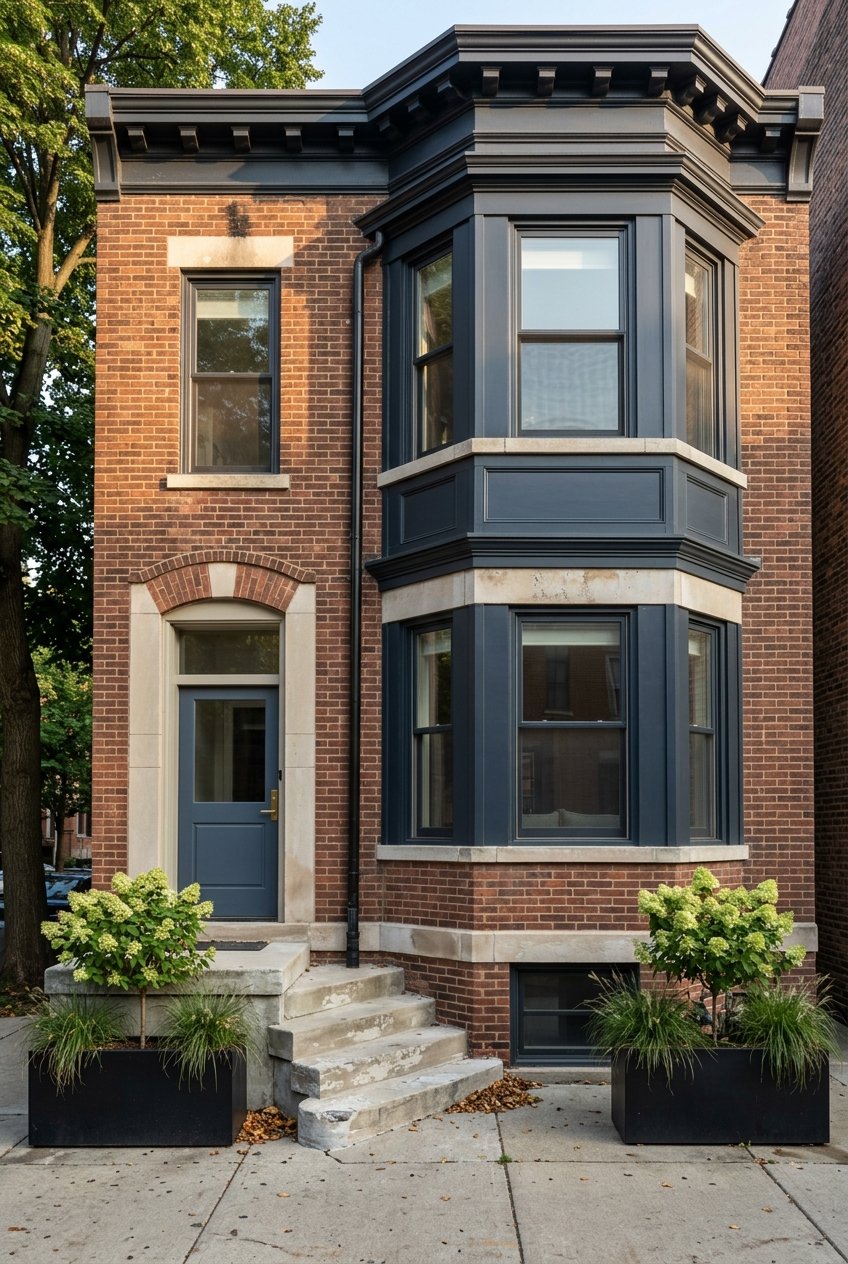
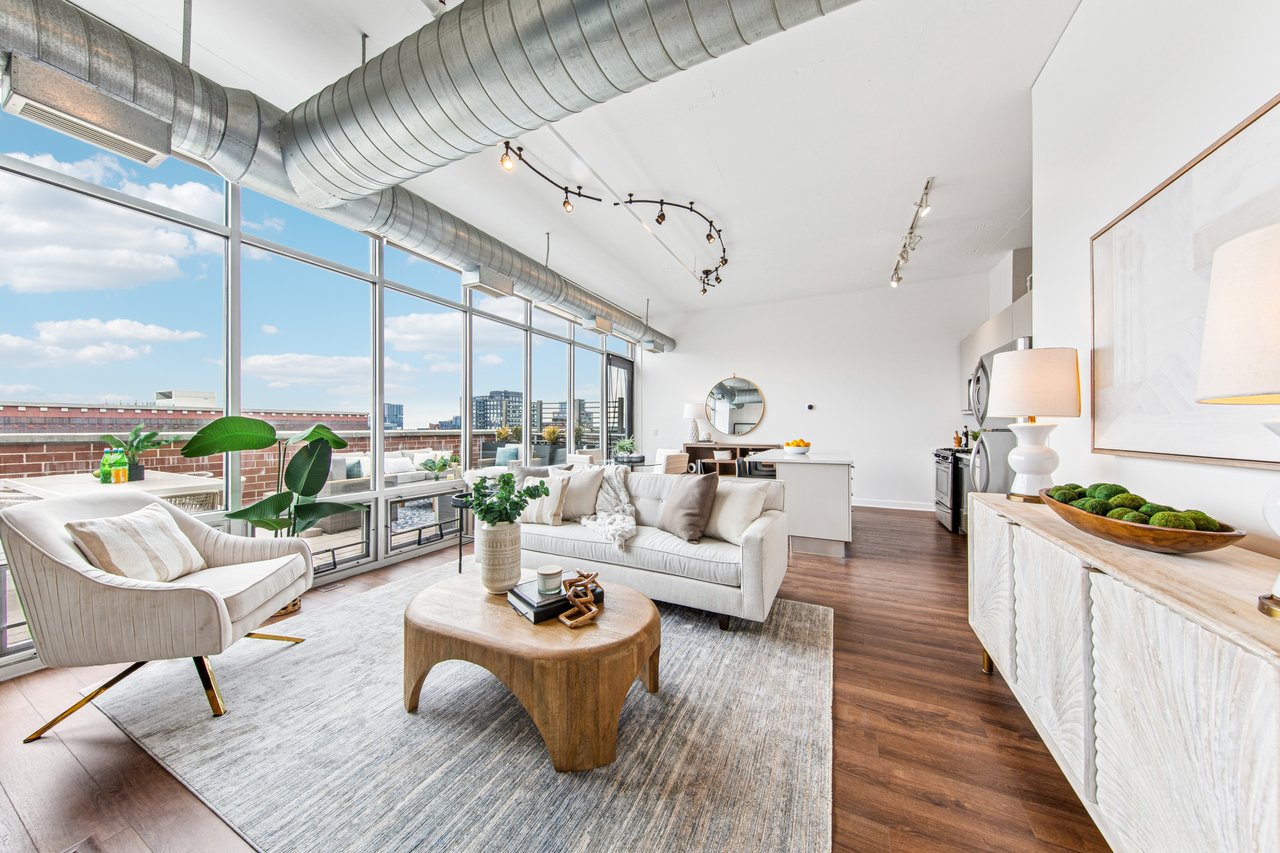
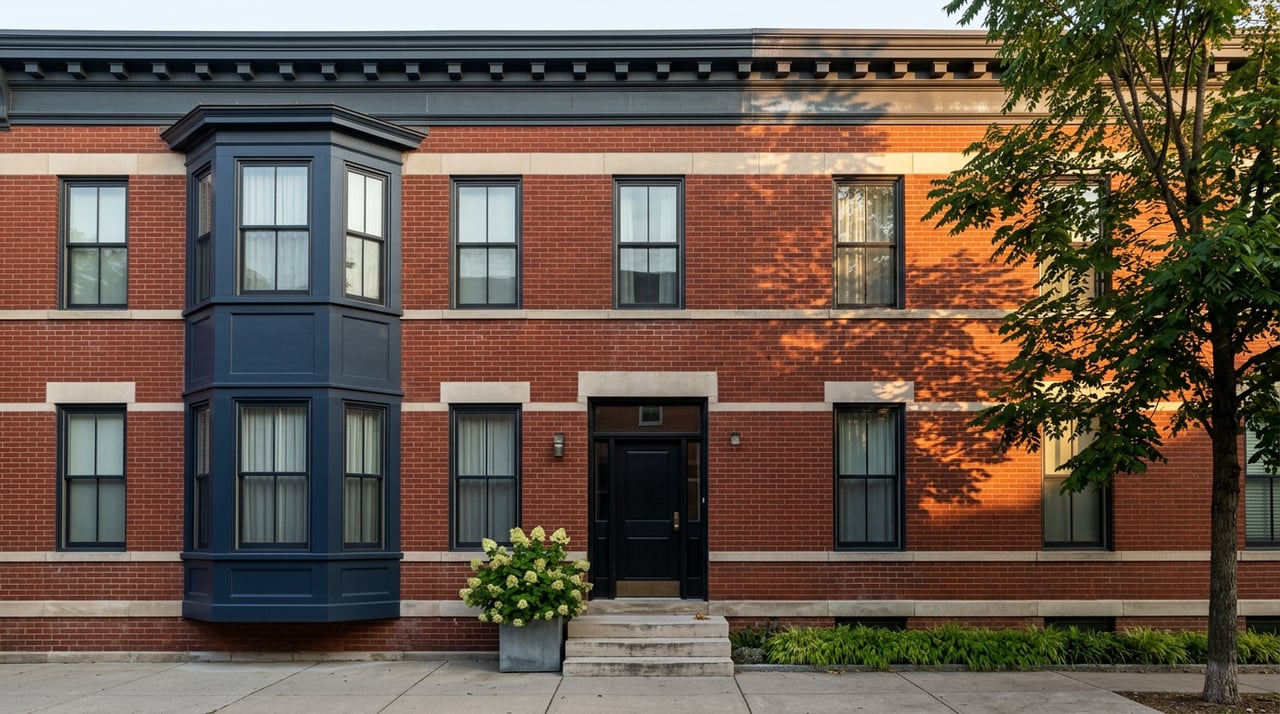
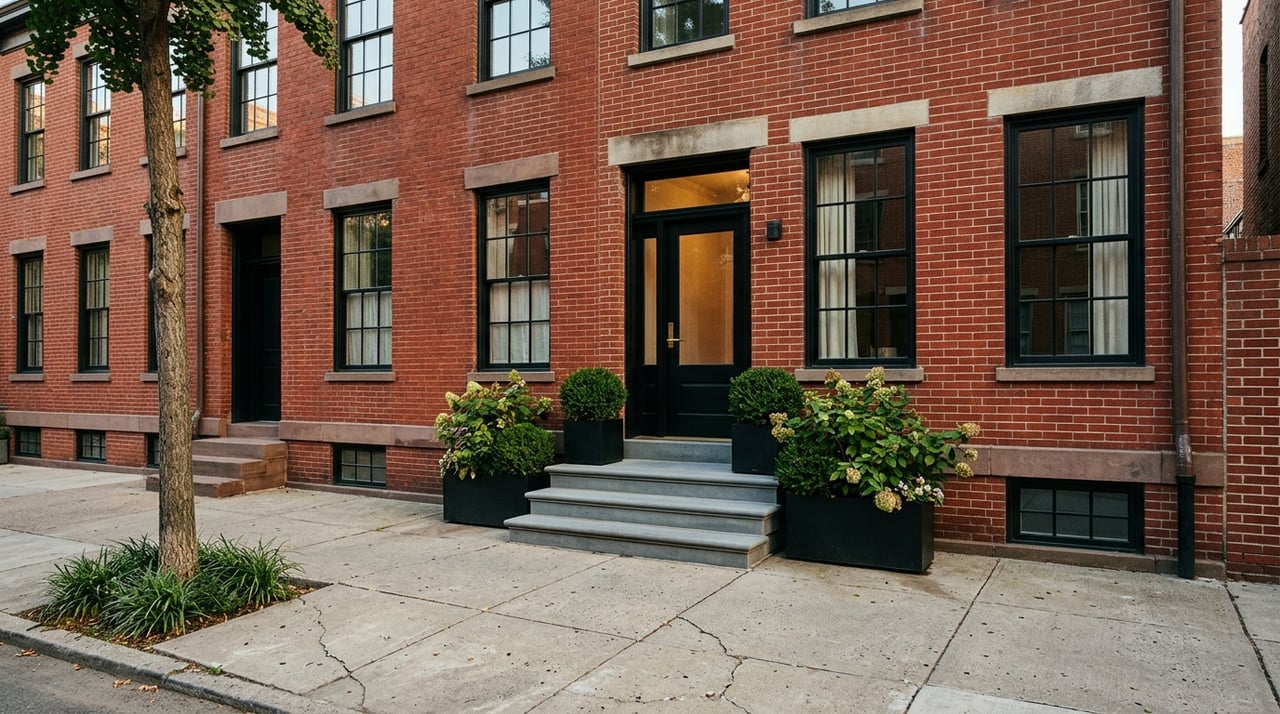
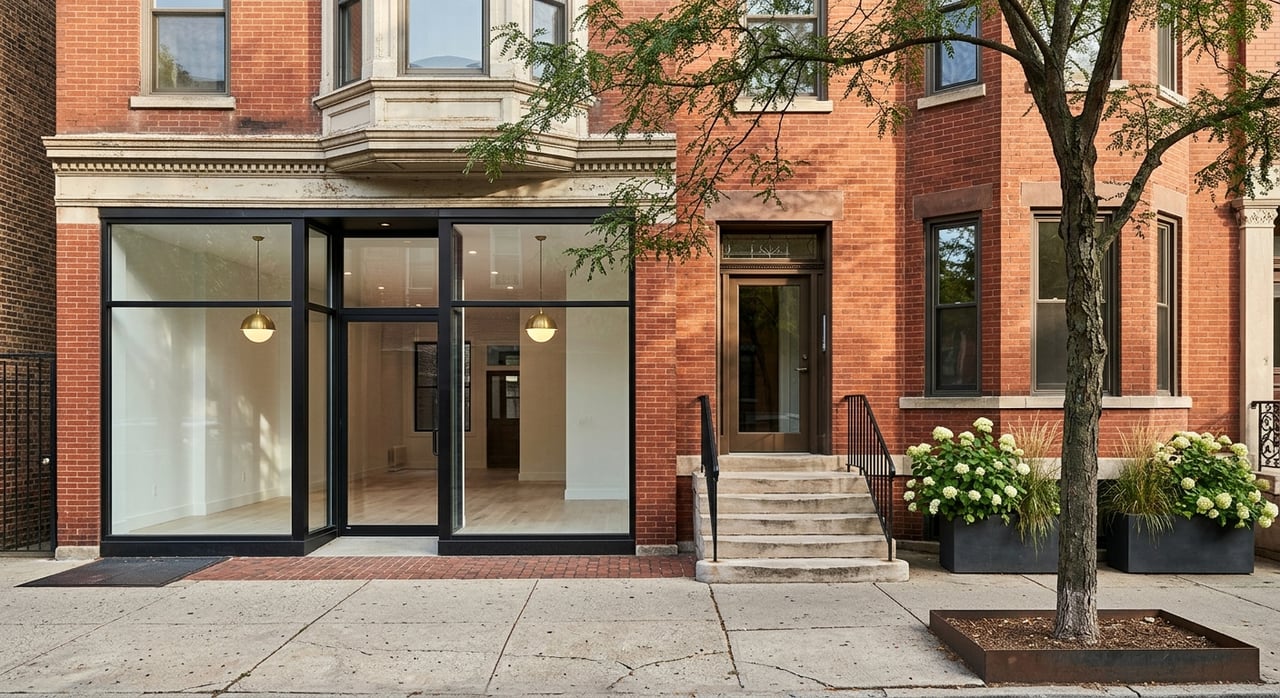
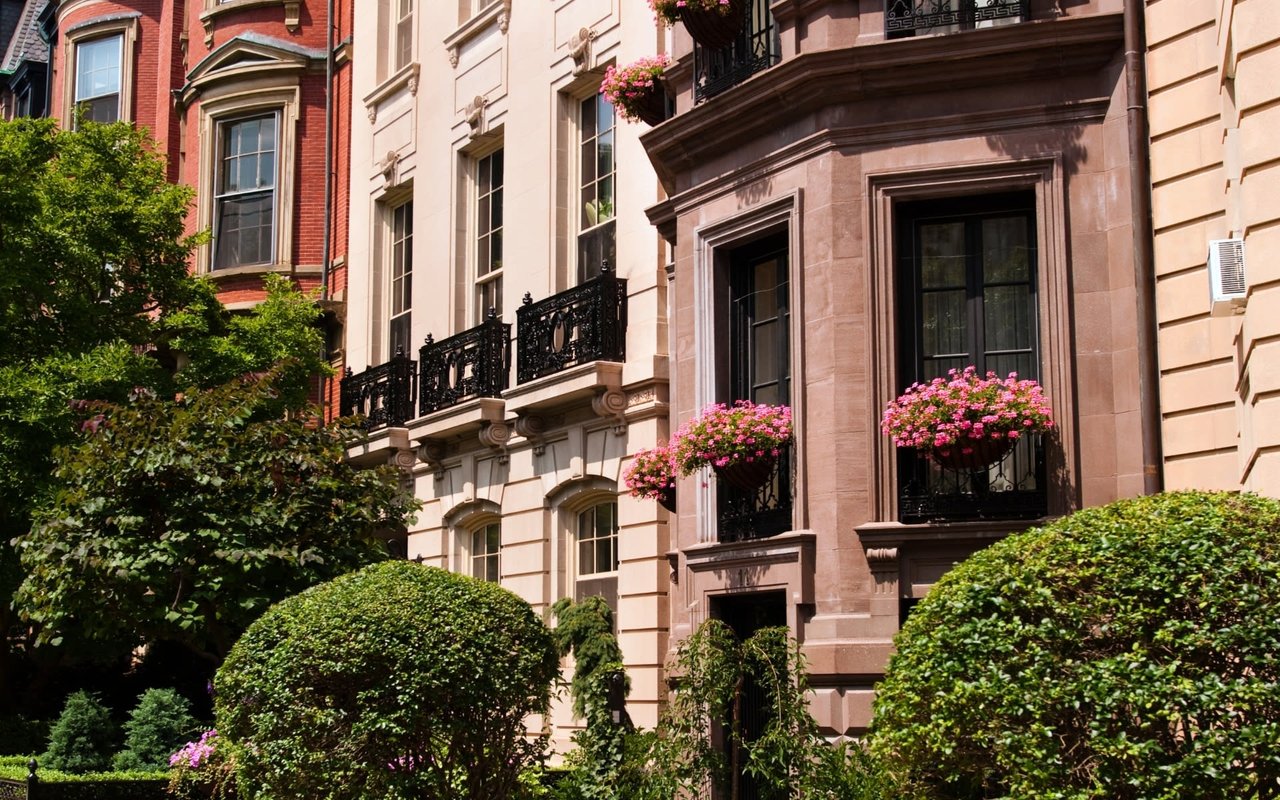
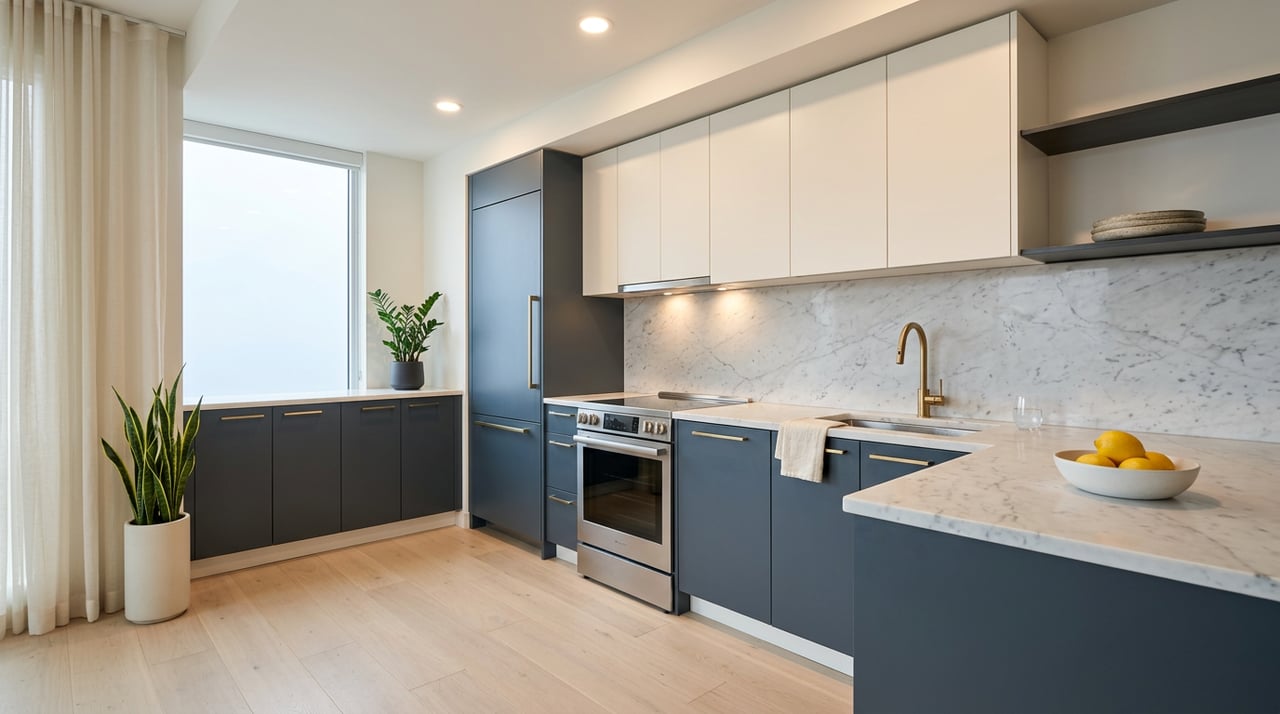
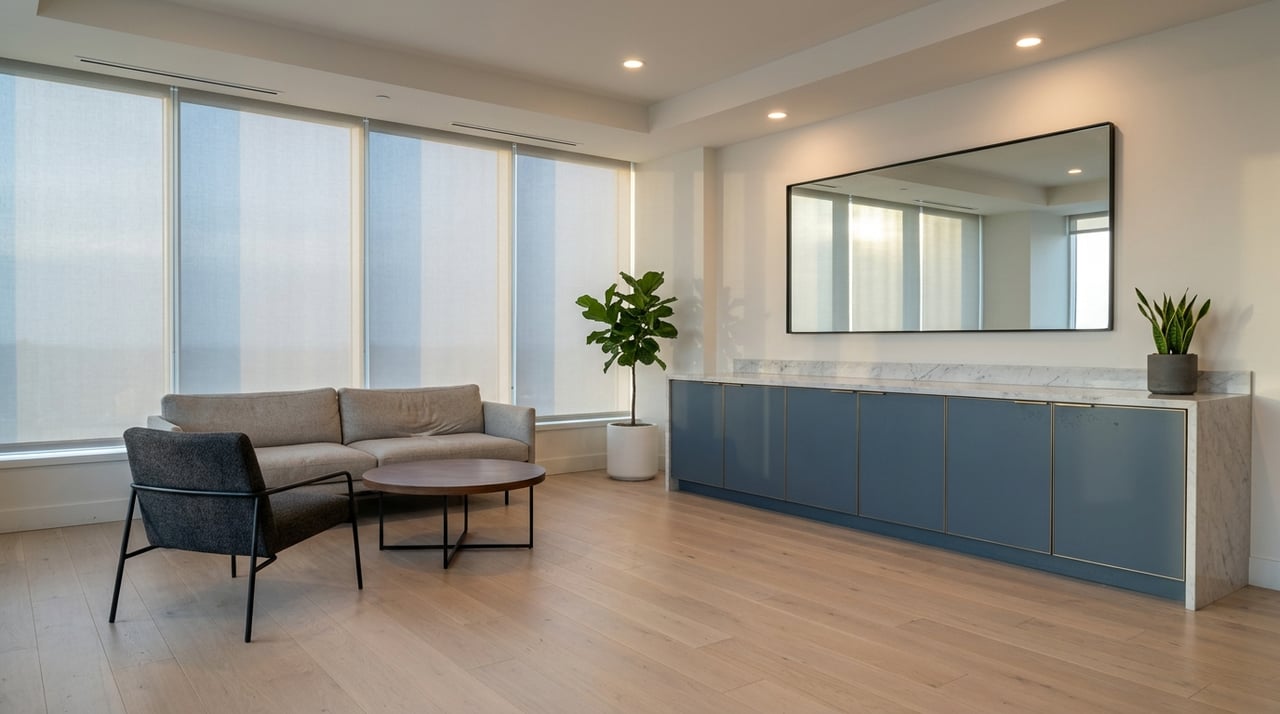
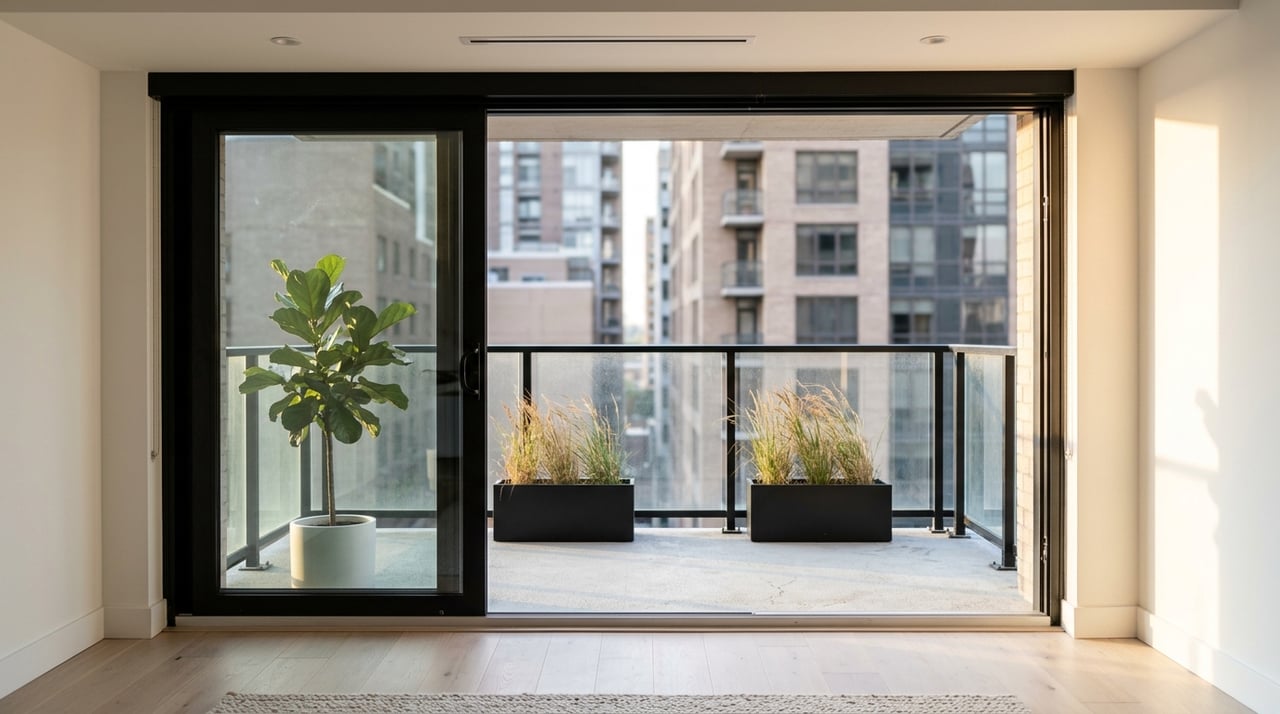
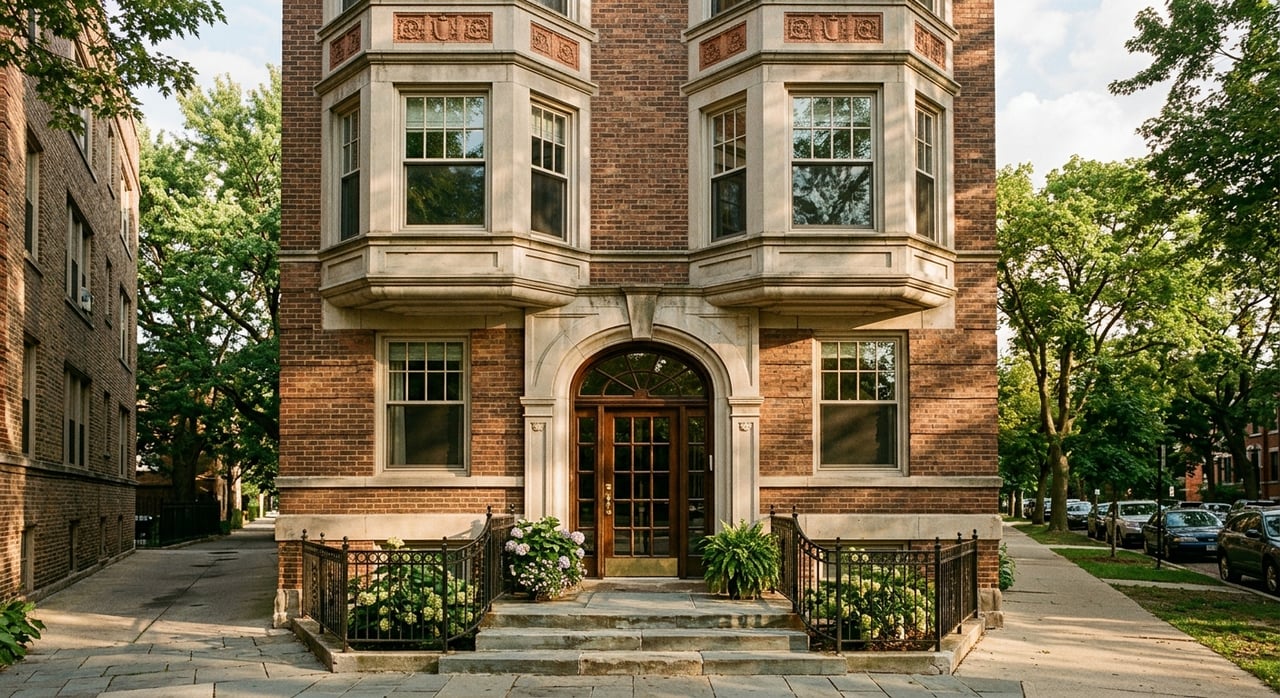
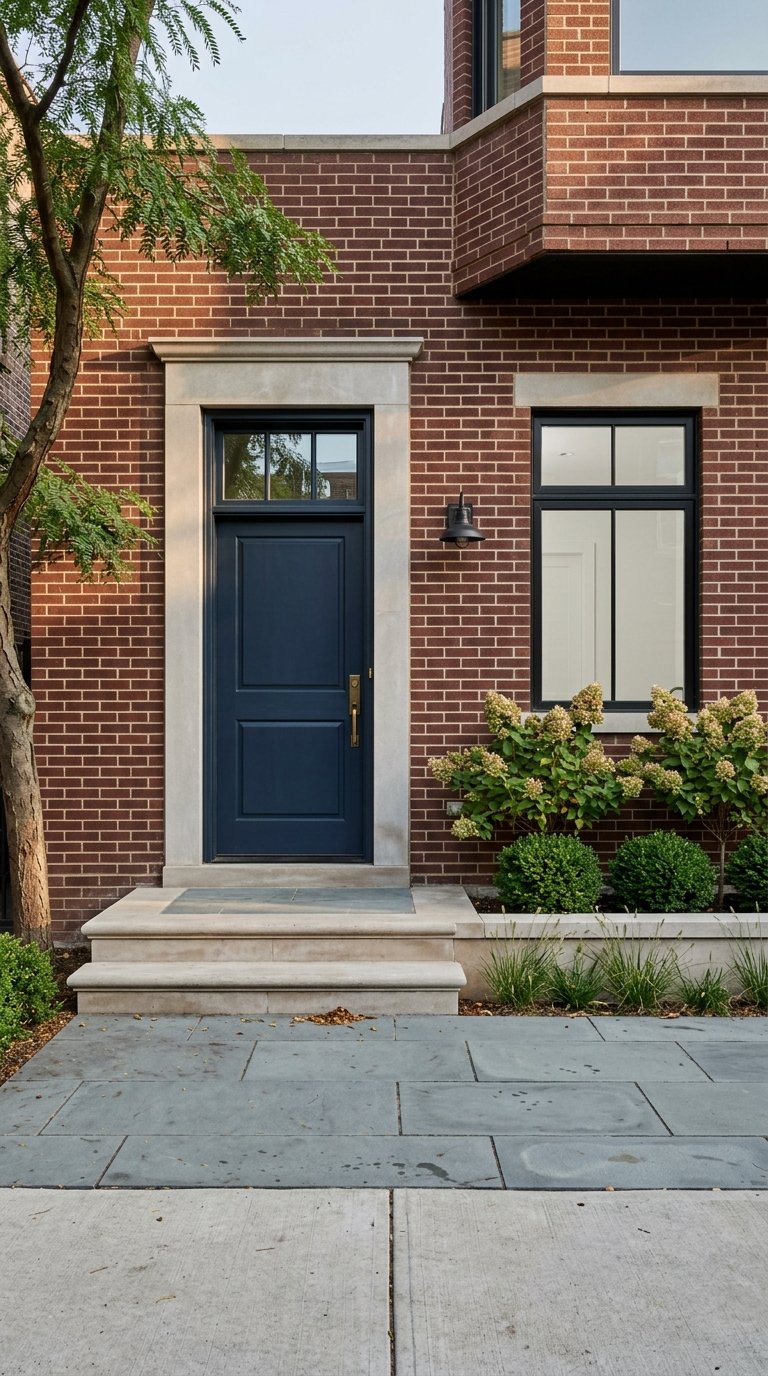
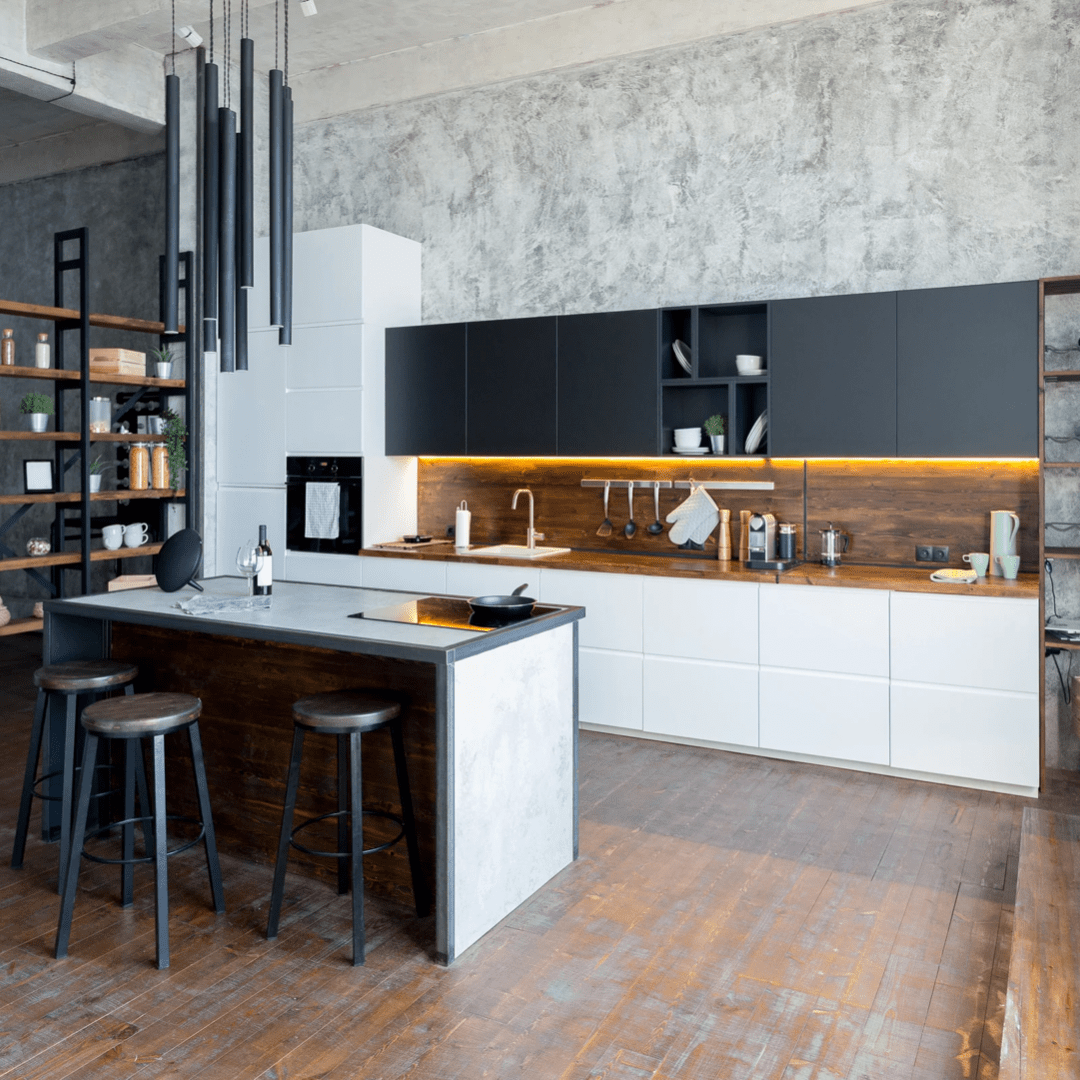
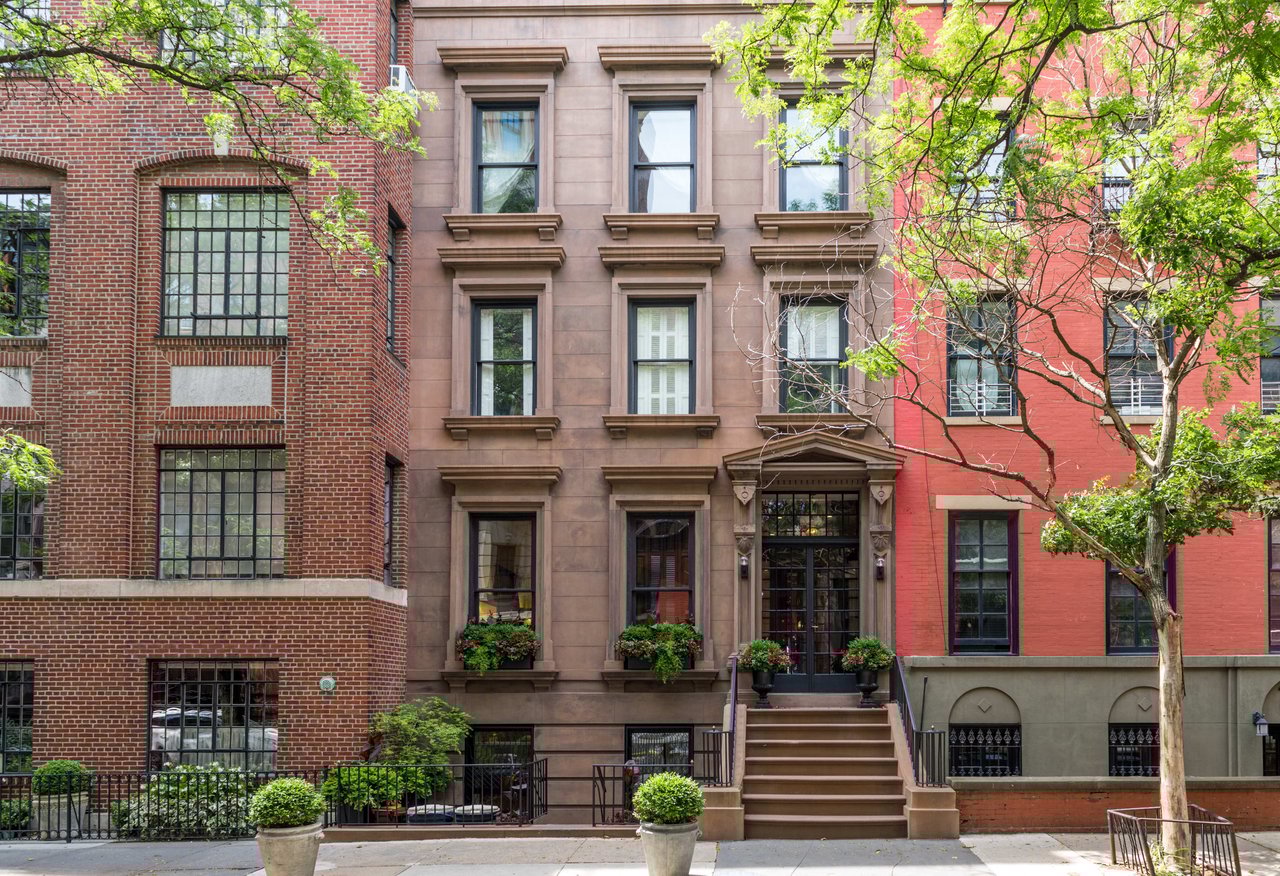
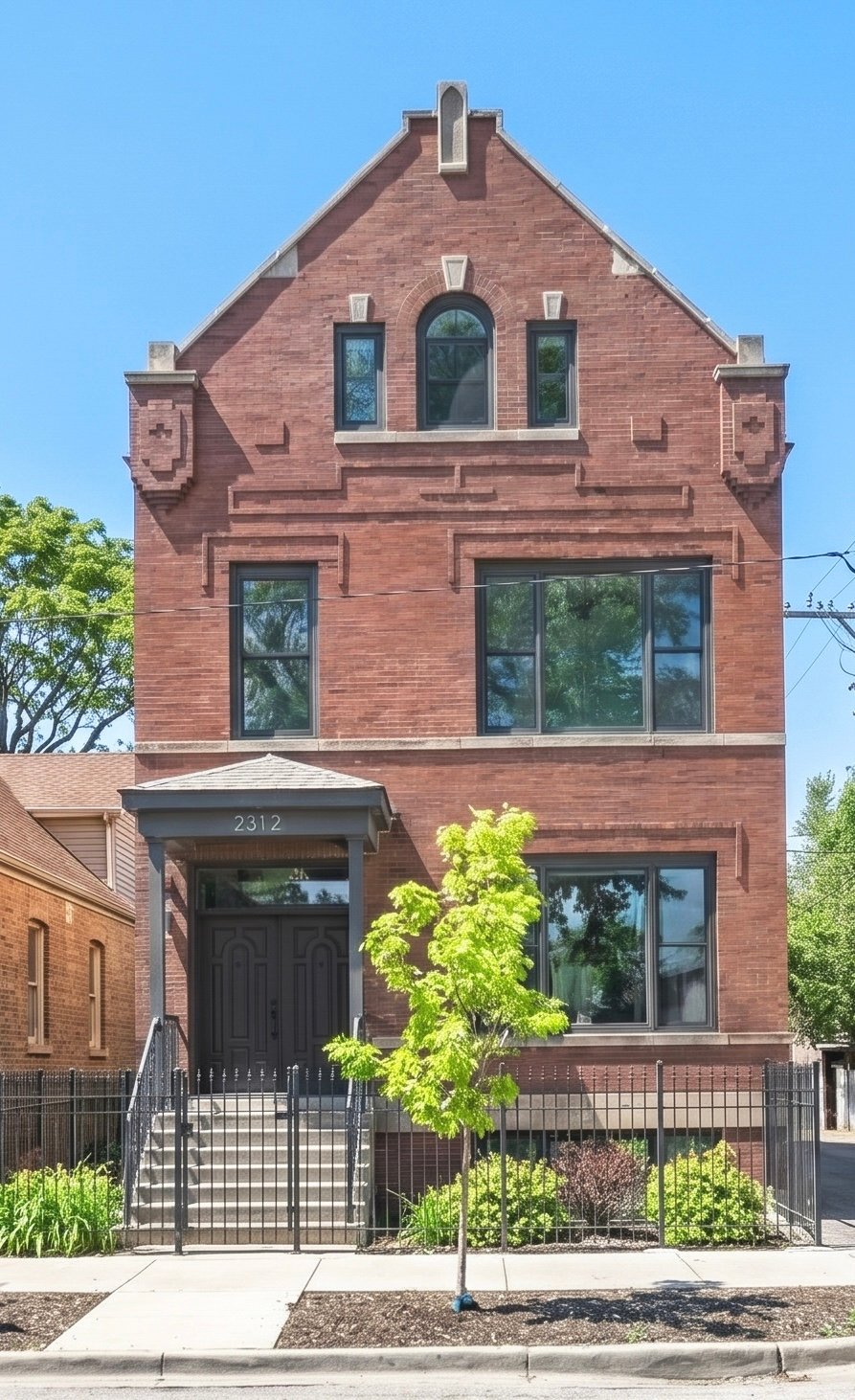
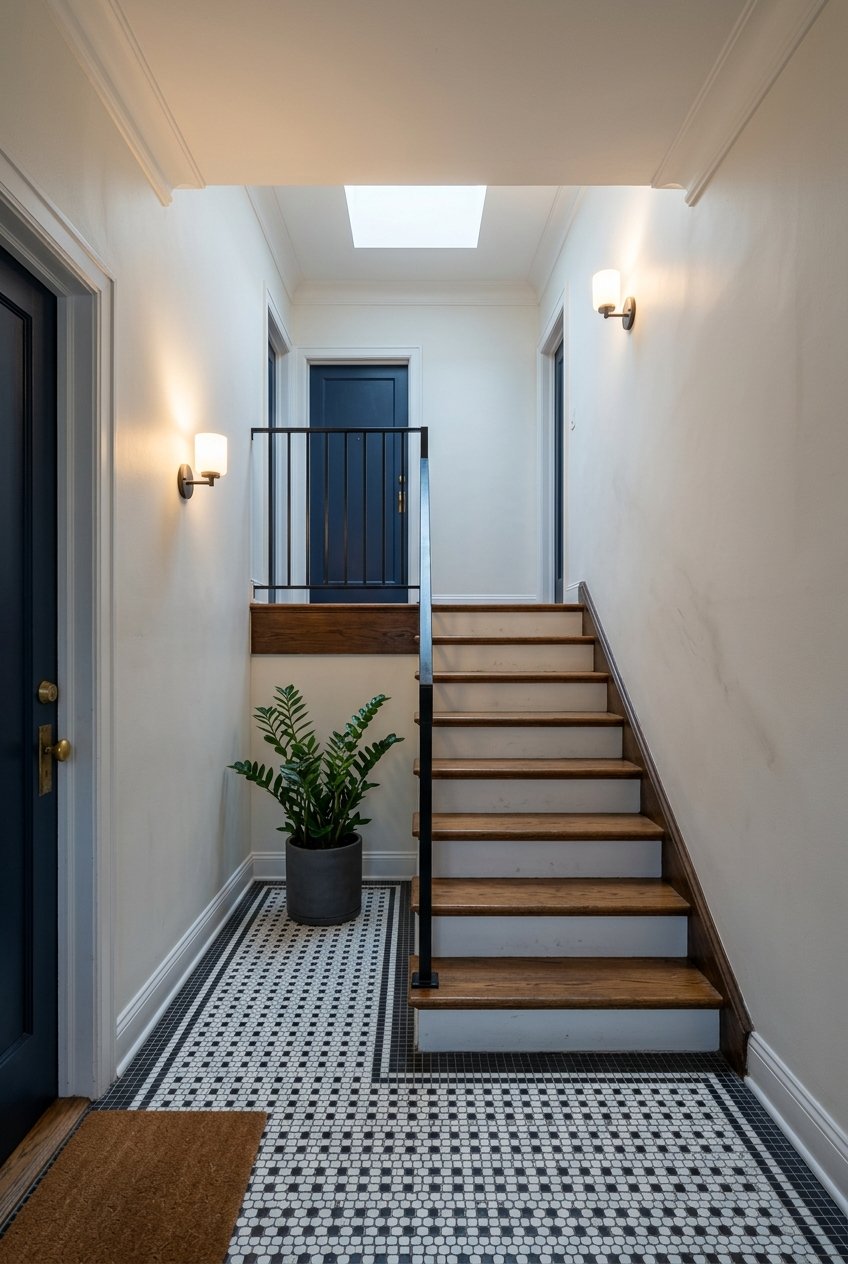
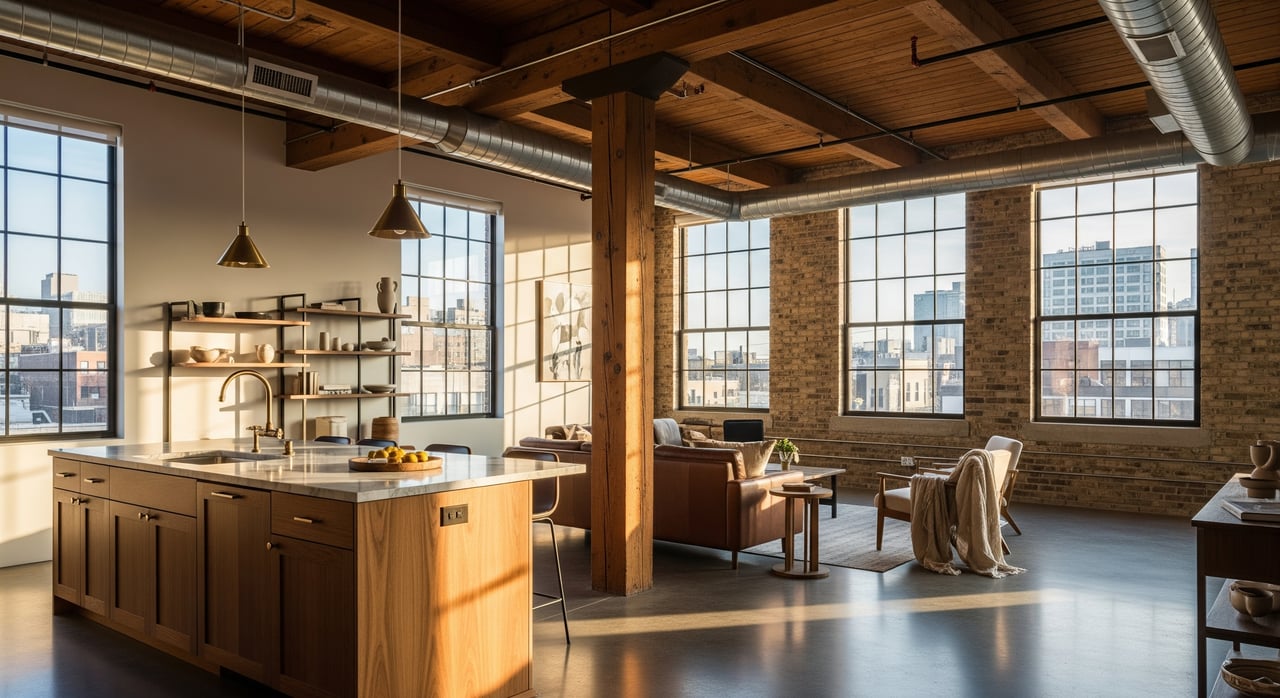
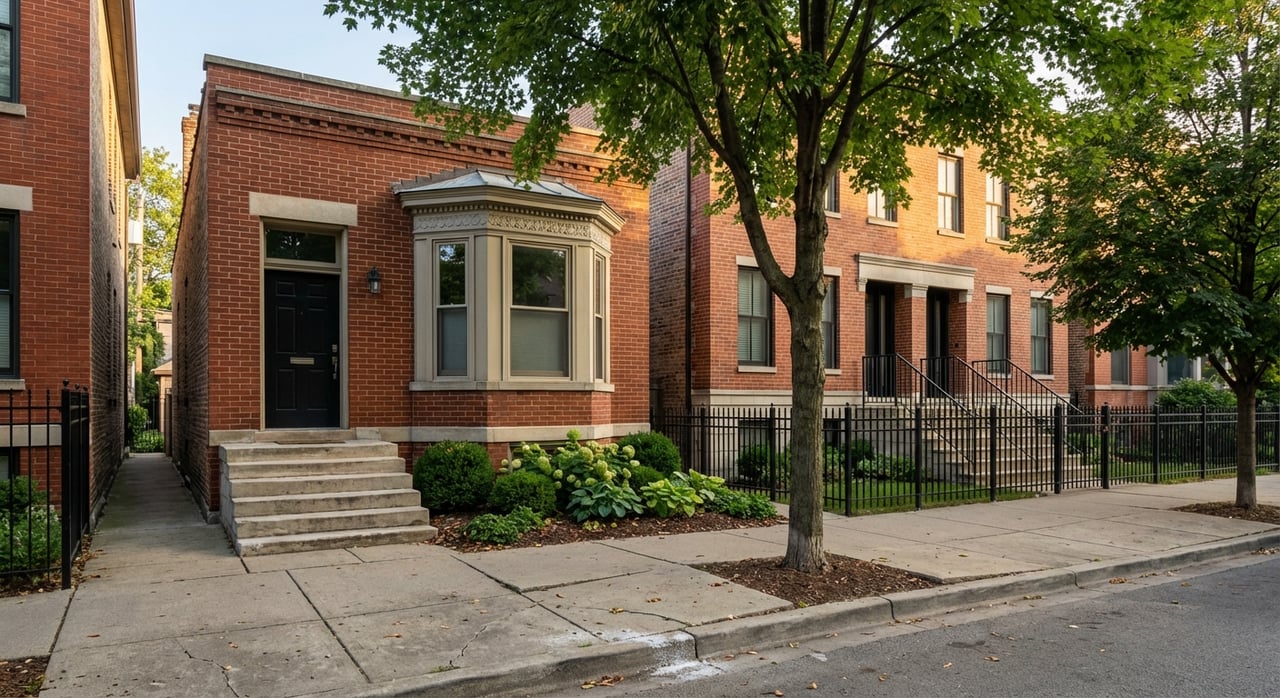
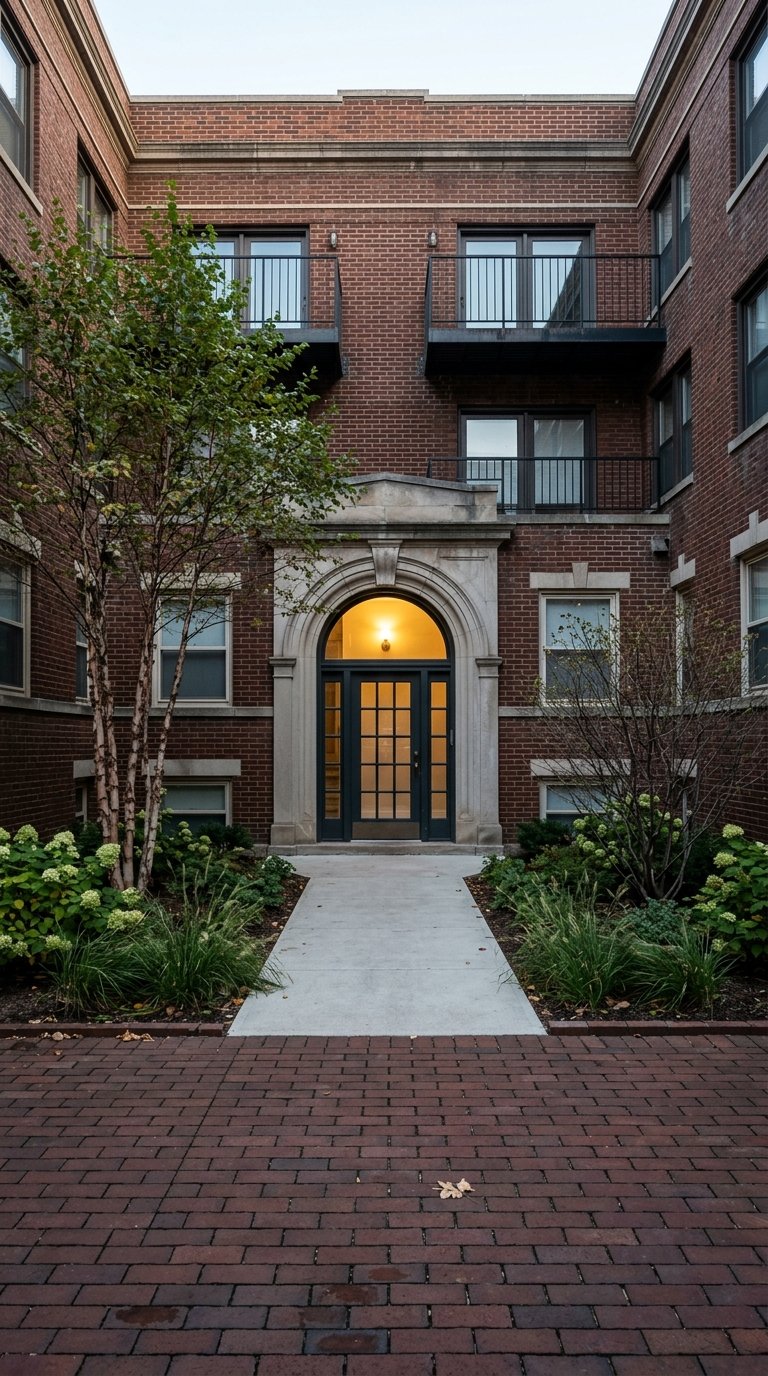
If you are drawn to older architecture, larger apartment buildings, and vintage condo inventory, Uptown has a lot to offer. The official CMAP housing profile shows a median year built of 1947, and 44.7% of housing units were built in 1939 or earlier. That helps explain why the neighborhood often feels so rooted in classic Chicago building styles.
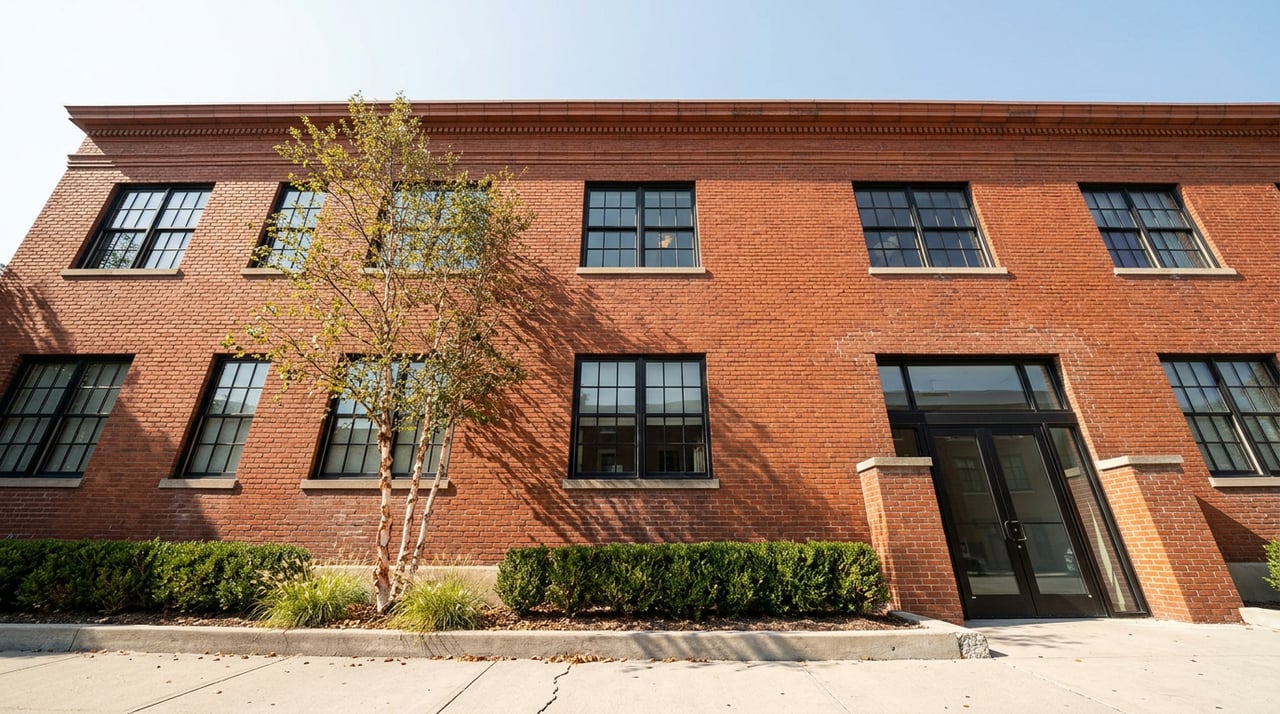
The same housing profile shows that 46.5% of units are in 5-49 unit buildings and 38.8% are in buildings with 50 or more units. In practical terms, Uptown is heavily apartment- and condo-oriented. For buyers searching for vintage condos, co-op style buildings, or a broader range of attached housing, that is part of the neighborhood’s appeal.
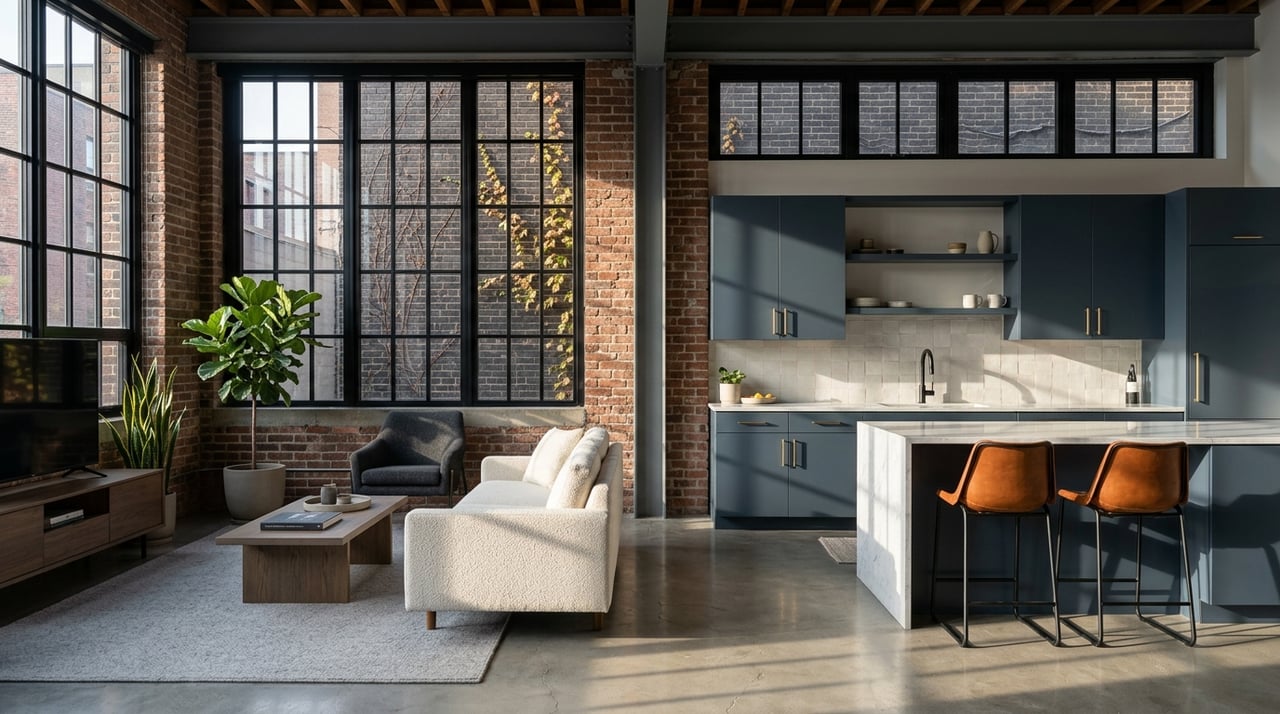
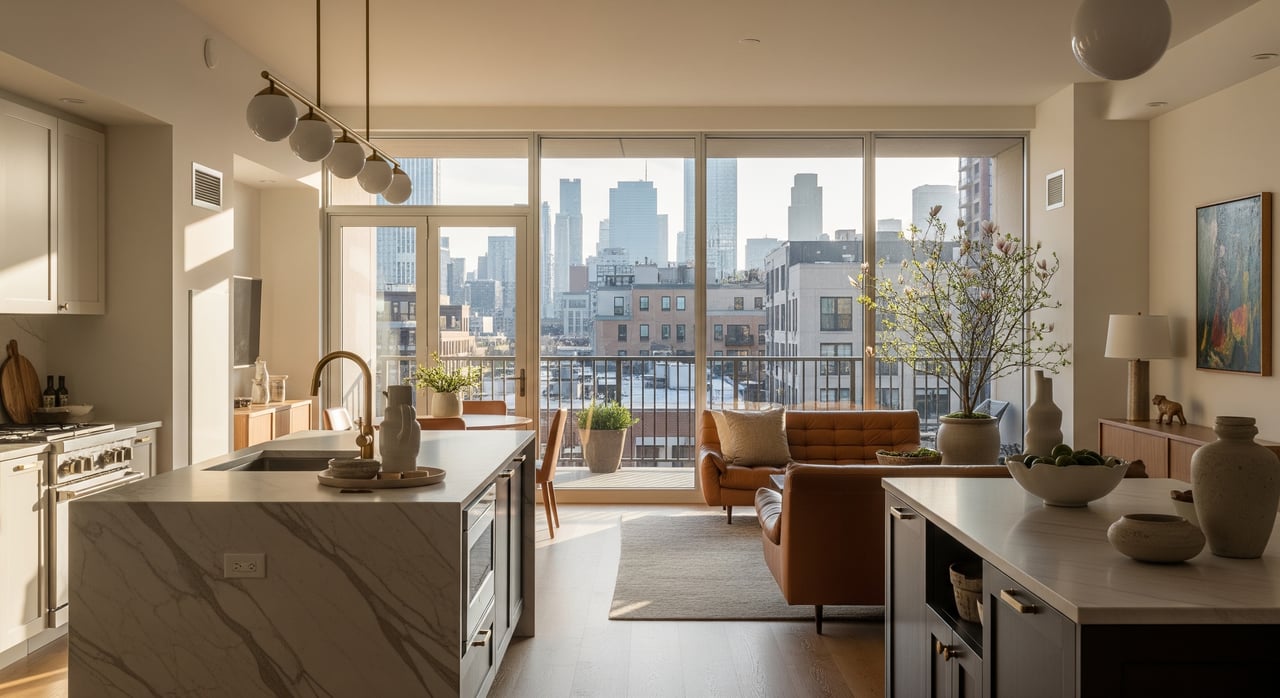
This building mix also supports variety. In one neighborhood, you can find smaller entry-level condos, more substantial two-bedroom homes, and lakefront options with a more premium feel. That range is one reason Uptown works for different stages of homeownership.
Uptown compares well on pricing
The strongest case for Uptown being overlooked comes down to pricing relative to nearby lakefront neighborhoods. Redfin reports a median sale price of $357,000 in Uptown in March 2026. By comparison, Lake View was $520,000 and Lincoln Park was $702,500.
That does not mean Uptown is inexpensive. It does mean buyers may be able to access a North Side lakefront lifestyle at a lower median price than in two of the area’s best-known neighborhoods. If you are trying to balance budget with location, that pricing gap is worth paying attention to.
Inventory examples from Zillow also suggest a broad range within the condo market. One-bedroom listings on Uptown condo pages ranged from about $159,900 to $269,900, while larger two-bedroom listings ranged from about $309,900 to $615,000. For many buyers, that spread creates more room to align price, layout, and location.
Buyers should still be ready to compete
Relative value does not mean low demand. Redfin describes Uptown as a very competitive market, with homes often selling about 3% above list price and going pending in around 38 days. If you find the right property, waiting too long may not be a great strategy.
This is where valuation and neighborhood context matter. A lower median price than nearby neighborhoods can attract buyers quickly, especially when a home combines vintage character, transit access, and proximity to the lake. Going in with a clear sense of value can help you act with more confidence.
Why Uptown stands out now
Plenty of buyers start their search focused on the usual names. That makes sense, but it can also narrow your options too early. Uptown stands out because it brings together three qualities that buyers often have to separate: lakefront access, strong cultural identity, and a more attainable price point than nearby marquee neighborhoods.
That combination is what makes the neighborhood feel overlooked rather than undiscovered. Uptown is not hidden. It is simply easier to underestimate if you have not spent time looking closely at what daily life there actually offers.
If your goal is to buy into the North Side with a sharper eye on value, Uptown may be one of the more interesting neighborhoods to explore. It offers substance, history, amenities, and housing diversity in a part of the city where those features often come at a much higher cost.
Whether you are comparing condo options, weighing vintage housing stock, or trying to make sense of pricing across Chicago neighborhoods, having a local, valuation-focused guide can make the process much clearer. If you want help evaluating where Uptown fits into your search, connect with Stephanie Turner for a tailored conversation.
FAQs
Why is Uptown considered an overlooked Chicago lakefront neighborhood?
- Uptown combines lakefront access, cultural depth, transit connectivity, and a lower median sale price than nearby Lake View and Lincoln Park, which makes it easy for buyers to miss if they focus only on the most familiar North Side neighborhoods.
What lakefront amenities are available in Uptown, Chicago?
- Near Uptown, Montrose Beach offers concessions, kayak and volleyball rentals, showers, restrooms, a non-motorized boat launch, an ADA-accessible beach walk, and a dog-friendly beach, while Montrose Point Bird Sanctuary adds trails and natural areas.
What is the housing stock like in Uptown, Chicago?
- Uptown has a strong concentration of vintage housing, with a median year built of 1947 and 44.7% of units built in 1939 or earlier, and much of the housing is in multi-unit condo and apartment buildings.
How do Uptown home prices compare with Lake View and Lincoln Park?
- Redfin reported a March 2026 median sale price of $357,000 in Uptown, compared with $520,000 in Lake View and $702,500 in Lincoln Park.
Is Uptown, Chicago competitive for homebuyers?
- Yes. Redfin describes Uptown as very competitive, with homes often selling about 3% above list price and going pending in around 38 days.
What makes the Argyle area in Uptown appealing to buyers?
- The Argyle corridor adds everyday lifestyle appeal through its well-known dining scene, cultural history, and seasonal Argyle Night Market, which features local food and live performances during the summer.