You love the South Loop’s energy, lake views, and easy commutes, but sorting through buildings and amenity lists can feel overwhelming. You want the right mix of convenience, value, and long-term potential without surprises on HOA fees or parking. This guide breaks down buildings by corridor, explains typical amenity packages, and highlights the practical checks that help you buy with confidence. Let’s dive in.
South Loop at a glance
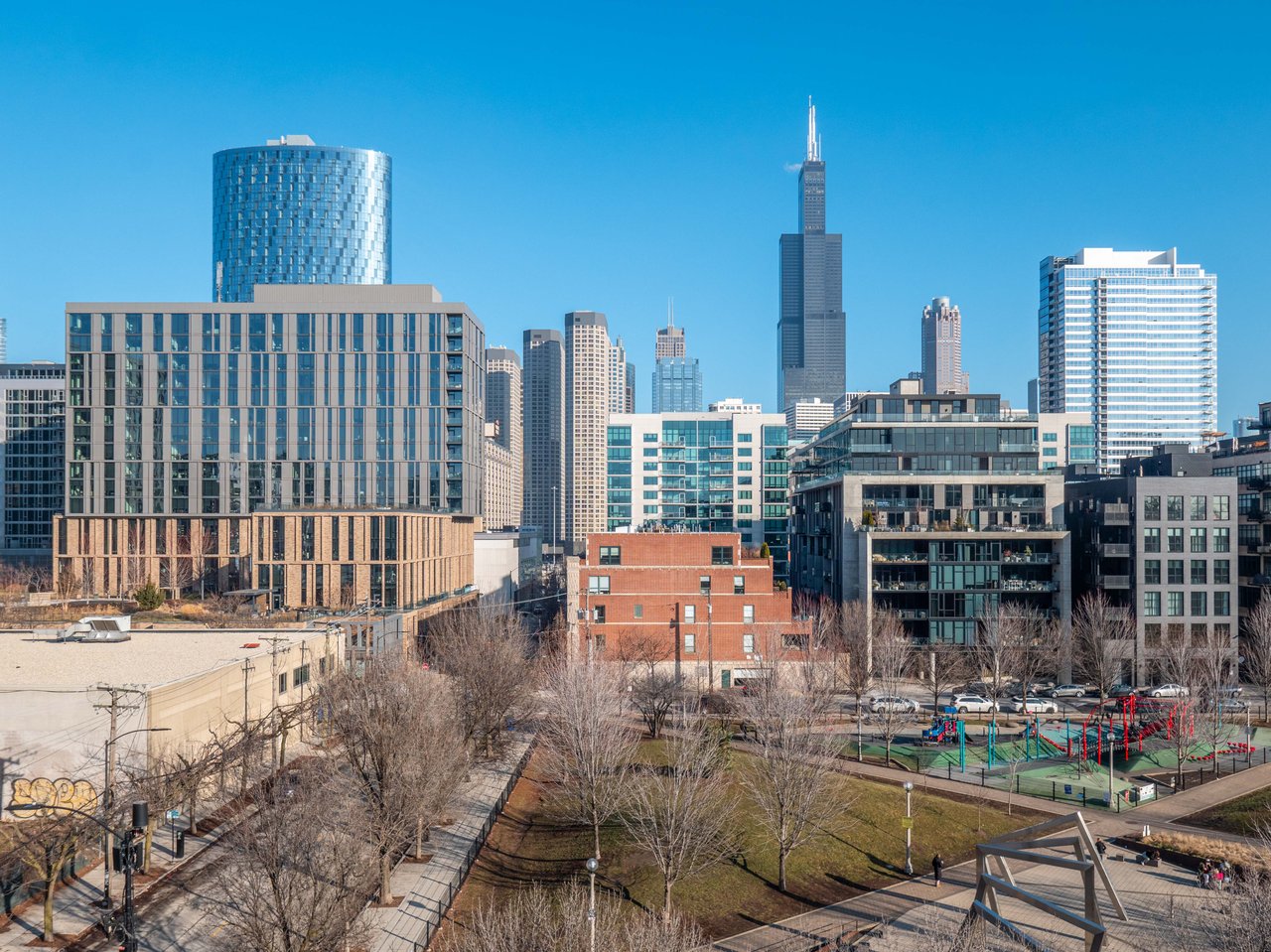
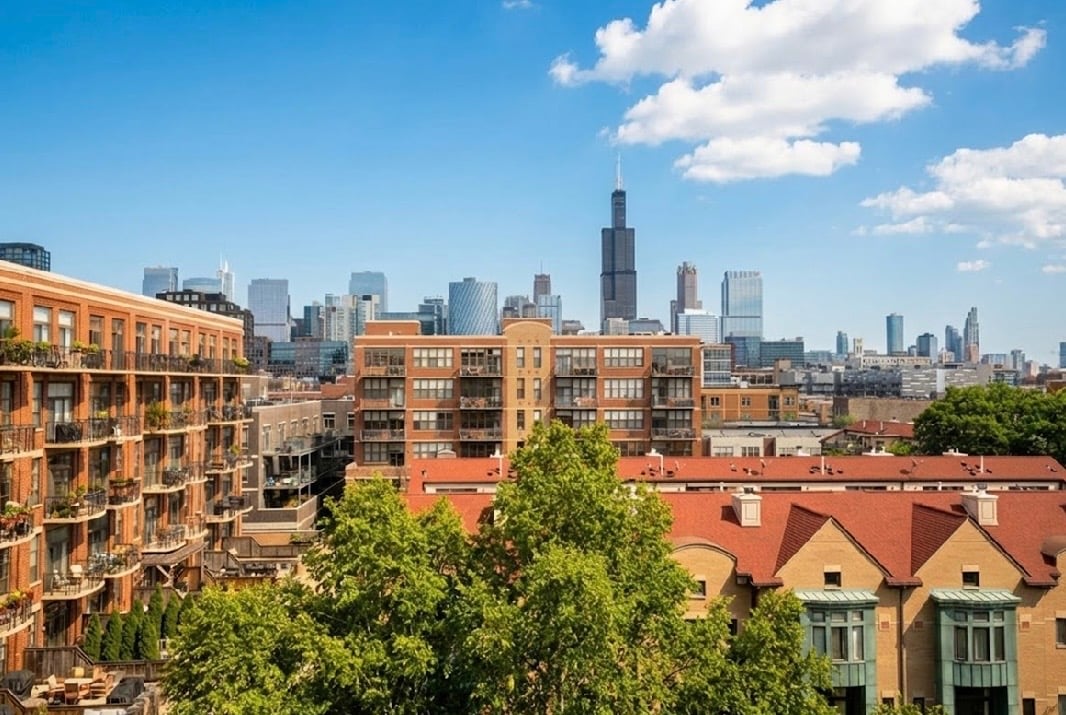
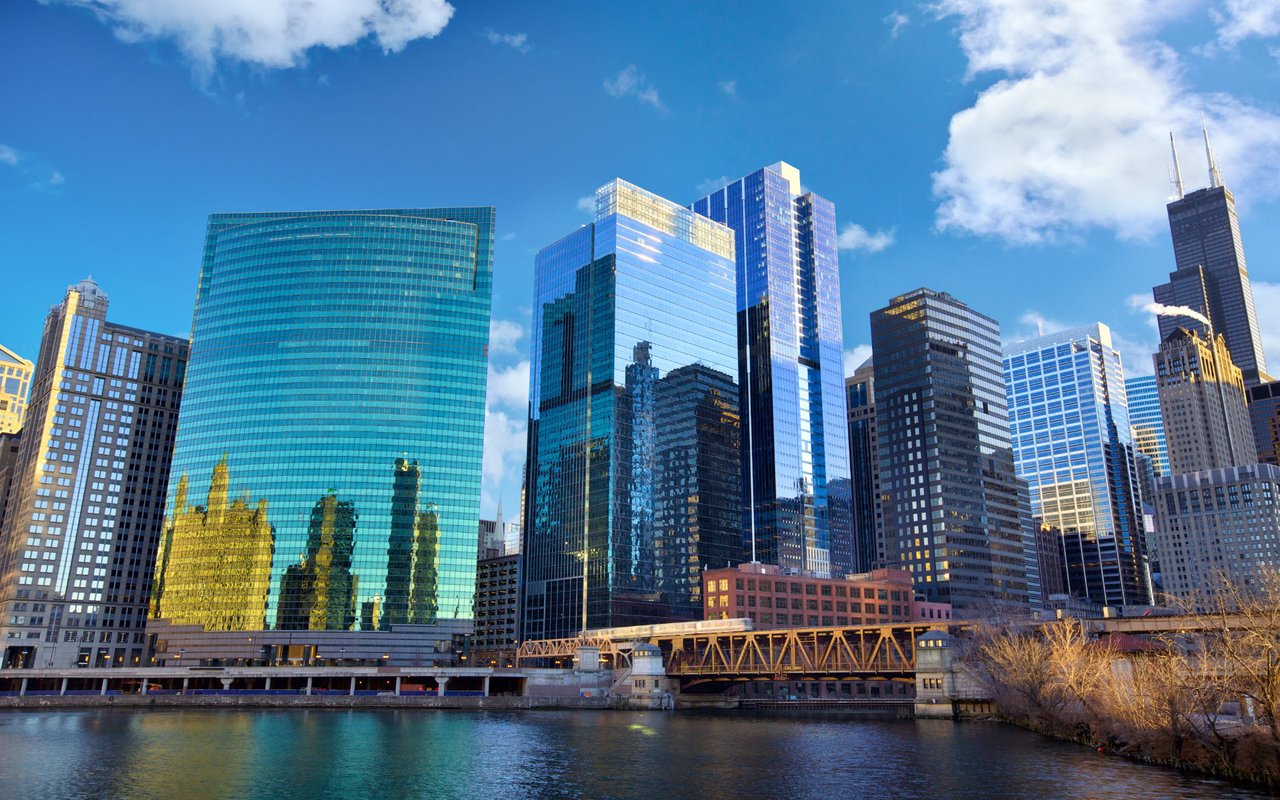
The South Loop is a downtown Chicago submarket with historic lofts, townhome enclaves, and new high-rises. A recent neighborhood snapshot reports a median sale price around $379,500 as of February 2026, plus high Walk and Transit Scores that make car-free living realistic for many buyers. See the full South Loop housing market snapshot for context.
Locals commonly describe the South Loop as running from roughly Roosevelt Road at the north to the mid‑20s to the south, within the Near South Side community area. Subdistricts you will hear about include Printer’s Row, Museum Park and Central Station near the lakefront, Dearborn Park, and the Roosevelt Road retail corridor. For orientation and neighborhood context, review the Near South Side overview and this South Loop community map.
Where to look by corridor
Lakefront and Museum Park towers
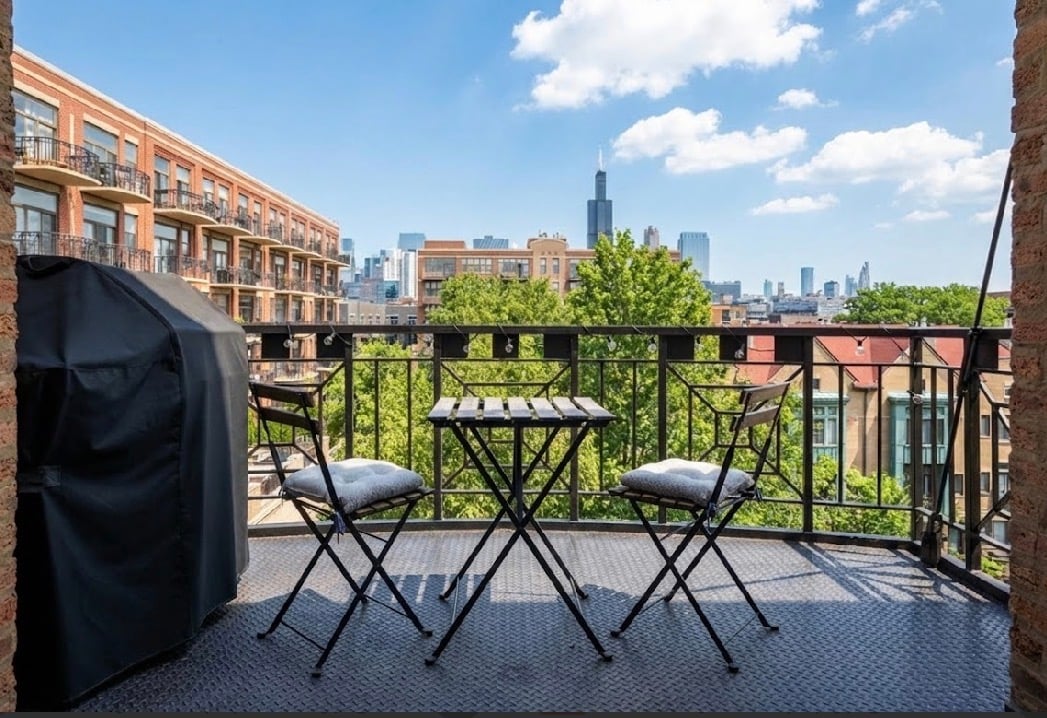
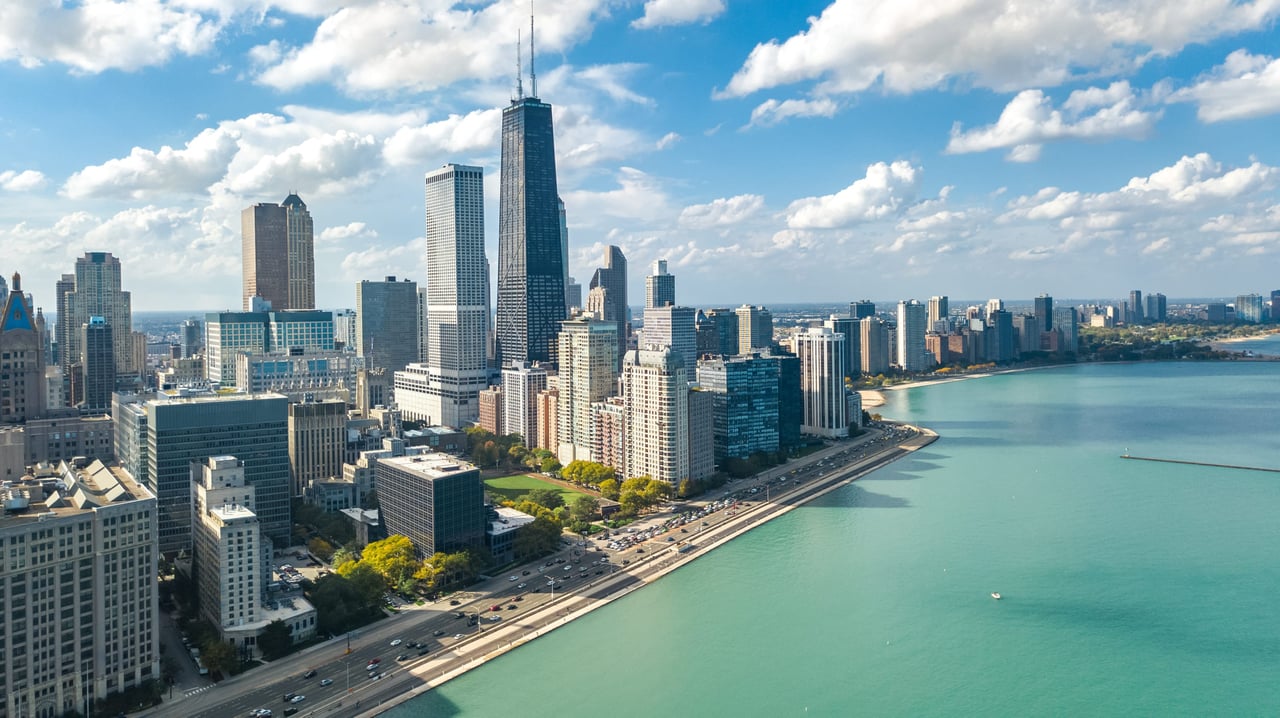
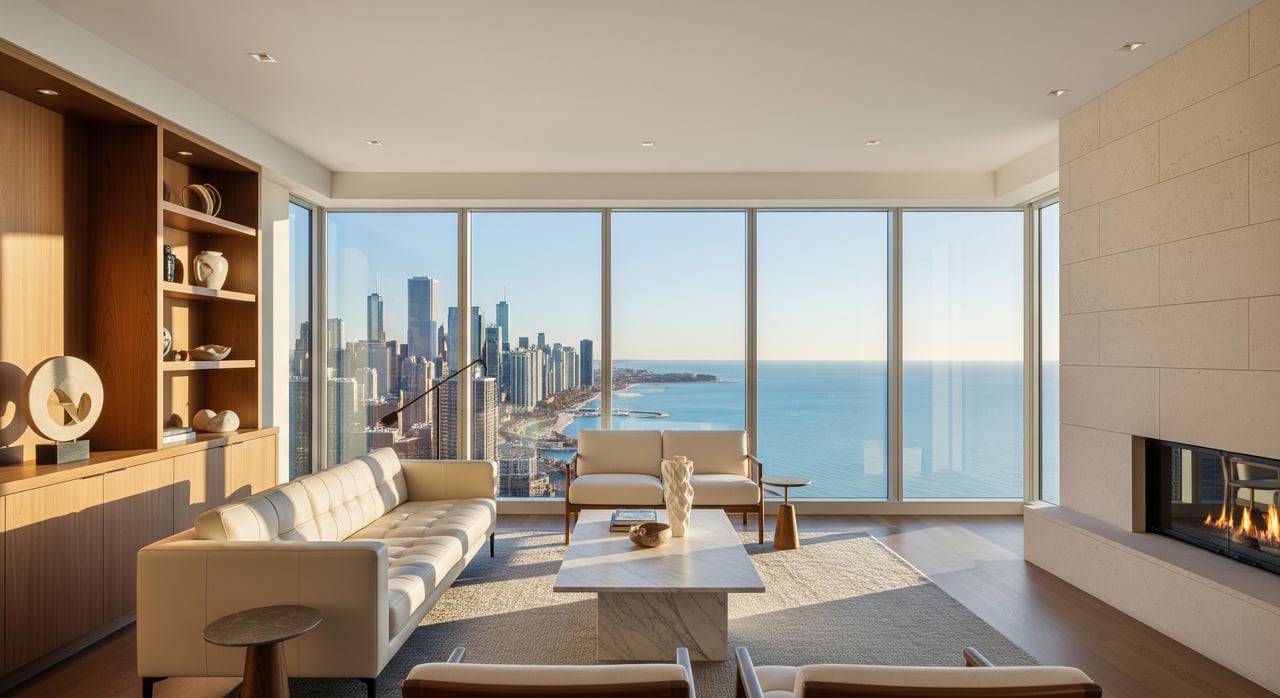
Buildings along the 1200 to 1500 south blocks of Prairie, Indiana, and Michigan are known for full-service, high-rise living. You will see features like 24-hour door staff, indoor pools, fitness centers, party rooms, and skyline or lake views. If you want quick access to Grant Park and the Museum Campus, this area places you within a short walk of destinations like the Field Museum.
Roosevelt and South Michigan corridor
The Roosevelt Road corridor from Canal to Michigan has grown into a major mixed-use hub. Marketing and leasing materials highlight new residential deliveries since the mid‑2010s, anchored by grocery and daily-needs retail. If you want newer towers with robust amenities and immediate retail outside your door, study this stretch and the projects called out in the Roosevelt Road corridor market brief.
Printer’s Row and Motor Row lofts
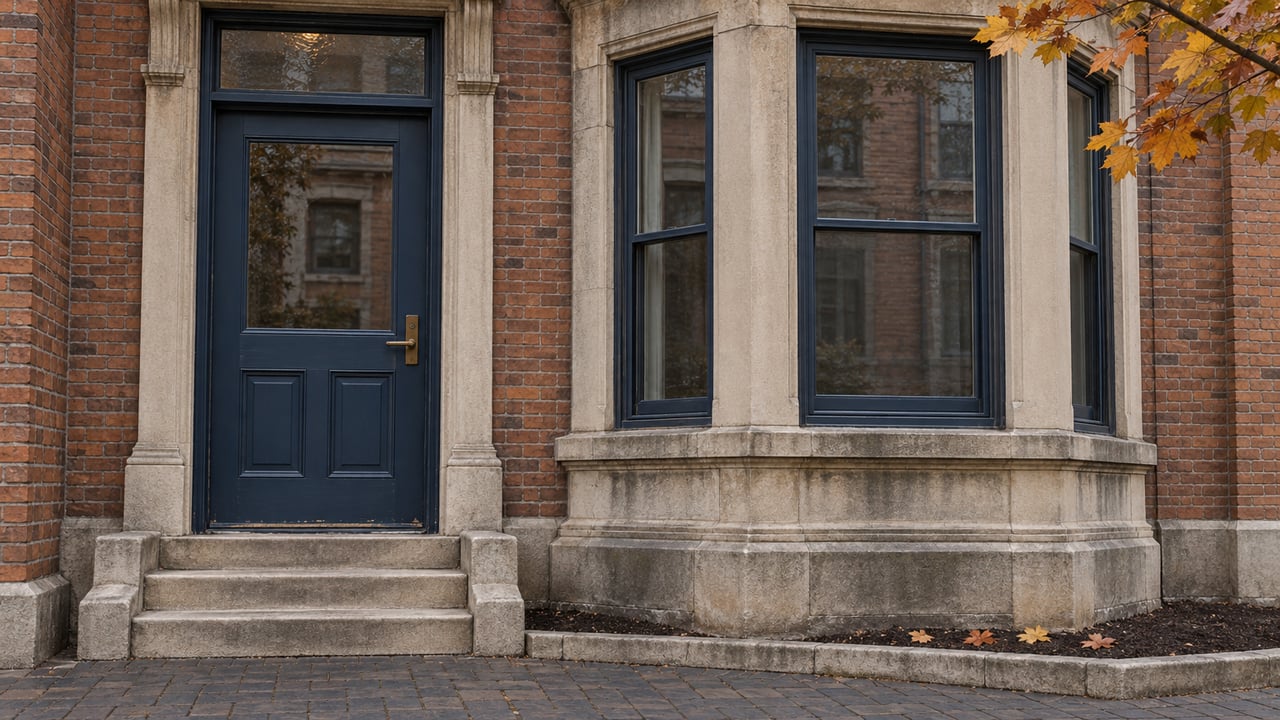
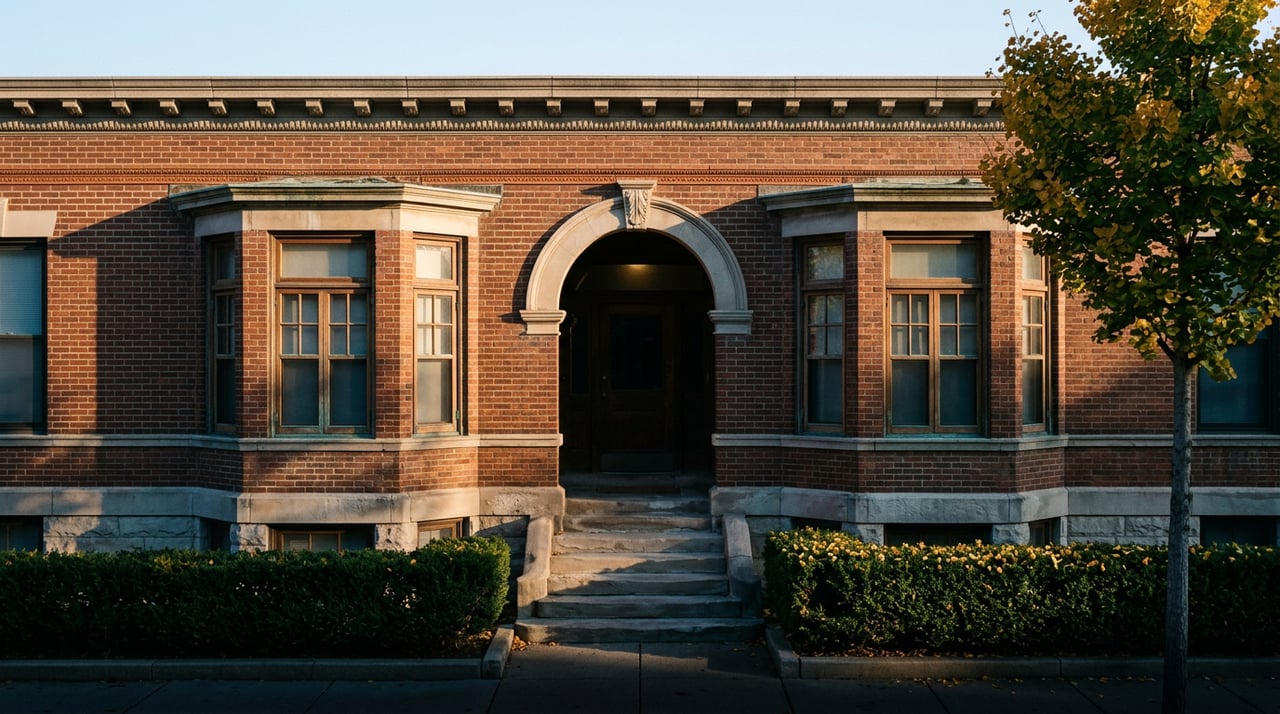
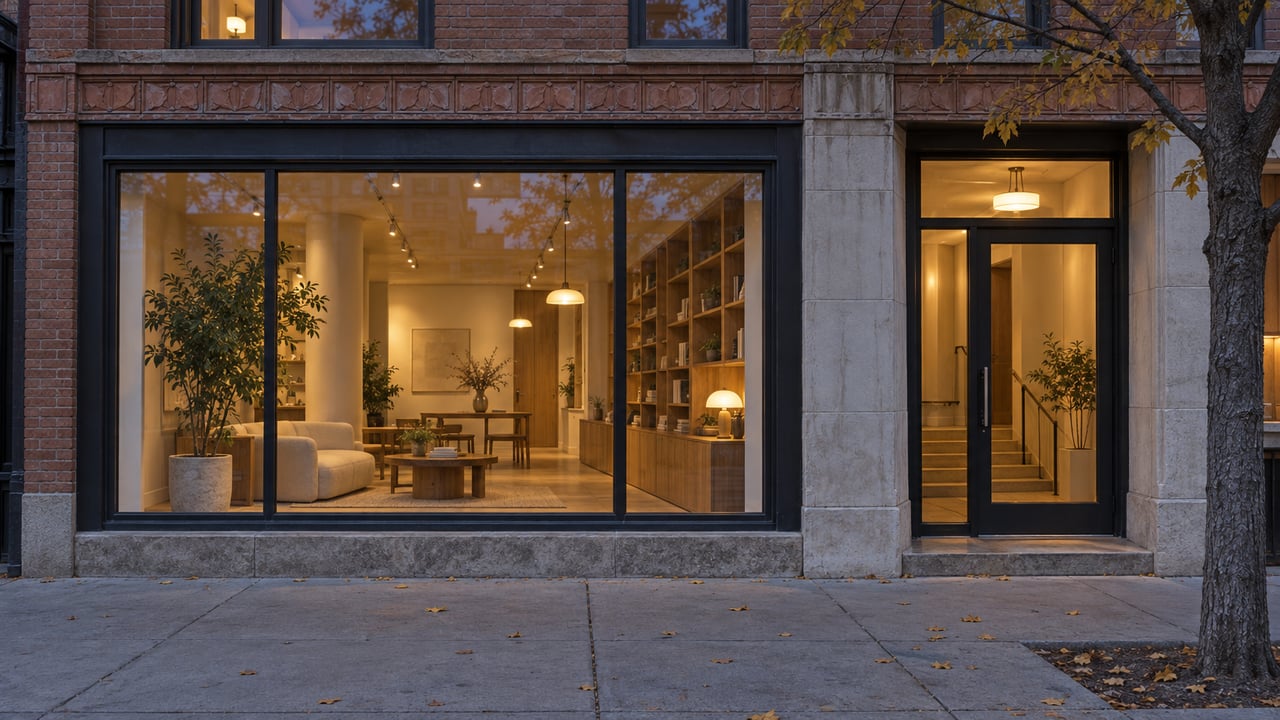
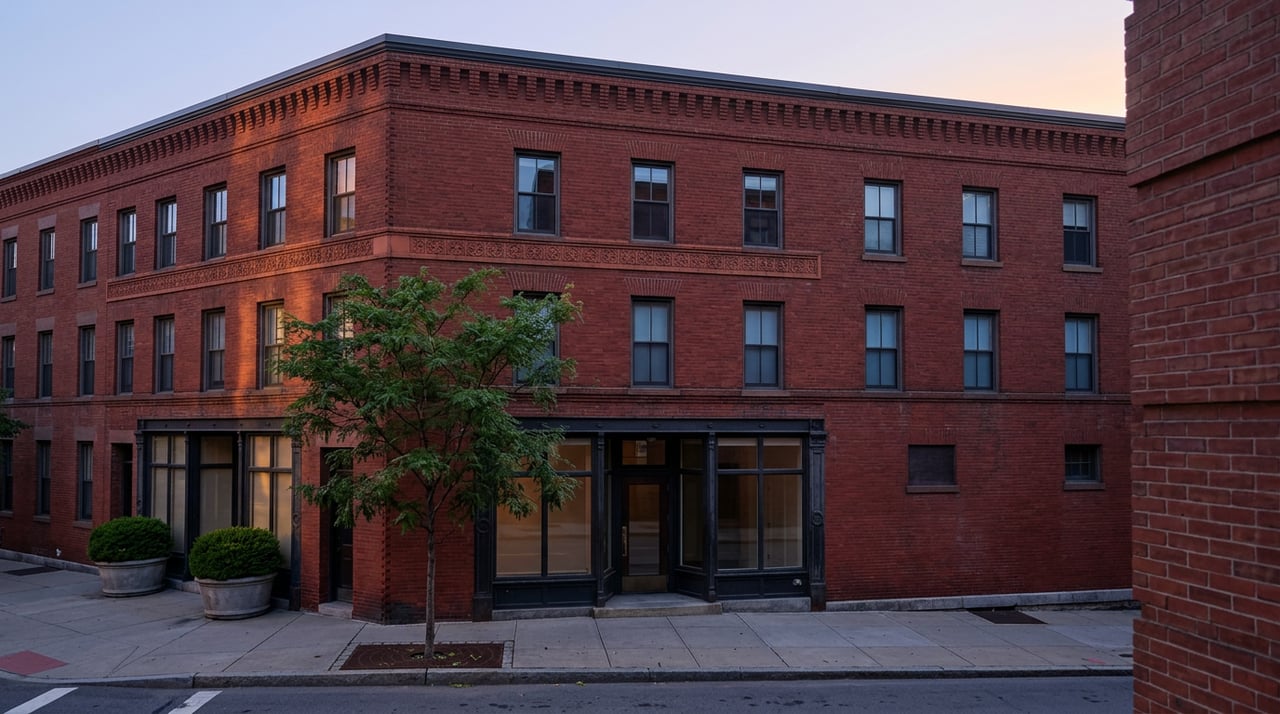
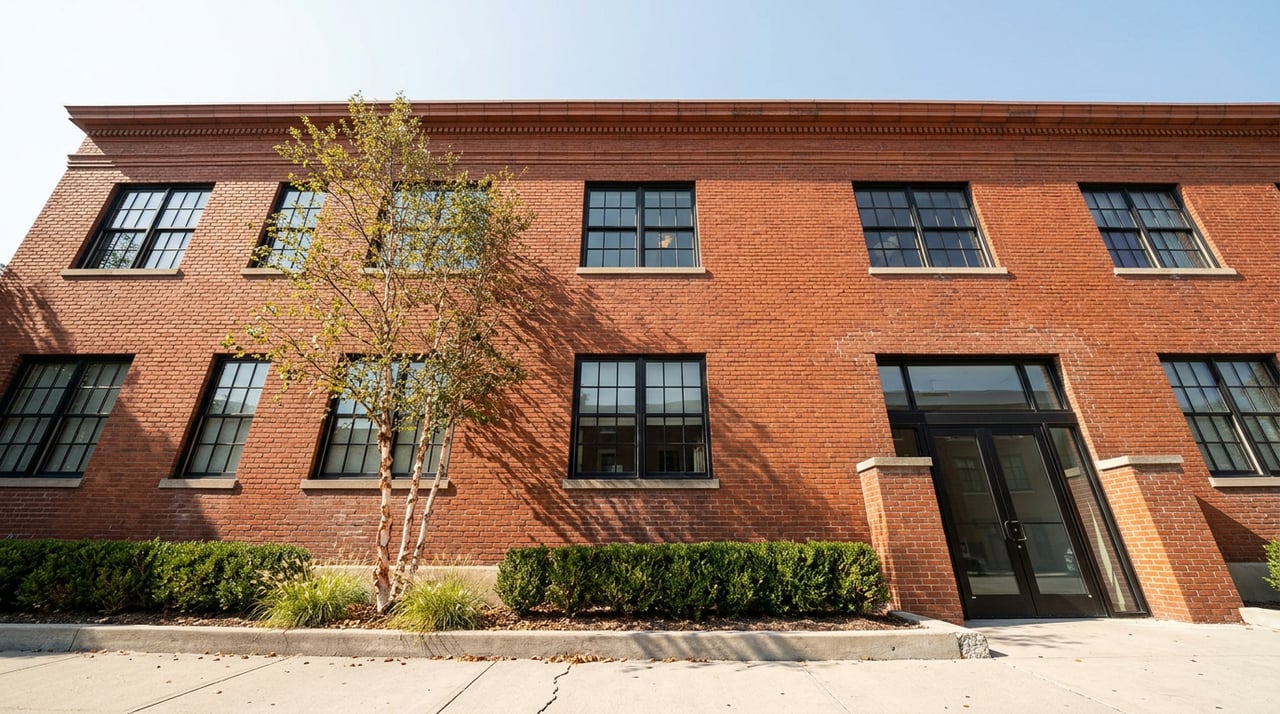
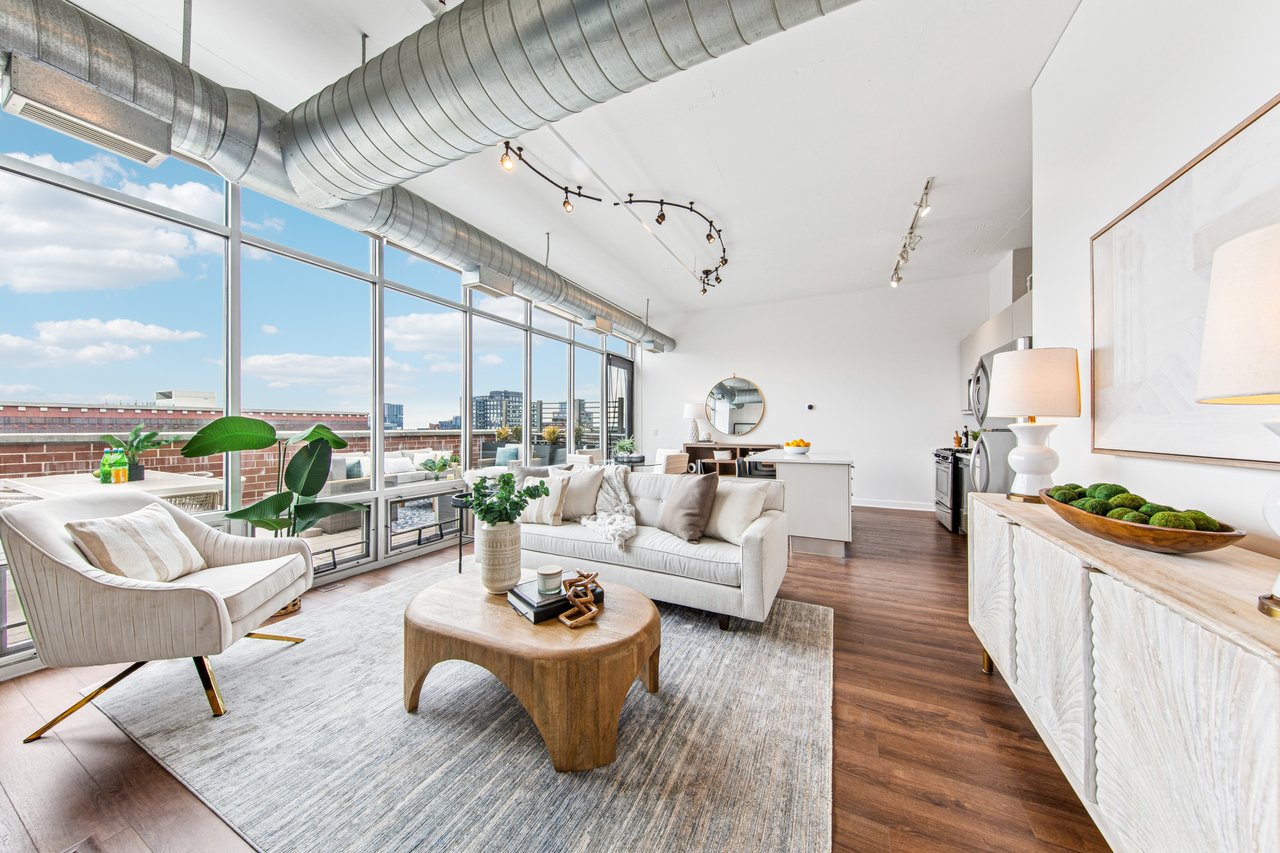
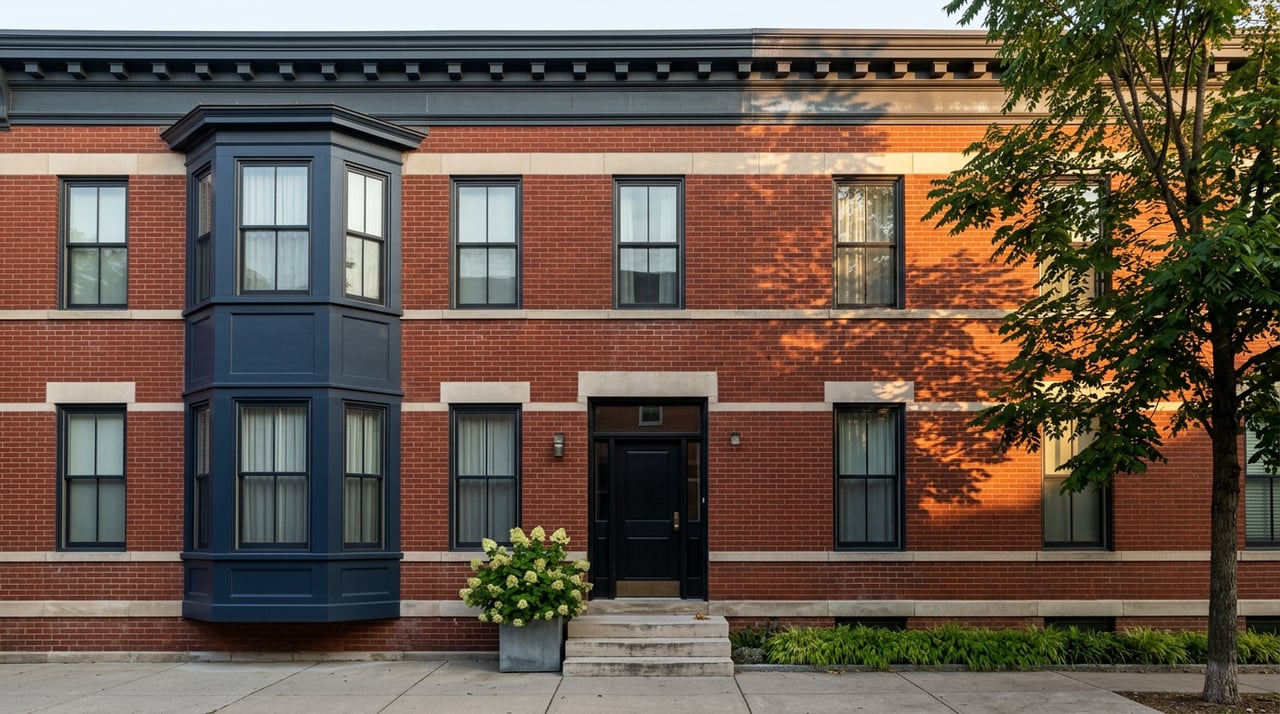
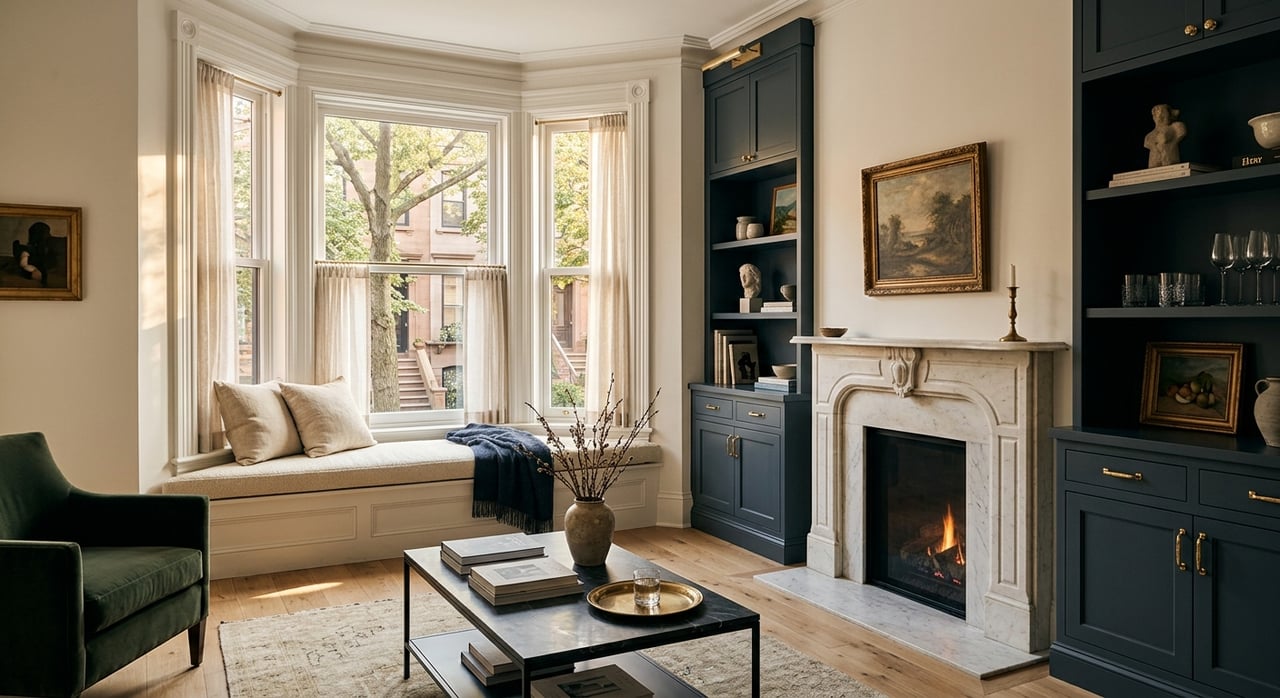
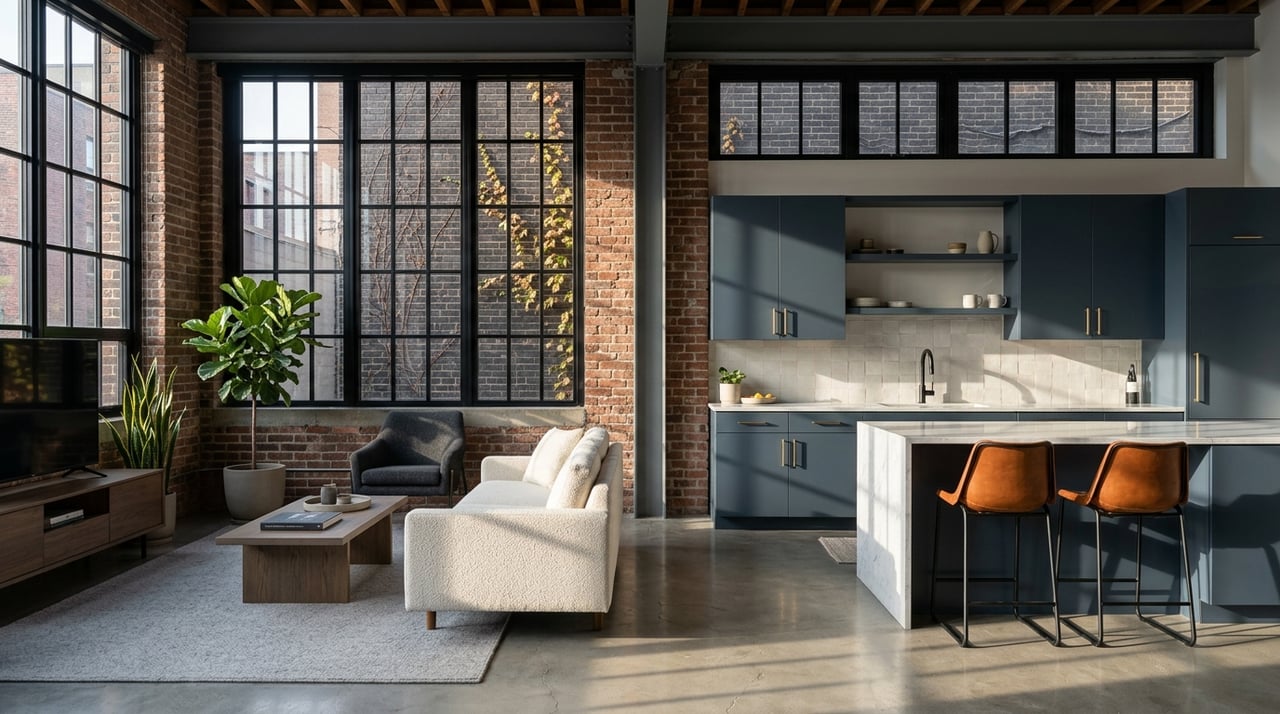
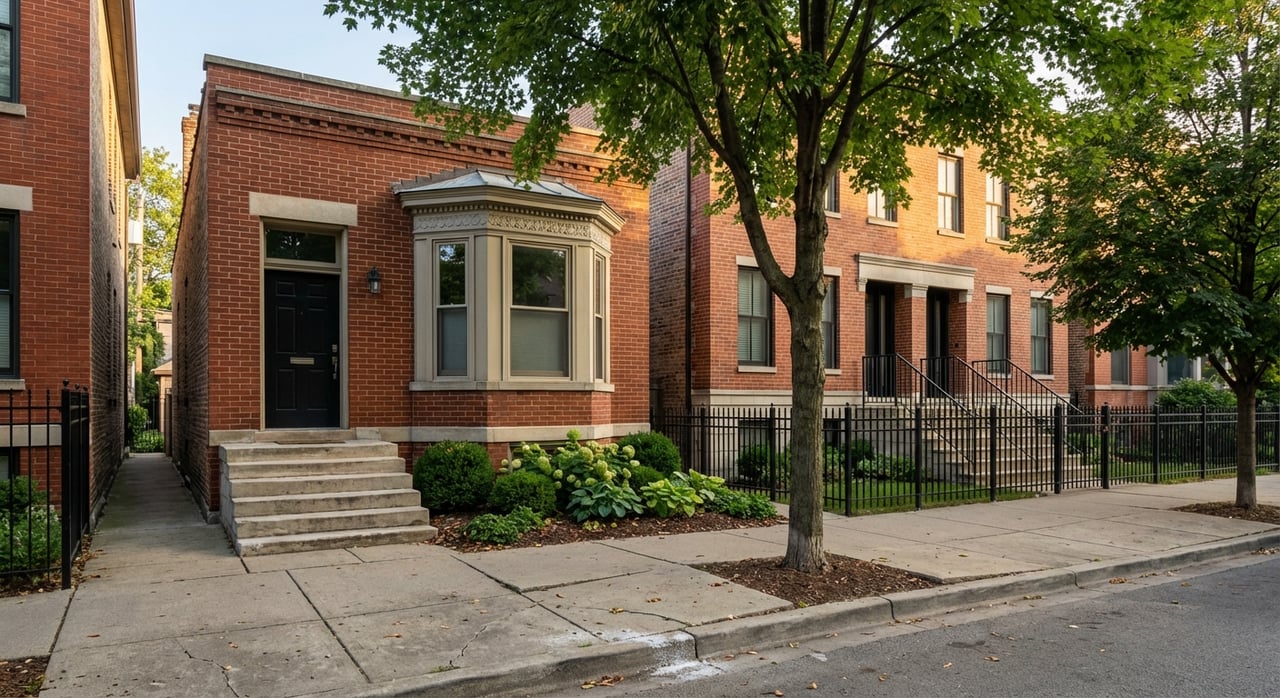
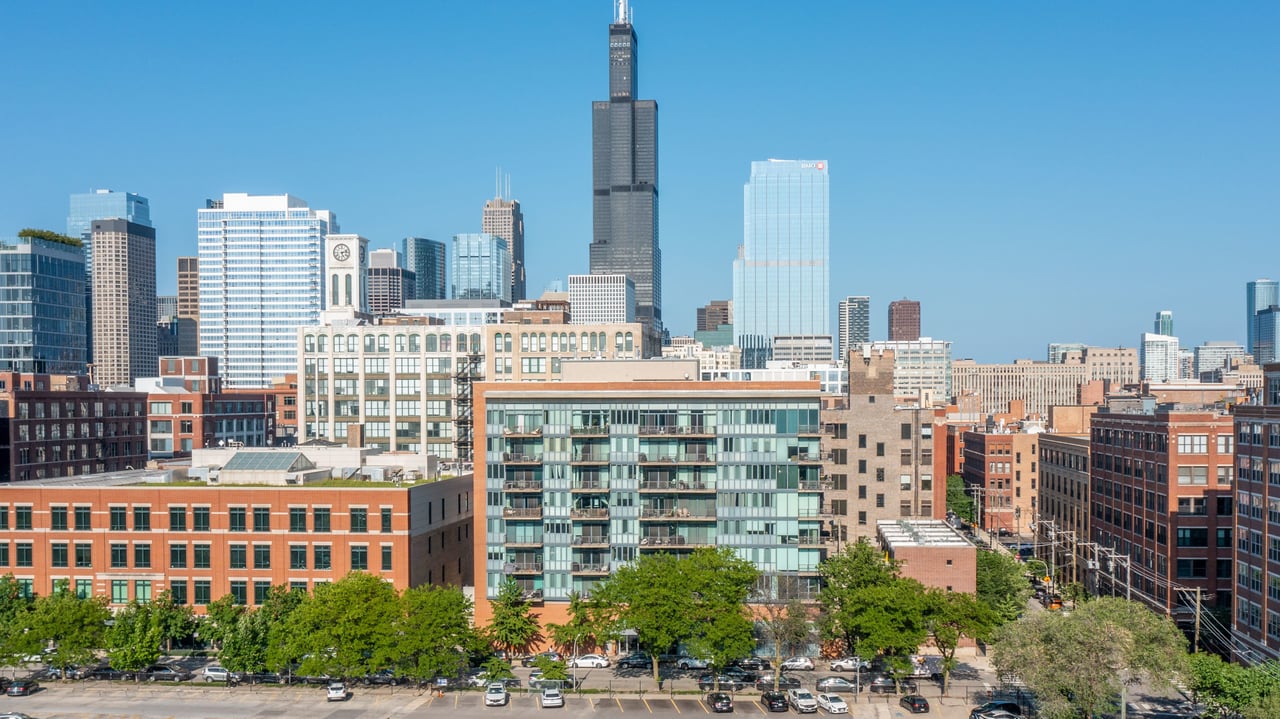
Printer’s Row and nearby Motor Row offer historic loft conversions with exposed brick, tall windows, and industrial character. Common areas are lean compared with lakefront towers, so monthly assessments are often lower. On-site parking can be limited, so plan for leased or nearby garage options if you own a car.
Dearborn Park townhome enclaves
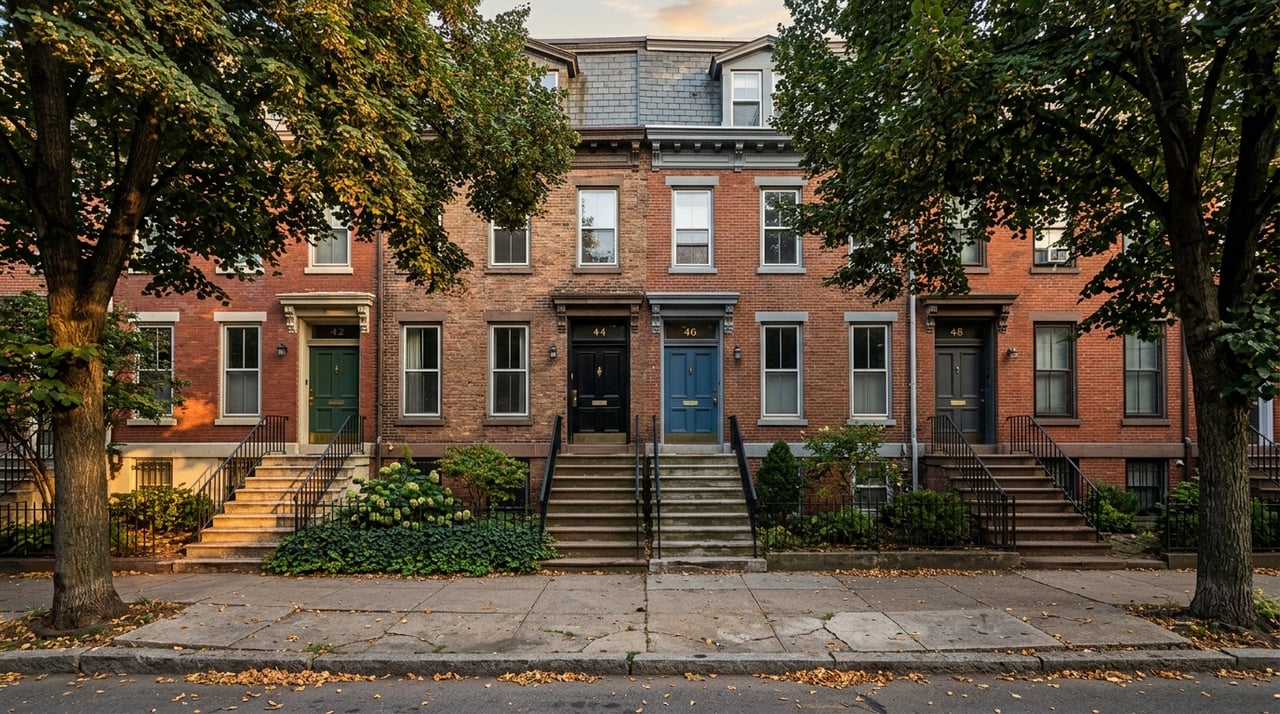
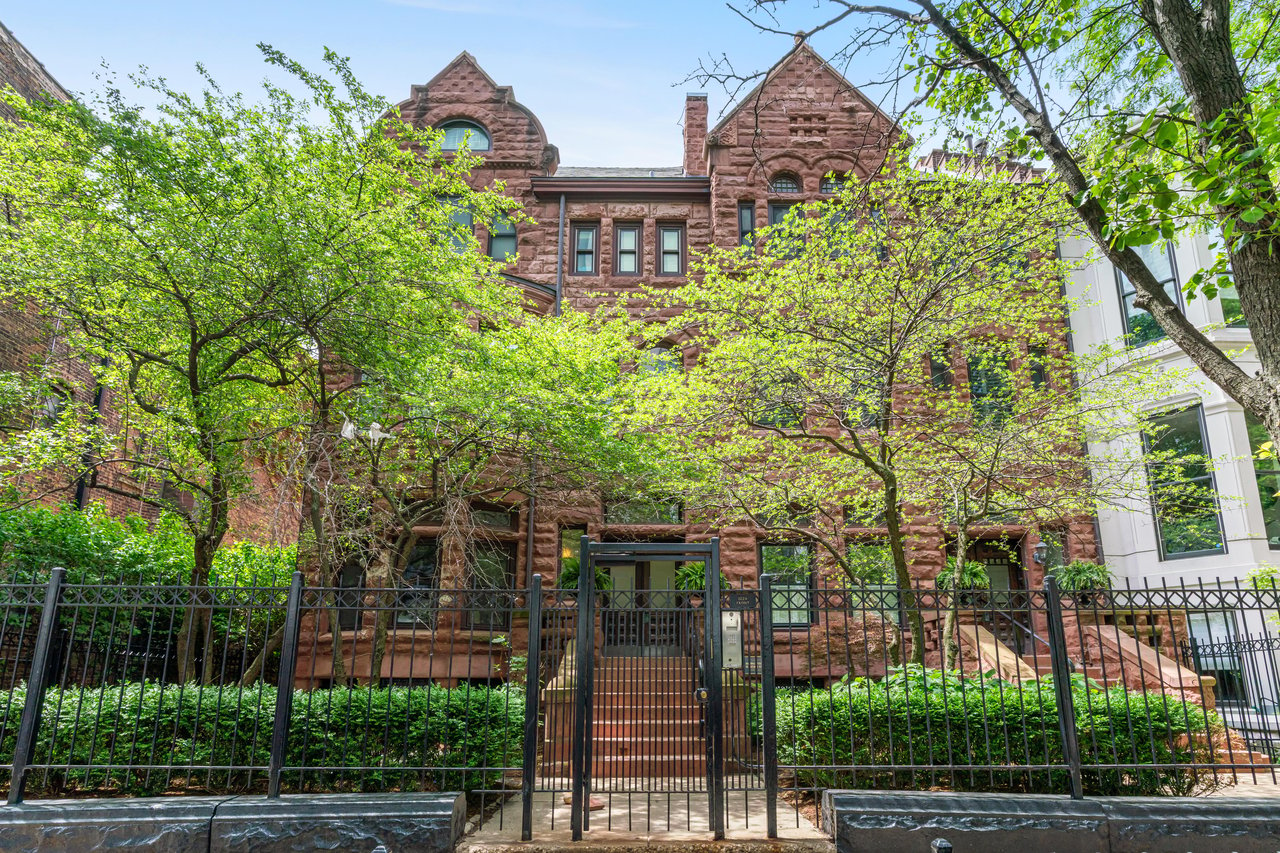
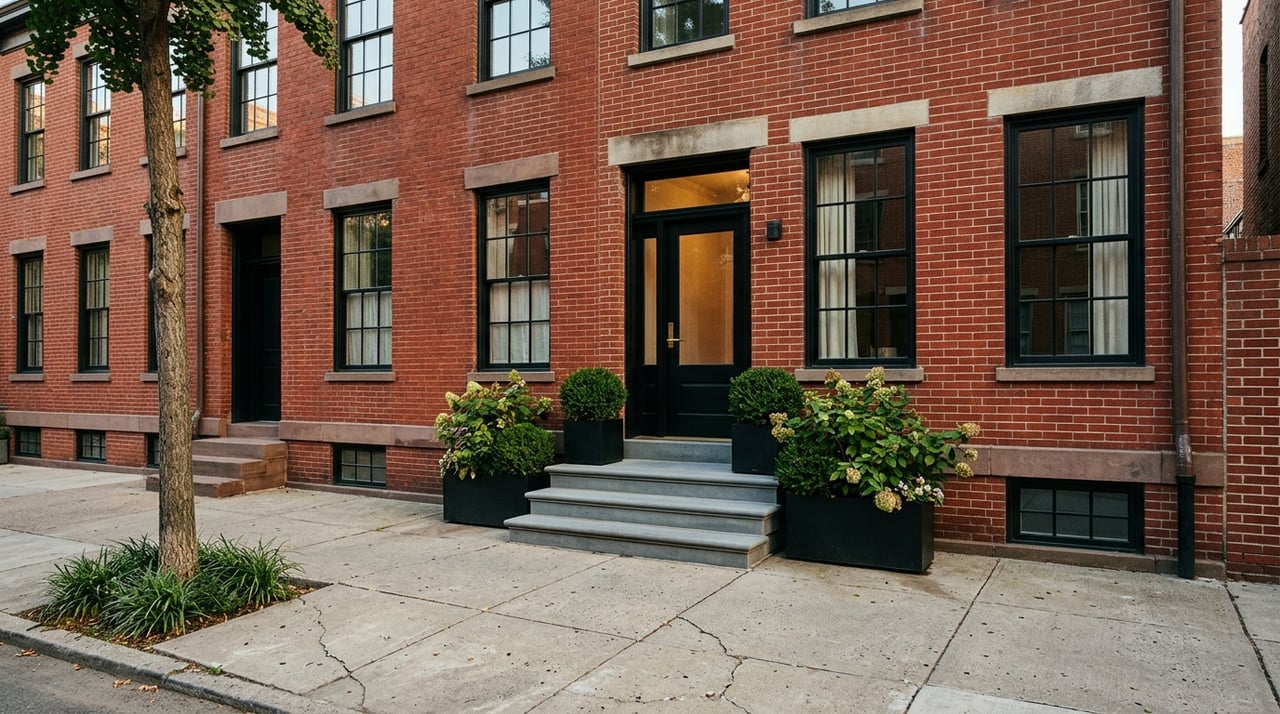
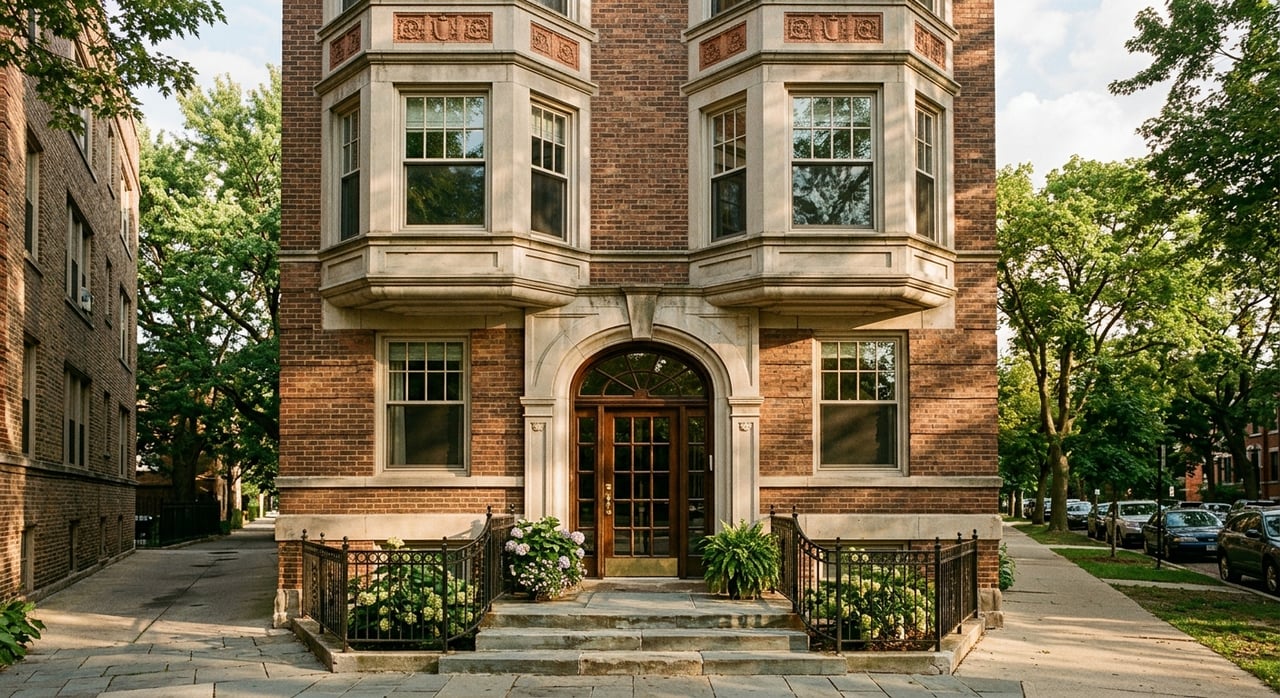
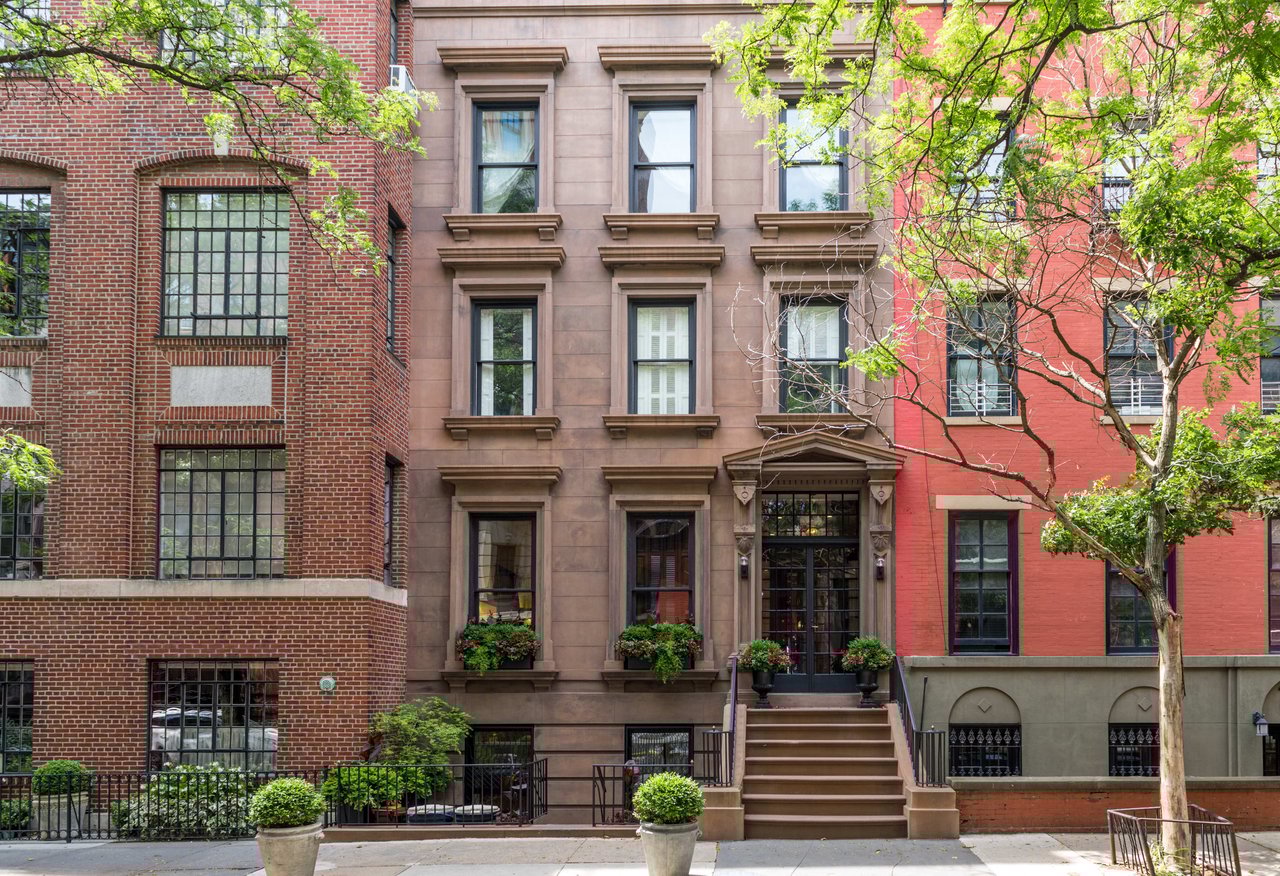
Dearborn Park and select low-rise associations offer townhouse-style layouts, ground-level entries, and easier parking arrangements. If you want more space and a quieter internal-street experience while staying central, include these enclaves on your tour list.
What amenities to expect
Full-service towers
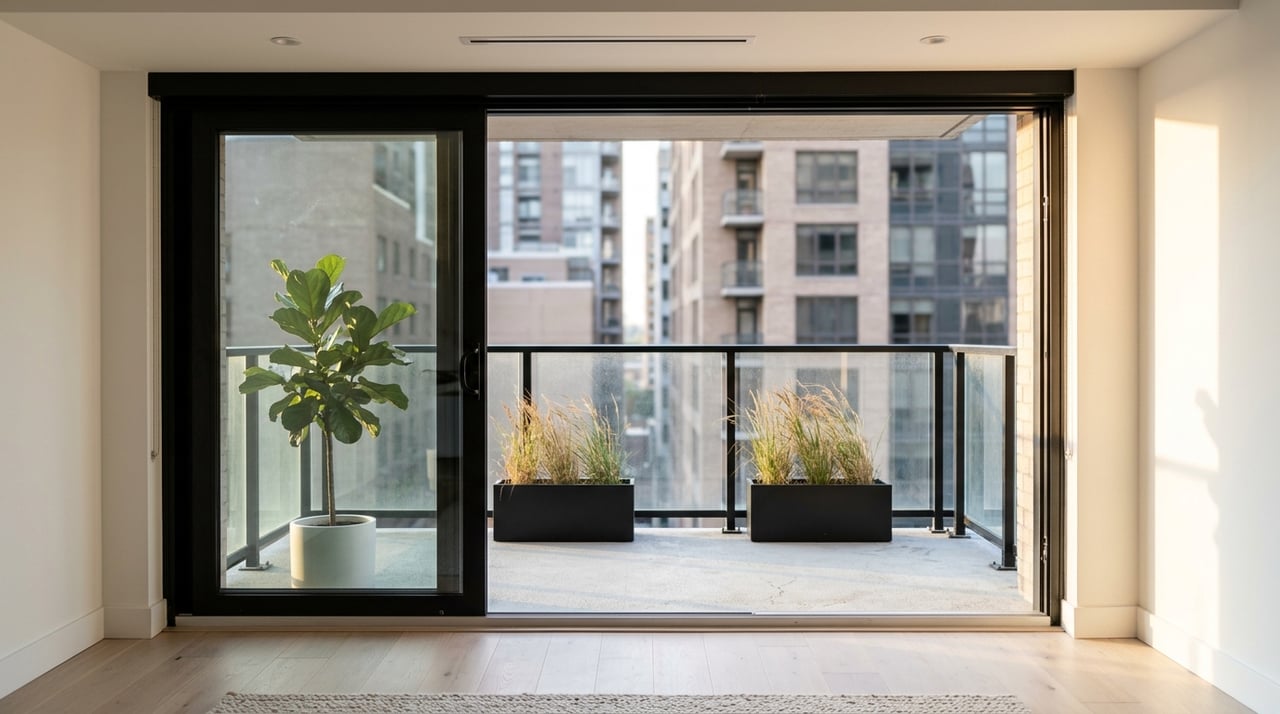
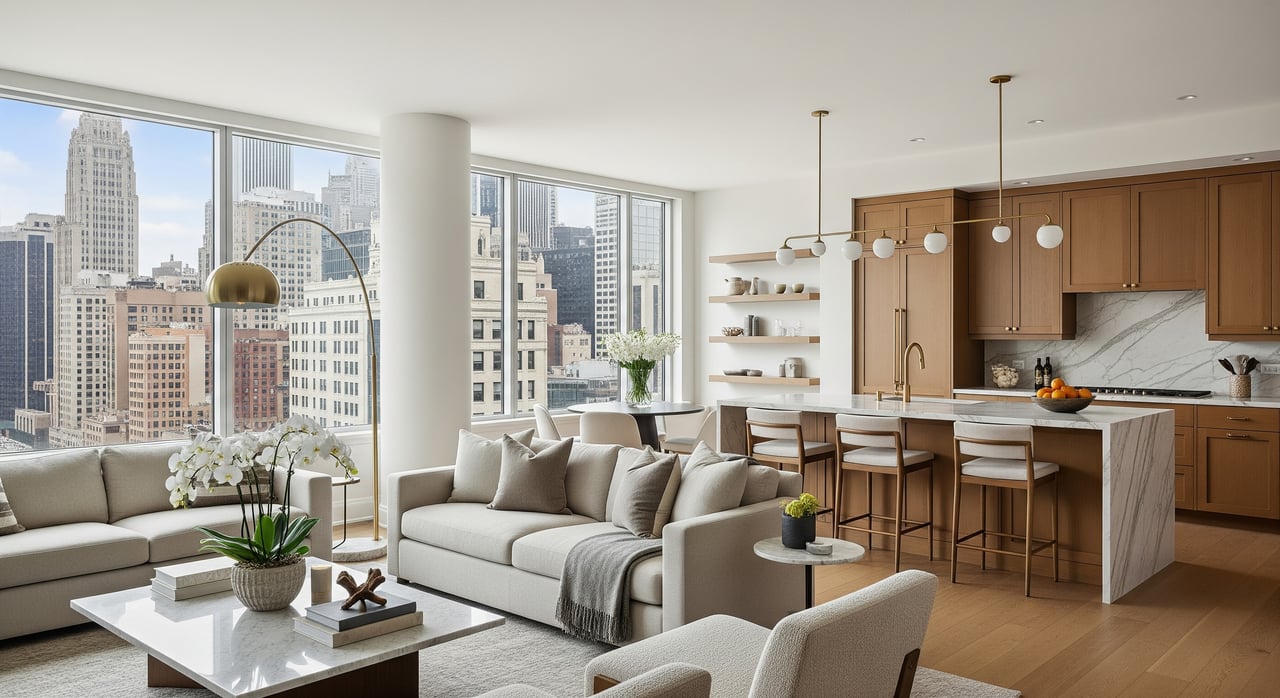
Typical features include 24-hour door staff or concierge, staffed front desk, indoor pool and hot tub, fitness center, sun deck or rooftop terrace, party and meeting rooms, theater or media room, business center, dog run, bike storage, package room, and on-site management. These buildings prioritize convenience and security.
New-construction luxury extras
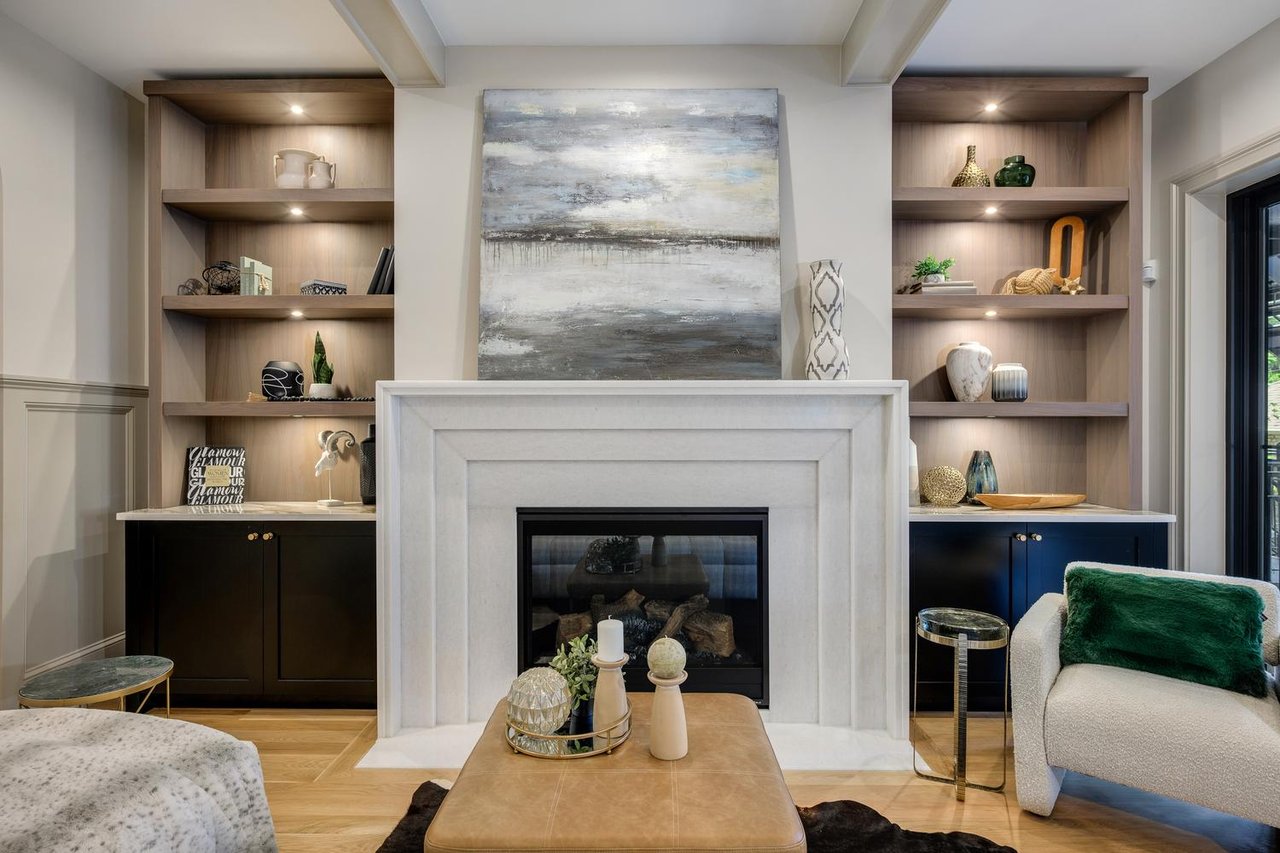
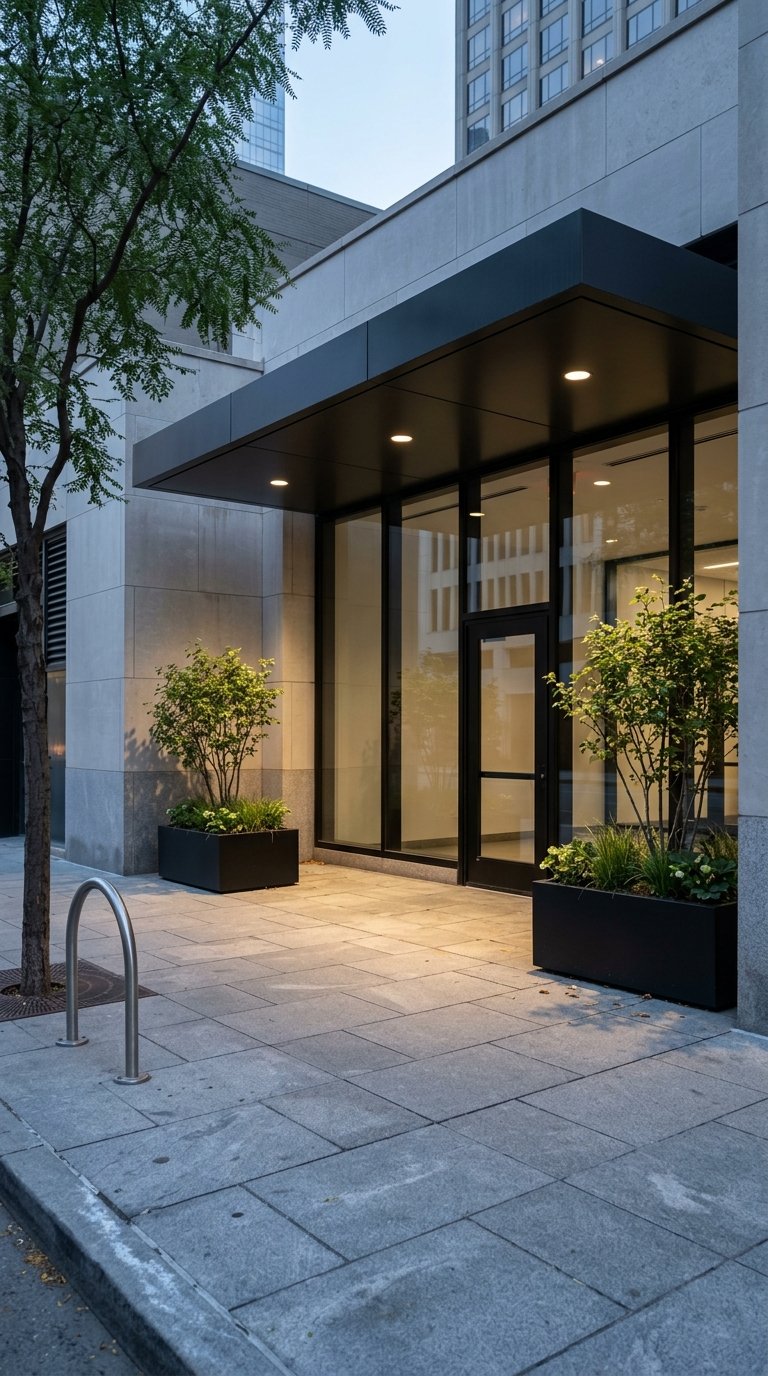
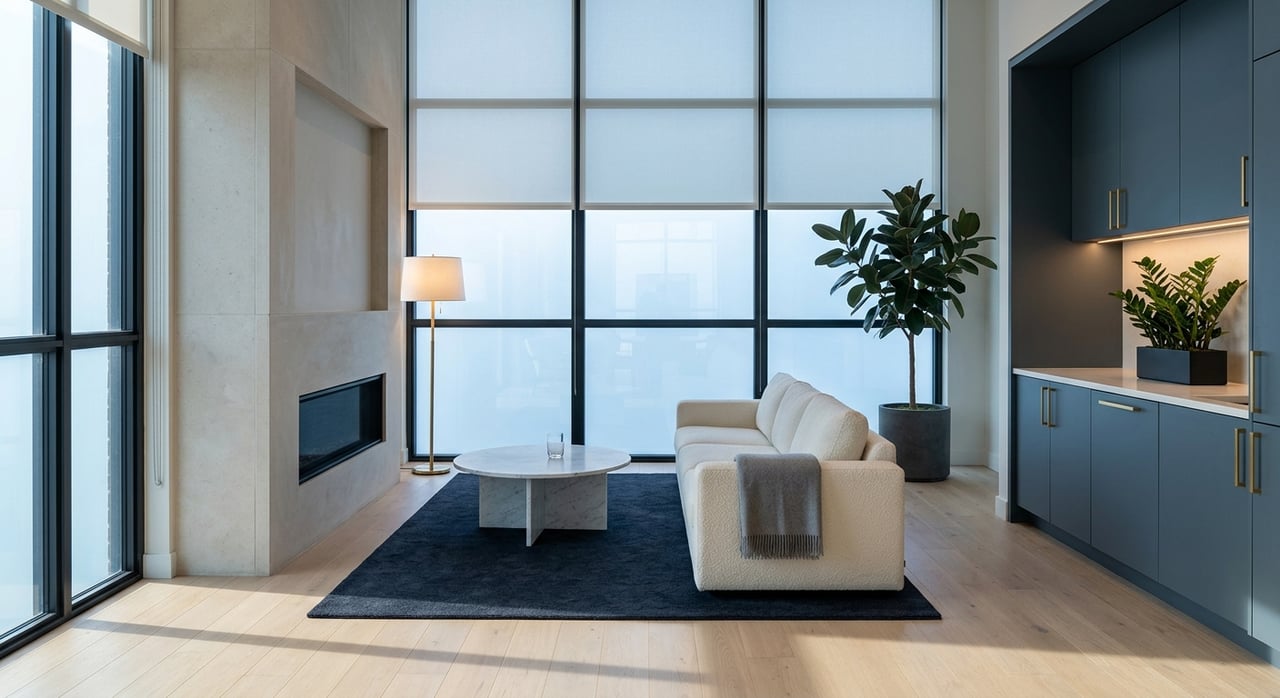
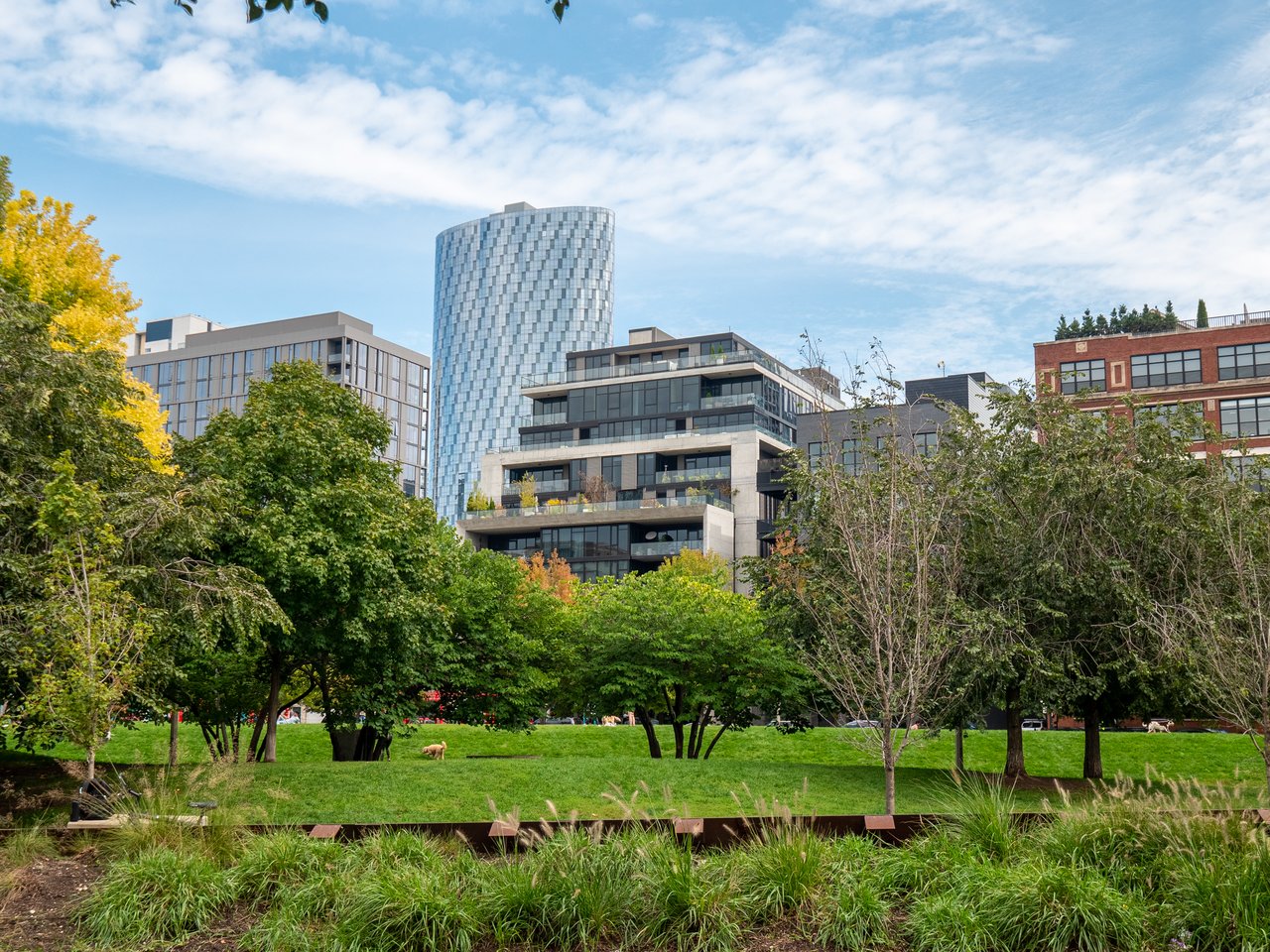
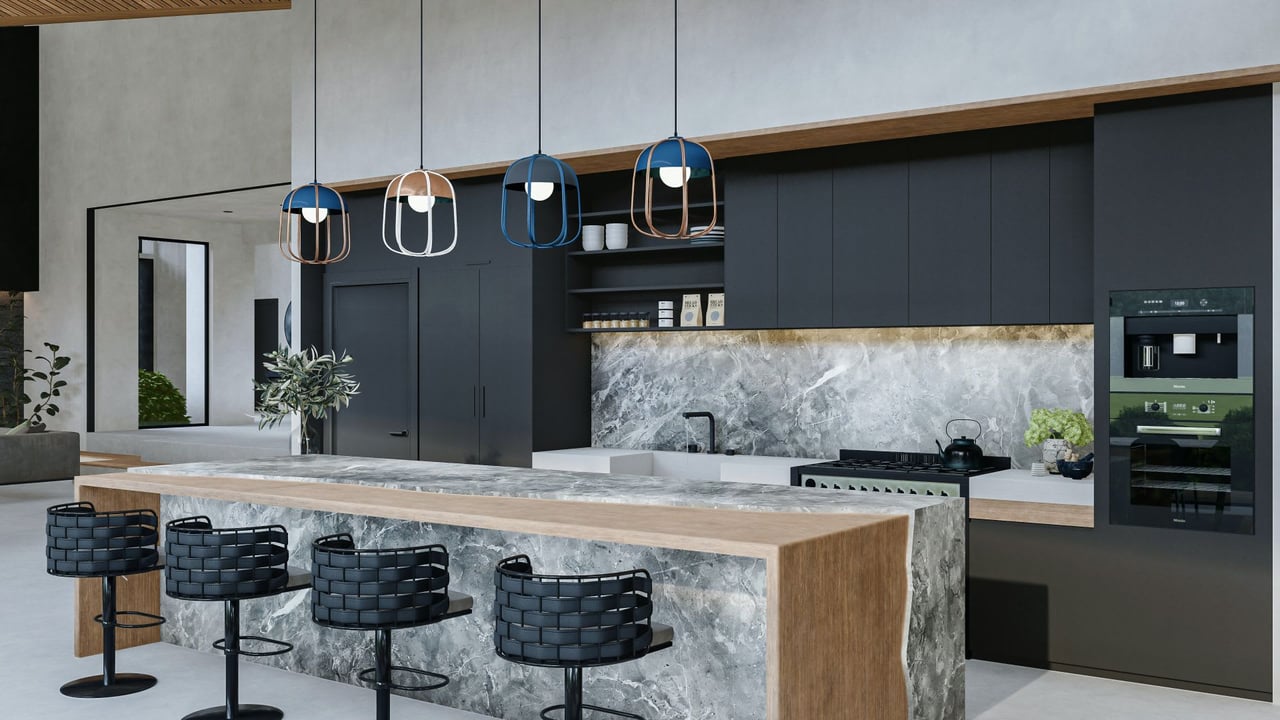
Recently built towers can layer on multiple fitness zones, sky lounges, private dining rooms, golf simulators, enhanced outdoor decks, and valet or guest parking. Review an example amenity set from a new tower like NEMA Chicago to get a feel for “new luxury” features and staffing models. See an overview of offerings in this NEMA listing snapshot.
Historic loft buildings
Converted lofts usually keep amenities simple. Expect elevators, laundry or storage rooms, and bike storage, with fewer shared spaces. Lower operating costs can translate to lower monthly assessments compared with full-service towers.
HOA fees and what they cover
Monthly assessments vary by building type and staffing. Generally, fees cover building operations for common areas, master insurance, water and sewer in some associations, exterior maintenance, elevator service, trash removal, and reserves. Luxury towers add door staff, engineering, and larger amenity operating costs, which raise fees.
Before you make an offer, confirm exactly what your fee covers by reviewing the association’s budget and dues schedule. Many buyers are surprised to learn that internet, cable, heat, or parking can be included in one building but not in another. Treat HOA costs as part of your total monthly payment when comparing options.
What to confirm before you buy
Request the last two years of the budget, the most recent reserve study, minutes from the last 6 to 12 months of board meetings, and any notices of special assessments or capital projects. The association’s resale or estoppel certificate summarizes dues, delinquencies, and assessments owed at closing. Learn why this document matters in this overview of the resale or estoppel certificate.
Parking, transit, and lake access
Parking models and costs
Parking varies widely. Many towers offer deeded or assigned garage spaces that are sold separately, some buildings offer leased spaces, and a few use lotteries or waiting lists. Deeded spaces in full-service towers have sold for tens of thousands of dollars, and nearby garage leases commonly run in the low to mid hundreds per month depending on the market. Verify whether a listed unit includes a space or if parking is a separate purchase.
Transit and walkability
The South Loop ranks high for both walkability and transit access, including CTA Red, Green, and Orange Lines at Roosevelt and multiple bus routes. Many residents choose not to own a car because daily needs and downtown jobs are close by. You can check current Walk and Transit Scores on the South Loop market profile.
Proximity to the lakefront
If being near Grant Park and the lake is a priority, focus on addresses in the 1200 to 1500 south blocks of Prairie, Indiana, and Michigan. These blocks place you within a short walk of the Museum Campus and lakefront trails.
Flood risk and insurance basics
Parts of the South Loop and Near South Side have measurable long-term flood risk projections. When you evaluate a building, confirm the property’s elevation, flood mitigation for basements and garage levels, and the association’s insurance structure, including any flood coverage or higher deductibles. You can review flood-factor notes within the South Loop housing overview, then factor potential premiums into your total budget.
Developments to watch
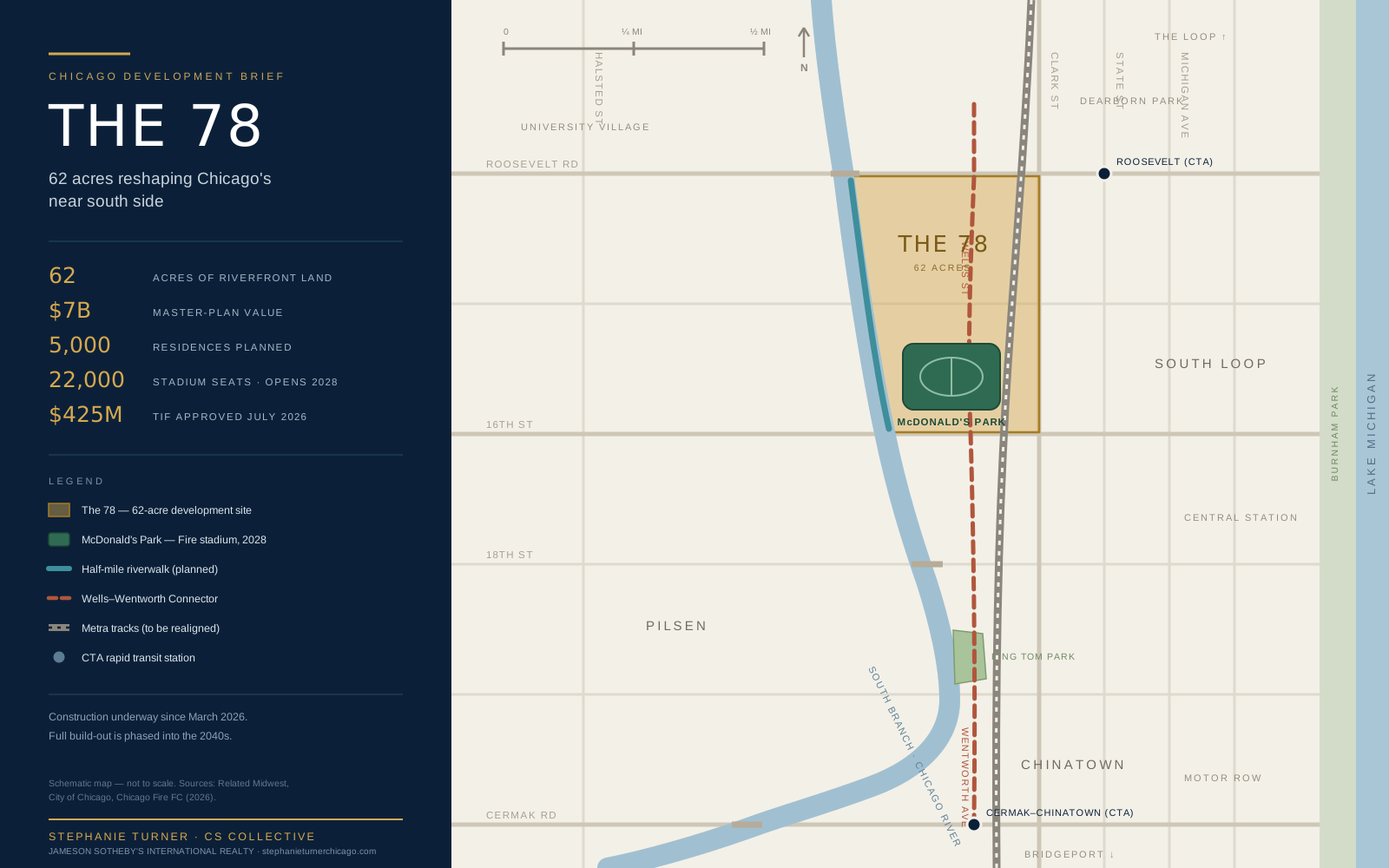
The 78 and the Chicago Fire stadium
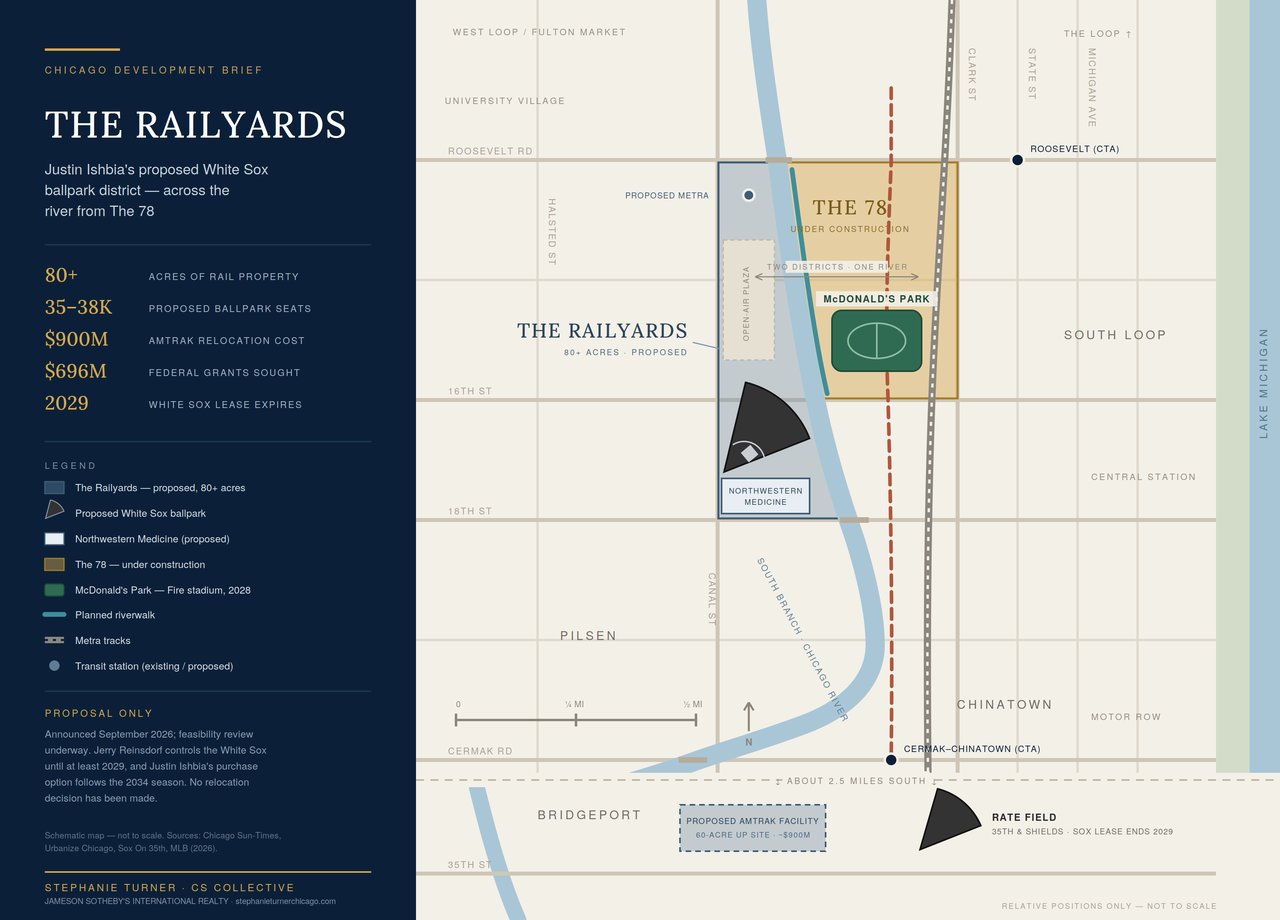
A groundbreaking was held in March 2026 for a proposed Chicago Fire FC stadium and related mixed-use development at The 78 site just south of the Loop. If the project proceeds as planned, it could shift retail patterns, add parks and venues, and influence traffic and long-term demand across the South Loop. See coverage of the event in local reporting.
Tower pipeline and 1000M
New high-rise completions continue to add amenity-rich options and parking capacity to the market. The 1000M permit and project reporting illustrates a modern approach that blends extensive amenities with on-site resident parking. For context, review 1000M permit coverage.
Roosevelt Road retail growth
Roosevelt Road has matured into a retail anchor that supports the growing residential base. New leases and project phases can improve daily convenience and walkability for nearby buildings. For the larger picture on store mix and recent growth, see the Roosevelt corridor market brief.
Quick match guide
- Immediate lakefront and museums: Focus on Museum Park and the Prairie and Indiana blocks near 12th to 14th Streets for full-service towers and quick access to Grant Park and the Museum Campus.
- New-construction amenities and modern finishes: Target newer towers on Roosevelt and South Michigan, plus recent deliveries like 1000M-era buildings, for sky lounges, multiple fitness spaces, and contemporary systems.
- Lower assessments and historic character: Explore Printer’s Row and Motor Row loft conversions for exposed brick, larger windows, and lean amenity packages.
- Townhouse-style living with easier parking: Include Dearborn Park and nearby low-rise associations for ground-level entries and attached or adjacent parking options.
- Strong retail access and transit: Look along the Roosevelt corridor between Canal and Michigan for grocery anchors and quick CTA connections.
How to compare two buildings
Use this simple checklist to keep your search focused:
- Pull the resale or estoppel packet and confirm dues, delinquencies, and any assessments.
- Review the last two budgets, the reserve study, and recent board minutes for elevator, roof, facade, or mechanical projects.
- Clarify utilities and services included in your fee, such as water, internet, heat, and package handling.
- Confirm parking status for your specific unit and the cost to own or lease a space.
- Map your daily routine to test transit access, elevator wait times, and pet policies.
- Ask about flood mitigation for basements and garages and verify the association’s coverage and deductibles.
When you want a curated shortlist, a valuation model for different amenity packages, and private or pre-market options, connect with Stephanie Turner. You will get boutique guidance backed by appraisal-informed pricing, negotiation strategy, and access to premium marketing and private inventory channels.
FAQs
What price range and fees should South Loop condo buyers expect?
- The median sale price is about $379,500 as of February 2026, and HOA fees vary widely by building type and staffing. Use fees as part of your total monthly cost comparison. See the South Loop market overview for context.
Which South Loop buildings typically have pools and door staff?
- Full-service towers near the lakefront and newer high-rises on Roosevelt and South Michigan often include 24-hour door staff, indoor pools, and larger amenity suites. Verify each building’s list before touring.
Where can I find lower HOA assessments in the South Loop?
- Historic loft conversions in Printer’s Row and Motor Row often have leaner amenity sets, which can translate to lower monthly fees compared with full-service towers. Parking may be limited, so plan accordingly.
How is condo parking handled in the South Loop?
- Many buildings offer deeded spaces sold separately, others lease monthly, and some use waiting lists. Prices can reach tens of thousands for deeded spots, and nearby garage leases often run in the low to mid hundreds per month.
Is living car-free realistic in the South Loop?
- Yes. Walkability and transit access are strong, with CTA Red, Green, and Orange Lines at Roosevelt and multiple bus routes. Many residents rely on transit, rideshare, biking, and nearby retail for daily needs.
How could The 78 project affect my purchase decision?
- The proposed stadium and mixed-use development could boost retail and public spaces over time, while also changing traffic and activity patterns. Long-term holders may view it as a positive, while short-term buyers should consider construction timelines. Read local coverage of the groundbreaking.