If you're thinking about moving to Hyde Park, you're probably trying to answer a few big questions at once: What kind of housing will you actually find, how easy is the commute, and what does daily life feel like once the boxes are unpacked? Hyde Park stands out because it blends residential living with major institutions, lakefront access, and a strong local business corridor. This guide will help you understand how the neighborhood works so you can search with more clarity and confidence. Let’s dive in.
Why Hyde Park Draws So Many Movers
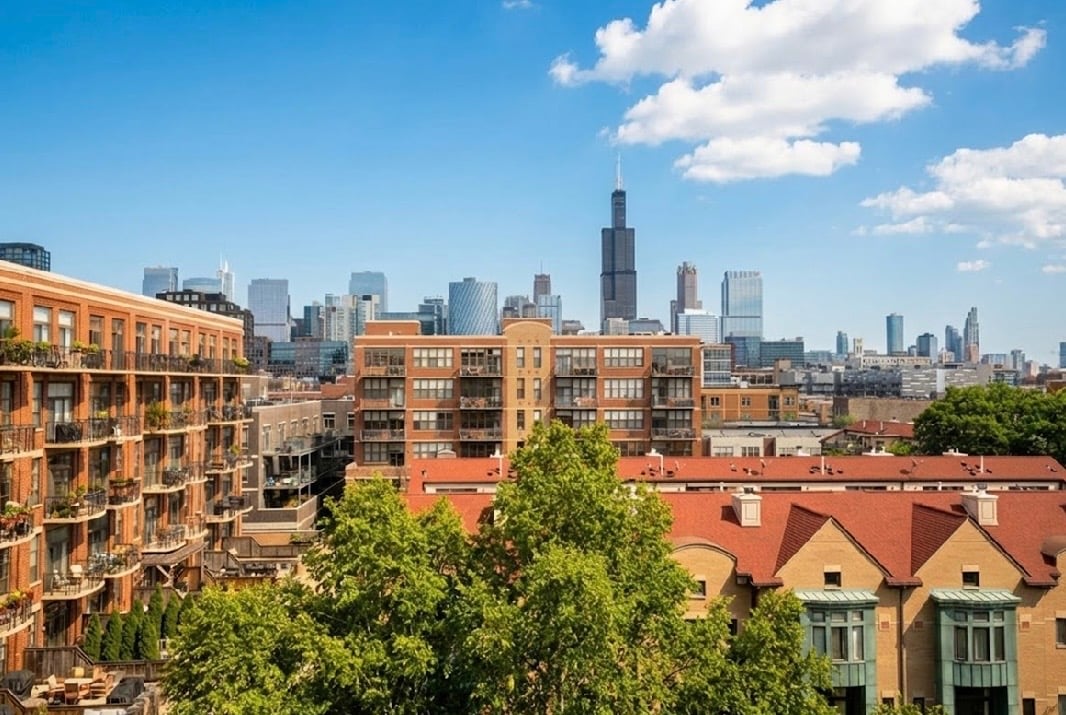
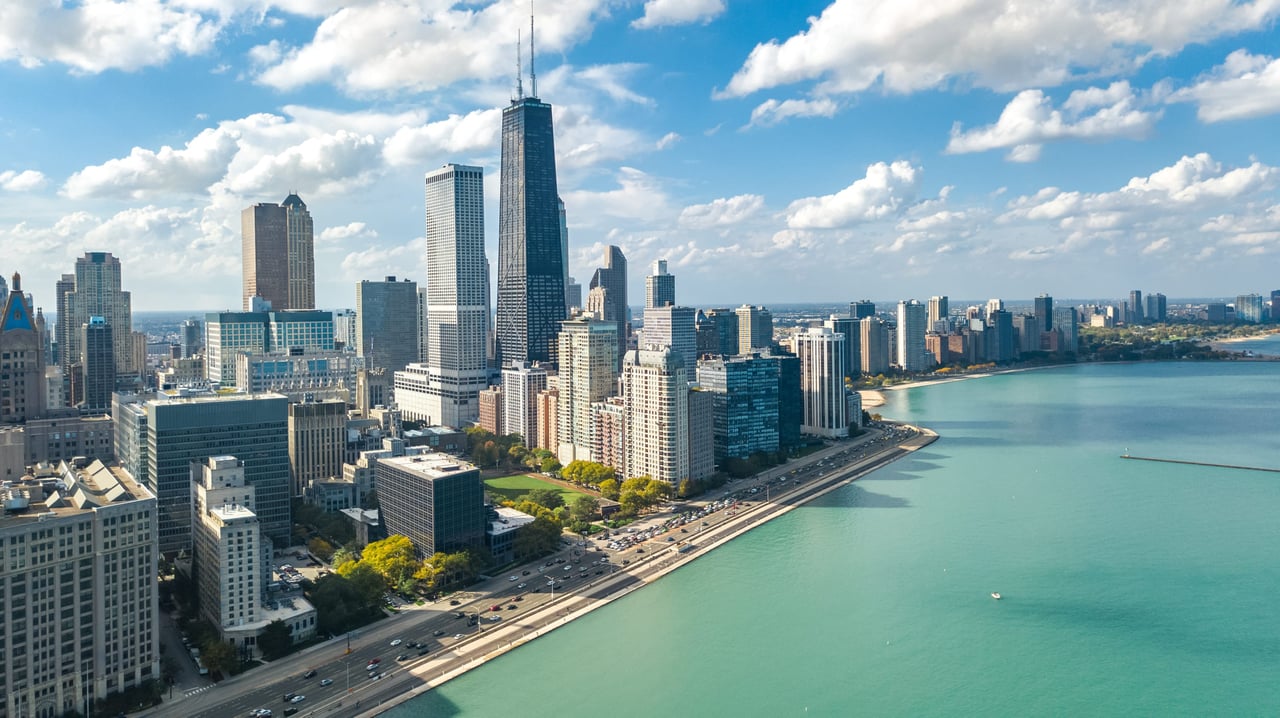
Hyde Park sits about seven miles from downtown Chicago, bordered by Lake Michigan to the east and near Washington Park, Kenwood, and Woodlawn. The neighborhood is anchored by the University of Chicago and UChicago Medicine, which shapes everything from housing demand to commuting patterns and daily convenience. According to the University of Chicago relocation guide, that mix makes Hyde Park especially appealing for students, faculty, staff, medical professionals, families, and other professionals.
One of Hyde Park’s biggest advantages is how much is concentrated in one area. Campus buildings, medical facilities, retail, restaurants, cultural institutions, and parks all sit within or near the neighborhood core. If you want a part of Chicago where errands, work, and free time can happen close to home, Hyde Park offers a practical setup.
Hyde Park Housing at a Glance
Your first housing takeaway is simple: Hyde Park is primarily a multifamily neighborhood. The latest CMAP community snapshot shows that 79.9% of housing units are in buildings with five or more units, while 5.3% are detached single-family homes and 9.2% are attached single-family homes.
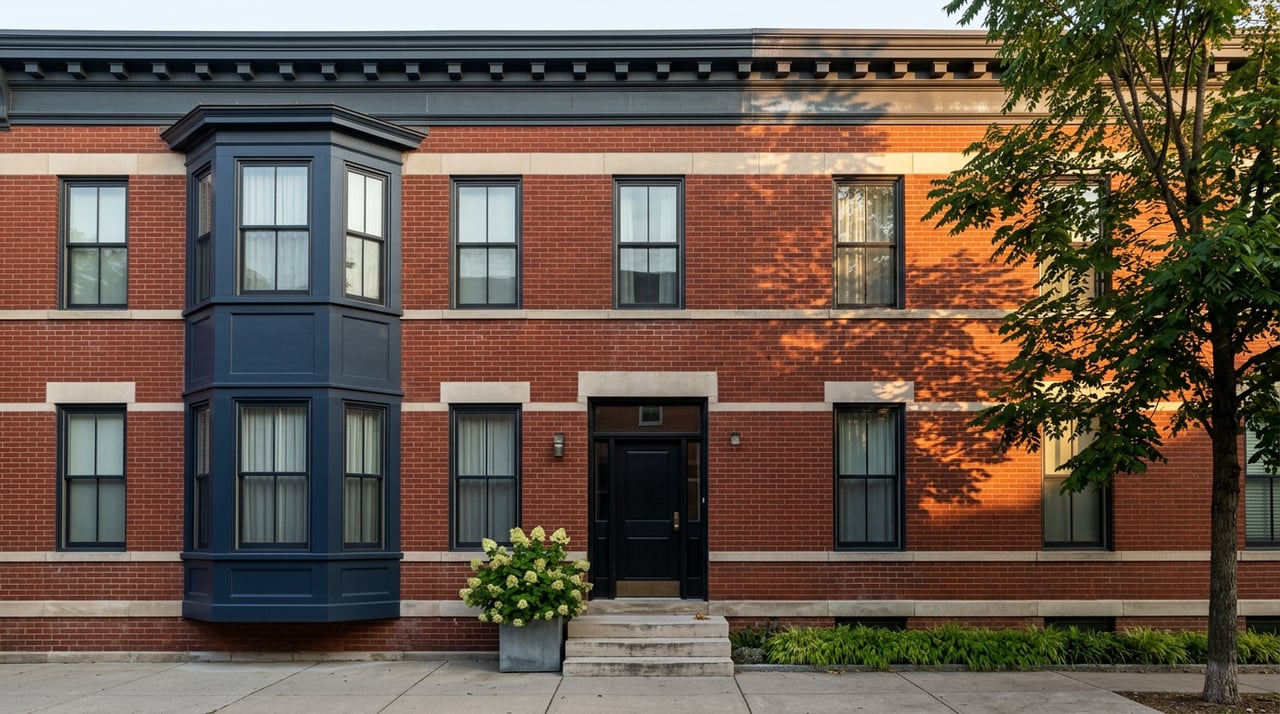
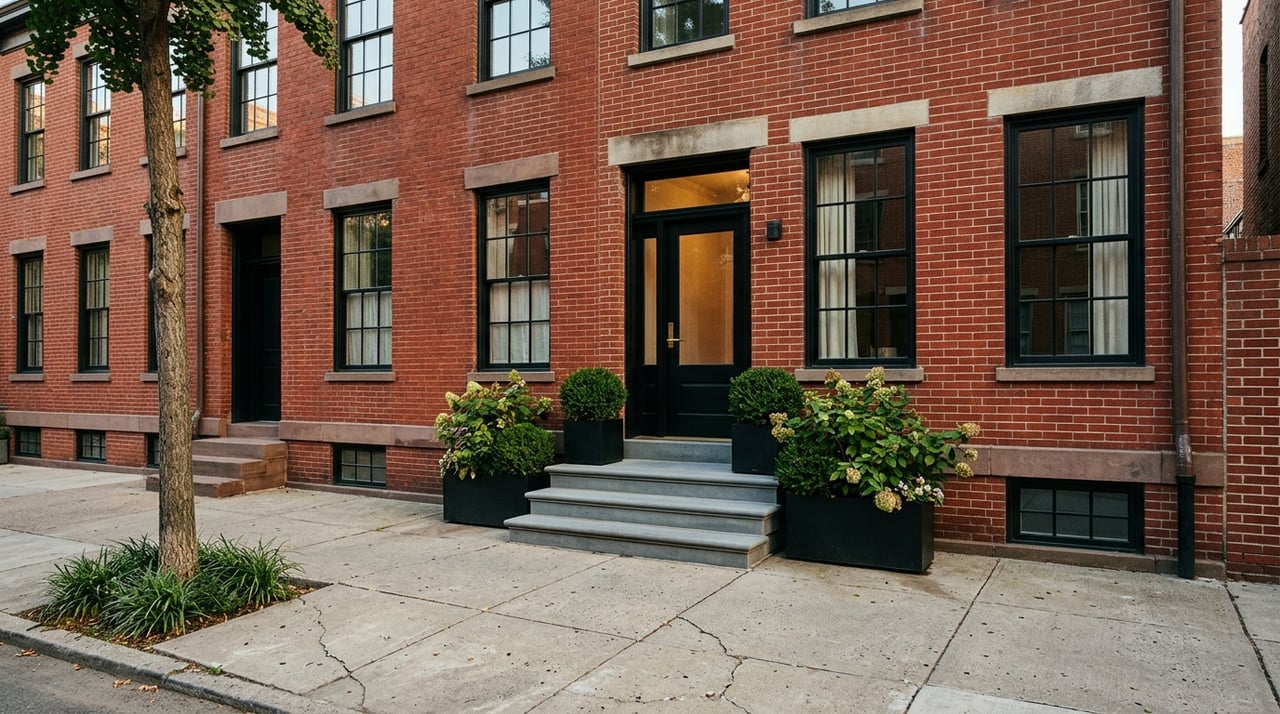
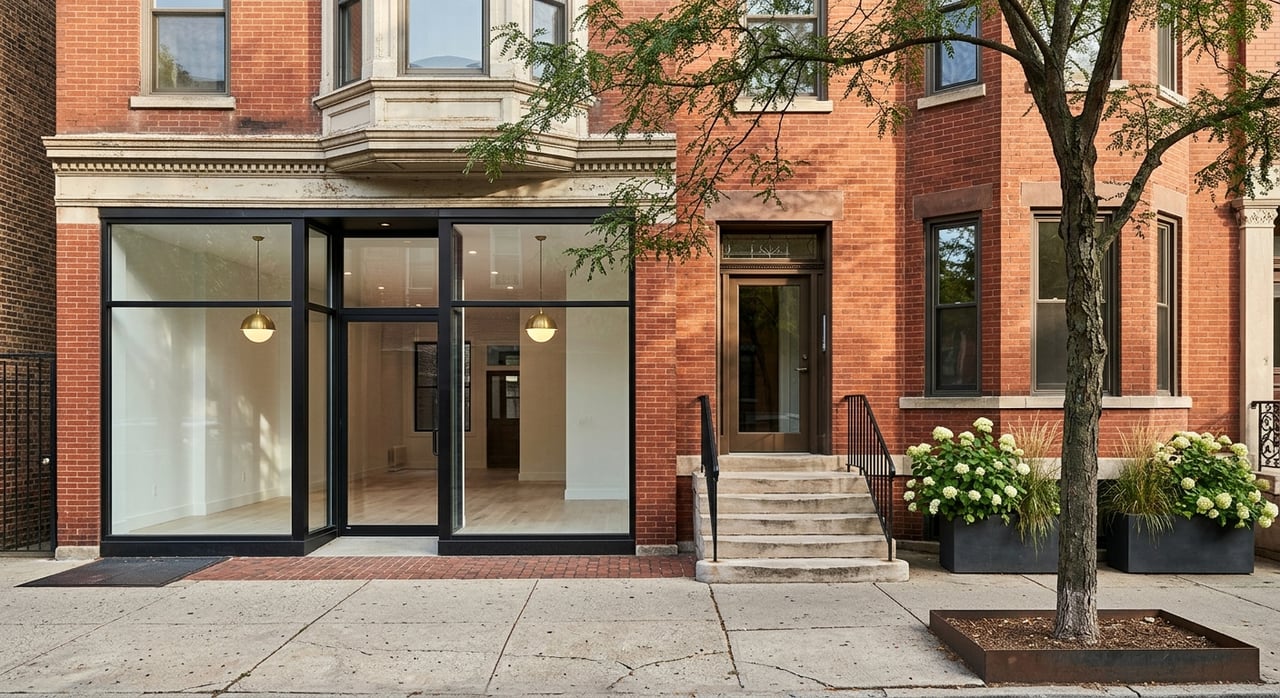
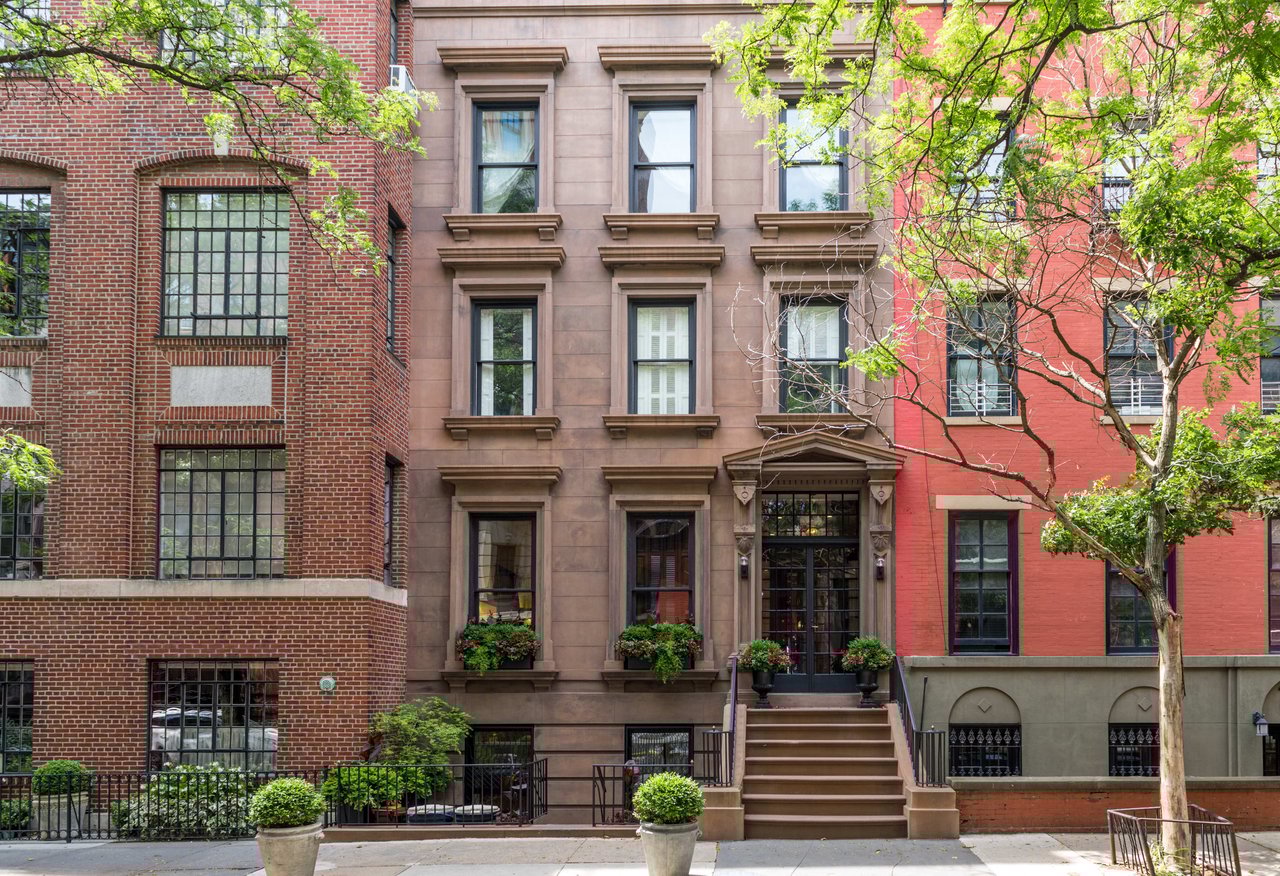
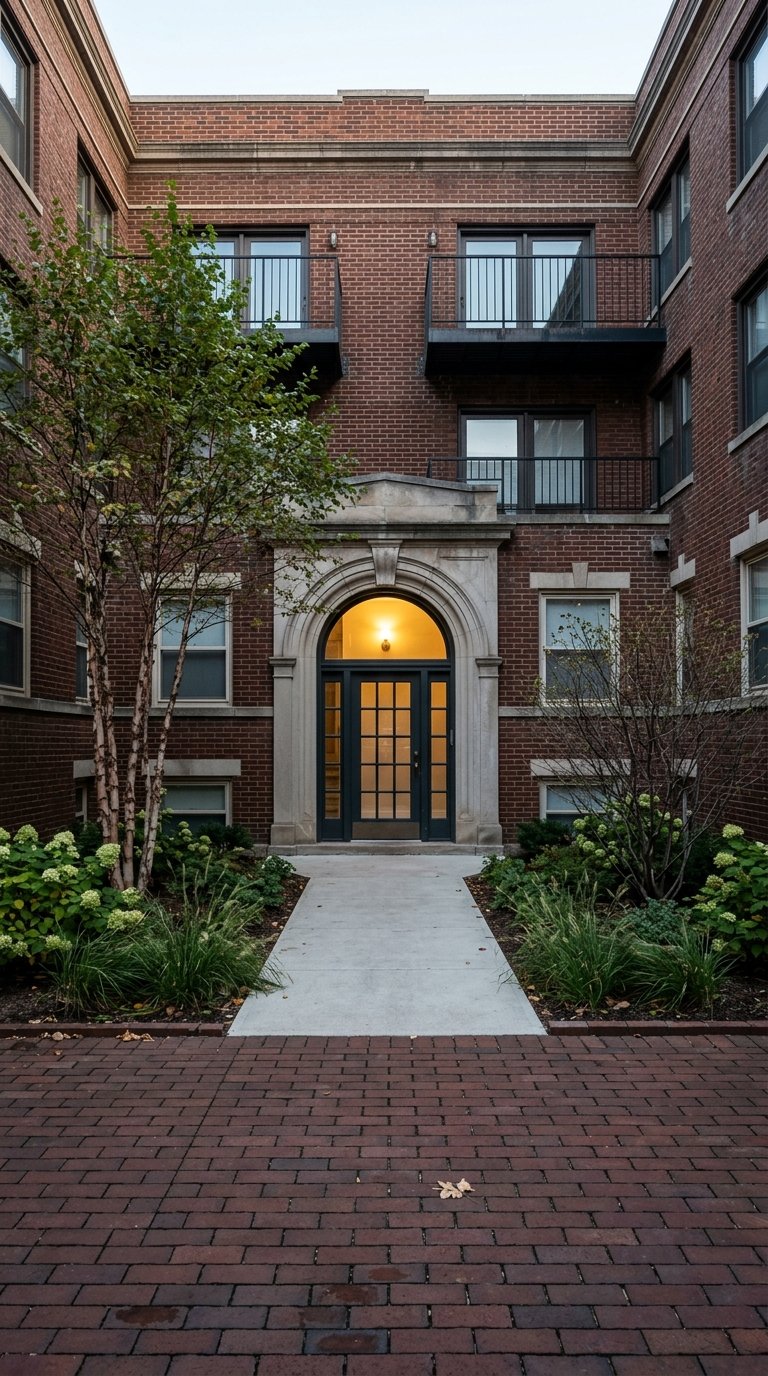
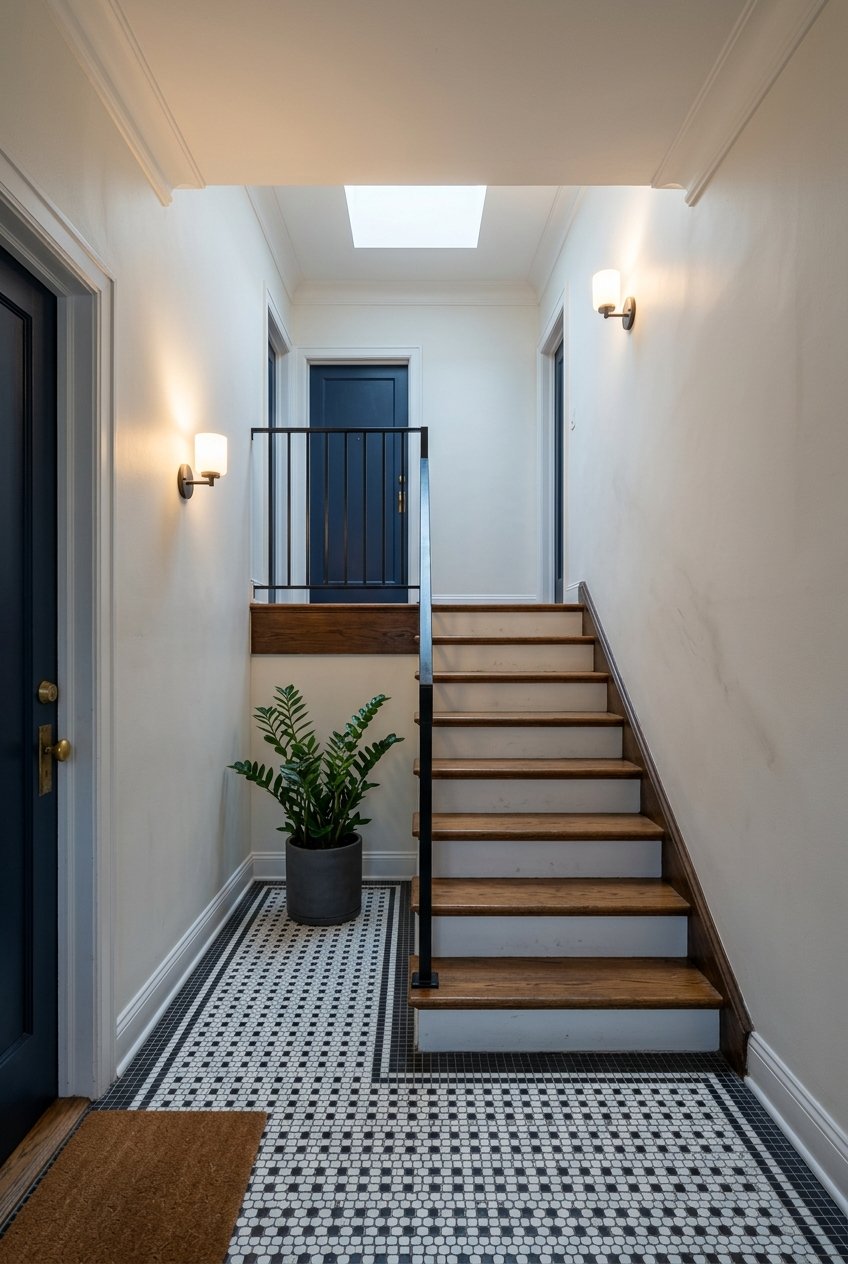
That means your search will likely focus on apartments, condos, and co-ops rather than detached houses. It also means building type matters a lot. In Hyde Park, a lakefront high-rise, an older walk-up, and a landmark home can feel like three very different markets, even within the same neighborhood.
East Hyde Park Housing
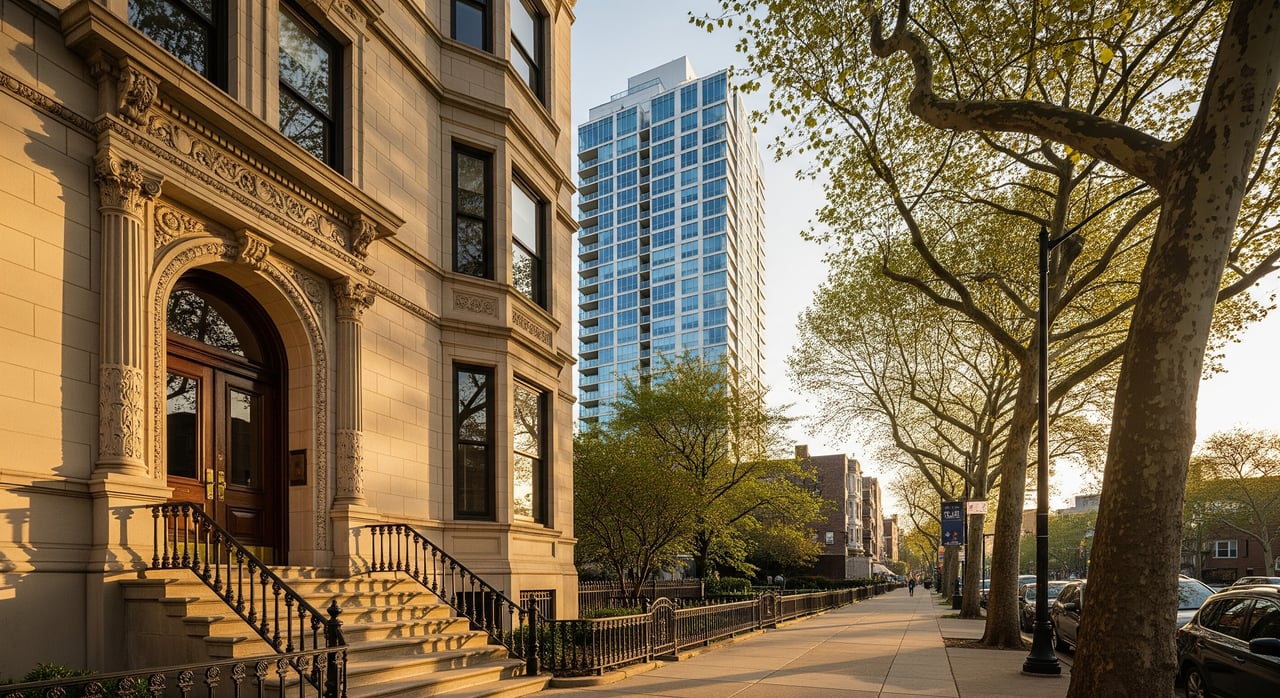
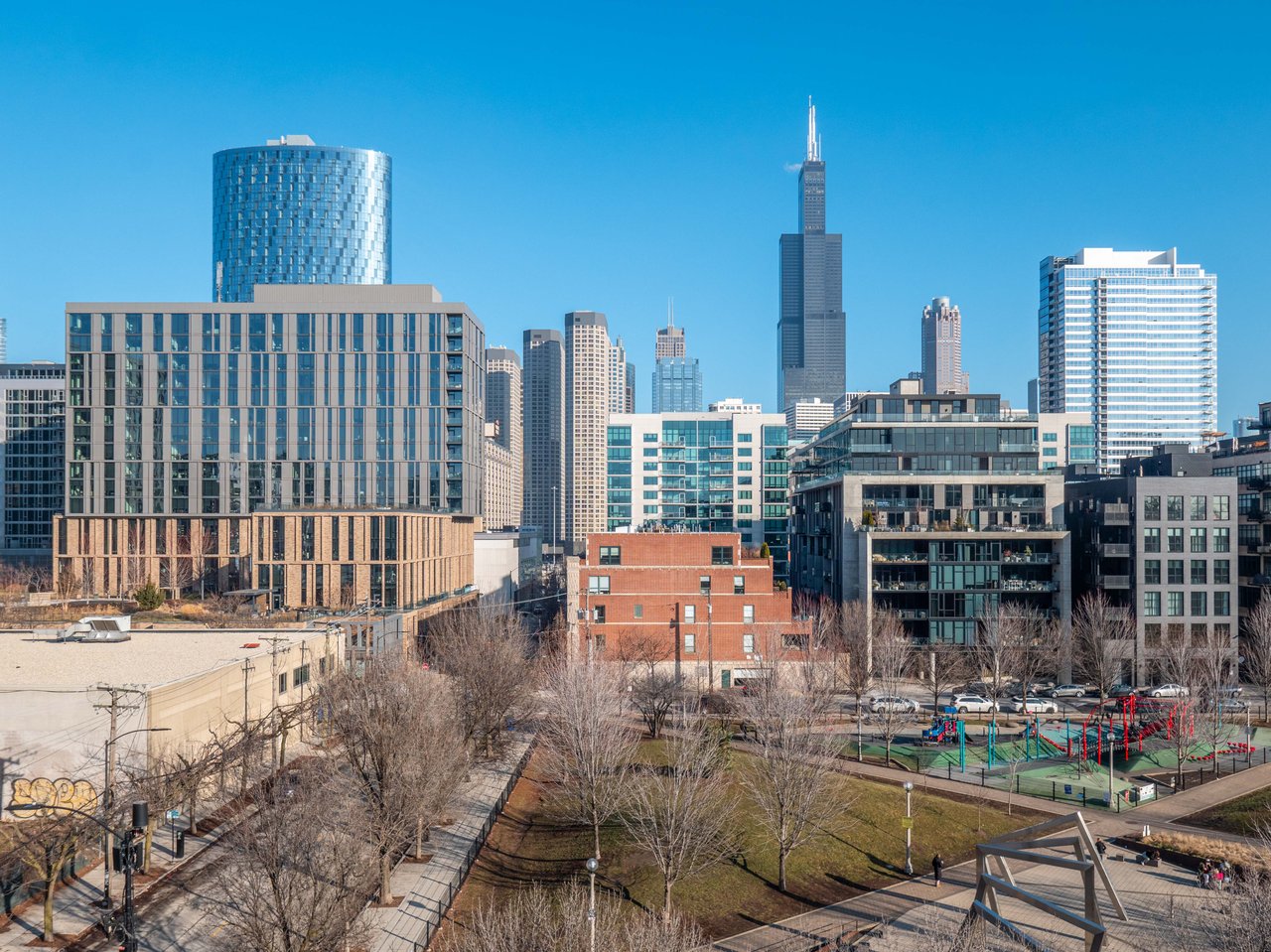
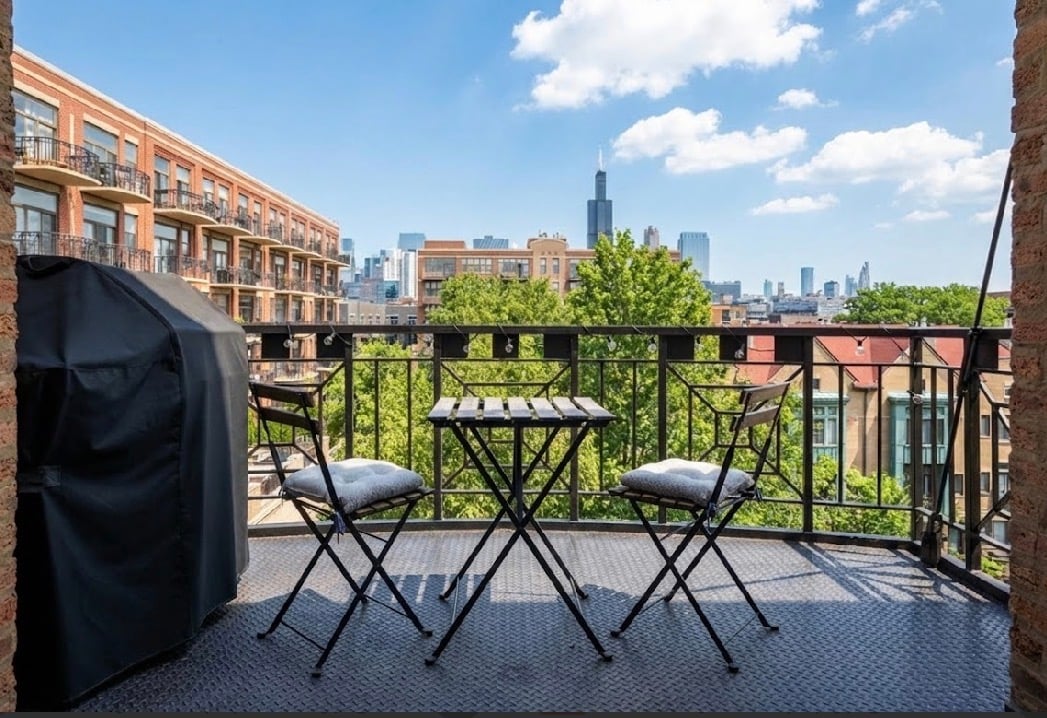
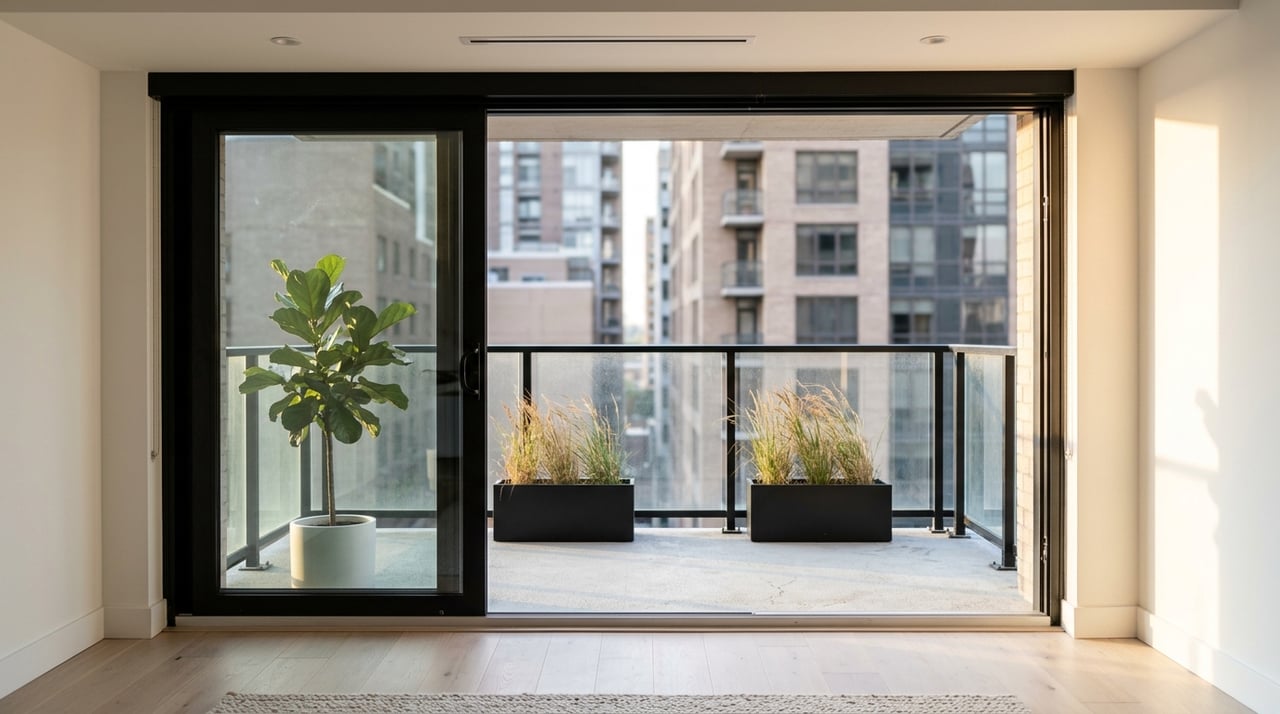
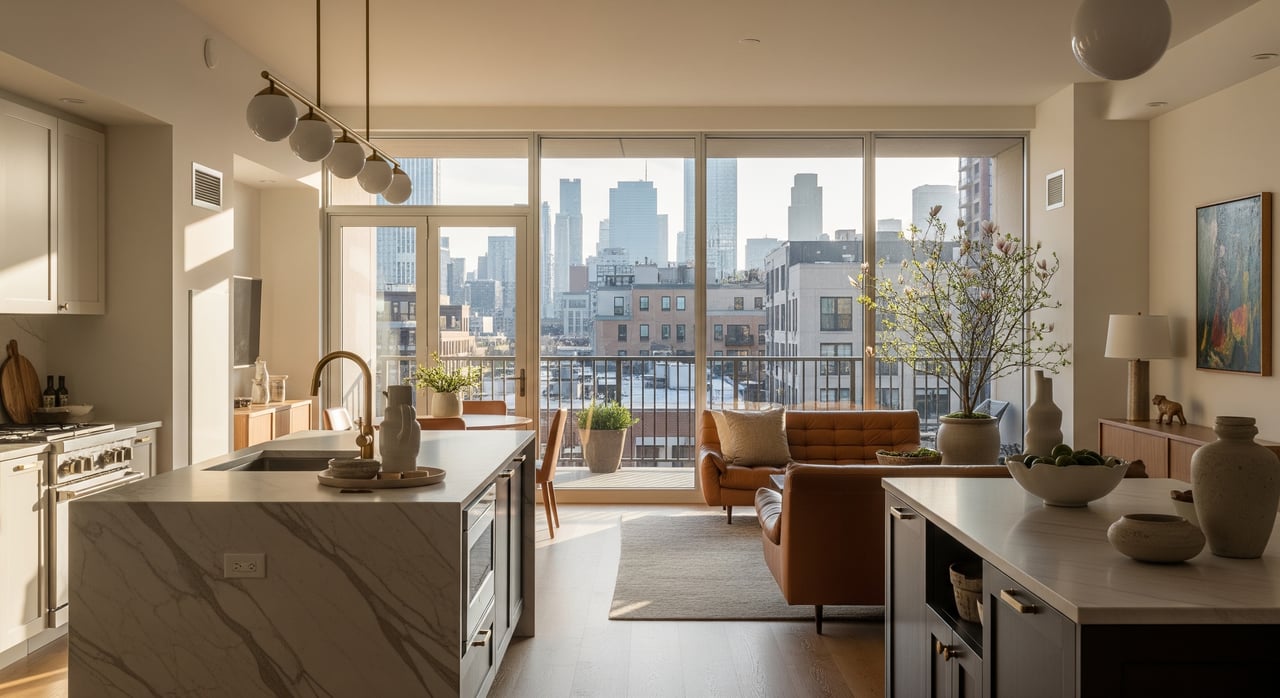
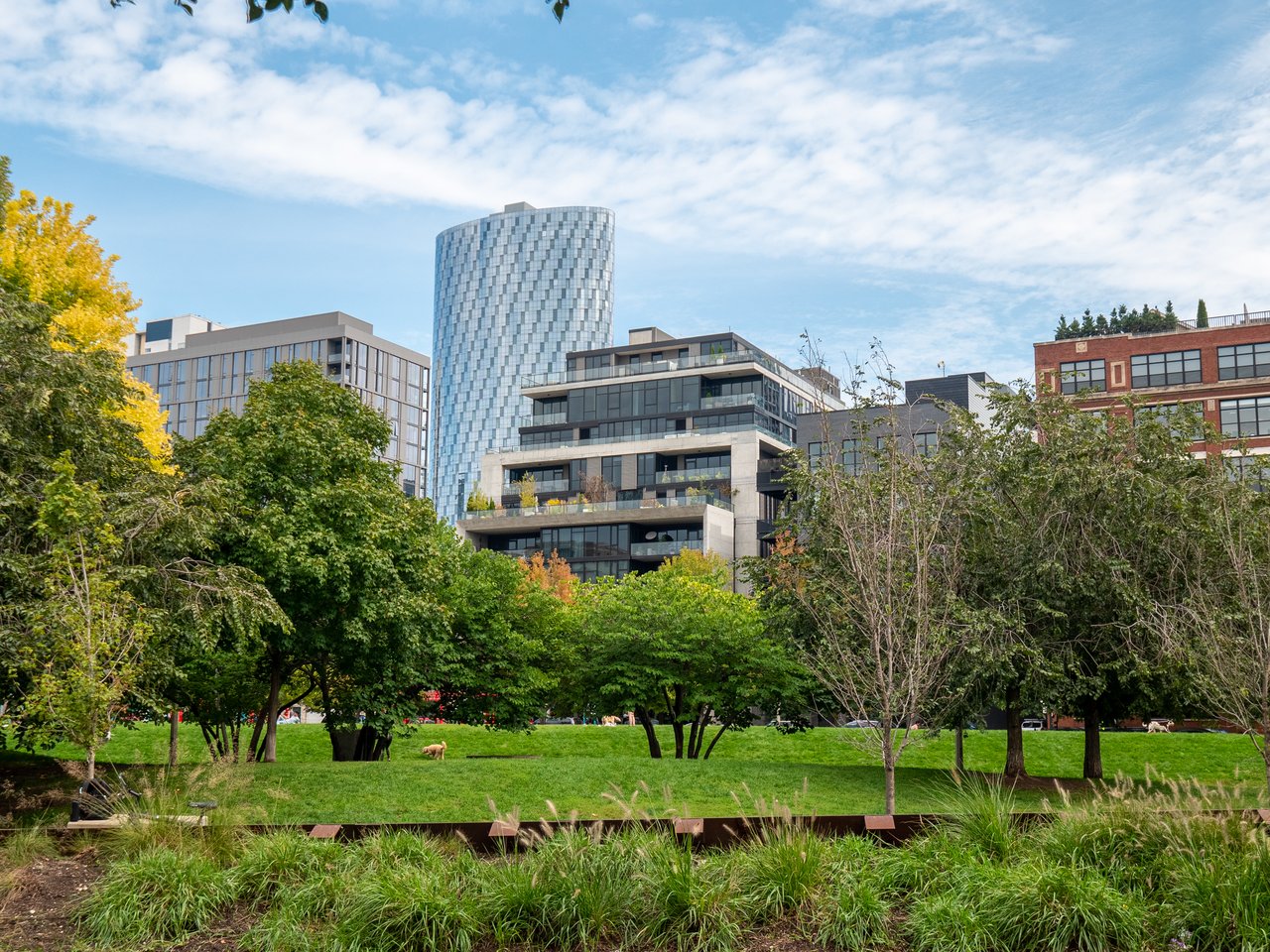
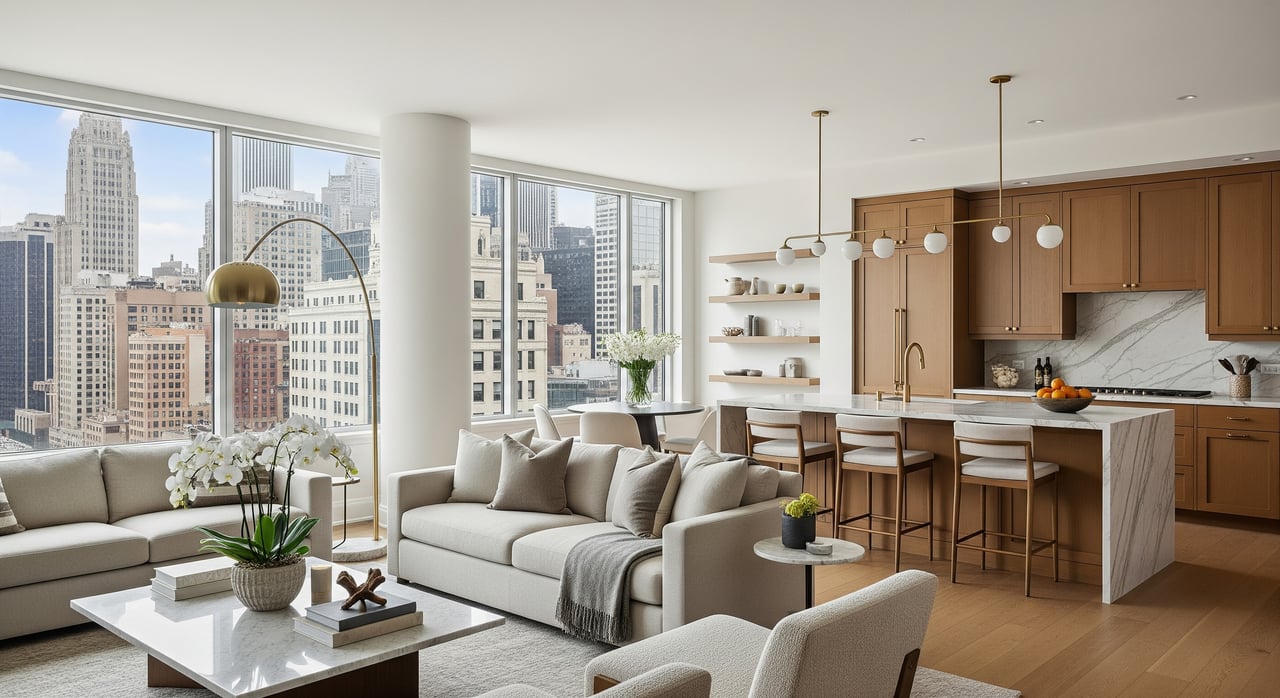
East Hyde Park has much of the neighborhood’s luxury and high-rise inventory near the lake. If you want easier access to lakefront amenities and a more vertical housing profile, this part of the neighborhood is often where your search starts. It also tends to line up well for buyers and renters who want to stay close to the busiest amenity clusters.
Central and West Hyde Park Housing
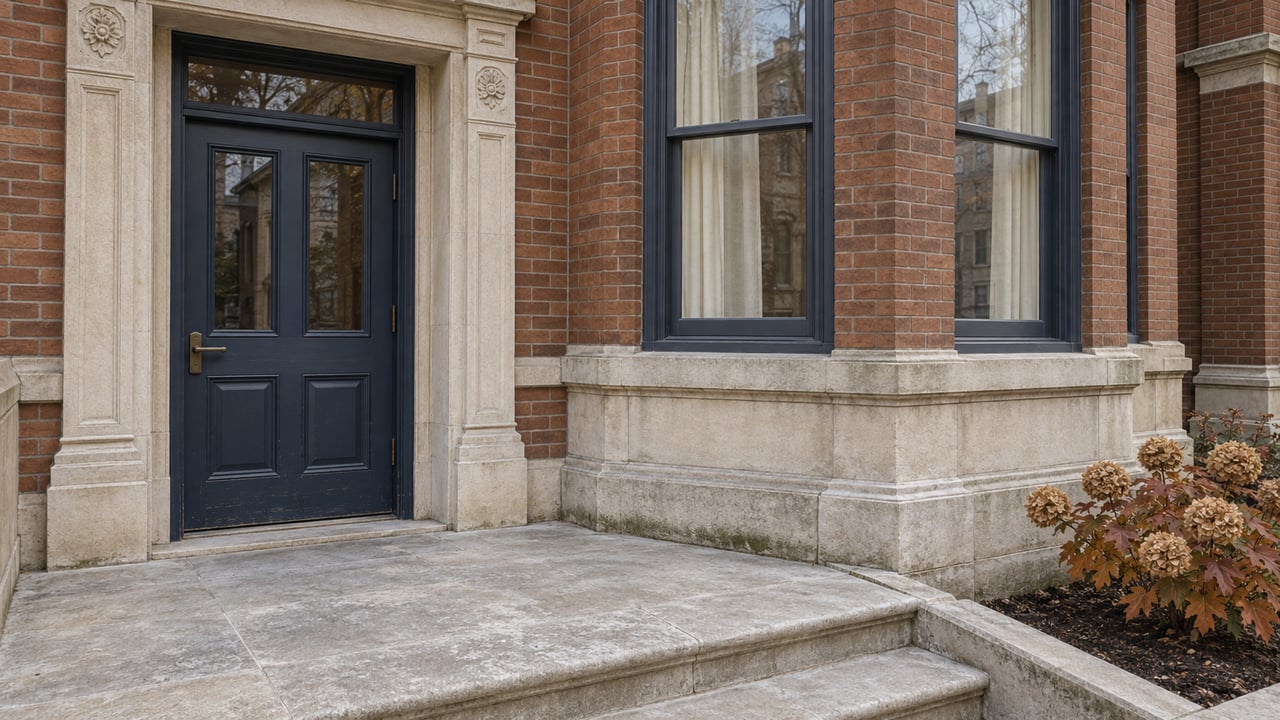
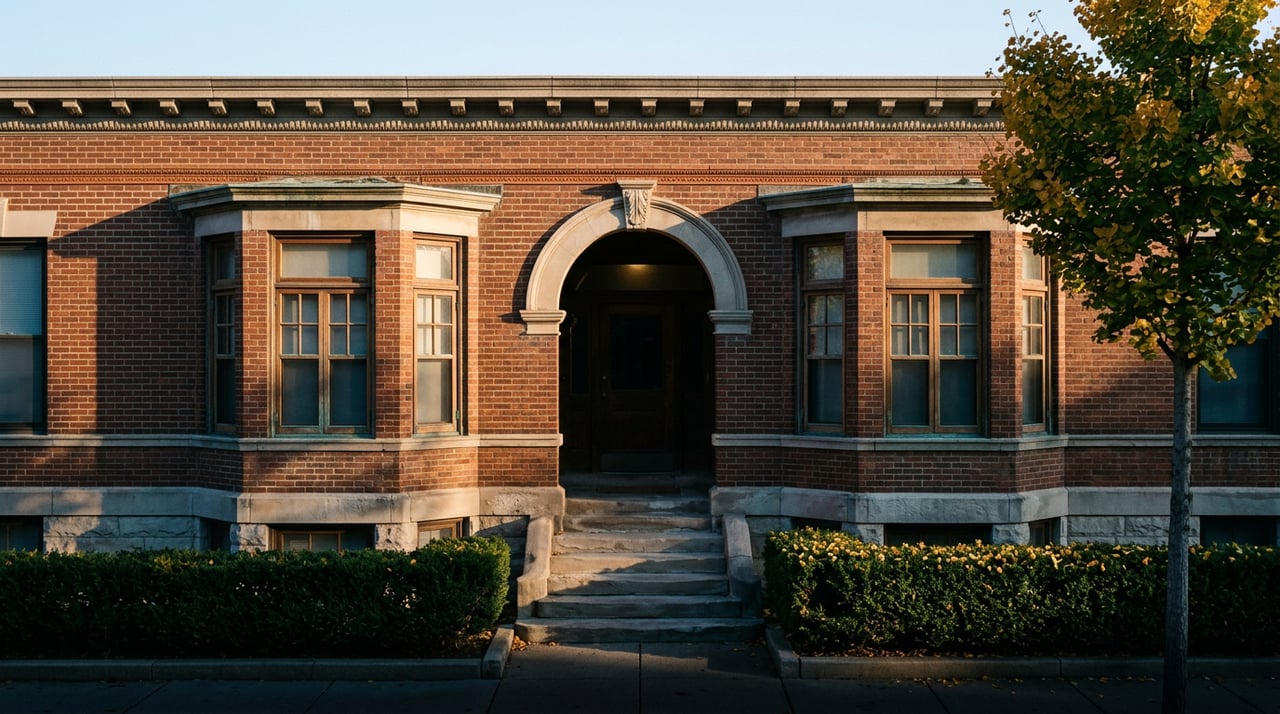
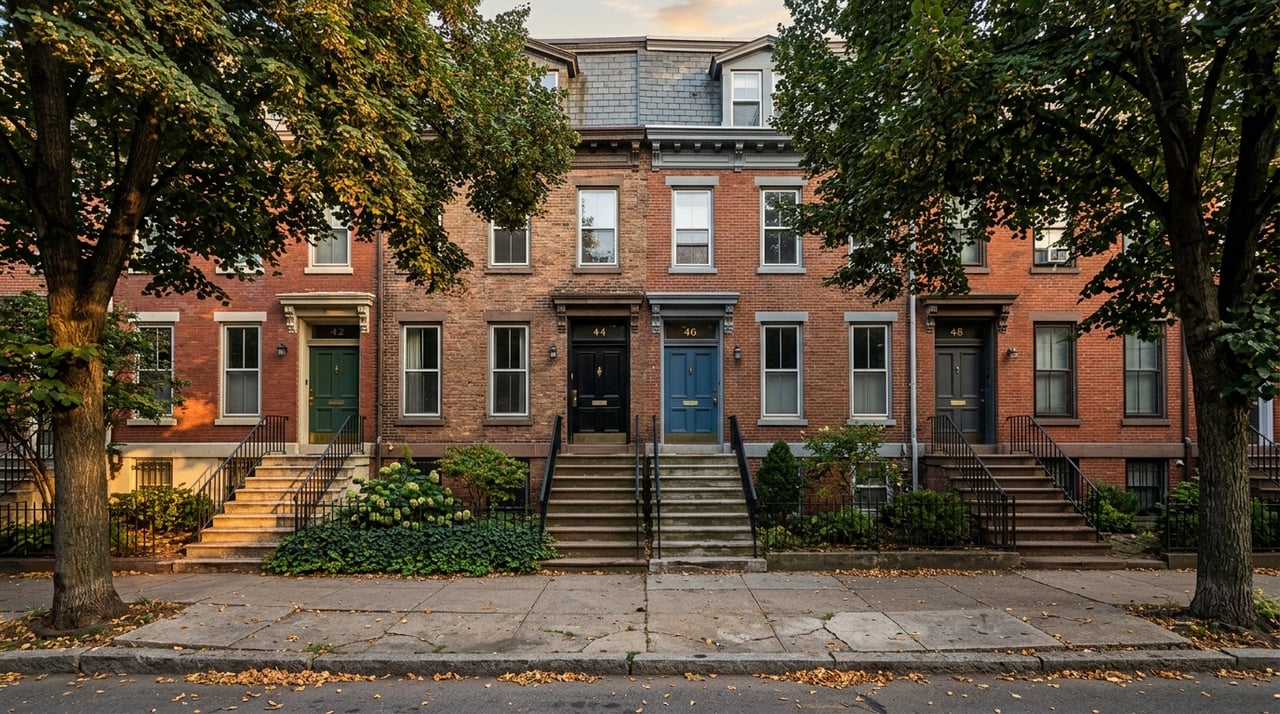
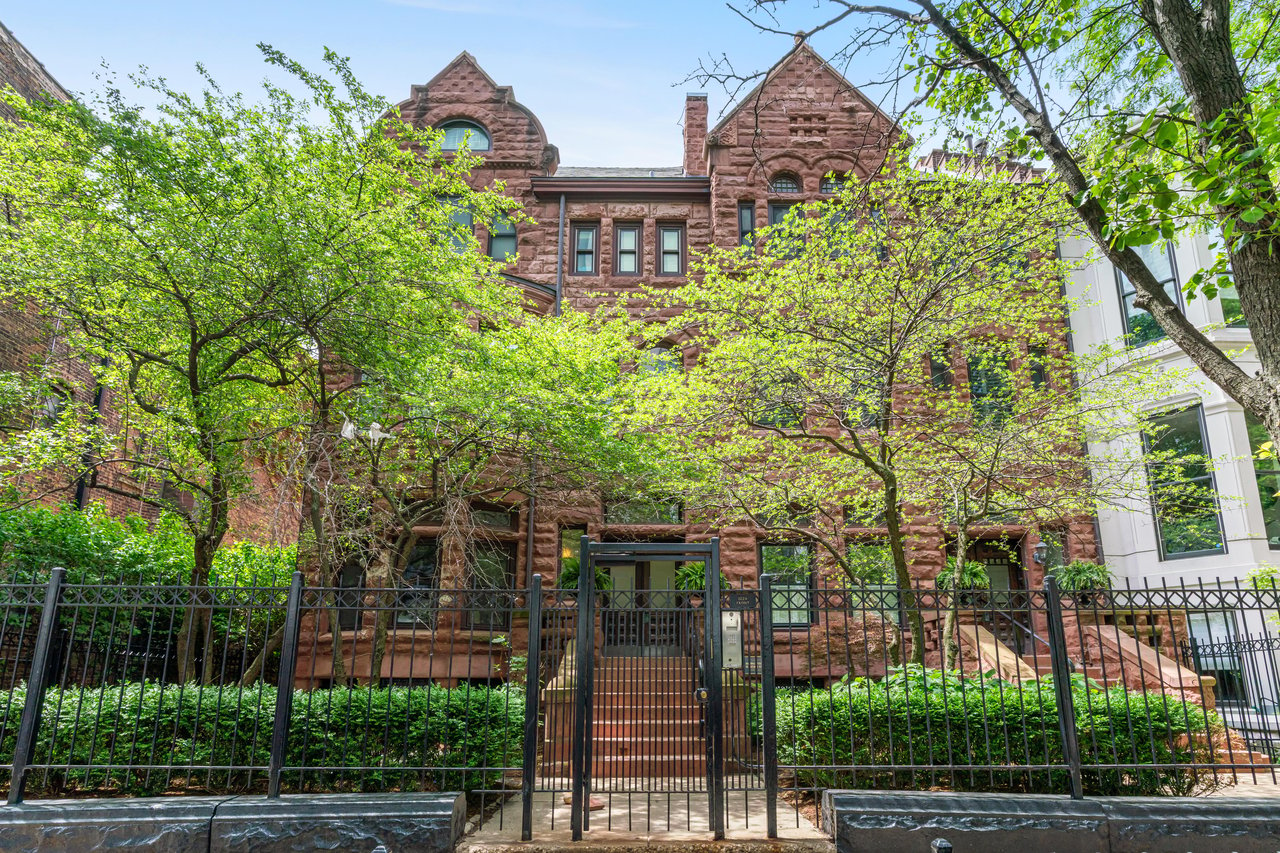
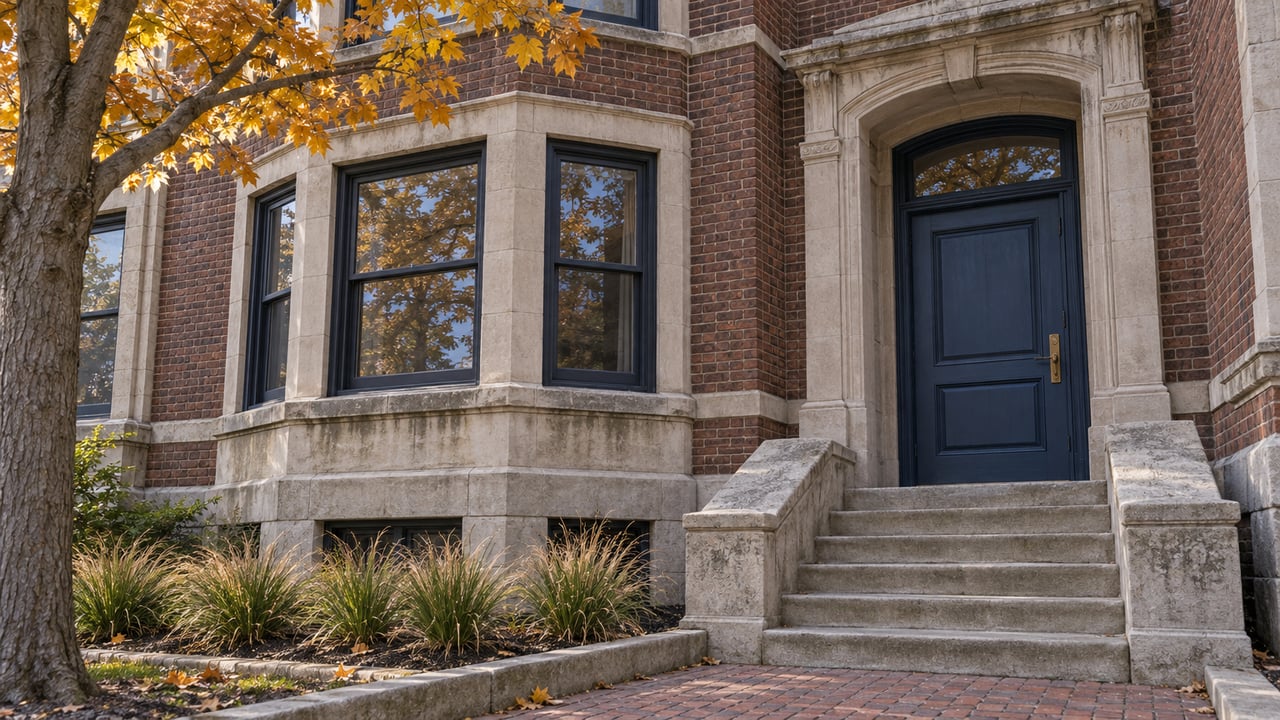
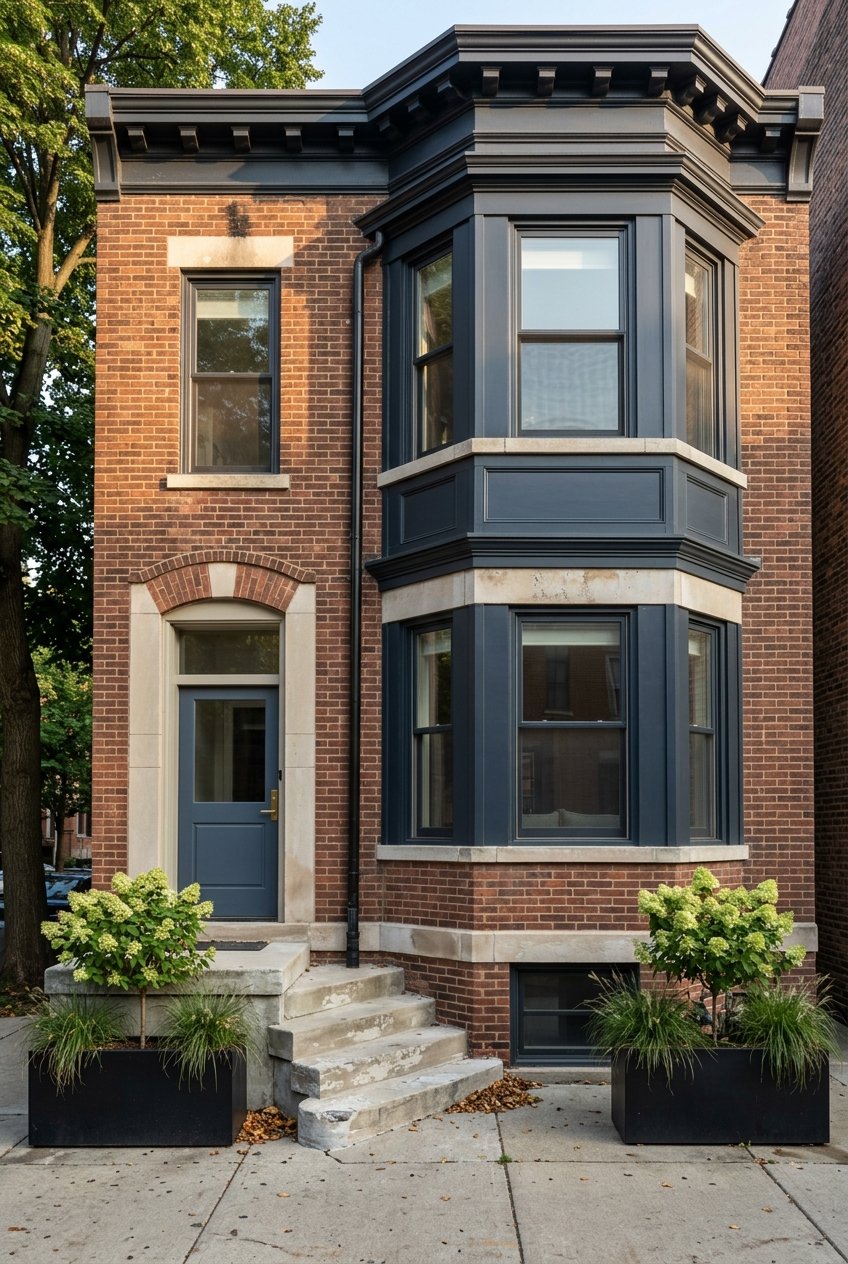
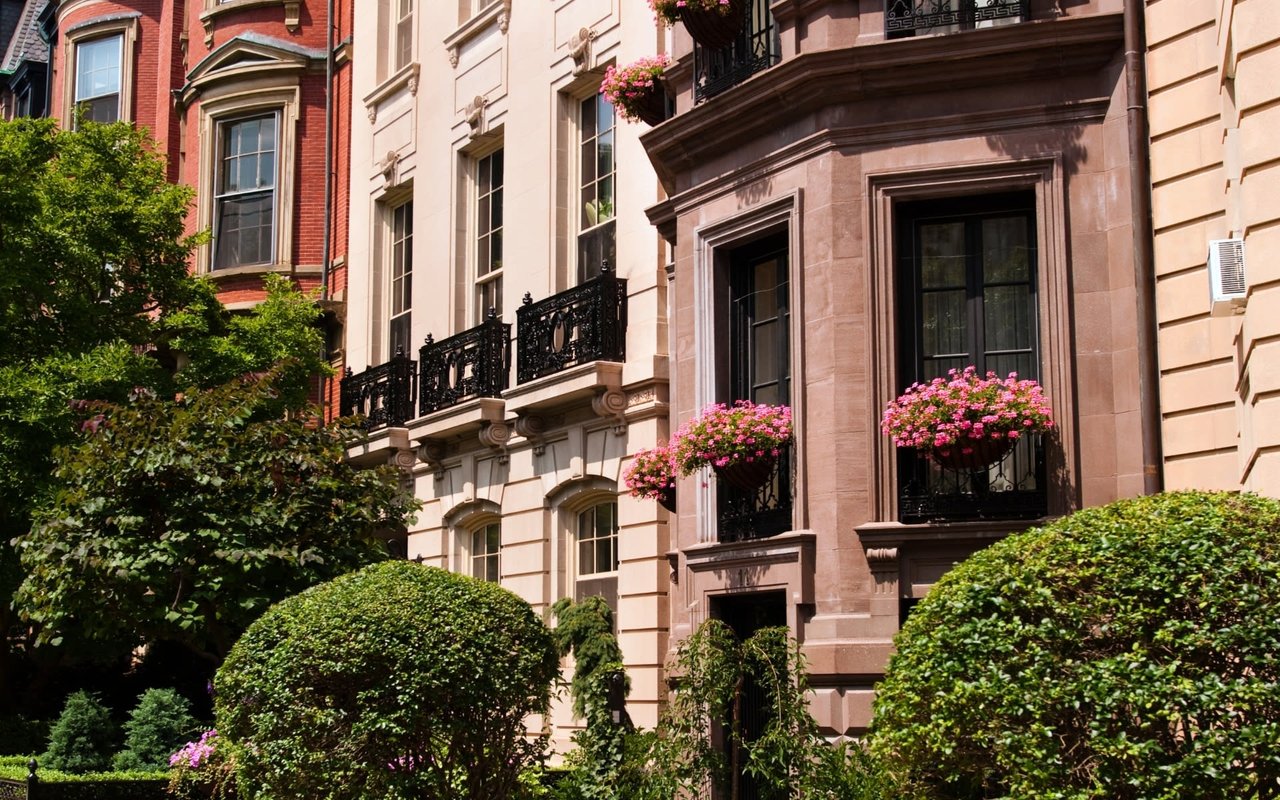
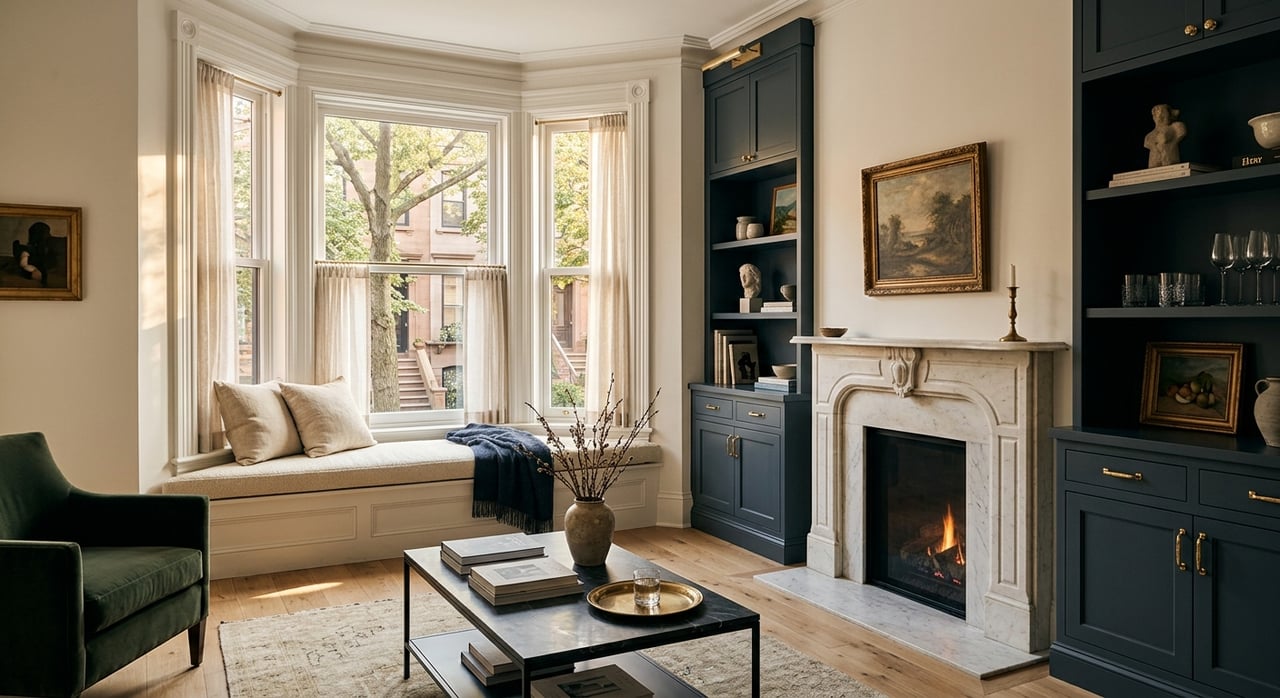
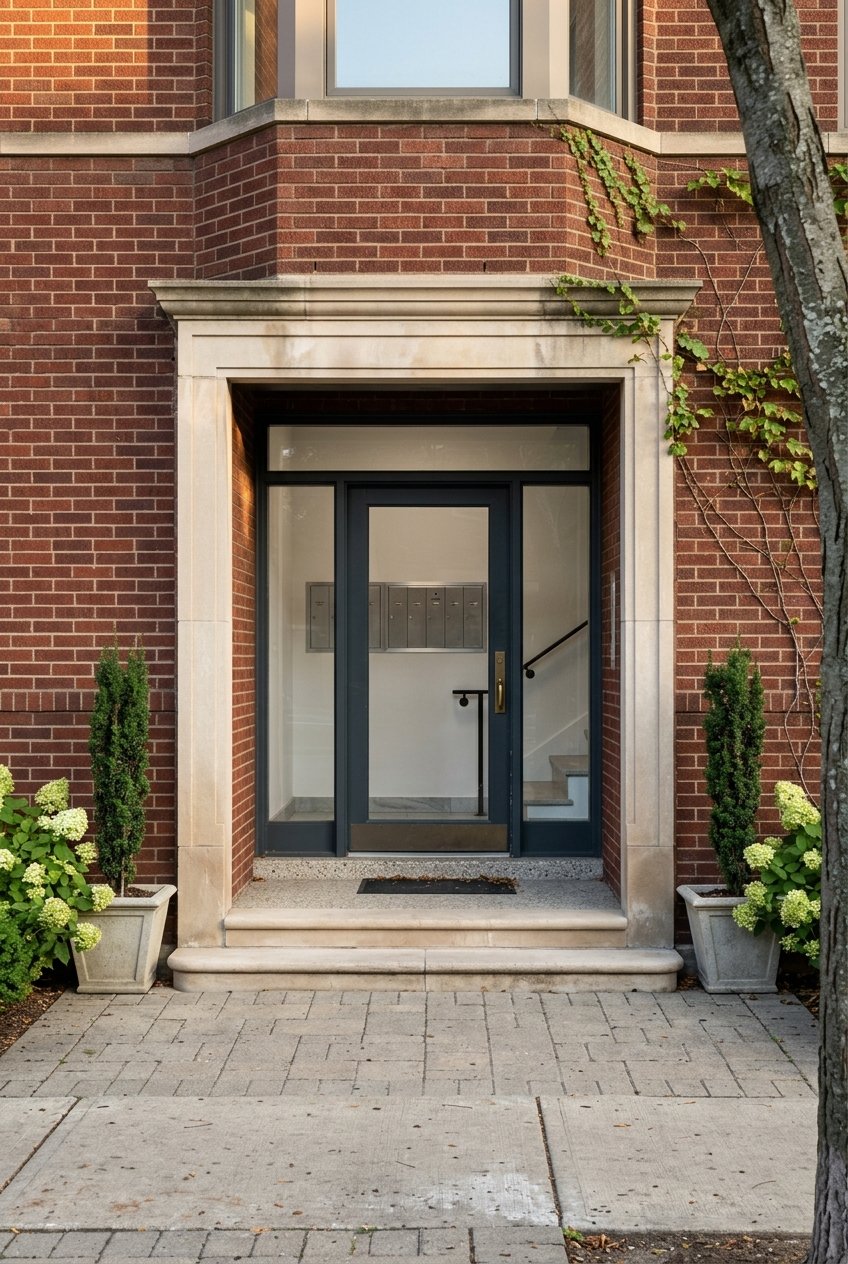
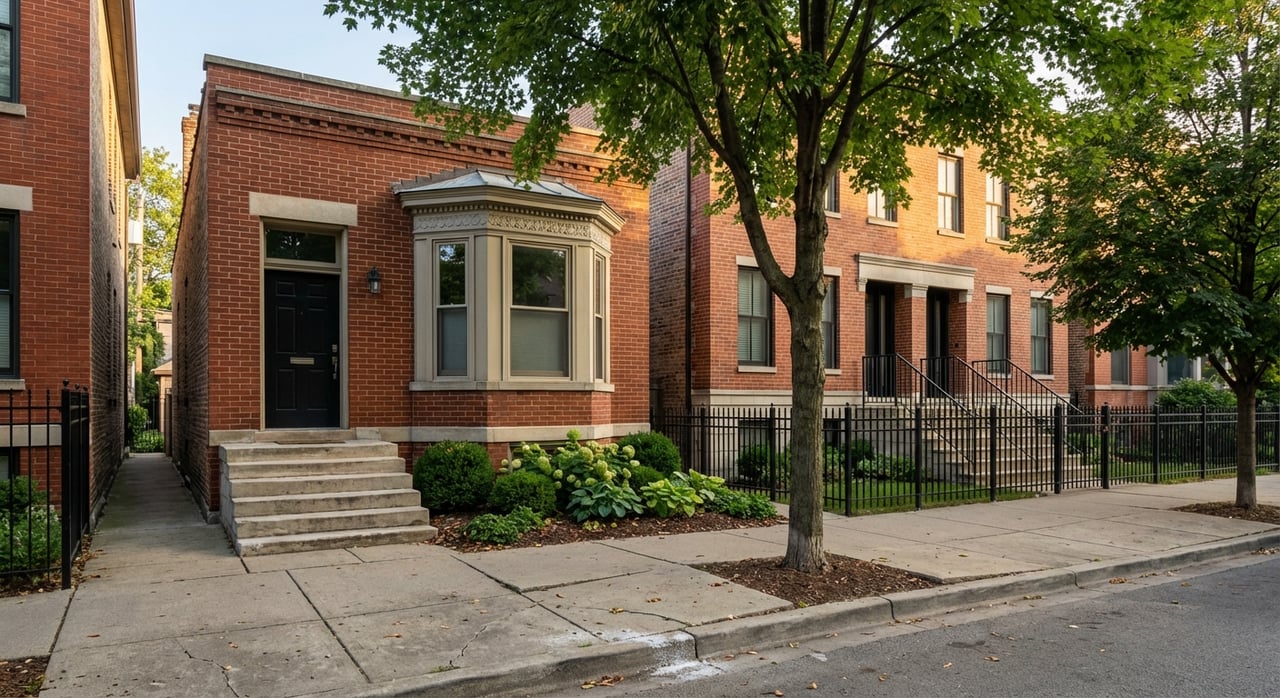
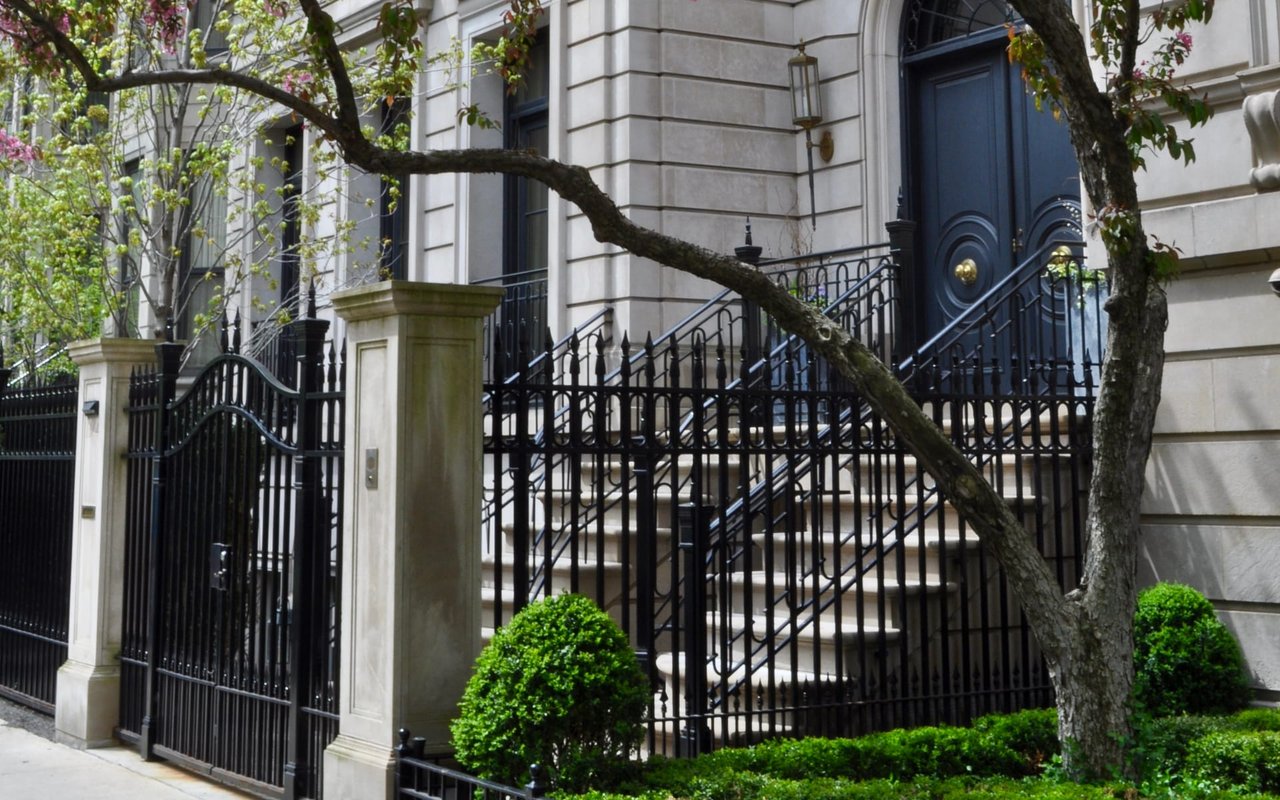
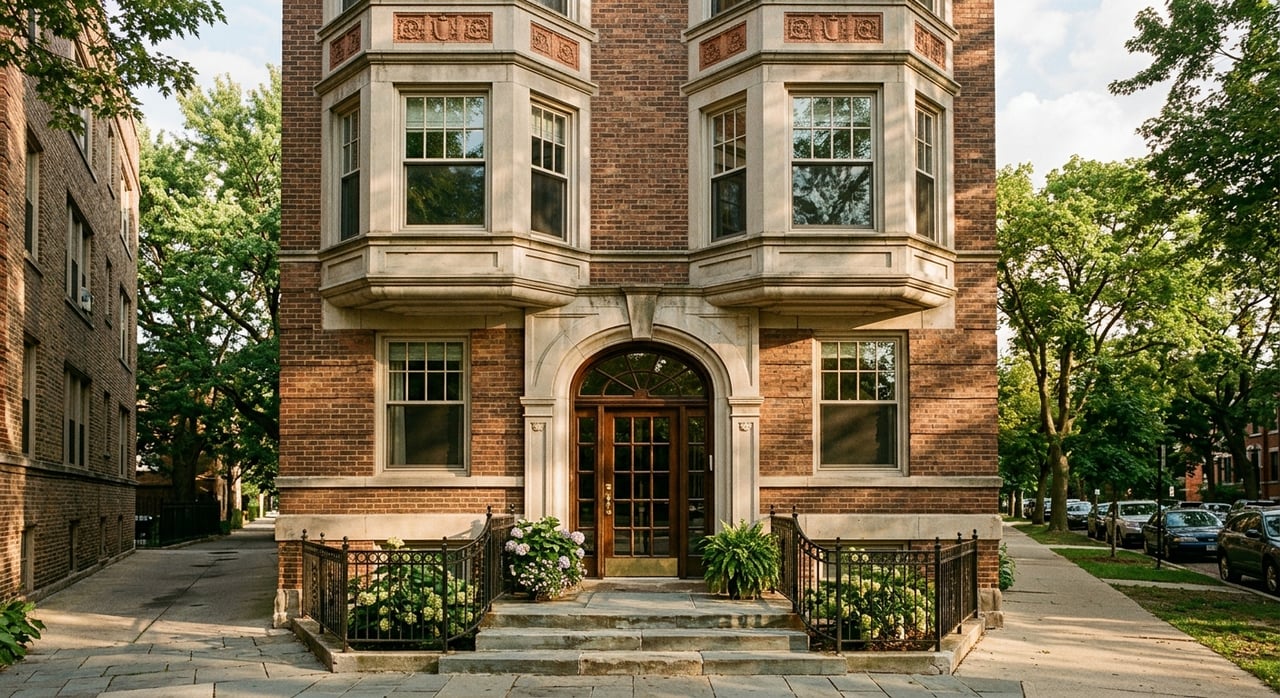
Central and West Hyde Park are known more for older walk-up buildings. These areas can appeal to people who like classic architecture, a more established residential feel, and access to the neighborhood without focusing on high-rise living. They are also worth considering if your home search prioritizes character over newer tower-style housing.
North Hyde Park and South Kenwood Edge
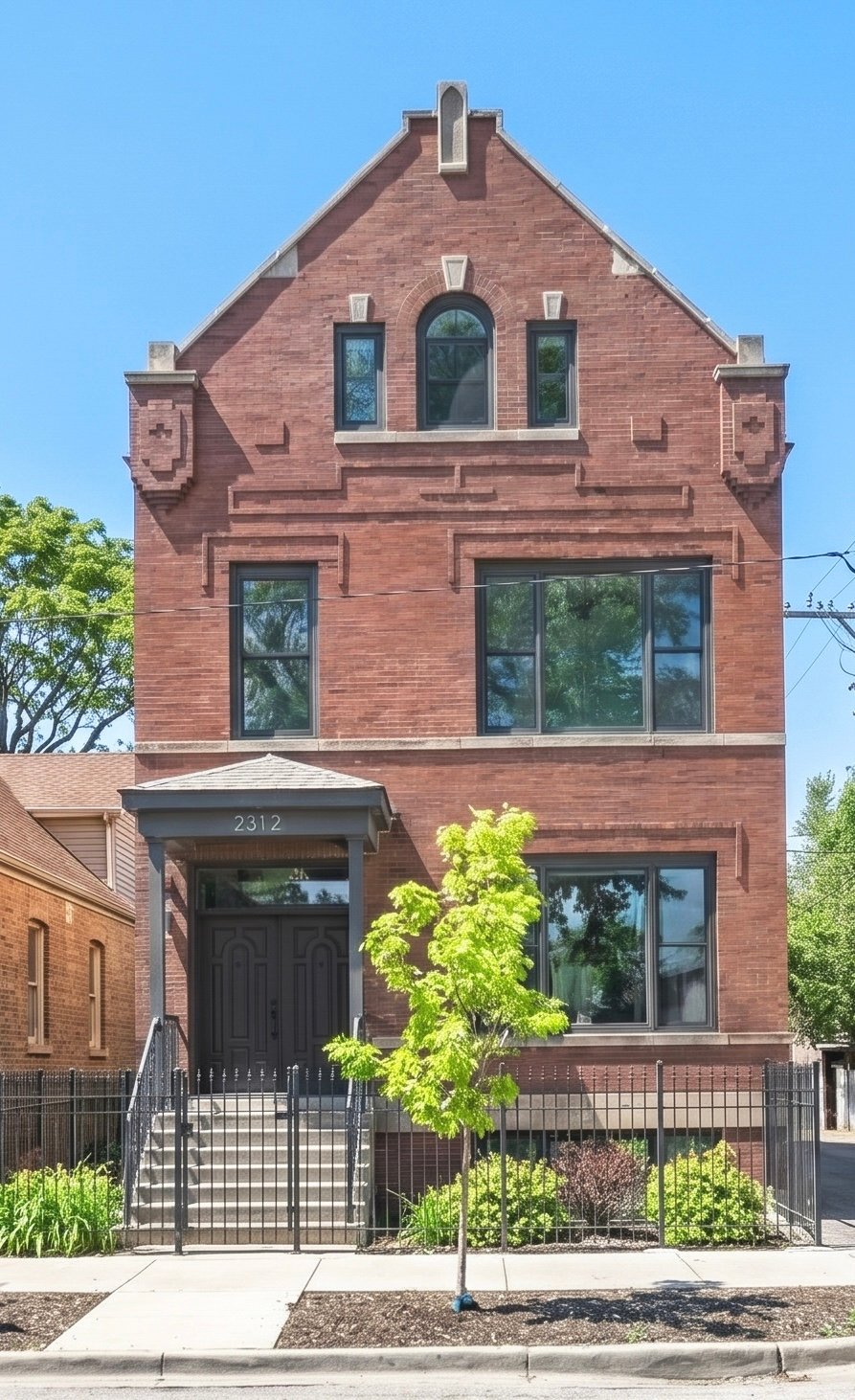
North Hyde Park and nearby South Kenwood mix apartments with landmark homes and occasional converted coach houses, according to the UChicagoGRAD neighborhood overview. If you are looking for a search area with more housing variety, this part of the neighborhood can offer a different feel from the denser lakefront sections.
Co-ops Are Part of the Market
Co-op living is also part of Hyde Park’s housing identity. The Chicago History Museum archive documents Hyde Park CO-OP homes at 1451 East 55th Street, which reflects how long this ownership format has been part of the neighborhood. For buyers, that is a useful reminder that Hyde Park’s housing vocabulary includes more than standard condos and rentals.
What to Prioritize in Your Home Search
Because block-by-block differences can be significant in Hyde Park, your search criteria should go beyond bedrooms and bathrooms. Start with the lifestyle you want, then narrow by building type and location. In a neighborhood this varied, that approach is usually more helpful than treating Hyde Park as one uniform market.
A few practical filters matter early:
- Commute pattern to campus, the medical center, downtown, or remote work spots
- Building type such as high-rise, walk-up, condo, co-op, or landmark home
- Parking needs, since off-street parking is limited in many buildings
- Daily walkability to groceries, cafes, transit, and lakefront space
- Block-level feel, which can shift meaningfully within the neighborhood
Parking deserves special attention. The University of Chicago notes that very few buildings offer off-street parking, and street parking can vary widely by block. If you own a car, parking should be one of your first screening questions, not an afterthought.
Commutes in Hyde Park
Hyde Park works well for people who want options. It is compact enough that many everyday trips can happen on foot, but it also offers bus, shuttle, Metra, and bike connections. That flexibility is a major reason the neighborhood appeals to both car-light households and commuters heading to campus, the medical district, or downtown.
The University of Chicago describes Hyde Park as roughly a mile square, with walks between points in the neighborhood often taking under 30 minutes. If you value a neighborhood where you can move around without planning every trip around a car, that scale matters.
Transit and Shuttle Options
CTA and Metra both play an important role here. The CTA #2 Hyde Park Express runs during weekday rush periods, while the #6 Jackson Park Express runs daily. UChicago also notes that the #192 offers express service connecting downtown, Harper Court, campus, and the medical center, and that the Metra Electric line is often the fastest option if you are traveling only as far as downtown.
For University of Chicago affiliates, shuttle access adds another layer of convenience. UChicago operates daytime and nighttime shuttle service, including UGo and NightRide routes, and states that any location in the Hyde Park area is within two blocks of a NightRide stop. There is also a late-hour on-demand RideSmart program for affiliates.
A Car-Light Neighborhood
The data supports what many residents already experience day to day: Hyde Park is genuinely car-light. CMAP reports that 41.7% of Hyde Park households have no vehicle, while 23.7% of workers work from home, 19.0% use transit, and 29.2% walk or bike. The same CMAP snapshot lists the mean commute time at 27.5 minutes.
For remote workers, those numbers point to a neighborhood that can function well without constant driving. For buyers and renters trying to simplify daily life, that can be a major advantage.
Biking and the Lakefront Trail
The lakefront is not just a scenic backdrop in Hyde Park. It is also part of how people get around. The Chicago Park District’s Lakefront Trail information highlights separate bike and pedestrian trails that run from Ardmore to 71st Street.
In practical terms, that means biking and walking can be realistic commuting tools, not just weekend activities. If access to outdoor movement is part of your ideal routine, Hyde Park has a strong edge.
Daily Life in Hyde Park
A neighborhood can look great on paper and still feel inconvenient once you live there. Hyde Park tends to avoid that problem because daily needs and lifestyle amenities are so closely layered together. The result is a neighborhood where work, errands, dining, and recreation can often happen within a short radius.
Dining and Shopping Near 53rd Street
Hyde Park’s retail spine is 53rd Street, with additional walkable clusters along 55th, 57th, and Hyde Park Boulevard near 51st. The University of Chicago neighborhood guide describes a strong mix of national, regional, and locally owned businesses, along with coffee shops, bookstores, restaurants, and family parks.
This part of the neighborhood supports the kind of daily routine many movers want. You can stay local for groceries, casual meals, coffee, and errands without needing to leave the neighborhood for every small task. That convenience is a real quality-of-life factor, especially for busy professionals and households balancing packed schedules.
Harper Court is another important piece of the picture. UChicago identifies it as a hub for dining, shopping, entertainment, and community events in the heart of the 53rd Street area. That kind of mixed-use concentration helps Hyde Park feel active without feeling fully downtown.
Culture and Local Institutions
Hyde Park is one of Chicago’s strongest neighborhoods for built-in cultural access. The UChicago neighborhood attractions page highlights destinations such as the Museum of Science and Industry, Robie House, Court Theatre, Harper Theater, the Promontory, Hyde Park Art Center, the DuSable Black History Museum and Education Center, the Institute for the Study of Ancient Cultures, the Smart Museum of Art, and The Revival.
Some of these places are easy to weave into regular life, not just special occasions. The Smart Museum of Art is free and open to the public, and the Institute for the Study of Ancient Cultures also offers free admission. If you enjoy living near museums and performance venues you can visit casually, Hyde Park delivers unusual depth.
Green Space and Outdoor Time
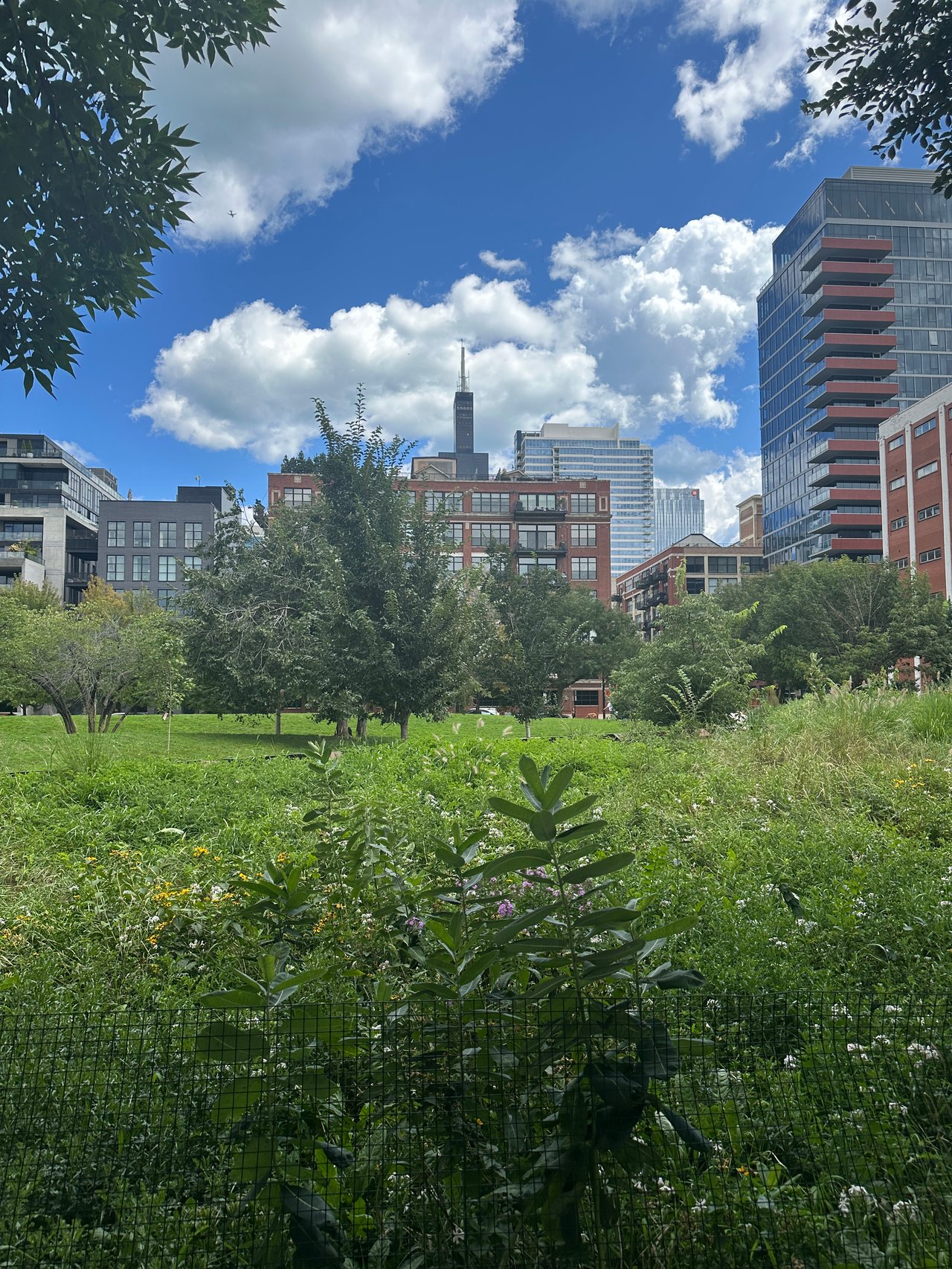
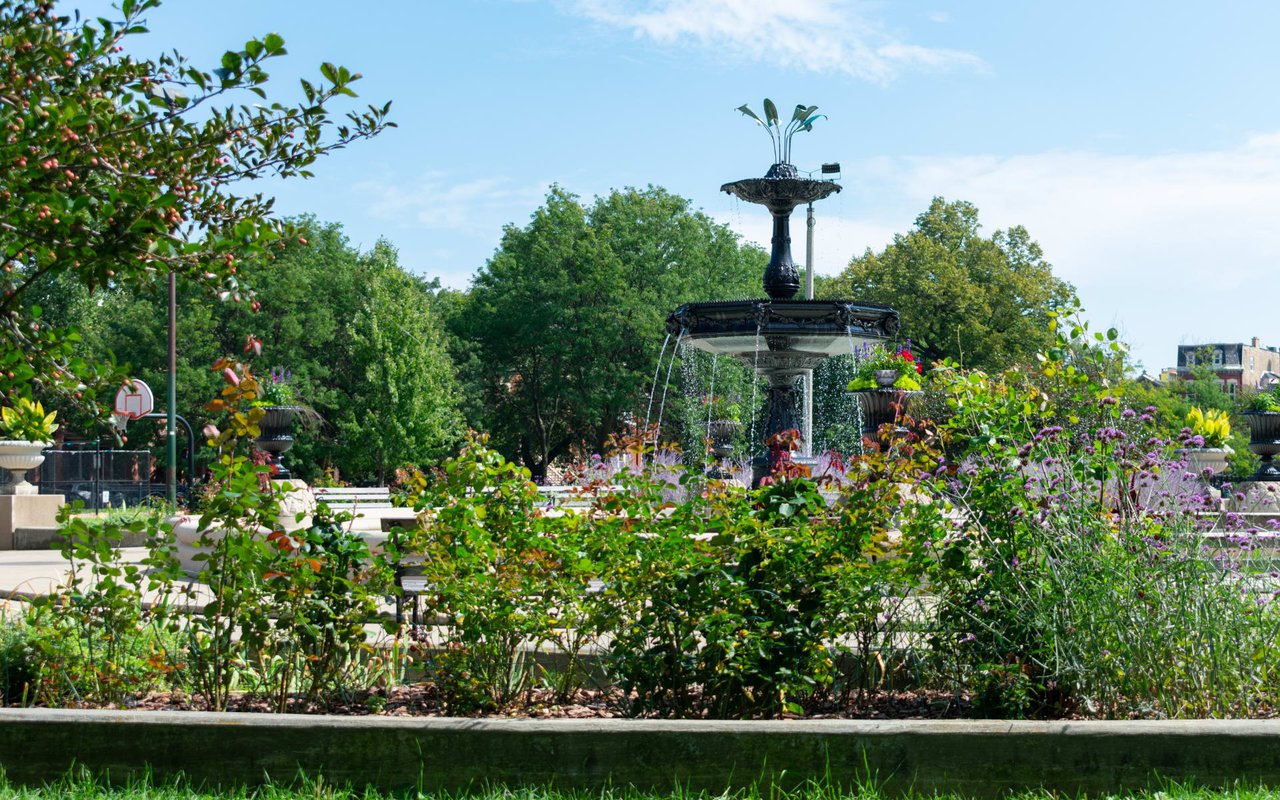
Green space is central to the Hyde Park experience. UChicago highlights Midway Plaisance, while the neighborhood also benefits from Promontory Point, Nichols Park, 57th Street Beach, and the broader lakefront park system. For many movers, that blend of urban housing and easy outdoor access is one of Hyde Park’s biggest lifestyle strengths.
Promontory Point is especially useful as a mental marker when you are getting to know the neighborhood. It combines open space, lake views, and proximity to residential blocks, which helps explain why many people see the lakefront as part of everyday life here rather than a once-in-a-while destination.
Community Events and Neighborhood Rhythm
Beyond its institutions, Hyde Park has an active civic life. The Hyde Park-Kenwood Community Conference has supported neighborhood programming since 1949, including events such as the Hyde Park Used Book Sale, the Garden Fair, the 4th on 53rd Parade, and community dialogue programs.
The neighborhood also hosts recurring events listed by UChicago, including the 57th Street Art Fair, the Hyde Park Jazz Festival, Hyde Park Summer Fest, the Hyde Park Farmers Market, First Thursday, and Jazz in the Courtyard. Together, these events add a regular neighborhood rhythm that helps new residents connect with the area over time.
Who Hyde Park Fits Best
Hyde Park can work for many kinds of movers, but it is especially practical if your priorities center on access and convenience. Faculty, staff, students, medical professionals, researchers, remote workers, and buyers or renters who want a car-light setup often find the neighborhood’s layout especially useful.
For campus-adjacent living, East and Central Hyde Park are worth close attention because they place you near 53rd Street, Harper Court, the medical campus, and the lakefront. If you prefer a quieter residential feel, West Hyde Park and North Hyde Park or nearby South Kenwood may deserve a closer look because of their older walk-ups, landmark homes, and somewhat easier parking.
If you are relocating and want help comparing building types, commute tradeoffs, and block-by-block lifestyle differences across Chicago neighborhoods, working with a broker who understands how micro-markets function can make the process much more efficient. If you’re planning a move and want tailored guidance, Stephanie Turner offers a thoughtful, data-informed approach to relocation and home search strategy.
FAQs
What type of housing is most common in Hyde Park?
- Hyde Park is mostly a multifamily neighborhood, with 79.9% of housing units in buildings with five or more units, so your search will likely focus on apartments, condos, and co-ops rather than detached houses.
How easy is commuting from Hyde Park to downtown Chicago?
- Hyde Park offers several options for downtown travel, including CTA routes and the Metra Electric line, which UChicago notes is often the fastest option if you are going only as far as downtown.
Is Hyde Park a good fit if you do not want to rely on a car?
- Yes. CMAP reports that 41.7% of Hyde Park households have no vehicle, and many residents use transit, walk, bike, or work from home.
What daily amenities can you expect in Hyde Park?
- Hyde Park offers walkable access to restaurants, coffee shops, bookstores, groceries, cultural institutions, parks, and mixed-use hubs such as 53rd Street and Harper Court.
Is Hyde Park convenient for University of Chicago and UChicago Medicine workers?
- Yes. Hyde Park is anchored by both the University of Chicago and major UChicago Medicine facilities, making it especially practical for faculty, staff, clinicians, researchers, trainees, and other affiliated professionals.