Wondering what your weekdays and weekends will really feel like in Lakeview? If you are weighing a move or a second home, the commute options, parking rules, and event rhythms can change your daily routine more than you might expect. This guide walks you through what to know about CTA access, driving and parking, noise corridors, and everyday essentials so you can choose the right block with confidence. Let’s dive in.
Lakeview at a glance
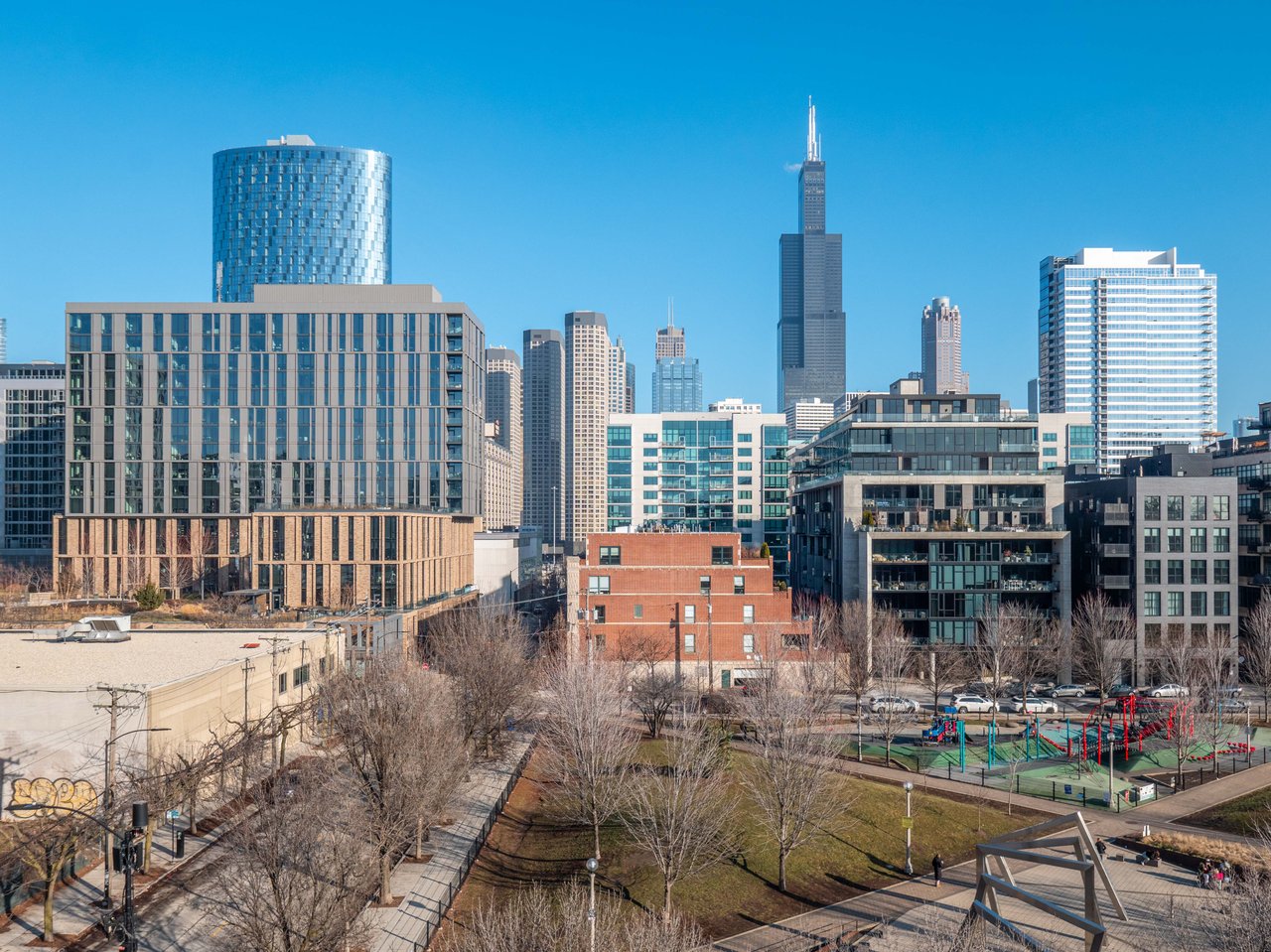
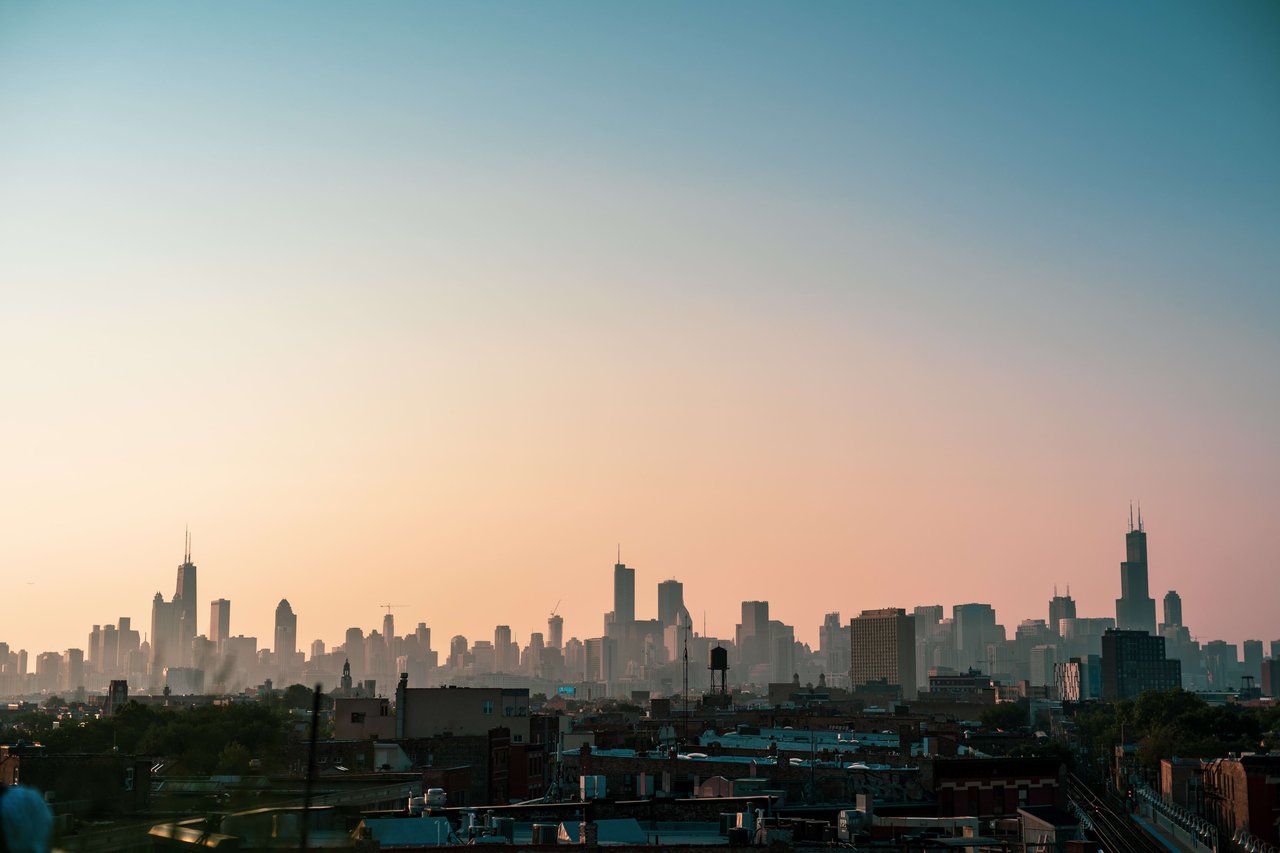
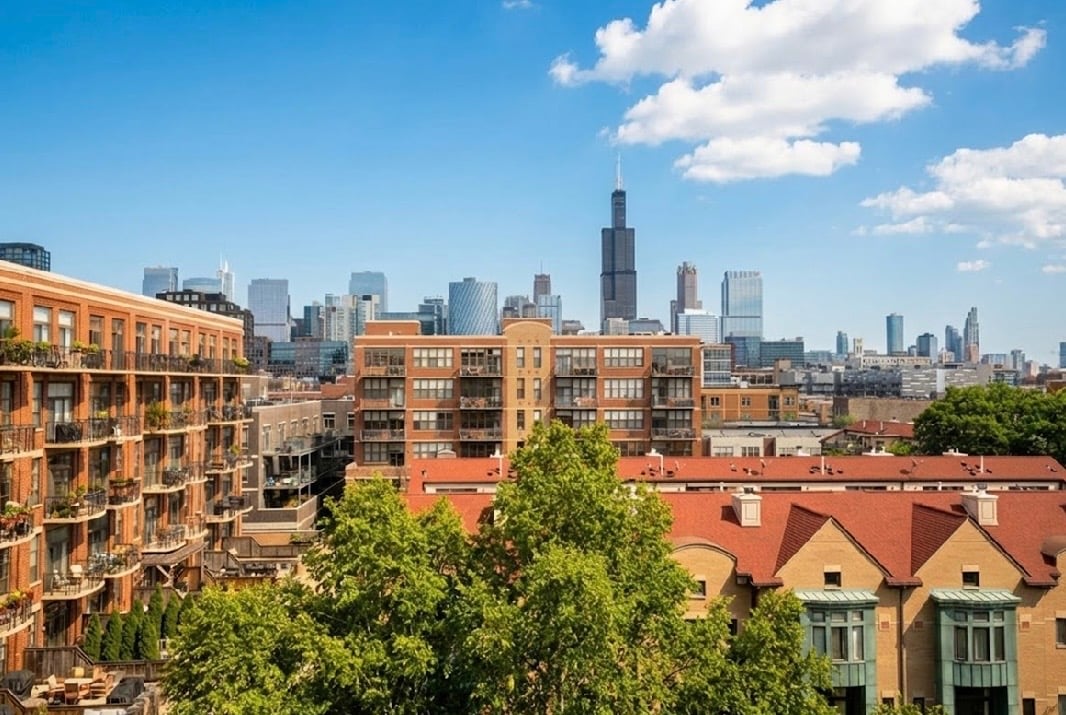
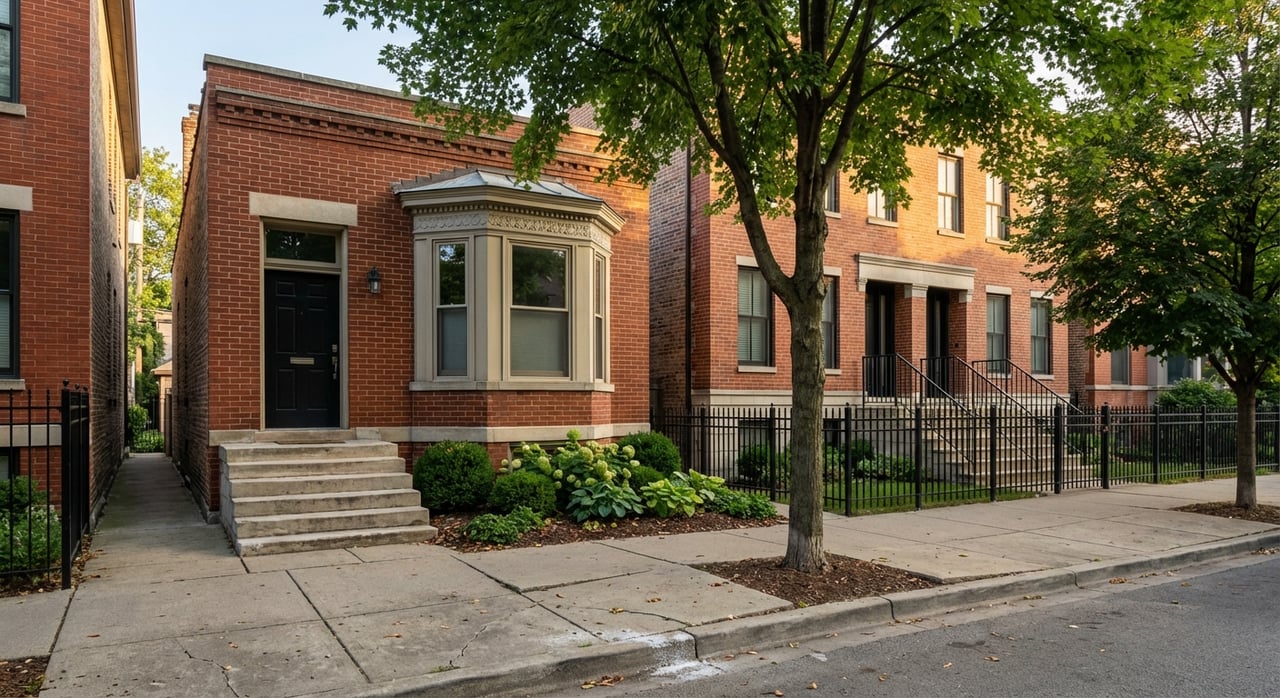
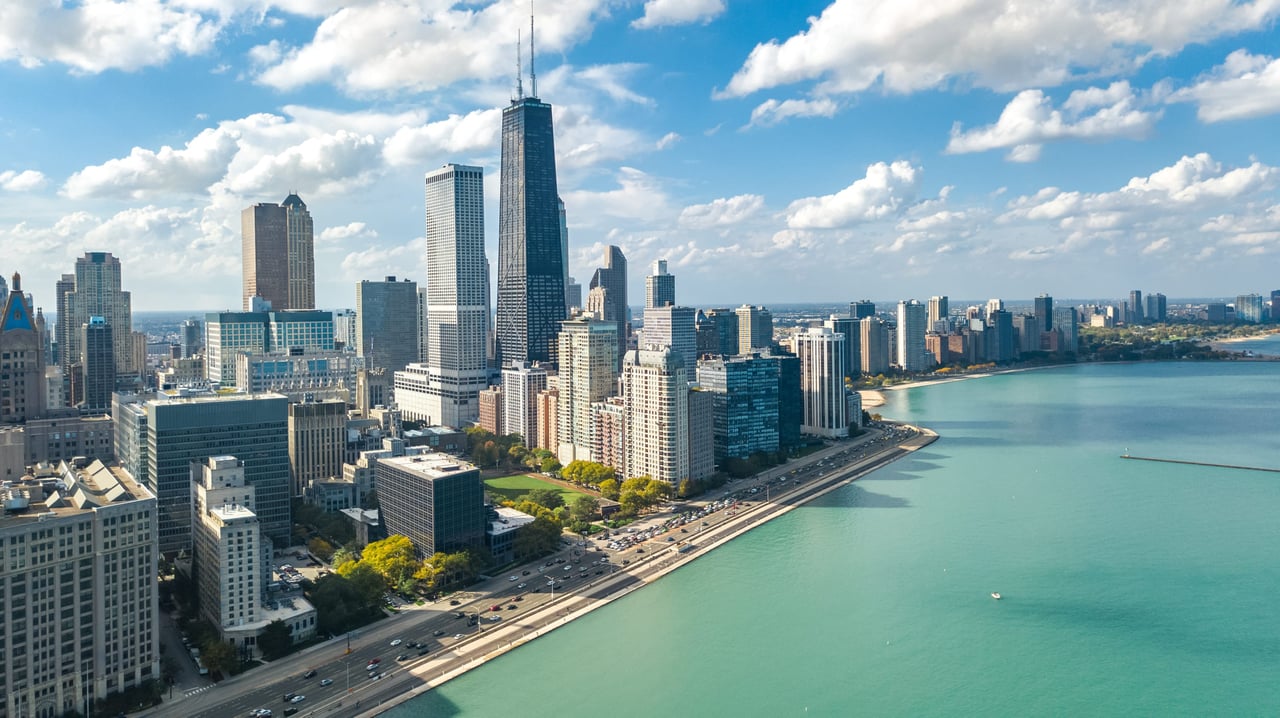
Lakeview sits on Chicago’s North Side along Lake Michigan and includes several micro-areas that shape day-to-day life. Wrigleyville around Addison and Clark revolves around Wrigley Field, with big crowds on game and concert days. The Southport Corridor is a restaurant and boutique hub that stays busiest on weekend evenings and brunch hours. East Lakeview along the Sheridan corridor is closer to the lakefront and tends to feel more residential.
Different blocks can feel very different even a few streets apart. Northalsted along Halsted features active nightlife and seasonal festivals that draw visitors. Spring through fall brings heavier foot traffic across Lakeview thanks to ballgames, concerts, and lakefront activity. In winter, the pace eases, although holiday events can still create occasional spikes.
Getting around without a car
CTA rail access
You have strong “L” coverage in Lakeview. The Red Line provides a frequent one-seat ride to the Loop, and many buyers prize being a short walk from a Red Line stop. The Brown and Purple Lines serve parts of Lakeview too, with the Purple offering weekday rush-hour express runs. Typical train rides into the Loop range from about 10 to 30 minutes depending on your station and time of day.
Buses for first and last mile
North–south bus routes along Broadway and Clark help you reach blocks that sit between train stops. Diversey, Addison, and other cross streets provide east–west options. Service varies by block, so confirm the closest frequent routes for a specific address. Buses often save time when your nearest station is a longer walk.
Biking and micromobility
The Lakefront Trail and on-street bike lanes make biking a practical commute option for some residents. Divvy bike-share stations are common and work well for short trips or to avoid parking altogether. Many residents mix the train and Divvy for faster door-to-door times. You will notice heavier trail use on weekends and warm mornings.
Driving and parking reality
Residential permits and meters
Much of Lakeview uses a mix of metered blocks and residential parking permit zones. Permit eligibility and rules vary by block, including guest permits and time limits. Enforcement follows posted signs, with added restrictions on event days near Wrigley. If you plan to rely on on-street parking, verify the exact address block and usual occupancy before you commit.
Monthly garages and pricing
Off-street garages are widely available, and many residents subscribe monthly to guarantee a spot. Prices vary by block and spike near Wrigley Field and commercial corridors, especially in peak season. Some buildings offer assigned spaces, but availability can be limited. If you need daily reliability, budget for a garage or a private spot in your decision.
Game-day and event impacts
Cubs home games and concerts drive big surges in demand for street and lot parking around the ballpark. Temporary “no parking” signs, street closures, and tow zones are common near Wrigley on event days. Private lots often charge higher daily rates during games and concerts, and spillover reaches adjacent residential streets. Plan to arrive early, park farther out, or use transit on high-traffic dates.
Planning your routine by car
Build a backup plan for days when parking tightens. Many drivers combine a residential permit with a monthly garage to balance cost and convenience. Pay attention to temporary signs and street-cleaning or holiday enforcement. When in doubt, check local alerts for closures and event schedules if you live near the stadium or major corridors.
Noise, nightlife, and weekend rhythm
Wrigleyville patterns
Expect a lively environment around Addison and Clark during baseball season and concert nights. Foot traffic spikes before and after events, and bars stay active late. Weeknight evening games and weekend day games create different noise windows. If you want quieter evenings, look several blocks away from the stadium.
Southport Corridor
Southport’s restaurants, bars, and patios draw weekend evening and brunch crowds. The busiest blocks sit right on Southport Avenue between Addison and Roscoe. Residential streets a block or two off the corridor generally feel calmer. If you like quick dining access but prefer less noise, target those side streets.
Seasonal shifts
From spring through early fall, warm weather, festivals, and ballgames create the most activity. Winter months are typically quieter across the neighborhood. Holiday events still add occasional bustle. Your tolerance for crowds may guide whether you locate closer to the action or a few blocks back.
Noise-mitigation strategies
Visit target properties at multiple times. Check weekday rush hours, Friday or Saturday night, and a game day if you are near Wrigley. Look for double-pane windows, solid-core doors, and in-unit HVAC so you can keep windows closed when needed. Ask about building policies and any prior noise complaints.
Daily life essentials
Groceries and services
You will find full-service groceries, specialty markets, gyms, salons, and everyday services along Southport, Broadway, and Clark. Availability and hours vary by block, with more late-hour options near major corridors. Delivery services are widely used across the neighborhood. Most day-to-day errands are walkable for many residents.
Recreation and lake access
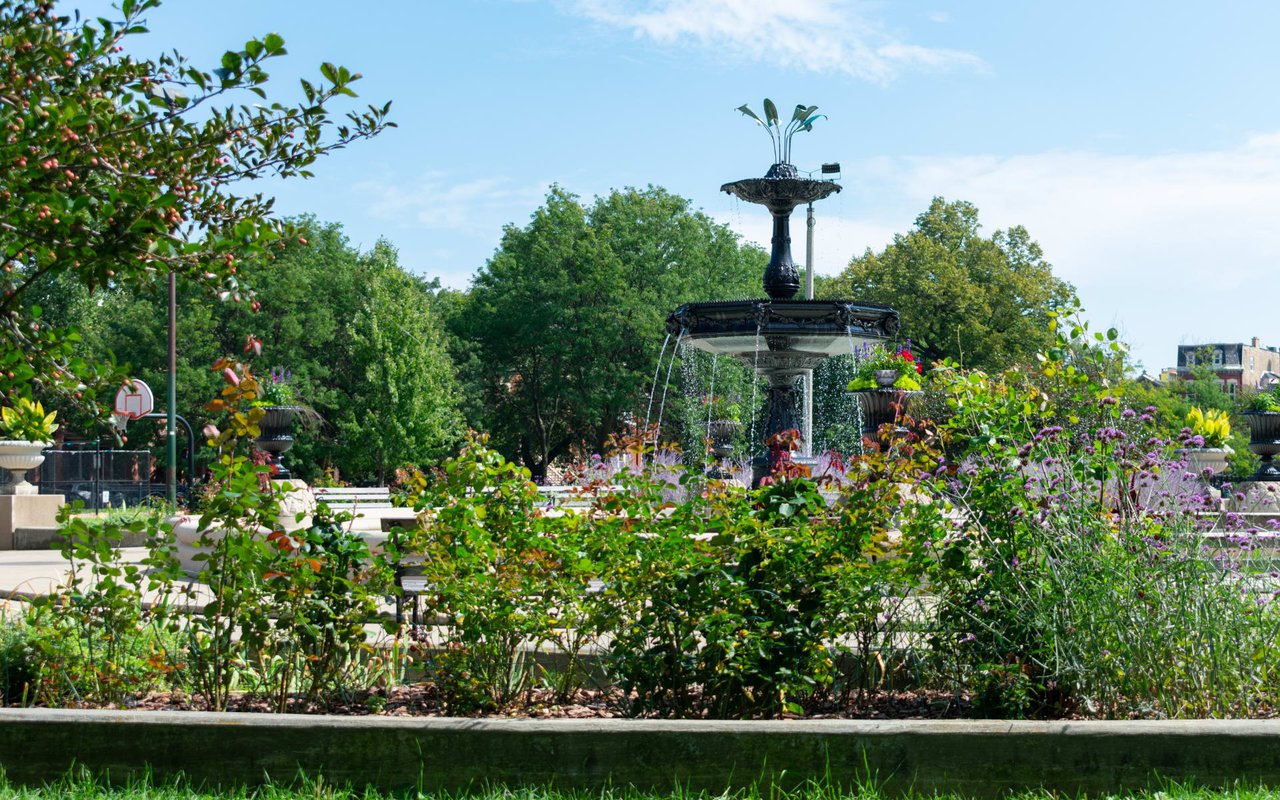
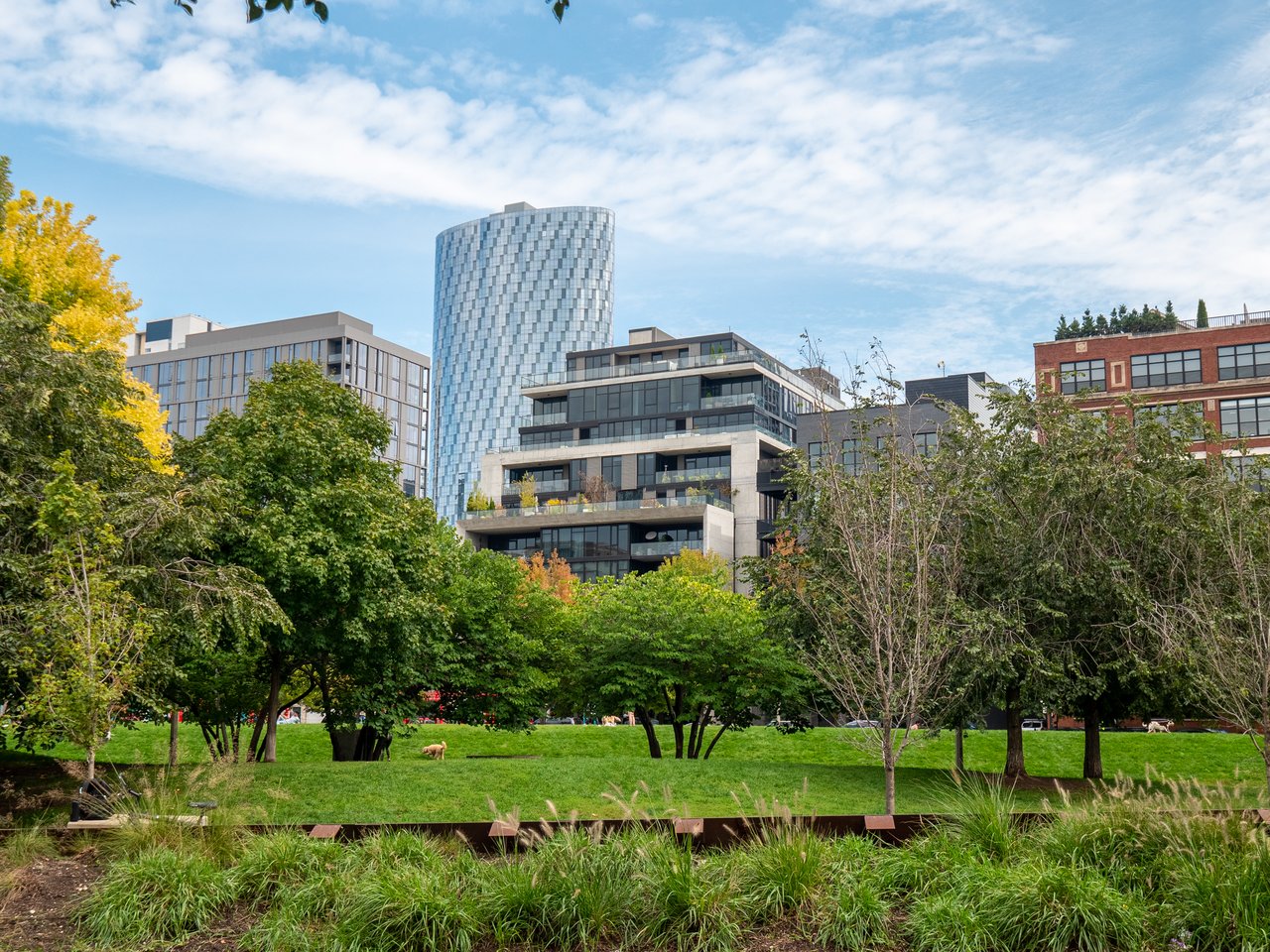
The Lakefront Trail and nearby parks are major draws for morning runs, cycling, and weekend recreation. Expect busy access points on sunny weekends. If the lakefront is part of your routine, weigh walking distance to trail entrances when you pick a location. This can also influence visitor parking on fair-weather days.
Healthcare and schools
Clinics and hospitals are a short drive or transit ride from most Lakeview addresses. School options include neighborhood public schools and several private or charter choices. Boundaries and admissions vary, so verify the latest details with the appropriate official sources. If schools are a priority, confirm zones for your exact address.
Smart tradeoffs to weigh
- Price and size versus convenience. Proximity to transit and commercial corridors often commands a premium but can reduce your need for a car or garage.
- Guaranteed parking versus on-street flexibility. A monthly garage increases reliability, while on-street parking can work if you adapt around events and posted rules.
- Noise and nightlife versus value. Highly active areas can support strong rental demand and resale potential, while quieter streets may deliver day-to-day calm.
Block-level checklist before you buy
- Confirm walk time to the nearest Red Line station and any Brown or Purple Line alternatives.
- If you are near Addison and Clark or Southport/Broadway, map event and nightlife impacts.
- Verify your exact block’s residential parking permit status, guest permits, and posted restrictions.
- Price out nearby monthly garages and ask about waitlists for assigned spots.
- Inspect windows, doors, and HVAC for sound and comfort.
- Visit at weekday AM and PM, Friday or Saturday night, and a game day if you are near Wrigley.
- If this is a second home, review short-term rental rules and any HOA restrictions.
How we help you compare blocks
You deserve clear, valuation-driven guidance when the best choice might be one or two blocks apart. With appraisal-informed pricing insight and neighborhood-by-neighborhood knowledge, you can weigh commute time, parking costs, and lifestyle tradeoffs with confidence. We map transit access, event patterns, and garage availability to help you decide where convenience meets value. If you are relocating or purchasing a second home, we also coordinate private inventory access and a smooth, high-touch process from search to close.
Ready to find the right spot in Lakeview? Connect with Stephanie Turner for a tailored plan and a block-by-block comparison before you buy.
FAQs
How long is the CTA commute to the Loop?
- Typical “L” rides from Lakeview to the Loop range from about 10 to 30 minutes depending on station and time of day.
Is on-street parking realistic if I own a car?
- It can be, but rules and occupancy vary by block; many residents combine a residential permit with a monthly garage for reliability.
What happens on Wrigley Field game or concert days?
- Expect heavier traffic, temporary no-parking zones, street closures near the stadium, and higher daily garage rates around the ballpark.
Which areas feel quieter on weekends in Lakeview?
- East Lakeview near Sheridan and residential streets a block or two off Southport or Broadway generally feel calmer than the main corridors.
Is biking a practical commute in Lakeview?
- Yes; the Lakefront Trail and on-street bike lanes, plus Divvy stations, make biking workable for many residents.