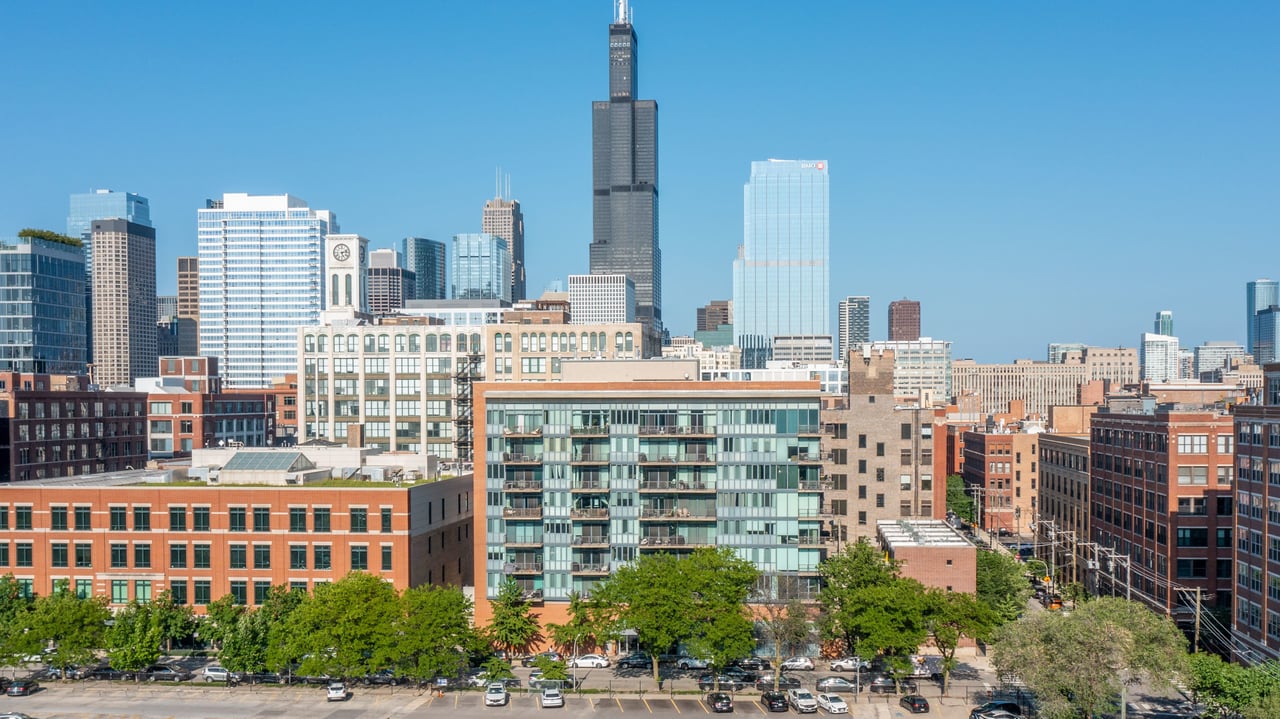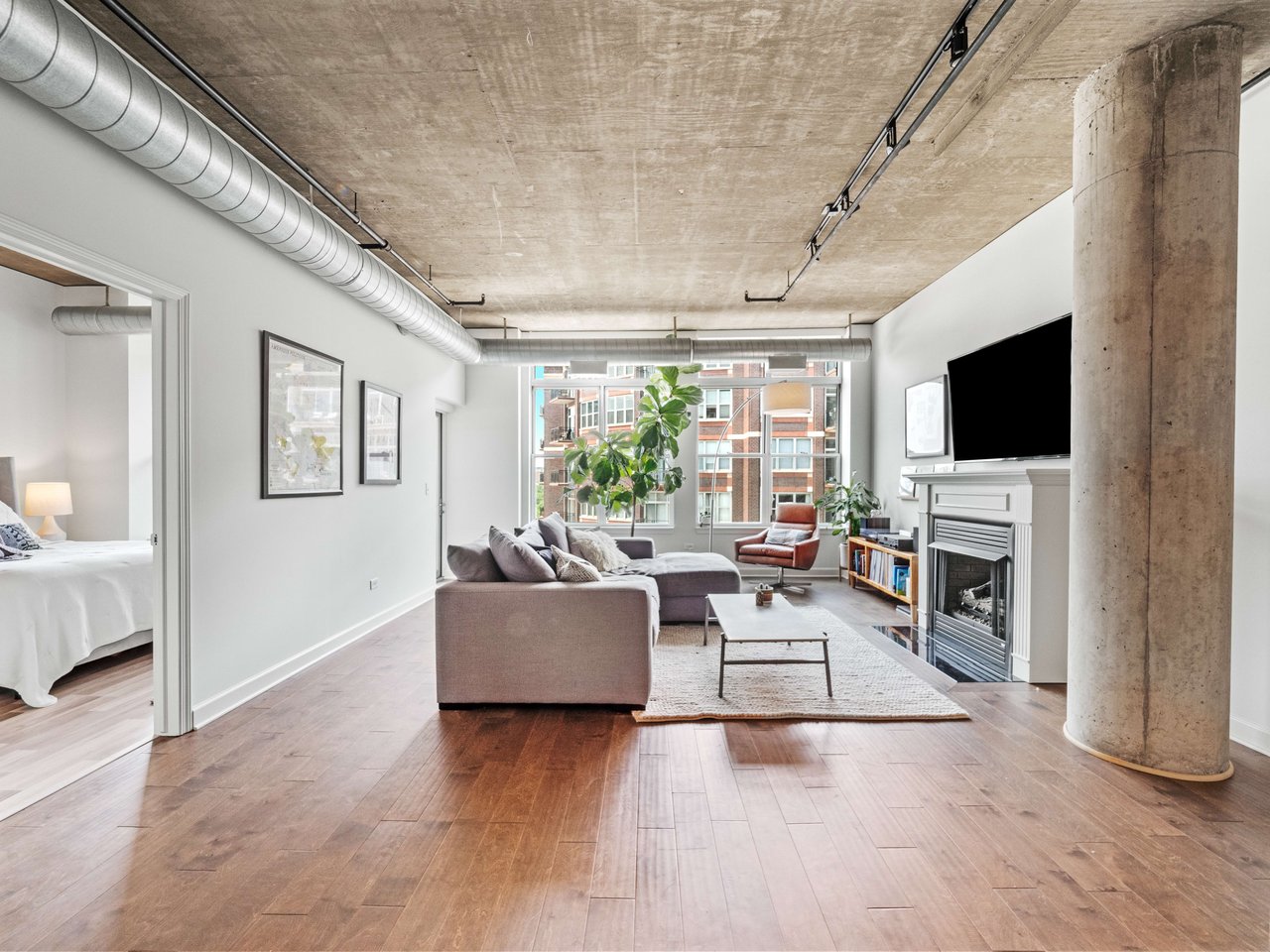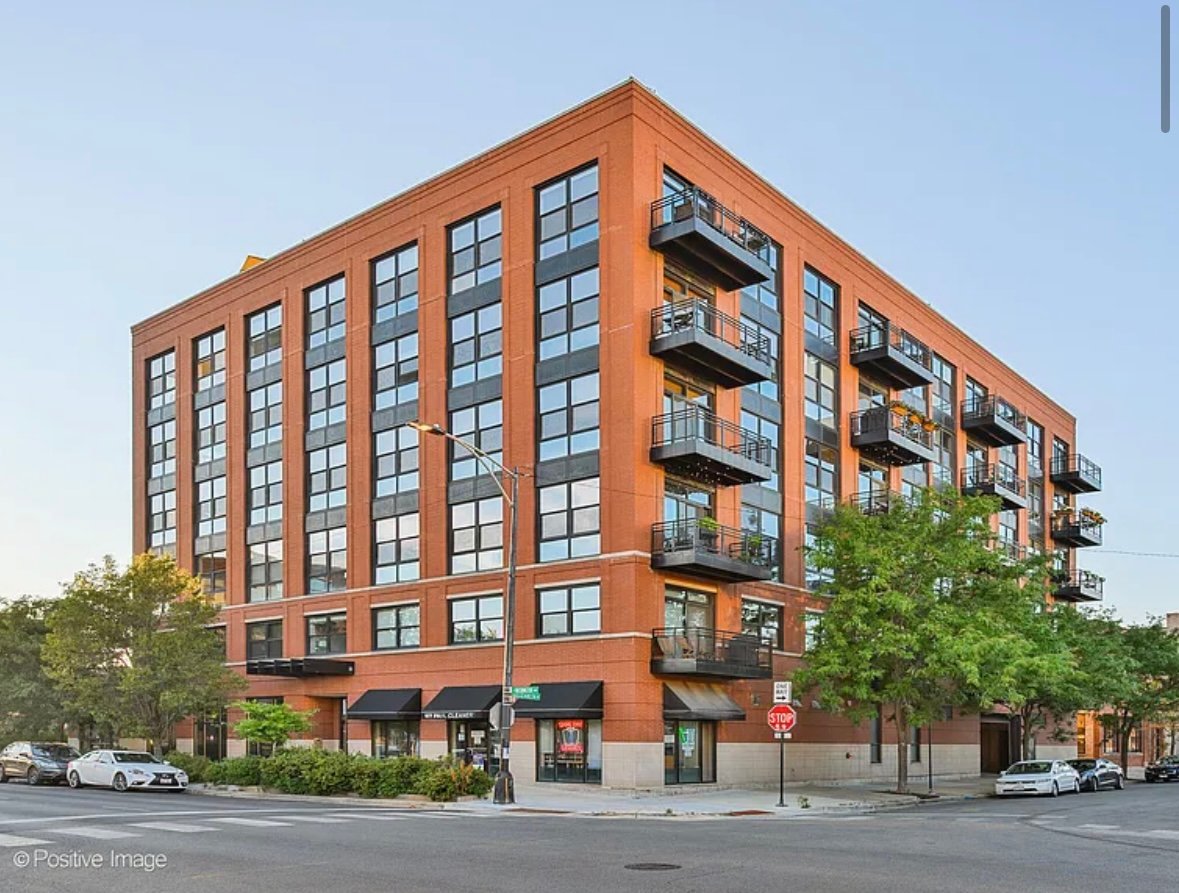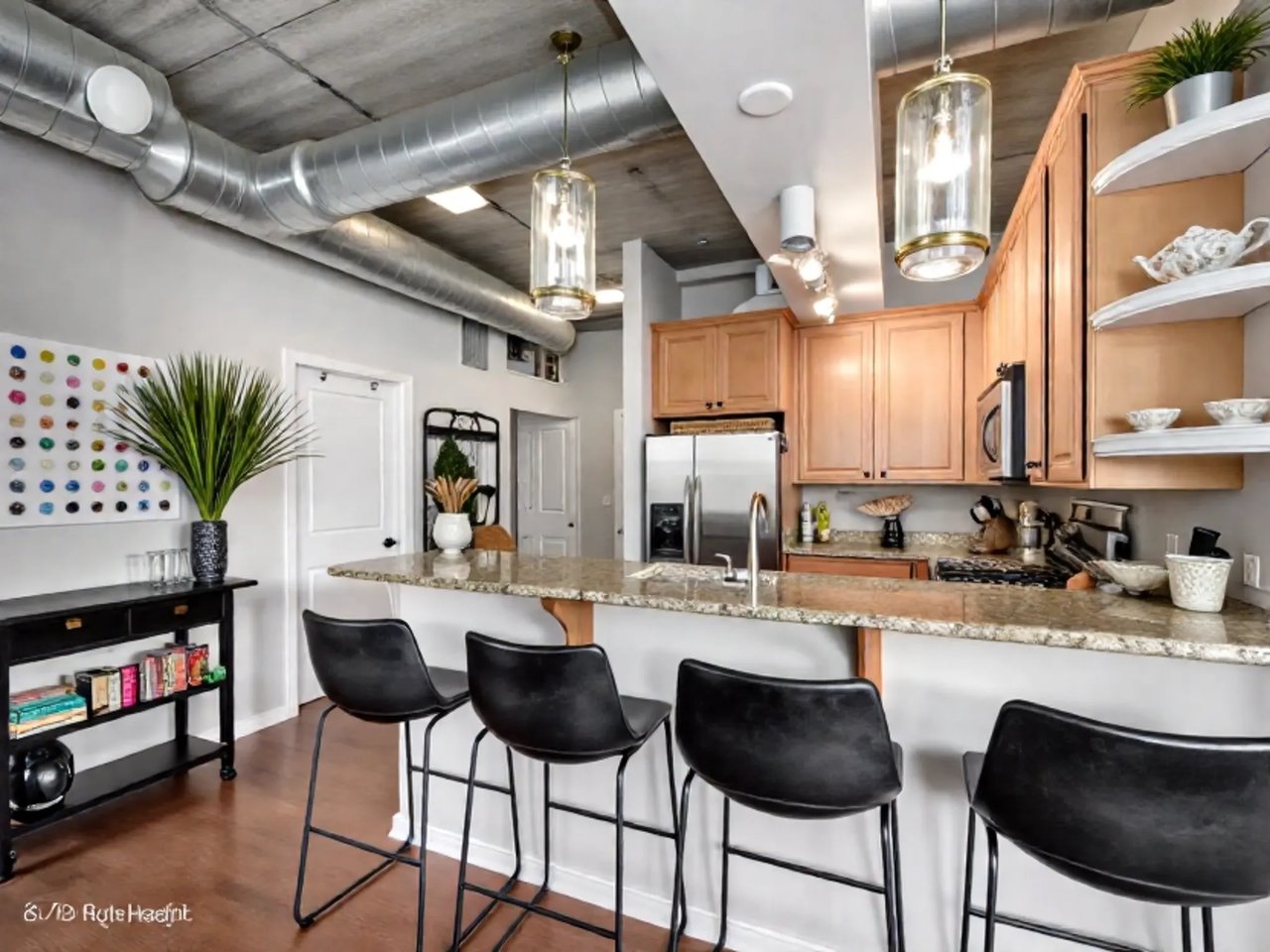
If you price a West Loop condo by pulling one neighborhood average and calling it a day, you could leave money on the table or miss the market entirely. In 60607, buyers compare your home against very specific alternatives, often in the same building or on the same block. The good news is that with the right pricing framework, you can position your condo to attract serious interest without overshooting. Let’s dive in.
Why pricing is so specific in West Loop
West Loop condo pricing is not a one-number market. In spring 2026, recent snapshots show West Loop median sold prices ranging from about $460,000 to $499,000 depending on the source and timeframe, while 60607 condo and listing medians land around $500,000 to $545,000.
That range matters because it shows how much methodology can change the headline number. It also shows why broad neighborhood averages should act as a guardrail, not your final list price. Your condo needs to be priced against the homes a buyer can choose right now.
Inventory supports that approach. Realtor.com’s April 2026 West Loop snapshot shows 185 homes for sale, while Redfin’s 60607 condo page shows 88 condos for sale. In a market like this, buyers have options, so pricing discipline matters.
Start with your building
For a condo, the best comparable sales usually begin in the same building. Cook County Assessor guidance says condo value is estimated from sales in the building and nearby similar buildings, and Fannie Mae also treats the condo project itself as a key part of valuation.
That means your first question should be simple: what have similar units in your building actually sold for recently? If you have enough recent sales, those should carry more weight than a generic 60607 median.
If your building does not have enough recent sales, then the next step is to look at the nearest similar buildings. Focus on buildings with a comparable age, construction style, amenity package, and overall feel. A loft building and a full-amenity high-rise may sit close together, but buyers do not always value them the same way.
Use a comp ladder, not one comp
A smart pricing strategy usually follows a comp ladder. That means you build outward in a logical order instead of grabbing a few convenient sales and averaging them.
A simple comp ladder looks like this:
- Recent closed sales in your building
- Recent pending or under-contract units in your building, if available
- Recent closed sales in nearby similar buildings
- Active listings that compete for the same buyer
Closed sales tell you where buyers have been willing to commit. Active listings tell you what your condo has to beat today. You need both to price well in West Loop.
Watch the active competition closely
Sold data is important, but it is only part of the picture. Buyers do not shop in the past. They shop what is available this week.
That is especially true in 60607, where current inventory and days on market vary by source but still point to an active, choice-driven condo market. Redfin’s 60607 condo page shows about 37 days on market, while Realtor.com’s 60607 page shows 74 days on market and a 100% sales-to-list ratio.
What should you take from that? Not that one source is right and the other is wrong. The safer takeaway is that timing, presentation, and pricing relative to the current competition all matter.
Price for your unit’s real advantages
In West Loop, small differences can create meaningful price differences. Buyers notice the details, and appraisers do too.
Fannie Mae’s guidance says appraisers consider the condo project and the individual unit, including location within the project and amenities. In a walkable ZIP like 60607, where Redfin describes a Walk Score of 85 and about 50,159 jobs, details like street feel, outlook, and convenience can influence demand.
Floor and view
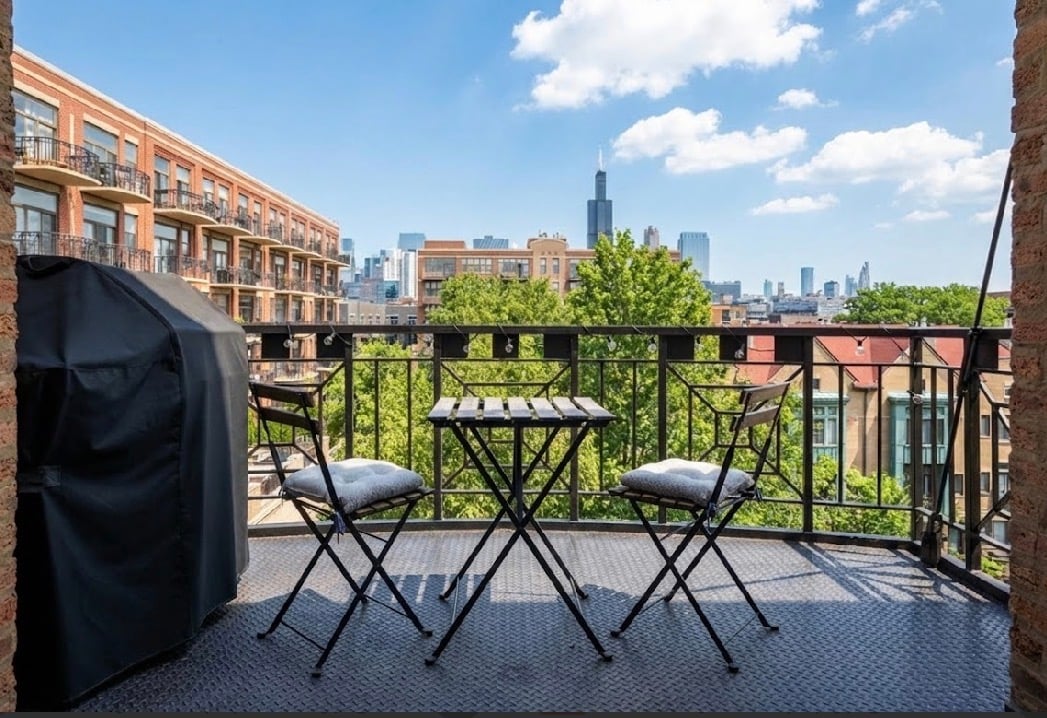
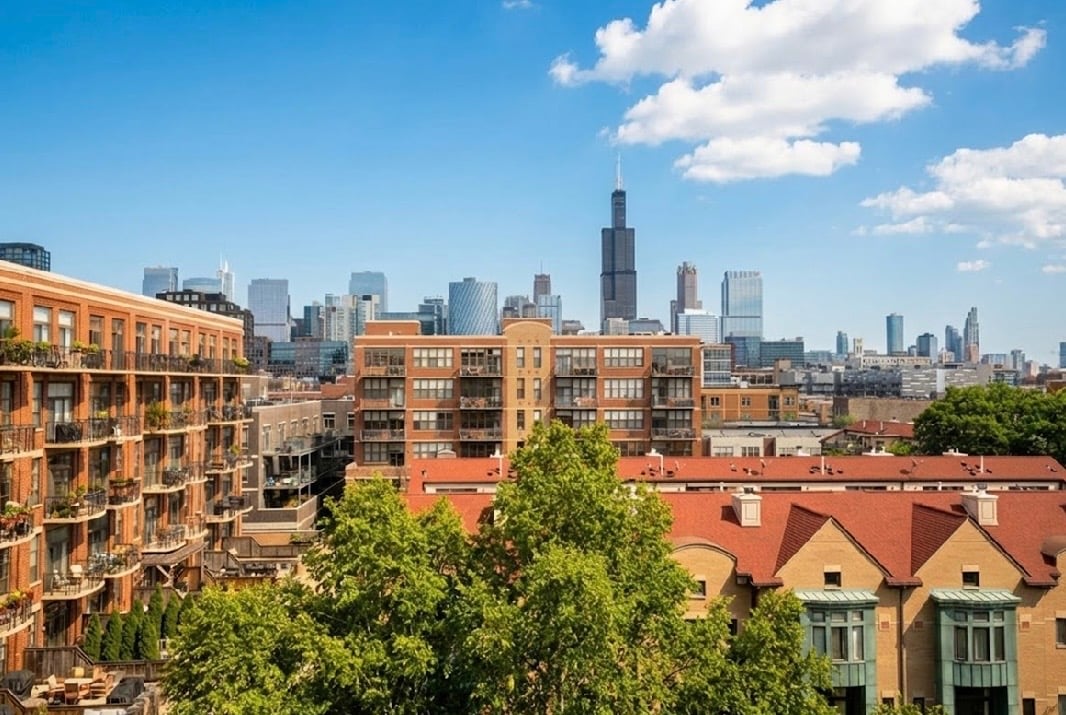
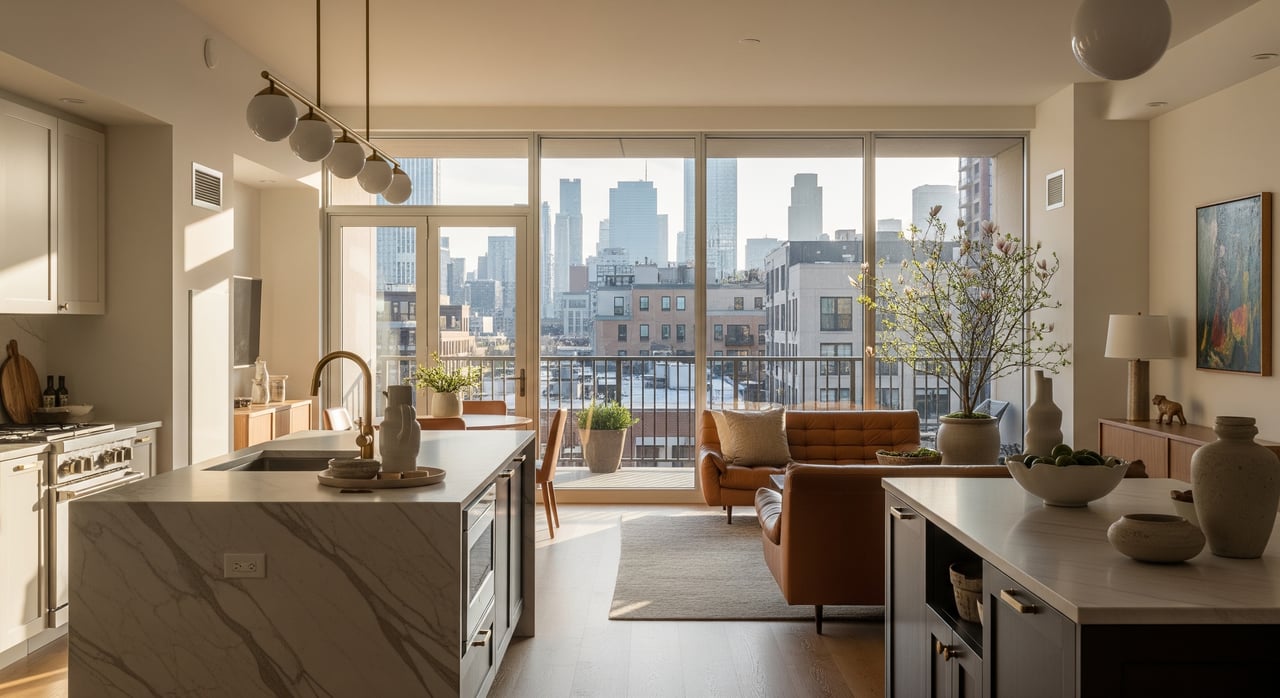
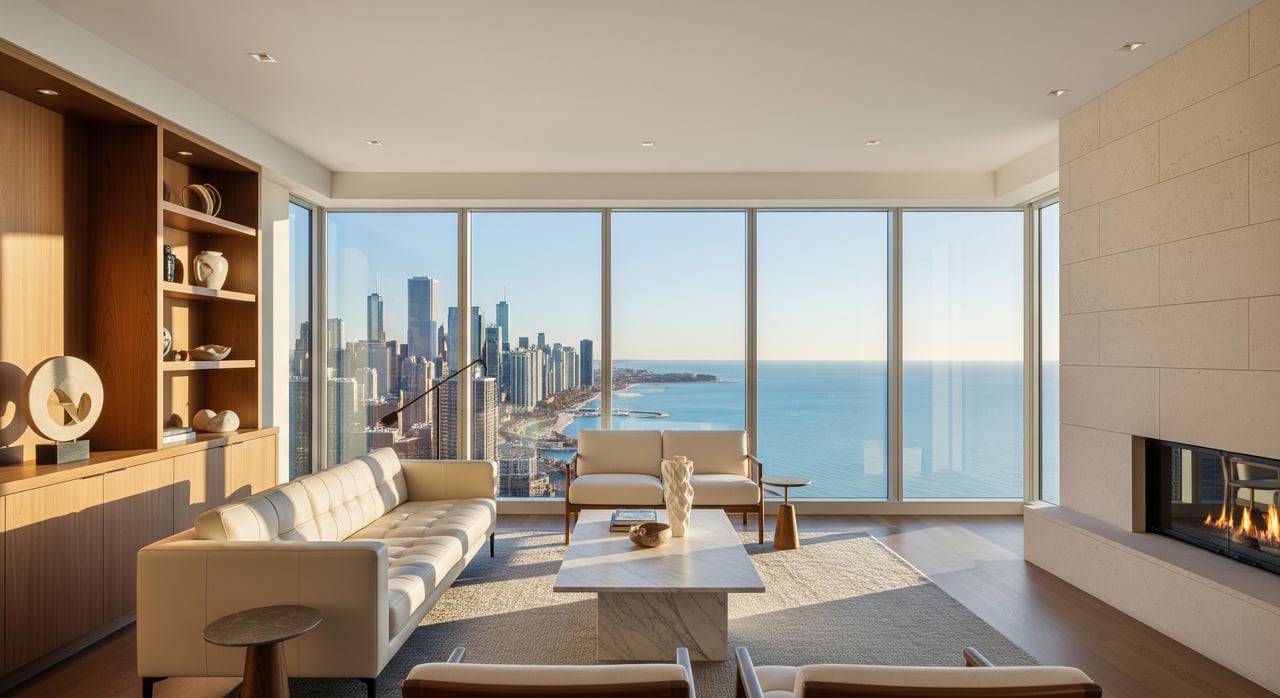
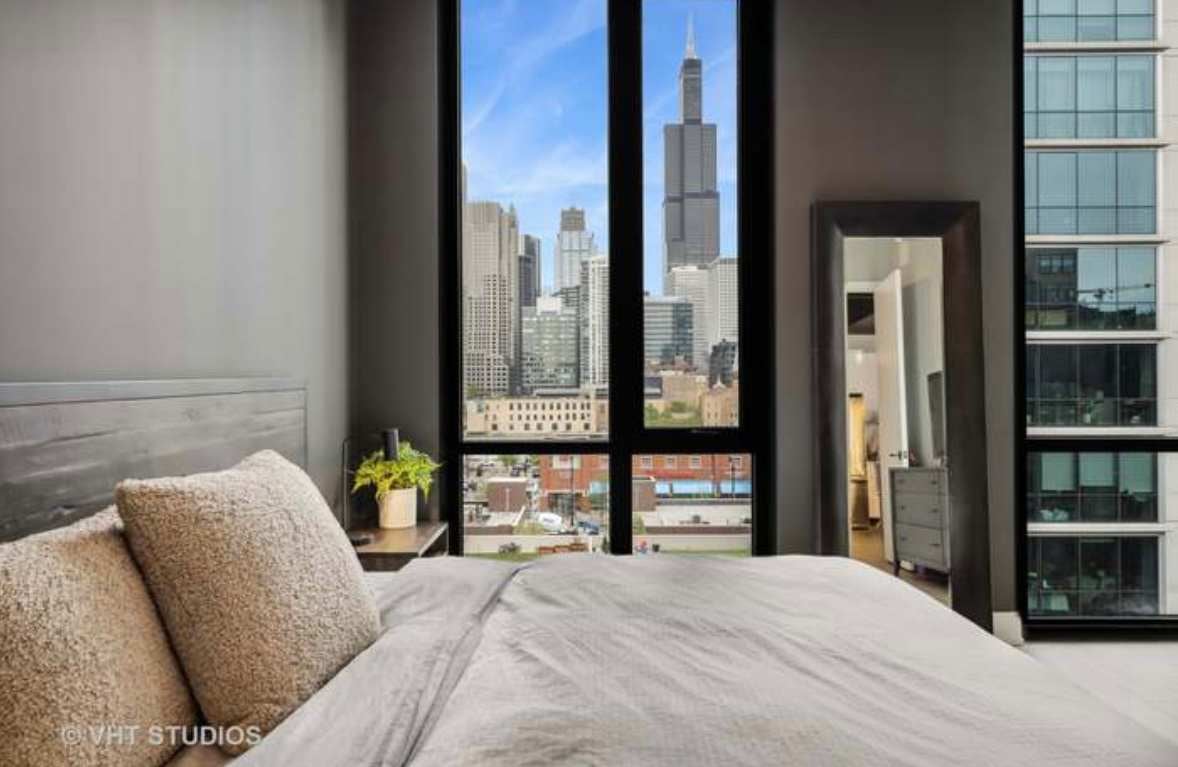
Higher floors, stronger natural light, and better views often support stronger pricing. A city view, skyline exposure, or cleaner sightline can separate your unit from another condo with a similar layout.
Public listing examples in 60607 reflect that pattern. A current listing at 701 S Wells St #804 is marketed around features like southeast views, corner placement, and a wrap-around terrace, while a recent sale at 321 S Sangamon St #605 highlighted city views, corner positioning, and wrap-around outdoor space. These examples do not create a fixed adjustment, but they show what buyers respond to.
Outdoor space
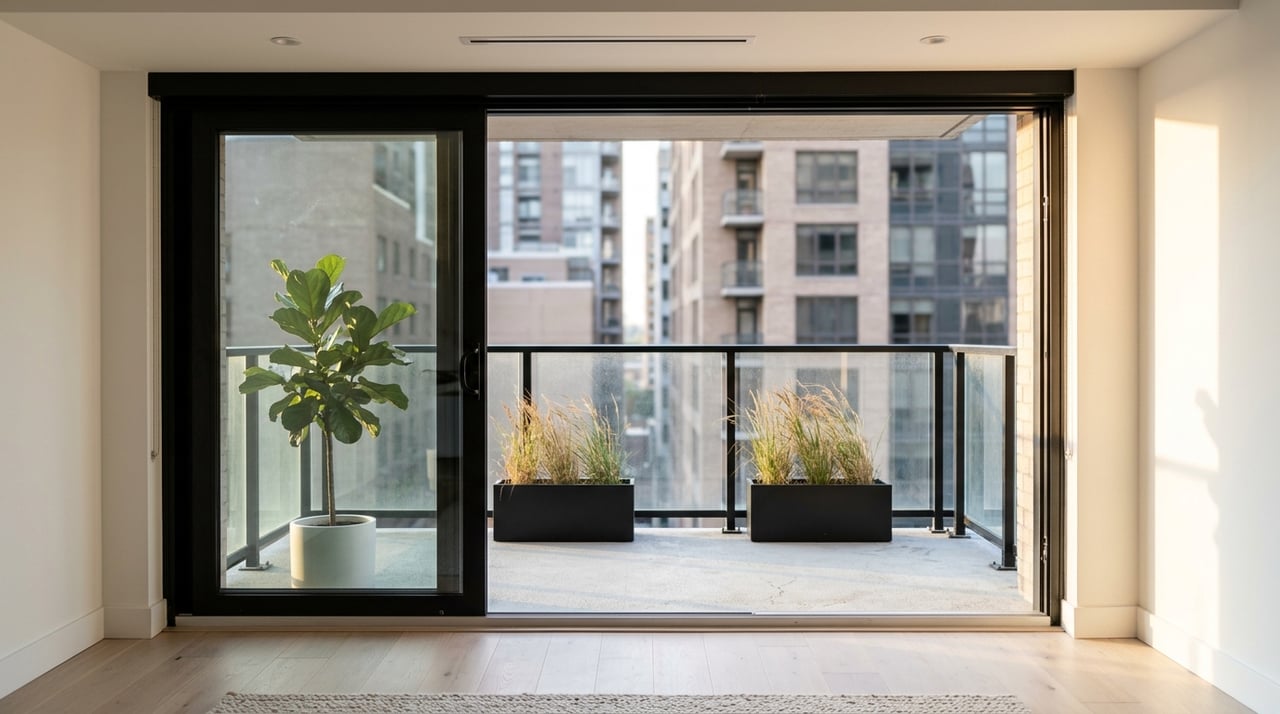
Private outdoor space can be a real pricing lever. Balconies, terraces, and larger wrap-around spaces are often worth more to buyers in dense urban neighborhoods, especially when they are usable and well positioned.
Not all outdoor space is equal, though. A narrow balcony with limited privacy may not carry the same value as a deep terrace with open exposure. The goal is to compare your unit to others with a similar outdoor experience.
Corner position and layout
Corner units often command more attention because they can offer better light, more windows, and a more open feel. Layout also matters. Two condos with the same square footage may perform very differently if one has a more functional flow or better bedroom separation.
This is one reason list price should not come from price per square foot alone. Price per square foot is useful as a check, but it cannot fully capture layout quality or livability.
Parking, HOA dues, and building health matter
West Loop buyers do not look only at the sticker price. They also look at monthly carrying costs and the overall condition of the building.
Freddie Mac’s condo appraisal form specifically asks about parking, project fees, monthly charges, budget review, and unusual characteristics that affect value or marketability. That is a strong sign that these issues belong in your pricing strategy from day one.
Parking
If your condo includes deeded or assigned parking, that can support value depending on the building and buyer pool. If parking is leased, limited, or not included, your list price may need to reflect that.
In some buildings, parking is expected. In others, it is more of a bonus. The key is to compare your unit to the norms in your building and direct competitors nearby.
HOA dues
HOA dues affect affordability. The Consumer Financial Protection Bureau notes that condo fees are usually separate from the mortgage and can range from a few hundred dollars a month to more than $1,000, and buyers typically consider those fees as part of total monthly housing cost.
That means a condo with higher dues may need a more cautious list price, even if the finishes are attractive. If your building offers more services or amenities, the dues may be understandable, but buyers still feel the monthly number.
Reserves, maintenance, and assessments
Building health can influence buyer confidence and marketability. Freddie Mac’s FAQ says sellers should review HOA minutes, financial statements, engineer reports, and other documents for critical repairs, deferred maintenance, and special assessments.
If your building has strong reserves and no known major issues, that can support smoother buyer decision-making. If there is a special assessment or a known repair issue, your pricing should account for how buyers are likely to react.
Condition should change the price
A turnkey condo should not be priced the same as a dated one just because the floor plan matches. Freddie Mac’s appraisal materials require documentation of condition, renovations, remodeling, and needed repairs, which mirrors how buyers think in real life.
You can think of most listings in three buckets:
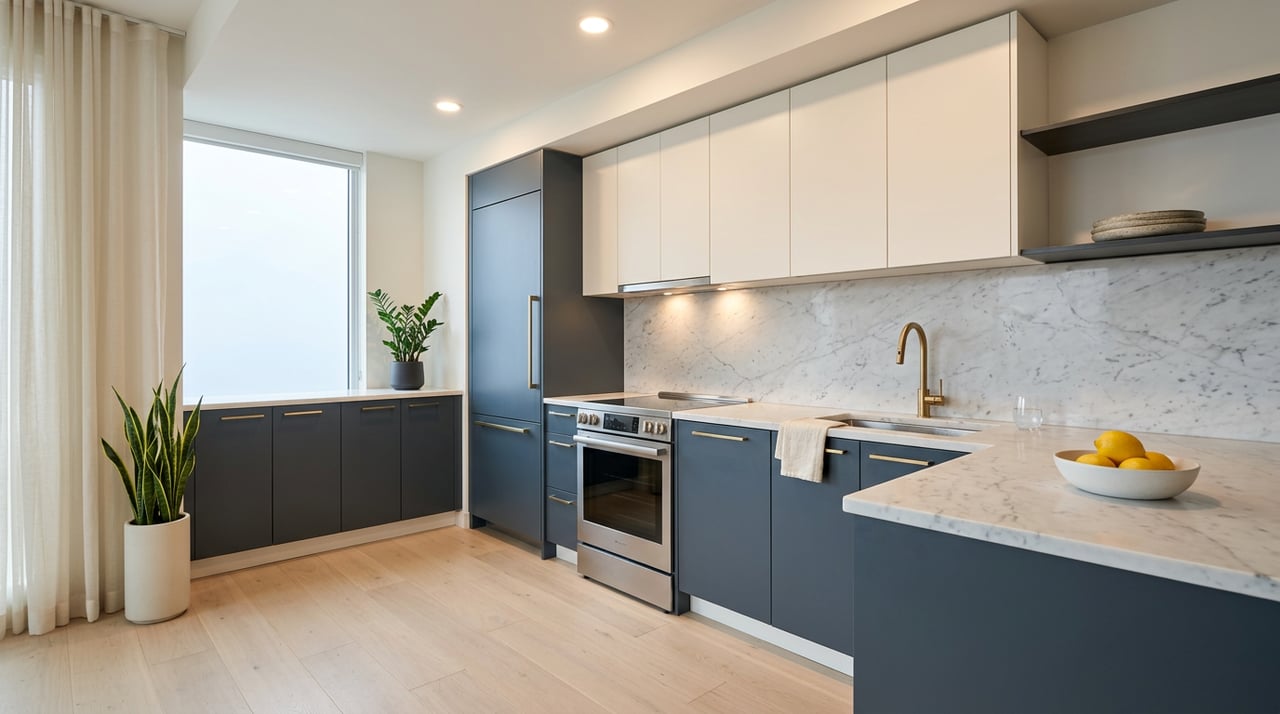
- Turnkey: recently updated, polished, and ready to move into
- Lightly updated: well kept with some improvements, but not fully current
- Dated: functional, but likely to need cosmetic or material updates
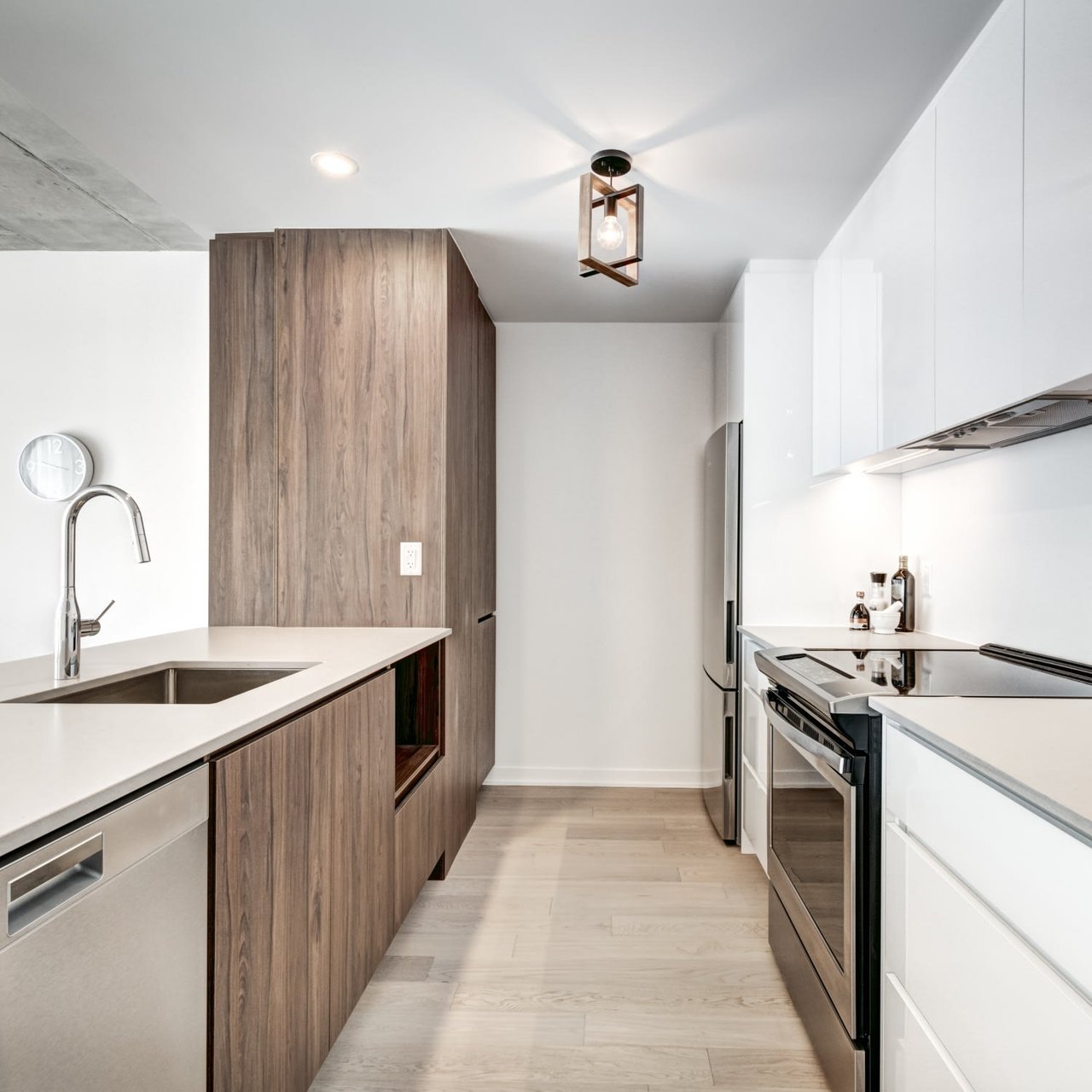
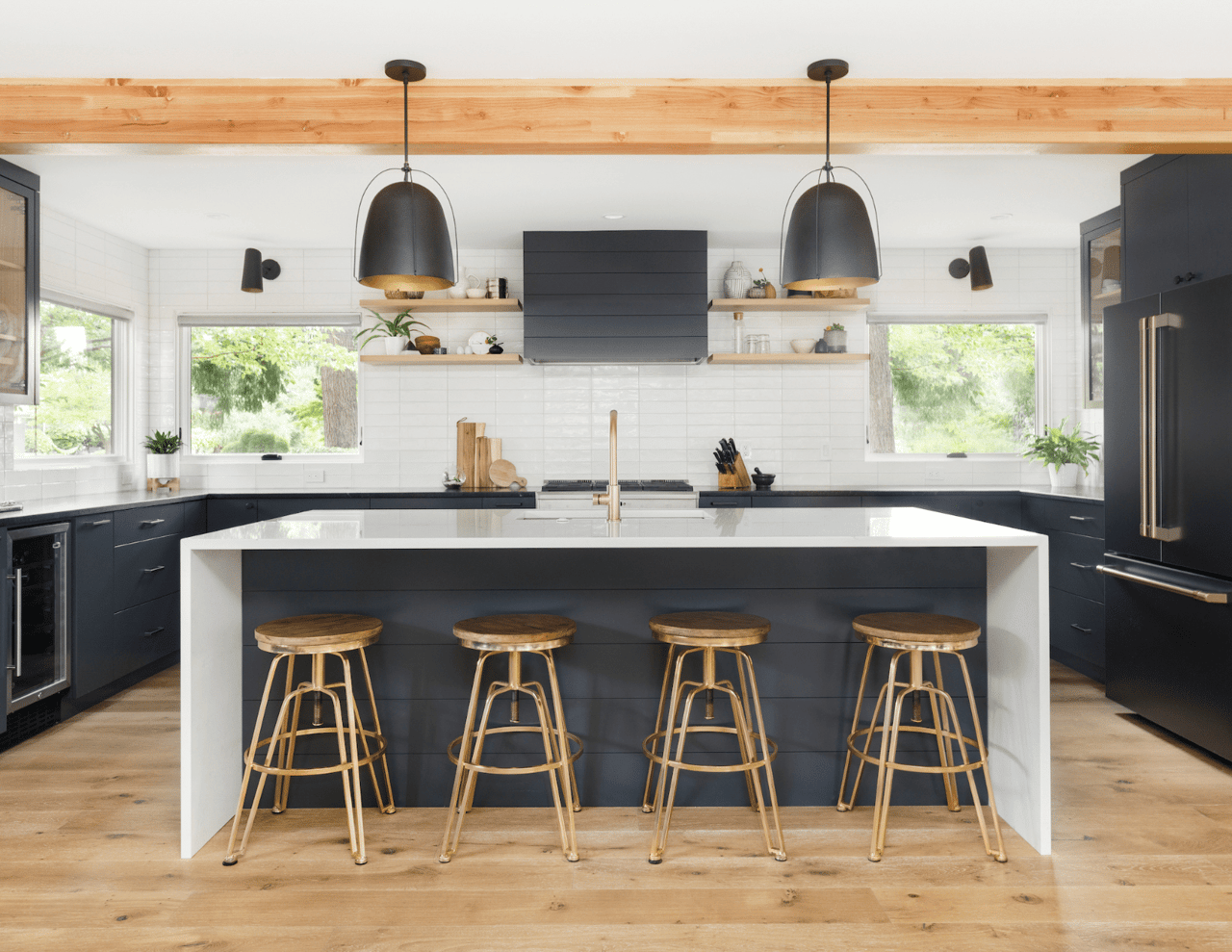
If your condo is fully renovated, your price should be supported by renovated comps, not by averaging in dated sales. If your condo needs work, pricing it like the most finished unit in the stack can slow showing activity right away.
Broad medians can mislead sellers
One of the easiest pricing mistakes is leaning too hard on a ZIP-code median. Recent sold data in 60607 shows a wide range, from lower-priced condo sales like 500 S Clinton St #640 at $235,000 and 811 S Lytle St #103 at $265,000 to higher-priced sales like 203 S Sangamon St #310 at $860,000 and 1000 W Washington Blvd #336 at $950,000.
That spread is a helpful reminder. A median can give you market context, but it does not tell you what your specific condo is worth. Building, condition, size, floor, exposure, amenities, and monthly costs all shape the real number.
A practical pricing framework
If you are getting ready to sell, this is the simplest way to think about list price in today’s West Loop market.
Step 1: Find the closest sold comps
Start with the most recent closed sales in your building. Look for matches in size, layout, floor, exposure, parking, and condition.
Step 2: Expand carefully
If your building does not offer enough comps, move to nearby buildings with similar construction type, amenity level, and buyer appeal. Avoid mixing too many unlike properties into one pricing set.
Step 3: Compare against current listings
Review the active condos competing for the same buyer. Your list price has to make sense not just on paper, but on the screen when buyers compare options side by side.
Step 4: Adjust for value drivers
Make thoughtful adjustments for view, floor height, outdoor space, parking, HOA dues, reserve health, special assessments, and renovation level. These are some of the features buyers and appraisers weigh most heavily.
Step 5: Use market medians as a check
Use the broader West Loop and 60607 median ranges as a sanity check, not as your pricing formula. If your condo belongs at the top of the range, the support should come from matching comps and clear unit advantages.
Why disciplined pricing still wins
Illinois REALTORS reported that City of Chicago condo and townhome prices rose 5.5% from February 2025 to February 2026, while closed condo sales fell about 11%, inventory fell about 25%, and days on market dropped by 8 days. That combination suggests a market that can still reward well-positioned listings.
But it does not mean every seller should stretch. In a market with limited inventory and selective buyers, the best results often come from pricing that feels credible from day one.
When your price aligns with the building, the competition, and your condo’s actual strengths, you give buyers a reason to act. That is usually what creates momentum.
If you want a pricing strategy built around your building, your competition, and the details buyers actually care about, Stephanie Turner can help you position your West Loop condo with a smart, data-informed plan.
FAQs
How should you price a condo in West Loop Chicago?
- Start with recent sold units in your building, then compare nearby similar buildings if needed, and adjust for floor, view, outdoor space, parking, HOA dues, and condition.
Why do West Loop condo prices vary so much within 60607?
- Prices vary because 60607 includes a wide range of unit types, building styles, amenity packages, finishes, and monthly ownership costs, so ZIP-level averages are only a starting point.
Do HOA dues affect West Loop condo pricing?
- Yes. Higher HOA dues can affect affordability and may limit what buyers are willing to pay, even when the unit itself shows well.
Should you use price per square foot to price a West Loop condo?
- Use price per square foot as a reference point, not the full answer, because it does not fully account for layout, condition, floor height, view, or outdoor space.
What are the best comps for a West Loop condo sale?
- The best comps are usually recent sales in the same building, followed by nearby buildings with similar age, construction, amenities, and buyer appeal.
Does condo condition matter when pricing in 60607?
- Yes. A turnkey unit, a lightly updated unit, and a dated unit should not be priced the same without clear condition adjustments.