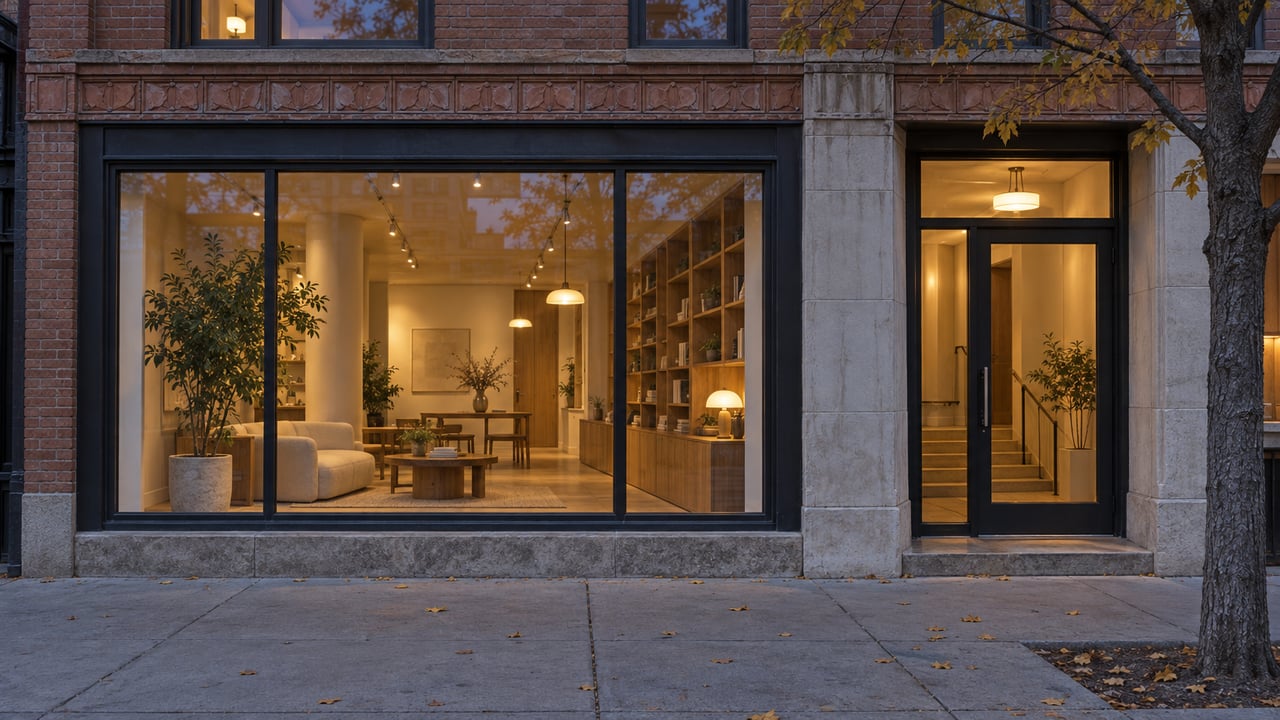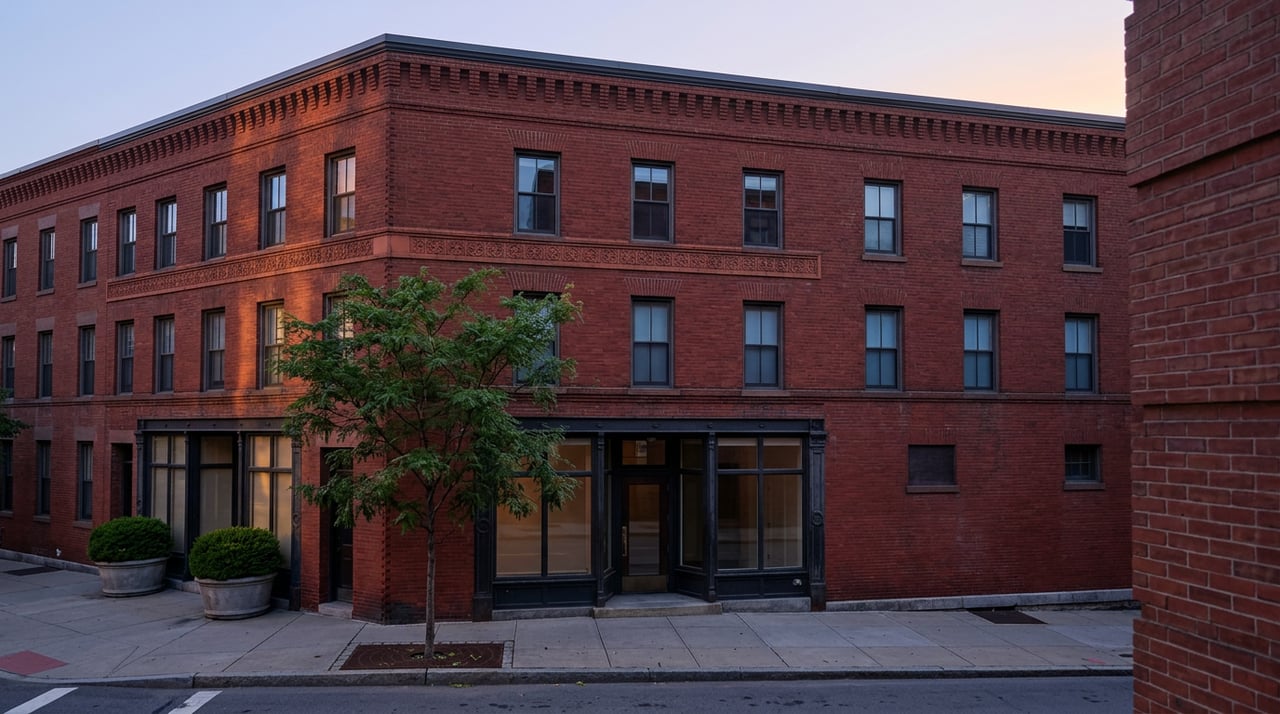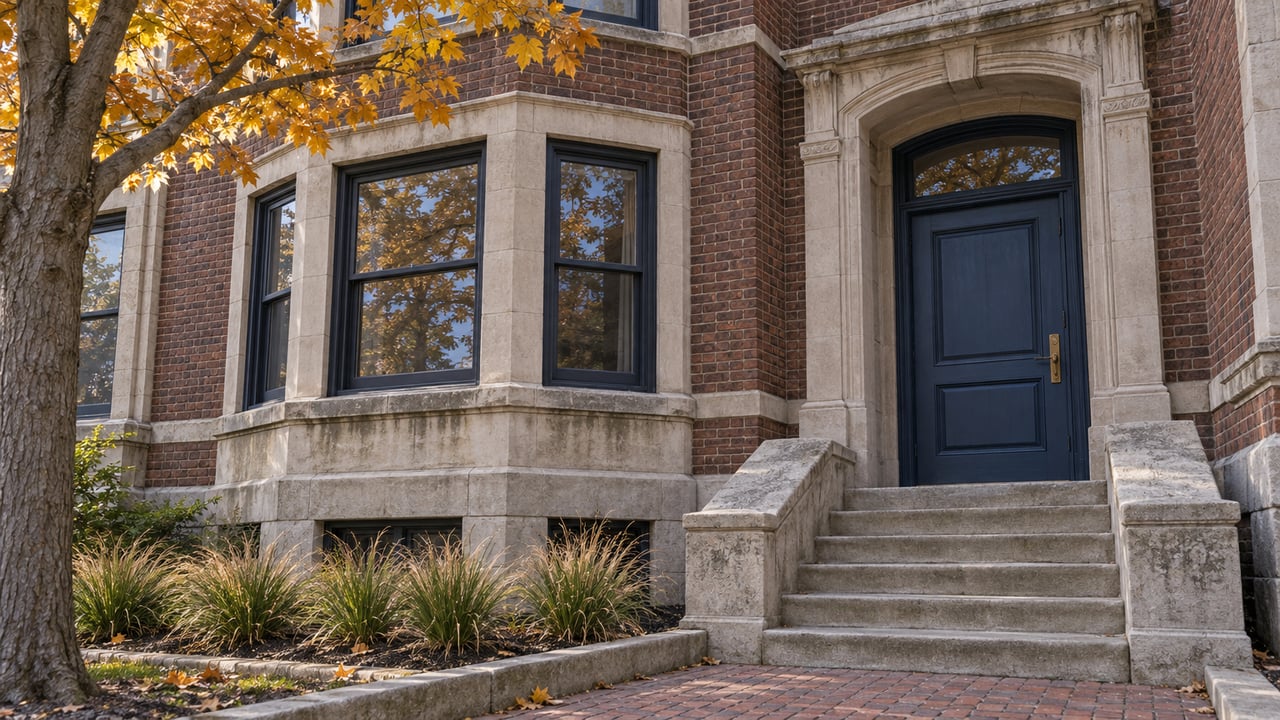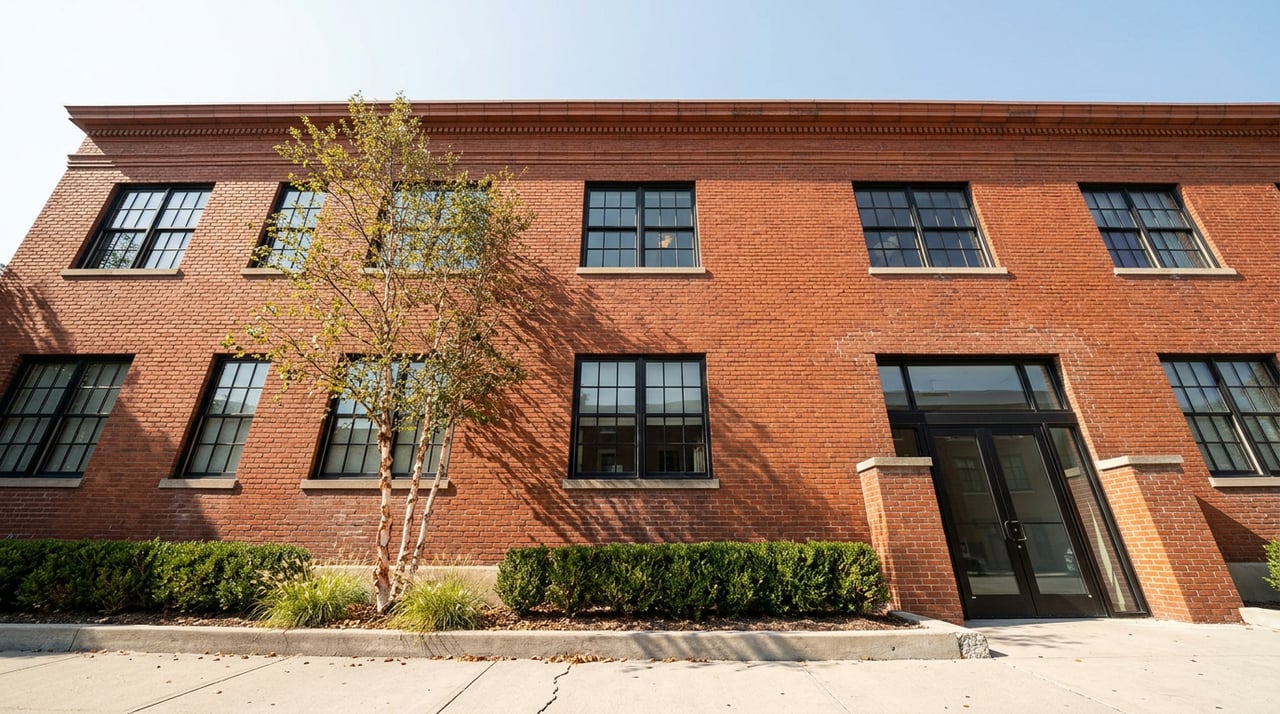
If you are thinking about buying in Uptown, one question matters more than most: what kind of building actually fits your budget and lifestyle long term? Uptown has one of the most varied housing mixes on Chicago’s North Side, so two homes with similar prices can come with very different layouts, upkeep needs, and monthly costs. Understanding those tradeoffs upfront can help you buy with more confidence and fewer surprises. Let’s dive in.
Why Uptown Feels So Varied
Uptown is a strongly multifamily neighborhood, and that shapes almost every buying decision here. According to CMAP, the neighborhood has 35,606 housing units, with 44.7% built in 1939 or earlier and a median year built of 1947.
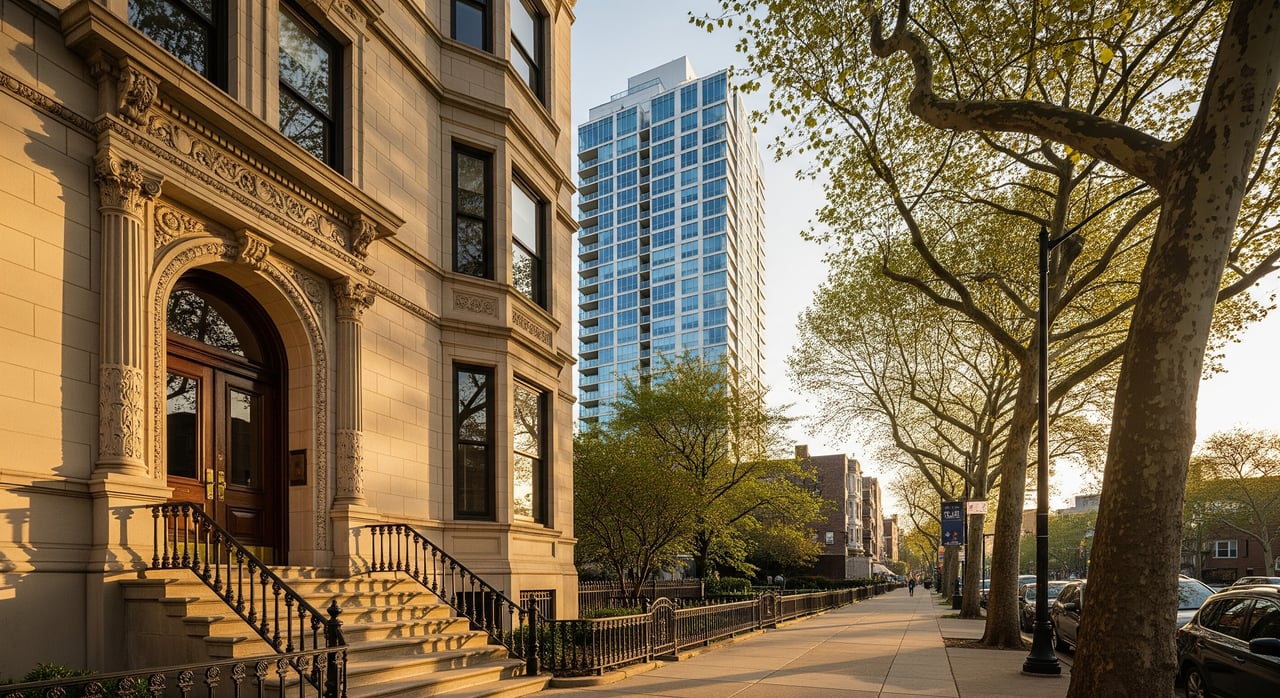
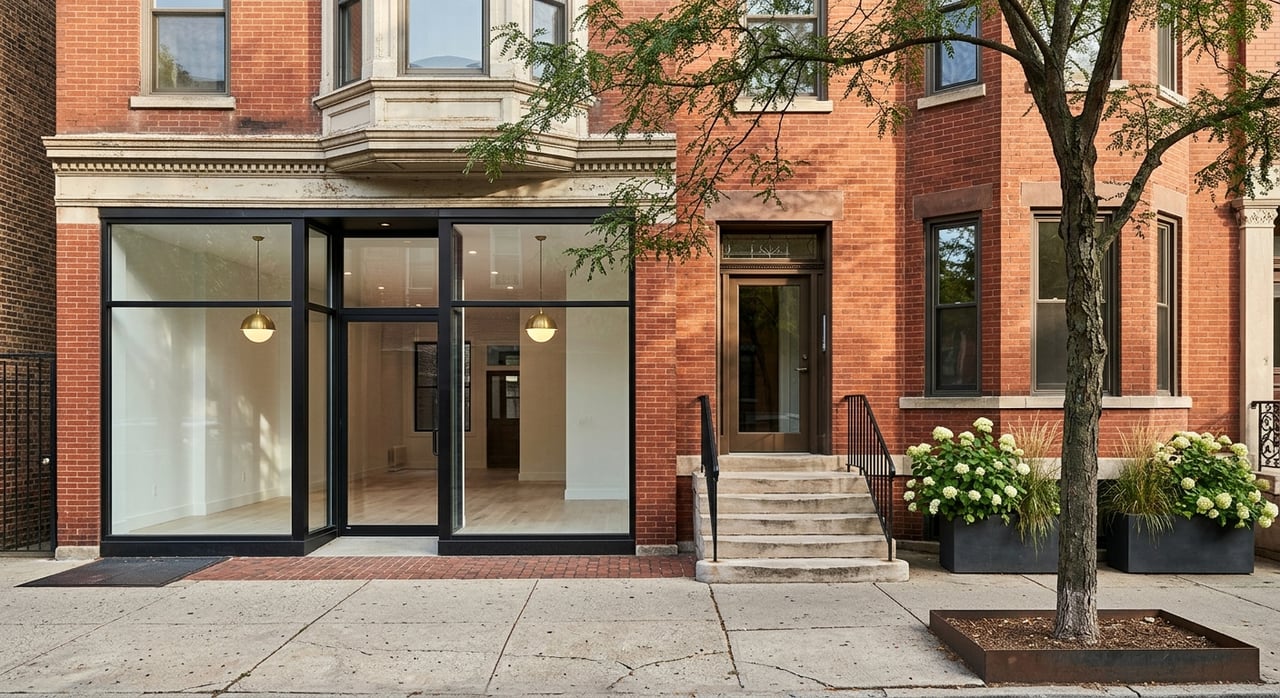
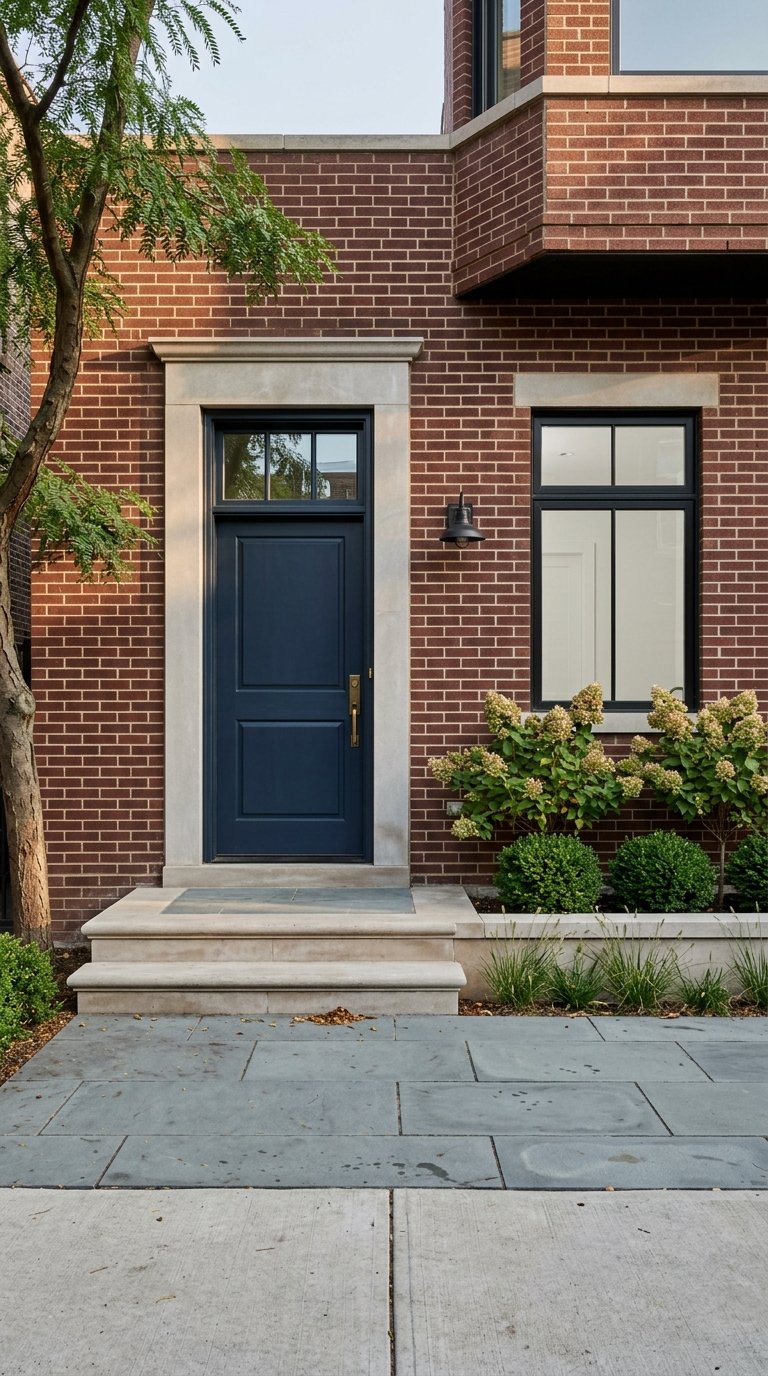
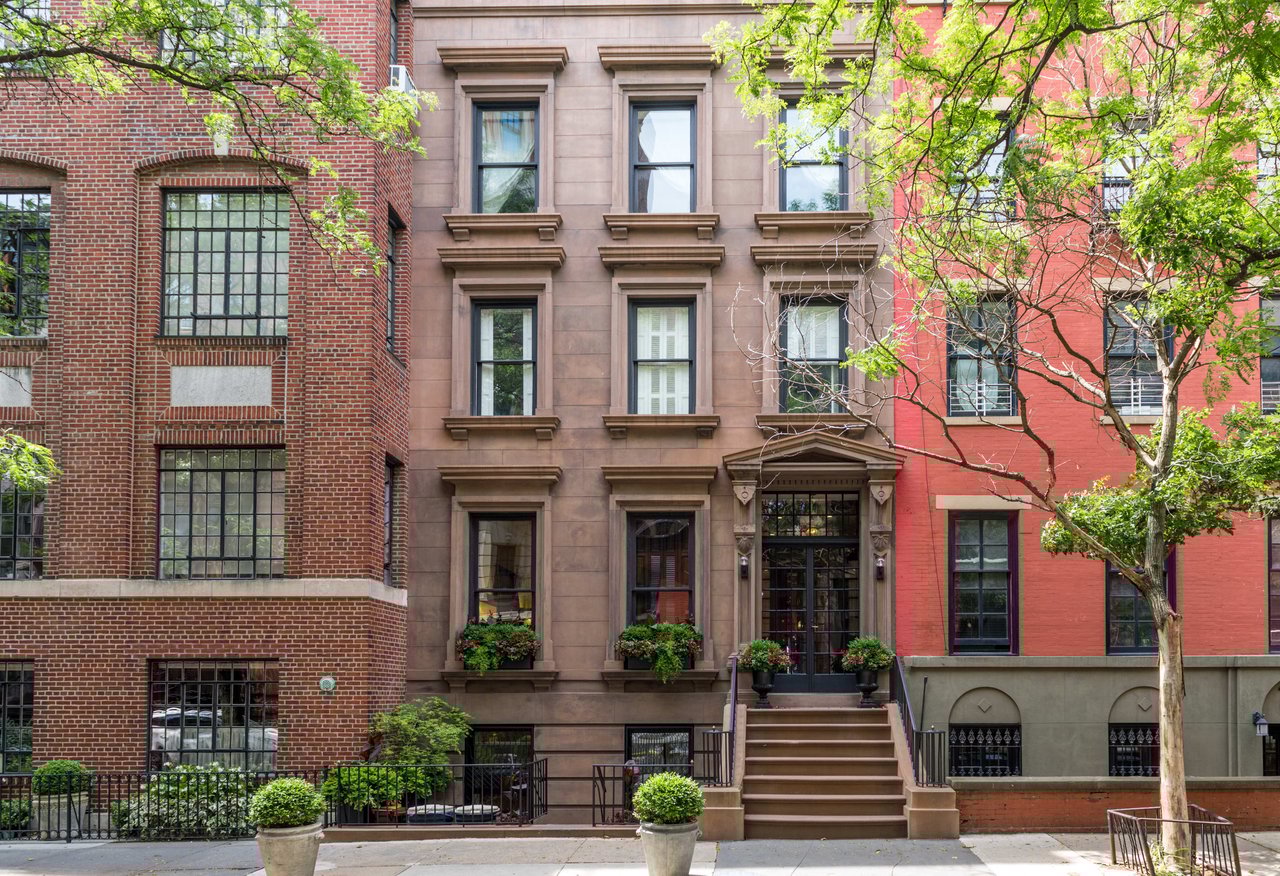
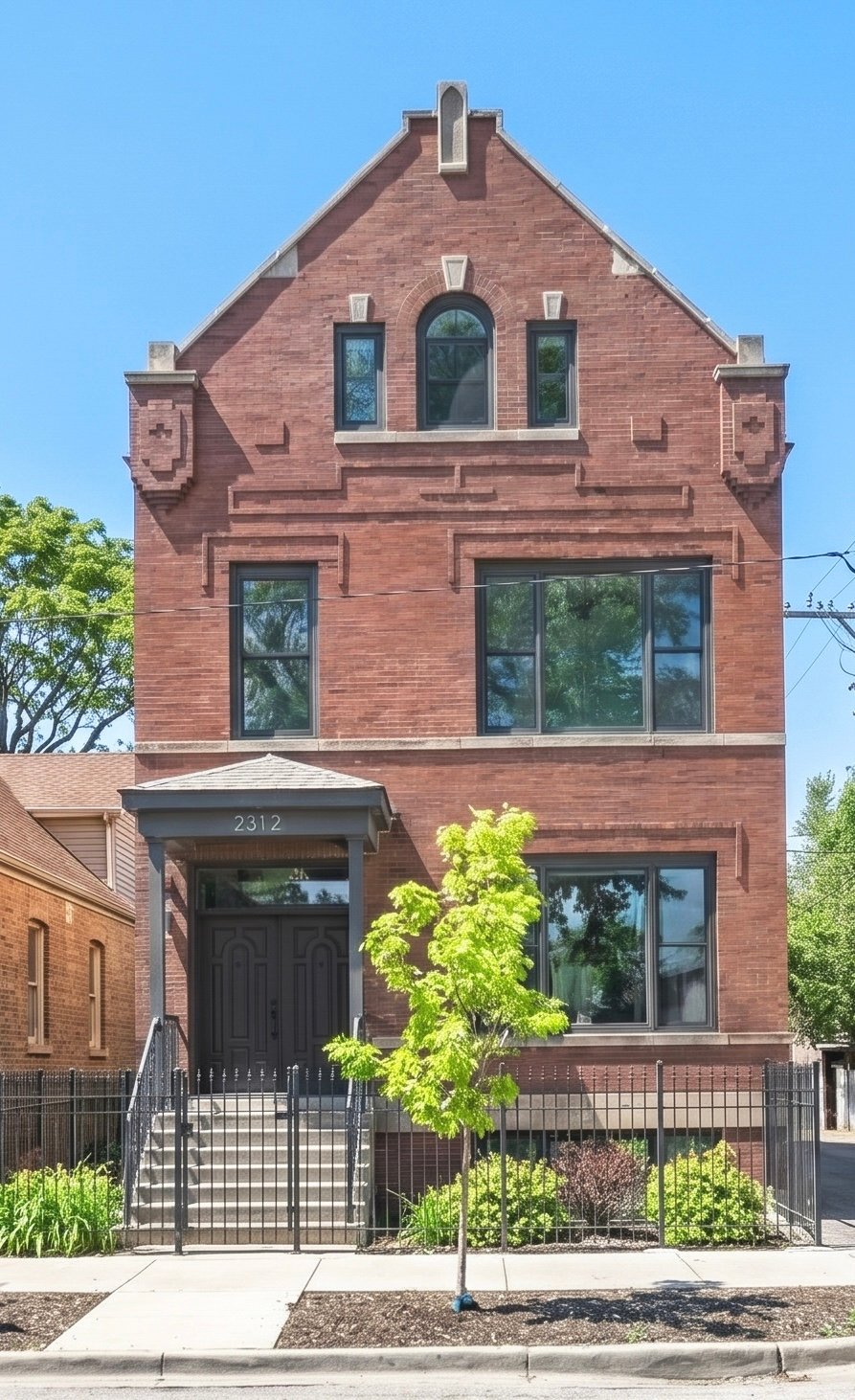
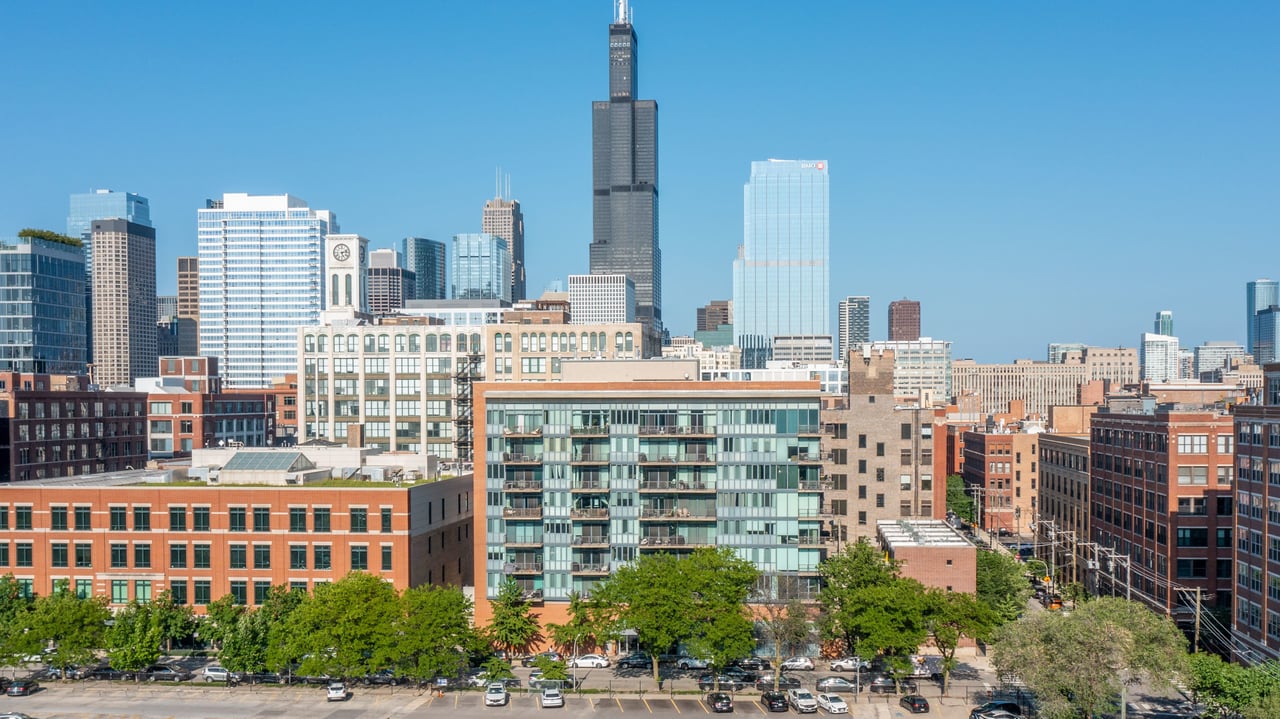
That age mix helps explain why Uptown can feel like several small housing markets in one. You will see vintage courtyard buildings, newer boutique condos, adaptive-reuse properties, and lakefront high-rises, often within a short distance of each other.
The structure mix is just as important. CMAP reports that 46.5% of units are in buildings with 5 to 49 units, while 38.8% are in buildings with 50 or more units. For buyers, that means your experience can change a lot depending on whether you choose a smaller association or a larger, amenity-heavy building.
Uptown Price And Cost Snapshot
For a broad budget baseline, CMAP reports a 2022 median residential sales price of $315,000 in Uptown. Current condo listings also reflect that range, with Redfin showing a median listing price of about $321,000 for condos in the neighborhood.
Monthly cost matters just as much as purchase price in Uptown. CMAP reports a median gross rent of $1,340 and median monthly owner costs with a mortgage of $2,507, and that owner-cost figure includes property taxes, insurance, utilities, and HOA fees where applicable.
That last point is especially important if you are buying a condo. In Uptown, assessments are not a side note. They are often a major part of what the home really costs you each month.
Vintage Courtyard Buildings
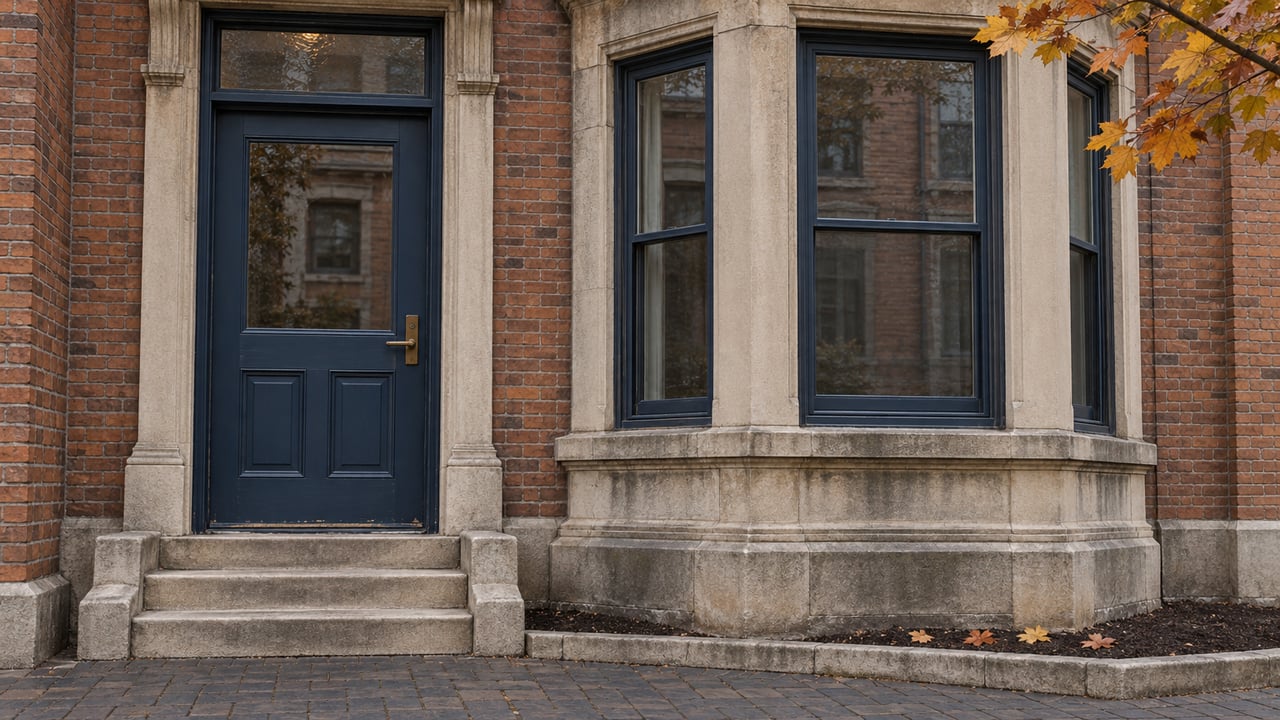
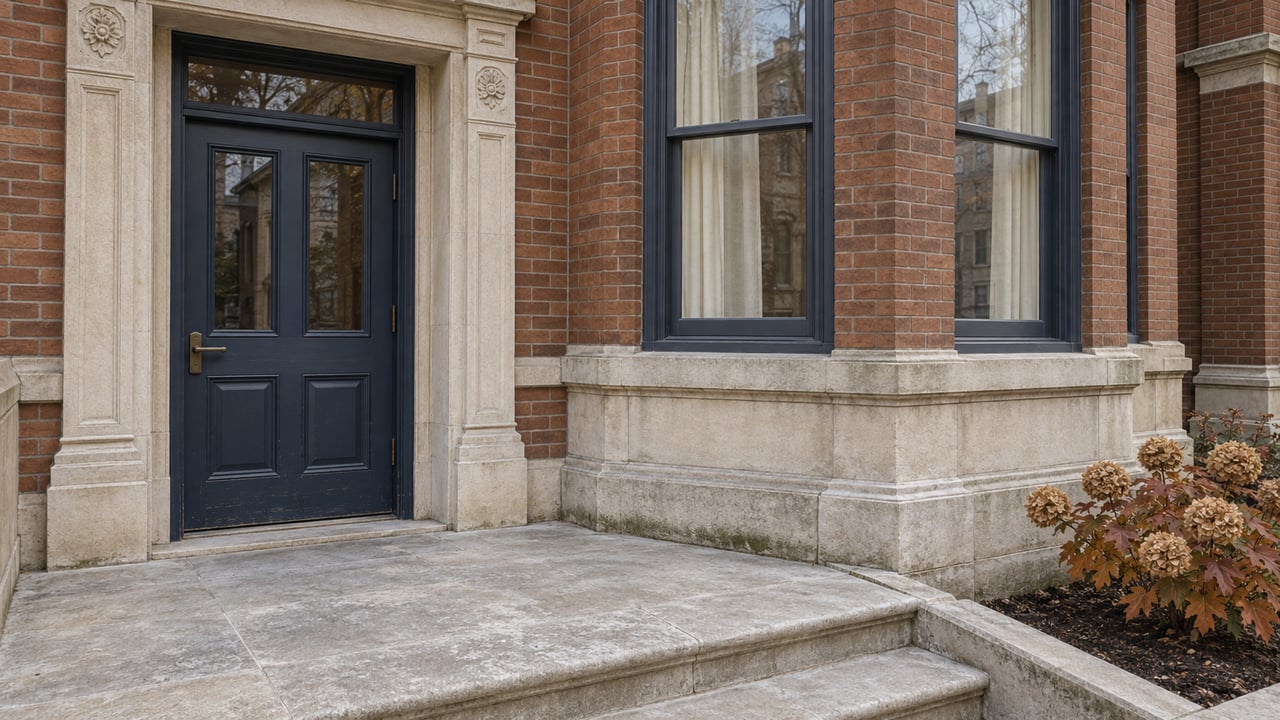
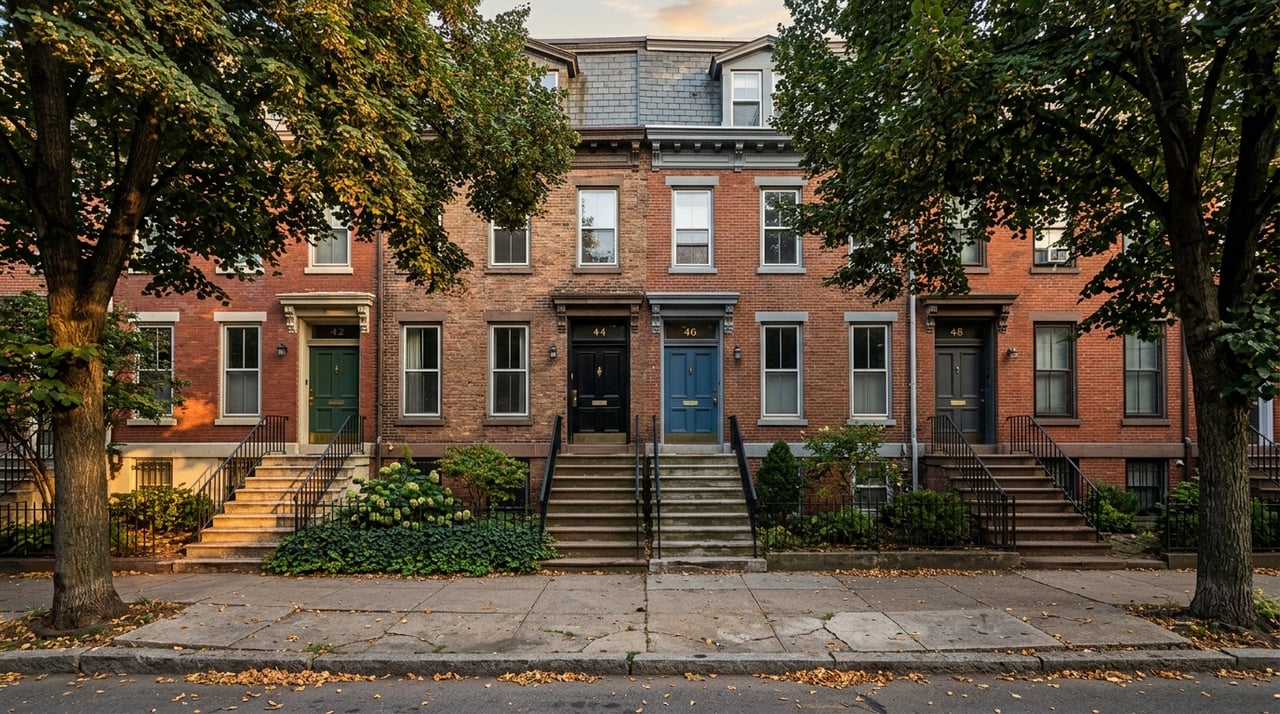
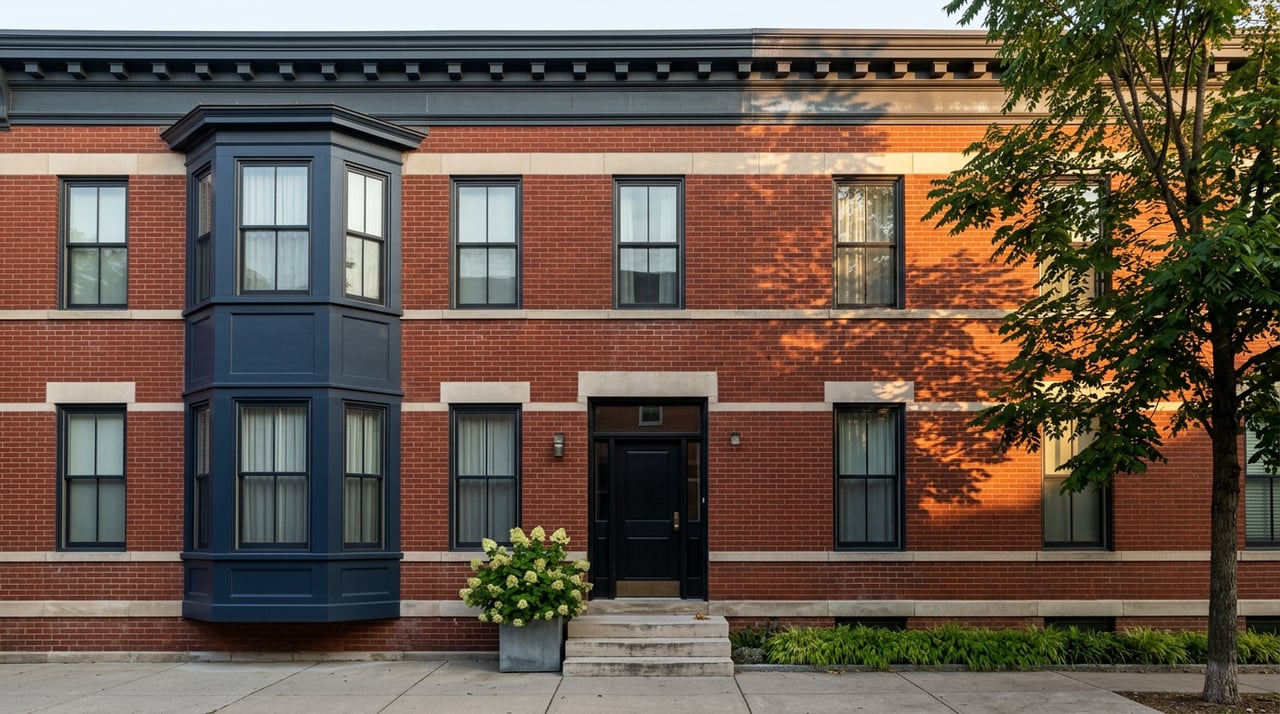
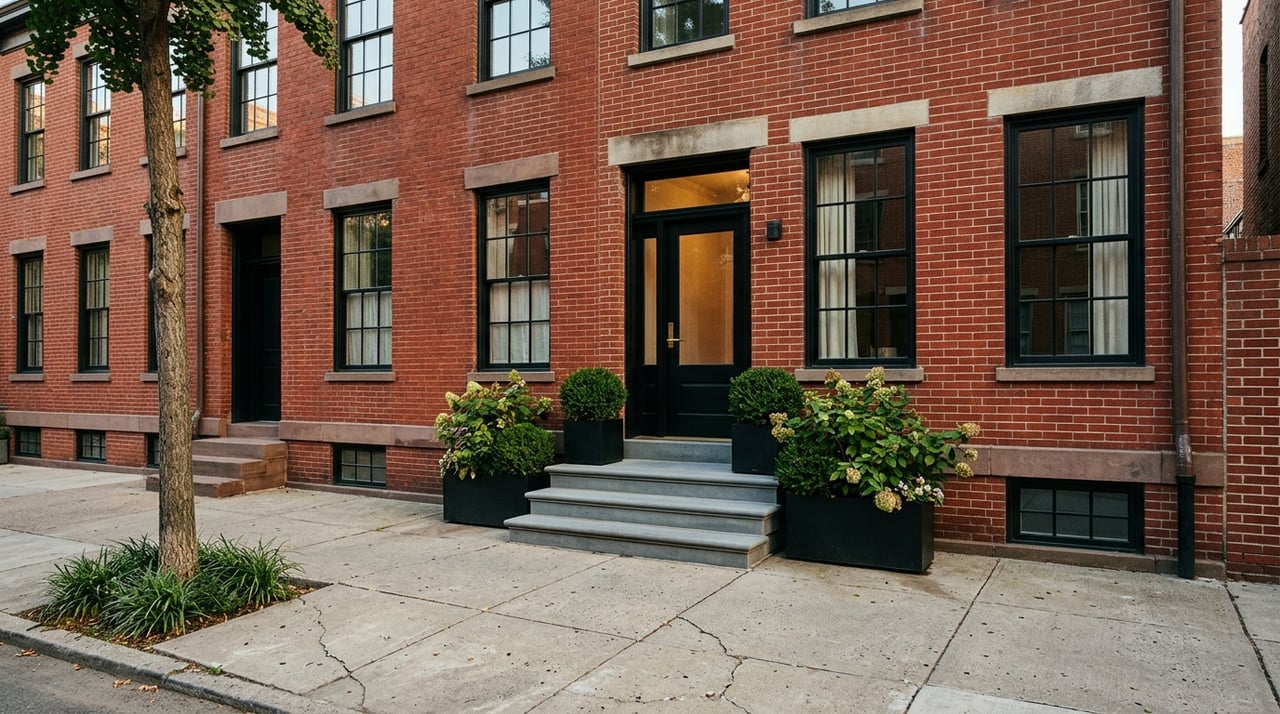
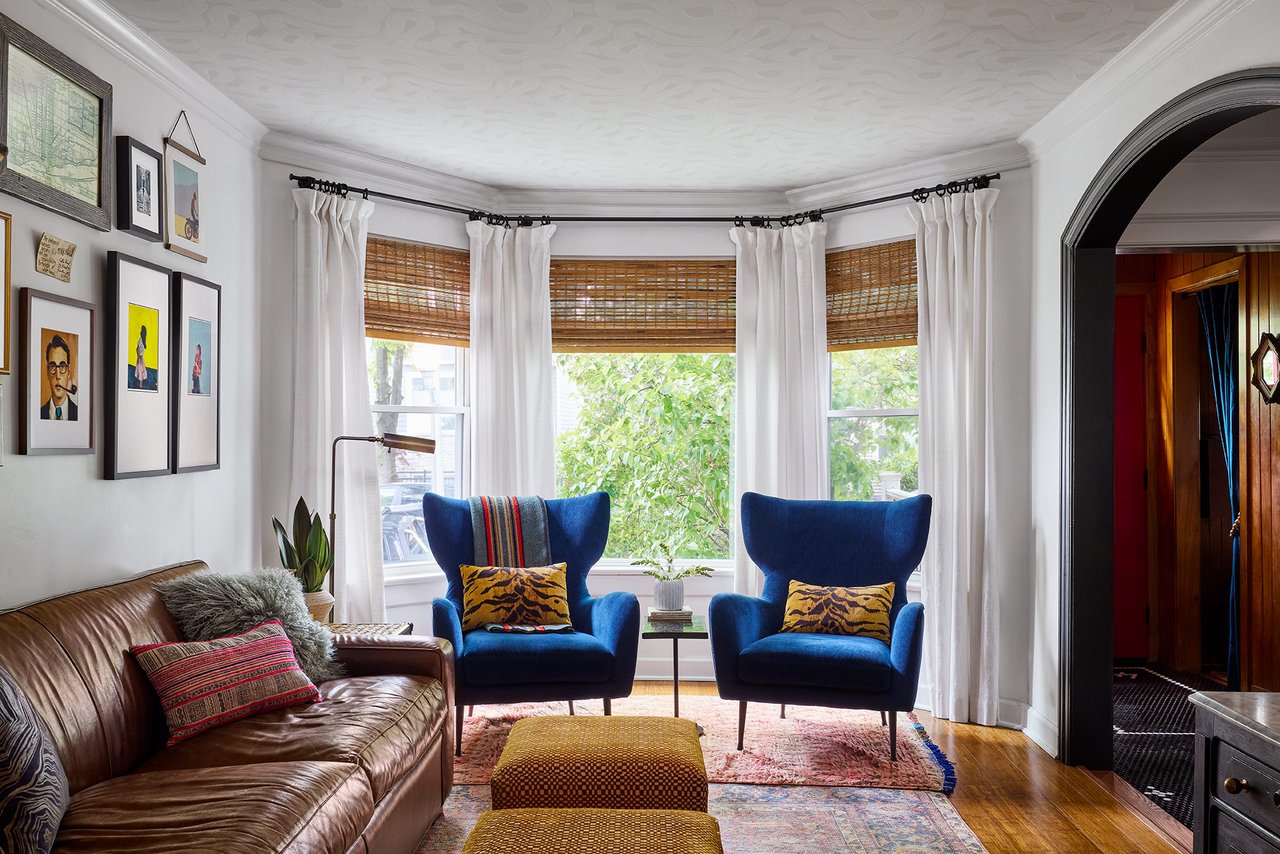
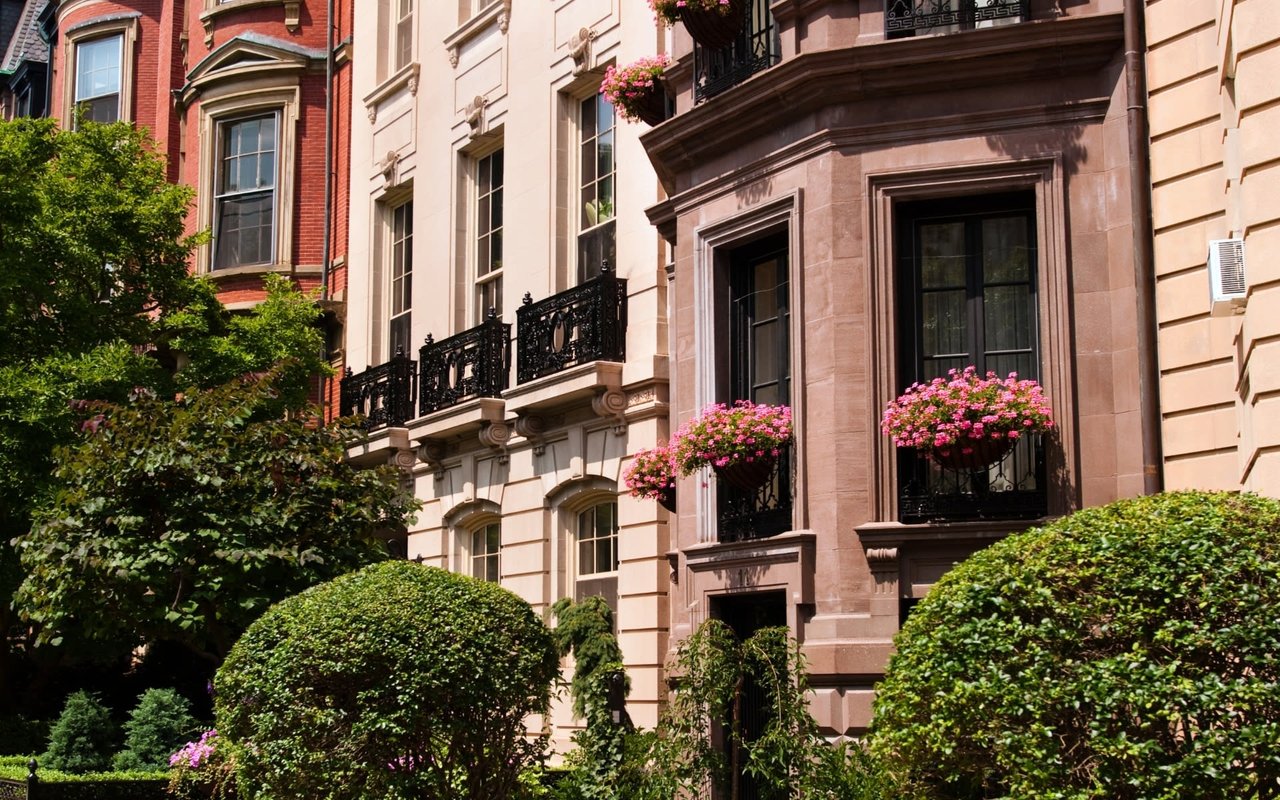
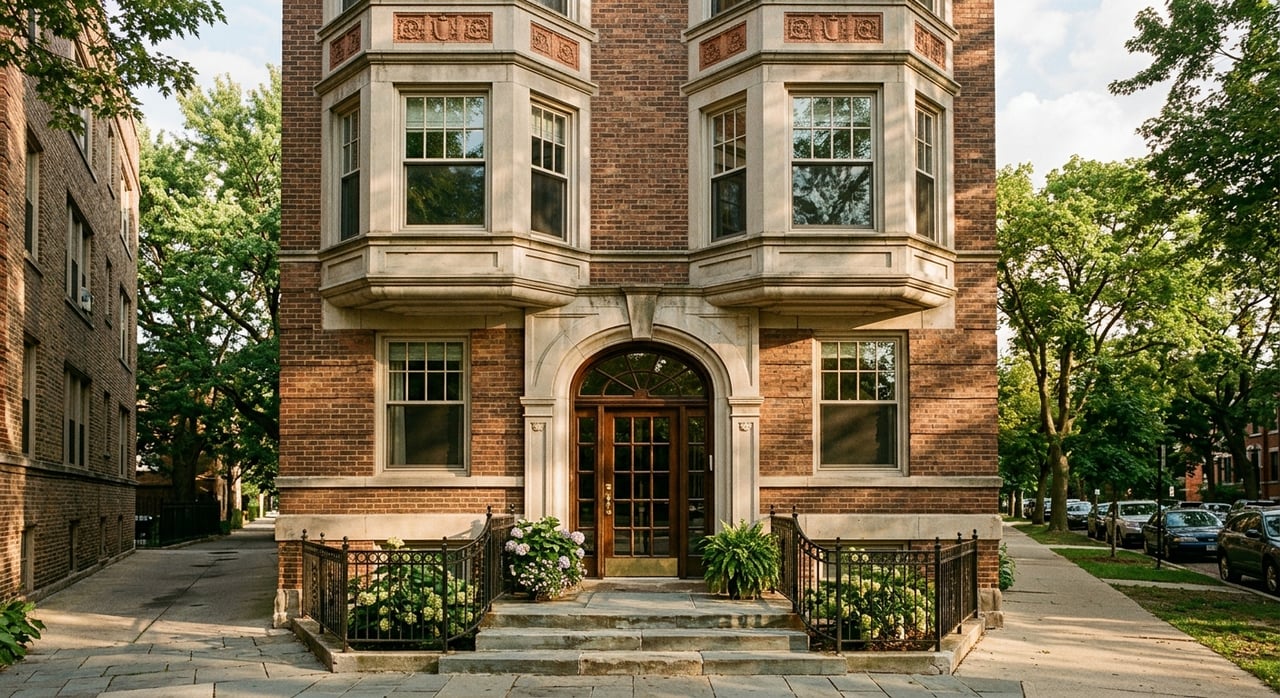
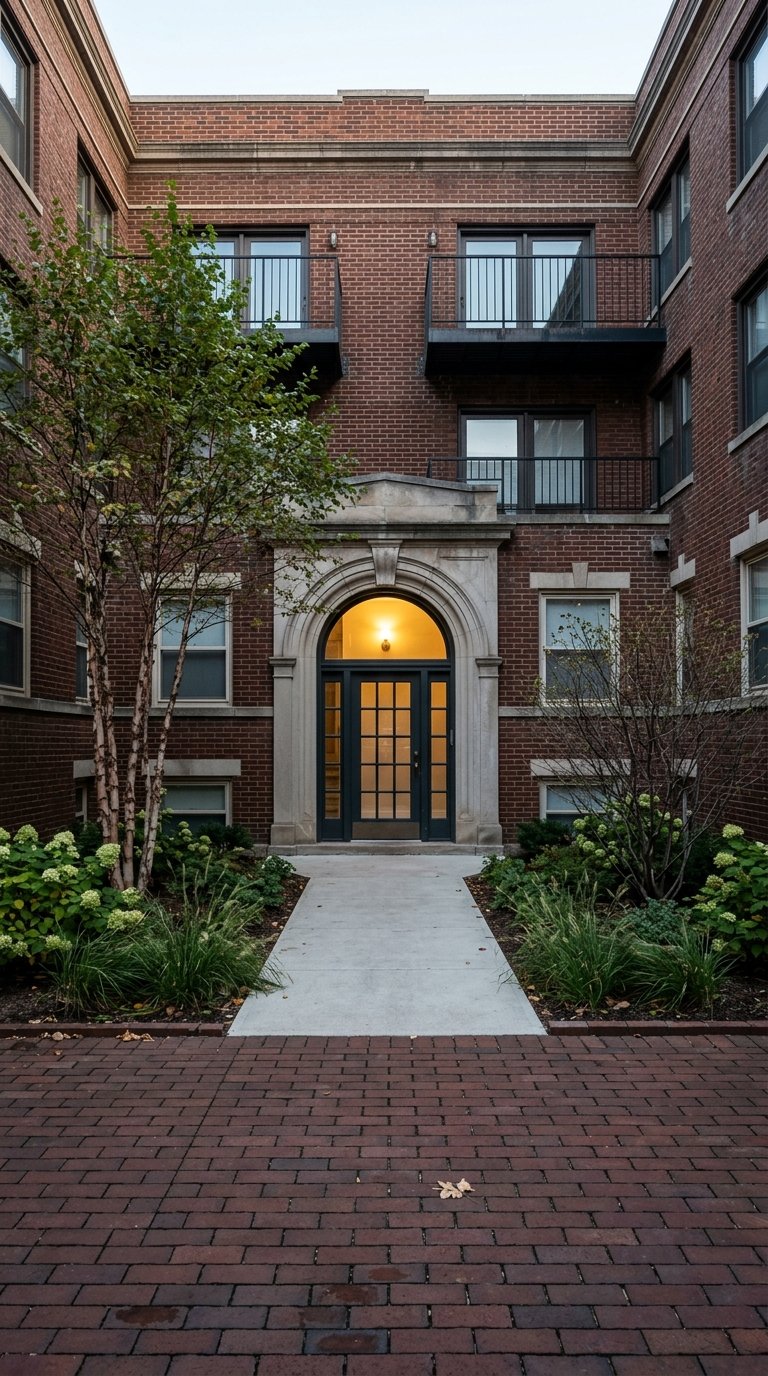
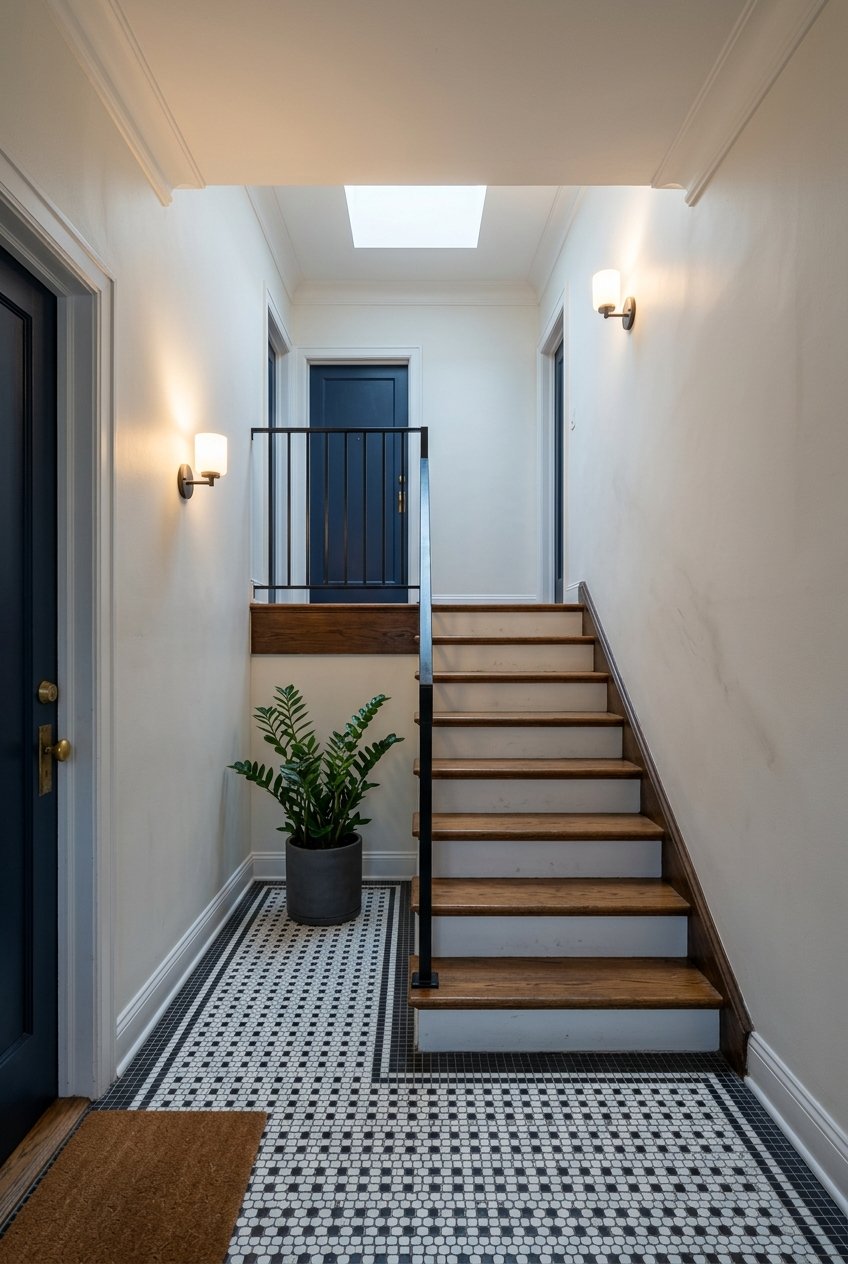
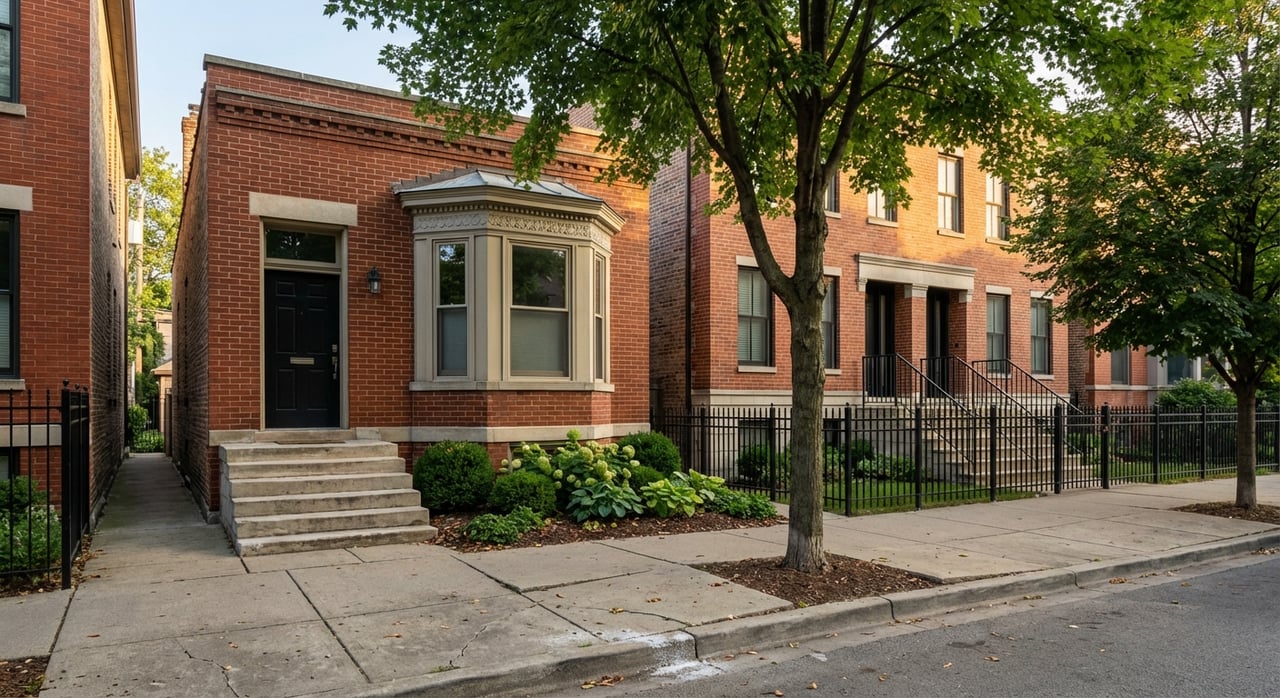
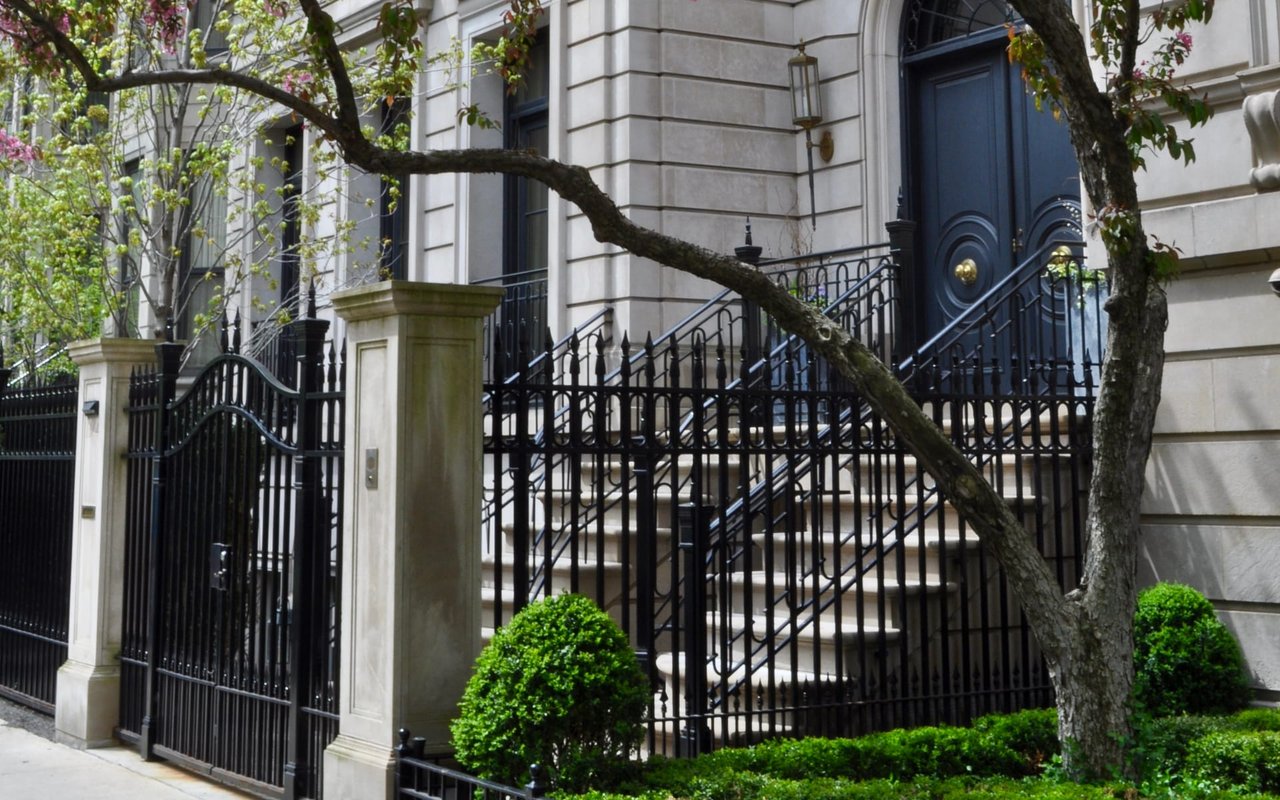
Vintage courtyard buildings are one of Uptown’s most recognizable housing types. The Chicago Architecture Center describes these as late-19th- and early-20th-century buildings, usually three to four stories tall, arranged around a shared interior courtyard that brings in light, air, and a bit of outdoor space.
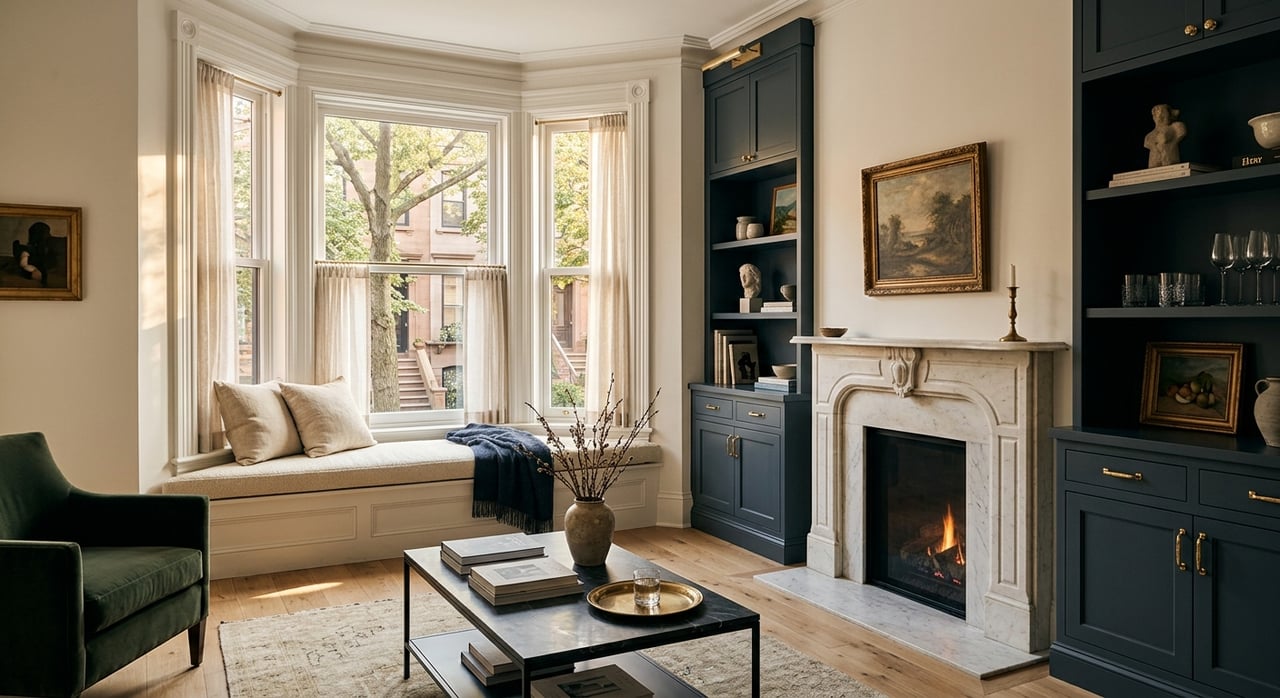
For many buyers, the appeal is obvious. These buildings often offer classic Chicago character, a lower-rise feel, and details that stand apart from more generic condo product.
What Buyers Usually Like
Courtyard buildings often feel more intimate than a larger high-rise. You may find attractive masonry, vintage floor plans, and a stronger sense of architectural identity.
They can also be appealing from a monthly cost perspective. In many cases, older courtyard buildings or smaller boutique associations may have lower assessments than a full-amenity tower, though that only works in your favor if the building has been maintained well.
What To Review Carefully
Because so much of Uptown’s housing stock predates 1940, condition can vary widely from building to building. Buyers should look closely at windows, plumbing, masonry, boilers, and common-area upkeep.
In this type of building, charm alone is not enough. You want to know whether the association has kept up with major work and whether reserve funding is strong enough to support future repairs.
Newer Construction Condos
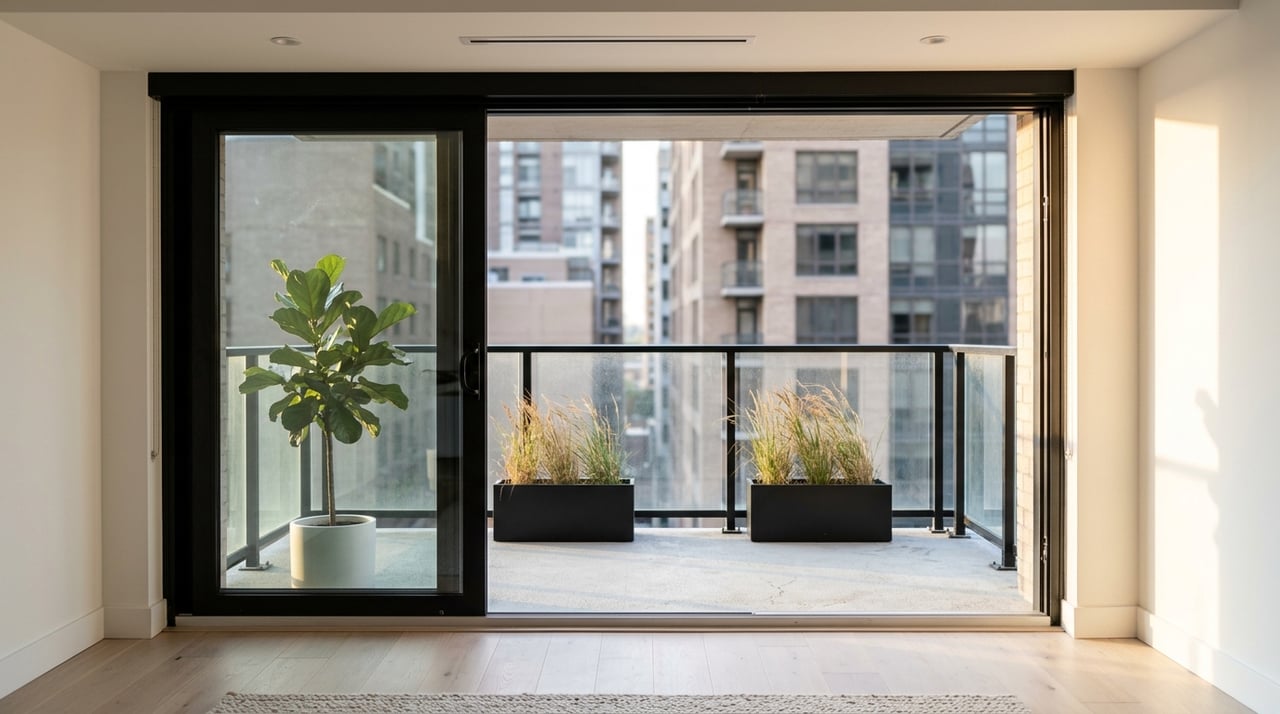
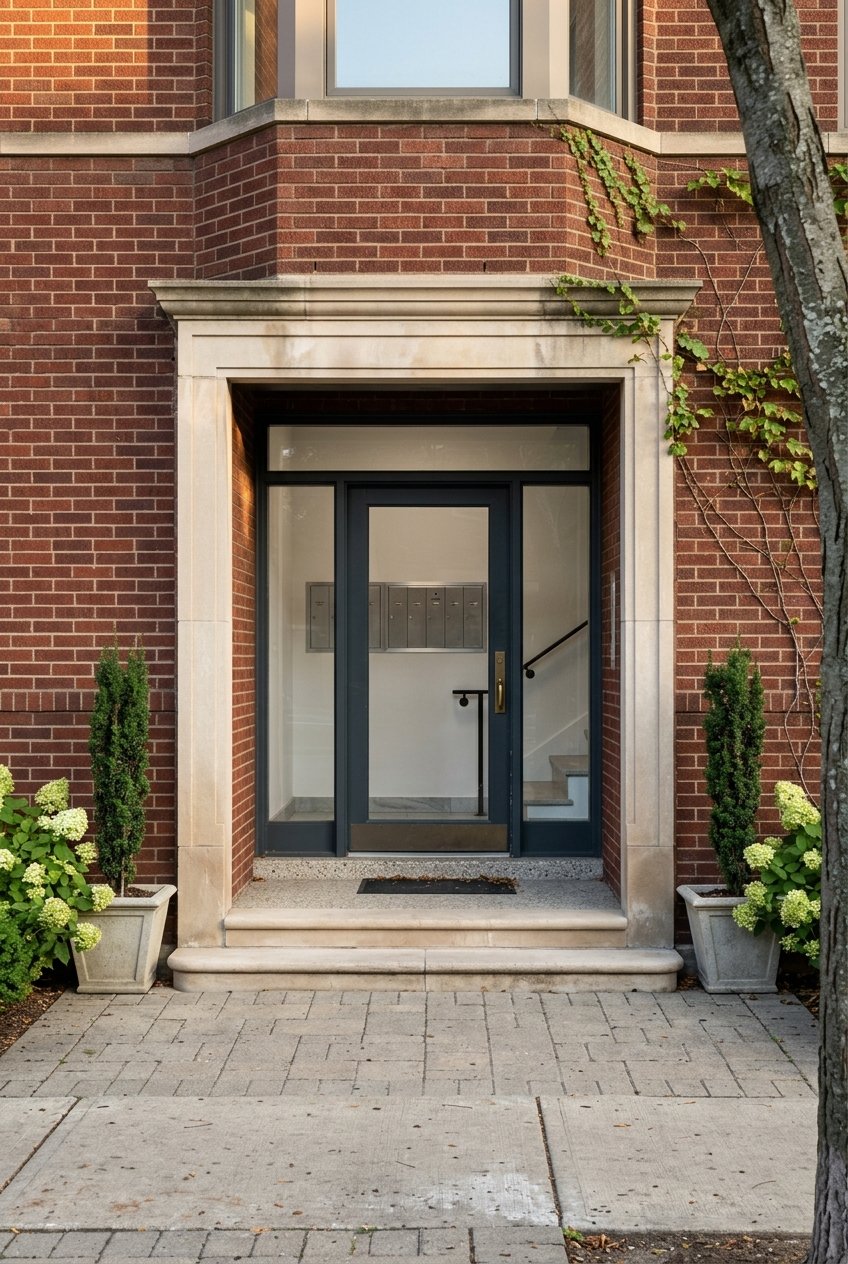
Newer construction in Uptown often comes in boutique or mid-size formats rather than massive towers. Recent examples include a six-unit condo building at 4441 N. Ashland and the 56-unit Harmony Apartments at 4513 N. Clark, which includes a mix of studios, one-bedrooms, and two-bedrooms, plus rooftop and balcony features.
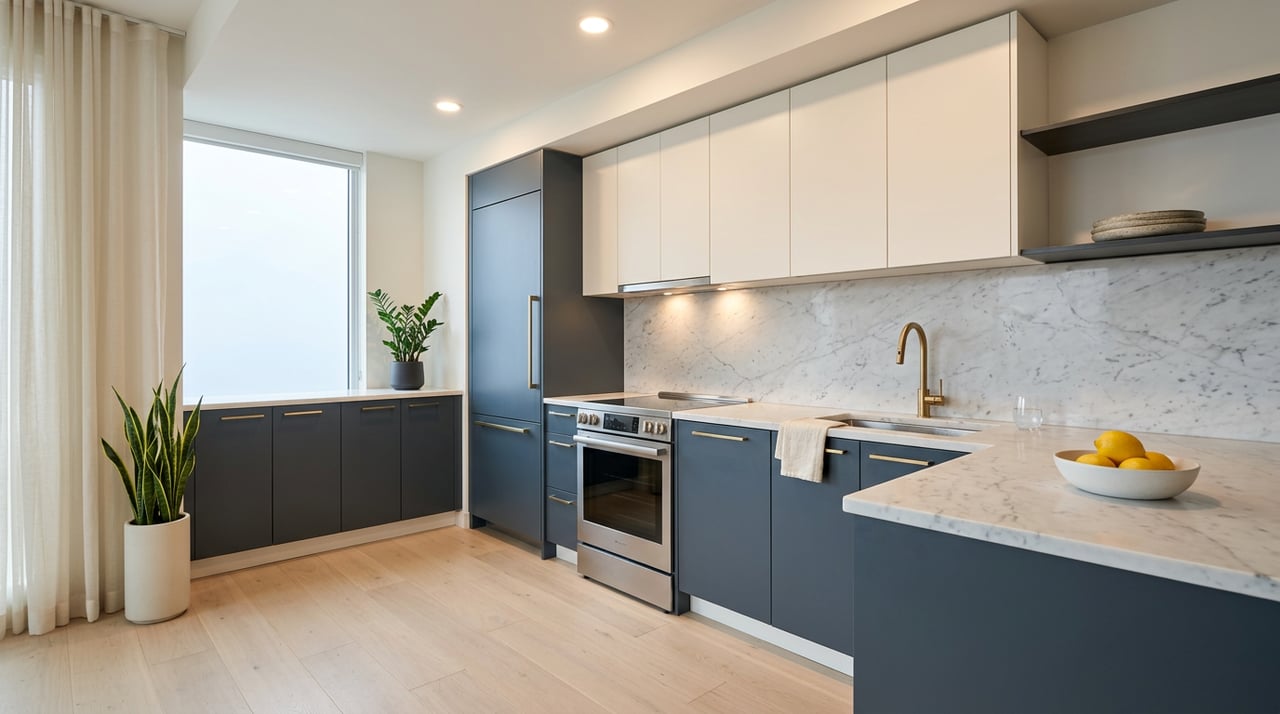
That pattern tells you a lot about what newer Uptown product tends to offer. You are more likely to see cleaner layouts, more outdoor space, and more contemporary finishes than in older stock.
What Buyers Usually Like
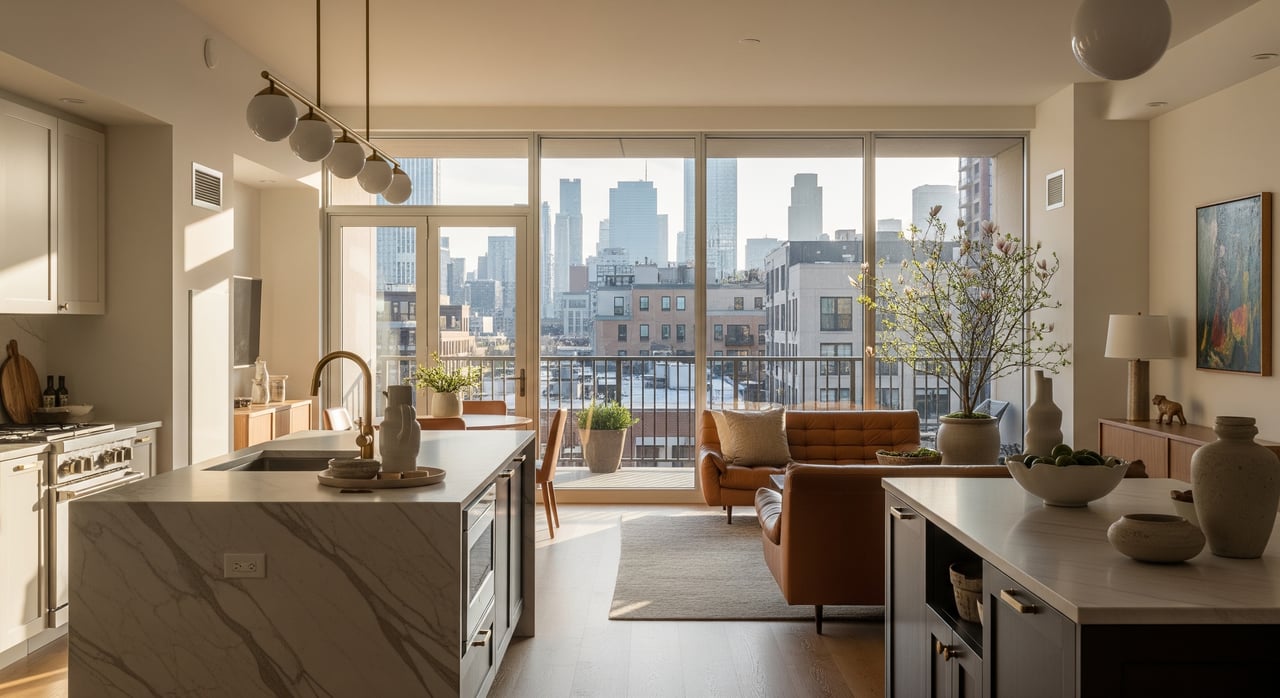
Newer condos can feel more move-in ready. For buyers who want fewer immediate renovation surprises, this style often offers a simpler path to ownership.
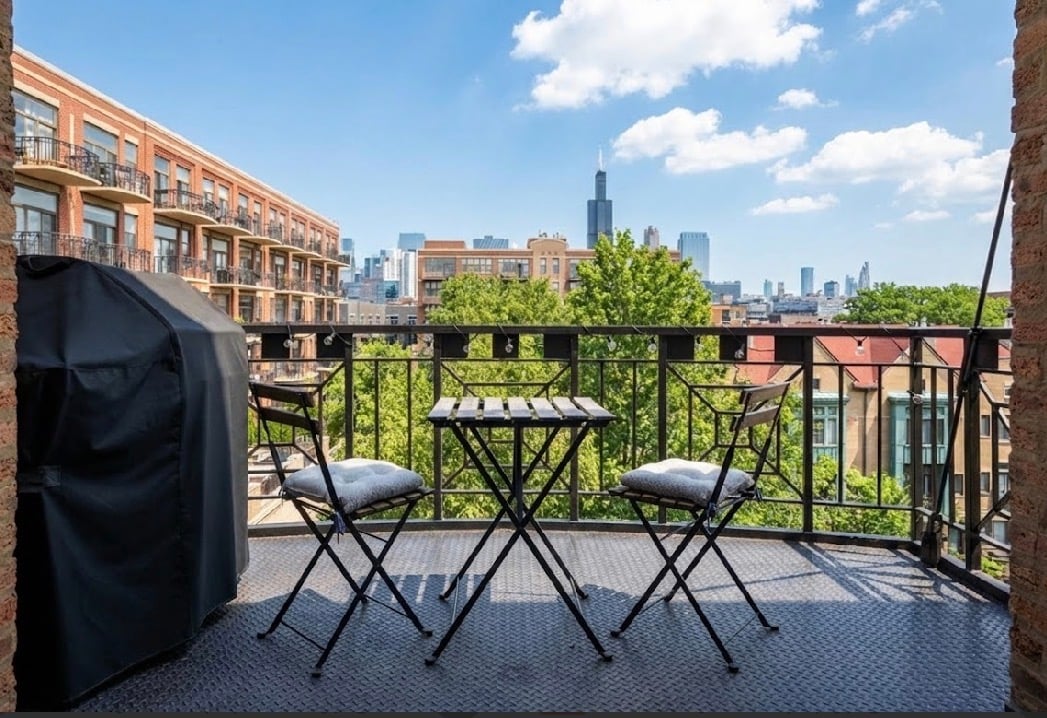
Private balconies, rooftop decks, and modern common spaces can also add everyday convenience. If outdoor space is high on your list, newer construction may deserve a close look.
What To Review Carefully
Amenities and convenience still have to be paid for over time. Elevators, roof decks, parking, and shared amenity rooms can push monthly assessments higher than you might expect from the purchase price alone.
Illinois condominium law requires annual budgets that provide for reasonable reserves for capital expenditures and deferred maintenance. That is helpful for buyers, but it also means a well-run newer building still needs enough income to support long-term upkeep.
Converted Lofts And Adaptive-Reuse Homes
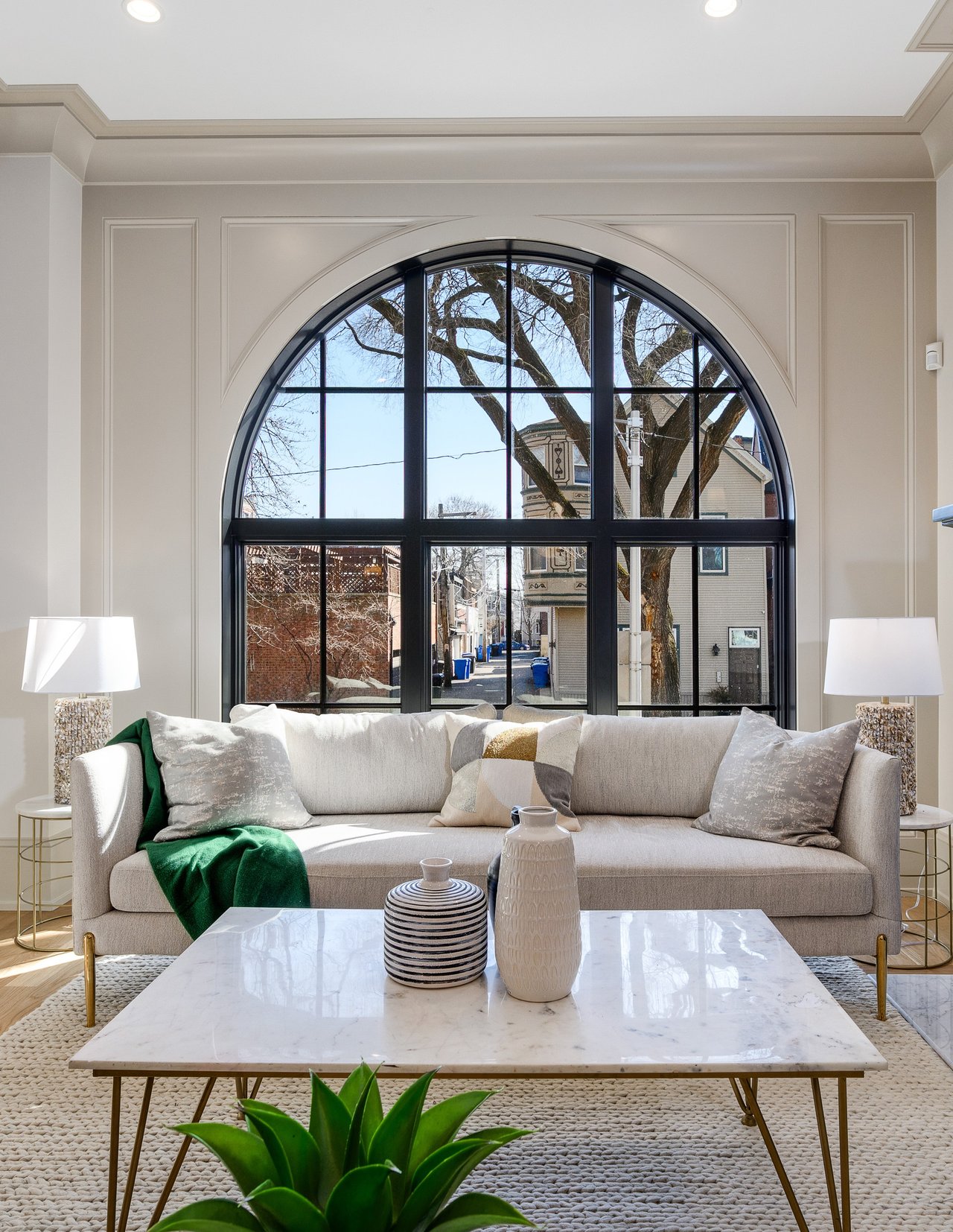
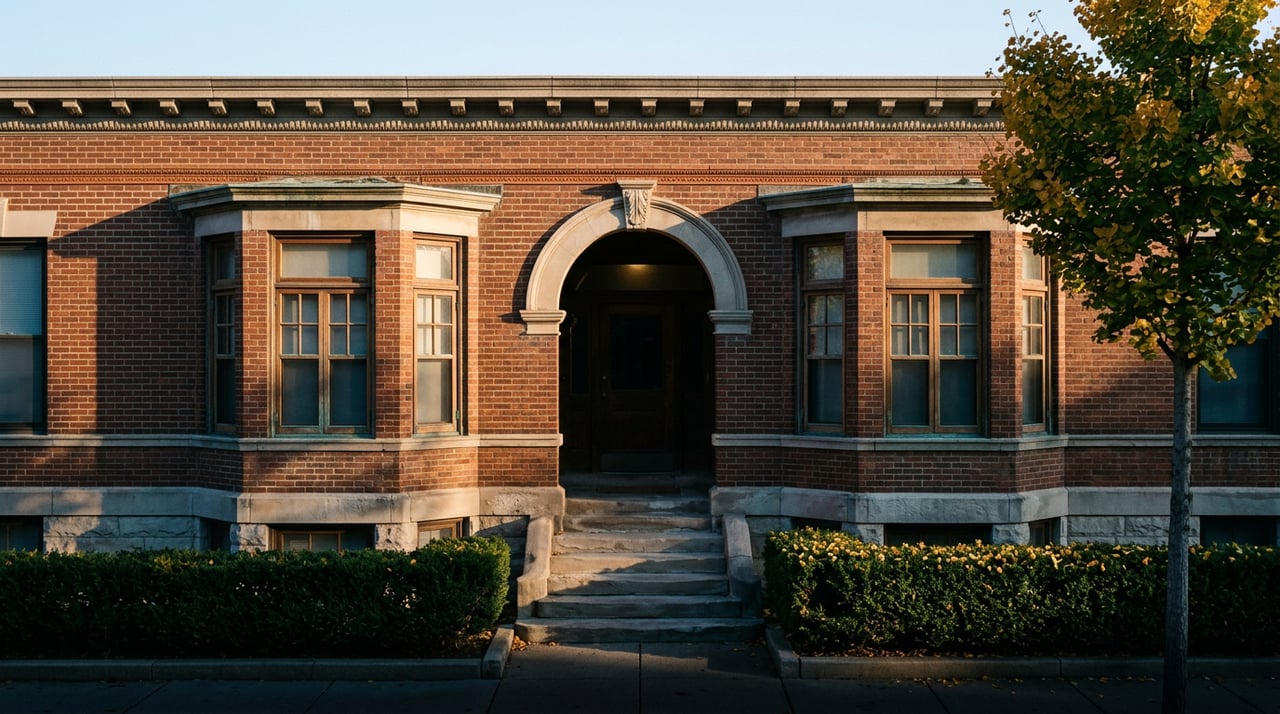
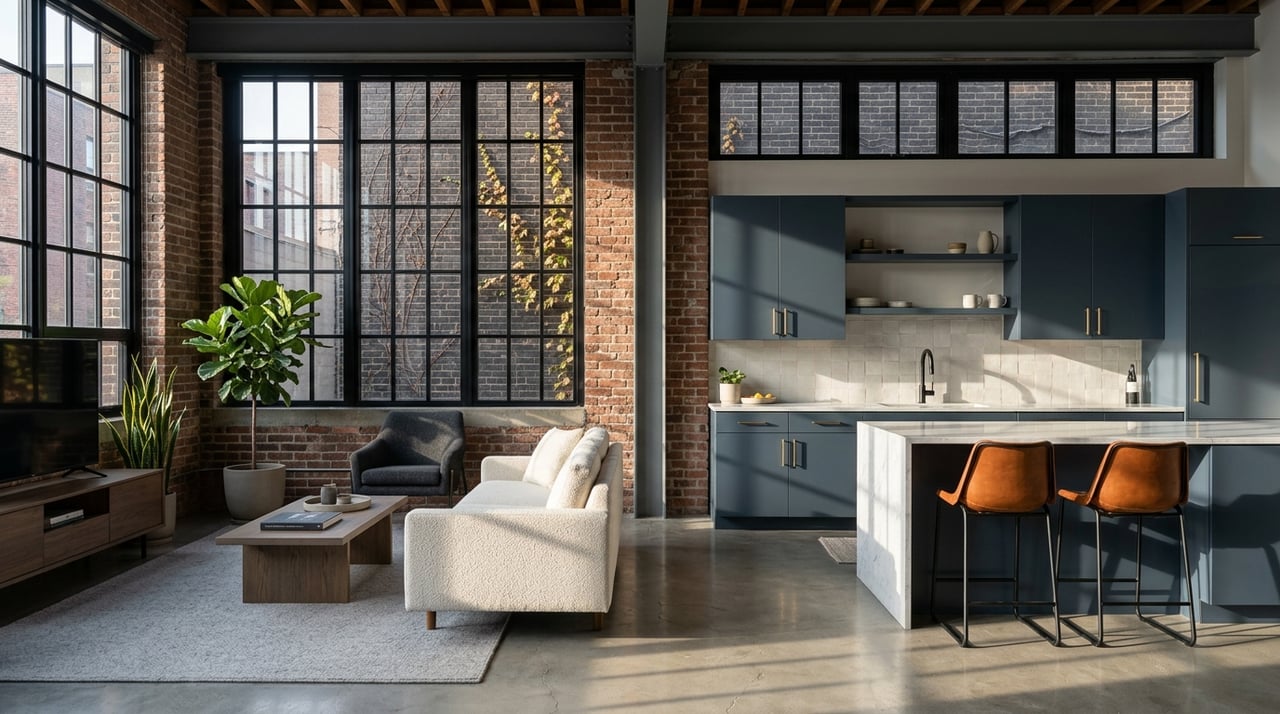
In Uptown, loft living often means adaptive reuse, not just warehouse conversion. The neighborhood is known for creatively repurposed historic buildings, and examples like Stewart School Lofts show how former institutional buildings can become distinctive homes with tall ceilings and oversized windows.
This category can offer some of the most memorable layouts in the neighborhood. It is often where you find the strongest sense of originality per square foot.
What Buyers Usually Like
Adaptive-reuse buildings can feel more spacious than their square footage suggests. High ceilings, larger windows, and uncommon floor plans often create a more open experience.
For buyers who want something less standard, this style can stand out. It may also offer a broader unit mix, from studios to larger multi-bedroom layouts.
What To Review Carefully
The key question is whether the building’s updates go beyond appearance. You should pay close attention to soundproofing, insulation, window quality, and how thoroughly the property was modernized behind the historic exterior.
A building with strong character can still become expensive if major systems were not upgraded well. In this style, the goal is to match charm with mechanical quality.
Lakefront High-Rises
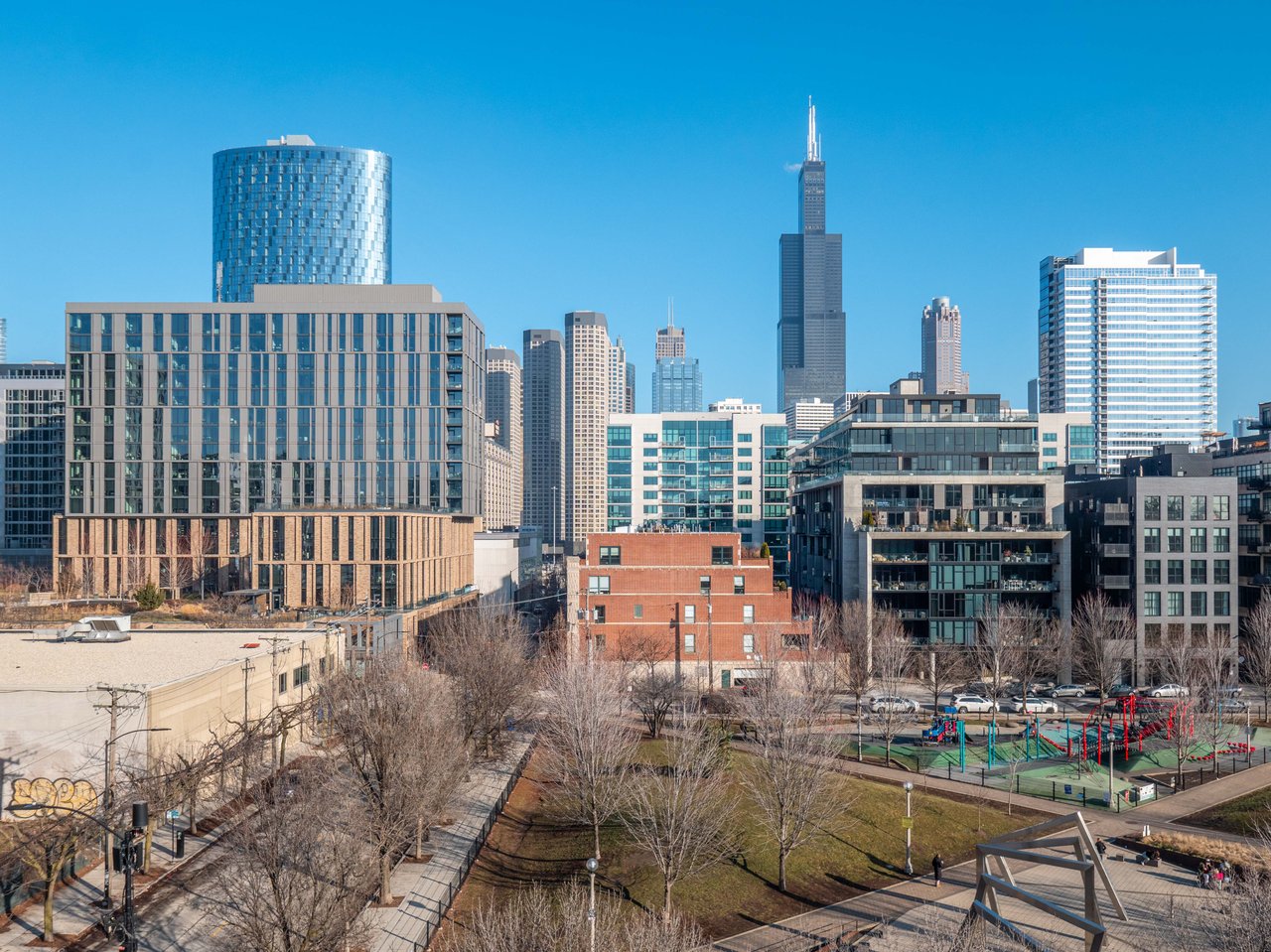
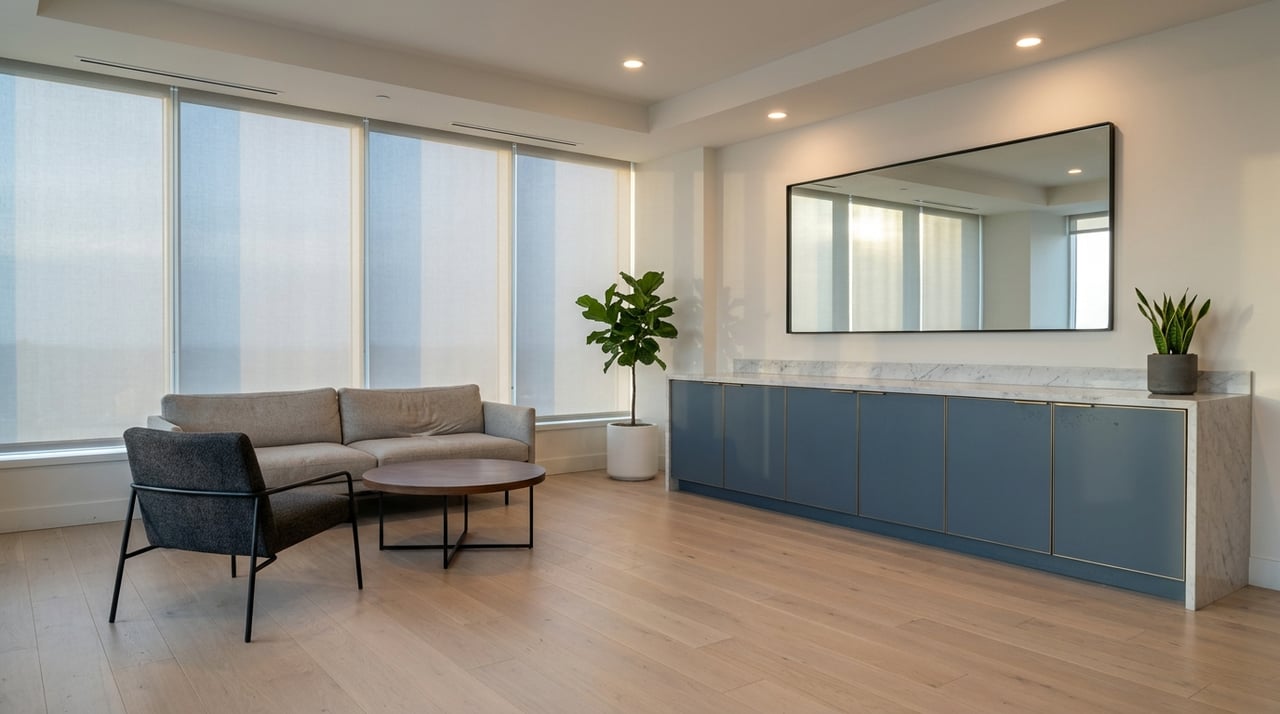
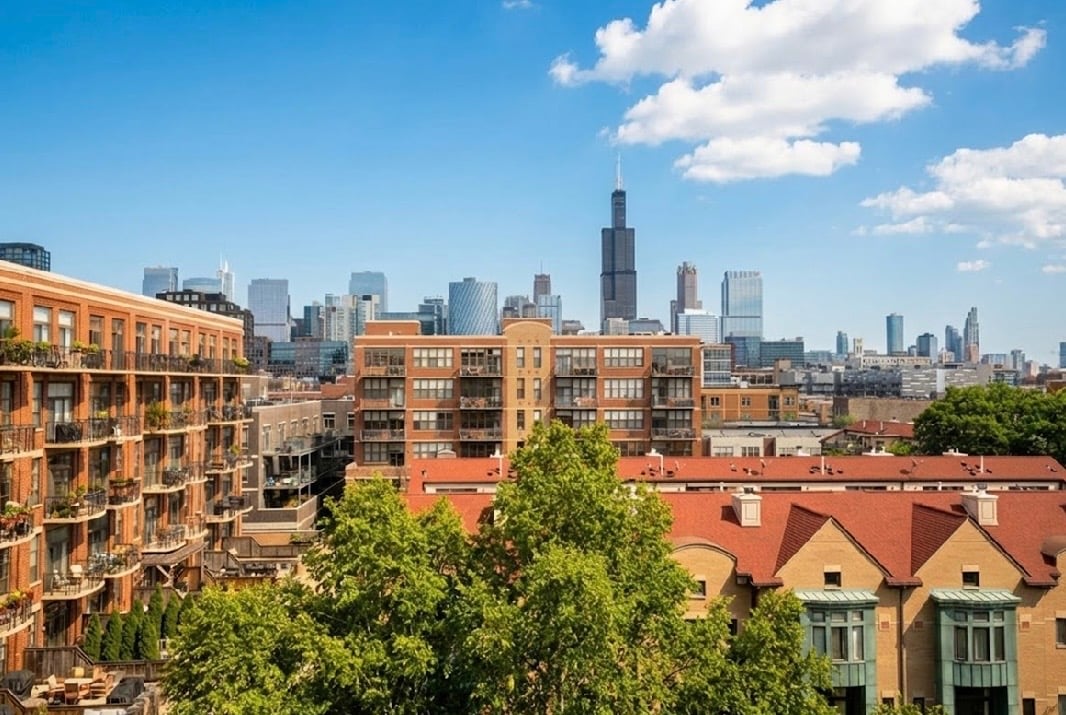
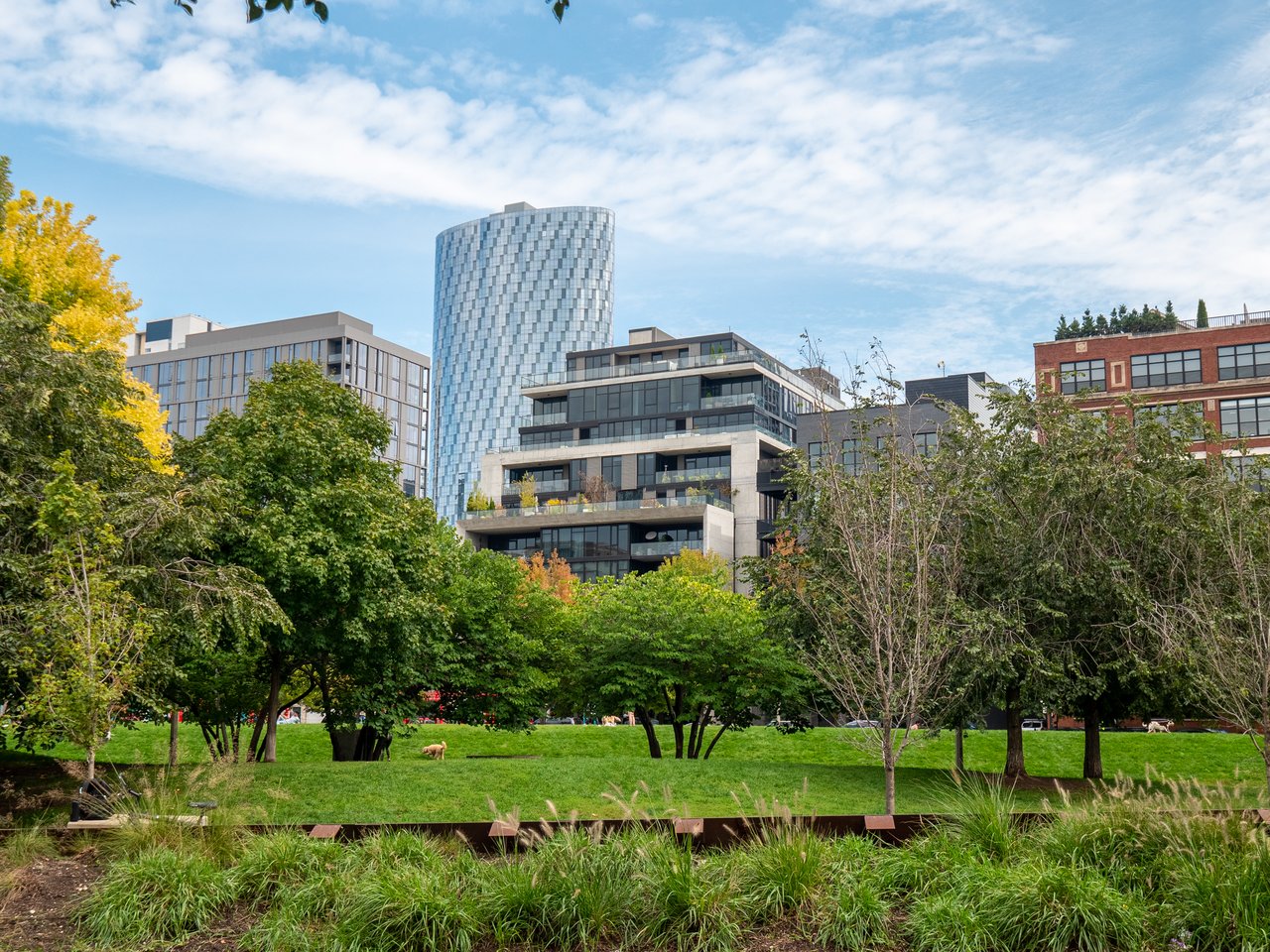
On Uptown’s eastern edge, the housing conversation changes again. Here, buyers often compare high-rise living with broader amenity packages and potential lake or skyline views.
A current example of the area’s high-rise model is Solverre at 4600 N. Marine Drive, a 12-story rental building with about 303 units and amenities such as a pool deck, grills, bike storage, club rooms, a yoga studio, and a fitness room. While it is a rental property, it reflects the kind of amenity-driven building type that shapes buyer expectations along the lakefront edge.
What Buyers Usually Like
This style often offers the most convenience-focused living experience. Shared amenities, professional common-area management, and access near the lakefront can be a strong draw.
For some buyers, that combination justifies a higher monthly cost. If comfort and convenience are your top priorities, this category may feel like the easiest fit.
What To Review Carefully
High-rises usually come with the most layered monthly carrying costs. Elevators, parking, shared interiors, roof decks, staffed services, and large mechanical systems all need ongoing funding.
That does not make them a poor choice. It simply means you should compare not only the listing price, but also what the association has to maintain year after year.
Why Assessments Matter So Much In Uptown
In a neighborhood with so many condos and multifamily buildings, monthly assessments are one of the clearest signs of how a property operates. A lower asking price can lose some of its appeal if the monthly HOA cost is high or if deferred maintenance points to future special assessments.
Under the Illinois Condominium Property Act, condo boards must prepare and distribute a detailed annual budget and include reasonable reserves for capital expenditures and deferred maintenance. The law also allows special assessments in certain situations and sets procedures around budget adoption and major assessment changes.
For buyers, that means the monthly assessment is more than just a fee. It can tell you a lot about a building’s maintenance philosophy, amenity level, and financial discipline.
What To Review Before You Buy A Condo
For resale condo purchases in Illinois, the Section 22.1 disclosure package is one of your most useful due-diligence tools. The seller must obtain and make available key association documents and financial information.
Before moving forward, review these items carefully:
- Declaration, bylaws, and rules
- Statement of unpaid assessments or liens
- Anticipated capital expenditures for the next two fiscal years
- Reserve fund status
- Latest financial statement
- Pending suits or judgments
- Insurance coverage
- Compliance statement for unit alterations
This package can help you understand whether a building is stable, underfunded, or likely to need major work soon. In Uptown, where housing stock varies so much by age and style, that review is especially important.
How To Compare Resale Potential
The most resale-friendly Uptown properties tend to balance three things well: location, layout efficiency, and association health. That means your decision should go beyond finishes and square footage.
As you compare options, pay attention to:
- Reserve balance
- Planned capital projects
- Age of the roof and major mechanical systems
- Parking policy
- Rental rules
- History of special assessments
In vintage buildings, resale often depends on whether character is backed by disciplined maintenance. In newer condos and high-rises, the question is usually whether amenities are being funded in a sustainable way.
Historic Character And Long-Term Appeal
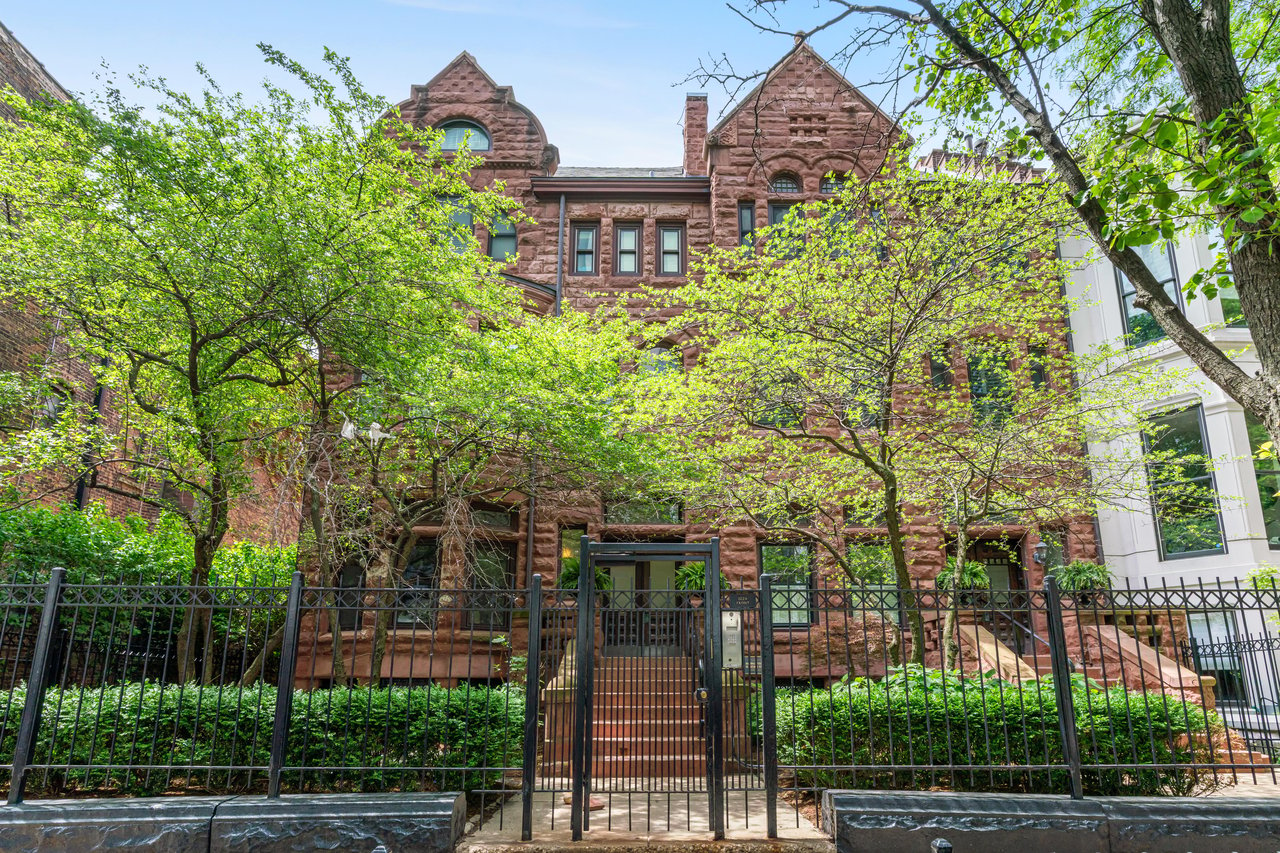
Some parts of Uptown stand out for their architectural identity. The Hutchinson Street District, officially designated by the City of Chicago, includes contributing buildings from 1894 to 1918 and is recognized as one of the city’s strongest collections of Prairie-style residences.
For buyers, that kind of historic setting can add long-term appeal. If you are looking for a home that feels distinctive rather than interchangeable, these pockets may deserve extra attention.
Which Uptown Style Fits You Best?
There is no single best housing style in Uptown. The right choice depends on what matters most to you.
If you want lower-rise character and potentially lower monthly costs, a vintage courtyard building may be a strong fit. If you prefer updated finishes and outdoor space, newer construction may check more boxes.
If layout uniqueness matters most, adaptive-reuse properties can be especially compelling. If you want convenience and amenities near the lakefront, a high-rise may feel worth the added carrying cost.
The smartest move is to compare each option as a full financial and lifestyle package. In Uptown, the purchase price is only part of the story.
If you want help weighing building style, association health, and long-term value in Uptown or elsewhere in Chicago, Stephanie Turner offers a thoughtful, valuation-driven approach built around your goals.
FAQs
What housing styles are most common in Uptown Chicago?
- Uptown is heavily multifamily, with a large share of units in mid-size and larger buildings. Buyers commonly compare vintage courtyard buildings, newer construction condos, adaptive-reuse lofts, and lakefront high-rises.
What should condo buyers review before buying in Uptown Chicago?
- Condo buyers should carefully review the Illinois Section 22.1 disclosure package, including reserves, anticipated capital projects, financial statements, insurance coverage, rules, and any unpaid assessments or pending legal issues.
Which Uptown Chicago housing style usually has the lowest monthly cost?
- Older courtyard buildings or smaller boutique condo buildings often have lower monthly costs, but only if the association is healthy and the building does not have a deferred-maintenance problem.
Why are HOA assessments so important when buying in Uptown Chicago?
- Assessments can make a major difference in total monthly cost, especially in buildings with elevators, parking, roof decks, or larger common systems. They also provide insight into how the association budgets for maintenance and reserves.
Are newer condos in Uptown Chicago always the better value?
- Not always. Newer condos may offer cleaner layouts and fewer immediate repair concerns, but they can also carry higher assessments if the building includes more amenities or shared systems.
What makes adaptive-reuse homes in Uptown Chicago appealing to buyers?
- Adaptive-reuse homes often offer tall ceilings, oversized windows, and more distinctive layouts. Their appeal is strongest when the historic character is matched by solid modernization of the building’s systems.