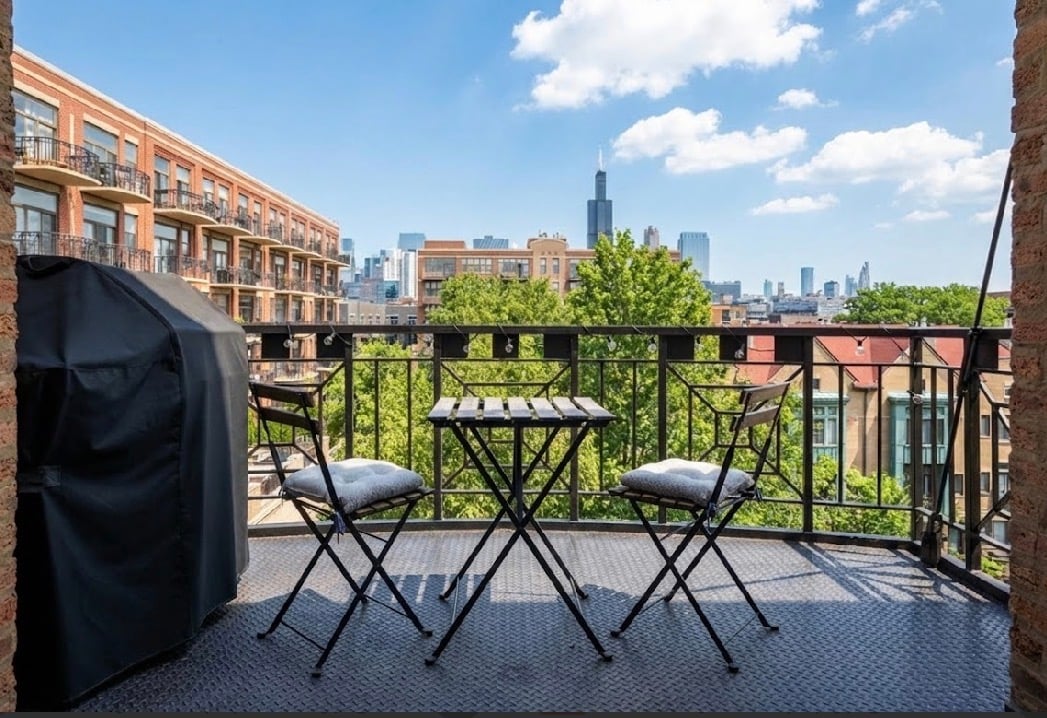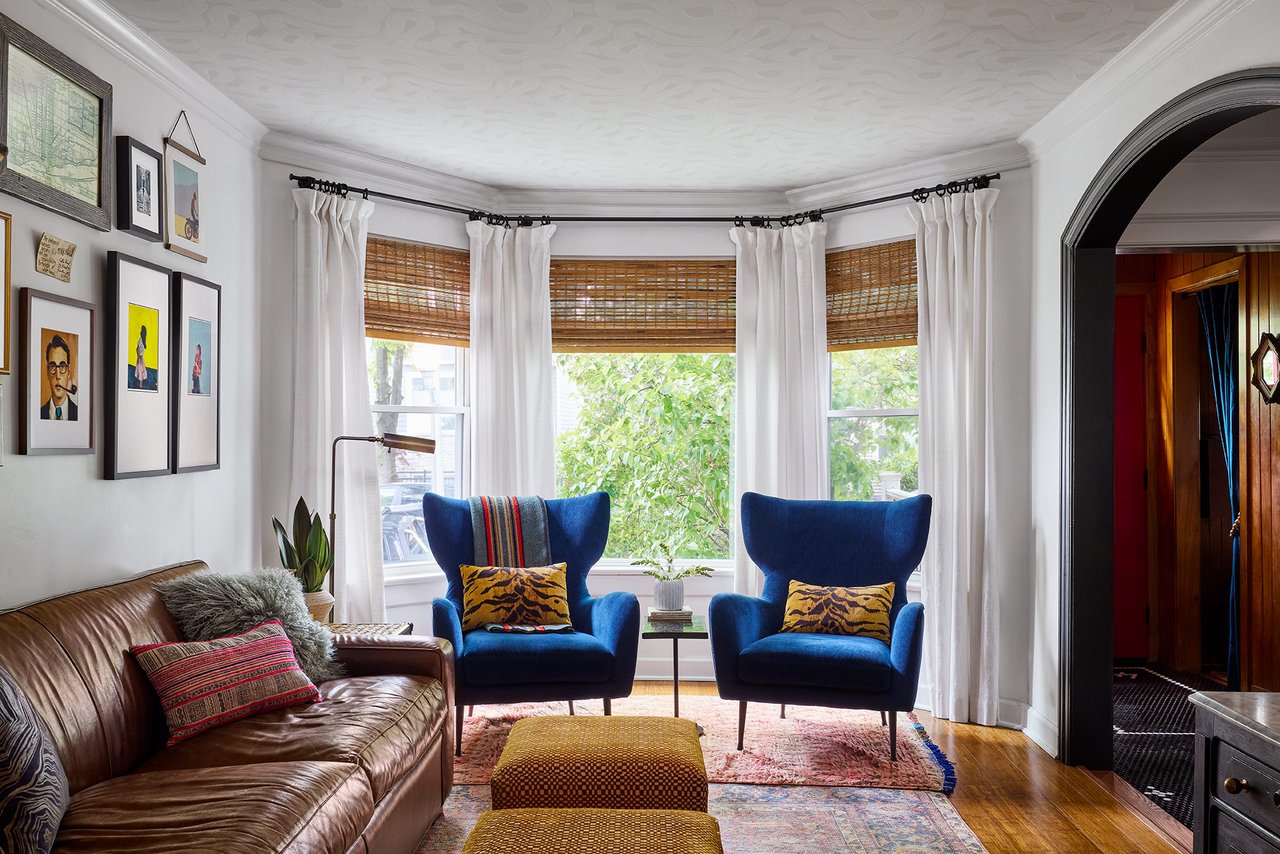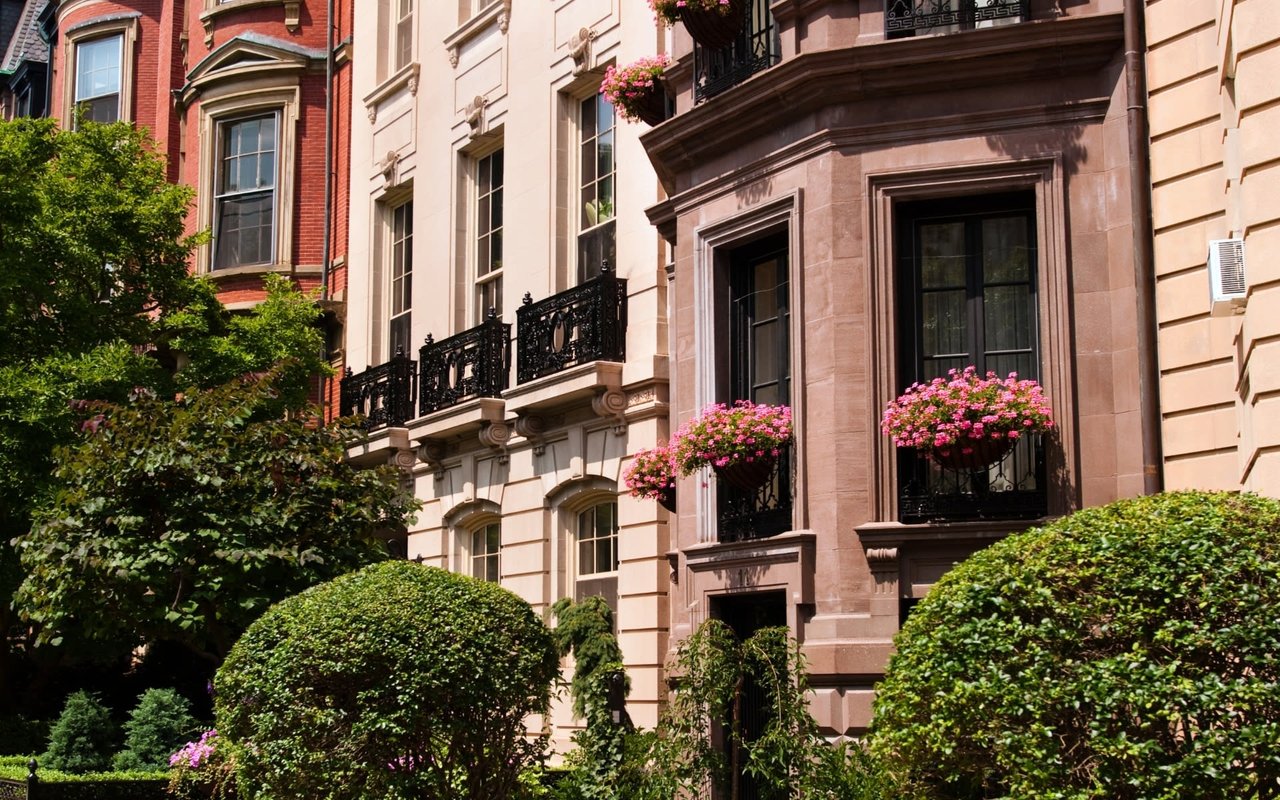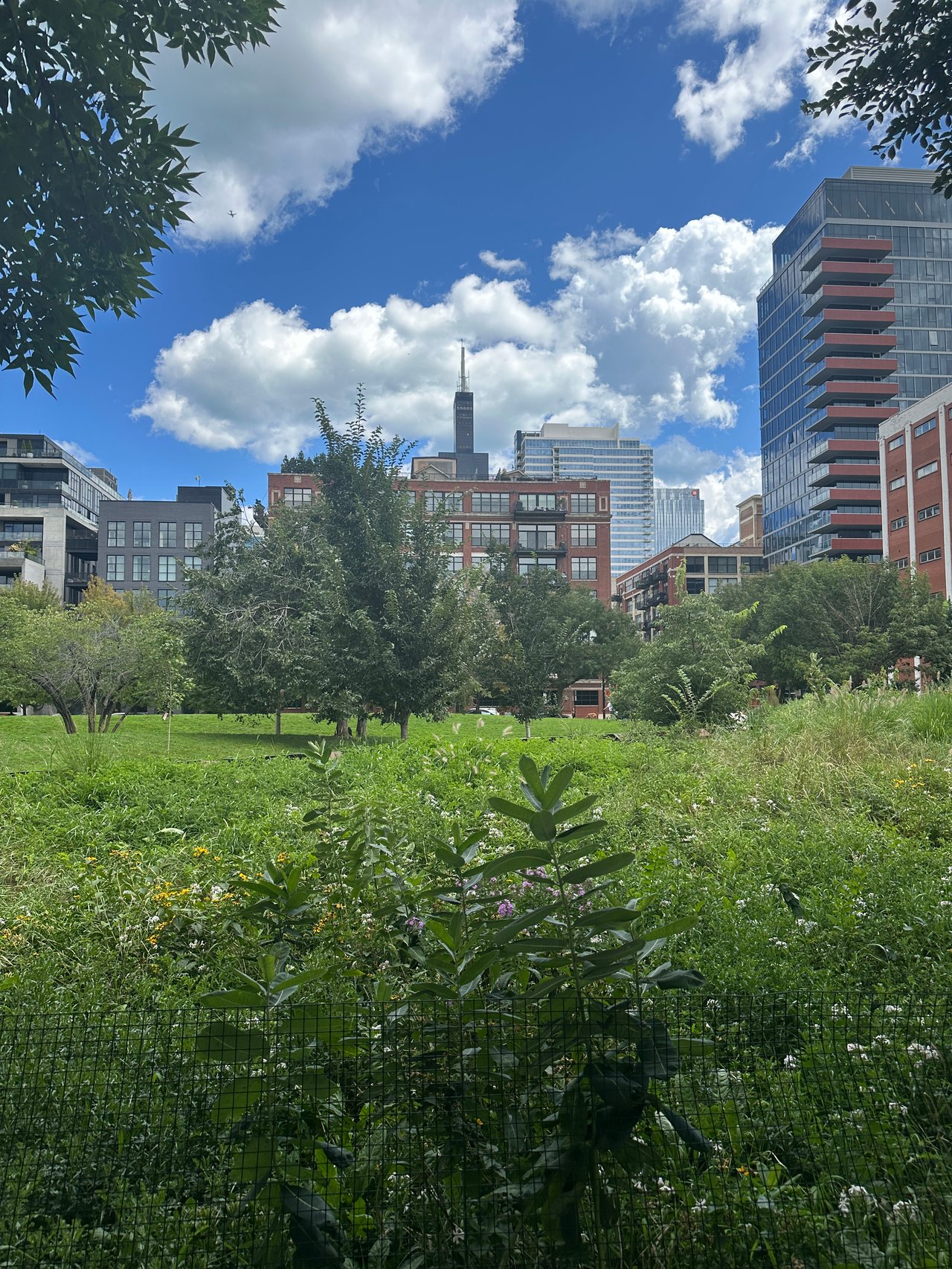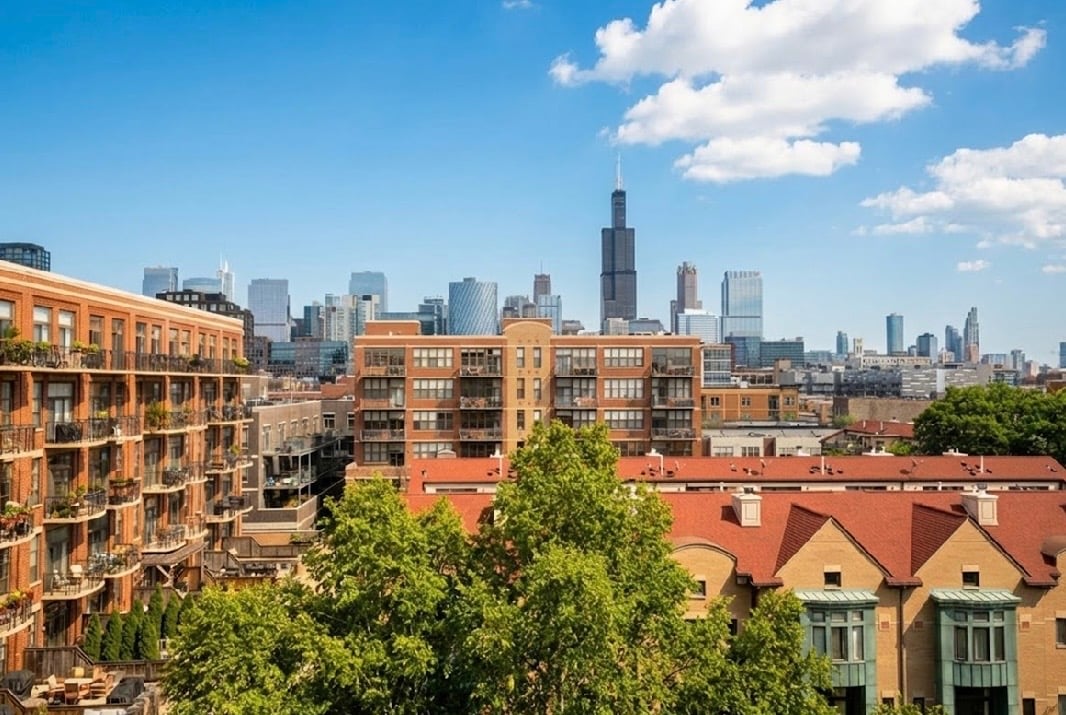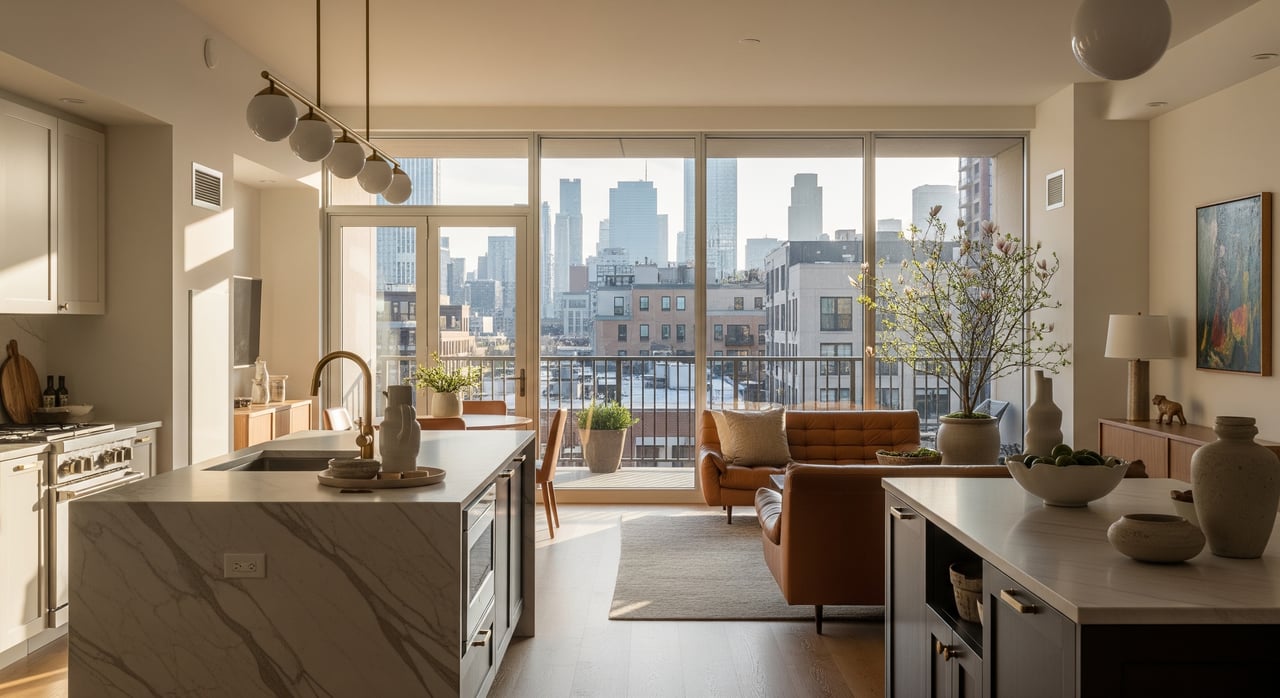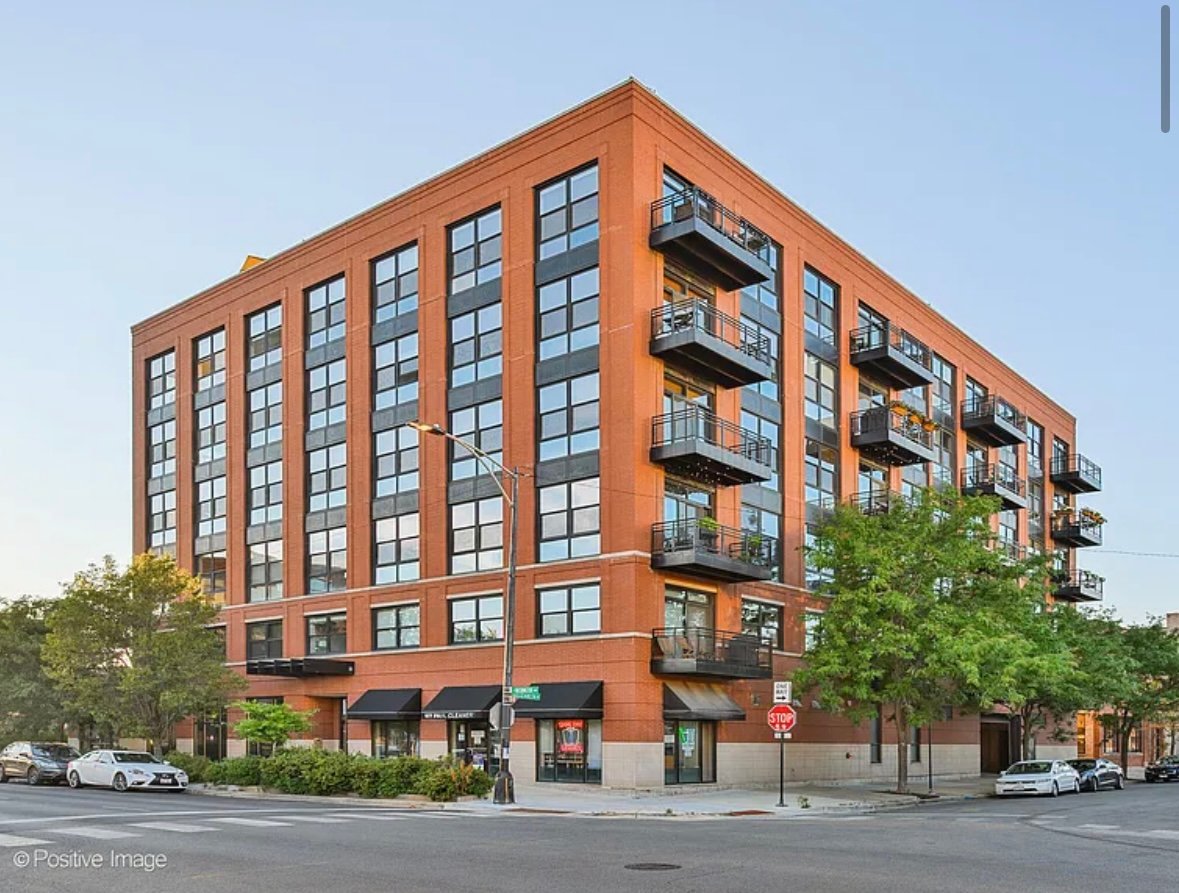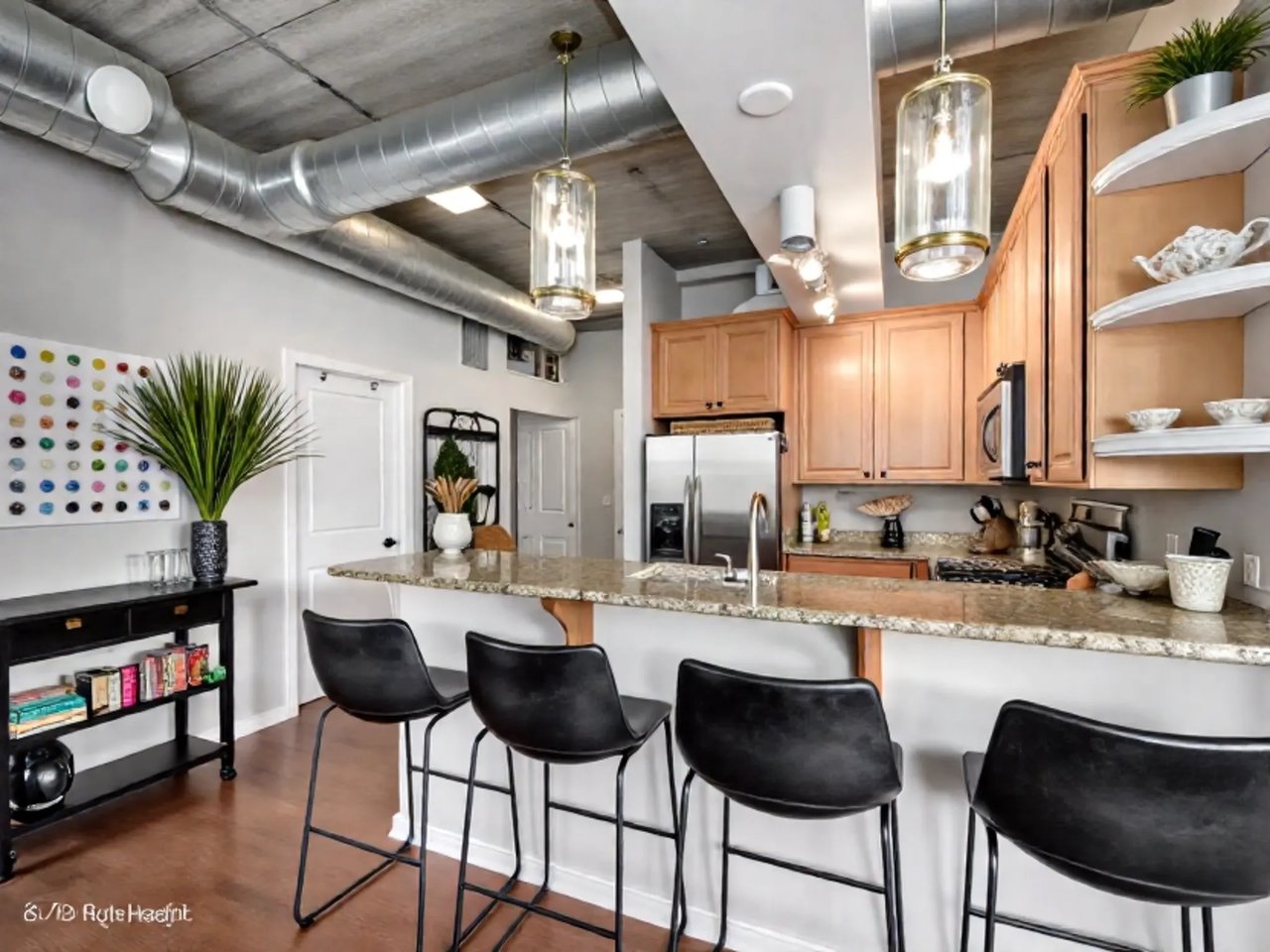
If you want Chicago energy without the daily hassle of owning a car, the West Loop deserves a serious look. This part of 60607 makes it possible to walk to dinner, pick up groceries, hop on a train, and get downtown fast, often all in the same outing. For buyers, renters, and relocators weighing lifestyle as much as square footage, understanding how a neighborhood works day to day matters. Here’s what makes car-free living in the West Loop realistic, convenient, and appealing.
Why West Loop Works Without a Car
The West Loop stands out because it brings together several pieces that do not always show up in one neighborhood. You have strong walkability, multiple CTA rail options, access to both Union Station and Ogilvie, Divvy bike share, and a dense mix of everyday destinations. That combination gives you real flexibility when planning your routine.
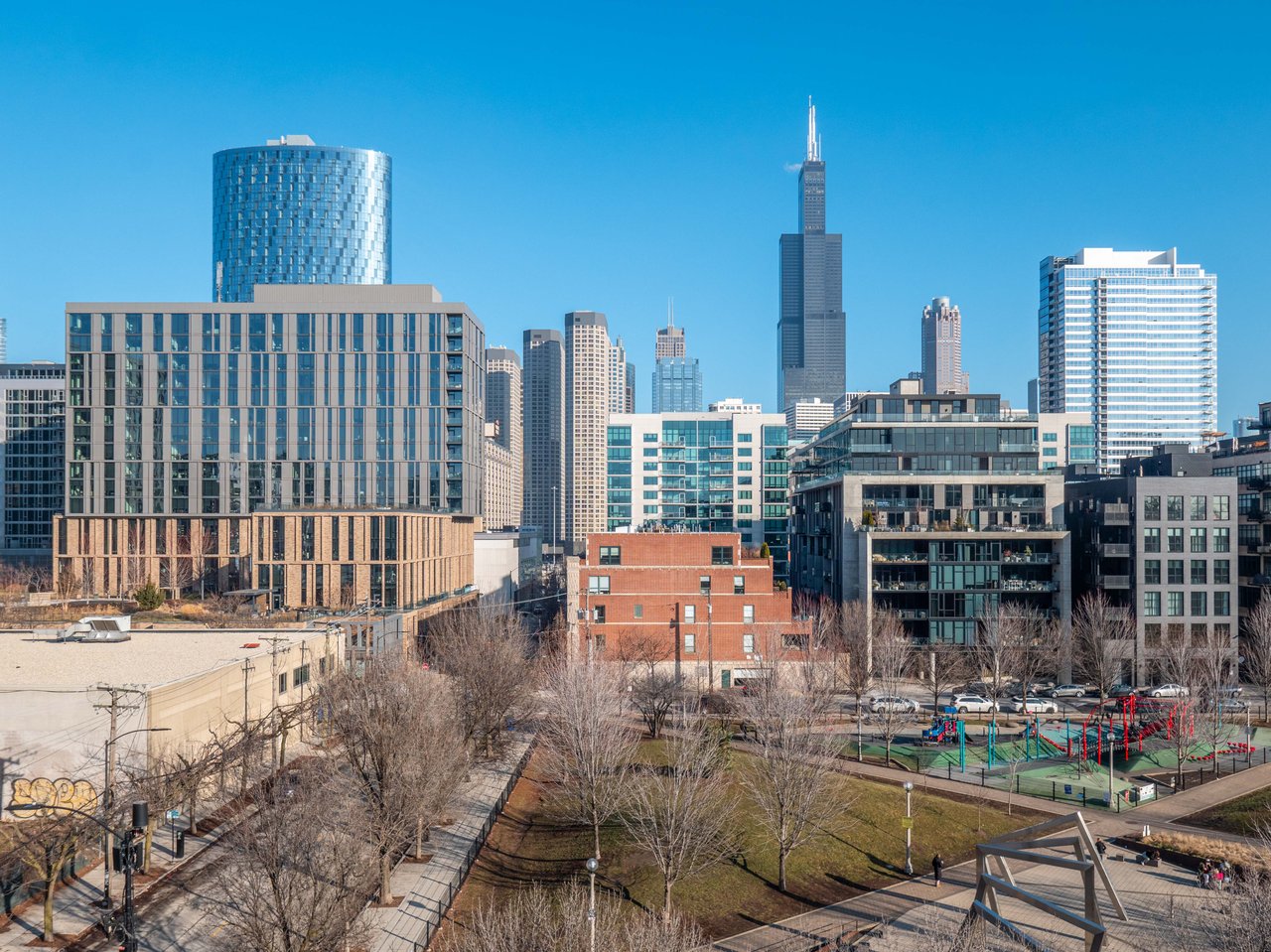
The broader 60607 ZIP has a Walk Score of 85, which is rated Very Walkable. In practical terms, that means many daily errands can happen on foot. In the West Loop, short blocks and a tight mix of restaurants, shops, grocery stores, and transit stops help support that kind of lifestyle.
Choose Chicago describes the area as a dining destination shaped from a former industrial district, while the West Loop Community Organization highlights its walkability, wide range of businesses, and proximity to downtown and the riverfront. For you, that translates into a neighborhood where going car-free can feel natural rather than restrictive.
West Loop Transit Options
One of the biggest reasons car-free living works here is station density. Instead of relying on one line or one stop, you have several useful transit options within and around the neighborhood. That gives you more flexibility for commuting, airport access, and weekend plans.
CTA Blue Line Access
The CTA Blue Line runs 24 hours a day between O’Hare and Forest Park through downtown. In 60607, West Loop riders can use both Clinton and UIC-Halsted. That around-the-clock service is a major advantage if your schedule is not strictly nine to five.
Clinton Blue connects to several CTA bus routes and Chicago Union Station. UIC-Halsted also connects to buses and offers indoor and sheltered bike parking, which can make bike-plus-train travel easier if you want options beyond walking.
Green and Pink Line Coverage
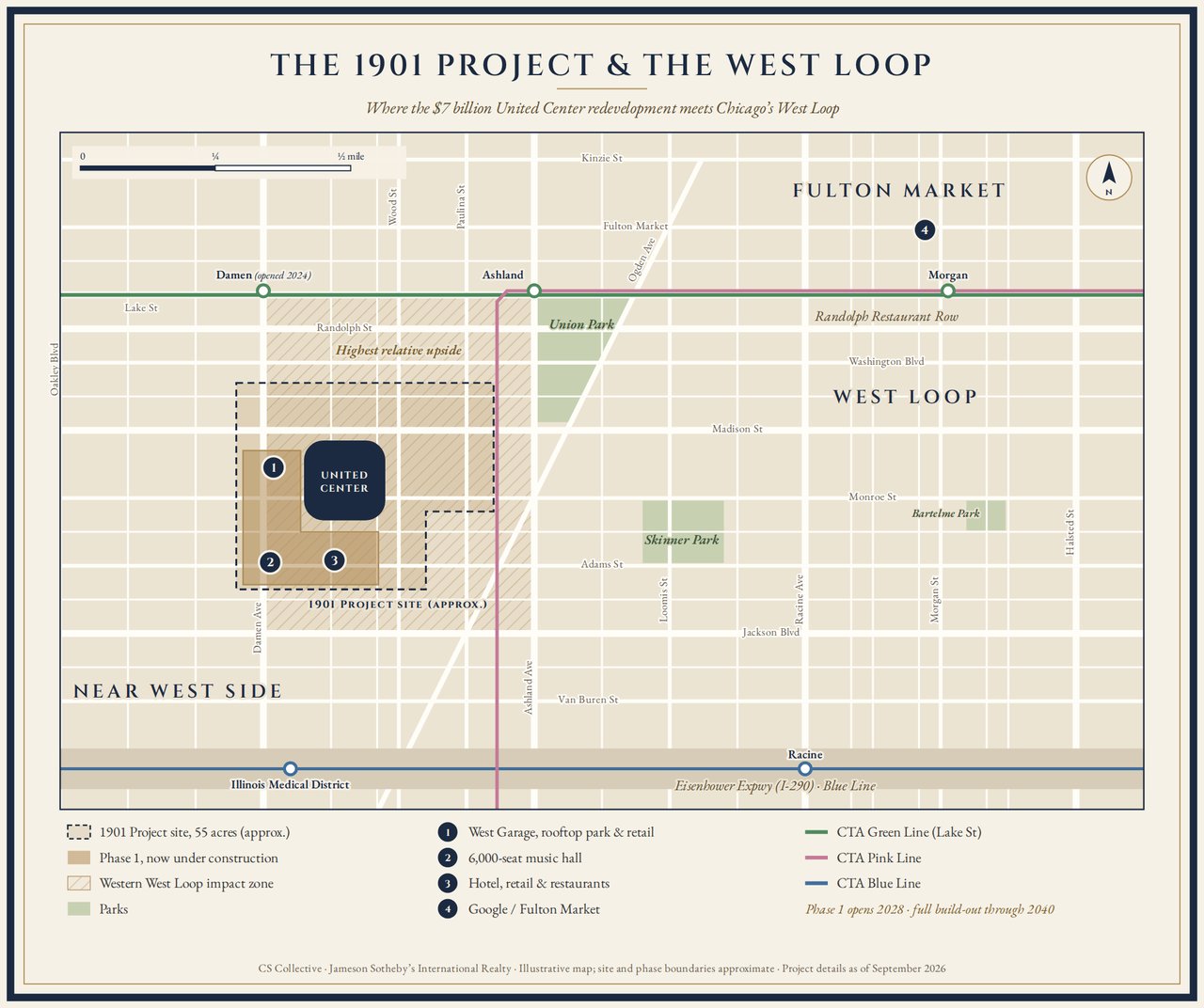
West Loop residents can also use Morgan on the Green and Pink Lines, along with the Clinton Green/Pink station. These stops widen your reach across the city and create more route choices depending on where you work or spend time.
The Clinton Green/Pink station also connects to bus 56 and Metra’s Ogilvie Transportation Center. That kind of overlap matters because it reduces the feeling that you need a car as a backup plan.
Metra and Regional Connections
Metra strengthens the case for living here without a car. Both Ogilvie Transportation Center and Union Station are in or next to the West Loop, and both serve multiple commuter lines as well as Amtrak connections.
If you commute to downtown, travel to the suburbs by rail, or want easy intercity access, this setup can simplify your routine. Based on the concentration of stations and transfer options, the neighborhood works especially well for people heading to the Loop, O’Hare, other downtown districts, or suburban rail corridors without driving every day.
Walkability in Daily Life
Walkability sounds nice in theory, but what matters is whether it helps you with real life. In the West Loop, the answer is yes. The neighborhood supports the kind of routine where your coffee run, dinner plans, grocery stop, and train commute can happen within a compact area.
Randolph Street’s Restaurant Row, Fulton Market, Greektown, shops, galleries, and the downtown edge all add to that convenience. You are not depending on one commercial strip. Instead, you have a broad cluster of destinations that keeps the neighborhood active and useful throughout the day.
The western end of the Chicago Riverwalk at Lake Street is also a short walk from Union Station and Ogilvie. That adds another pedestrian-friendly option for leisure, a casual walk, or a change of scenery without needing to get in a car.
Groceries and Everyday Errands
A neighborhood is only truly car-light if daily errands are manageable. West Loop performs well here, especially for grocery shopping. Having multiple stores nearby gives you more freedom to choose based on your route, schedule, and household needs.
Whole Foods West Loop at 1 N Halsted is open from 8 a.m. to 10 p.m. and offers delivery and pickup. Mariano’s West Loop at 40 S Halsted is open from 6 a.m. to 10 p.m. Target Chicago West Loop at 1101 W Jackson is open until 10 p.m. and offers pickup and same-day delivery.
Jewel-Osco at 370 N Des Plaines also serves the West Loop and Fulton River District with grocery delivery, DriveUp & Go, and a pharmacy. That range of options makes it easier to build a routine that does not depend on trunk space or a dedicated errand day.
Dining and Lifestyle Without Driving
The West Loop is widely known for dining, and that is a real lifestyle advantage when you live nearby. Choose Chicago describes it as one of the city’s most dynamic dining destinations, centered on Randolph Street’s Restaurant Row and supported by Fulton Market’s restaurant density.
That kind of concentration changes how you use your neighborhood. Instead of planning around parking or designated drivers, you can meet friends, try a new spot, or enjoy a last-minute dinner on foot. It makes social plans easier and often more spontaneous.
The West Loop Community Organization also notes that Taste of Randolph has drawn nearly 100,000 people to Restaurant Row during Father’s Day weekend. That says a lot about the area’s identity and how central dining is to the neighborhood experience.
Bikes, Divvy, and Flexible Mobility
A car-free routine does not have to mean walking everywhere. In the West Loop, biking adds another layer of freedom. It is especially useful for short trips, first-and-last-mile connections, and days when you want something faster than walking but simpler than a train transfer.
Divvy operates 24 hours a day across Chicago and Evanston, and riders can unlock a bike at one station and return it to another station in the system. Chicago’s transportation map also includes bicycle routes and bicycle racks, while several West Loop CTA stations offer bike parking.
UIC-Halsted, Clinton Blue, and Clinton Green/Pink all have bike parking or indoor bike parking. Morgan sits in the same transit cluster, which supports a neighborhood pattern where biking and transit can work together instead of competing with each other.
Fitness and Errand Stacking
One overlooked part of car-free living is how easily you can combine tasks. In the West Loop, fitness, grocery shopping, and dining often fit into the same trip. That can save time and make daily life feel more efficient.
[solidcore] has a West Loop studio at 7 South Halsted next to Whole Foods. Equinox’s Loop club at 200 West Monroe adds another option within a short walk or transit ride. If you can work out, shop for groceries, and meet someone for dinner in one outing, living without a car starts to feel less like a compromise and more like a smart use of the neighborhood.
Best Areas for Car-Free Living
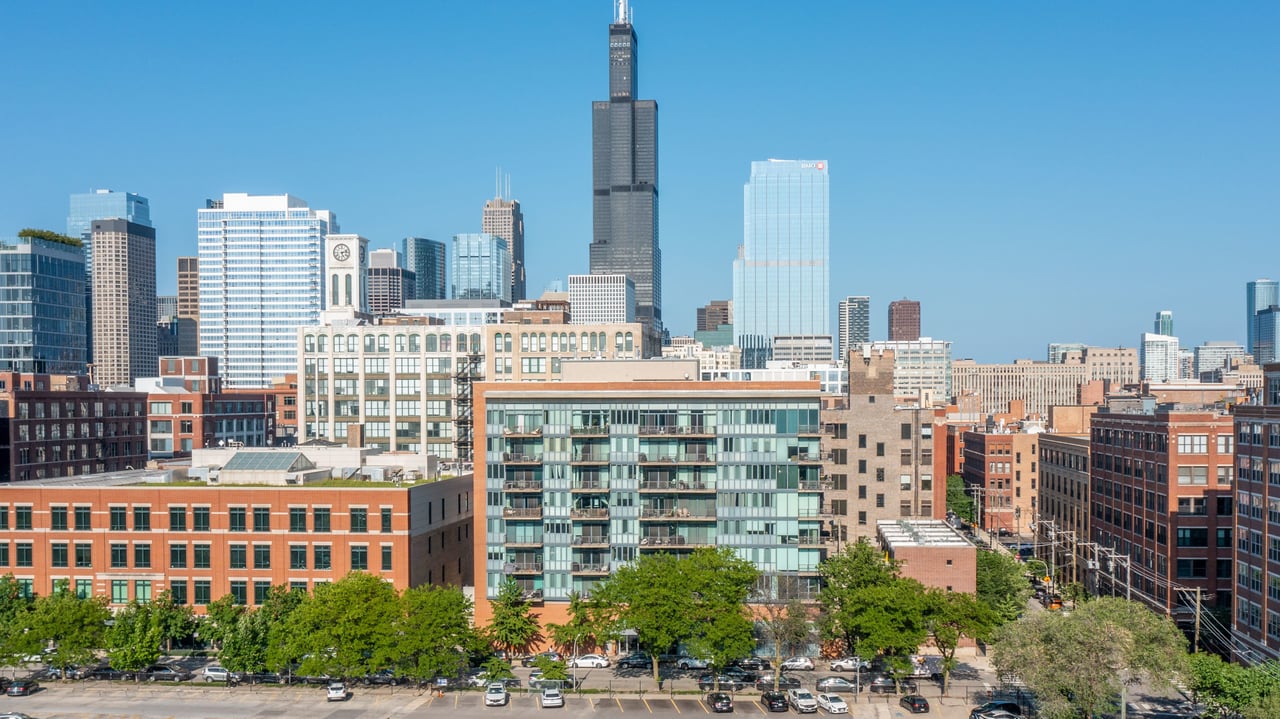
Not every block in any neighborhood functions the same way, and that is true here too. In general, the most car-free-friendly pocket is the core around Clinton, Morgan, Randolph, Fulton Market, and the Union Station and Ogilvie corridor. That is based on the concentration of stations and amenities in those blocks.
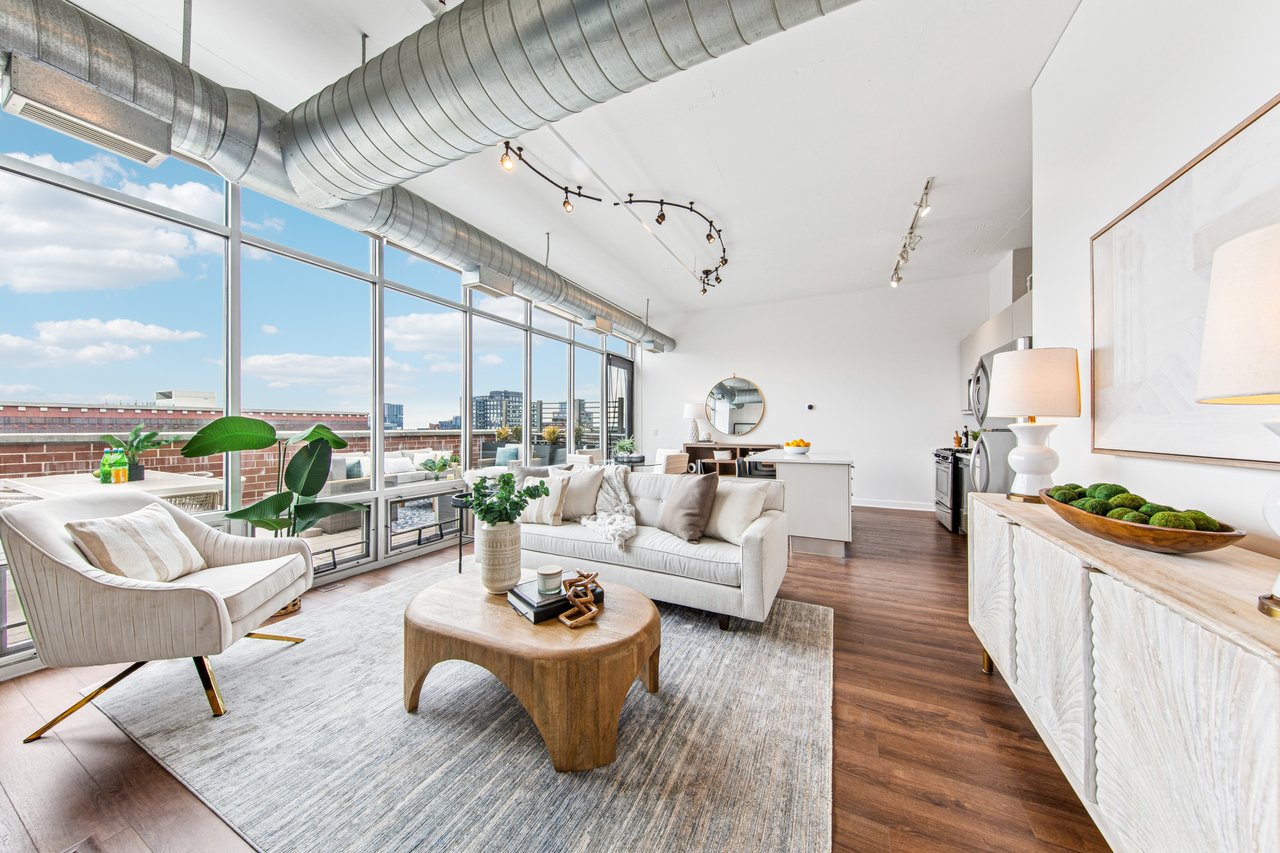
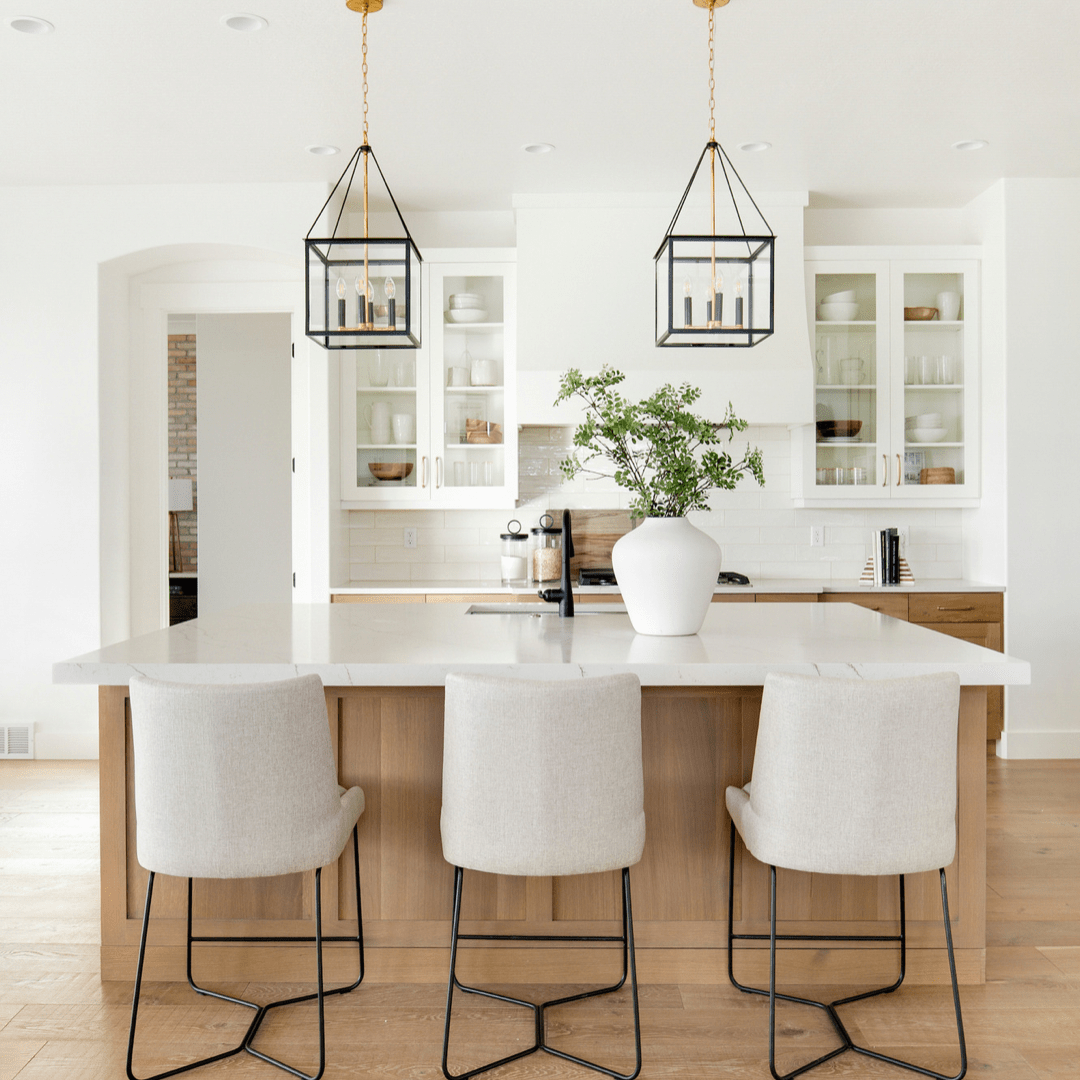
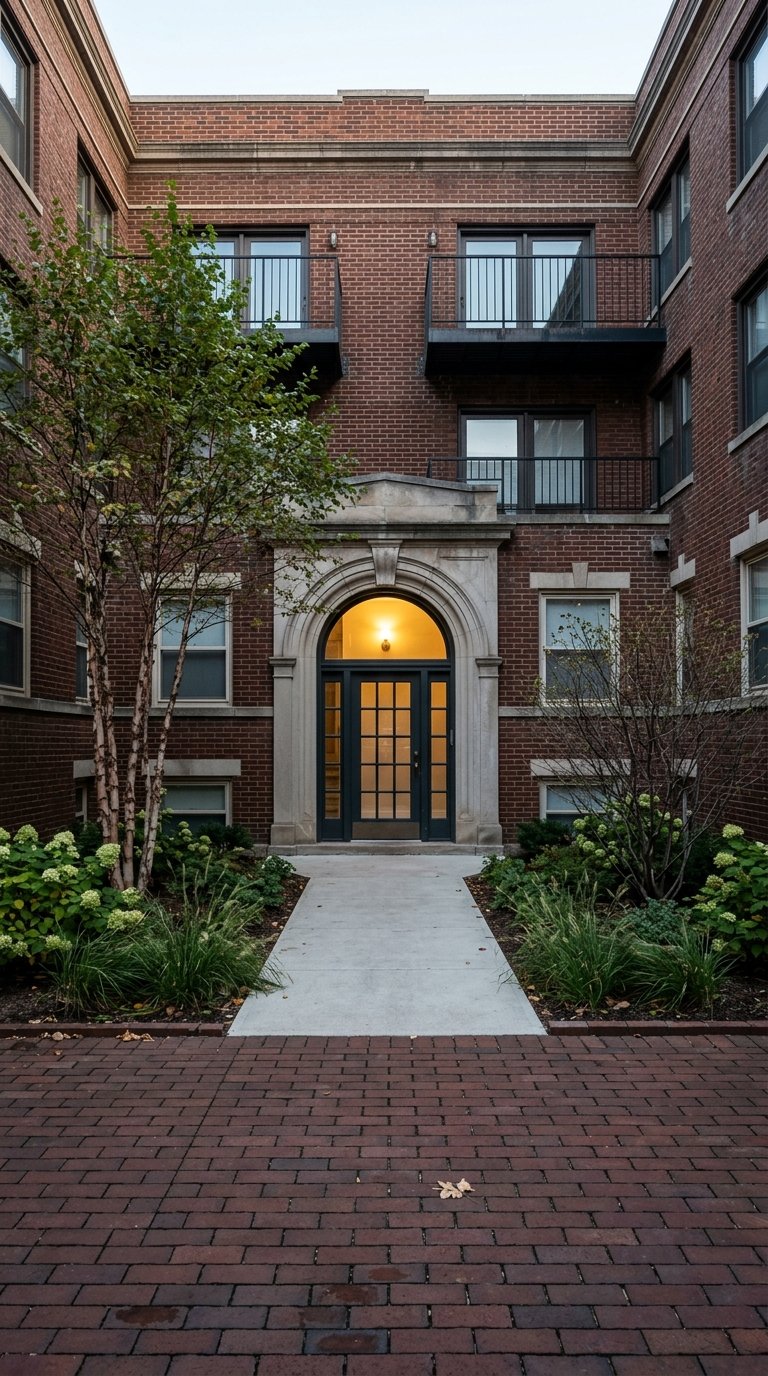
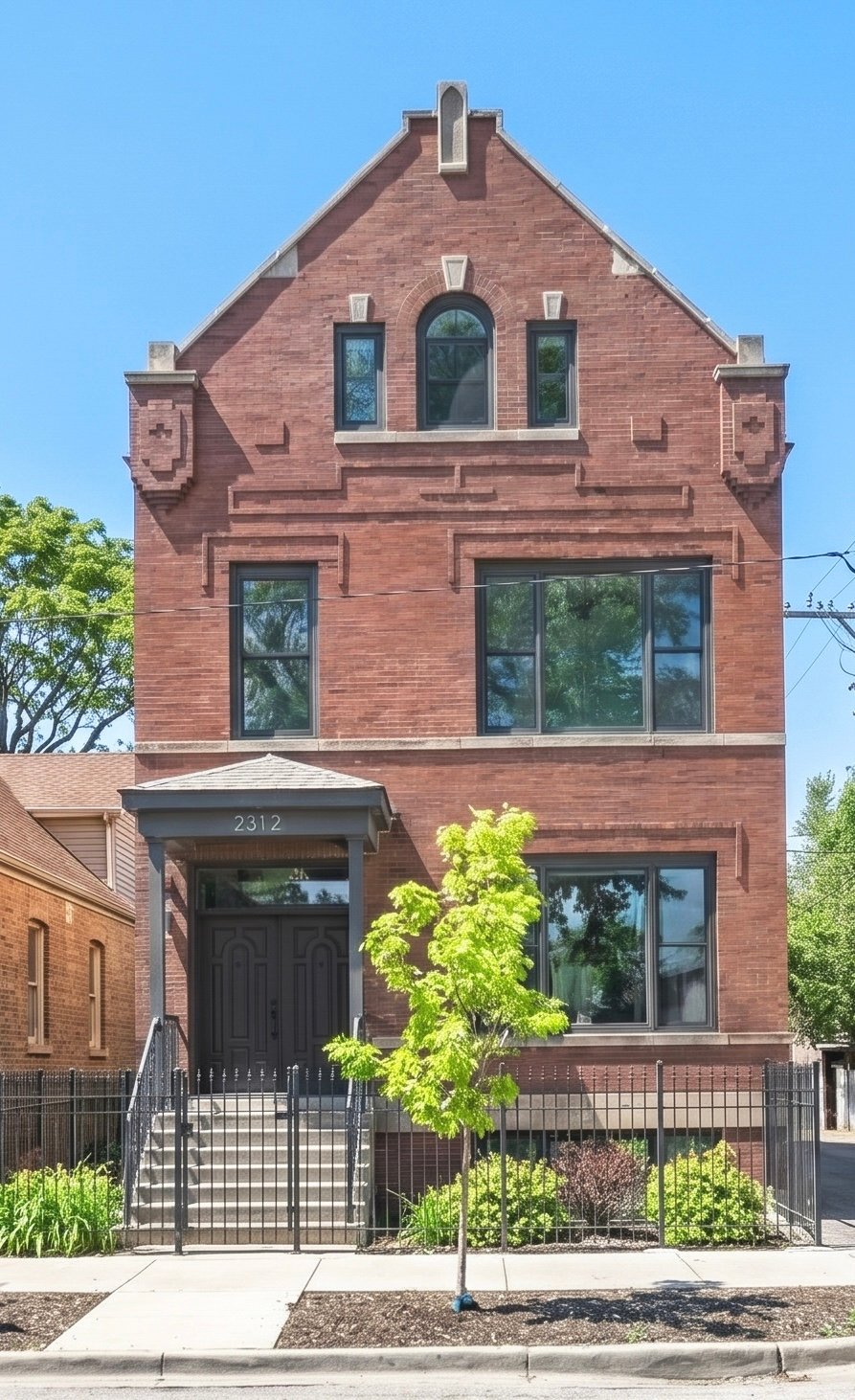
If you are evaluating a condo, townhouse, or loft in the West Loop, it helps to think beyond the listing itself. Consider how close you are to rail, groceries, bike access, and the places you expect to visit most often. A few blocks can make a real difference in how often you walk versus reach for rideshare.
Rideshare still has a role, but in the core West Loop it works best as a supplement rather than a necessity. The neighborhood’s mix of rail, Metra, and bike options is what makes the car-light lifestyle feel practical.
What This Means for Buyers
If you are buying in the West Loop, car-free living can shape both your lifestyle and your home search. A residence near key stations or grocery corridors may support your routine better than a larger home in a less connected spot. That is why location inside the neighborhood matters just as much as location on a map.
For many buyers, the appeal comes down to convenience and flexibility. The West Loop can be a strong fit if you work downtown, want easy access to restaurants and everyday errands, and prefer transit and biking over suburban-style driving. It is one of the clearest examples in Chicago of a neighborhood where you can realistically choose not to rely on a car every day.
If you are comparing buildings or trying to decide whether a car-free setup fits your goals, a neighborhood-level view can help you make a smarter choice. The right home is not only about finishes or amenities. It is also about how smoothly your life works once you move in.
Whether you are relocating, buying your first West Loop condo, or trading up within the neighborhood, local guidance can help you match your lifestyle to the right block and building. If you want a tailored look at West Loop homes and how they fit a car-light routine, connect with Stephanie Turner.
FAQs
Is the West Loop in Chicago good for car-free living?
- Yes. The West Loop is one of Chicago’s stronger neighborhoods for car-free living because it combines walkability, multiple CTA rail options, Metra access, Divvy bike share, and a dense mix of daily destinations.
What transit options serve Chicago’s West Loop?
- West Loop residents can use the CTA Blue Line at Clinton and UIC-Halsted, the Green and Pink Lines at Morgan and Clinton, plus Metra access through Ogilvie Transportation Center and Union Station.
Can you grocery shop in the West Loop without a car?
- Yes. The neighborhood has strong grocery coverage, including Whole Foods, Mariano’s, Target, and Jewel-Osco, along with options like pickup, delivery, same-day delivery, and pharmacy access.
Which part of the West Loop is most convenient without a car?
- The core around Clinton, Morgan, Randolph, Fulton Market, and the Union Station and Ogilvie corridor is generally the most convenient for a car-light lifestyle because of the concentration of transit and amenities.
Is biking practical in Chicago’s West Loop?
- Yes. Divvy is available 24 hours a day, Chicago provides bicycle route and rack information, and several nearby CTA stations offer bike parking or indoor bike parking, which supports bike-plus-transit travel.