If you are weighing a condo purchase near the University of Chicago, Hyde Park deserves a close look. For buyers tied to campus life and investors looking for steady demand, this neighborhood offers a mix of moderate pricing, durable renter interest, and housing stock with real character. The key is knowing how Hyde Park’s older buildings, condo structures, and association rules can shape your options. Let’s dive in.
Why Hyde Park draws condo buyers
Hyde Park stands out as an institution-driven housing market. The University of Chicago says the neighborhood is home to the majority of its faculty, and UChicago Medicine reports that about 23,000 students, faculty, and staff are on campus each day during the academic year. That daily activity helps support consistent housing demand from people who want to live close to work, study, and neighborhood amenities.
Graduate student demand also adds to the picture. UChicagoGRAD says about 80% of graduate students live in Hyde Park, which helps explain why nearby ownership and long-term rentals can be practical here. If you want a condo in a neighborhood with a built-in user base, Hyde Park has that advantage.
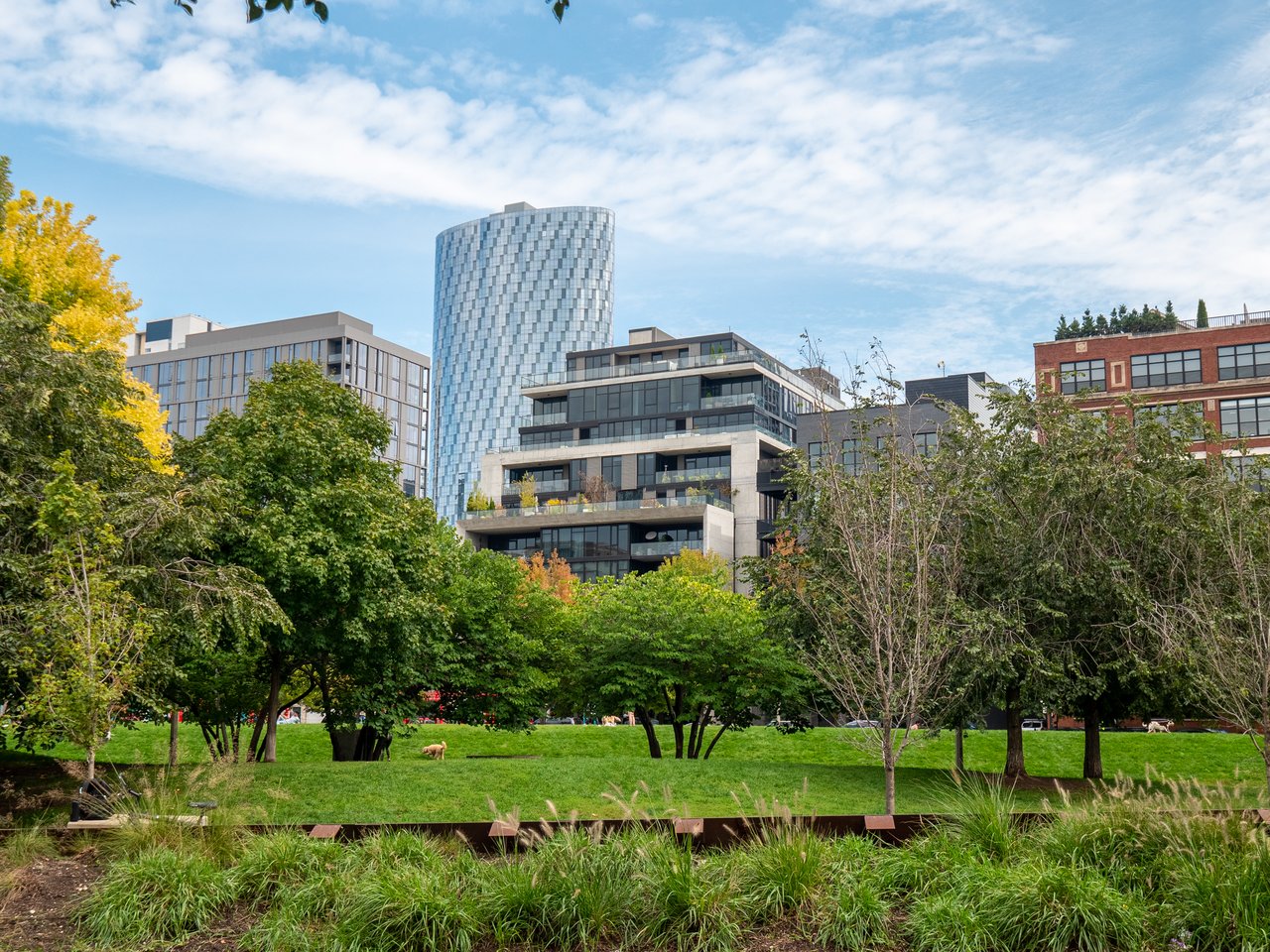
Beyond campus, Hyde Park offers year-round appeal. Research cited in the report highlights parks, lakefront access, bookstores, coffee shops, museums, and cultural events that keep the area active outside the school calendar. For buyers and investors alike, that broader appeal matters because it supports demand from more than one group.
Hyde Park condo prices in 2026
As of late June 2026, condo pricing in Hyde Park sits in the mid-$200,000s. Zillow’s Hyde Park index placed typical home values at $262,152 on May 31, 2026, up 4.3% year over year. Redfin’s condo data showed roughly 38 active or early-access condo listings with a median list price around $260,000 and about 50 days on market.
Those numbers point to an active market that is not moving at an extreme pace. Well-presented units can still attract strong interest, but buyers are not dealing with a near-zero inventory environment. That can create a better setup for careful comparison, due diligence, and thoughtful negotiation.
CMAP’s 2022 sales data adds useful context. Hyde Park’s median residential sales price was $233,000, and 18.1% of sales went to investor buyers. That suggests investors are already an established part of the market, not a fringe segment.
What Hyde Park condo inventory looks like
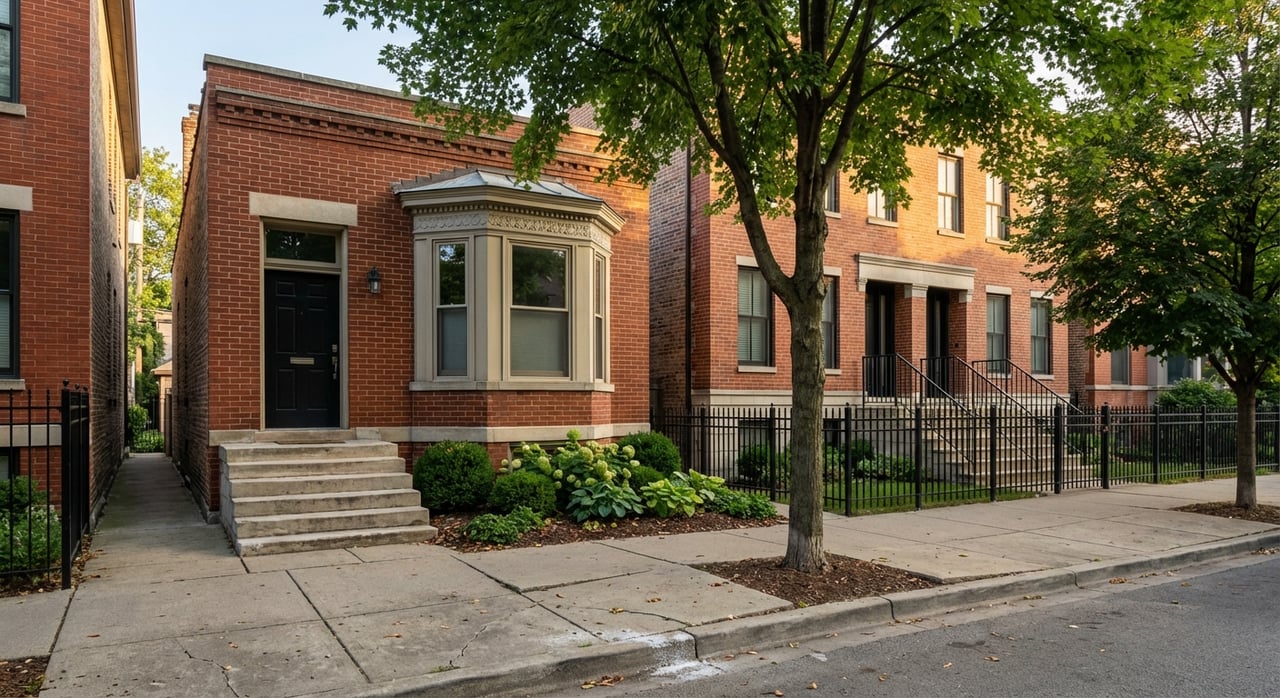
Hyde Park is not mainly a new-construction condo neighborhood. CMAP reports that 49.8% of housing units were built in 1939 or earlier, only 7.0% were built in 2000 or later, and 79.9% of units are in buildings with five or more units. The median year built is 1945.
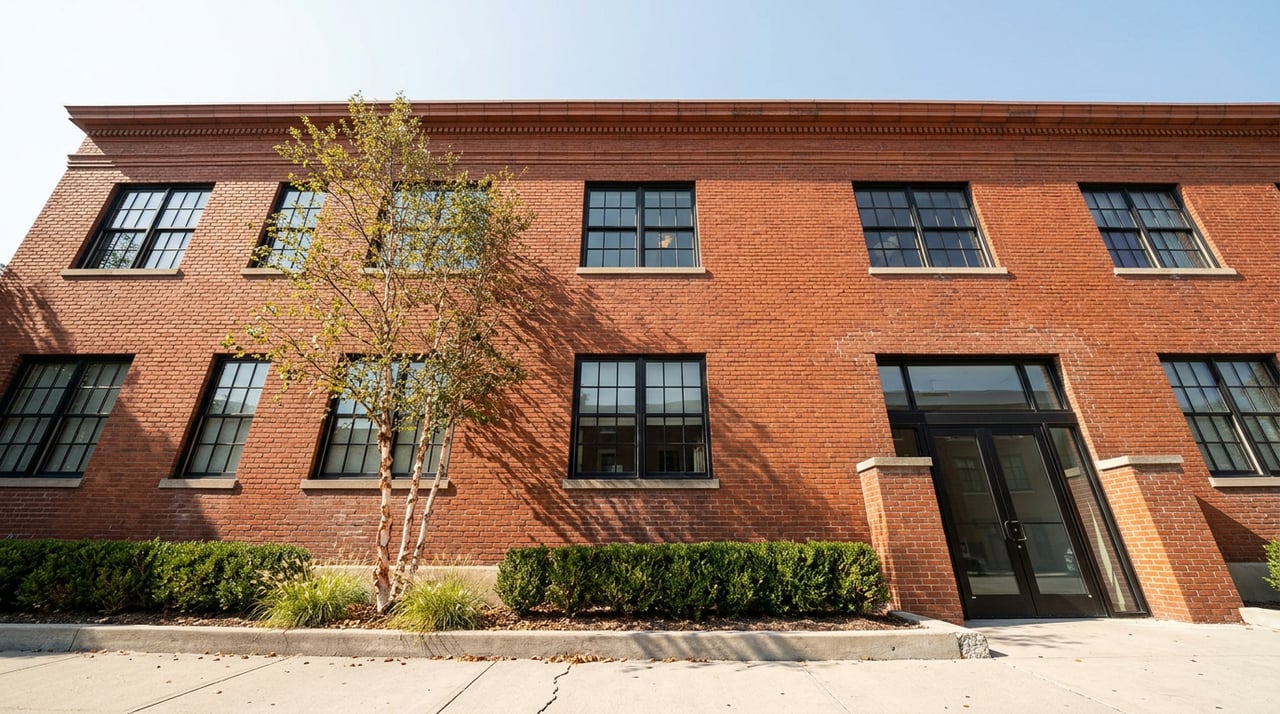
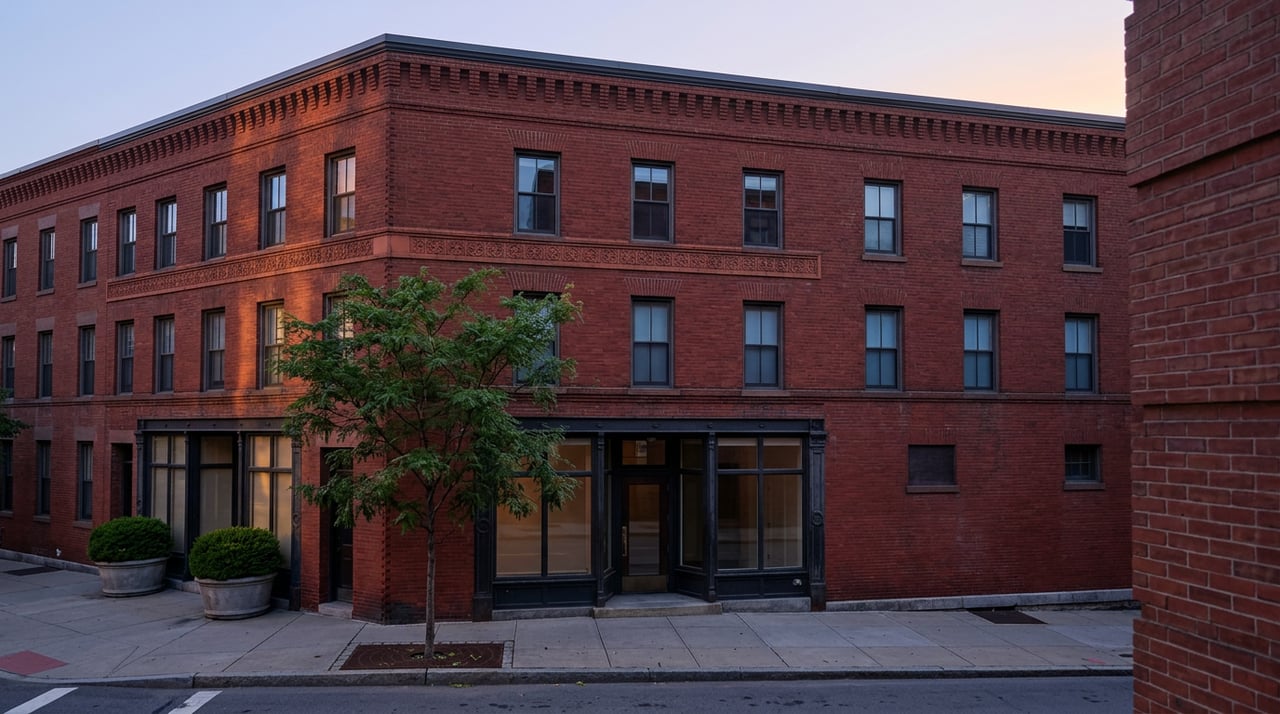
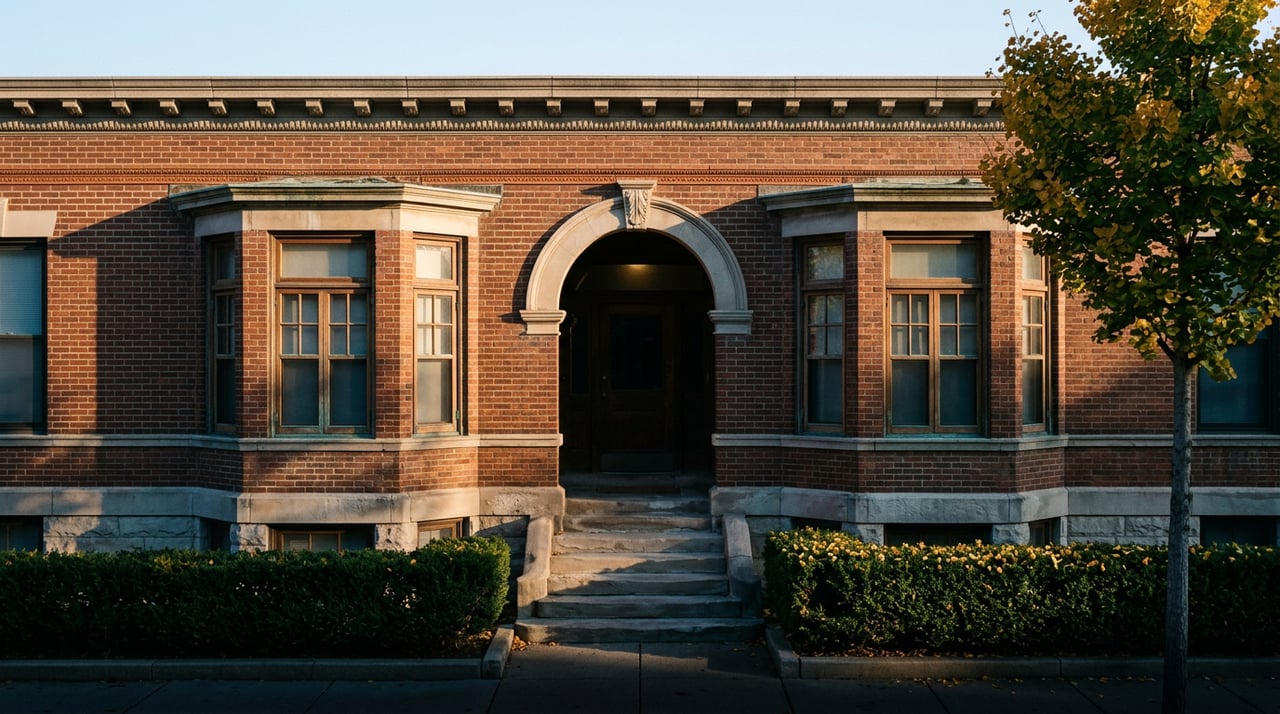
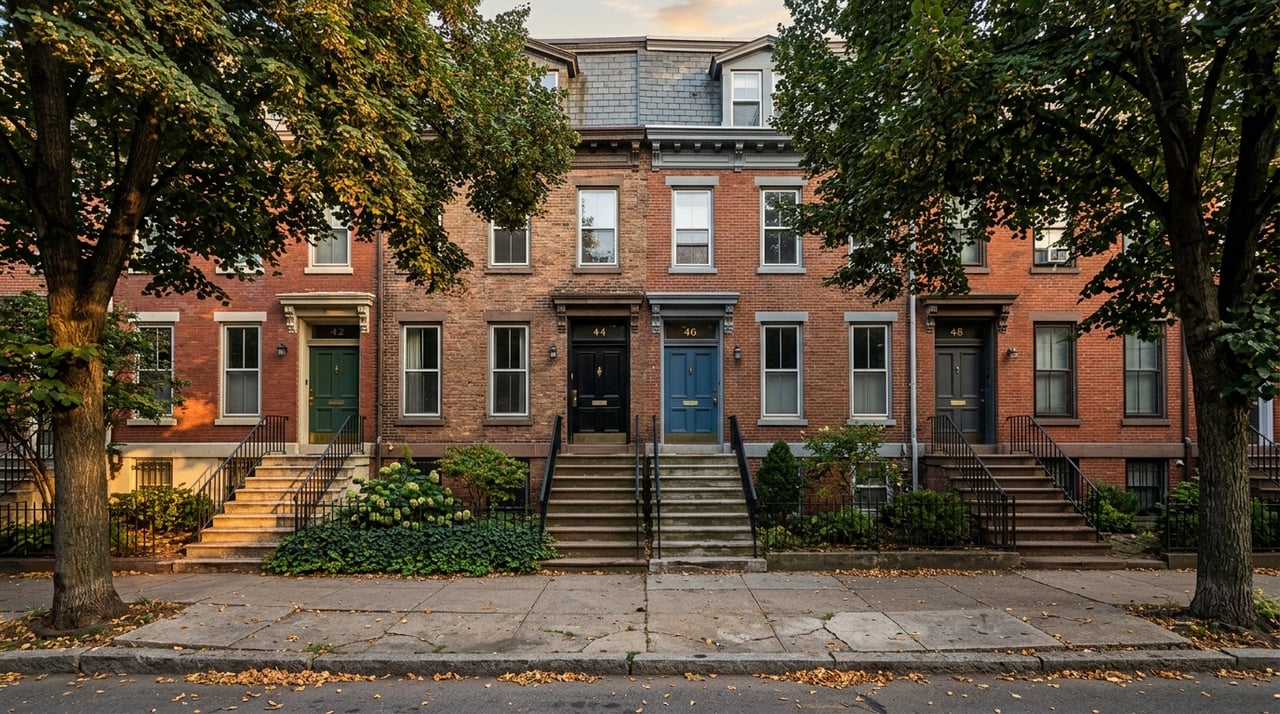
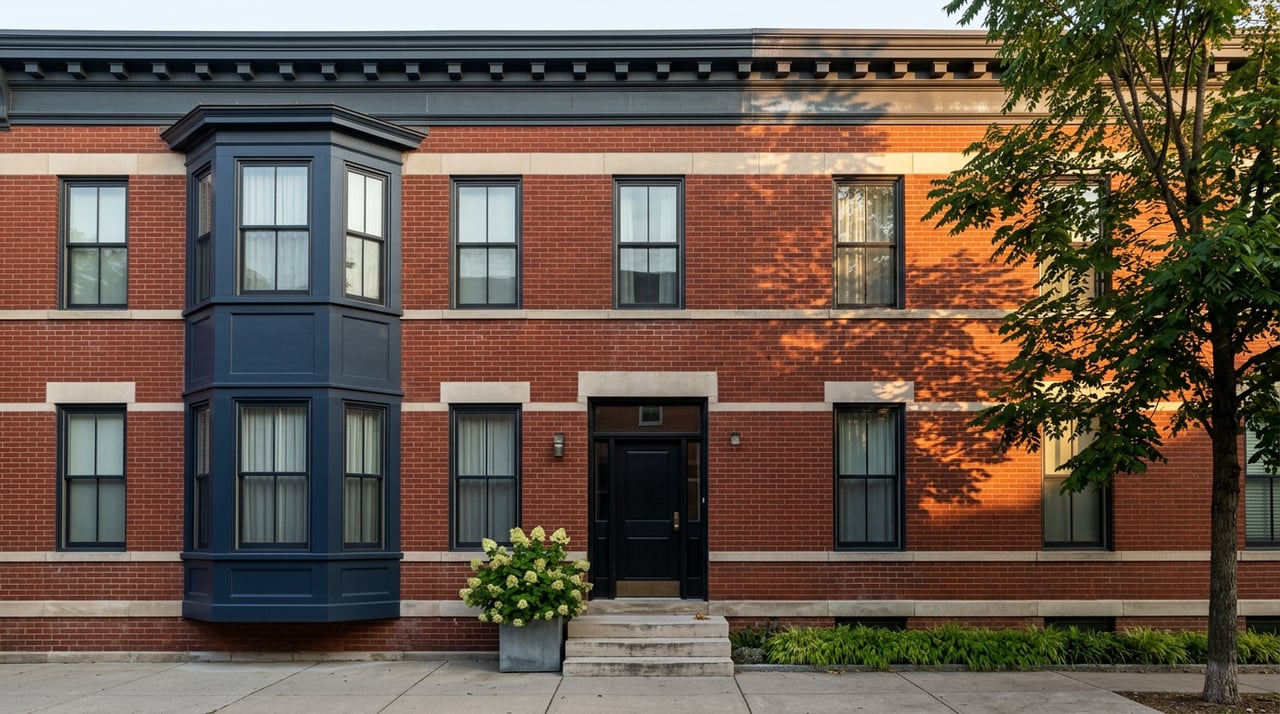
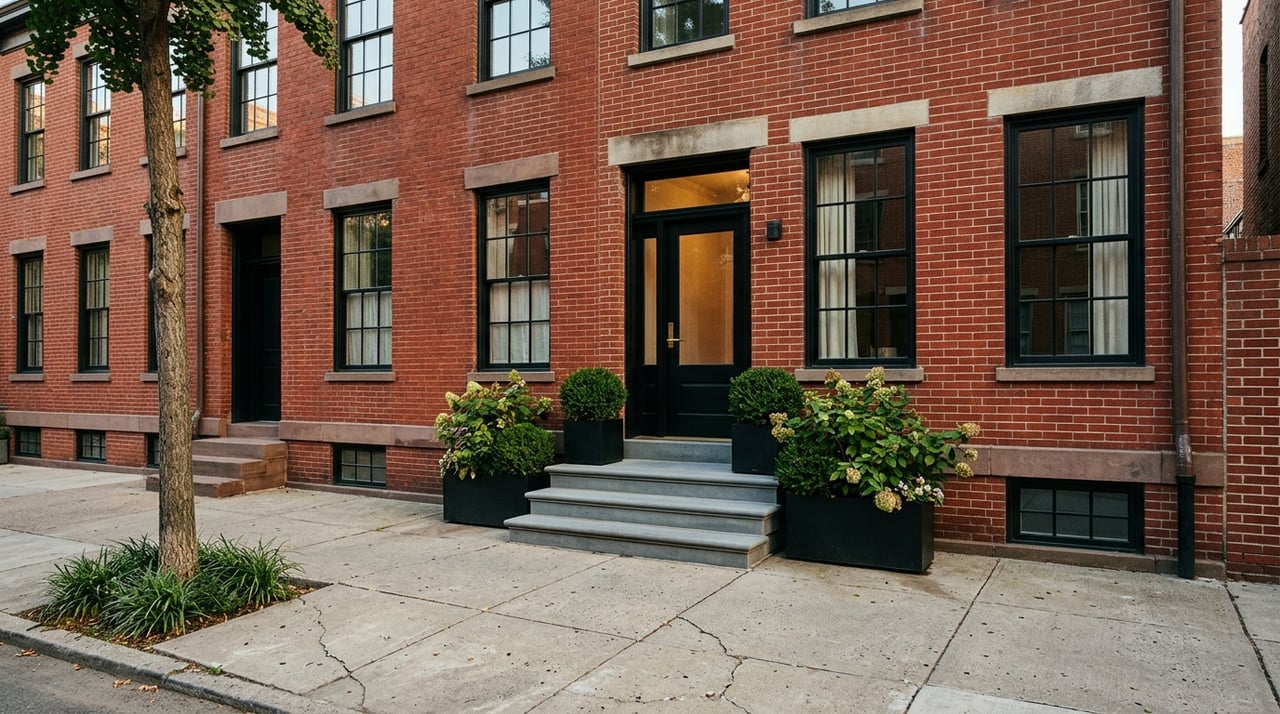
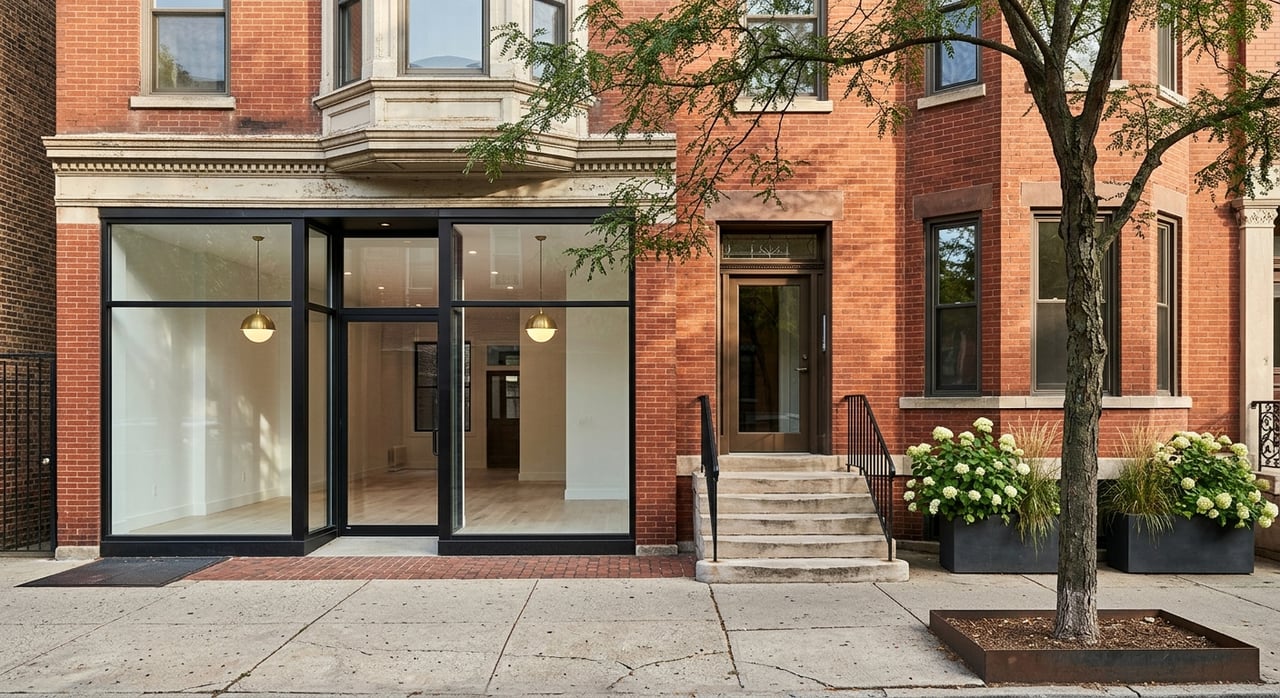
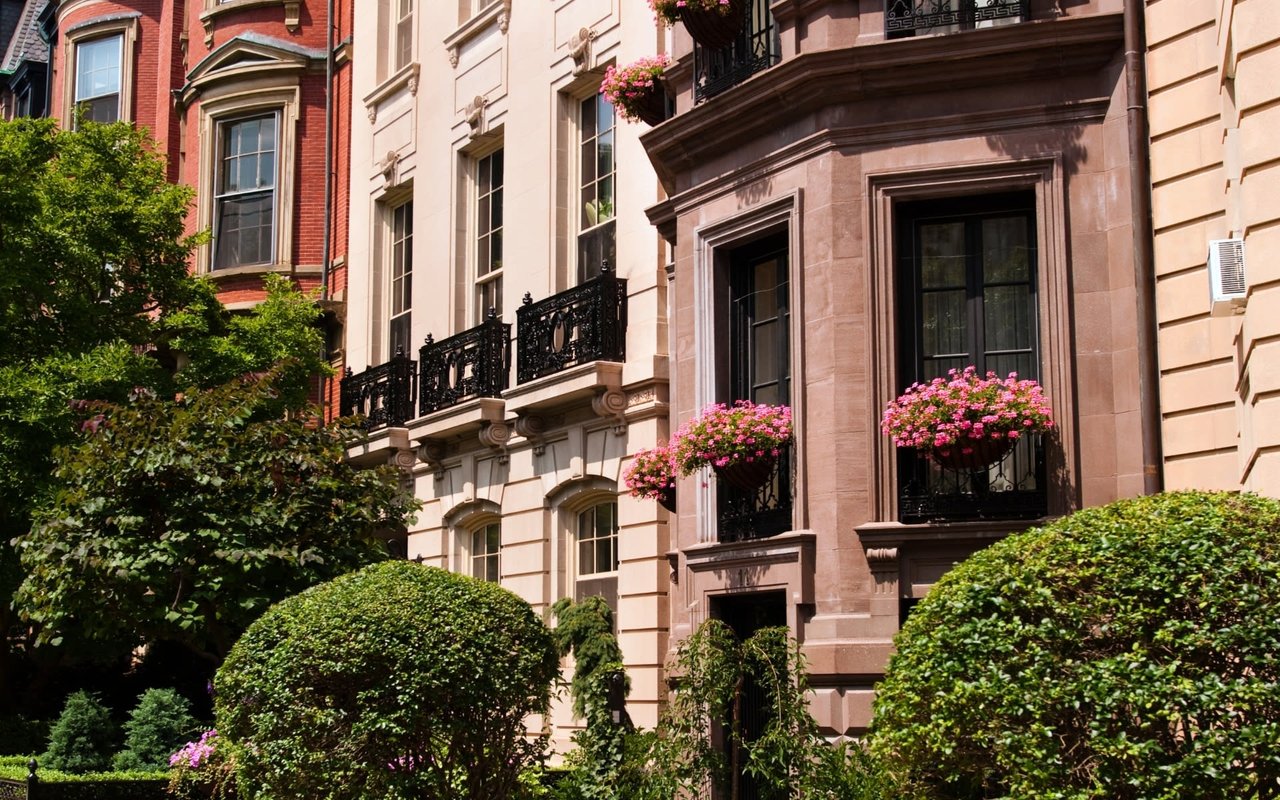
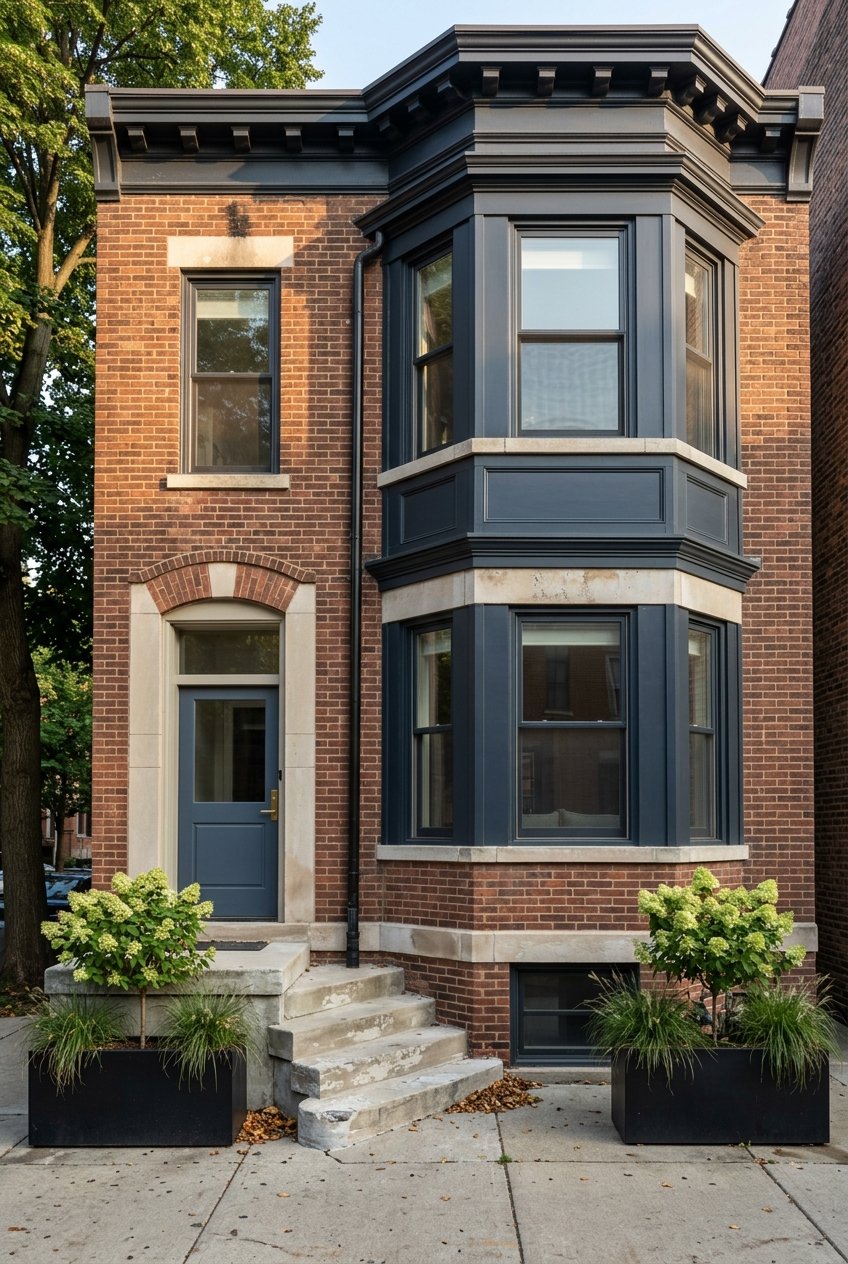
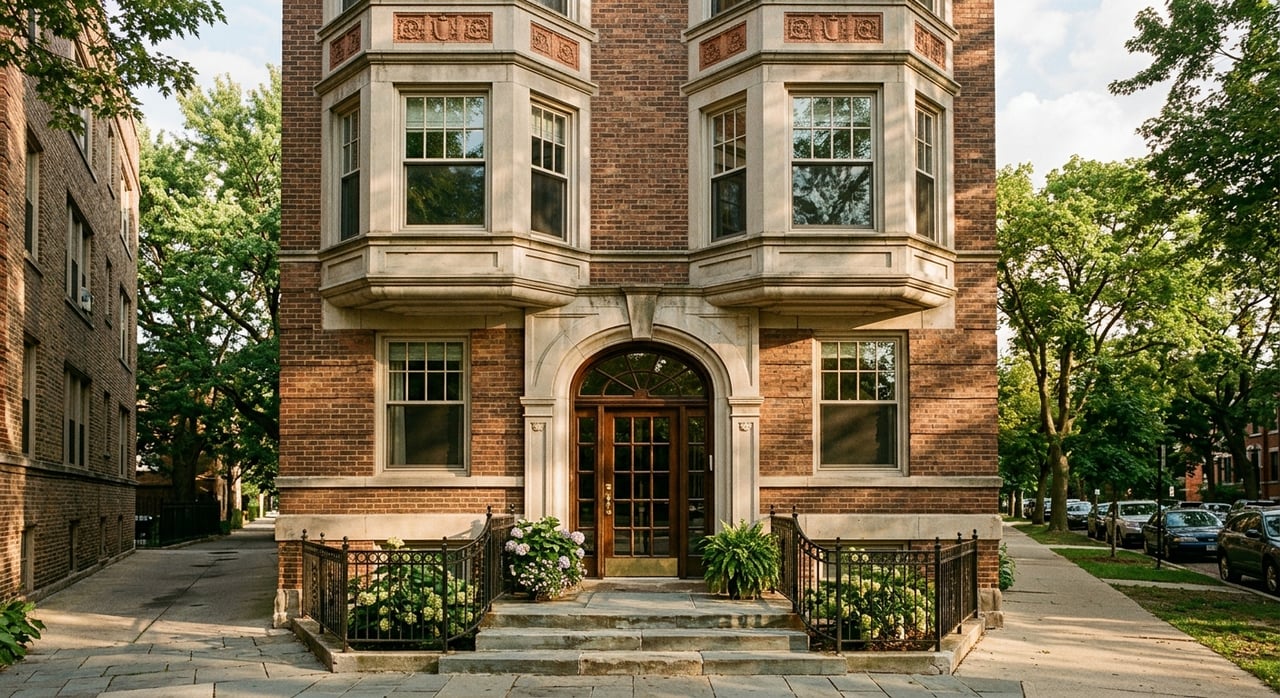
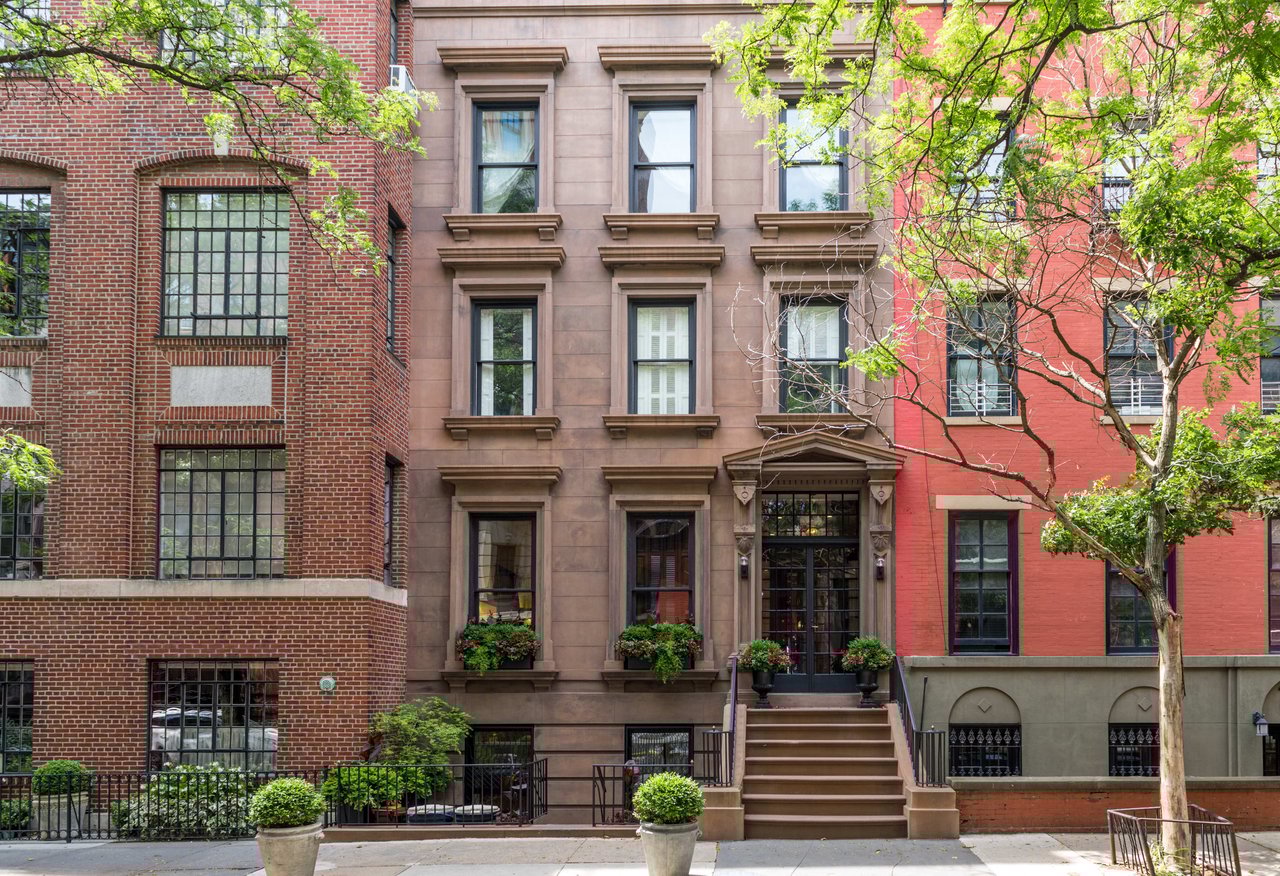
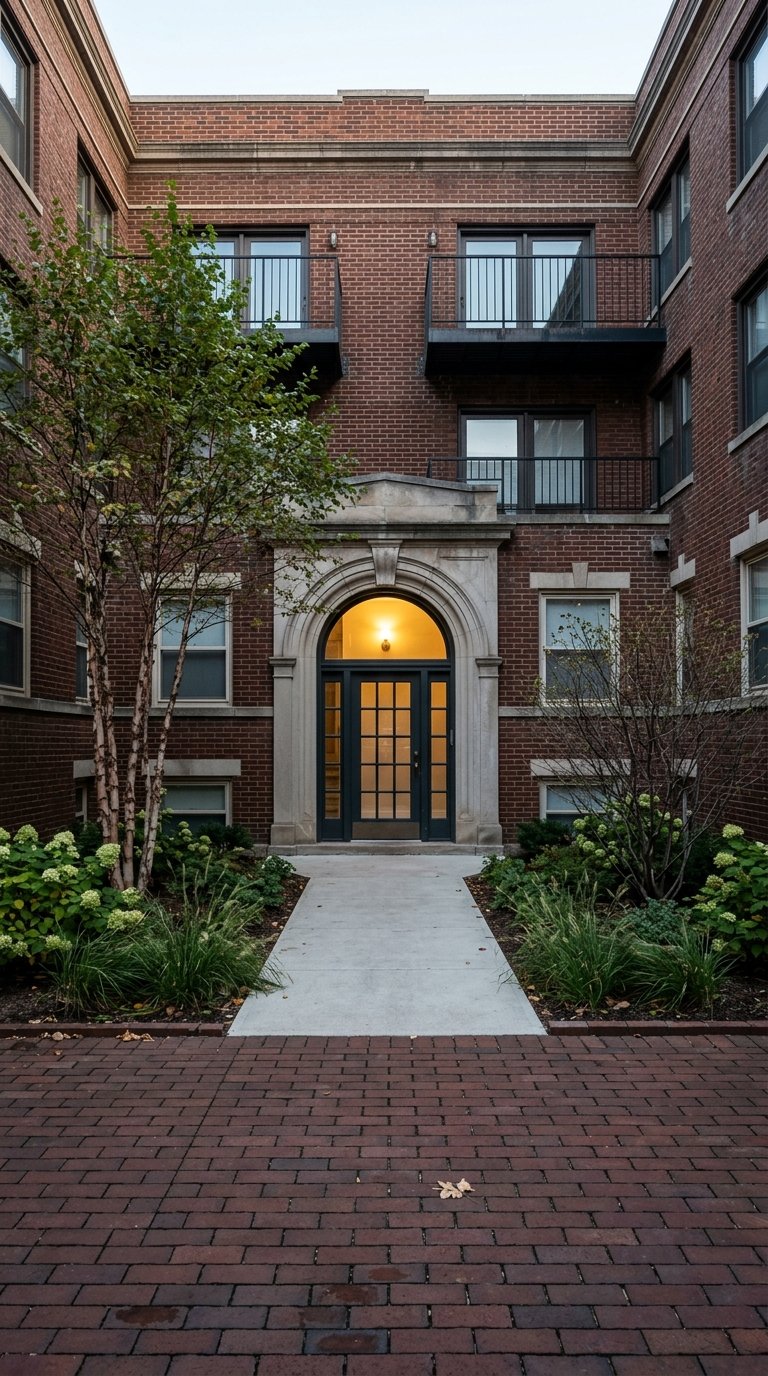
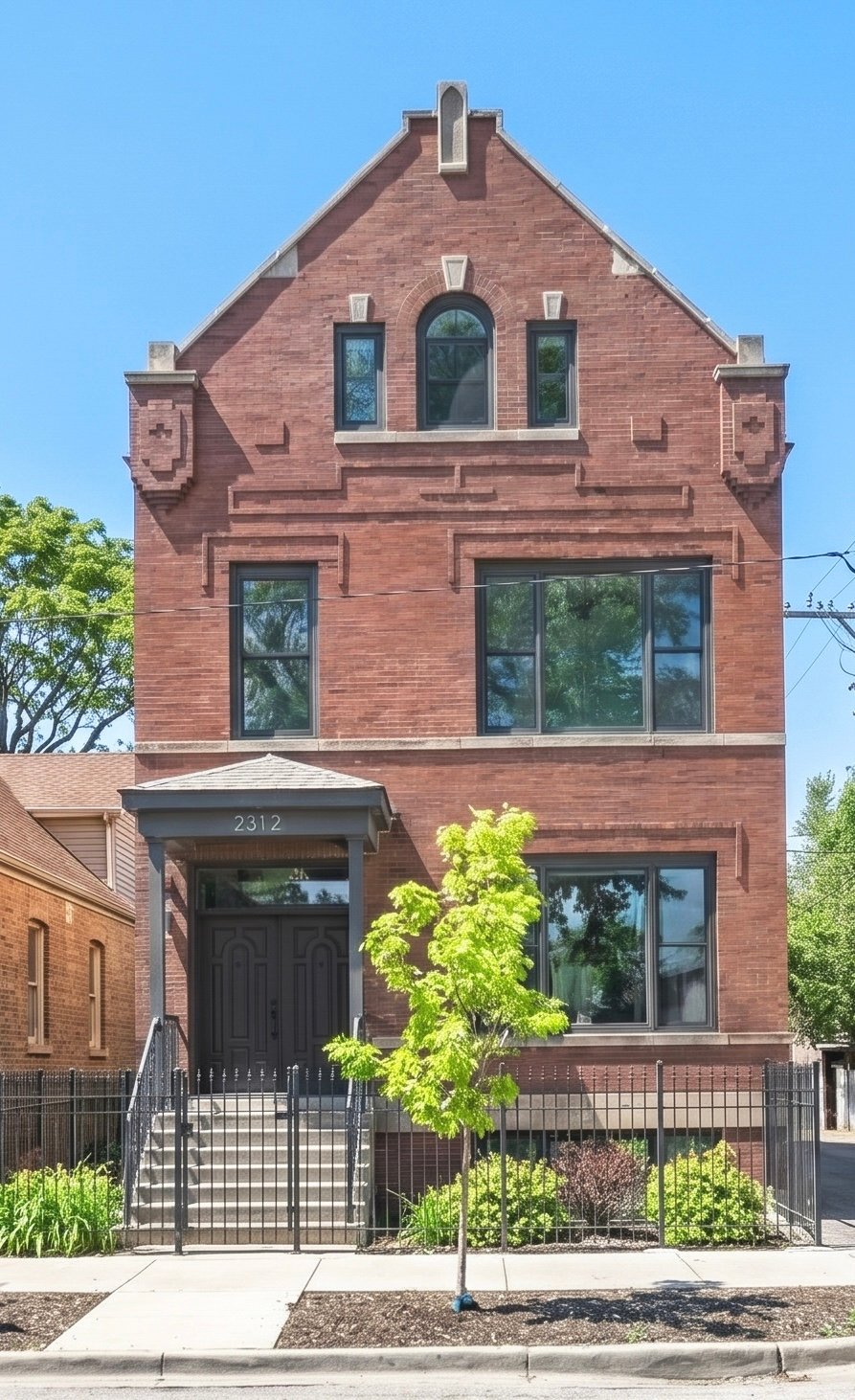
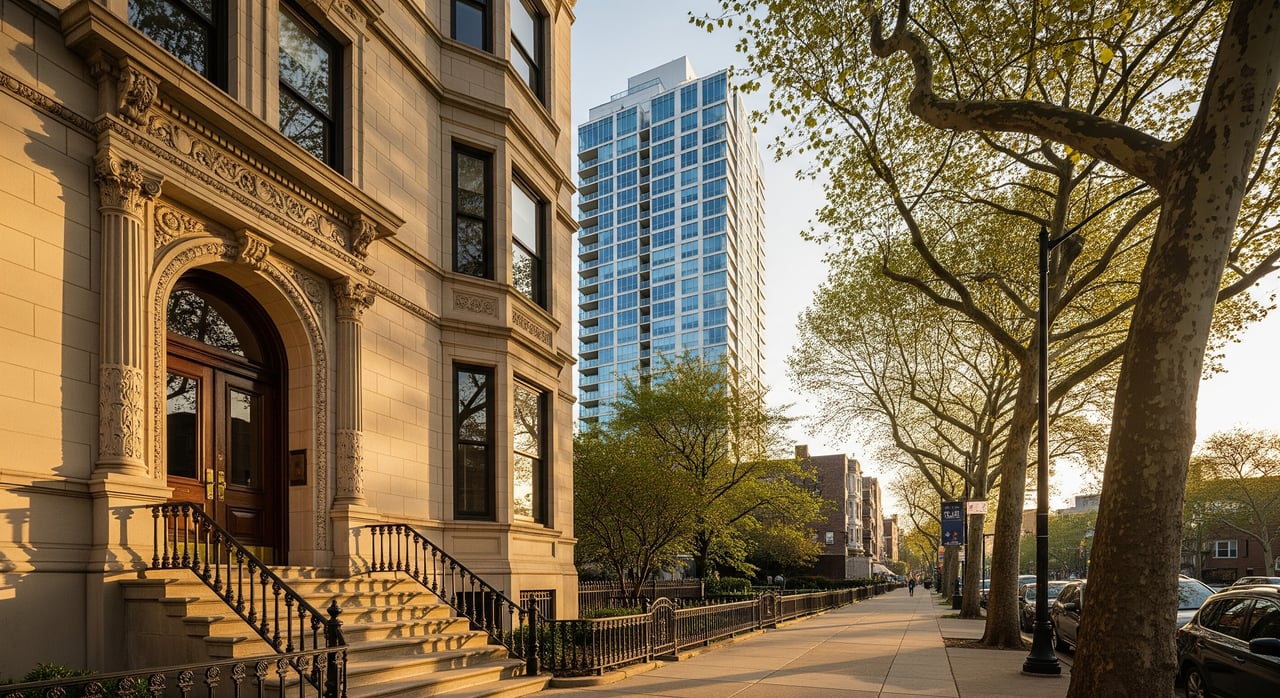
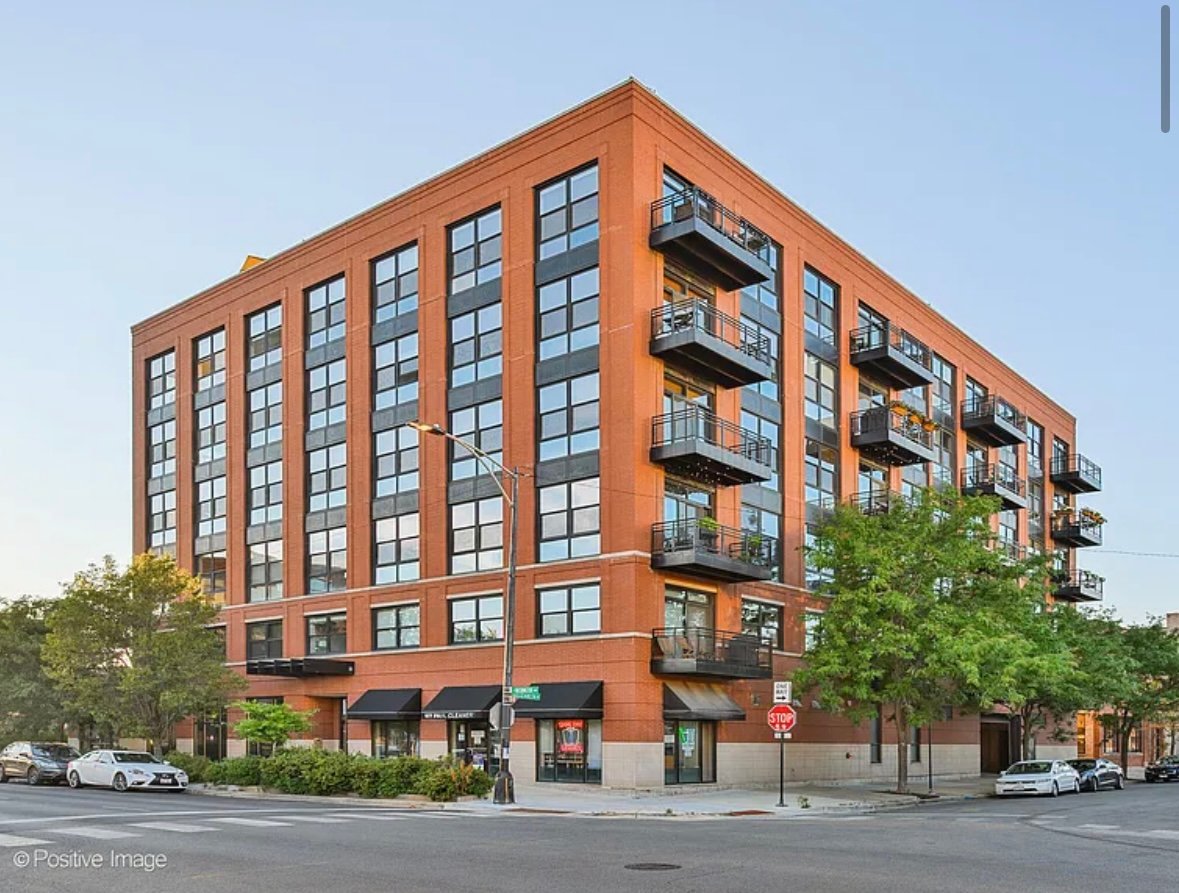
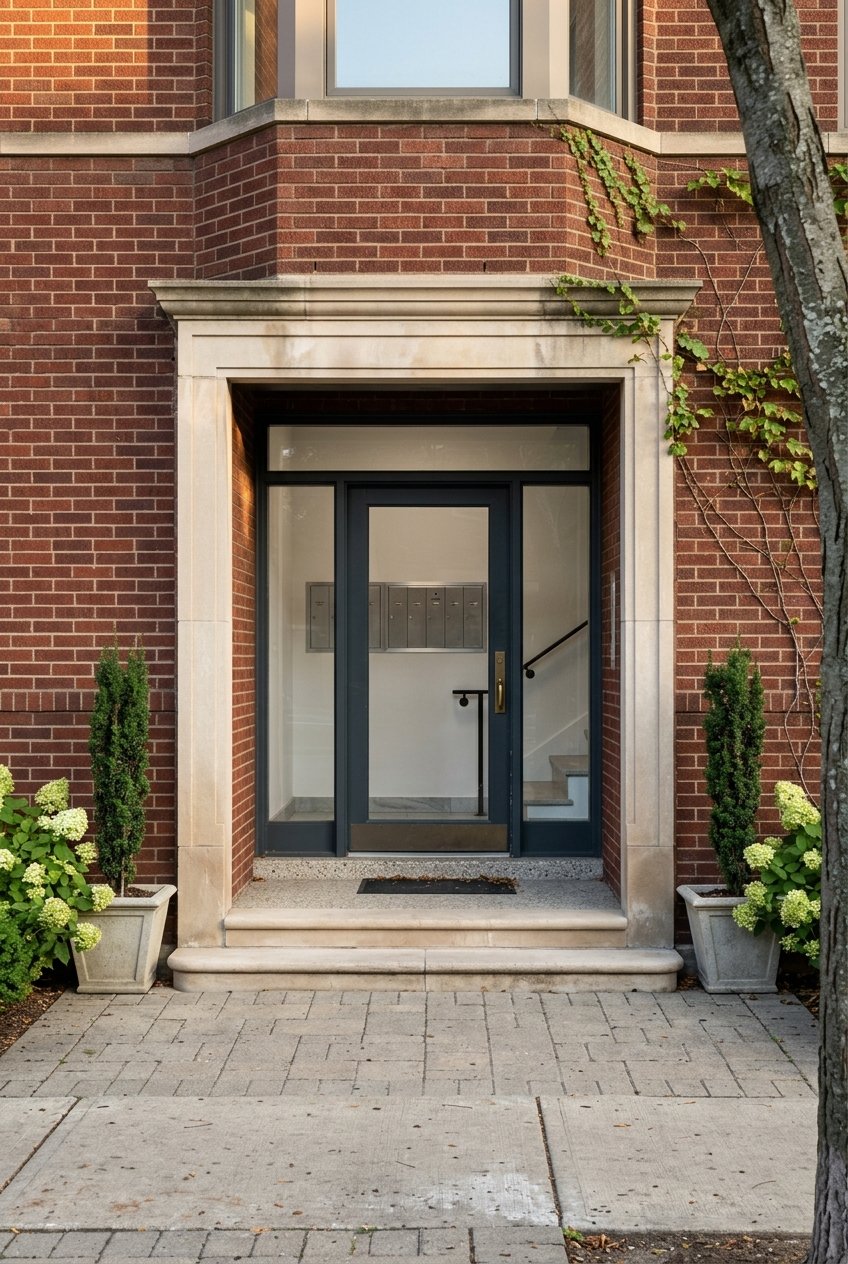
For you, that usually means more vintage walk-ups, apartment conversions, and larger elevator buildings than brand-new condo towers. Hyde Park’s building patterns reflect a long history of multi-unit housing, including six-flat walk-ups and larger residential structures. Some buildings may offer impressive architectural details and larger layouts, while others may require closer review of maintenance history and monthly costs.
This older housing stock can be a real draw if you value established streetscapes and distinctive buildings. At the same time, older buildings often require a more careful look at reserves, ongoing upkeep, and what your HOA dues actually cover. In a condo purchase here, the building can matter just as much as the unit itself.
Condo vs co-op matters here
One of the most important Hyde Park details is that not every apartment-style ownership opportunity is a standard deeded condo. According to the research report, Hyde Park took part in Chicago’s condo-conversion wave, and the neighborhood also includes cooperatives, including middle-income co-ops. That means you should confirm the ownership structure early in your search.
A deeded condo and a co-op share arrangement can lead to very different expectations around financing, approval, monthly costs, and future resale. If you are buying for personal use, this affects how smoothly you can finance and exit the property later. If you are buying as an investor, it can directly affect whether the property fits your strategy at all.
This is where valuation-driven guidance becomes especially helpful. A unit that looks attractive on price alone may not be the better buy if the building structure, rules, or costs limit your flexibility later.
Why Hyde Park works for university buyers
If you are a faculty member, staff member, graduate student, or someone with a strong connection to the University of Chicago or UChicago Medicine, Hyde Park offers practical advantages. Proximity can reduce commute time and make daily life easier during demanding academic or medical schedules. In a neighborhood where so much activity is tied to campus, convenience often carries lasting value.
The neighborhood’s transit access also supports that appeal. UChicagoGRAD describes Hyde Park as walkable and connected to downtown by public transportation as well as free campus buses and shuttles. For buyers who want flexibility without relying on a long drive, that can be a meaningful plus.
There is also an ownership case for longer-term university-affiliated buyers. If you expect to stay for several years, a condo may offer more stability than renting, especially in a neighborhood with durable demand and a wide range of older multifamily buildings. The right fit depends on your budget, timeline, and comfort with building-level costs.
Why Hyde Park can appeal to investors
For investors, Hyde Park’s renter base is one of the biggest reasons to pay attention. CMAP’s 2023 profile shows 9,751 renter-occupied households compared with 5,143 owner-occupied households. That does not guarantee performance for every unit, but it does show that renters make up a large share of the neighborhood housing market.
The renter profile also offers useful clues. CMAP reports that 58.6% of renter households are one-person households, median renter household income was $50,026 in 2023, and median gross rent was $1,541. Zumper’s June 2026 average rent of $2,085 per month comes in higher because it uses a different method, but together the figures still point to active rental demand.
For long-term investors, the takeaway is simple: demand is there, but your numbers need to work. A condo that seems appealing because of location may become less attractive if dues are high, lease rules are restrictive, or the unit type does not match the likely renter pool. Hyde Park can reward careful buying, but it is not a market for casual assumptions.
HOA dues and carrying costs deserve extra attention
In Hyde Park, monthly ownership costs can be much more than your mortgage payment. CMAP reports median monthly owner costs of $2,688 for mortgaged owner-occupied households and $1,093 for non-mortgaged households, with those figures including property taxes, insurance, utilities, mortgage, and HOA fees when applicable. That is a reminder that the true cost of ownership is broader than principal and interest.
This matters even more in a neighborhood with many older multi-unit buildings. Older structures can come with higher operating costs, special maintenance needs, or more substantial common-area expenses. Before you commit, you should understand what the monthly dues cover, whether any major projects are planned, and how the association manages reserves.
For investors, carrying costs can change the math quickly. For owner-occupants, they shape affordability and long-term comfort. In either case, the smart move is to evaluate the building’s financial structure as carefully as you evaluate the unit.
Rental rules can shape your strategy
If you are considering a Hyde Park condo as an investment, rental rules are not a small detail. Under Illinois law, the administration of a common-interest community is governed by its declaration, bylaws, or operating agreement, and lease-related rules can be part of those documents. In practical terms, each building may have its own rules that affect your plans.
Before closing, you should review items such as:
- Whether rentals are allowed at all
- Any rental caps or waiting periods
- Lease term minimums
- Board approval requirements
- Move-in or leasing fees
- Any owner-occupancy requirements
These documents can have a direct impact on future income potential and resale flexibility. If your goal is long-term leasing, this due diligence should happen early, not after you are already emotionally committed to a unit.
How to evaluate a Hyde Park condo purchase
A strong Hyde Park condo decision usually comes down to a handful of practical questions. Whether you are buying for yourself or as a long-term hold, clarity on these points can save time and money.
Questions for university buyers
Ask yourself:
- How close do you want to be to campus or medical facilities?
- Do you prefer a vintage walk-up or a larger elevator building?
- Are monthly dues manageable alongside your mortgage and taxes?
- Does the building’s ownership structure fit your financing plan?
- How long do you expect to own the property?
If your timeline is several years, a well-chosen condo may offer both convenience and a clearer long-term plan than renting. The right unit is usually the one that balances location, carrying costs, and building stability.
Questions for investors
If you are buying for rental potential, focus on:
- Building rental rules
- Total monthly carrying costs
- Unit layout and likely renter appeal
- Proximity to campus and transit
- Resale flexibility later
In Hyde Park, a lower purchase price does not automatically mean a better investment. A slightly higher-priced unit in a better-managed building with favorable rental rules may be the stronger play.
The Hyde Park condo bottom line
Hyde Park condos offer a specific kind of opportunity. This is a neighborhood shaped by the University of Chicago, UChicago Medicine, and a large base of renters and long-term residents. Prices remain relatively moderate by Chicago standards, and the market appears active without being overheated.
For university buyers, the biggest advantages are proximity, practicality, and a housing stock that includes many established multi-unit buildings. For investors, the opportunity is tied to durable rental demand, but success depends on choosing the right building and understanding the rules. In Hyde Park, the smartest buyers pay close attention to building type, ownership structure, and monthly costs before they make a move.
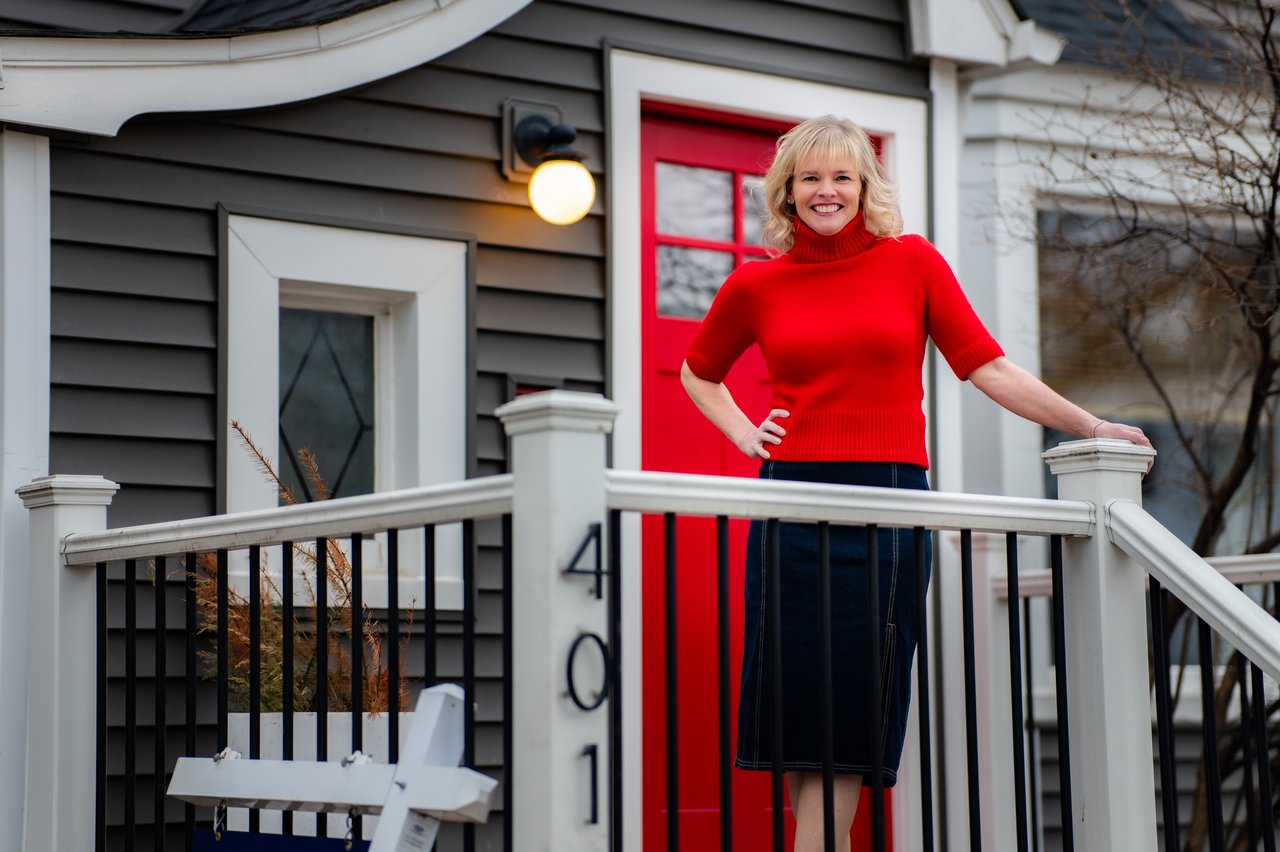
If you want a data-informed read on a condo opportunity in Hyde Park or a second opinion on value, strategy, and building-level due diligence, connect with Stephanie Turner for a personalized consultation.
FAQs
What is the typical condo price in Hyde Park, Chicago?
- As of late June 2026, Hyde Park condo pricing was in the mid-$200,000s, with Zillow showing typical home values at $262,152 and Redfin showing a median condo list price around $260,000.
Why do University of Chicago buyers consider Hyde Park condos?
- Hyde Park offers close access to the University of Chicago and UChicago Medicine, along with walkability, public transportation connections, and a large supply of multi-unit housing.
Are Hyde Park condos good for long-term investors?
- They can be, especially because Hyde Park has a large renter base, but your results will depend heavily on rental rules, HOA dues, carrying costs, and the building’s ownership structure.
What types of condo buildings are common in Hyde Park?
- Hyde Park is known for older multifamily housing, including vintage walk-ups, apartment conversions, larger elevator buildings, and some co-op properties.
Why do rental rules matter when buying a Hyde Park condo?
- Rental rules can affect whether you can lease the unit, how soon you can rent it, what lease terms are allowed, and whether board approval or rental caps apply.
How is buying in a Hyde Park co-op different from buying a condo?
- A co-op share arrangement may come with different financing, approval, and resale considerations than a standard deeded condo, so you should verify the ownership structure before making assumptions.