The West Loop, Chicago Buyer's Guide: Everything to Know Before You Buy in 2026
What is it like to live in the West Loop, and what should buyers know before purchasing?
Why Buyers Are Choosing the West Loop
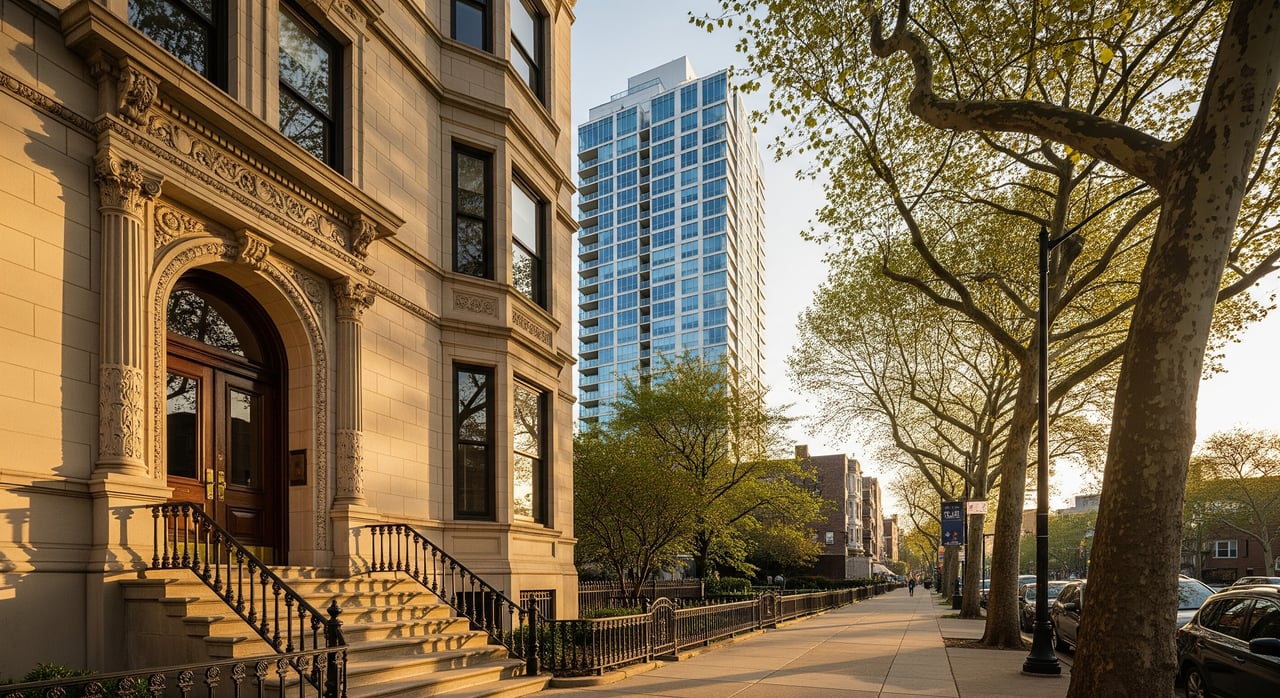
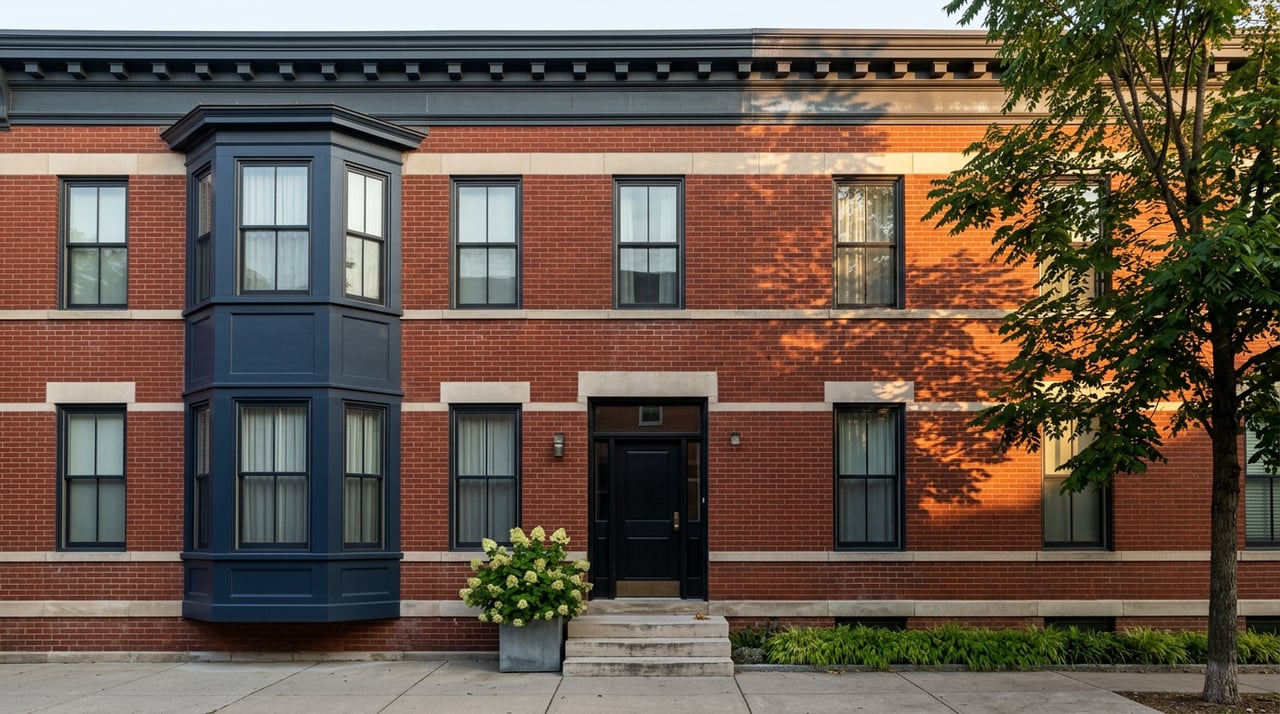
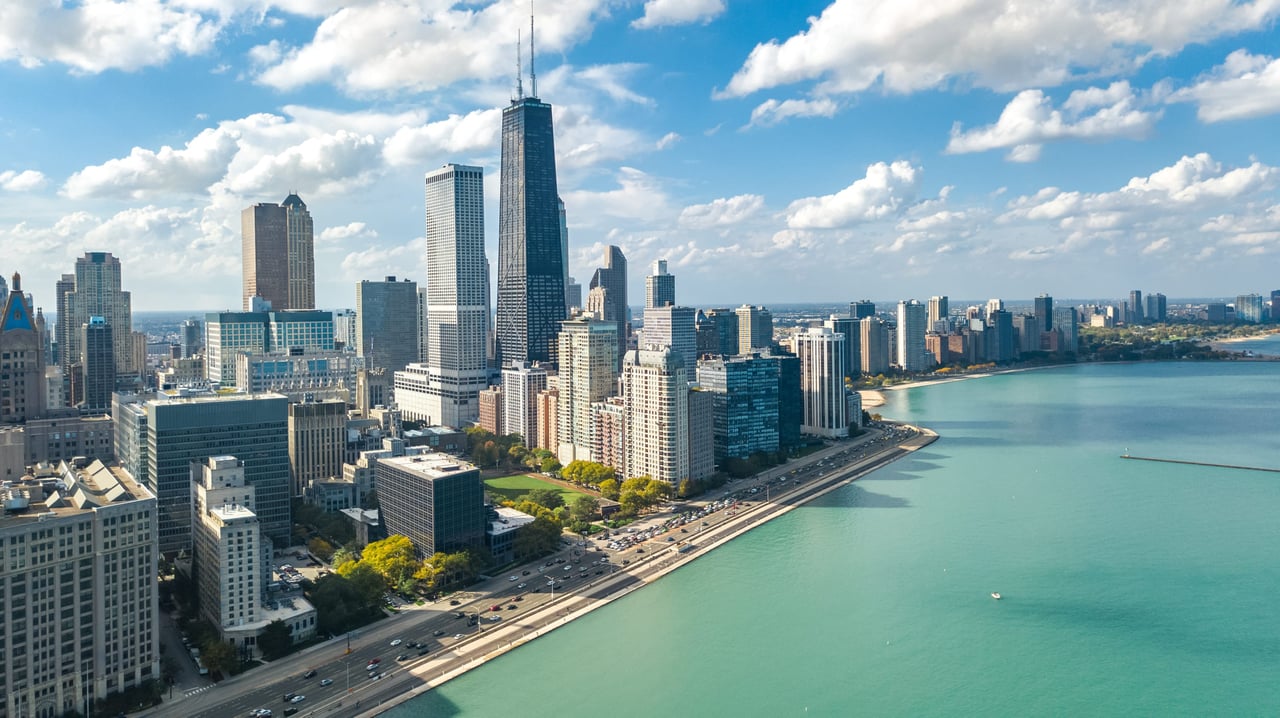
The West Loop has gone from a stretch of warehouses and meatpacking plants to one of Chicago's most in-demand neighborhoods — and the demand is showing up in how buyers shop. Walk down Randolph Street on a Saturday and you'll pass a steady mix of young professionals, families pushing strollers, and couples leaving brunch. That energy is exactly what's pulling people in: a neighborhood that feels current, connected, and unmistakably Chicago.
If you're considering buying here, this guide walks through what makes the West Loop unique, what to expect from prices in 2026, the housing styles you'll be choosing between, and the small details — schools, transit, parking — that quietly shape day-to-day life.
Where Is the West Loop, Exactly?
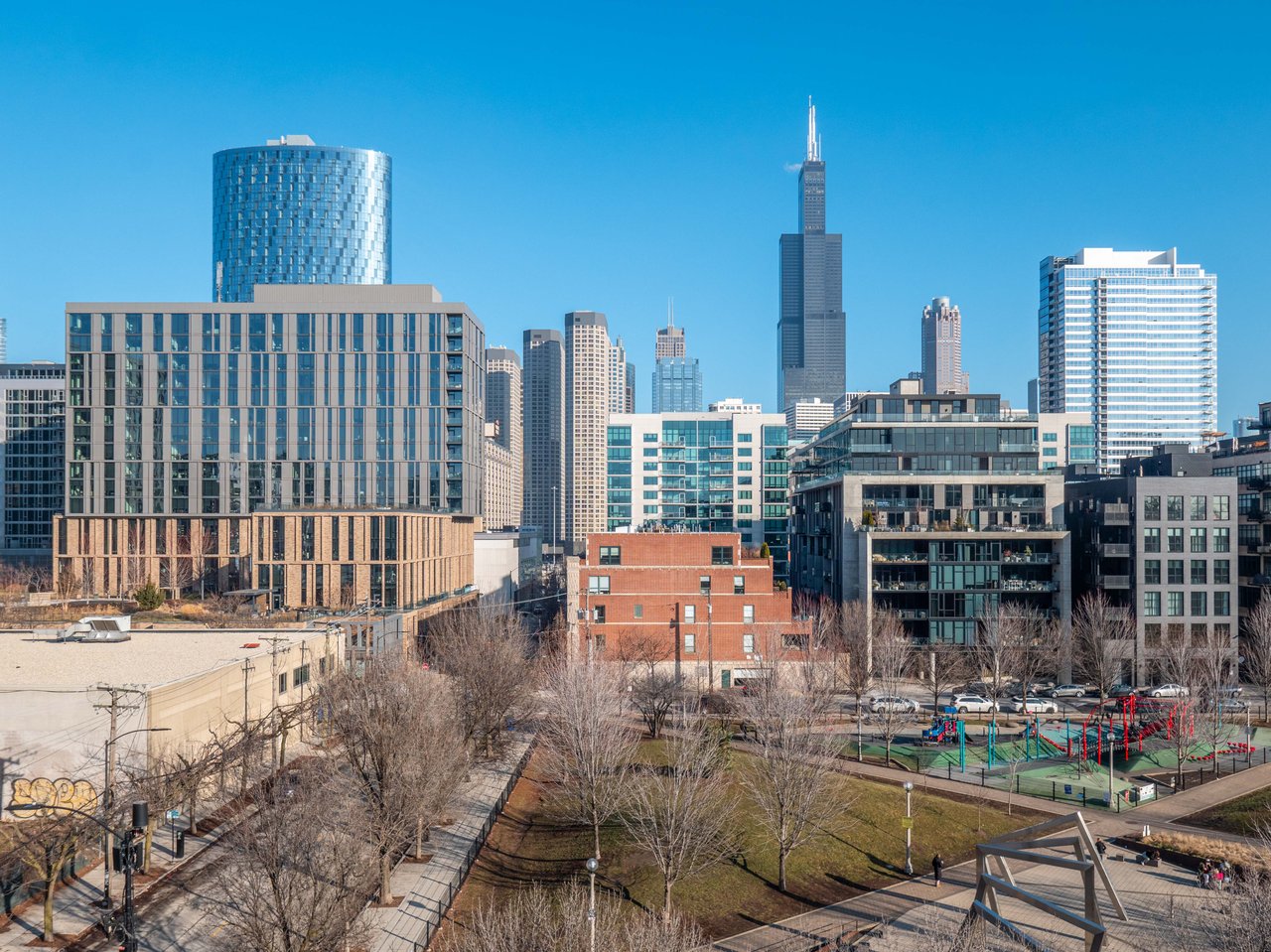
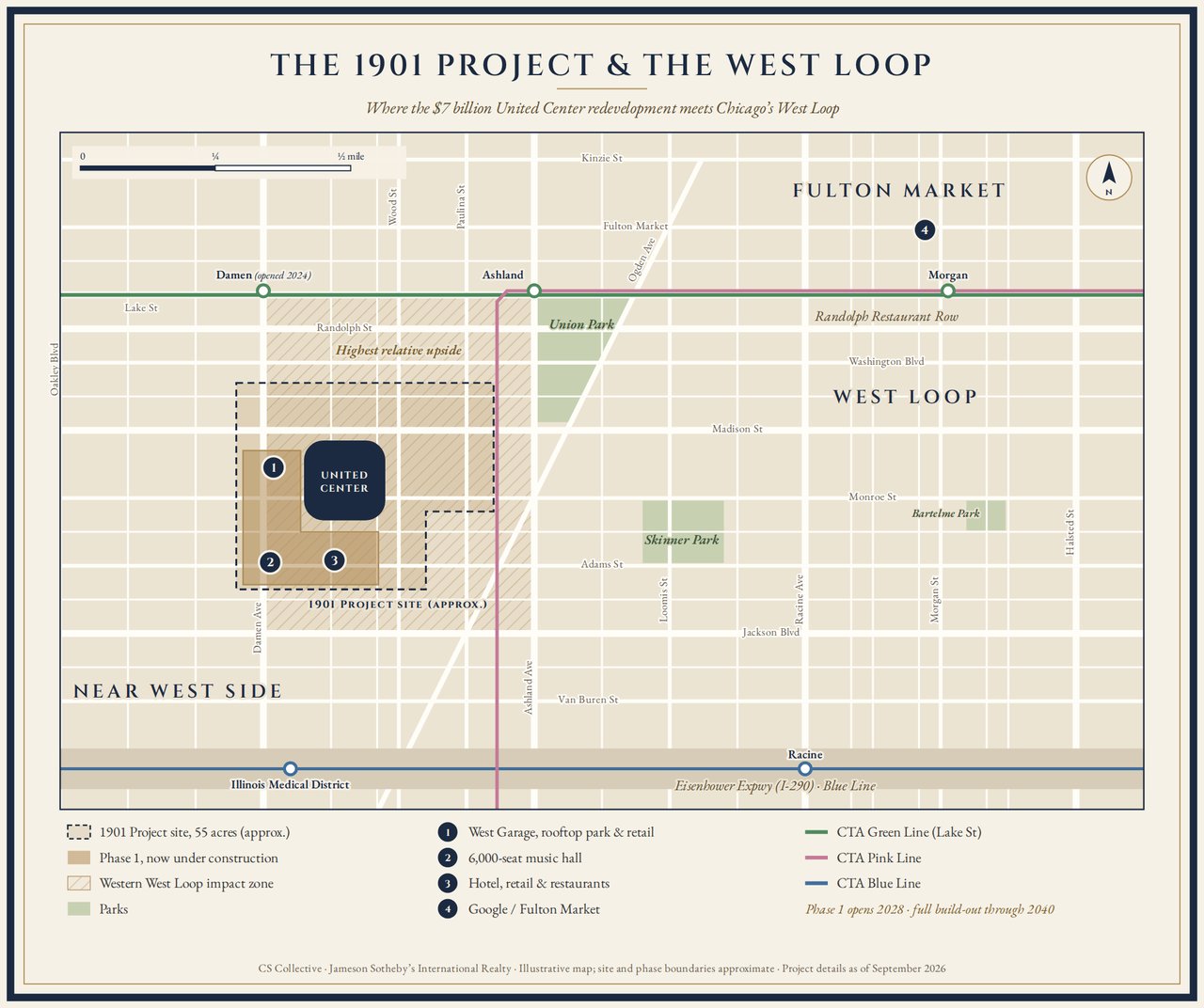
The West Loop sits just west of Chicago's Loop, roughly bounded by the Kennedy Expressway to the east, Ashland Avenue to the west, Grand Avenue to the north, and the Eisenhower Expressway to the south. Within those edges, you'll hear locals reference distinct micro-neighborhoods — Fulton Market, Restaurant Row along Randolph Street, and the residential blocks south of Madison.
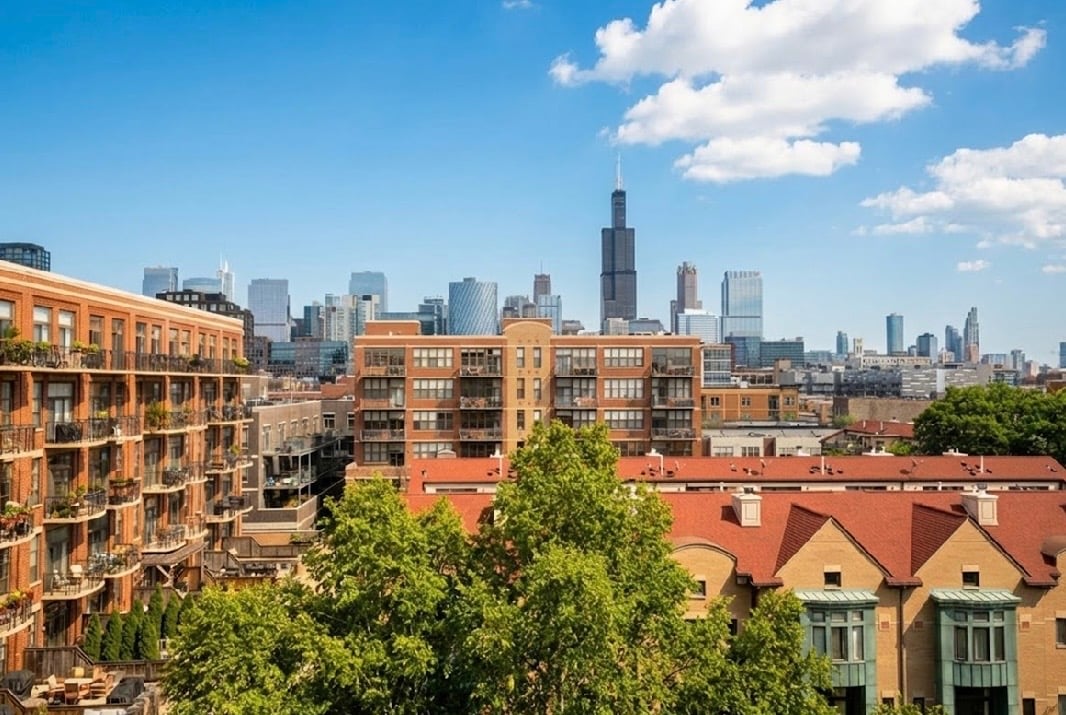
Fulton Market in particular has become a magnet for tech and corporate offices, including Google's Midwest headquarters, which has reshaped weekday foot traffic and accelerated new construction. For buyers, it means more amenities and walkable dining than nearly anywhere else in the city.
West Loop Home Prices in 2026
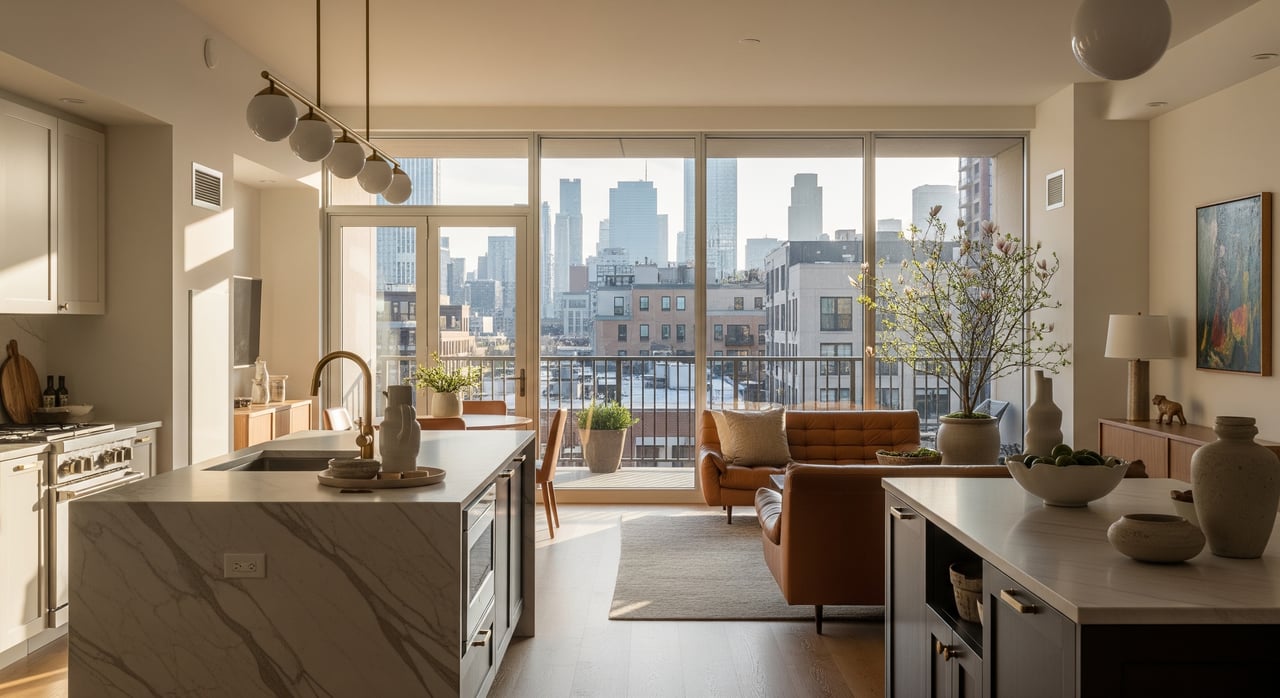
Pricing in the West Loop spans a wide range, which surprises a lot of first-time buyers. Entry-level one-bedroom condos typically start in the upper $300s to mid $400s, while two-bedroom units in newer buildings often land between $650,000 and $1 million. Penthouse-level units and three-bedrooms in luxury towers regularly trade above $1.5 million, and a small number of single-family homes and townhomes — particularly south of Madison — push into the $2 million-plus range.
Inventory is tighter than buyers expect. Well-priced, well-located units often go under contract within two to three weeks, and the best buildings see multiple offers. Going in with pre-approval, a clear price ceiling, and a broker who can move quickly is no longer optional — it's table stakes.
Condos, Lofts, or Single-Family? Choosing the Right Style
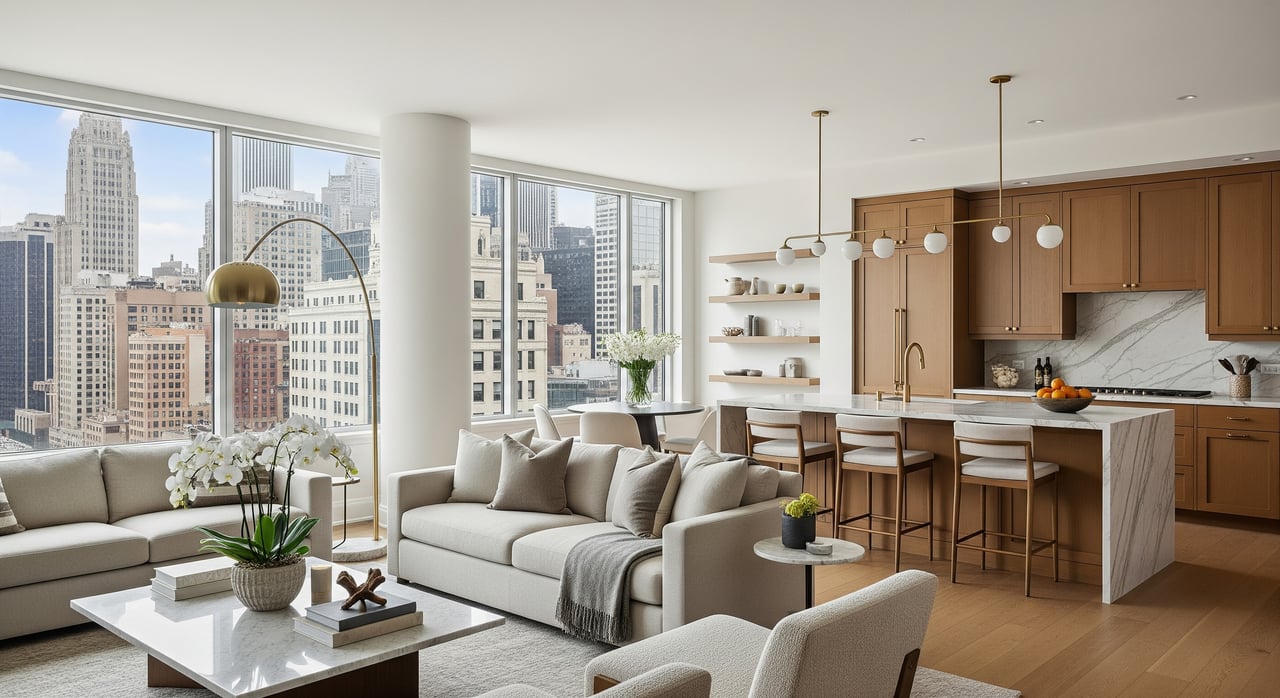
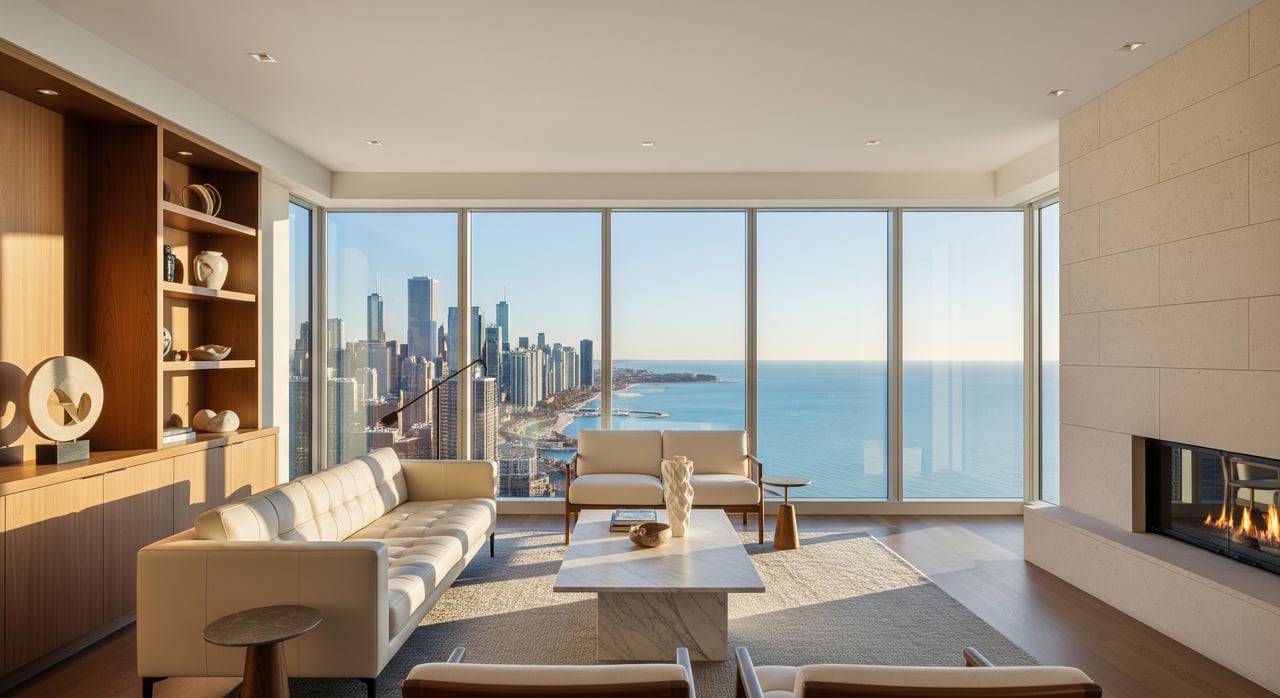
West Loop housing breaks into three buckets, and your lifestyle should drive which one you focus on:
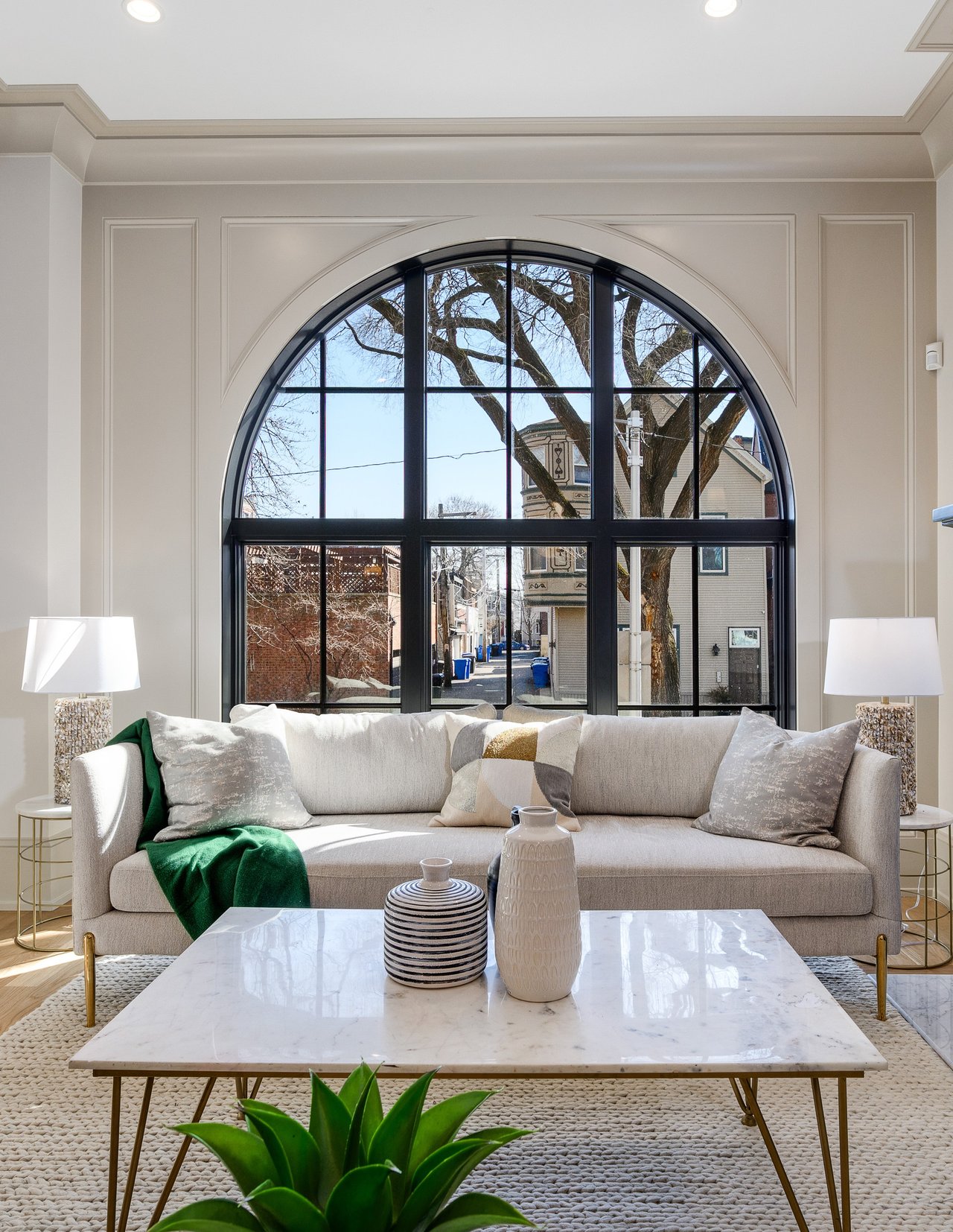
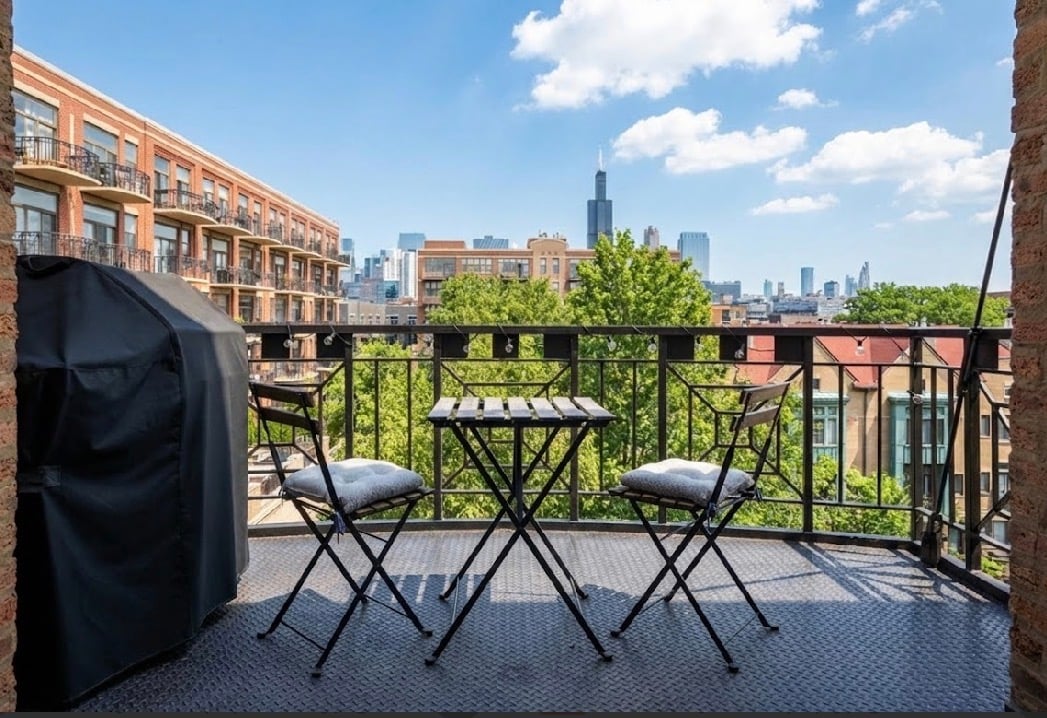
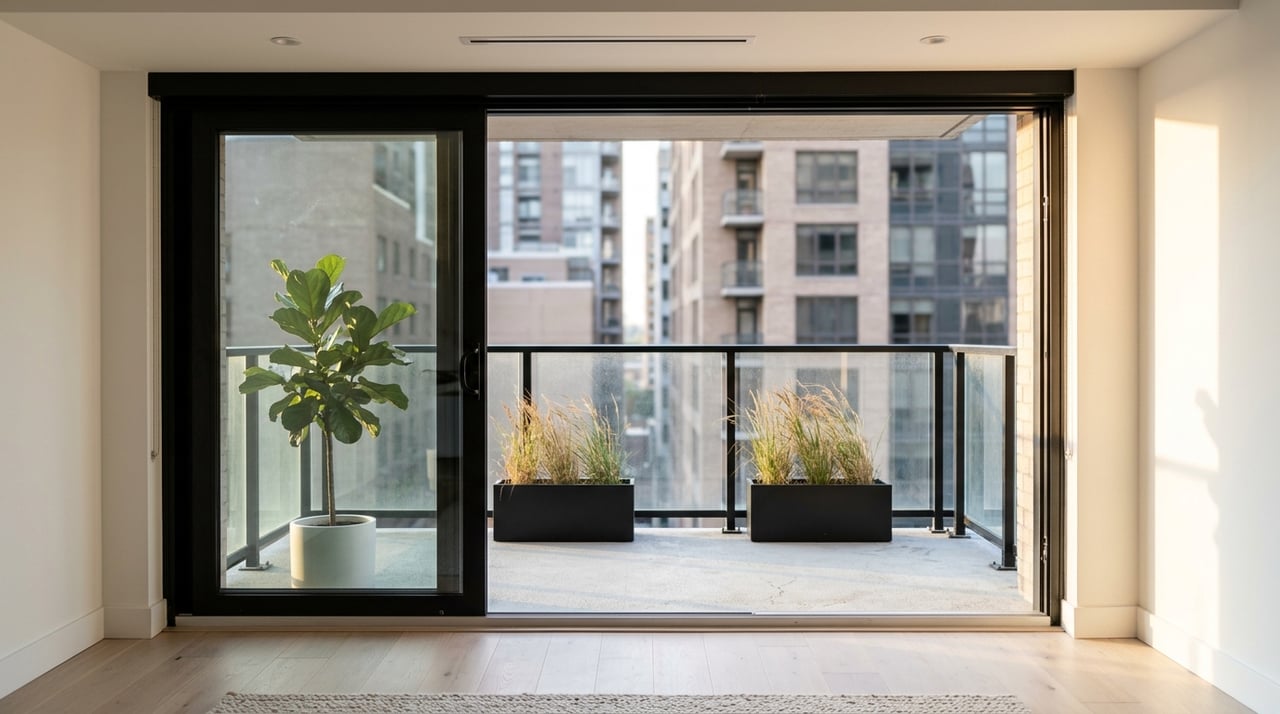
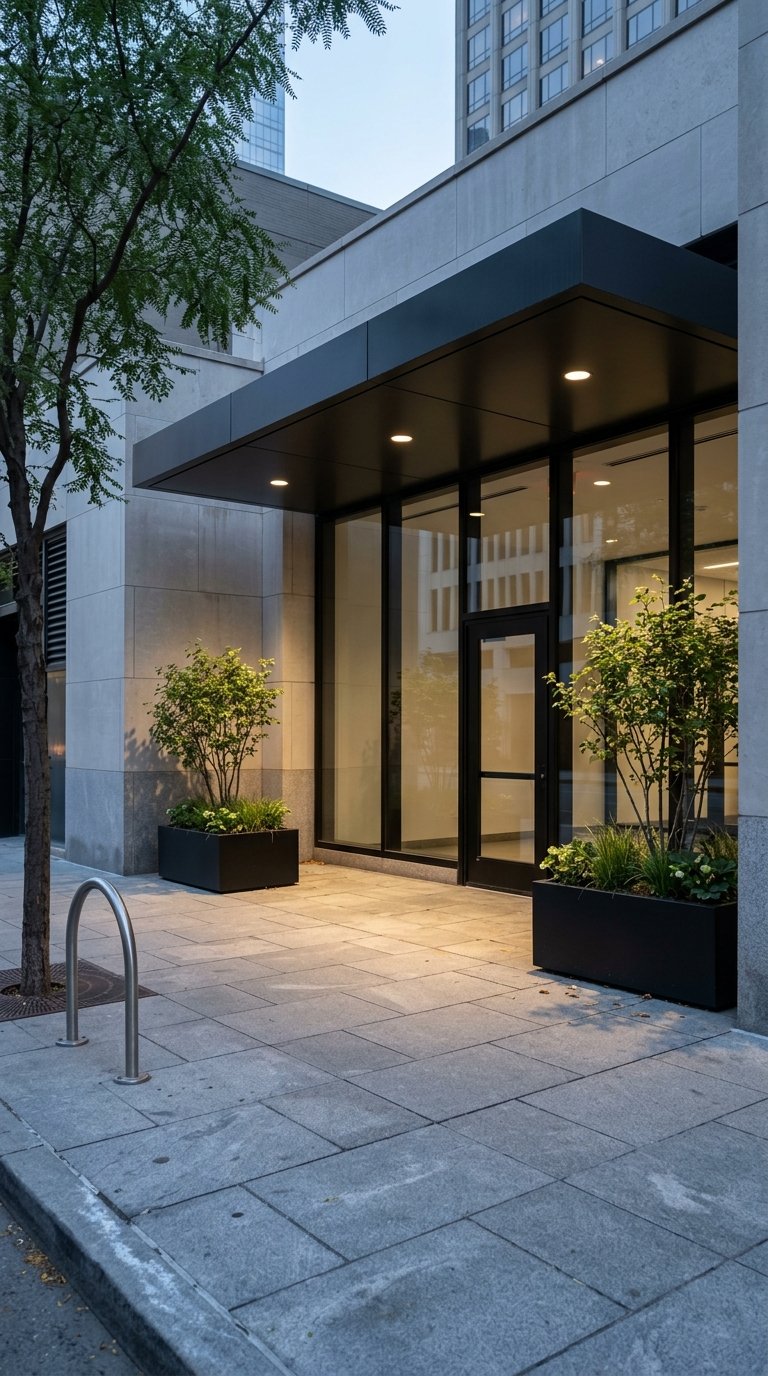
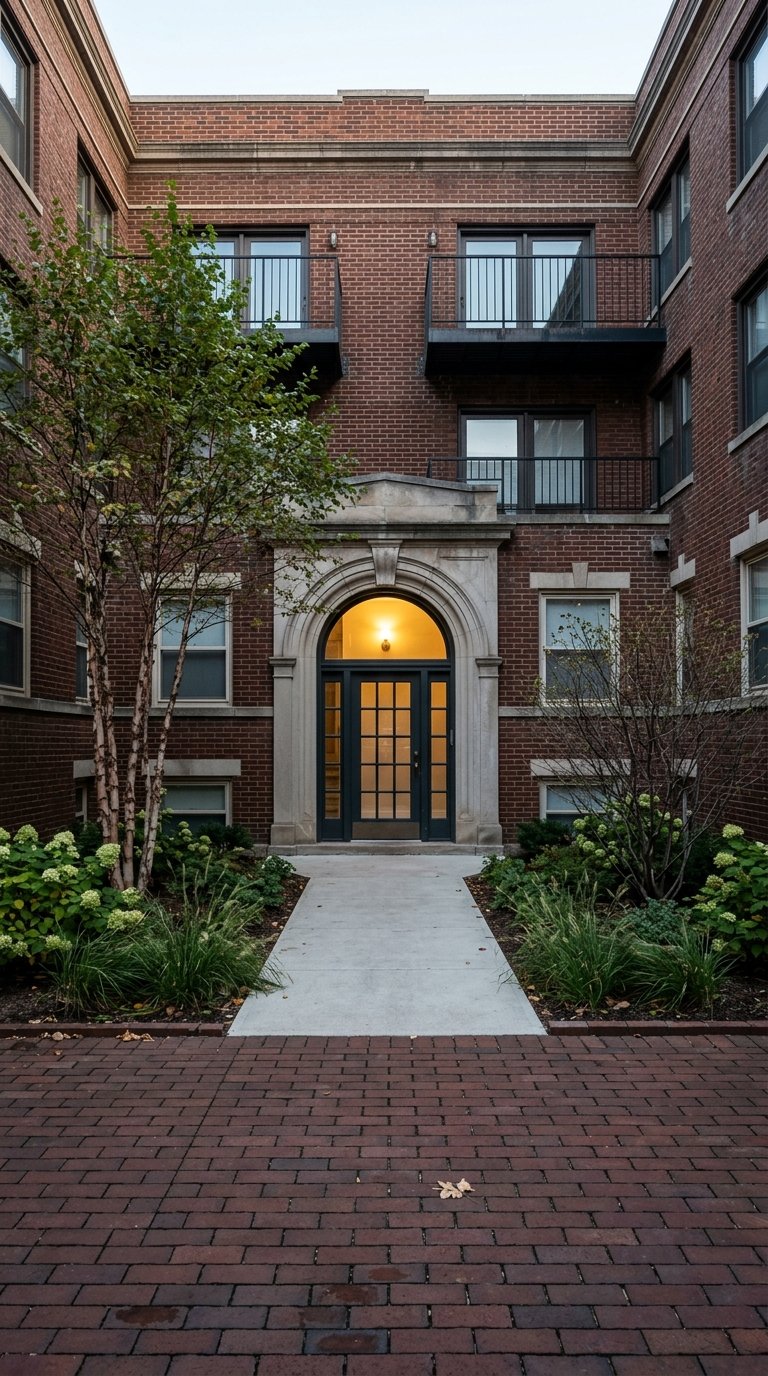
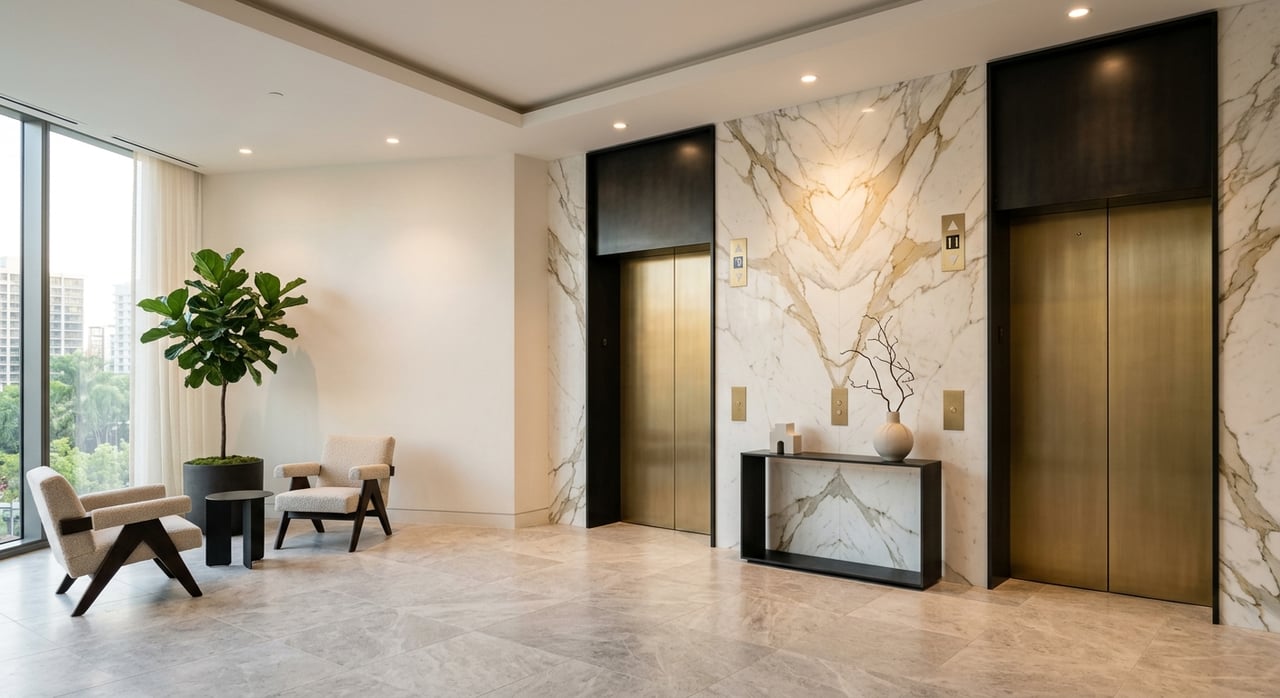
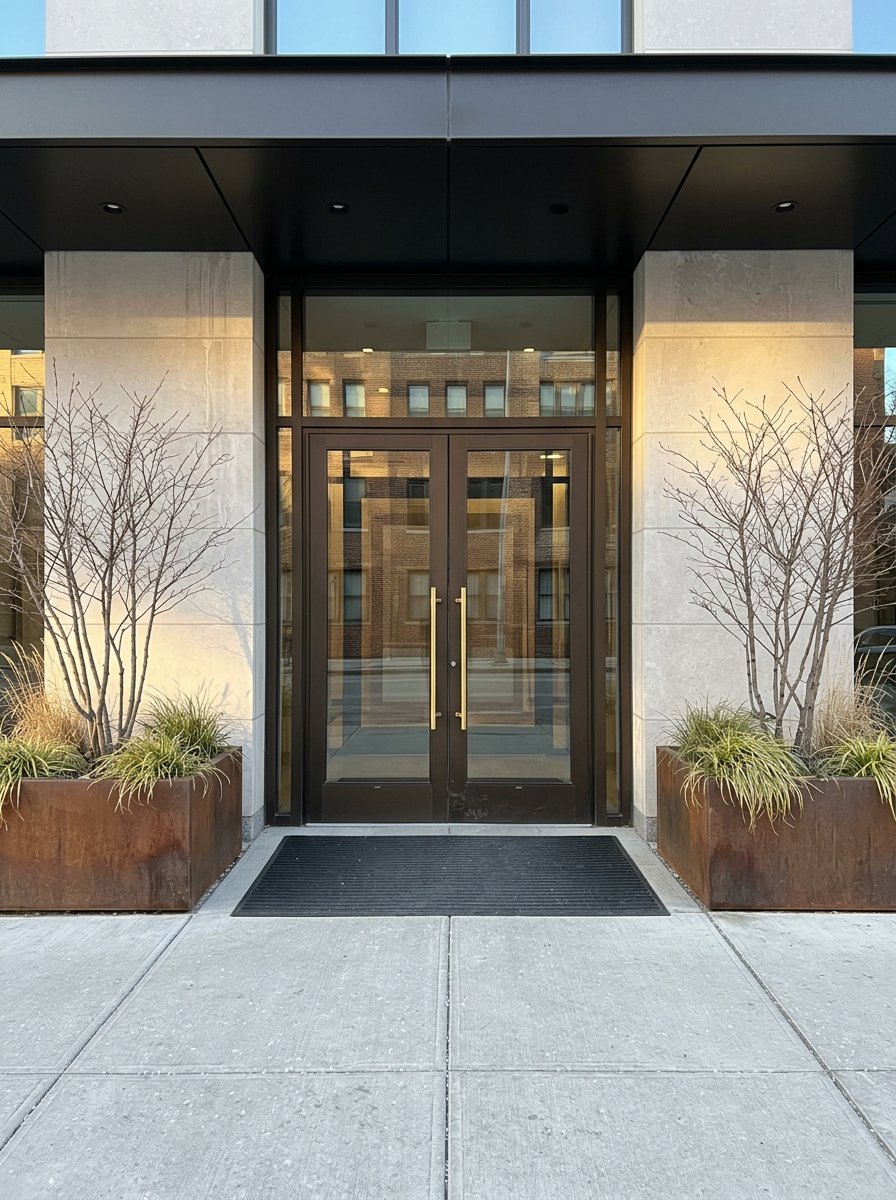
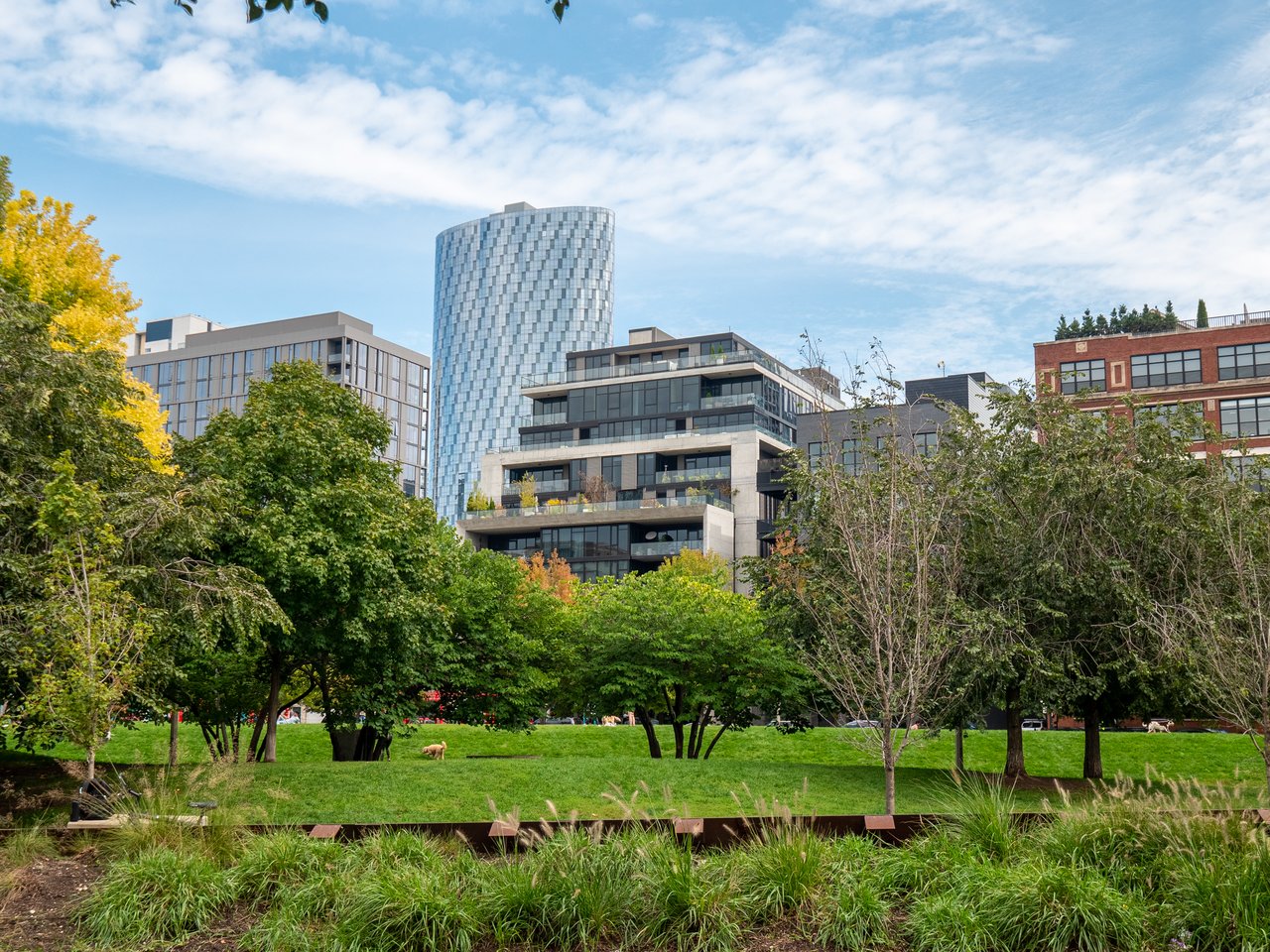
New-construction high-rise condos — full-amenity buildings with doormen, gyms, pools, and roof decks. Best for buyers who value services and lock-and-leave living.
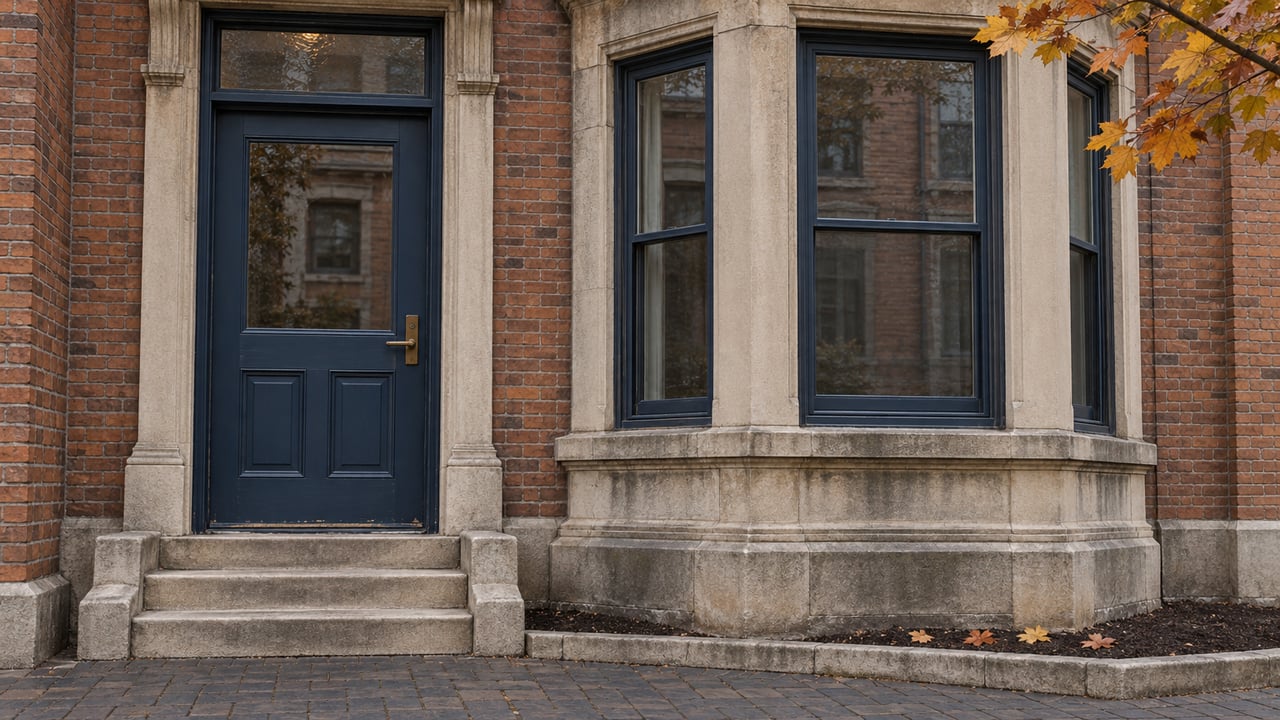
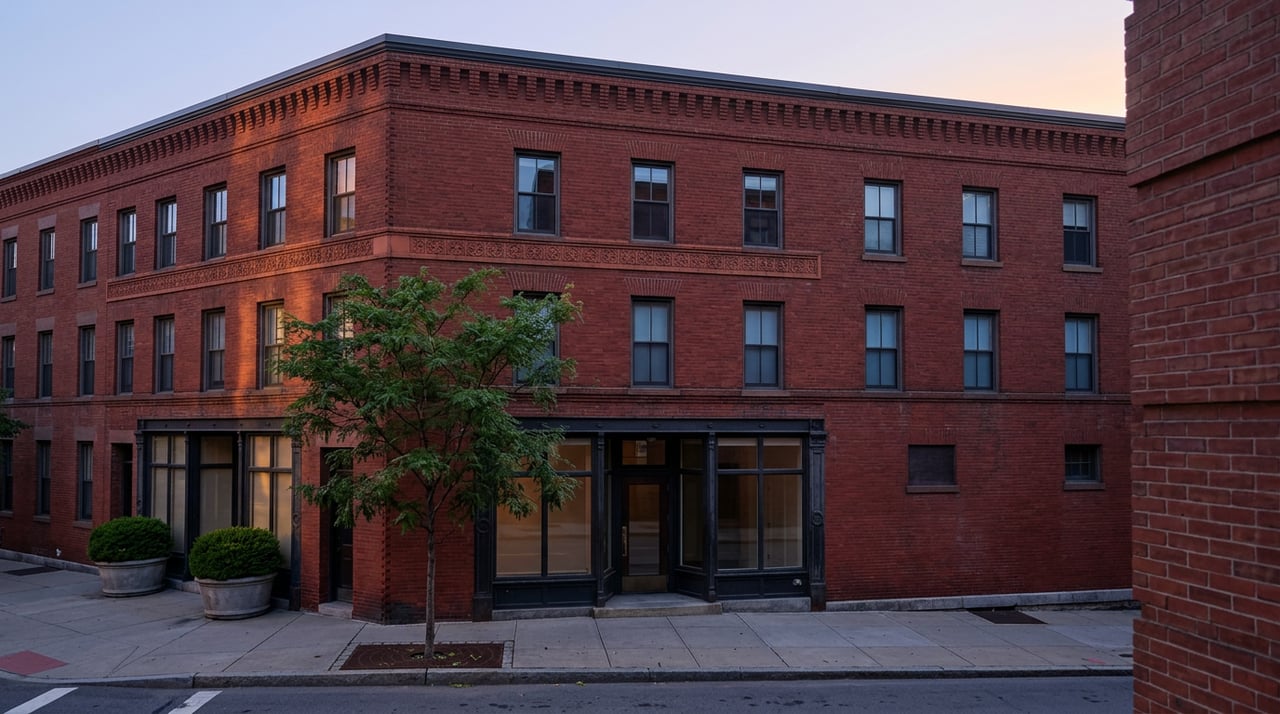
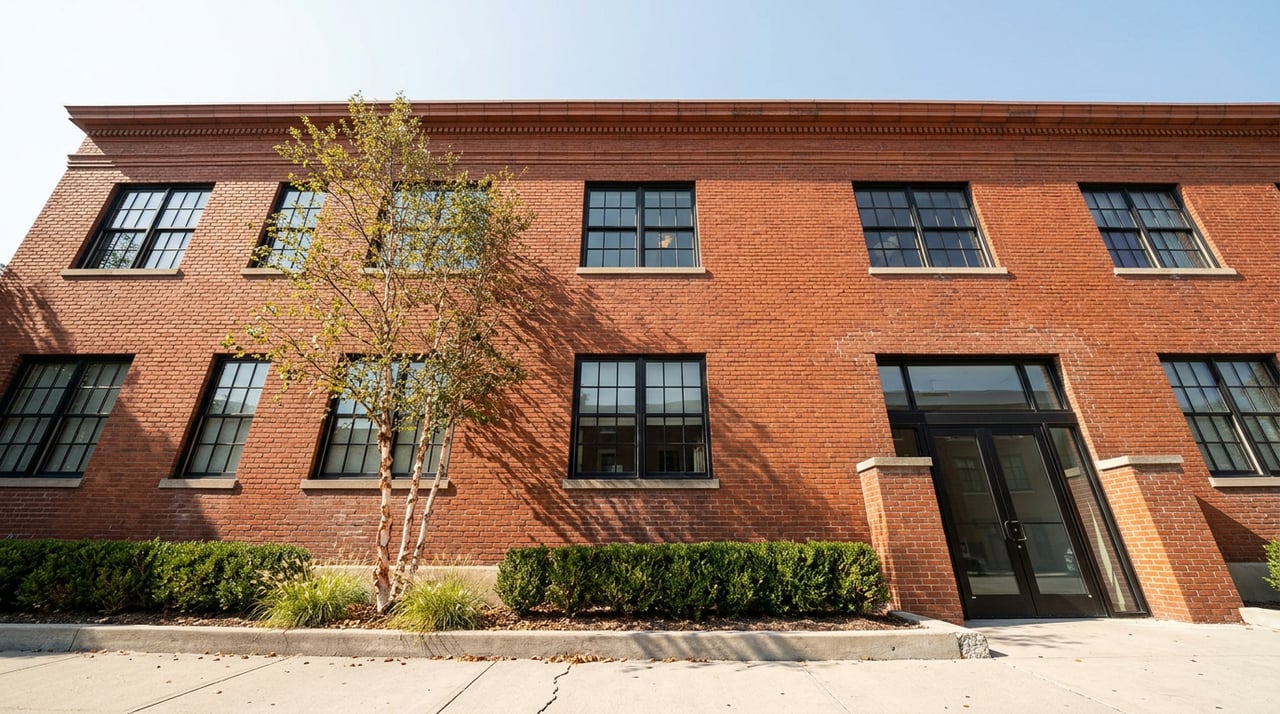
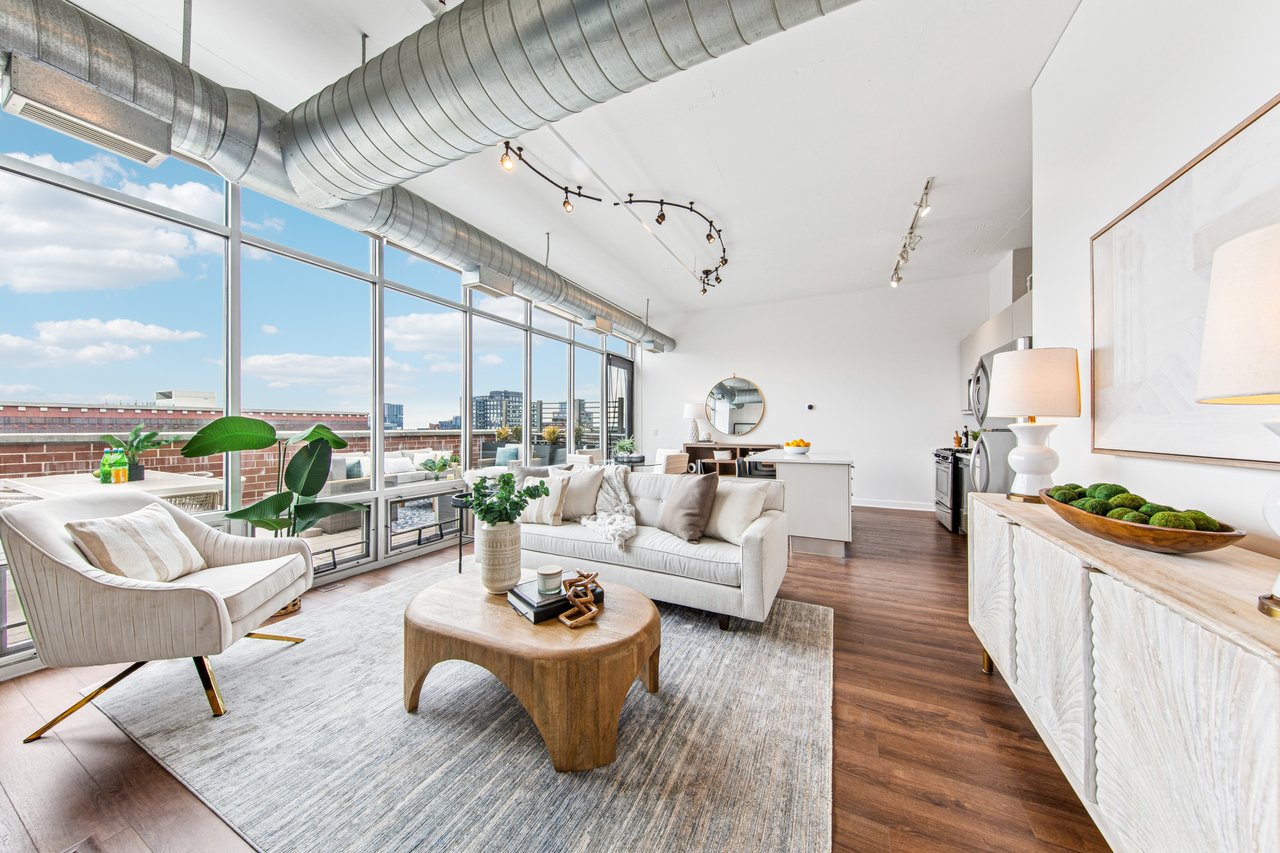
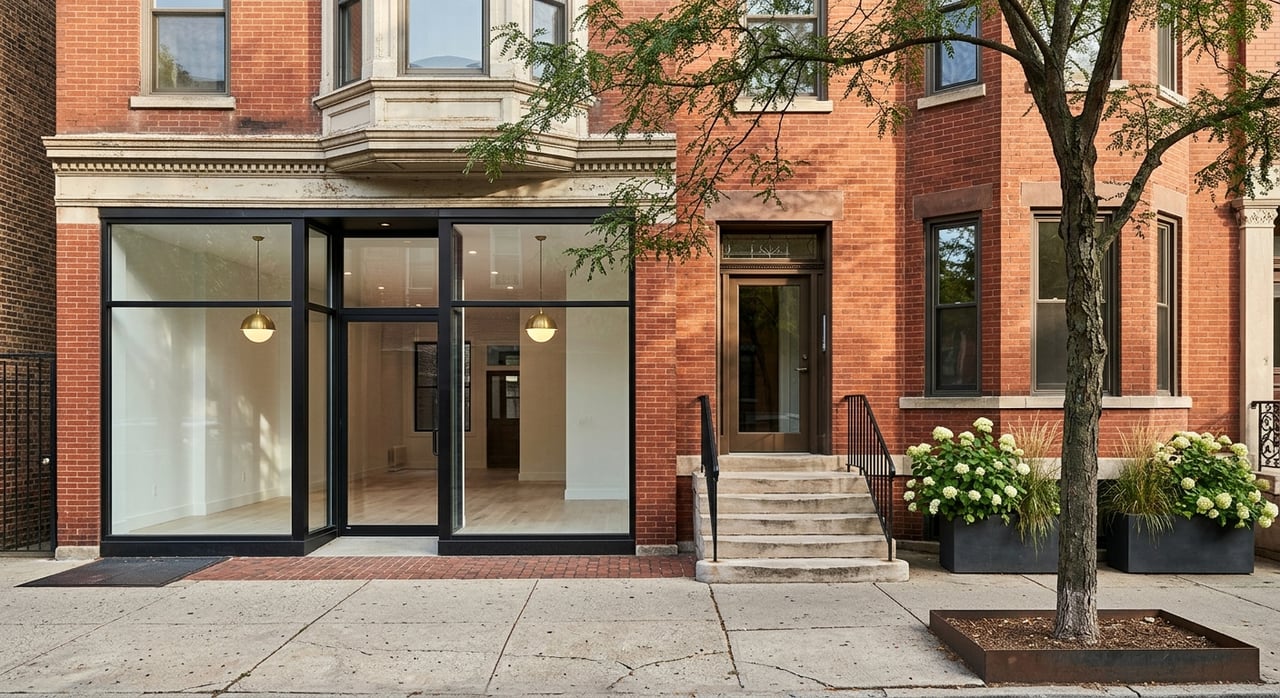
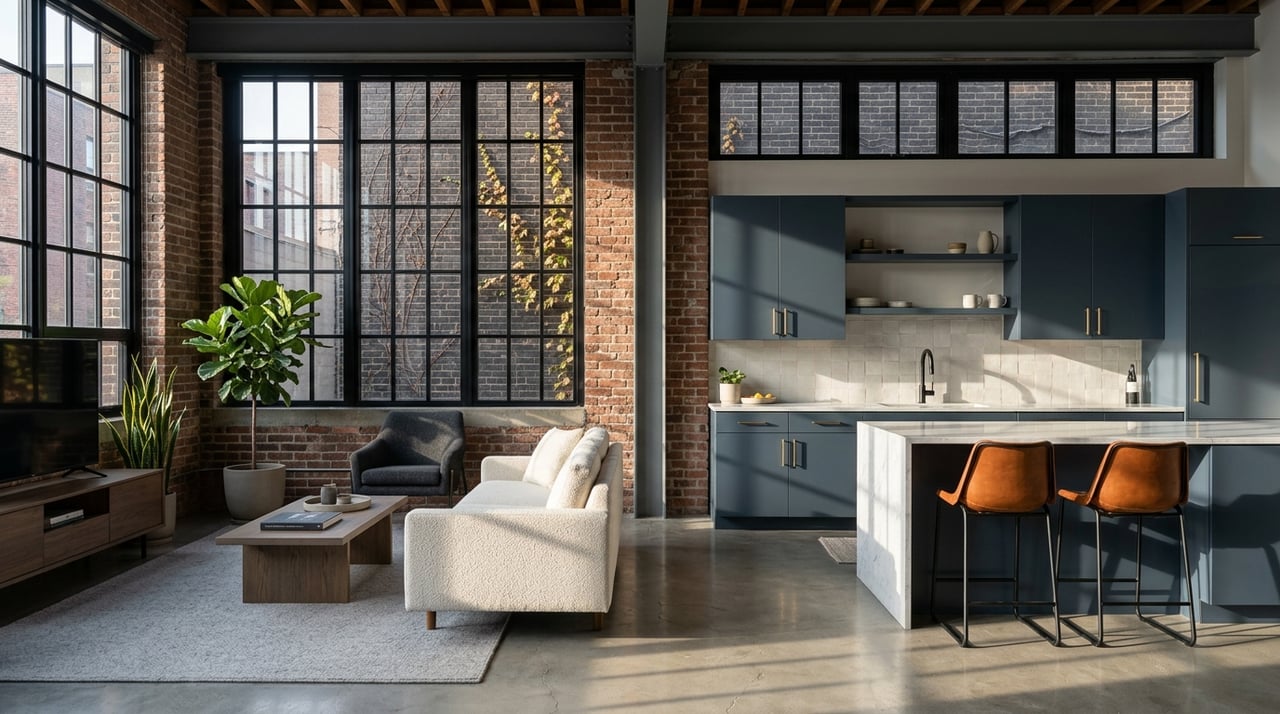
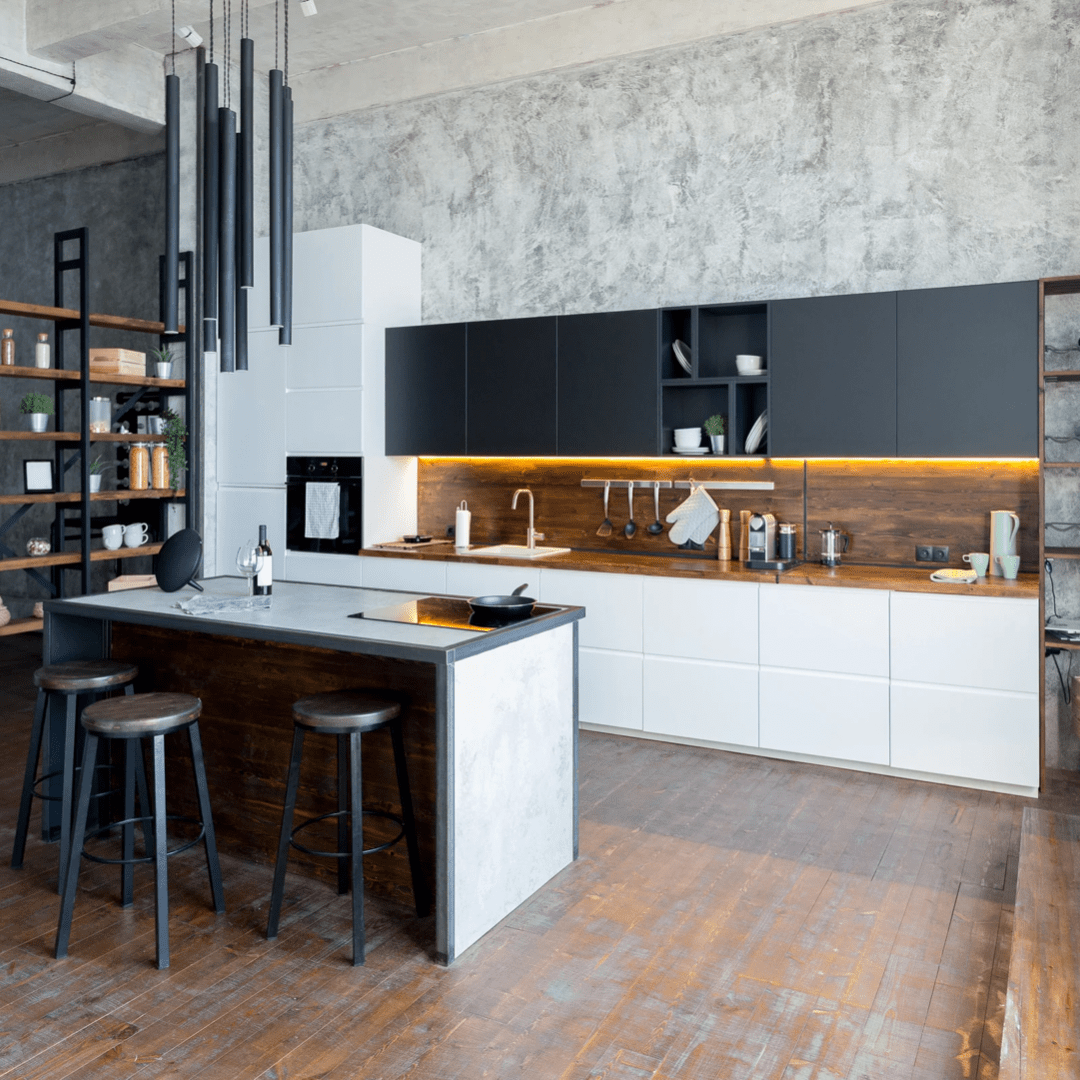
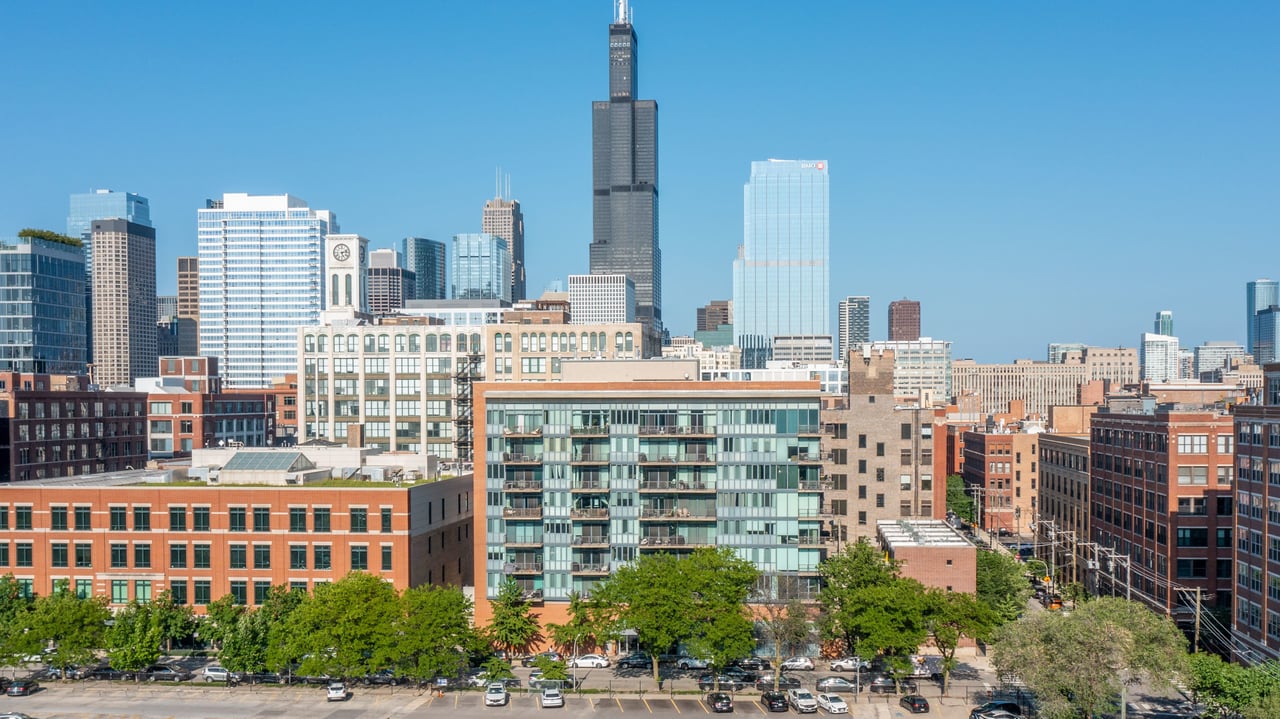
Timber lofts — converted warehouses with exposed brick, original beams, and big factory windows. Character-rich and quieter on resale supply, but expect older mechanicals and HOAs that vary widely.
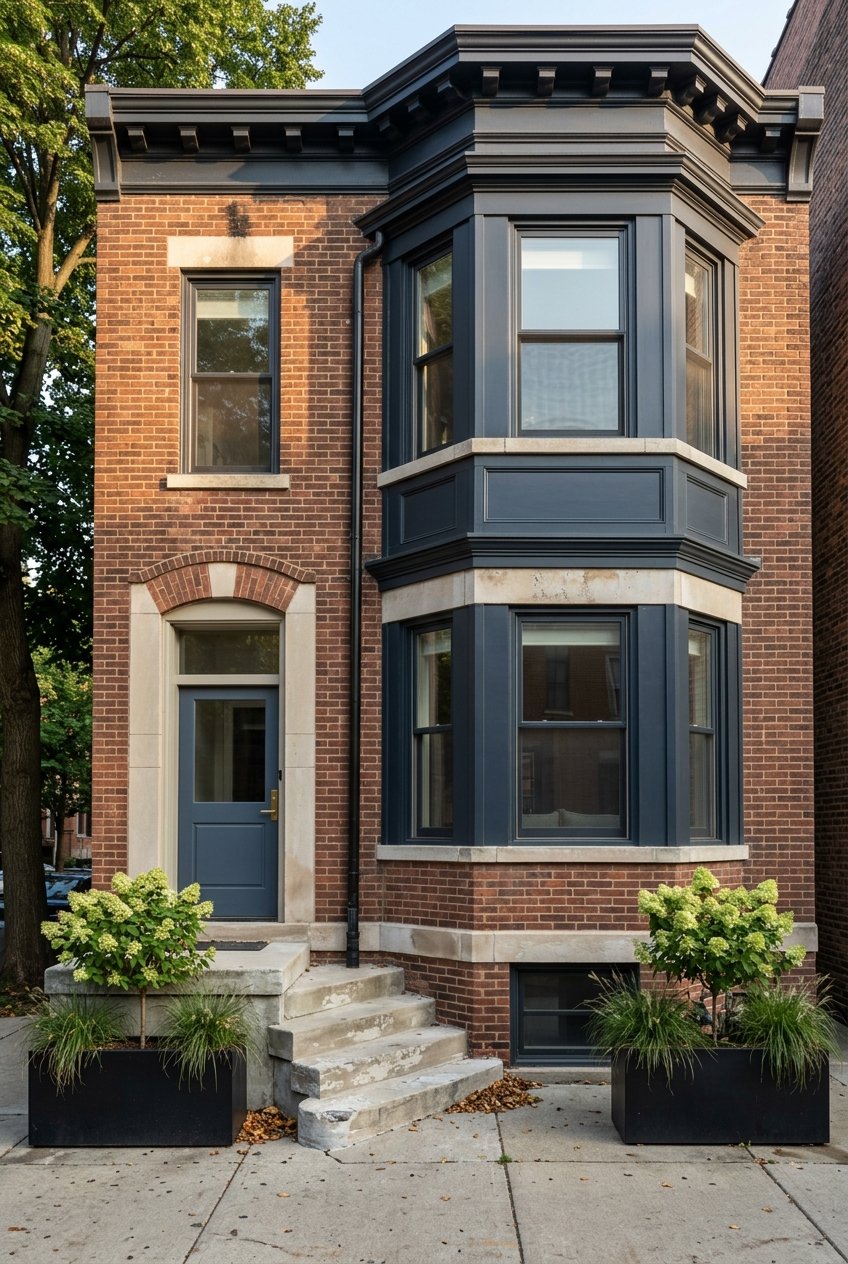
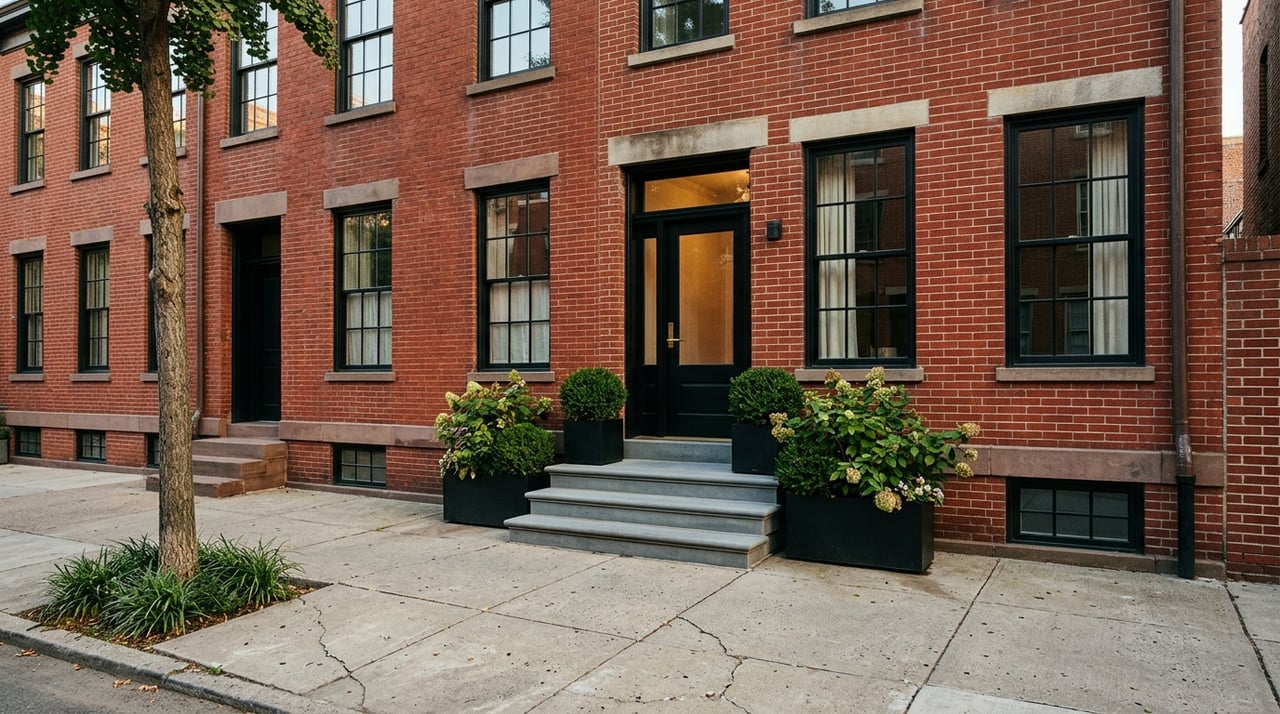
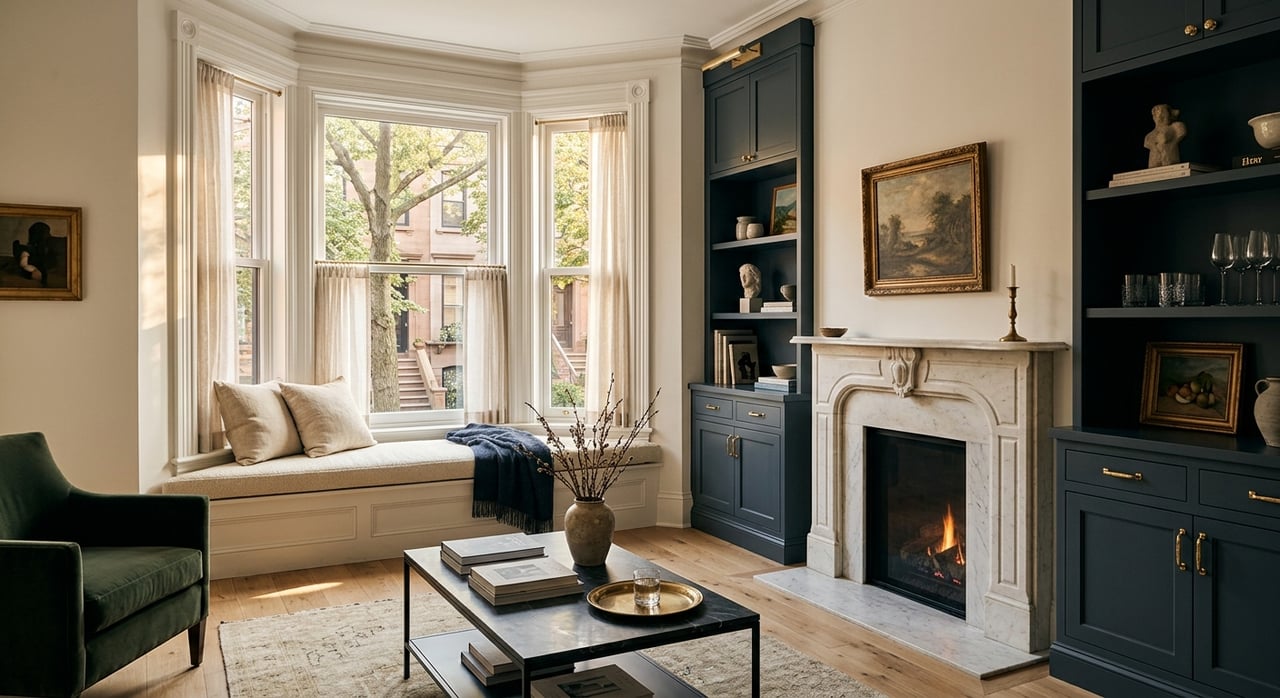
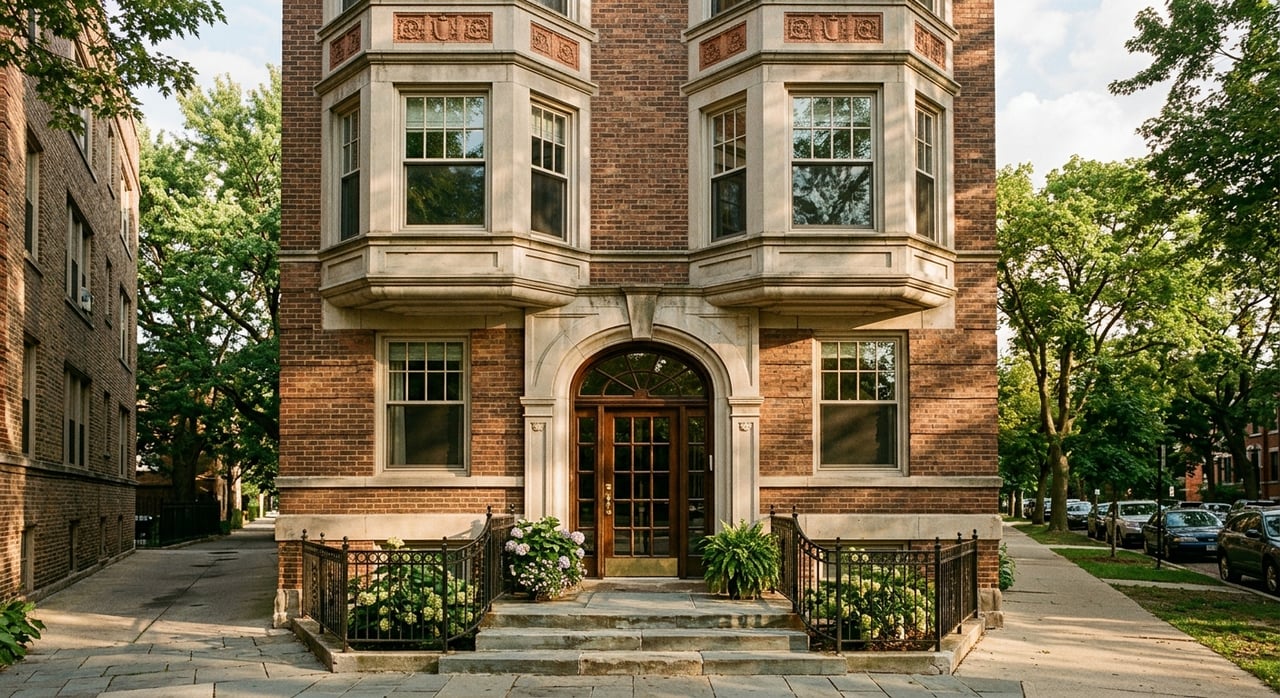
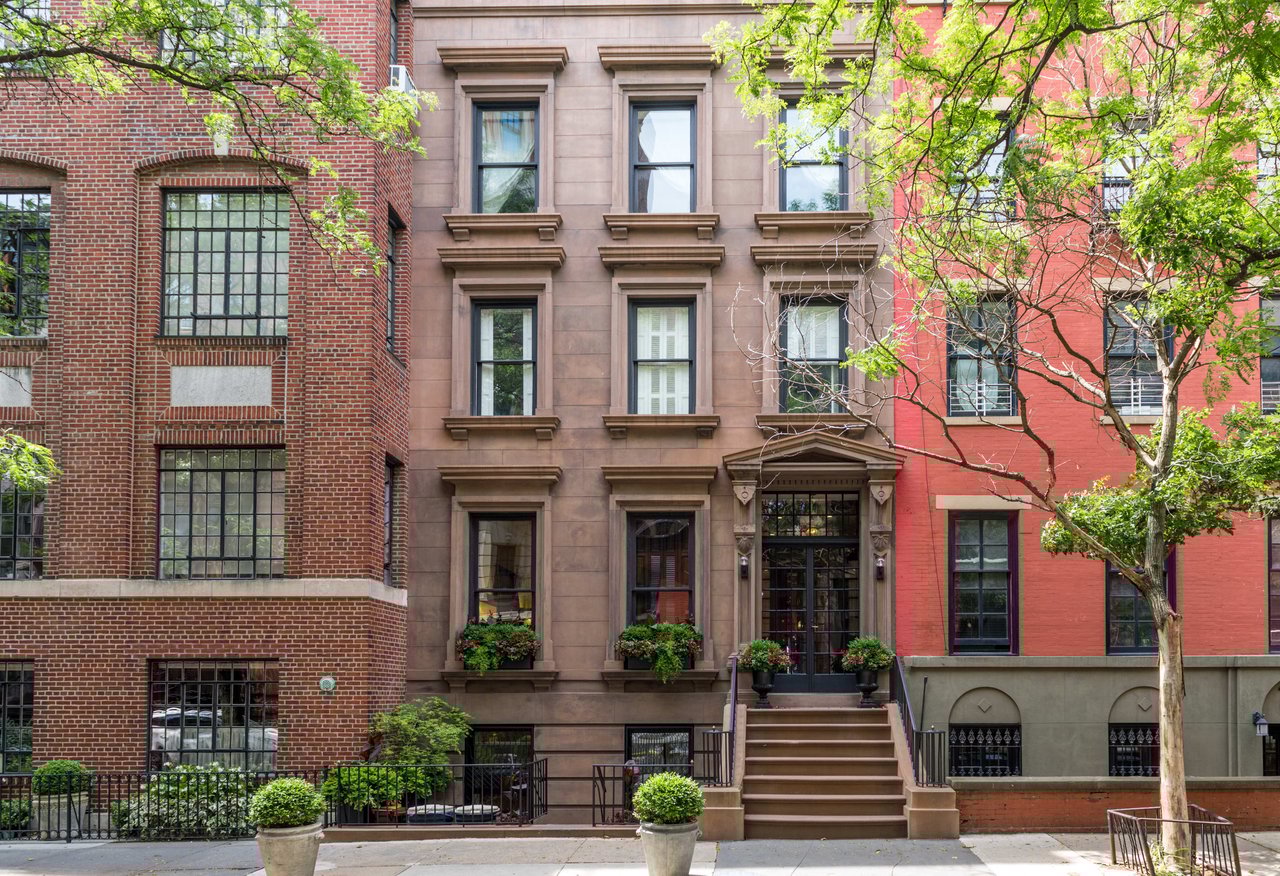
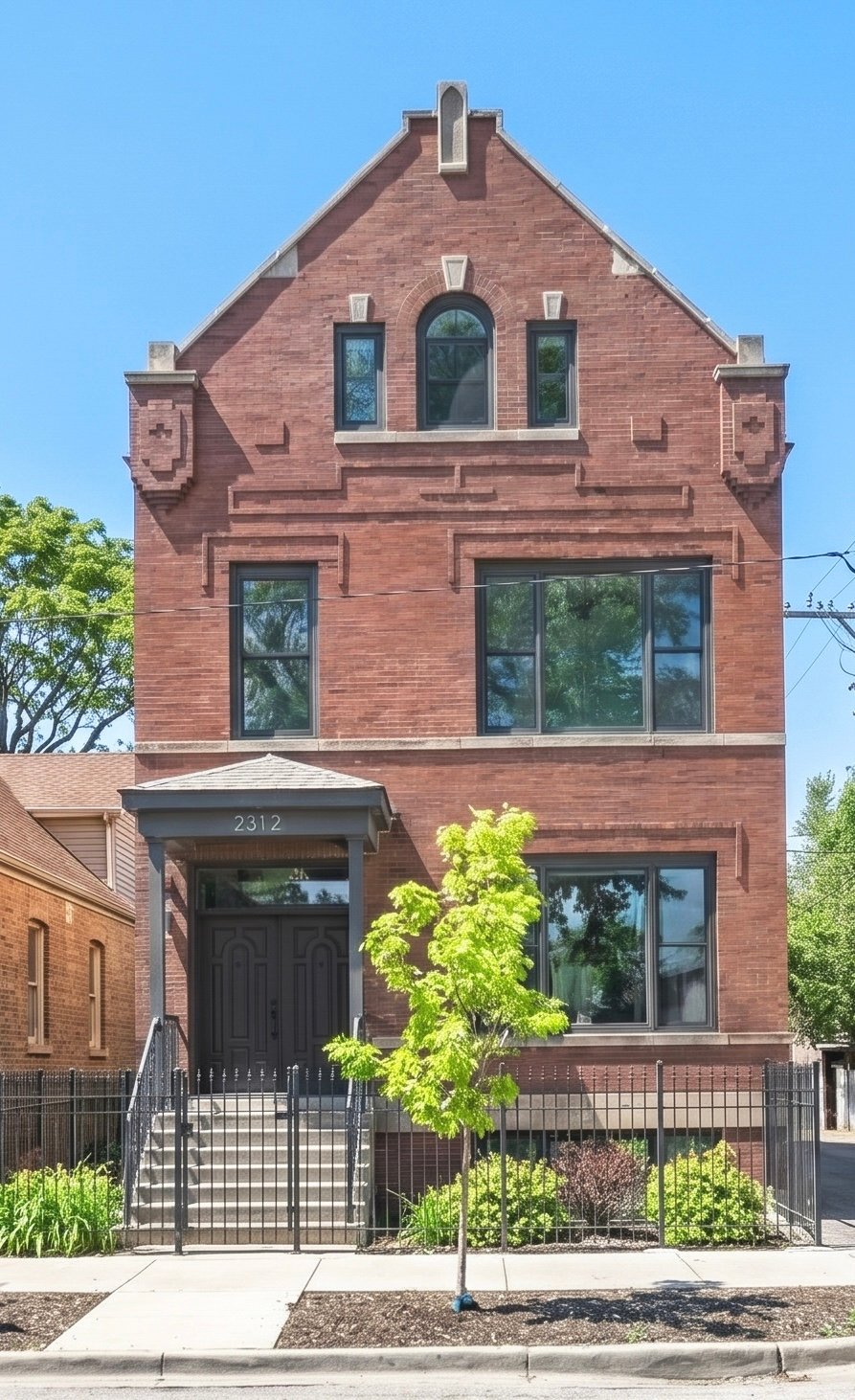
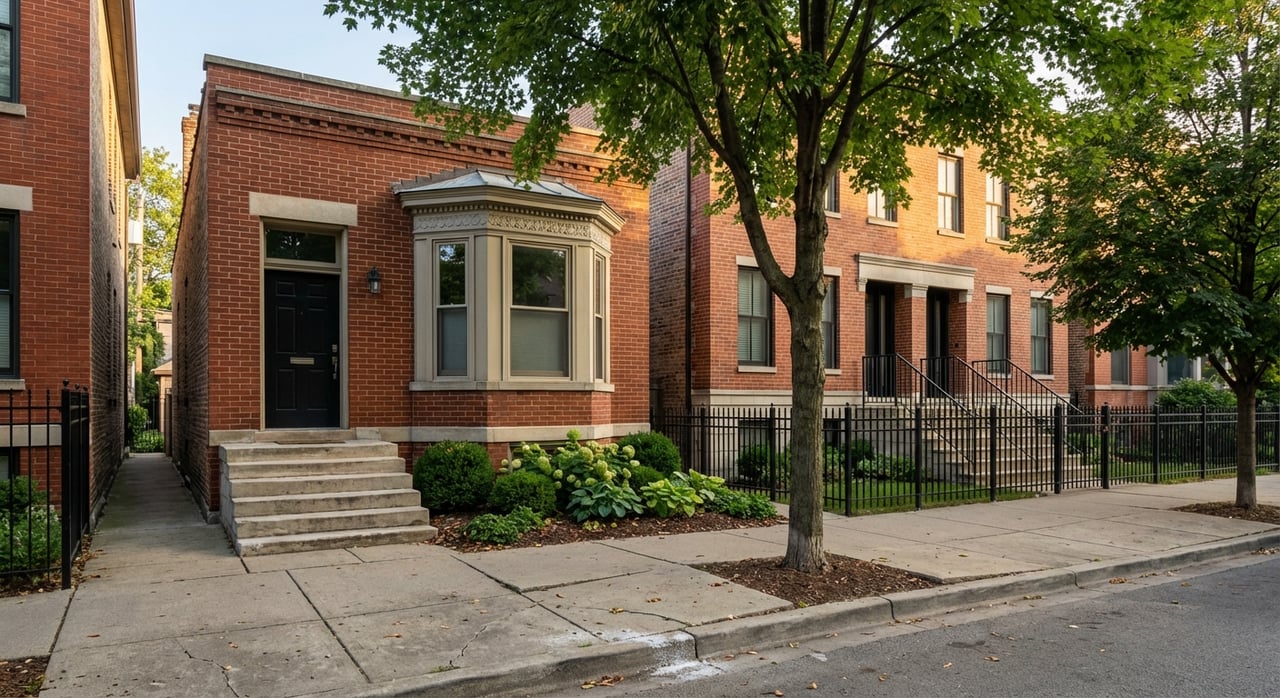
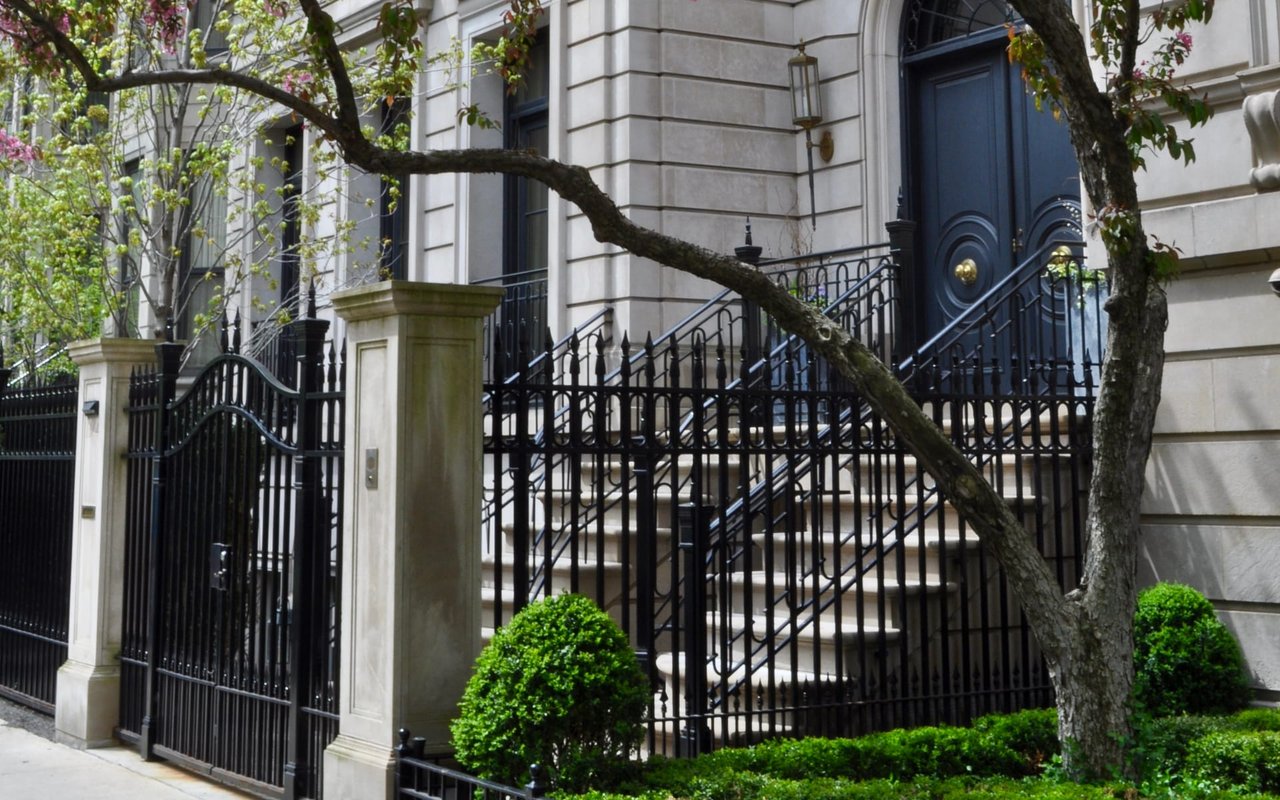
Single-family homes and townhomes — concentrated south of Madison and on quieter side streets. Ideal for families who want a yard or rooftop terrace and are willing to pay a premium.
Schools and Family Life
Skinner West Elementary, on the southern edge of the neighborhood, is one of the highest-rated CPS options on the Near West Side and draws families specifically for its attendance boundary. Skinner North, a Chicago Public Schools classical school, also draws West Loop families through testing-based admission. Private options like Frances Xavier Warde and the British International School of Chicago are within a short drive.
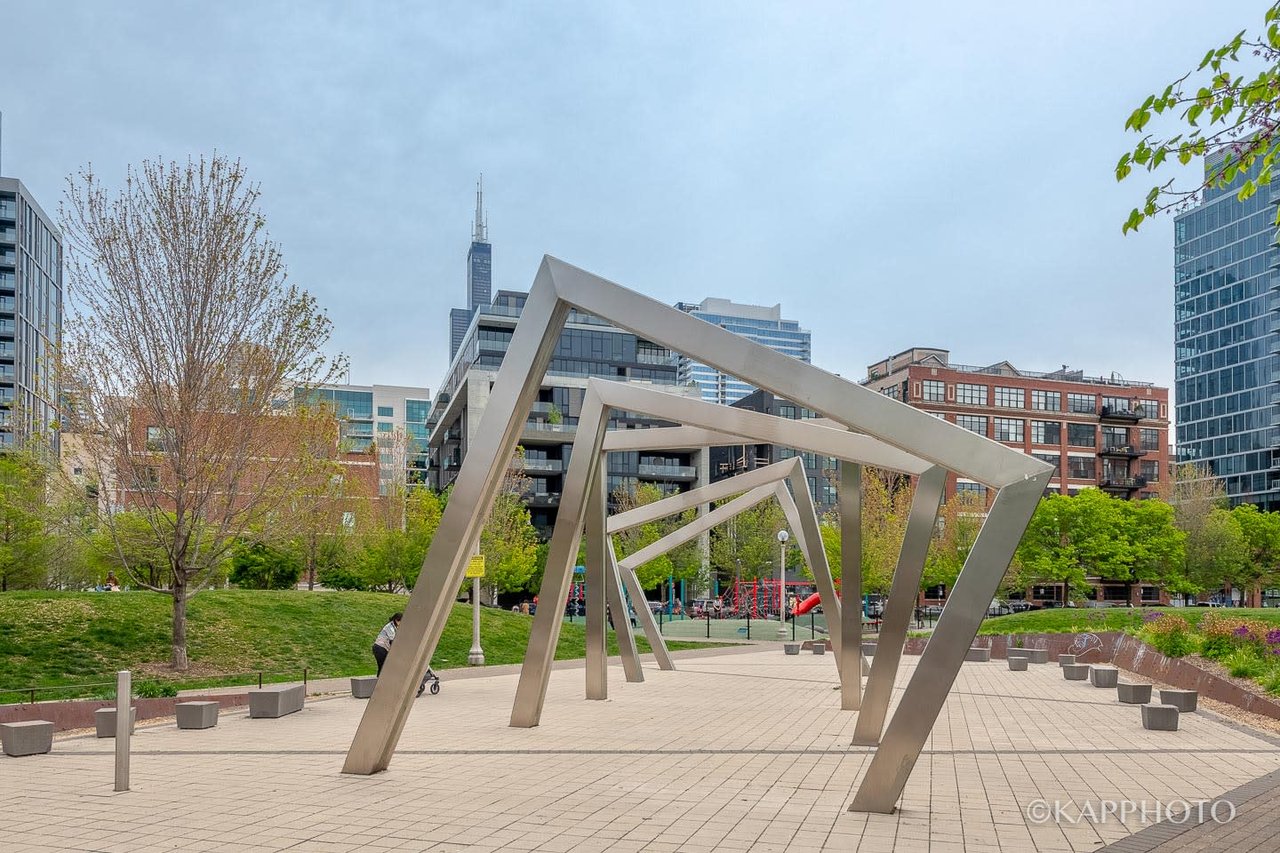
Mary Bartelme Park has become the unofficial backyard for West Loop kids — its playground, splash pad, and community events are a major draw on weekends. The neighborhood is more family-friendly than its dining-scene reputation suggests.
Getting Around: Transit, Walkability, and Parking
The West Loop is one of the most walkable neighborhoods in Chicago. Most residents put grocery, gym, dining, and coffee within a 10-minute walk. CTA access is excellent: the Green and Pink Lines run along Lake Street, the Blue Line is a short walk on Halsted, and Ogilvie and Union Stations are a five-minute walk for Metra commuters.
Parking, however, is the trade-off. Street parking is permit-only and competitive. If you drive often, prioritize buildings with deeded parking — and budget separately for it. Deeded spots typically add $30,000 to $60,000 to a purchase price.
The Best Blocks (and What Each One Feels Like)
Fulton Market north of Lake — energetic, restaurant-dense, newer construction. Best for buyers who want to be in the middle of everything.
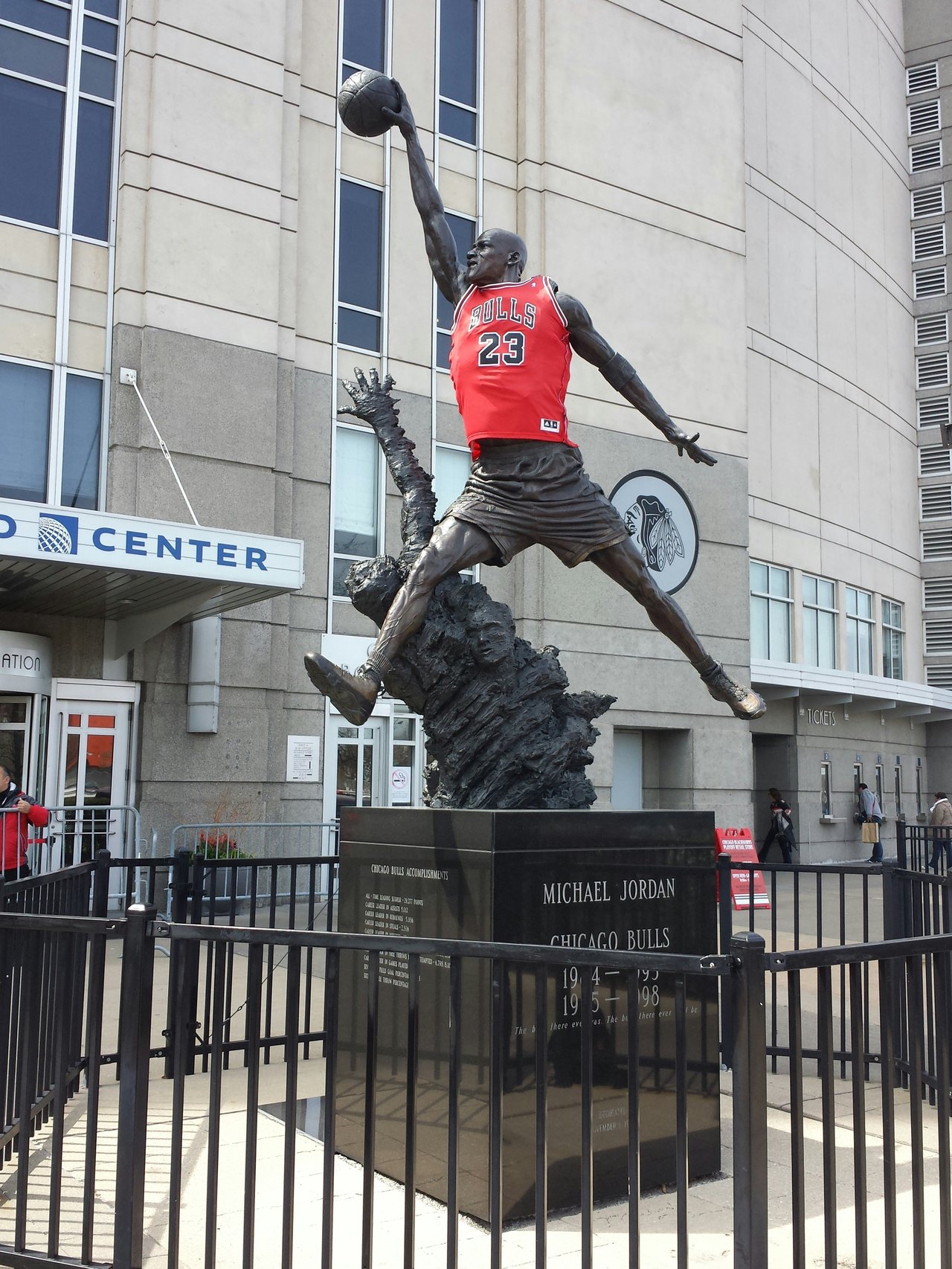
Madison Street corridor — central, walkable to United Center events, and a mix of older lofts and newer mid-rises.
South of Madison toward Adams — quieter blocks, more single-family homes and townhomes, and the closest you'll feel to a residential pocket.
Frequently Asked Questions About Buying in the West Loop
Is the West Loop a good neighborhood for first-time buyers?
Yes — the West Loop is one of the strongest first-time buyer neighborhoods in Chicago. You'll find a deep selection of one and two-bedroom condos, walkable access to jobs and dining, and historically strong resale values. The keys are setting a realistic price ceiling that includes assessments and parking, and acting quickly on well-priced units.
How much does it cost to buy a home in the West Loop?
In 2026, expect entry-level one-bedrooms in the upper $300s to mid $400s, two-bedrooms between roughly $650,000 and $1 million, and luxury or single-family homes from $1.5 million up. Monthly assessments in full-amenity buildings typically run $500 to $1,200, depending on size and amenities.
Is the West Loop family-friendly?
Increasingly, yes. Skinner West's attendance boundary, Mary Bartelme Park, the Mariano's grocery, and a growing roster of family-focused businesses have made it a viable long-term neighborhood for buyers raising kids — not just a stop on the way to the suburbs.
What's the difference between Fulton Market and the rest of the West Loop?
Fulton Market is the northern, more commercial slice — denser with offices, hotels, and high-energy restaurants. The rest of the West Loop, especially south of Madison, feels more residential, with quieter streets and a higher share of townhomes and single-family homes.
Should I buy a loft or a new-construction condo?
It depends on how you weigh character versus convenience. Lofts offer architectural detail and often more square footage per dollar, but mechanicals can be older and HOAs vary. New construction offers predictable systems, full amenities, and easier resale to the largest buyer pool. I usually recommend touring both before deciding.
Thinking About Buying? Let's Talk.
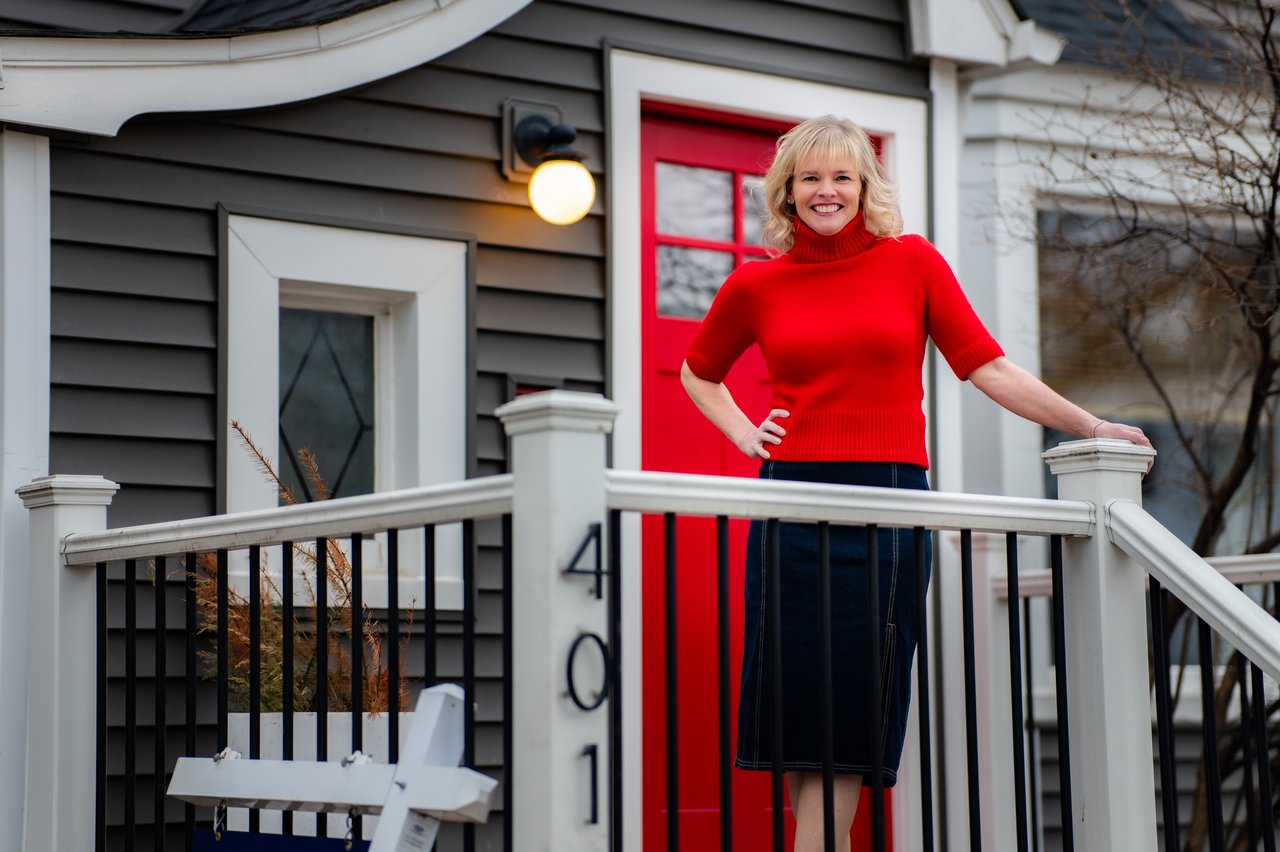
Buying a home is one of the most personal decisions you'll ever make, and the right broker should make the process feel clear, calm, and informed. As a second-generation Chicago broker with Jameson Sotheby's International Realty, I help buyers navigate every step — from your first showing to closing day — with the kind of attention to detail that comes from a family rooted in real estate for more than 40 years.
Stephanie Turner | Global Real Estate Advisor, Jameson Sotheby's International Realty
Phone: (312) 523-3131 Email: [email protected] Web: stephanieturnerchicago.com
425 W. North Avenue, Chicago, IL