Wondering whether a South Loop townhome or condo is the better fit for your next move? It is a smart question, especially in a neighborhood where your options can look very different from one block to the next. If you want to balance budget, space, privacy, and monthly costs with confidence, this guide will help you compare the tradeoffs and narrow in on the right choice for your lifestyle. Let’s dive in.
South Loop housing choices
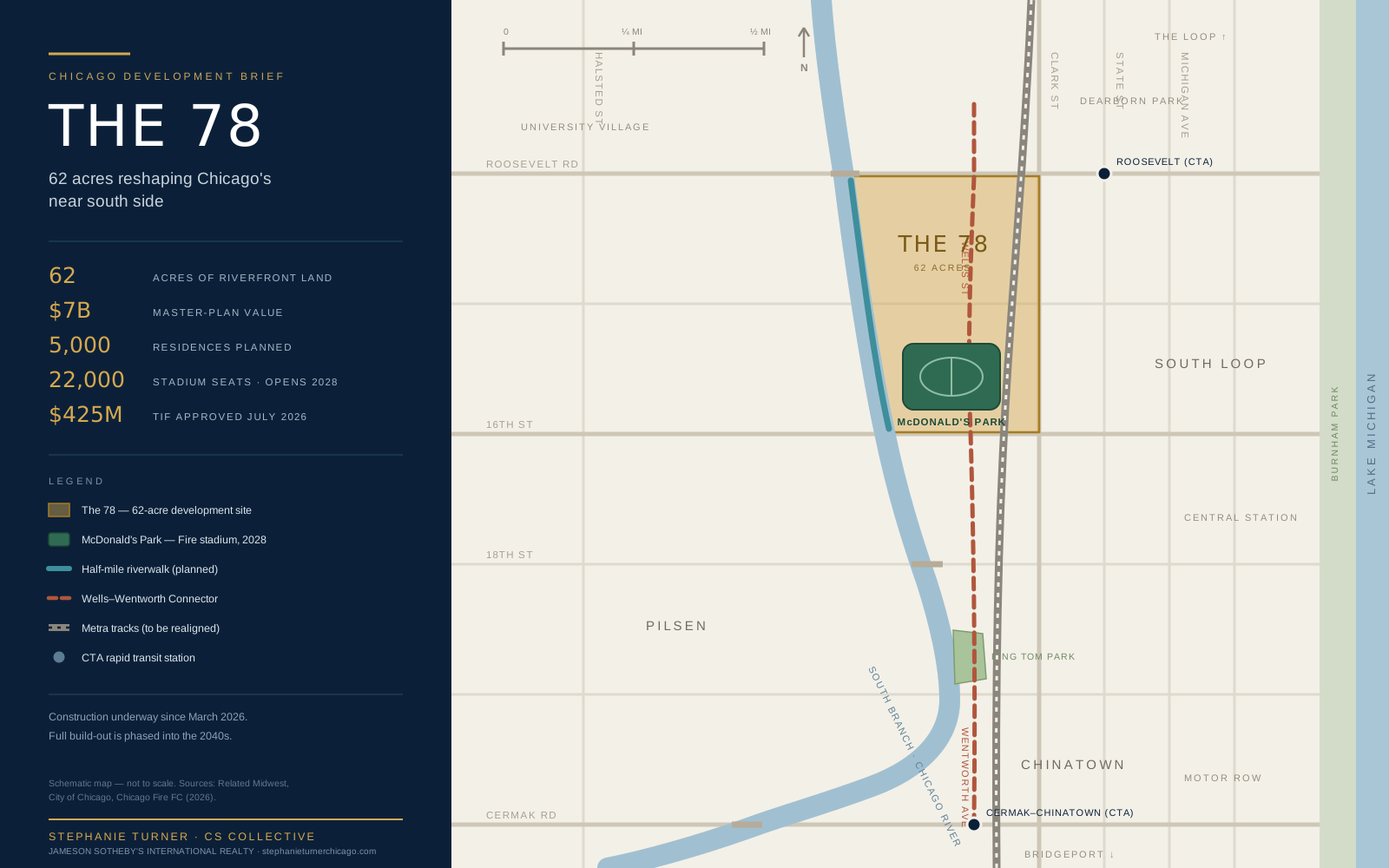
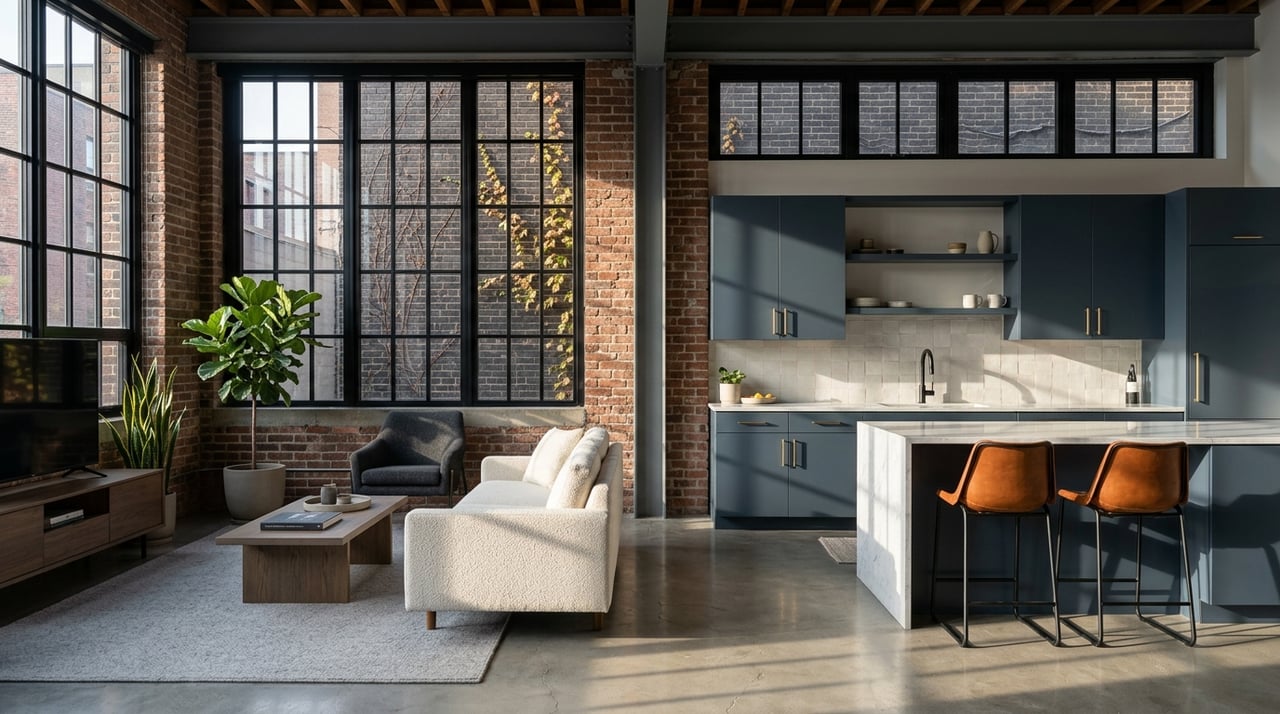
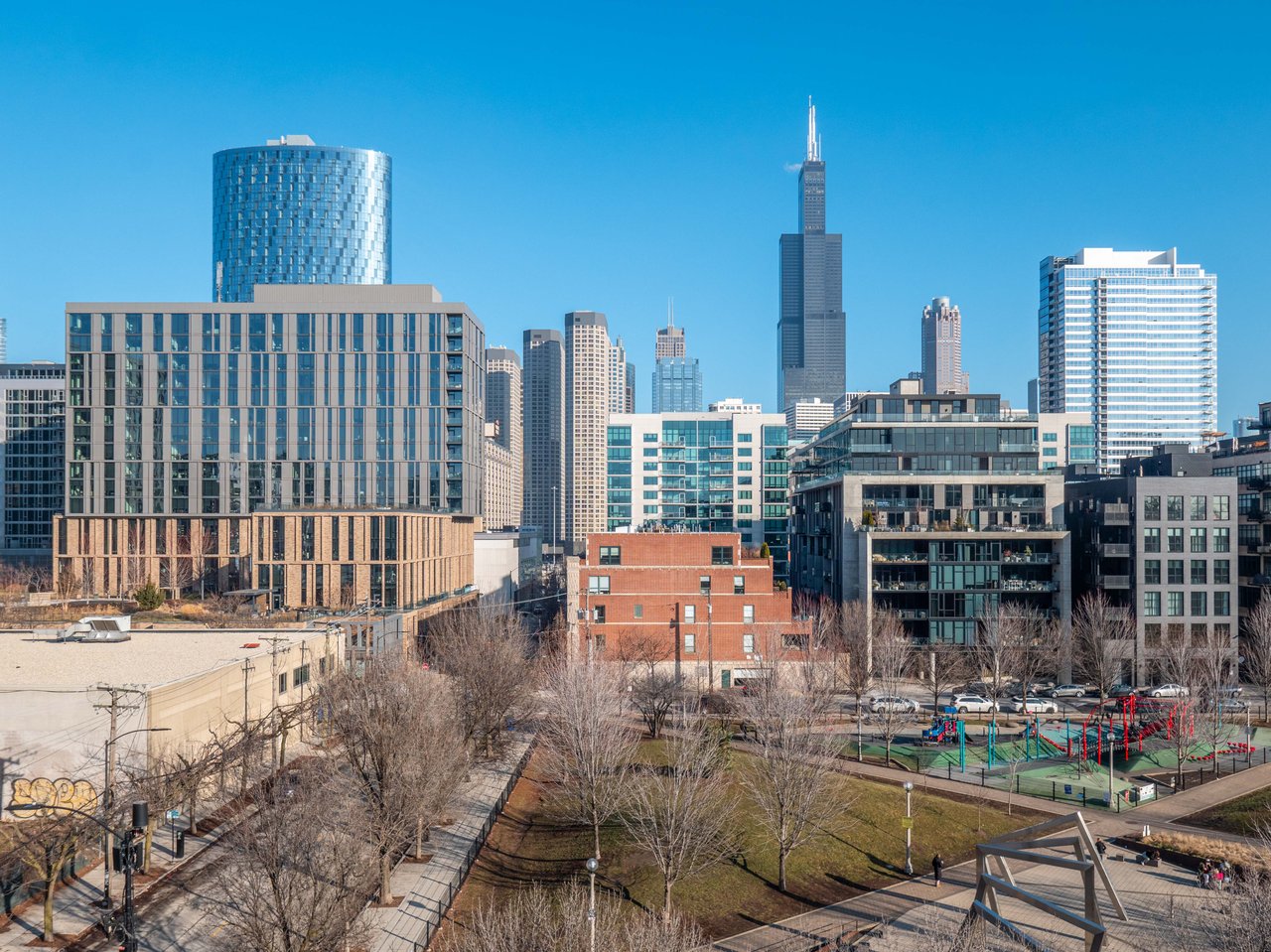
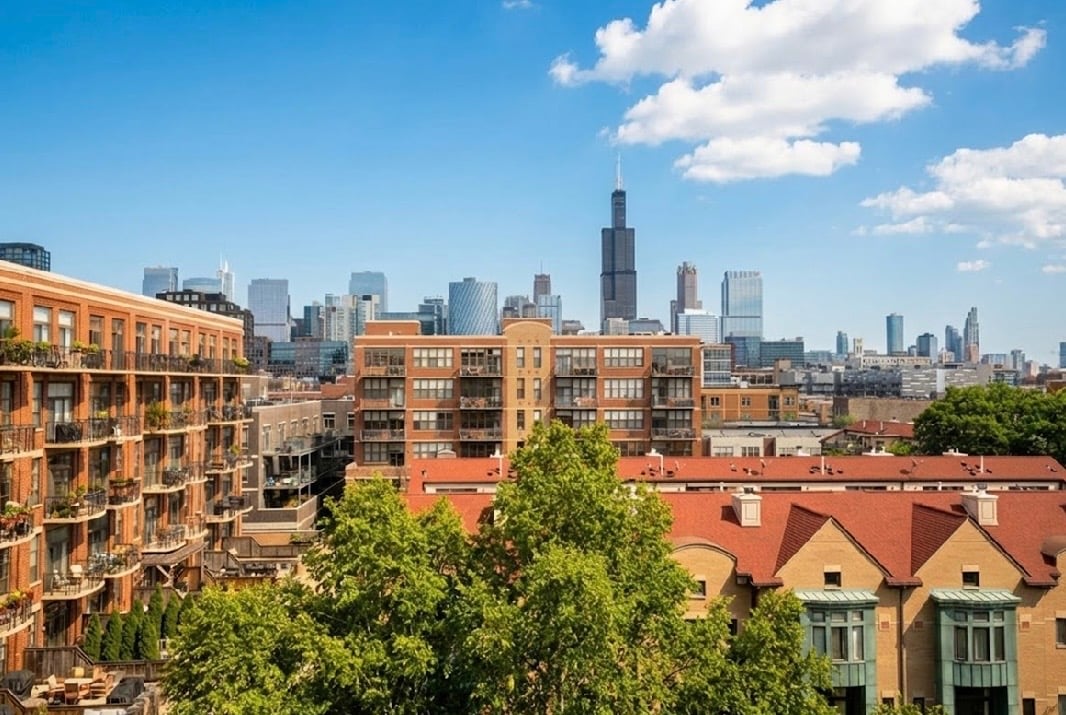
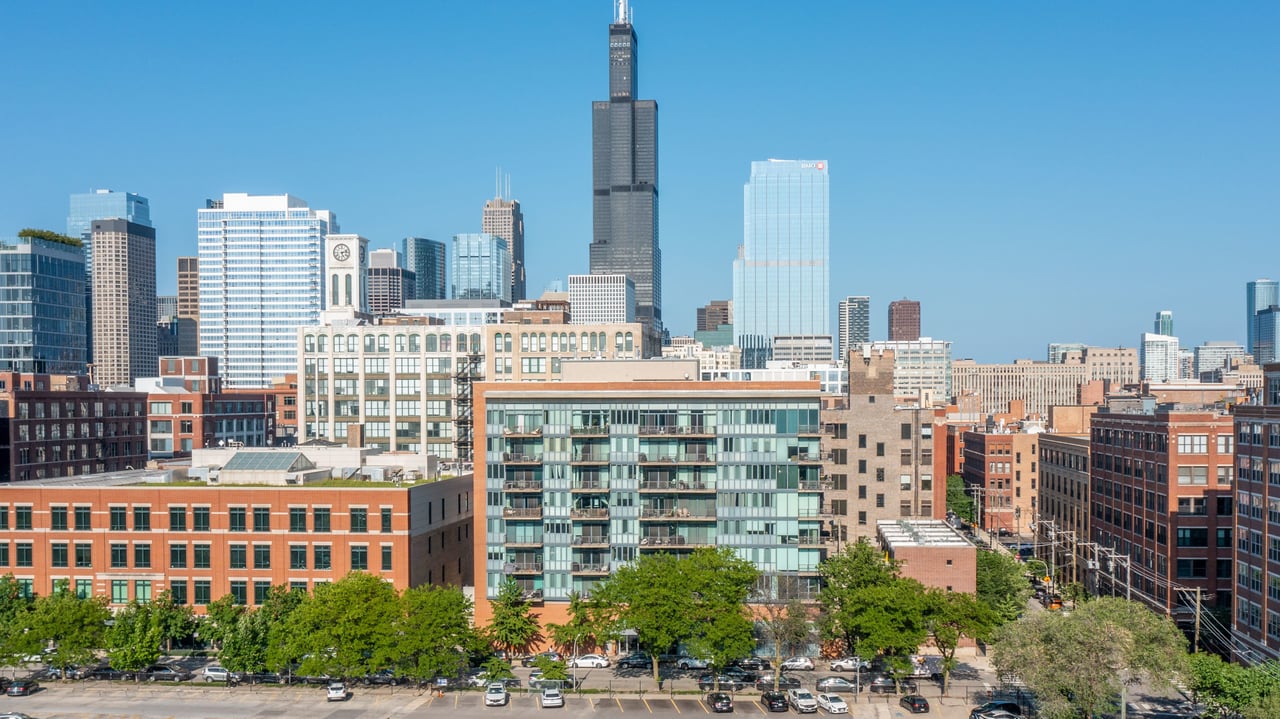
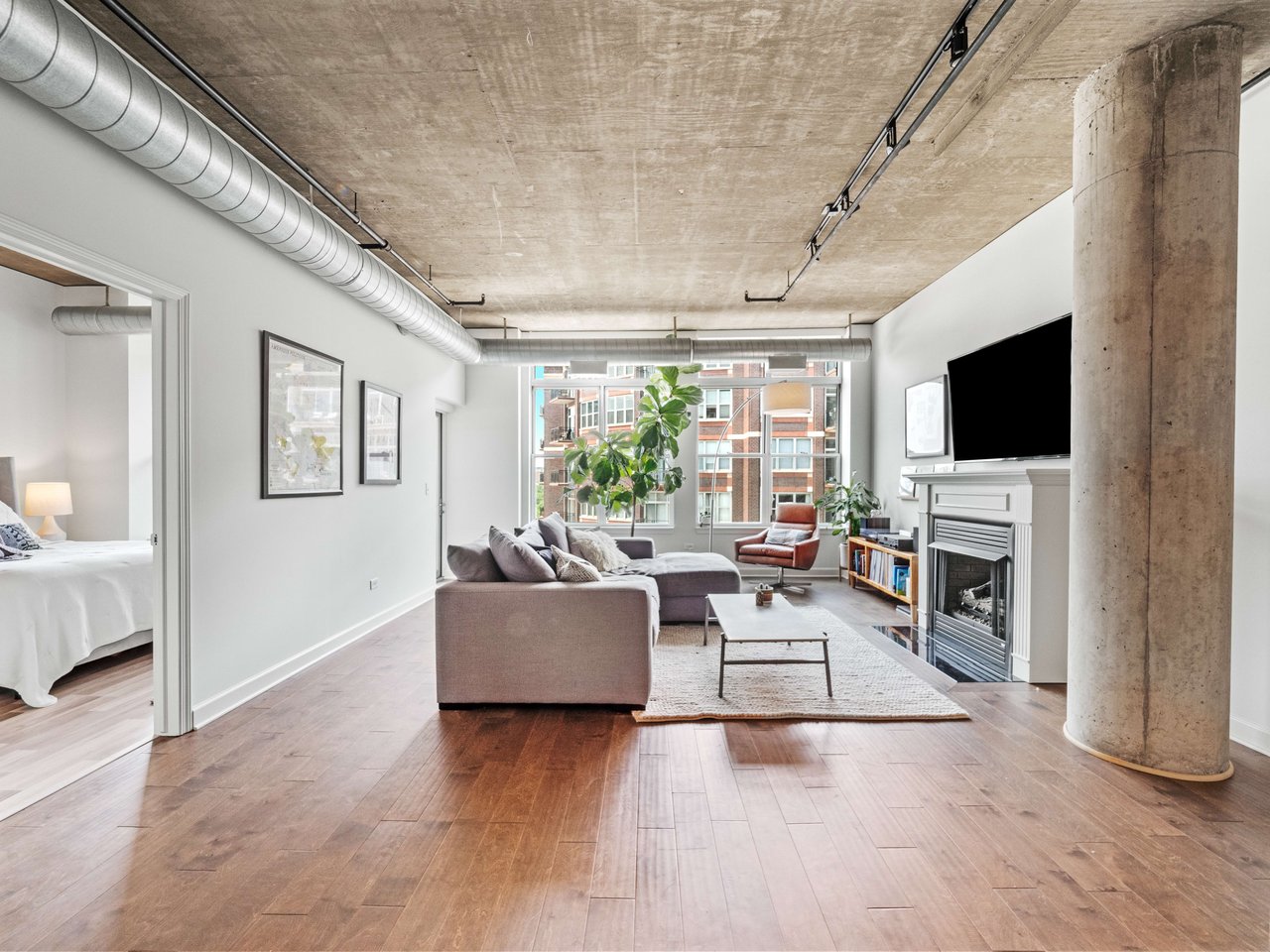
South Loop offers a wide mix of housing, from full-amenity high-rise condos to loft conversions and multi-level townhomes. Neighborhood guides consistently connect the area to Grant Park, Museum Campus, the Lakefront Trail, Prairie Avenue District, Motor Row, and Printer’s Row, which helps explain why buyers are drawn to so many different property styles here.
That variety also shows up in pricing. Chicago REALTOR® describes South Loop housing as spanning roughly $200,000 to over $1,000,000, which reflects the neighborhood’s broad range of sizes, finishes, and building types. In other words, South Loop can work for very different budgets and living preferences.
Condo vs townhome pricing
Current South Loop search data shows a much larger condo market than townhome market. There are 161 condos for sale at a median listing price of $380,000, compared with just 4 townhouses for sale at a median listing price of $655,000.
The active price ranges also tell a clear story. Condo examples span roughly $199,000 to $1.055 million, while townhome examples range from about $650,000 to $1.499 million. For many buyers, that means condos offer a lower entry point, while townhomes tend to be scarcer and positioned at a higher price tier.
What a condo means in Illinois
In Illinois, a condominium is a legal ownership form, not a building style. That matters because a townhome can actually be legally structured as a condo, even if it feels more like a house.
With a condo, you generally own your individual unit plus a shared interest in the common elements. Monthly assessments help fund those shared areas and services. In a non-condo common-interest community, owners generally own the land and private residence, while fees support shared facilities and community rules.
This is one of the most important details to confirm before you buy. Two homes that look similar from the street can come with very different ownership rights, maintenance responsibilities, and association rules.
How monthly dues work
Monthly dues are part of the decision for both condos and some townhomes, but what they cover can vary a lot. In Illinois condos, boards must budget for common expenses and reserves, and special assessments may be allowed for emergencies or required work.
It is also important to know that owners generally cannot withhold assessments because repairs are delayed. That means the association’s financial health matters not just for your monthly budget, but for your long-term ownership experience too.
Lenders pay attention here as well. Fannie Mae notes that condo lenders may review a community’s physical condition, financial stability, debts, lawsuits, and special assessments, so association strength can affect financing and resale.
Why buyers choose condos
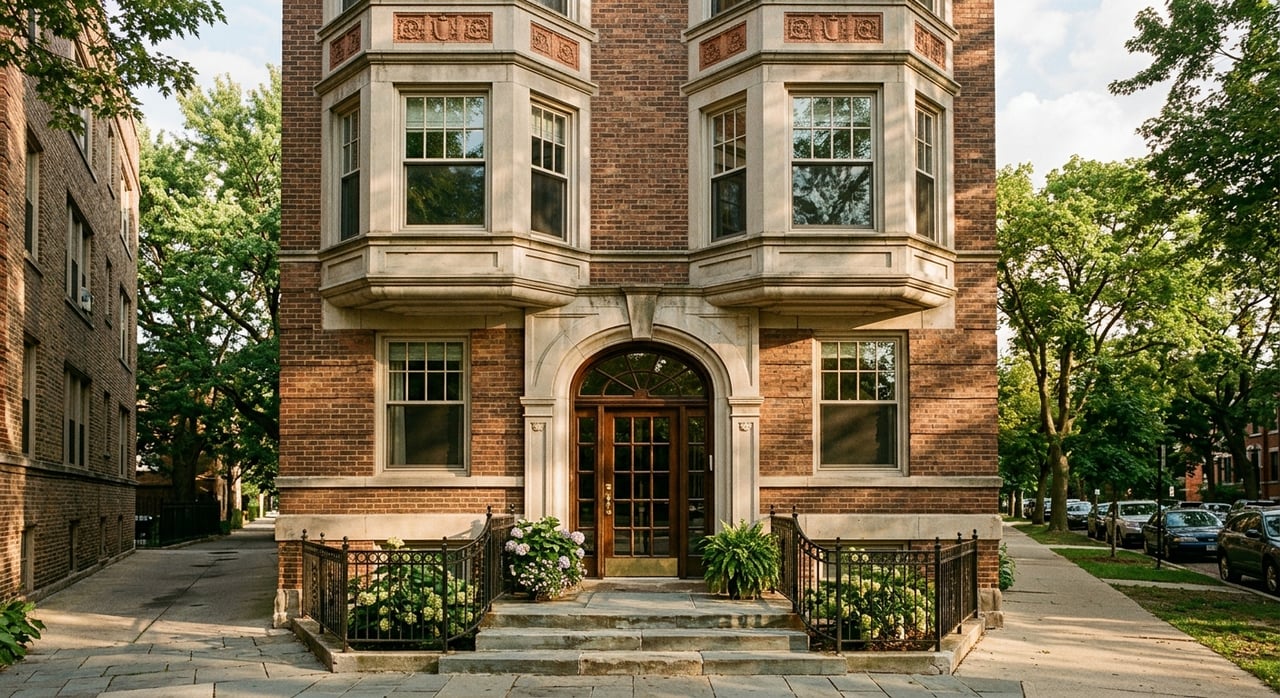
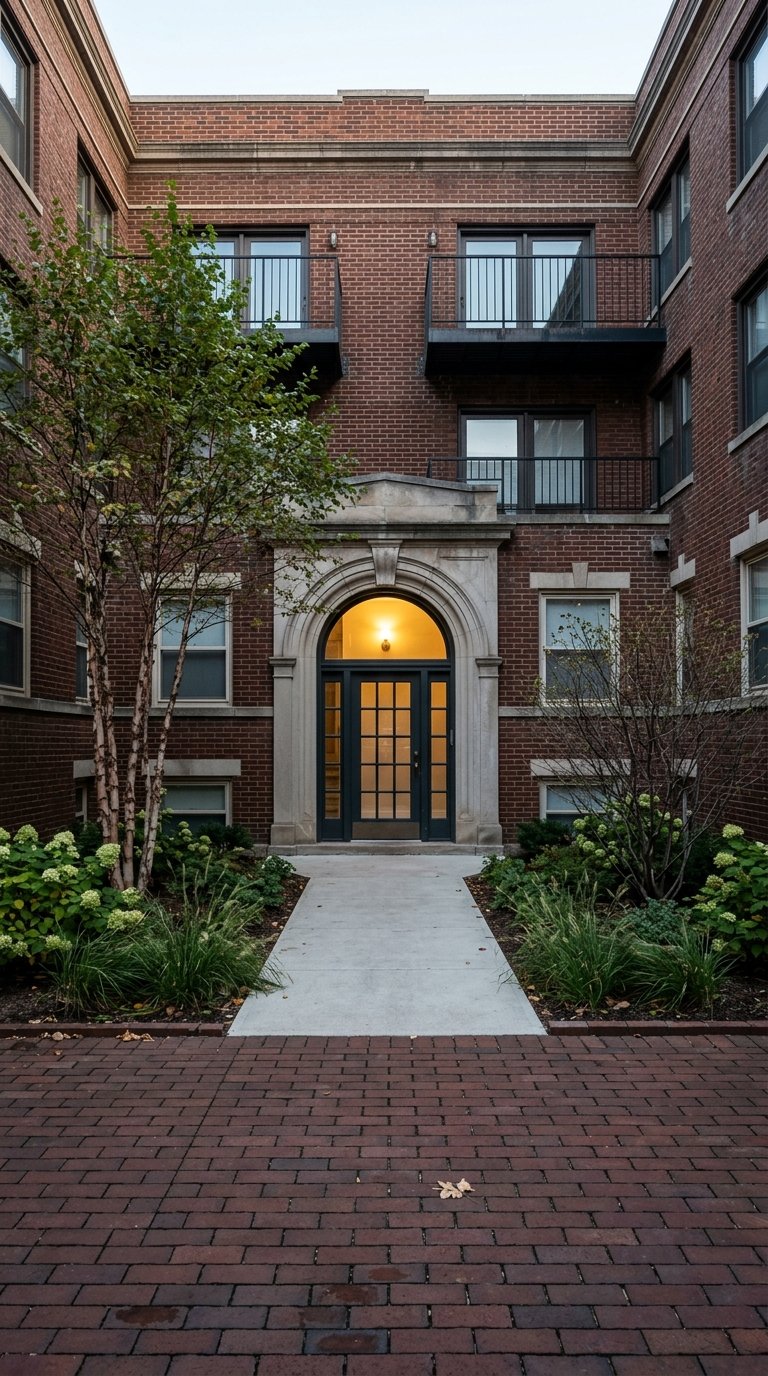
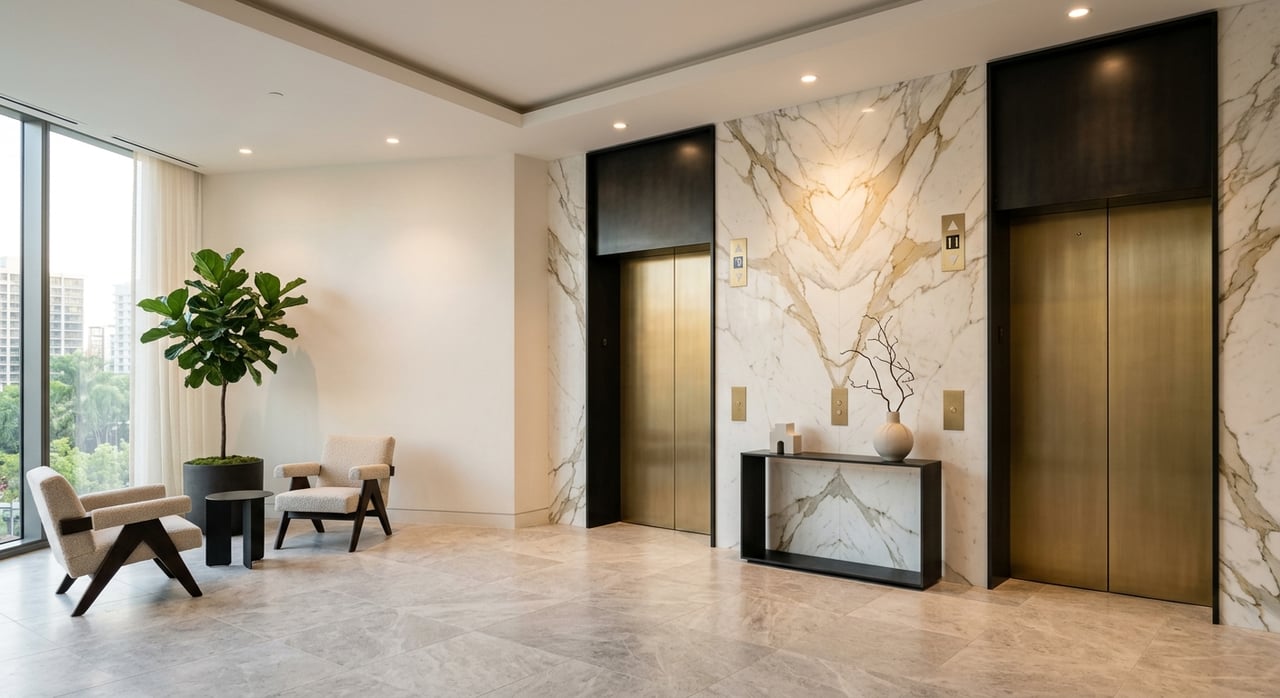
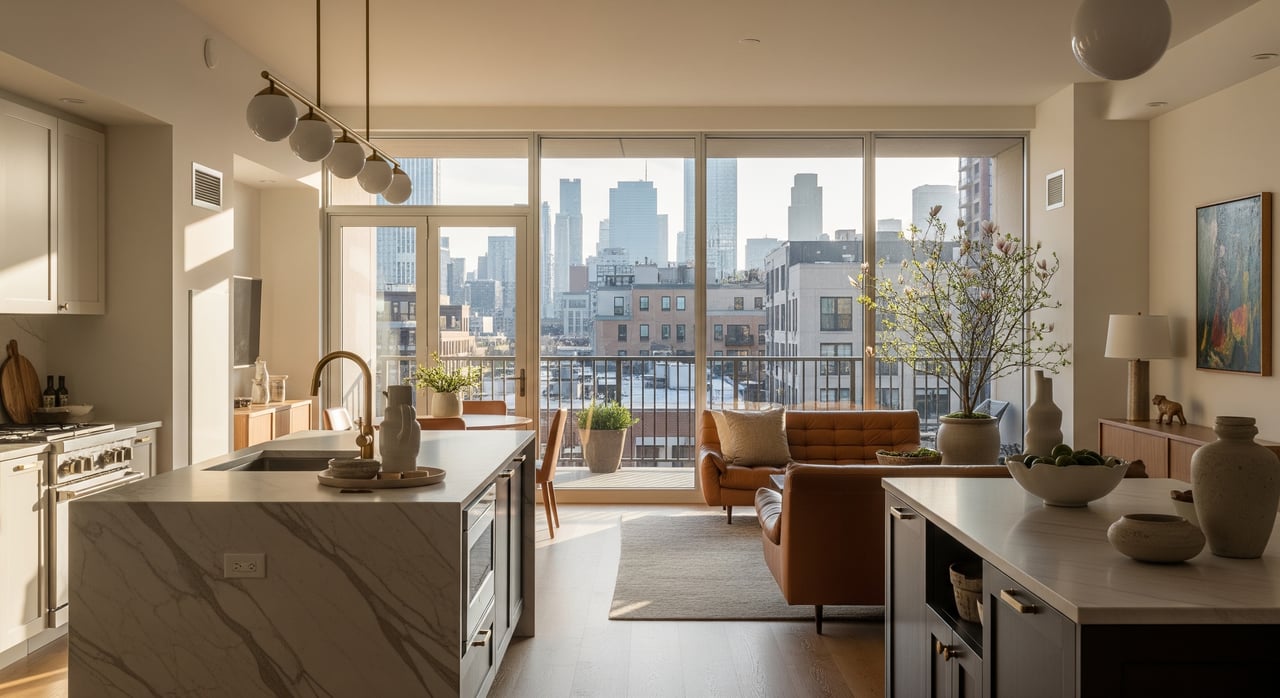
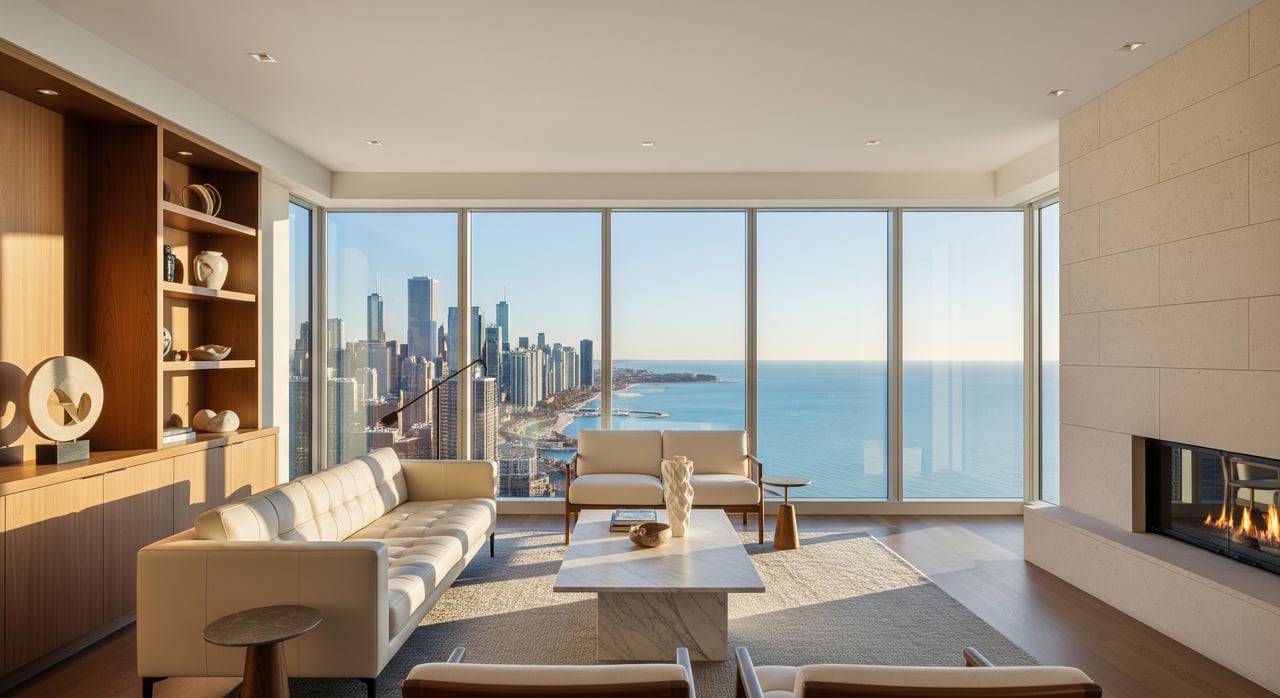
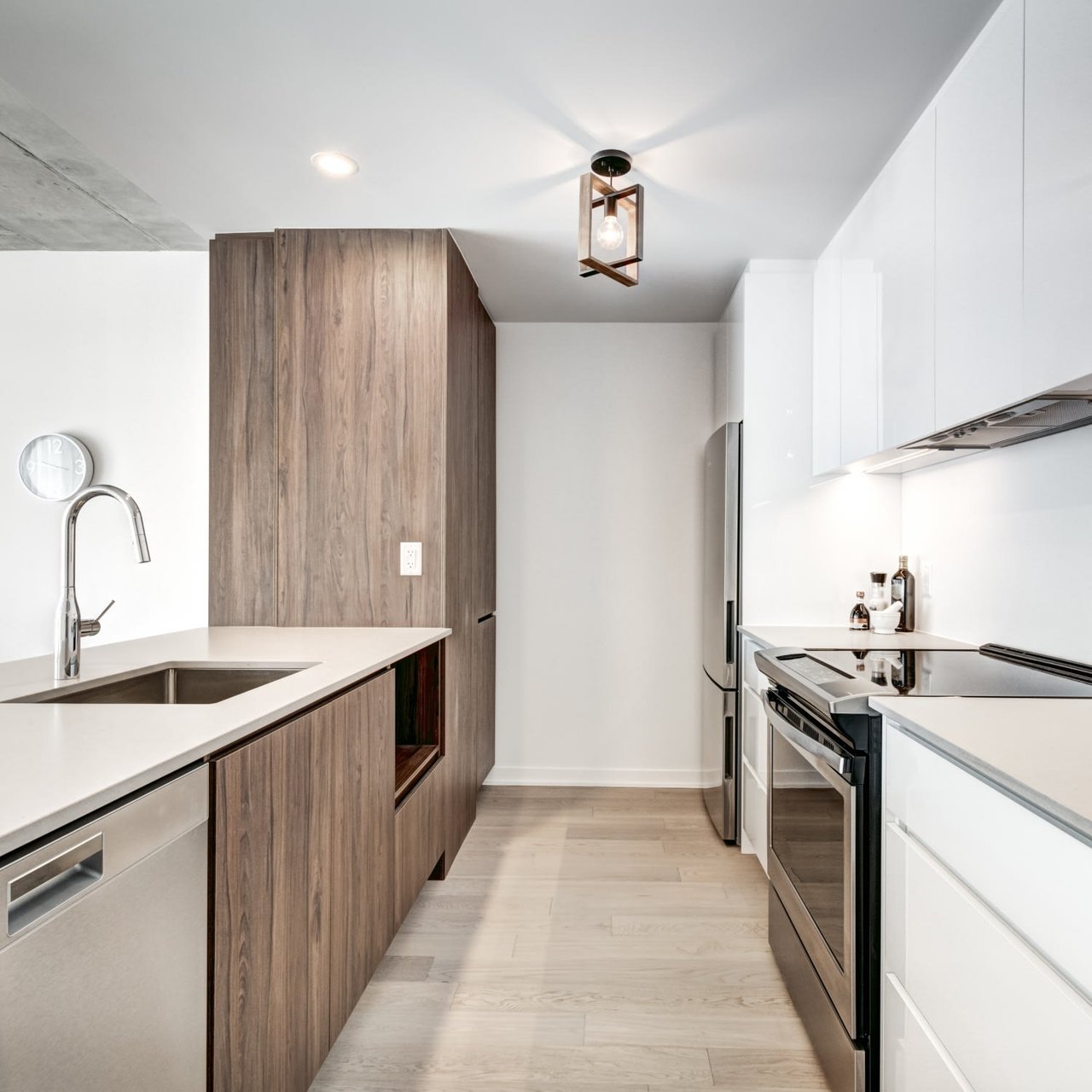
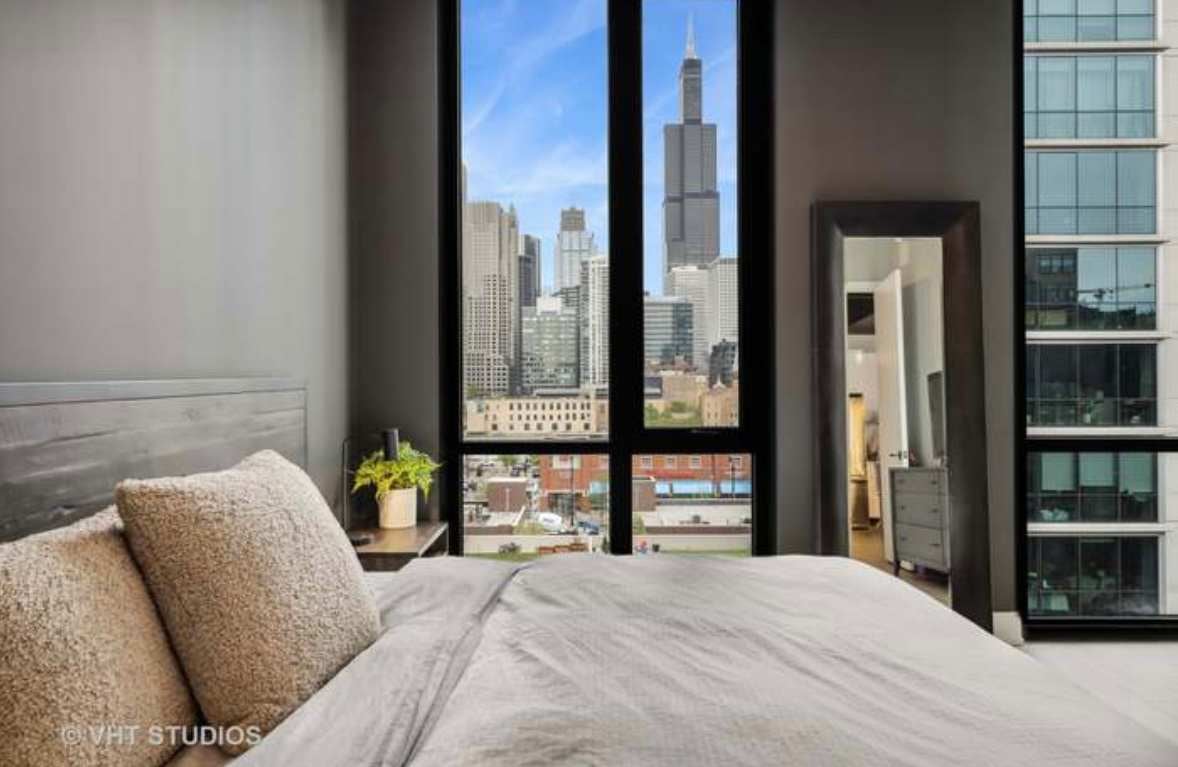
A condo often makes sense if you want a lower purchase price, building services, and less exterior maintenance. In South Loop, that can mean access to amenities that would be difficult or expensive to have on your own.
Current condo examples in the neighborhood include features like a 24-hour doorman, indoor pool, whirlpool, party room, bike room, and storage. One example at 100 E 14th St #3109 has monthly assessments of $555, while another at 1201 S Prairie Ave #3404 has an $810 monthly HOA.
Some condos also offer a more boutique feel. A recent sold loft example at 621 S Plymouth Ct #204 included a common rooftop deck with a $366 monthly HOA. So even within the condo category, your experience can range from high-rise amenity living to a smaller building with fewer shared features.
Why buyers choose townhomes
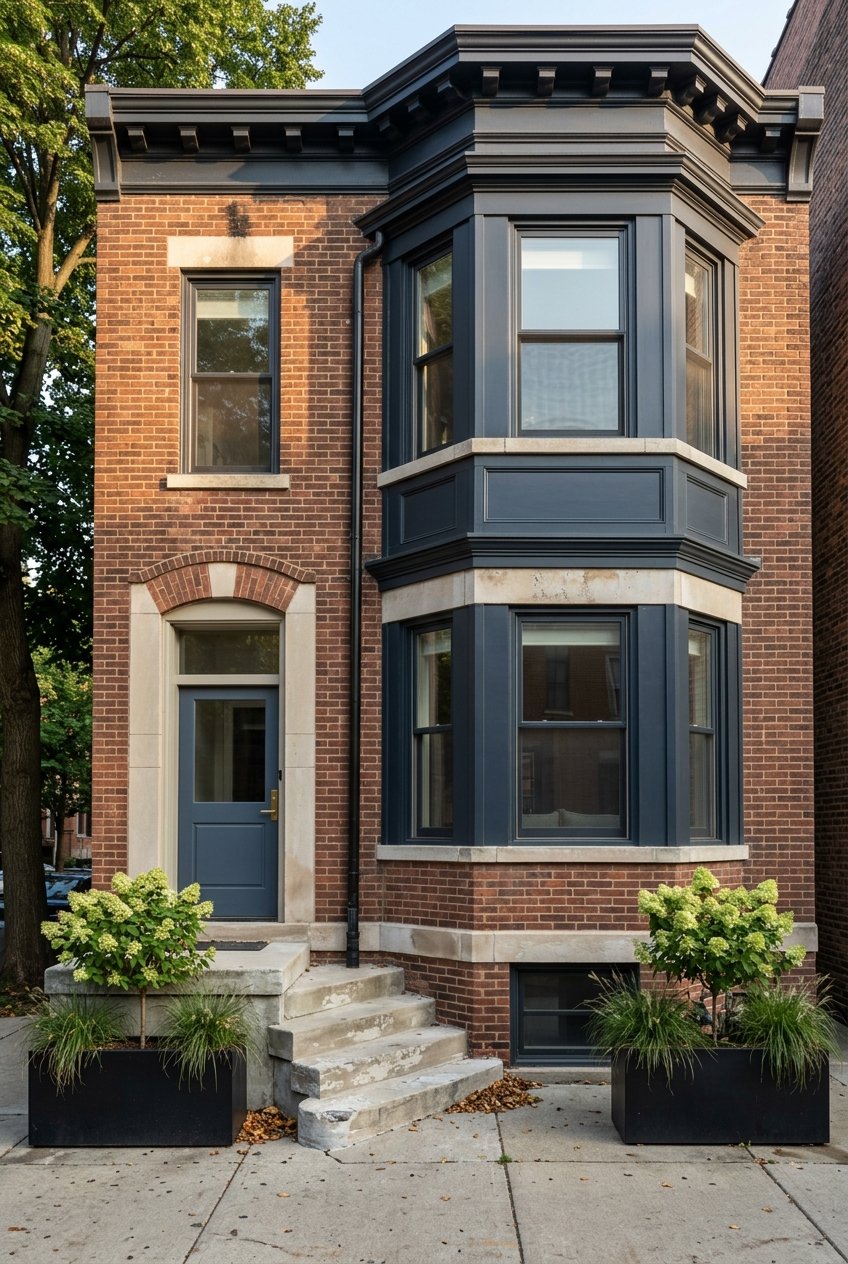
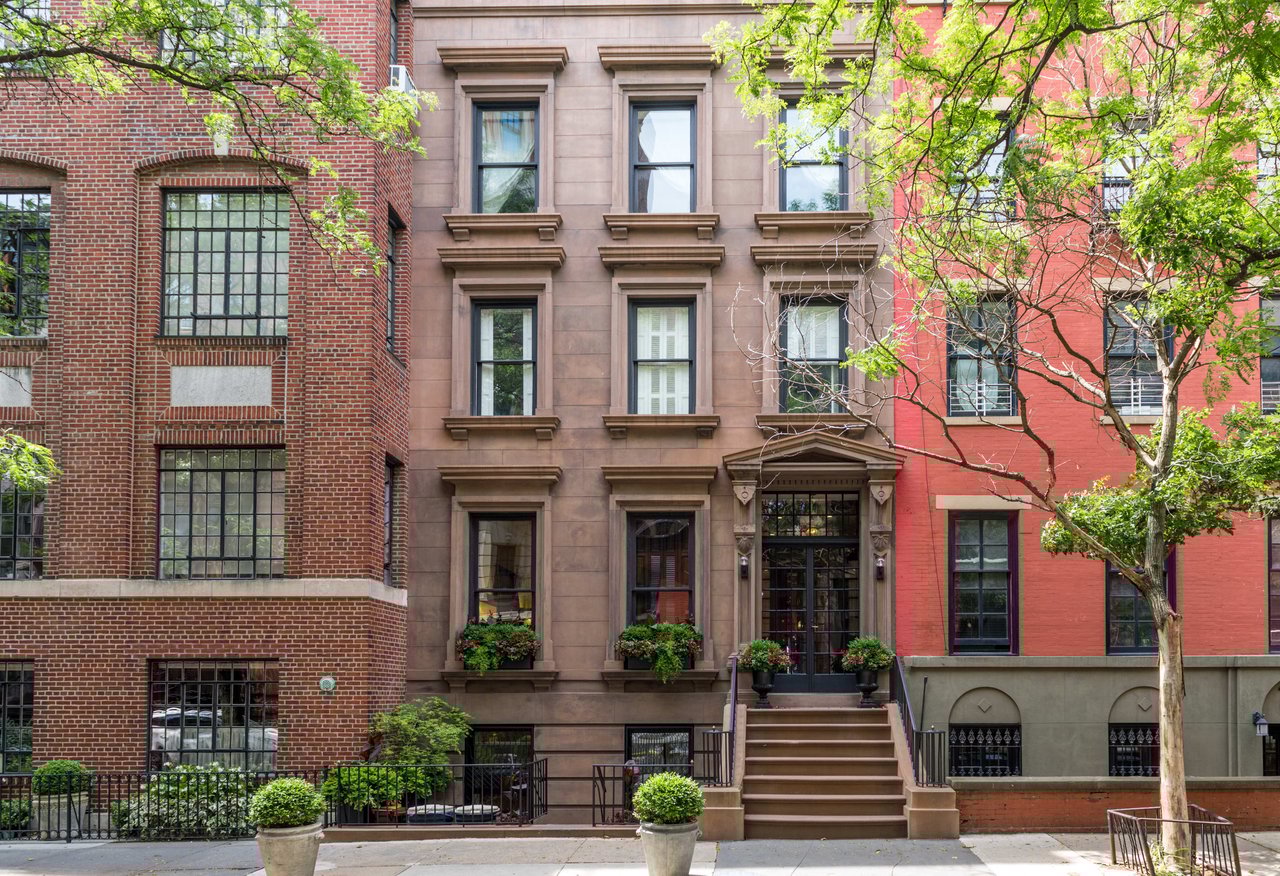
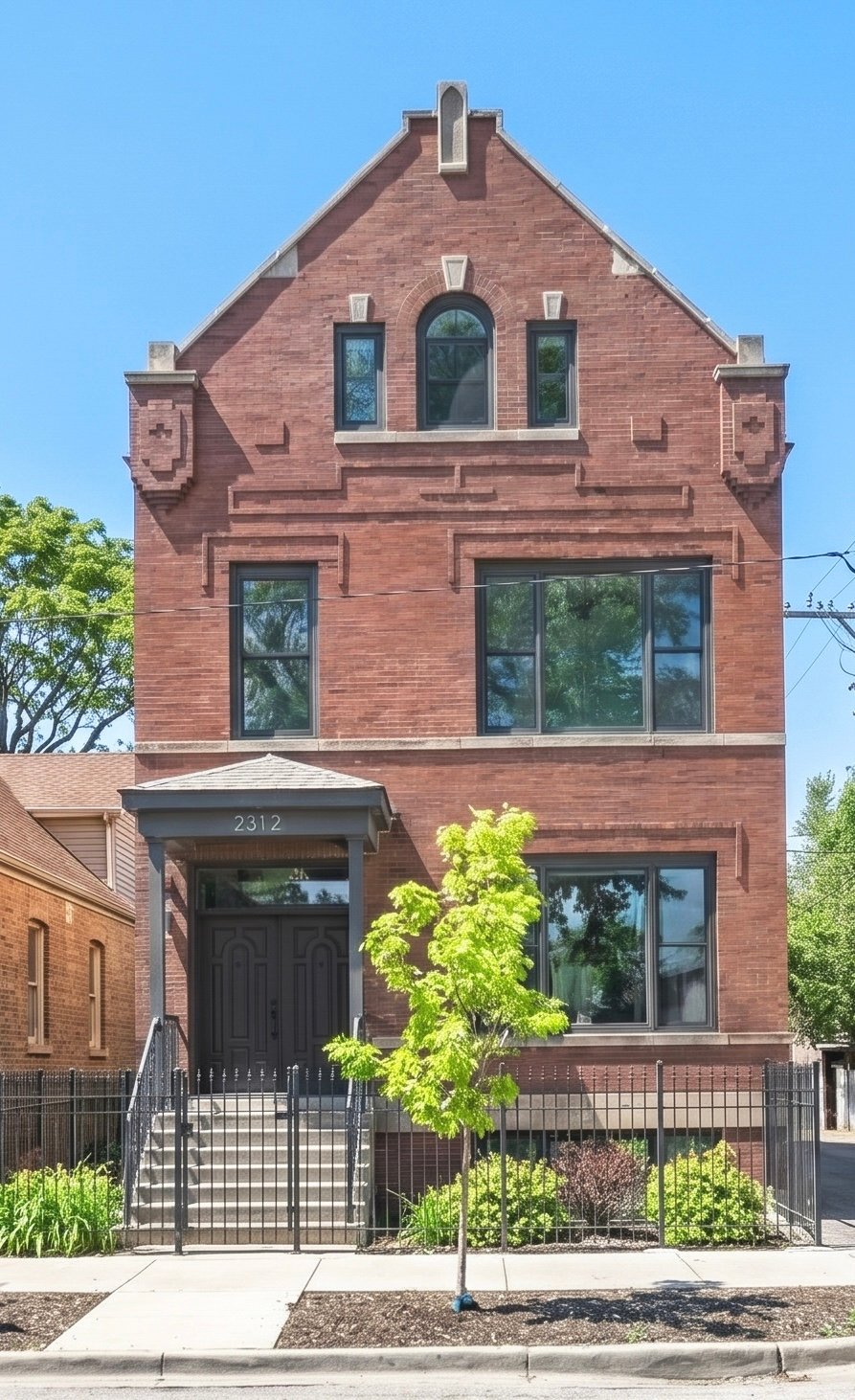
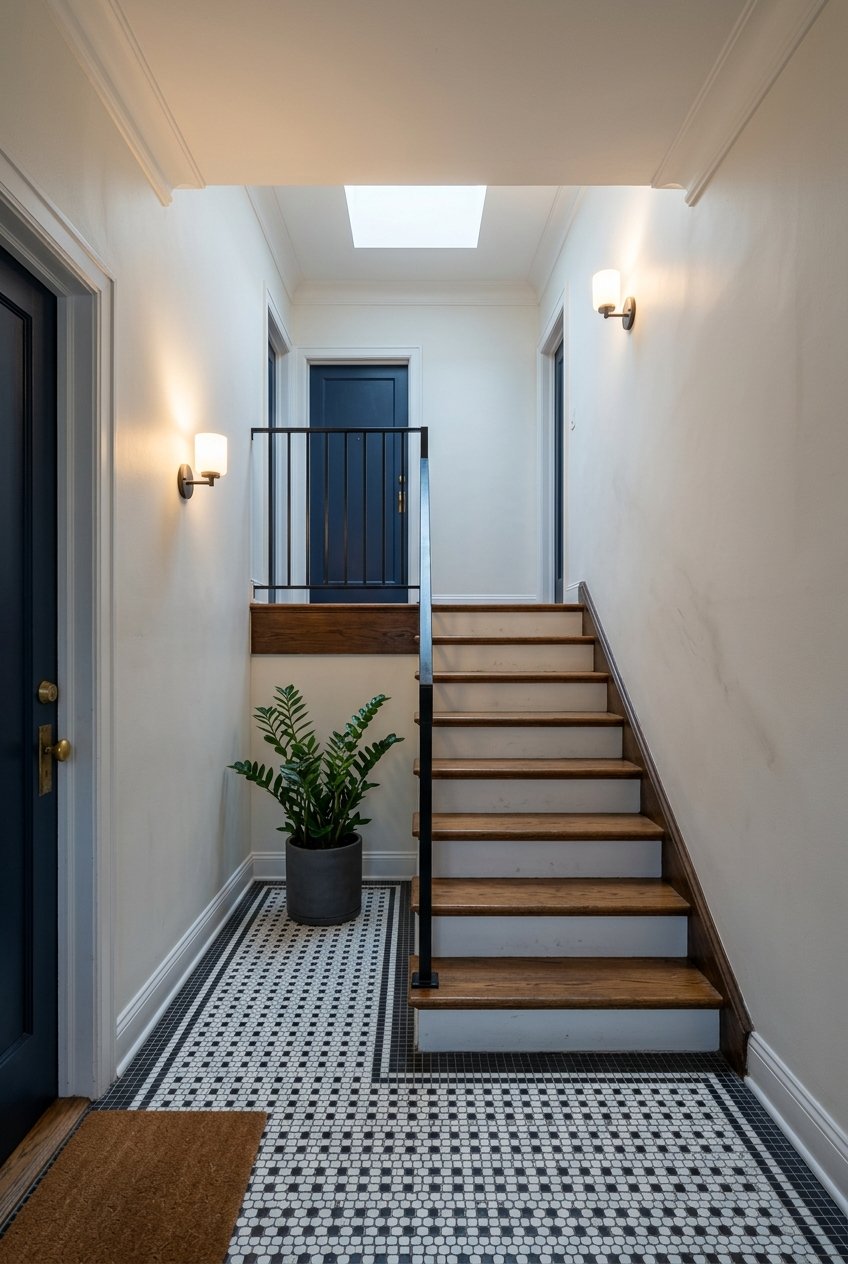
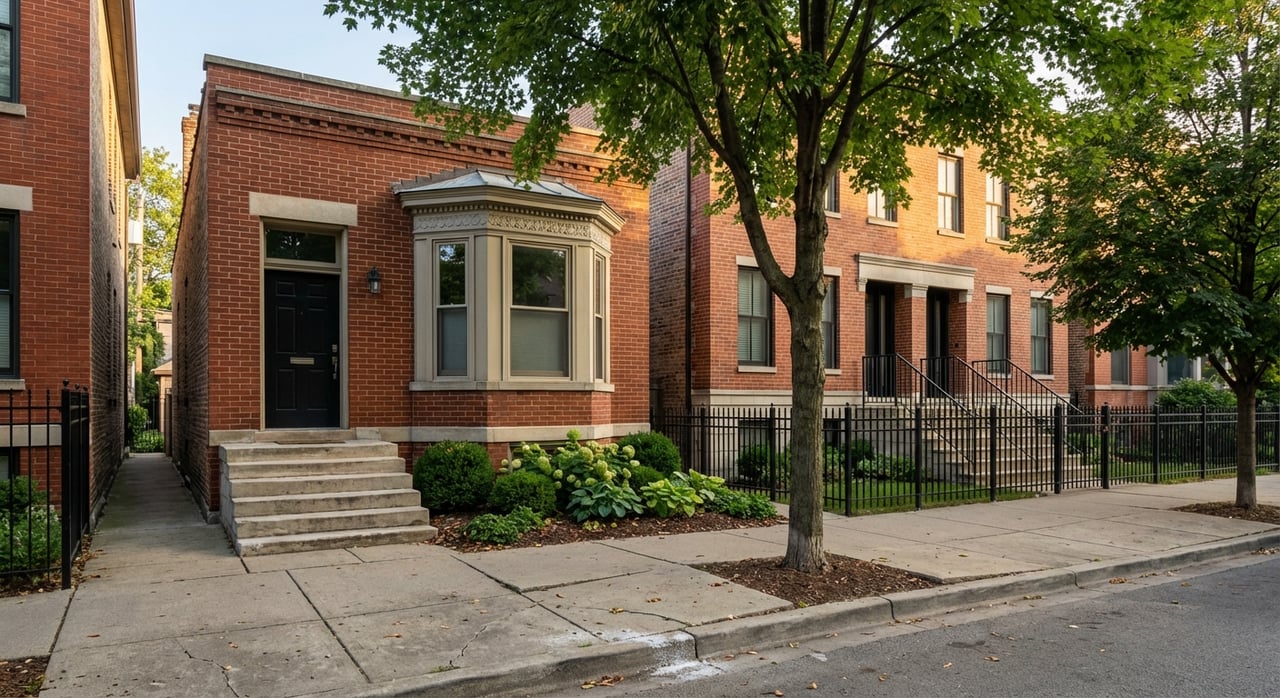
A townhome usually appeals to buyers who want a more house-like layout and more separation between living areas. You may get multiple levels, more privacy between bedrooms and entertaining spaces, and better access to private outdoor areas.
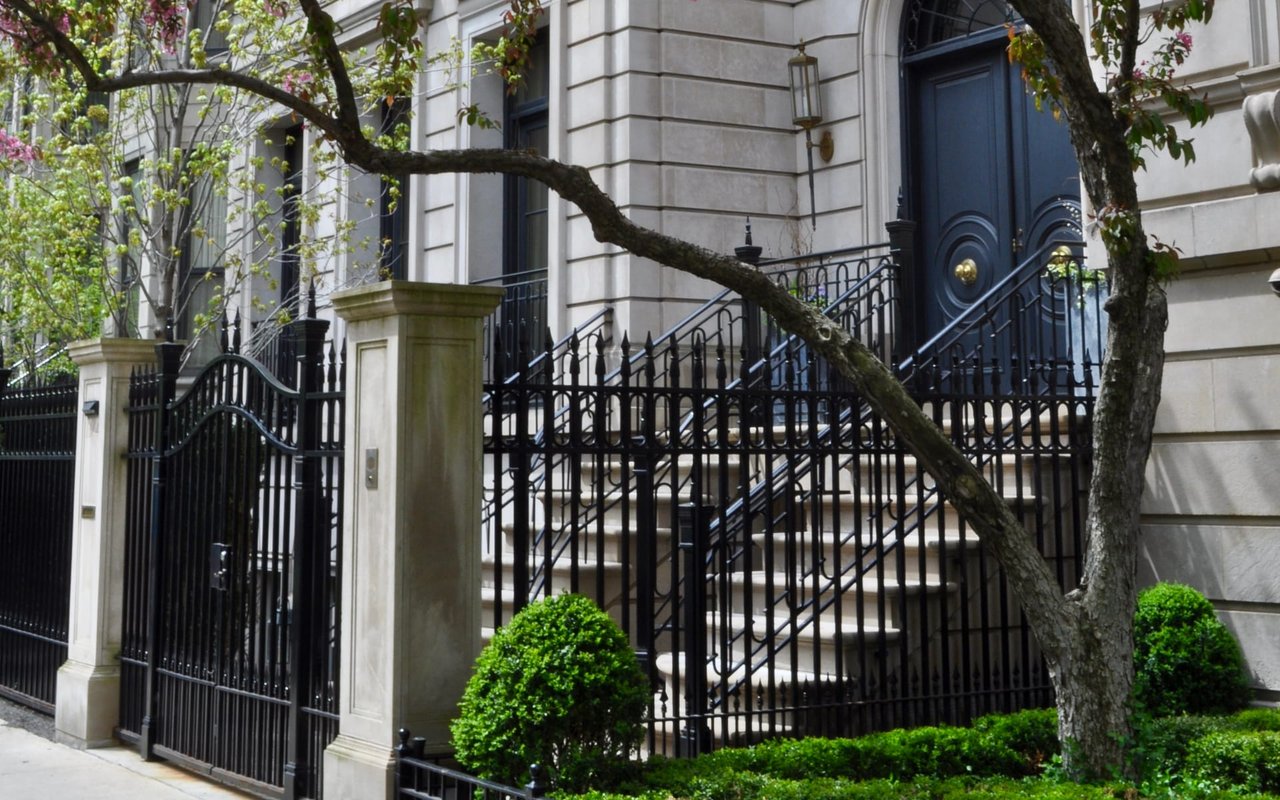
South Loop townhome examples highlight those differences well. Current listings include features such as gated front patios, private balconies, roof decks, private terraces, and attached one- or two-car garages.
The HOA fees in the examples from 1816 S Calumet Ave, 2323 S Wabash Ave #14, and 1341 S Clark St are $410, $233, and $290 per month, respectively. While those examples do not prove every townhome will have lower dues, they do show that the fee structure and what you receive in return can look very different from a full-amenity condo building.
South Loop lifestyle tradeoffs
If you are deciding between the two, it helps to think beyond the listing photos. The right choice often comes down to how you want to live day to day.
A condo may be a better fit if you want:
- A lower entry price
- More building services or amenities
- Less responsibility for exterior upkeep
- A simpler lock-and-leave setup
A townhome may be a better fit if you want:
- More interior space
- Better separation between floors or rooms
- More private outdoor space
- A more traditional residential feel
- Garage parking that is directly attached
These are practical buying patterns based on South Loop inventory and Illinois ownership rules, not hard legal definitions. Still, they can be a very useful starting point when you are comparing options.
Where condos and townhomes cluster
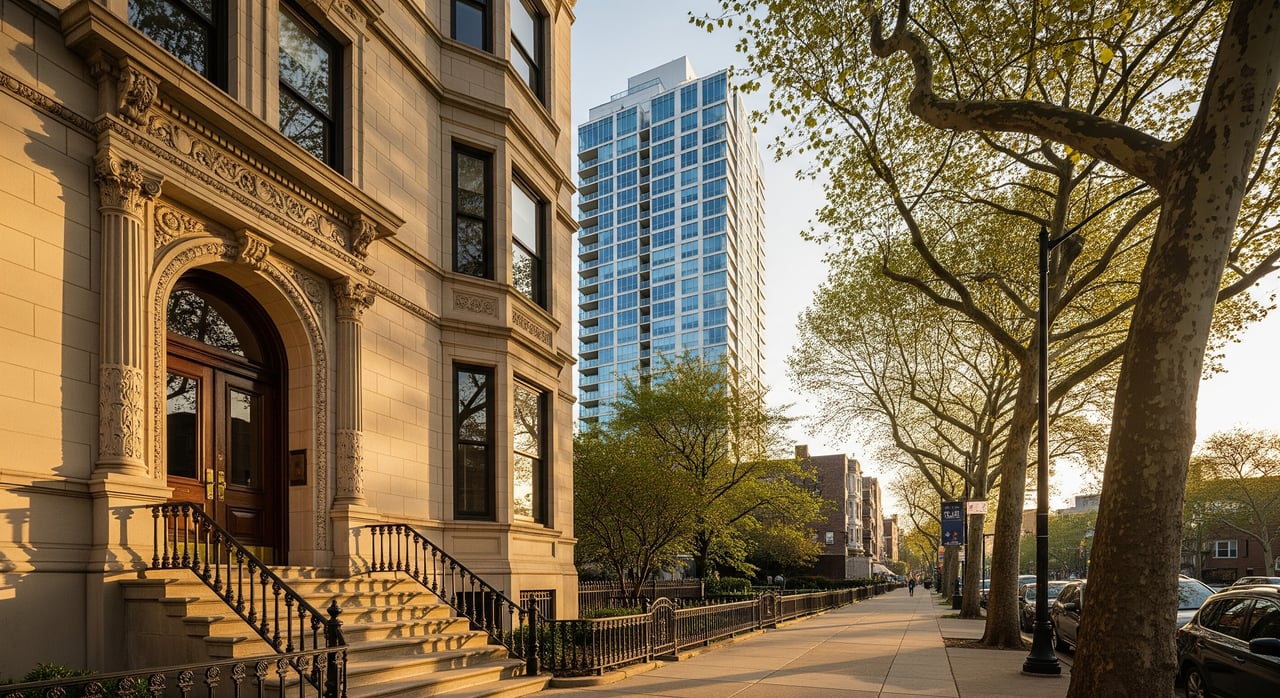
Location within South Loop can also shape your decision. Townhomes in current search results tend to cluster in the Prairie District or Prairie Avenue Historic District, near the Museum Campus edge, and in Dearborn Park II pockets.
Examples include addresses on Calumet, Prairie, Clark, and Wabash. Listing descriptions in those pockets often reference the Prairie District, Museum Campus, the Lakefront Trail, and Dearborn Park II.
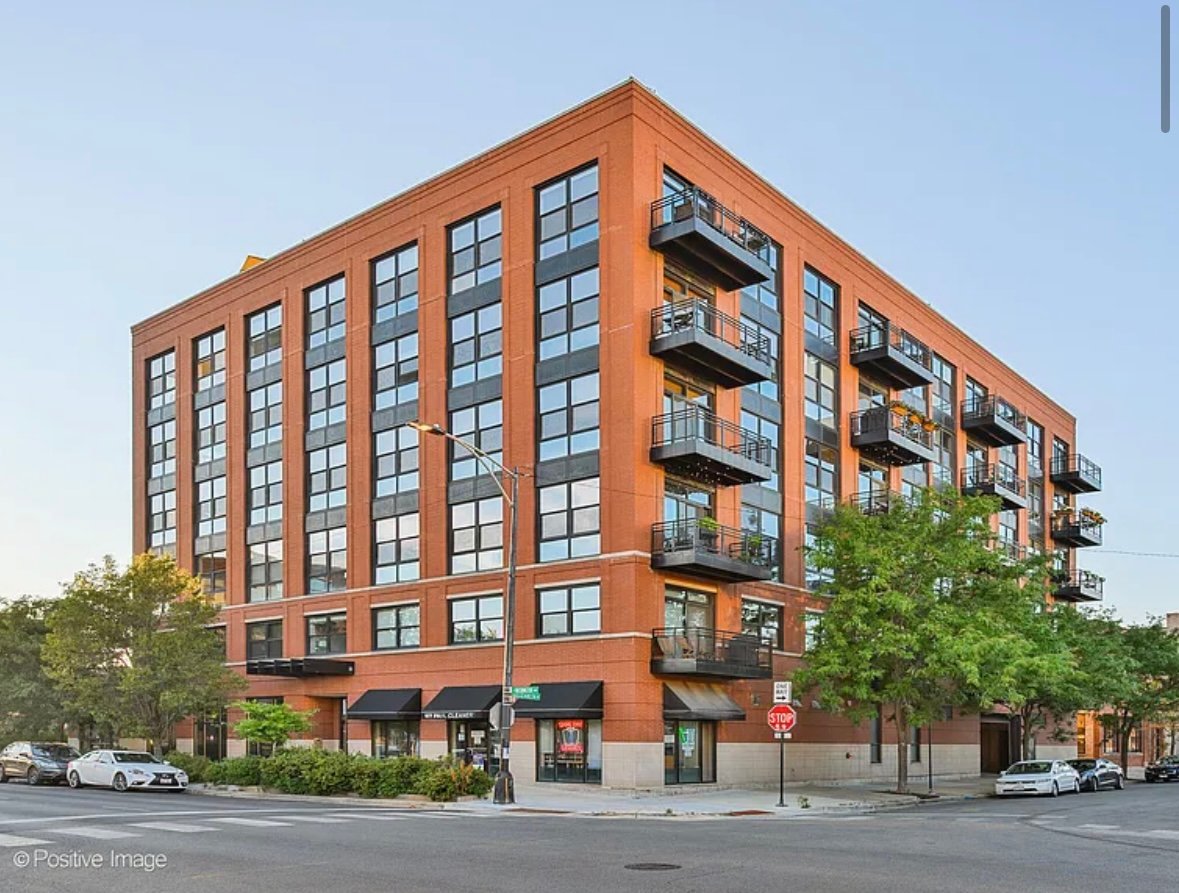
Condos are more dispersed across South Loop and tend to be more vertical in form. Current examples are found on Prairie Avenue, Michigan Avenue, around 13th and 14th Streets, Plymouth Court, Financial Place, and Calumet Avenue. Printer’s Row remains a notable loft and condo pocket as well.
Questions to ask before you buy
Before choosing a South Loop condo or townhome, make sure you understand not just the home, but the association and ownership structure behind it. This is where strong due diligence can save you time, money, and stress later.
Ask these questions early:
- Is the property fee simple or condo-form ownership?
- What do the monthly dues cover?
- Are there rental caps or rental restrictions?
- What are the pet rules?
- Are any special assessments pending or being discussed?
- How healthy is the reserve fund?
- Who is responsible for exterior maintenance?
- Who handles windows, roofs, decks, and insurance obligations?
- Are parking spaces deeded, assigned, or leased?
- If there is a deck or roof area, is it private or a limited common element?
For condo purchases, it is also wise to ask whether the project is considered warrantable and whether there are any financial or legal red flags. Those details can affect financing, future marketability, and your comfort level as an owner.
How to choose with confidence
If your priority is value, convenience, and building amenities, a South Loop condo may check the right boxes. If your priority is space, privacy, and a more house-like setup, a South Loop townhome may be worth the higher price and scarcer inventory.
The key is to compare not just the asking price, but the full ownership picture. In South Loop, that means looking carefully at legal structure, dues, reserves, special assessment history, maintenance responsibility, and how each property supports the way you actually want to live.
A thoughtful side-by-side review can make the choice much clearer. And in a neighborhood with this much range, having local guidance grounded in valuation and real-world tradeoffs can help you avoid expensive assumptions.
If you are weighing a South Loop townhome against a condo, Stephanie Turner can help you compare inventory, review association details, and make a data-informed decision that fits your goals.
FAQs
What is the difference between a South Loop condo and a South Loop townhome?
- In South Loop, a condo is an ownership form in Illinois, not just a building type. A townhome may be fee simple or legally structured as a condo, so you should confirm ownership, common elements, and maintenance obligations before buying.
Are South Loop townhomes more expensive than South Loop condos?
- Current South Loop search data shows condos at a median listing price of $380,000 and townhouses at a median listing price of $655,000, with townhomes also much scarcer in the market.
Do South Loop condos usually have higher HOA fees than townhomes?
- They can, especially when condo buildings include services and amenities like a doorman, pool, storage, or party room. However, dues vary by property, so it is important to review what the fee covers rather than compare the number alone.
Where are South Loop townhomes usually located?
- Current townhome listings tend to cluster in the Prairie District, near the Museum Campus edge, and in Dearborn Park II pockets.
What should you review before buying a South Loop condo or townhome?
- You should review the ownership type, monthly dues, reserve fund health, special assessments, rental rules, pet rules, parking ownership, deck or roof rights, and responsibility for exterior maintenance, windows, and insurance.