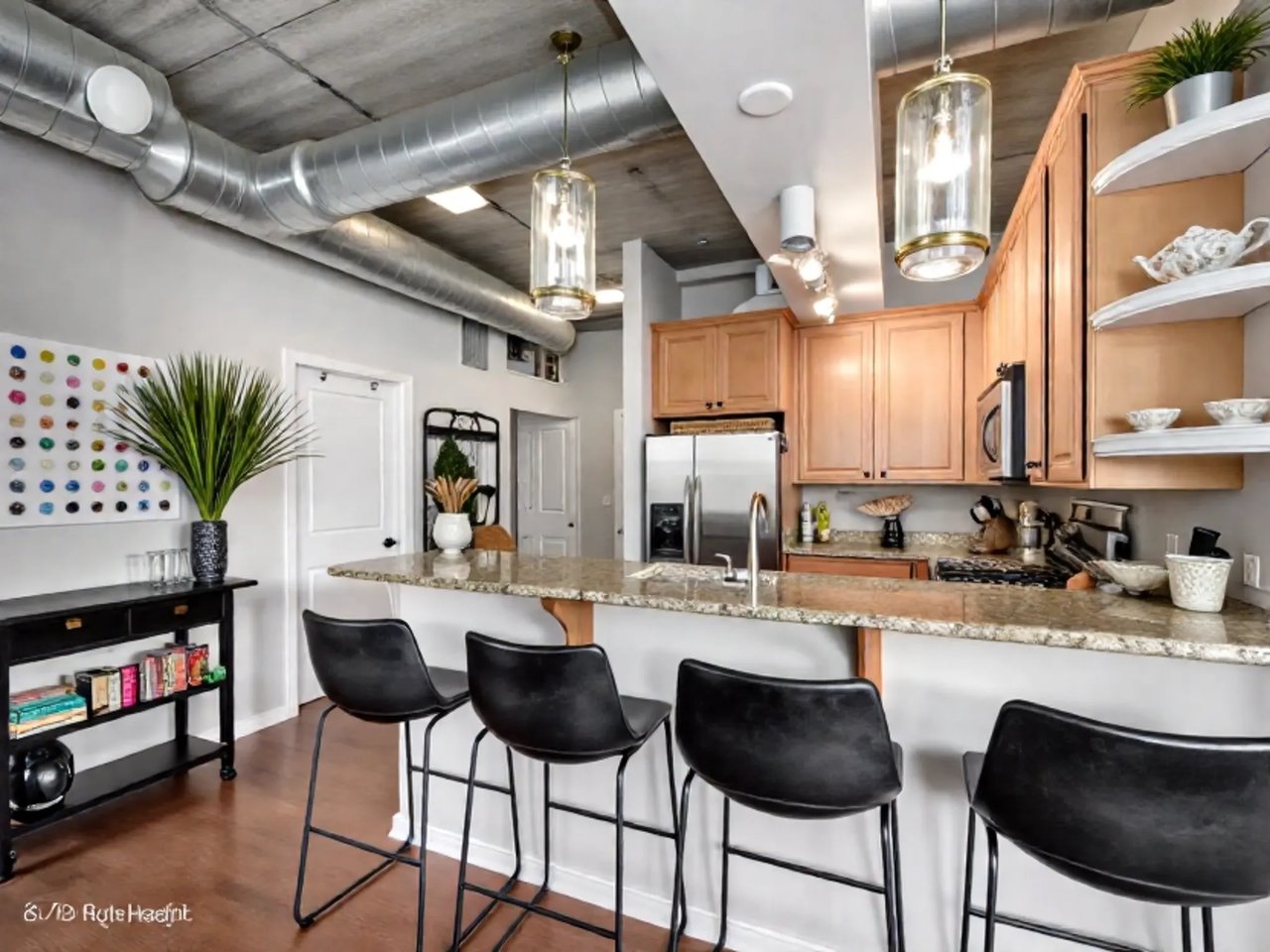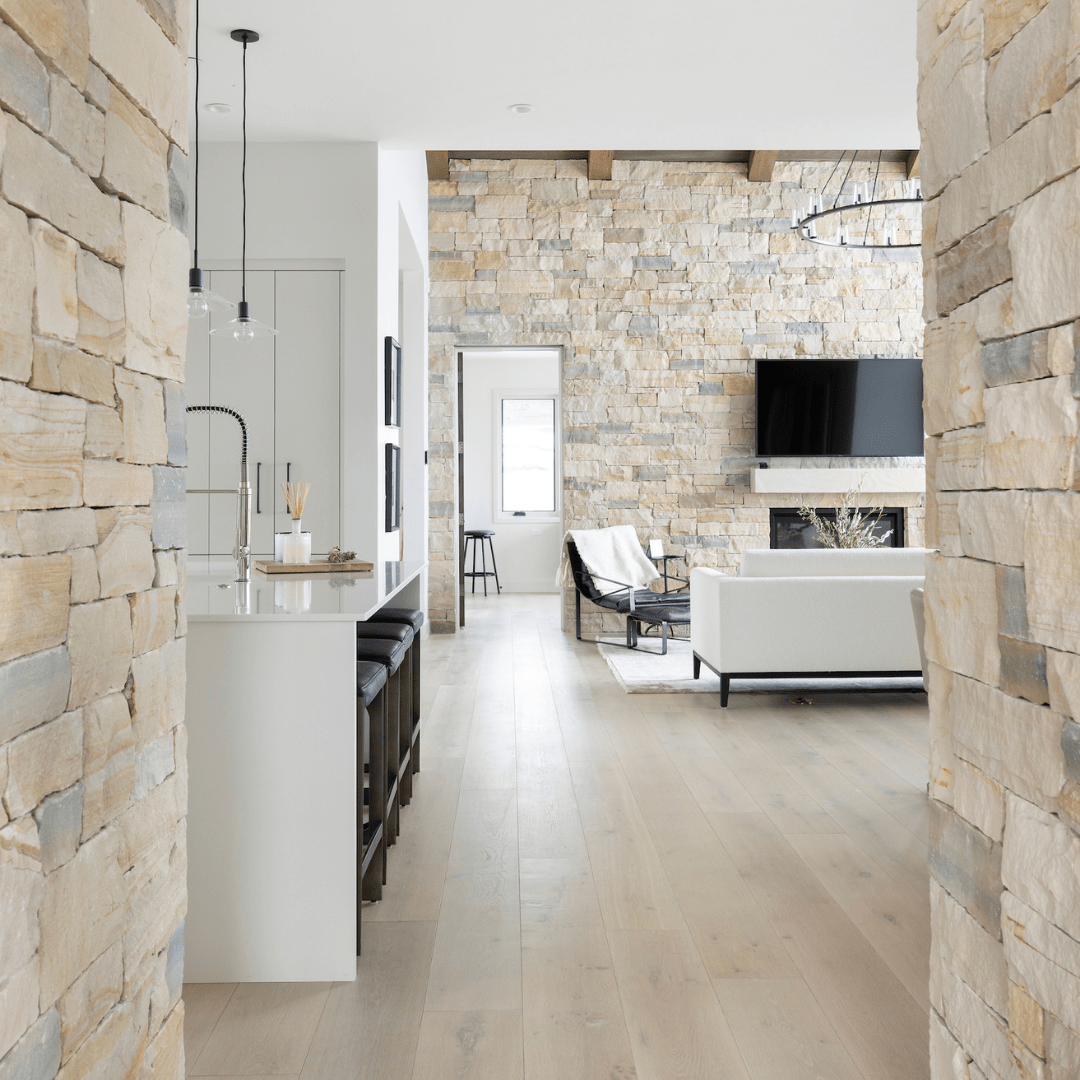
Thinking about buying in the Chicago Loop? It can be one of the most convenient places in the city to live, but it also comes with very specific tradeoffs. If you want a home that puts transit, culture, dining, and downtown energy at your doorstep, the Loop deserves a close look. Before you buy, it helps to understand what daily life really feels like here and what type of housing market you are actually stepping into. Let’s dive in.
Why the Loop appeals to buyers
The Loop is more than Chicago’s central business district. It is also a large and growing residential neighborhood, with an estimated 42,550 residents and 24,974 households as of CMAP’s June 2026 snapshot. Since 2010, the population has grown by 45.3%, which shows just how much demand there has been for downtown living.
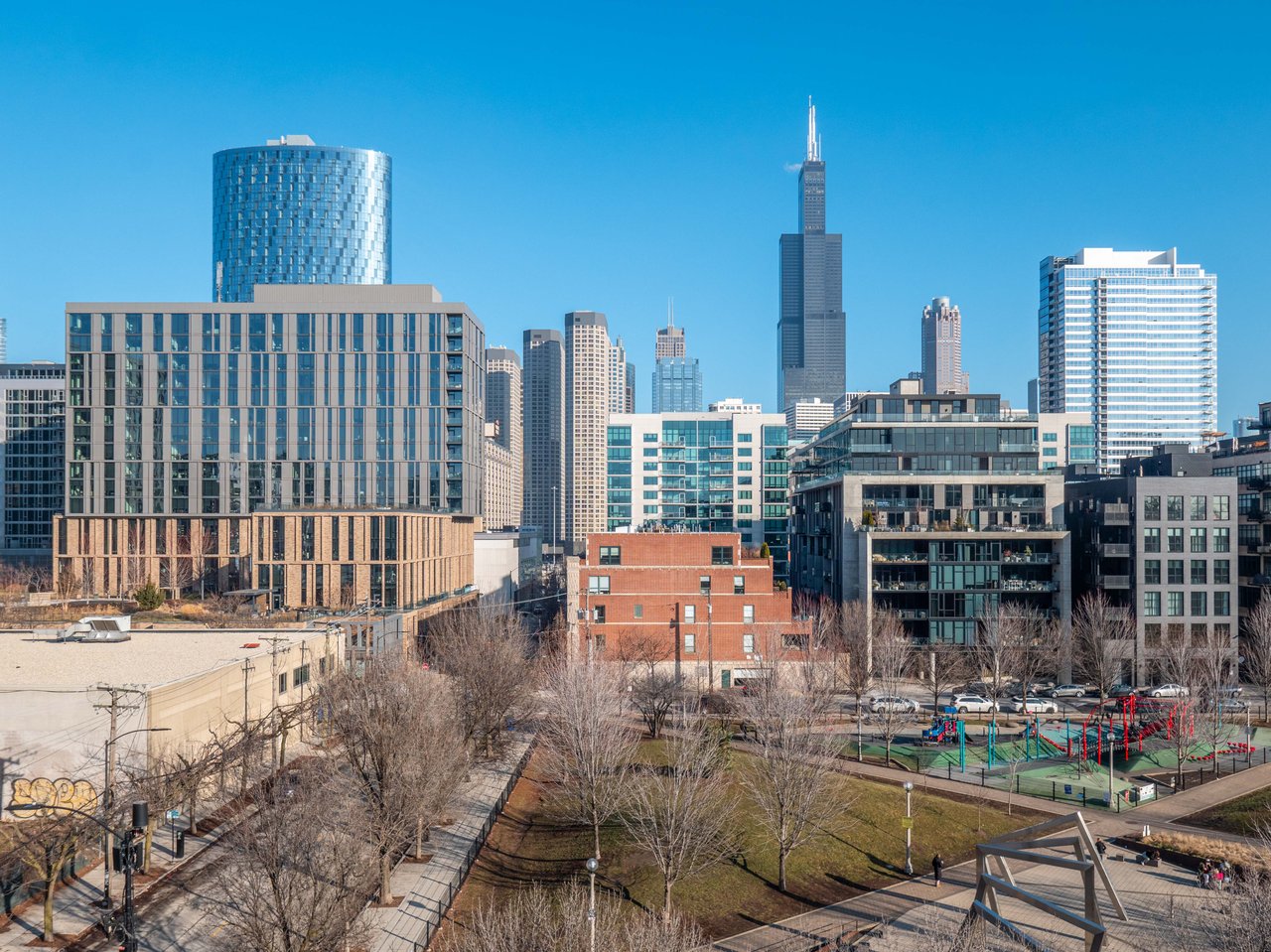
For many buyers, the biggest draw is centrality. You are close to major employment centers, transit lines, parks, restaurants, cultural destinations, and everyday conveniences. That can create a lifestyle where your home feels connected to the rest of the city in a very immediate way.
The resident profile also helps explain the neighborhood’s feel. The median age is 31.8, nearly half of residents are between 20 and 34, and 57.4% of households are one-person households. In practical terms, that supports a market that tends to feel compact, vertical, and amenity-focused rather than spread out and house-centered.
Transit is a major advantage
If you want to rely less on a car, the Loop is one of Chicago’s strongest locations. CTA serves the area with eight L lines and 127 bus routes, while the Blue Line and Red Line run 24/7. You also have access to major Metra stations through Union Station, Ogilvie Transportation Center, LaSalle Street Station, and Millennium Station.
That transit access shows up clearly in how people live. CMAP reports that 49.9% of Loop households have no vehicle, 30.4% of workers walk or bike, and 14.9% use transit. Mean commute time is 25.3 minutes, which is shorter than Chicago overall at 33.1 minutes and shorter than the broader CMAP region at 30.5 minutes.
For buyers, that can mean a real quality-of-life benefit. You may be able to walk to work, hop on a train easily, or handle many daily trips on foot. If convenience and mobility are high on your list, this is one of the Loop’s clearest strengths.
Car ownership can feel less convenient
The same features that make the Loop great for walking and transit can make it less seamless for car-centered living. Nearly half of households have no vehicle, which tells you a lot about how the neighborhood functions day to day. It is built for people who are comfortable in a dense downtown environment.
If you want easy garage access, frequent spontaneous driving, or space for a multi-car household, the Loop may feel less flexible. That does not mean owning a car is impossible. It simply means you should go into your search with realistic expectations about convenience, parking, and how much you actually plan to drive.
The housing stock is mostly condos
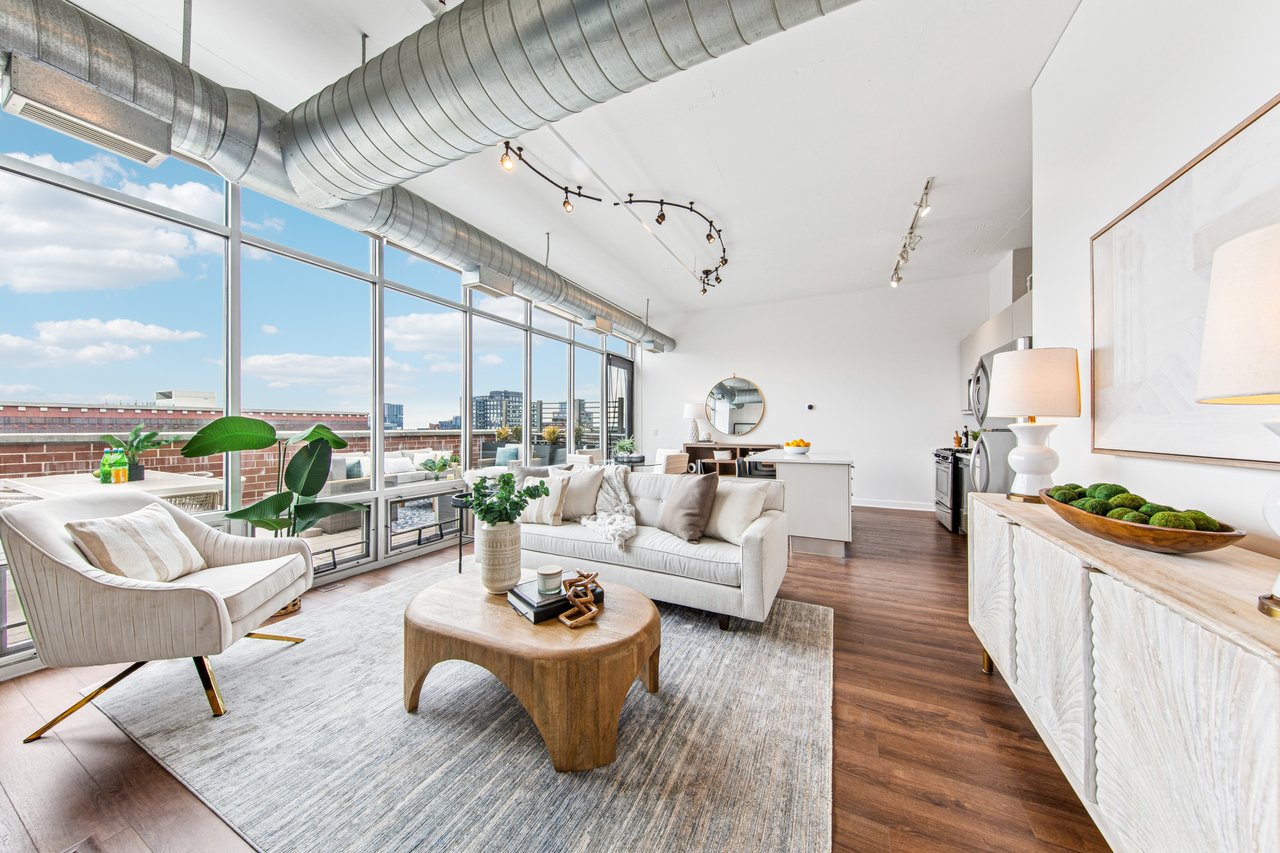
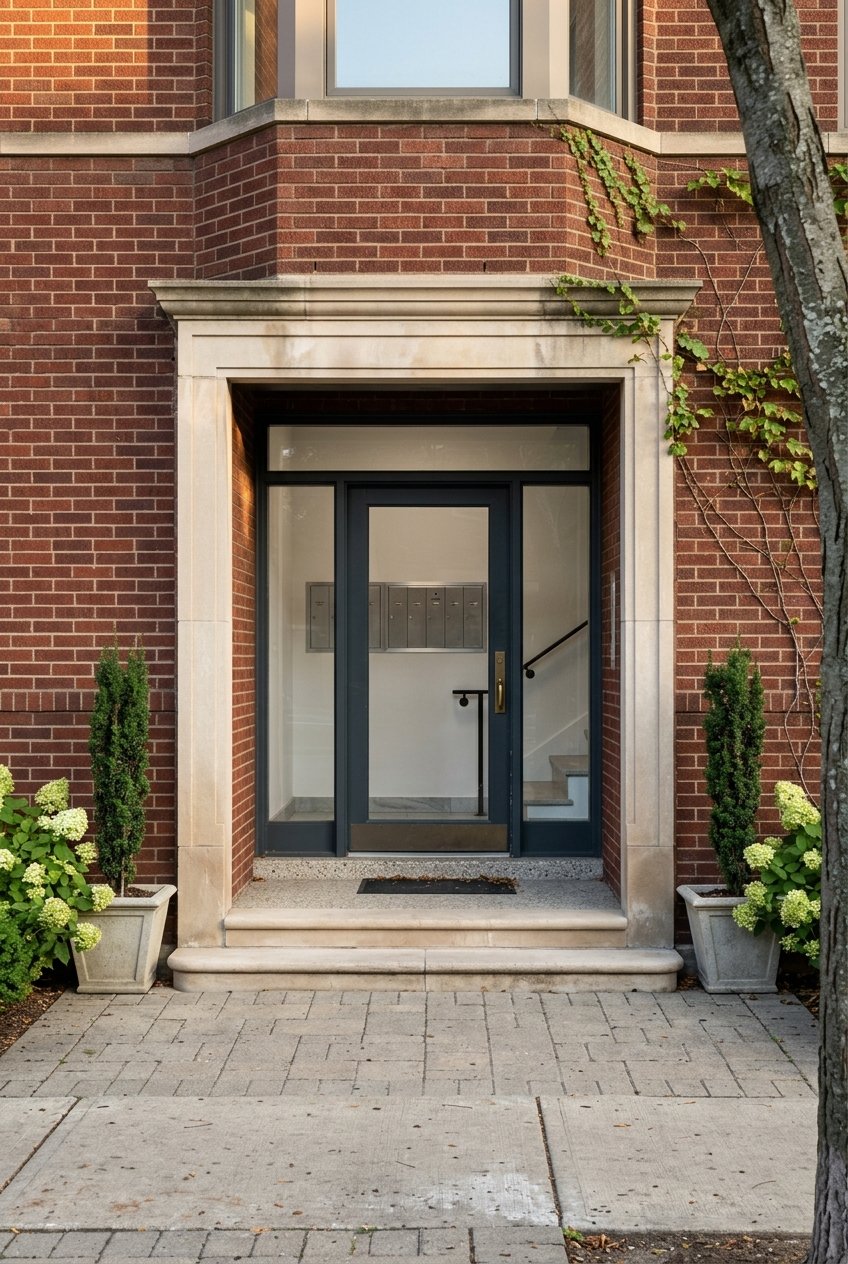
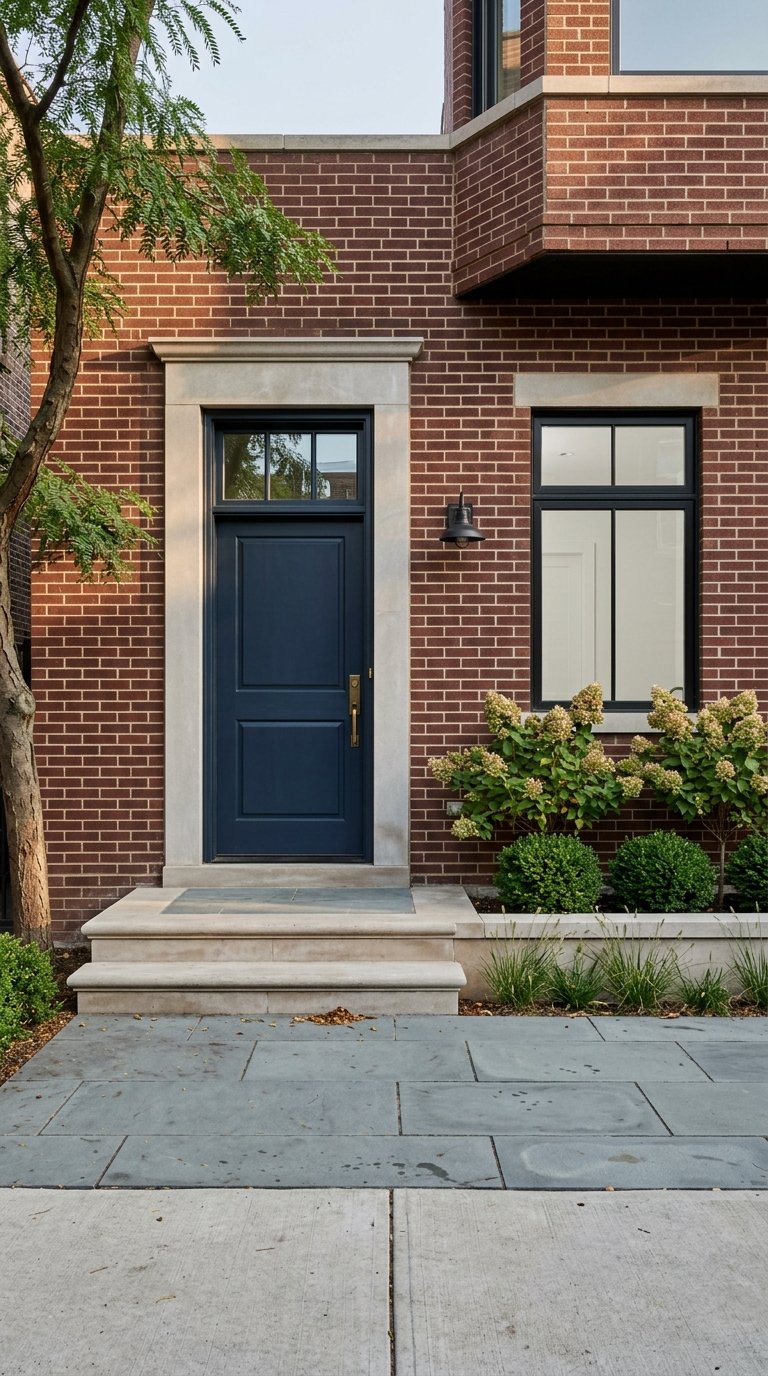
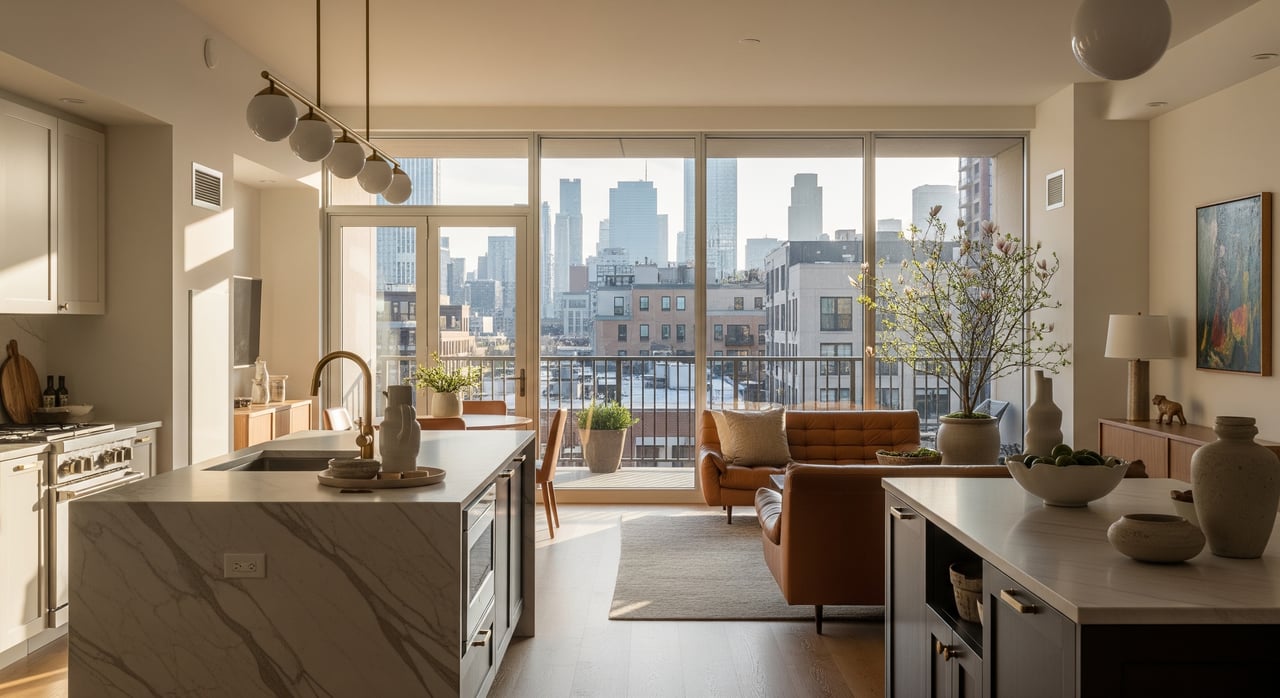
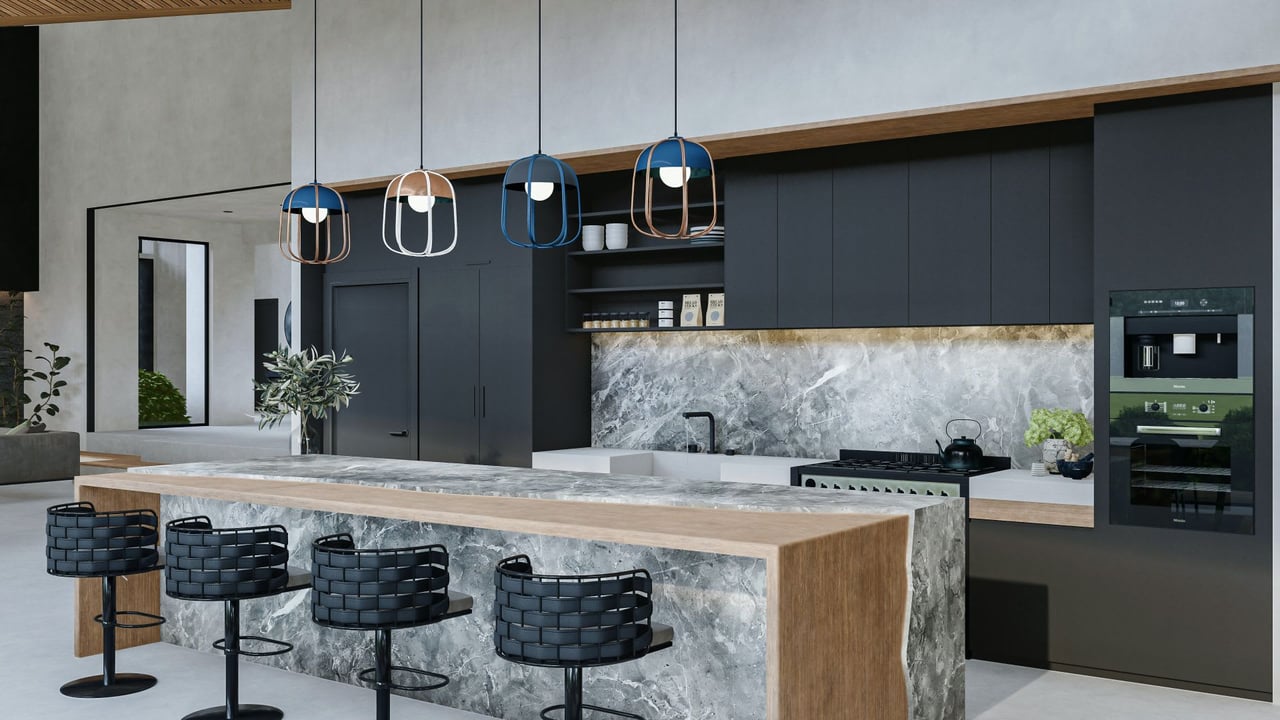
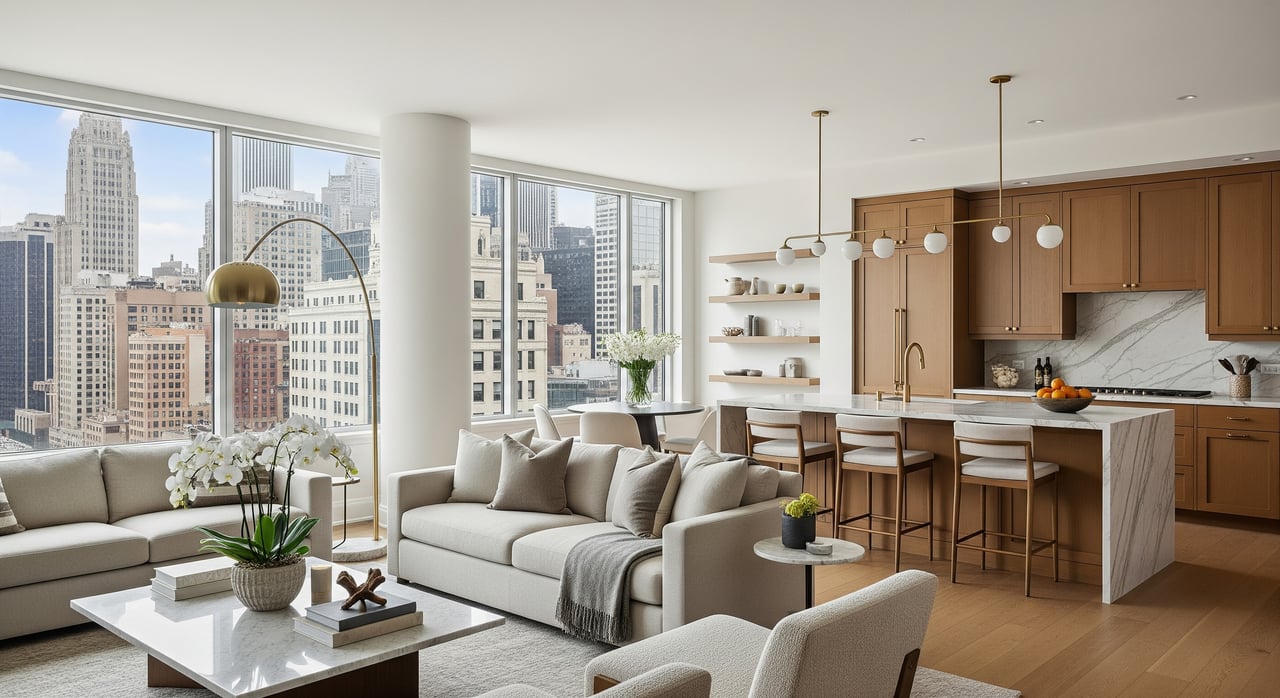
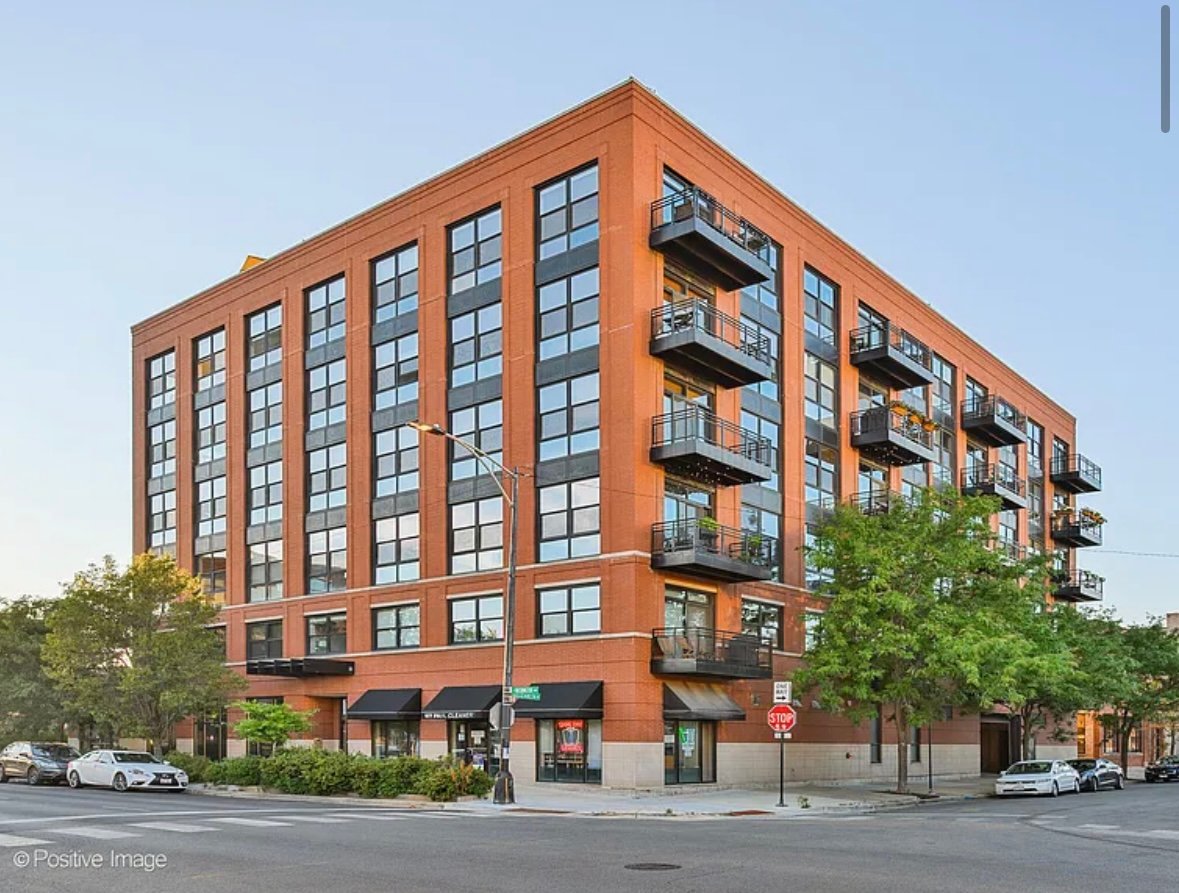
One of the biggest things to understand before you buy is that the Loop is overwhelmingly a large-building condo market. According to CMAP, 96.2% of housing units are in buildings with 20 or more units. This is not a neighborhood where you will find many detached homes, two-flats, or low-rise choices.
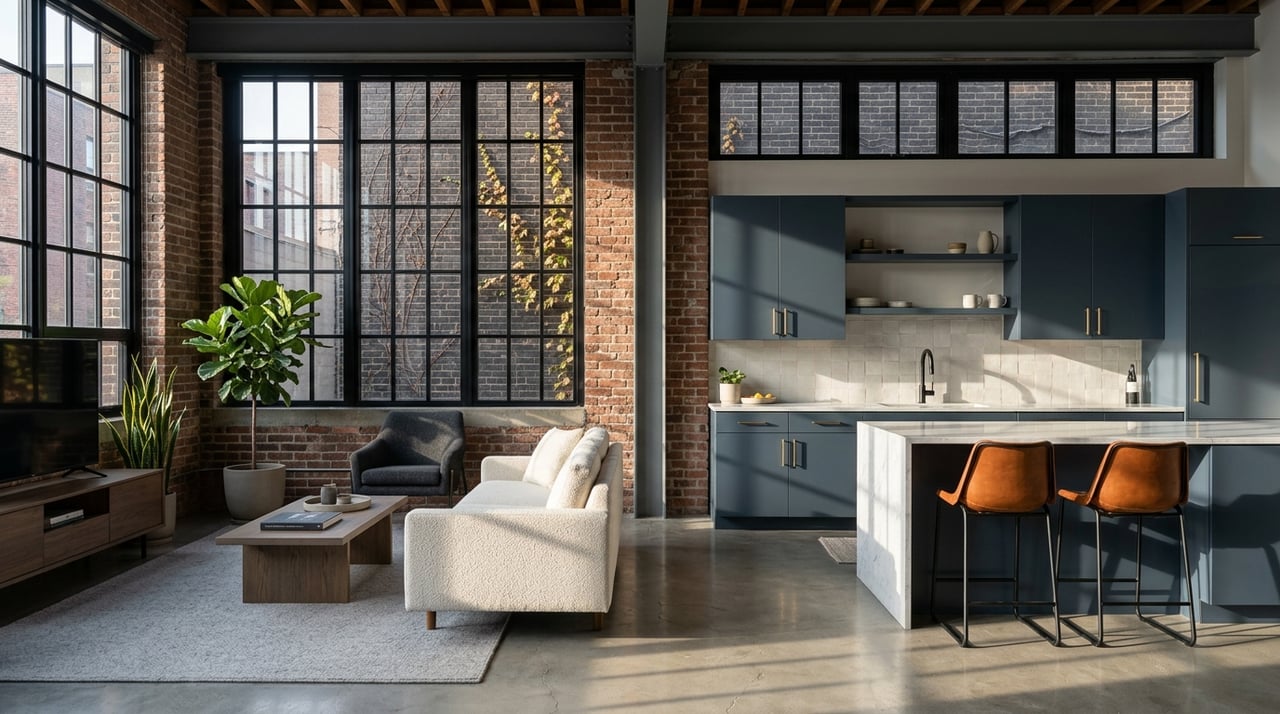
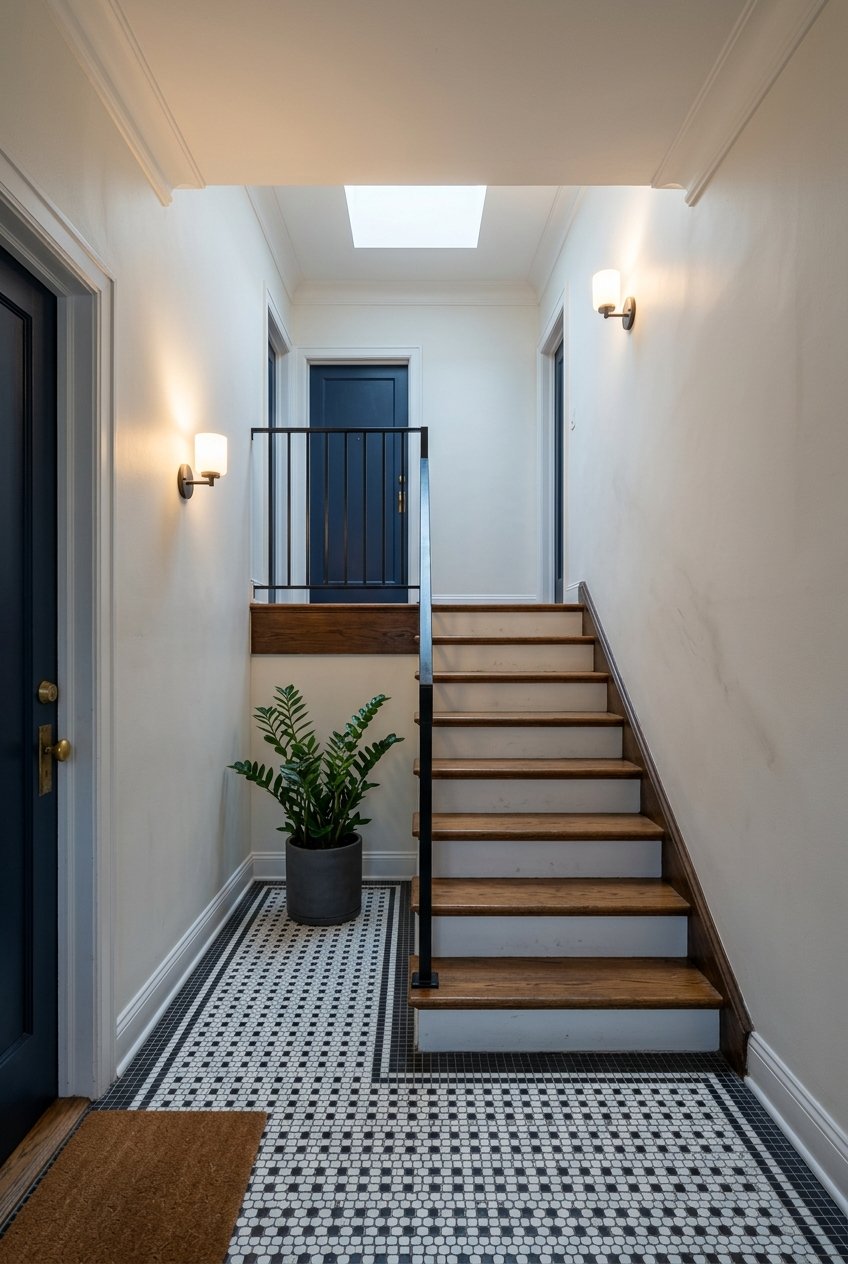
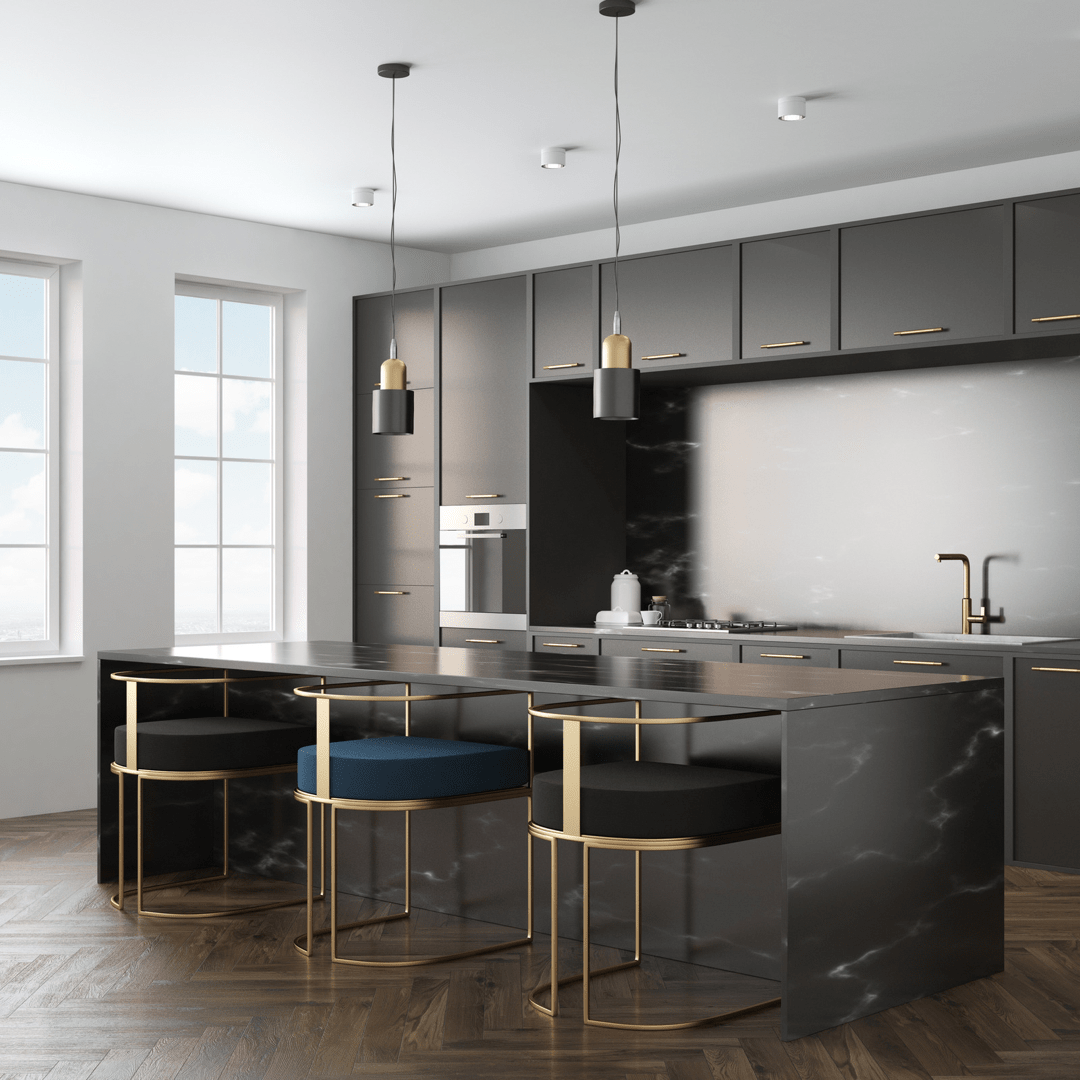
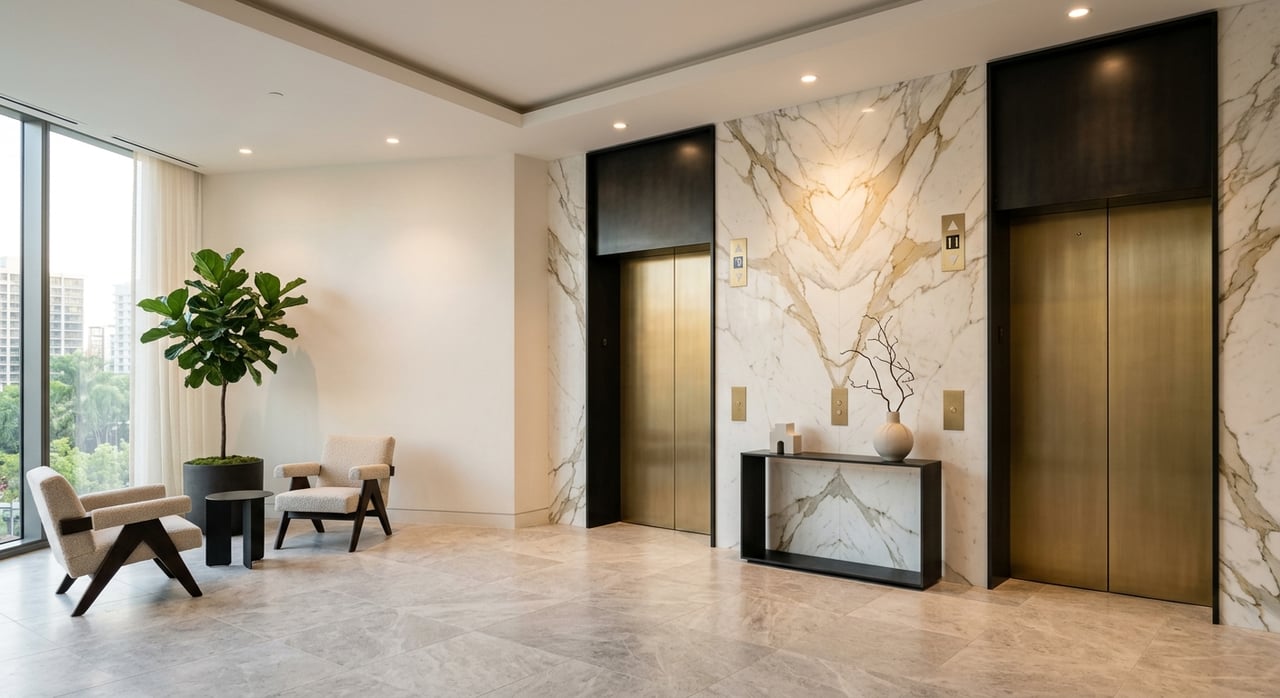
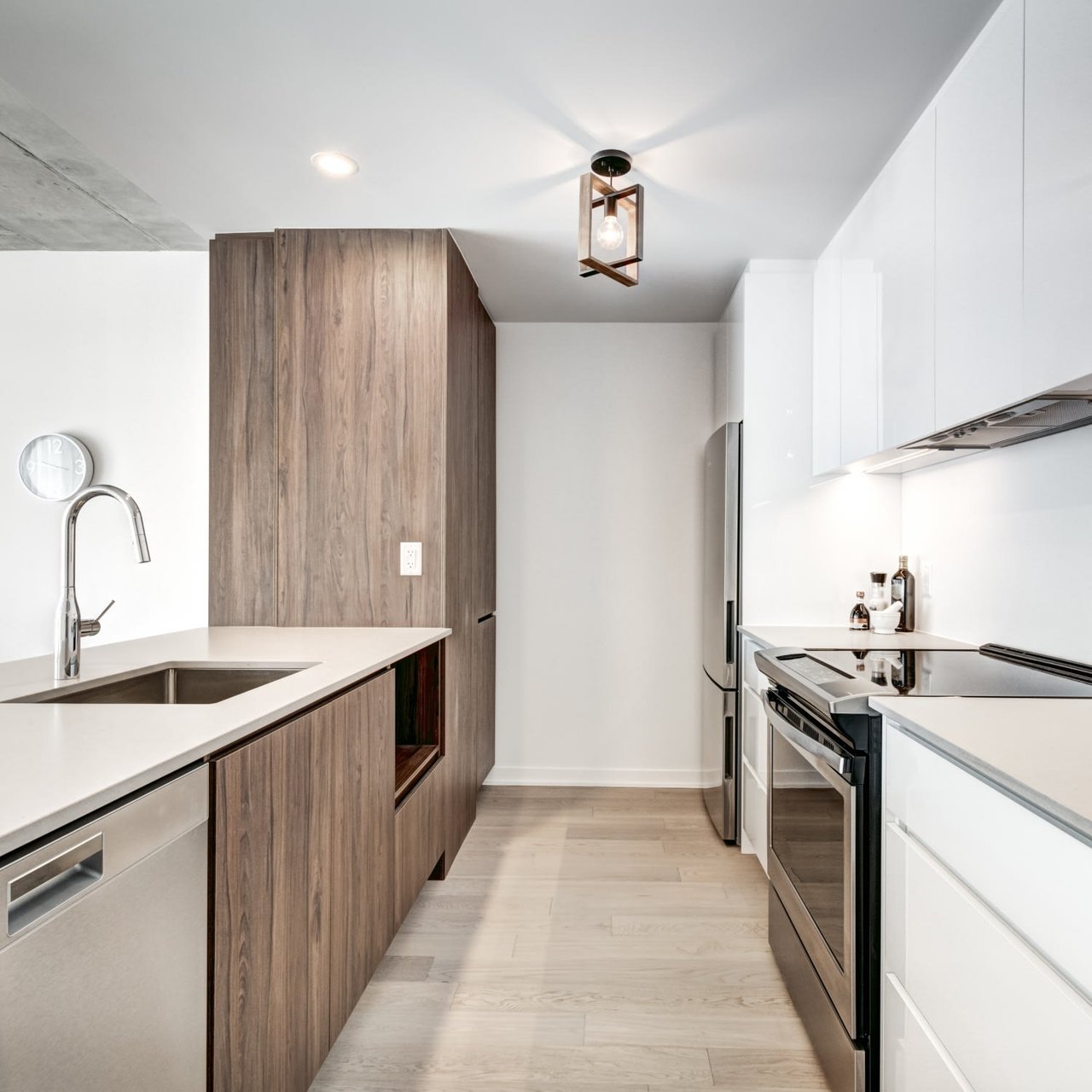
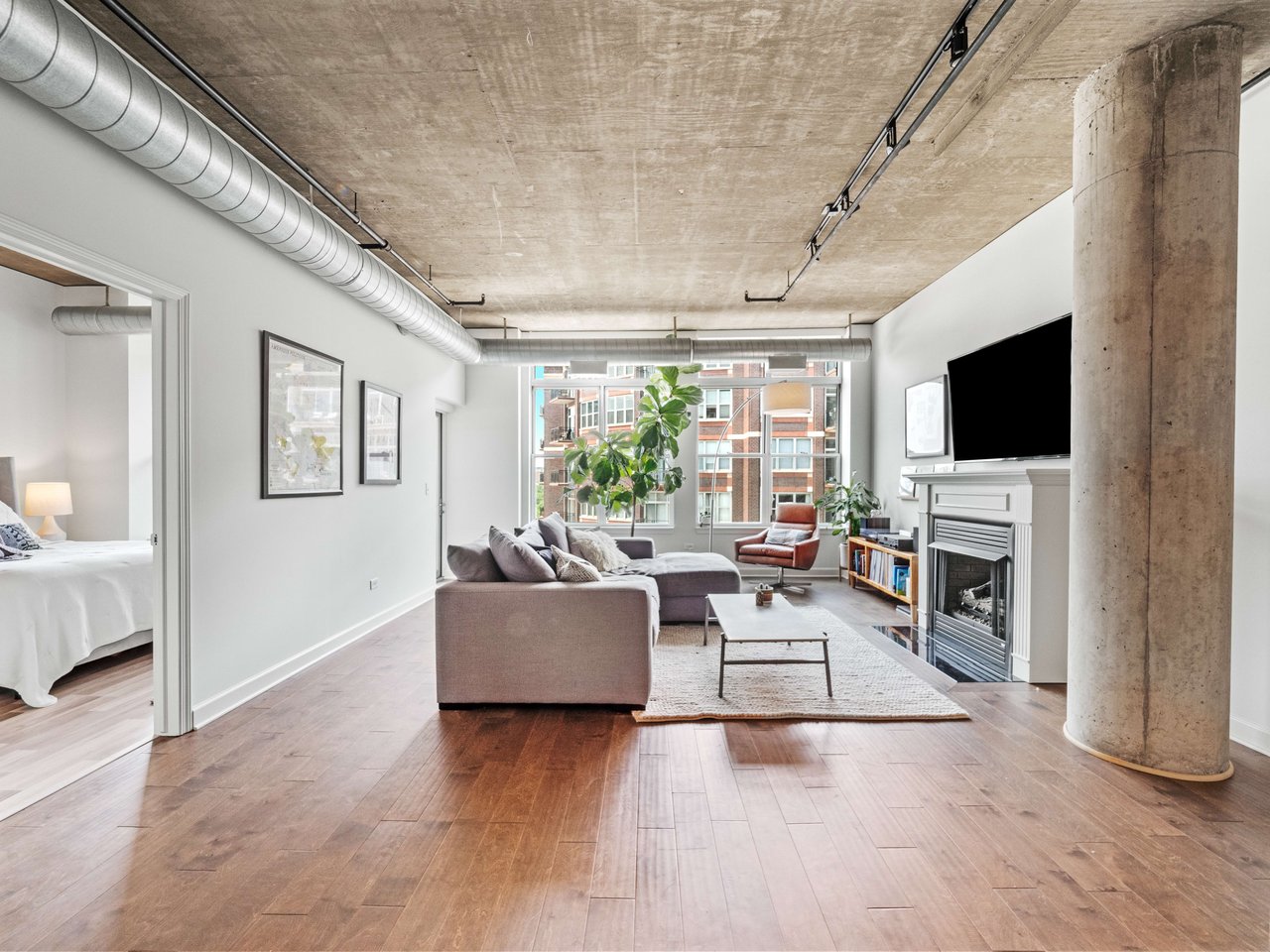
That matters because housing type shapes lifestyle. Buying in the Loop usually means evaluating building amenities, monthly assessments, lobby and elevator experience, and the tradeoffs that come with shared walls and shared systems. For many buyers, that is an easy exchange for location and convenience.
The market also leans smaller in unit size. CMAP estimates that 59.7% of units are studios or one-bedrooms, while only 8.5% are three-bedroom units. If you need more space, especially multiple bedrooms, your search may be narrower than you expect.
You will see a mix of newer and older buildings
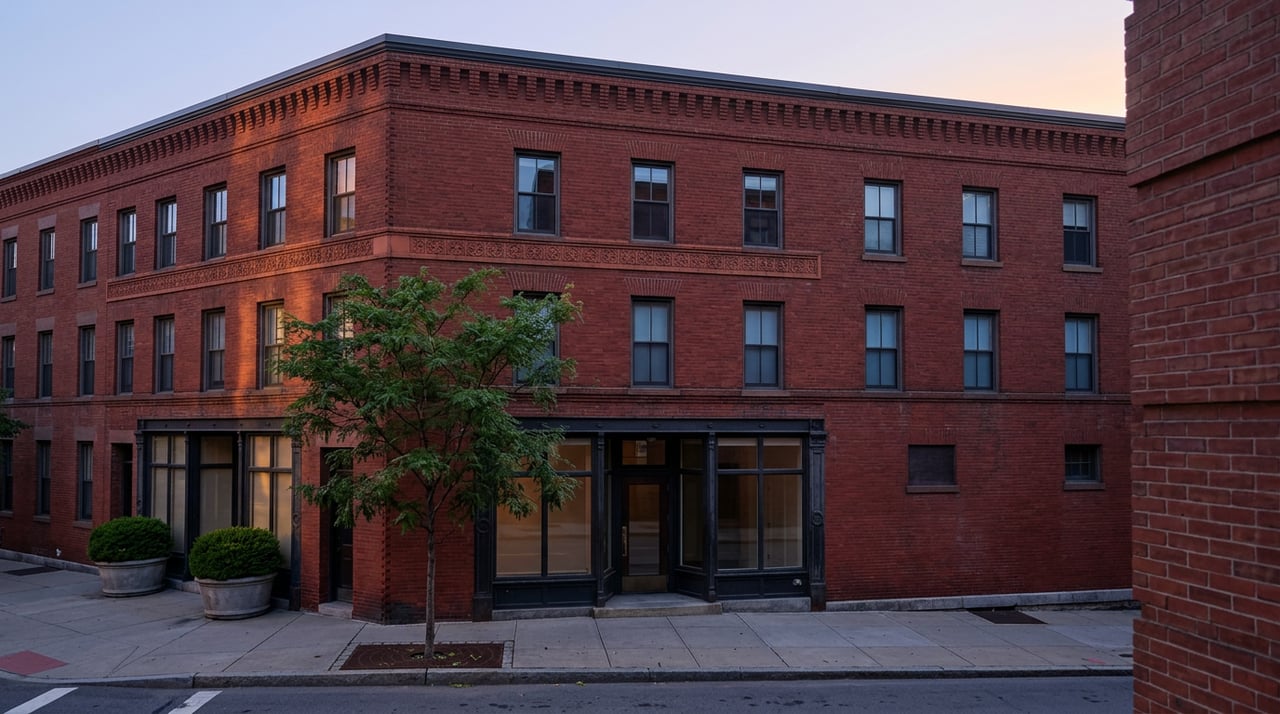
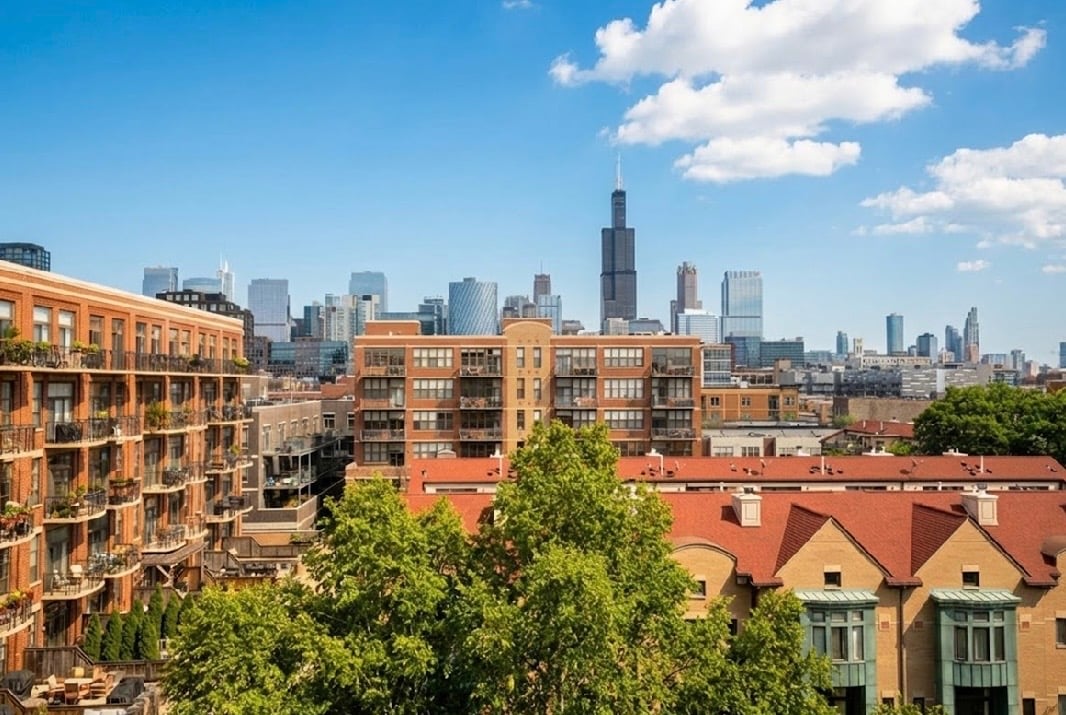
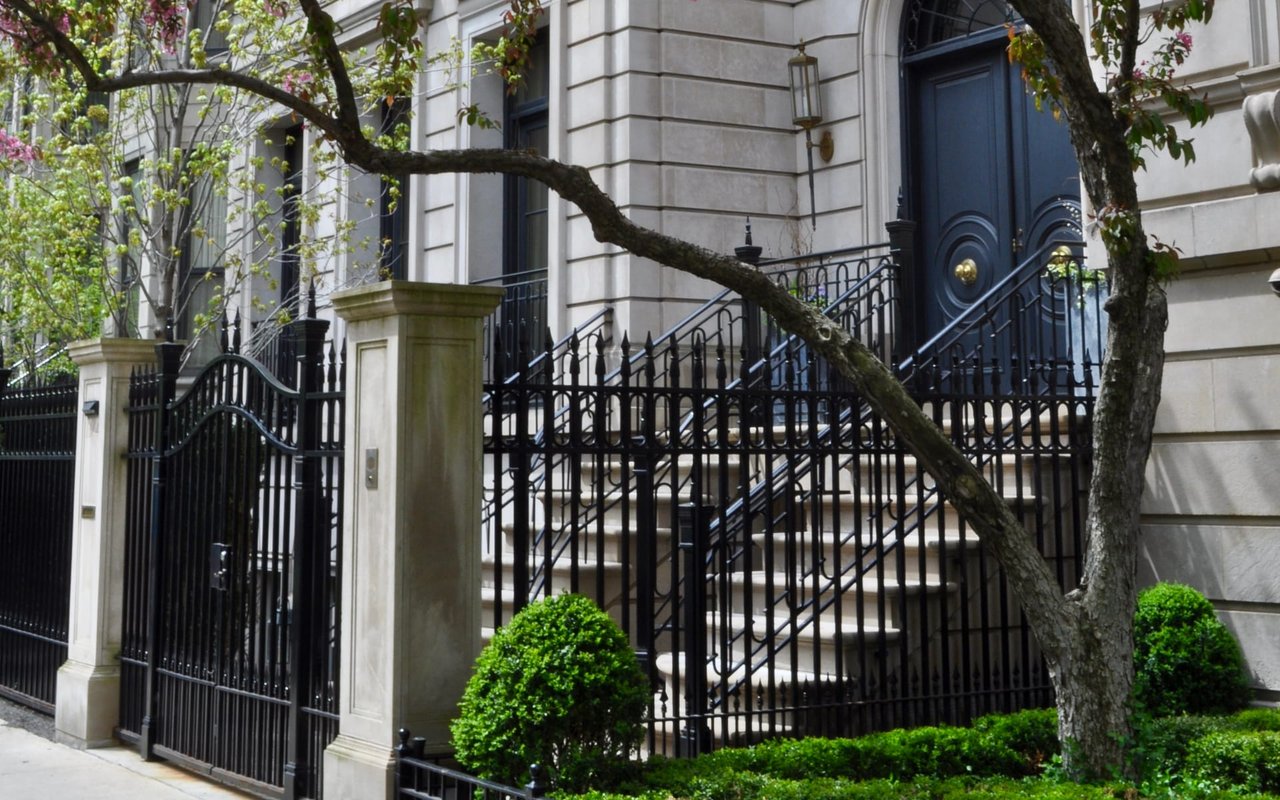
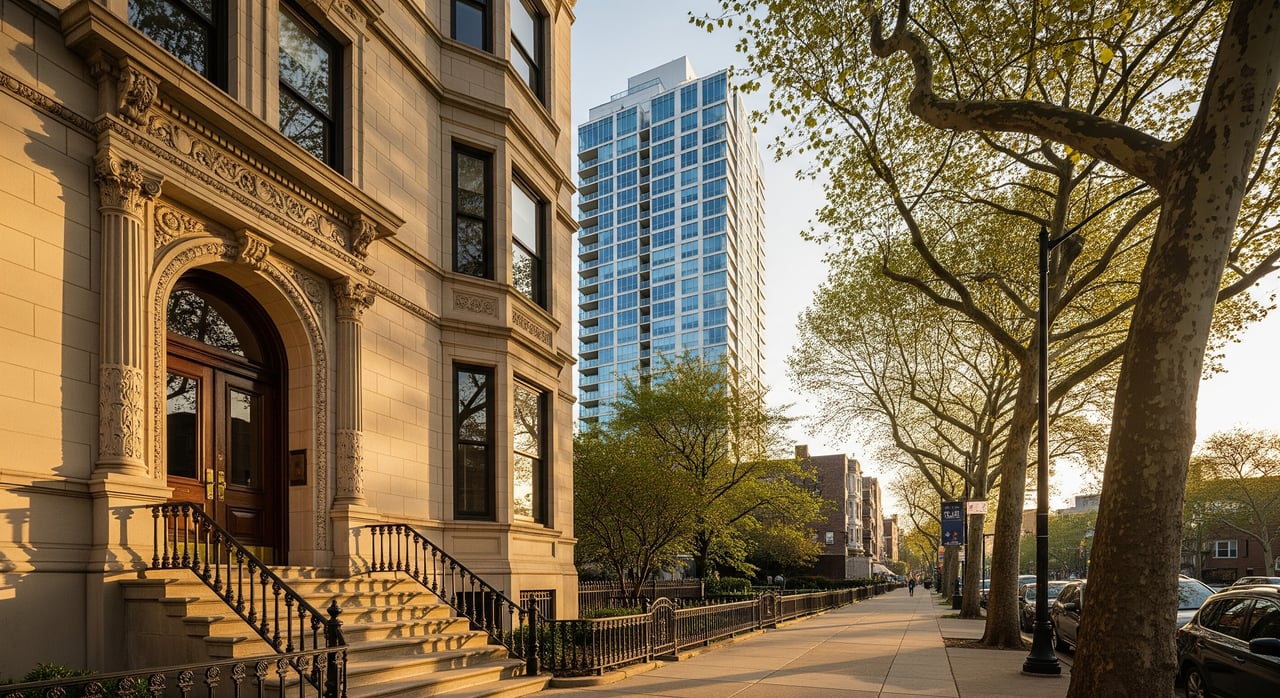
The Loop’s building stock is not one-note. The median year built is 2002, and the neighborhood includes a mix of newer high-rises, mid-2000s condo towers, and some older buildings. About 26.0% of units were built in 2010 or later, 34.1% were built between 1990 and 2009, and 16.2% were built before 1940.
That layered mix gives buyers options. Some buildings offer newer finishes and more recent amenity packages, while others may have a more established feel or historic character. As you compare properties, it is worth looking beyond the unit itself and paying close attention to the building’s age, style, and overall ownership profile.
The Loop is strongest for smaller households
The data suggest the Loop tends to work best for buyers who want an efficient urban footprint. With 57.4% of households made up of one person and a large share of studios and one-bedrooms, the neighborhood naturally supports buyers looking for a streamlined, low-maintenance home base.
That does not mean larger households cannot buy here. It does mean that if you want more square footage or a three-bedroom layout, you may face fewer choices and more competition for the right fit. In the Loop, home size is often one of the clearest tradeoffs for location.
Lifestyle is where the Loop shines
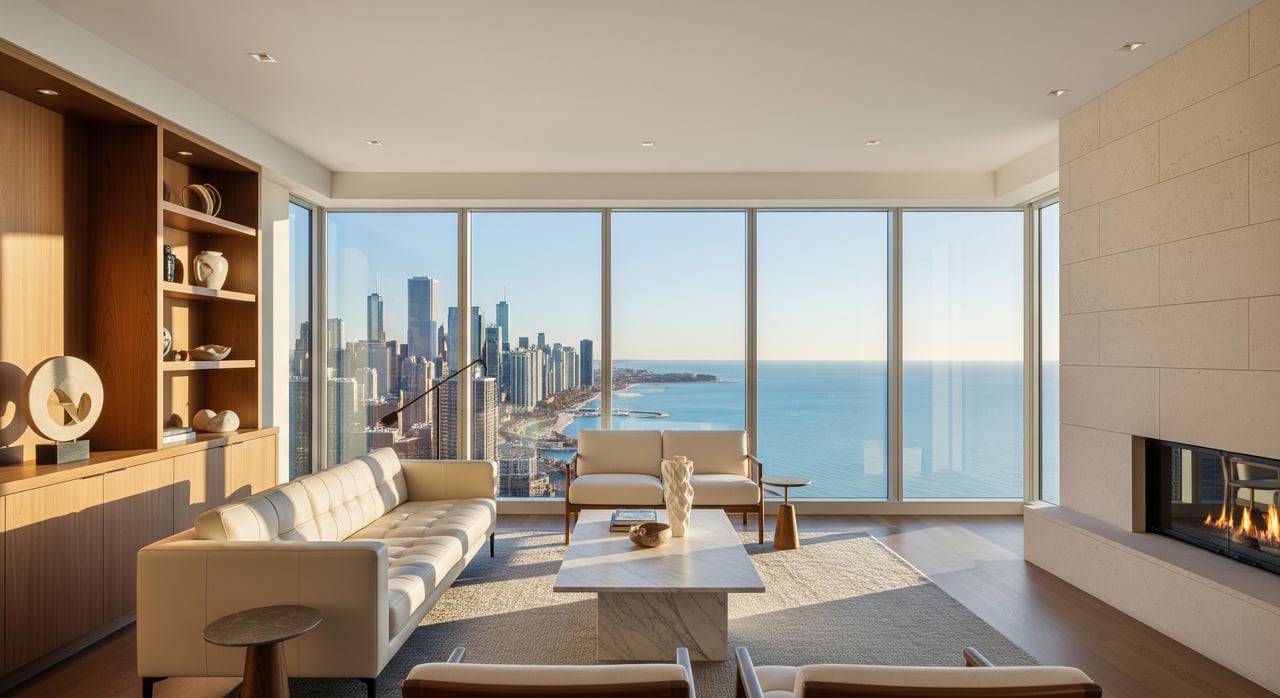
For many buyers, the real value of the Loop is not just the home. It is what surrounds it. Choose Chicago highlights the neighborhood’s historic architecture, theatre district, State Street shopping, the Art Institute, the Chicago Cultural Center, river cruises, Skydeck, the Chicago Riverwalk, Millennium Park, and Grant Park.
That concentration of attractions creates a lifestyle that can feel hard to match elsewhere. The Chicago Riverwalk alone is a 1.25-mile pedestrian waterfront. Grant Park totals 312.98 acres, and Millennium Park adds another 24.5 acres within the downtown park system.
If you like being able to walk to performances, museums, dining, or major public spaces, the Loop offers a rare level of access. For buyers who value experiences as much as square footage, that can be a compelling reason to buy here.
Green space exists, but not on every block
The Loop does offer meaningful open space, with 24.7% of land use classified as open space. That is a real strength for a downtown neighborhood. Still, the distribution is not even across the area.
CMAP also reports that 39.5% of Loop land use is transportation and other, while 19.3% is commercial. In everyday terms, some parts of the Loop may feel closely tied to major streets, office corridors, and downtown infrastructure, while other areas feel more connected to parks or the riverfront.
That is an important tradeoff to understand before you buy. You may love having landmark public spaces nearby, but your immediate block may still feel more urban corridor than residential enclave.
The after-hours feel varies by block
The Loop is more active than many people assume. Chicago Loop Alliance reported a 10% increase in pedestrian activity in 2024, along with more than 1.3 million Sundays on State attendees since 2021. That points to a neighborhood with strong destination traffic and growing energy beyond the workday.
At the same time, the Loop is still shaped by its downtown role. Some office-heavy stretches can quiet down more noticeably after business hours. If your goal is a consistently neighborhood-style street scene late into the evening, that is something to evaluate carefully building by building and block by block.
How the Loop compares to nearby options
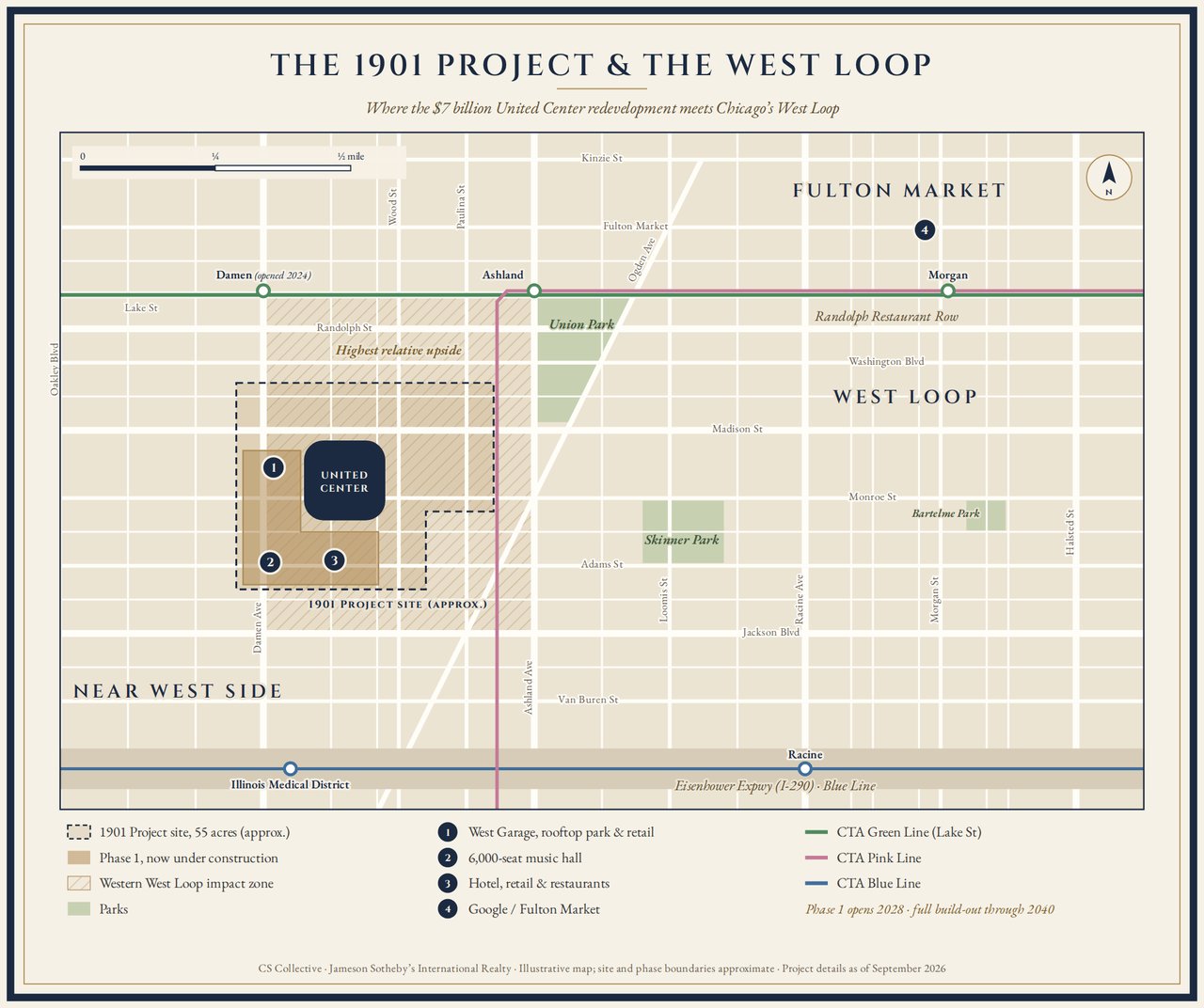
Buyers often cross-shop the Loop with West Loop, South Loop, and Streeterville. Each area offers a different version of downtown living, and those differences matter.
Loop vs. West Loop
The Loop is typically the more central and business-district-oriented option. West Loop, using Near West Side as a proxy, has a broader housing mix, with 66.0% of units in 20-plus-unit buildings and 46.1% of units as studios or one-bedrooms. It also has a notable blend of old and new stock, which helps explain its loft-meets-new-construction feel.
If you want maximum centrality and classic core-downtown access, the Loop may fit better. If you want strong restaurant density and a more casual neighborhood-at-night atmosphere, West Loop is often the better comparison.
Loop vs. South Loop
South Loop tends to offer a somewhat more balanced condo market. Using Near South Side as a proxy, 42.0% of units are two-bedrooms, 56.8% were built from 1990 to 2009, and 49.6% of occupied housing is owner-occupied. That can make it attractive for buyers who want somewhat more space and a more residential feel.
Compared with South Loop, the Loop reads as more office-first and more concentrated in smaller units. If you want to stay close to downtown but are prioritizing newer two-bedroom options, South Loop may deserve a side-by-side comparison.
Loop vs. Streeterville
Streeterville is also a high-rise market, with 89.4% of units in 20-plus-unit buildings and 58.1% of units as studios or one-bedrooms. Its median year built is 1989, and just 17.5% of units were built in 2010 or later, which gives it a more established luxury-condo profile.
Compared with the Loop, Streeterville leans more into lakefront access, visitor activity, and destination amenities like Navy Pier and Ohio Street Beach. The Loop, by contrast, carries a stronger core-downtown identity with especially direct access to transit, offices, theaters, and civic spaces.
Who the Loop fits best
The Loop is often a strong fit if you want:
- A home close to downtown jobs and transit
- A car-light or car-free lifestyle
- Condo living in a large building
- Walkable access to dining, culture, parks, and the riverfront
- A turnkey urban home rather than a detached-house setting
This neighborhood often makes the most sense when you are buying into a lifestyle of access and convenience. If that is your priority, the Loop can offer real value.
What to think through before you buy
Before you move forward, it helps to pressure-test a few questions. These are the practical tradeoffs that tend to matter most in the Loop.
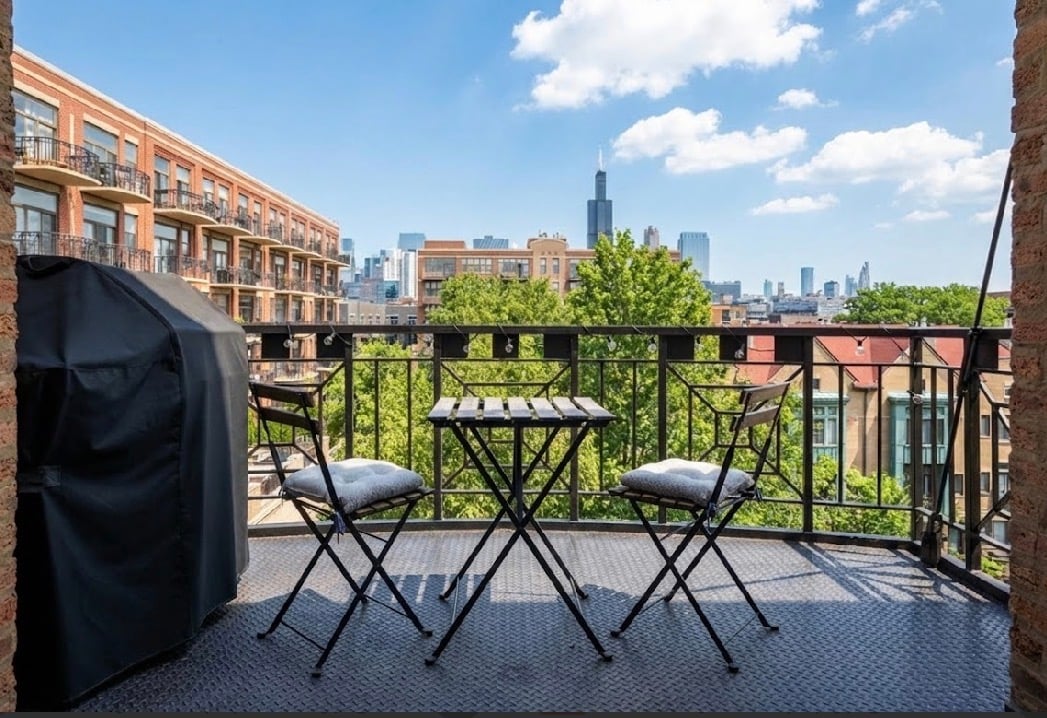
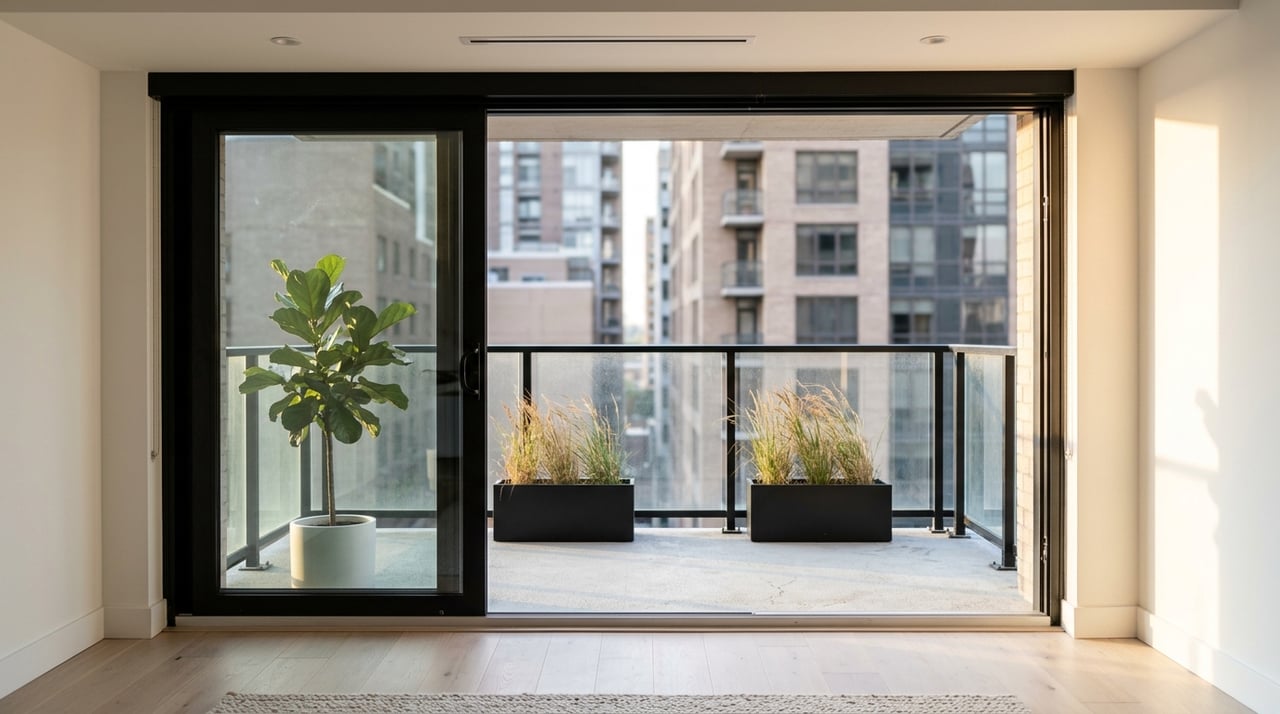
- How important is private outdoor space to you?
- Do you need two or three true bedrooms?
- Will you own a car, and if so, how often will you use it?
- Do you want a block with more evening activity or a quieter feel?
- Are you buying primarily for convenience, or do you want a more traditional residential environment?
The right answer depends on your lifestyle, not just the address. In the Loop, the best purchase is usually the one that matches how you want to live every day.
If you are weighing the Loop against West Loop, South Loop, or Streeterville, a data-informed comparison can save you time and help you focus on the buildings and blocks that truly fit your goals. If you want tailored guidance on central Chicago condos and neighborhood tradeoffs, connect with Stephanie Turner for a consultation.
FAQs
What type of homes can you usually buy in the Chicago Loop?
- In the Chicago Loop, most homes for sale are condos in large buildings, since CMAP estimates 96.2% of housing units are in 20-plus-unit buildings.
Is the Chicago Loop a good neighborhood for car-free living?
- Yes. The Loop is one of Chicago’s strongest areas for a car-light lifestyle, with extensive CTA and Metra access and 49.9% of households reporting no vehicle.
Are there many large condos in the Chicago Loop?
- Large condos are less common than smaller units. CMAP reports 59.7% of units are studios or one-bedrooms, while only 8.5% are three-bedroom units.
How does the Chicago Loop compare with West Loop for buyers?
- The Loop is generally more central and more tied to the downtown core, while West Loop usually offers a broader housing mix and a more neighborhood-casual dining and nightlife atmosphere.
Does the Chicago Loop have parks and outdoor space?
- Yes. The neighborhood includes access to major public spaces like Grant Park, Millennium Park, and the Chicago Riverwalk, though that open space is concentrated more in key destinations than evenly spread across every block.
What is the after-hours feel like in the Chicago Loop?
- It varies by block. The Loop has growing pedestrian activity and strong programming, but some office-heavy areas can still feel quieter after business hours.