The Complete Guide to Buying a Condo in the West Loop (2026)
In 2026, the typical West Loop condo sells for about $500,000, or roughly $390 per square foot, with new-construction family-size units running from about $835,000 to $4 million. The keys to buying well are choosing the right building type (timber loft, concrete loft or new tower), vetting the HOA's reserves before you commit, and confirming the building meets the stricter Fannie Mae and Freddie Mac condo lending rules that took effect in August 2026.
The West Loop condo market in 2026
The West Loop is now one of the main engines of Chicago's condo market, with steady prices, a balanced pace of sales and strong demand for larger units.
- Median sale price: about $518,000 as of March 2026, per Redfin
- Price per square foot: about $387
- Days on market: a median of about 84 days, so most buyers have time to do their due diligence
- Inventory: condos make up the large majority of West Loop listings; single-family homes are rare
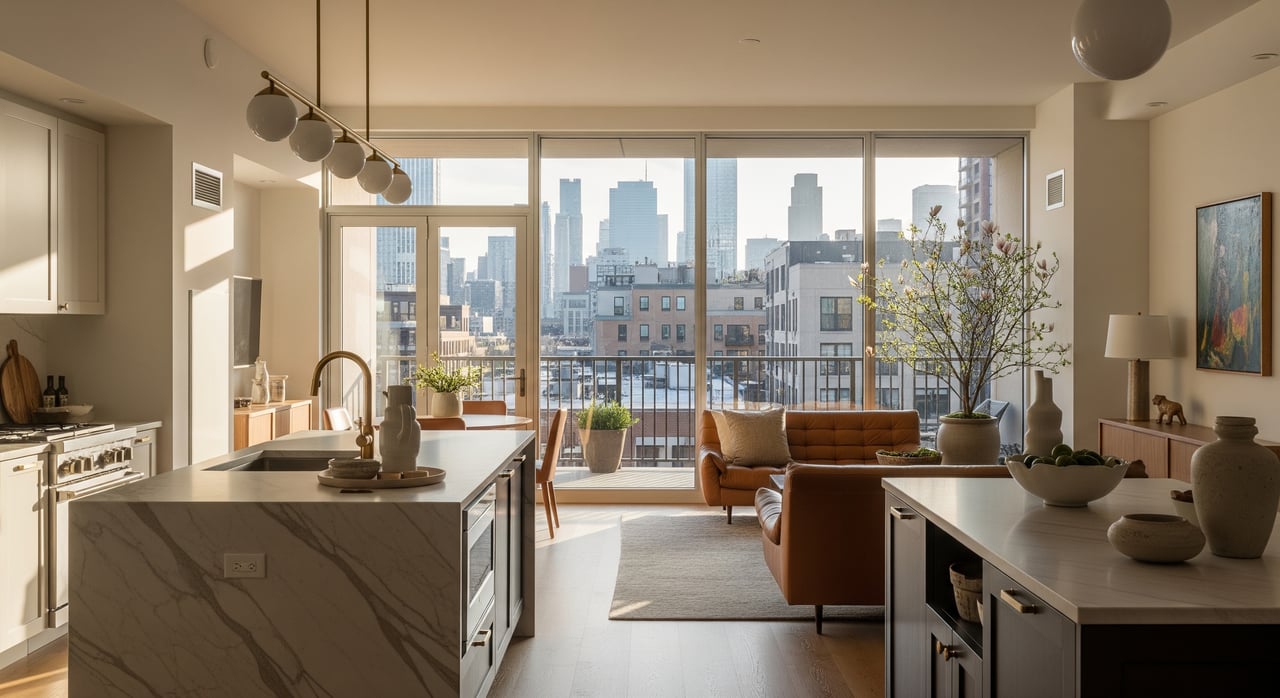
The biggest shift is upmarket. Industry coverage notes that the center of Chicago's condo market has moved west, and a two-bedroom in a new luxury West Loop building can easily top $750,000. Larger, family-size condos with three or more bedrooms, private outdoor space and heated parking are in the shortest supply.
Types of West Loop condos
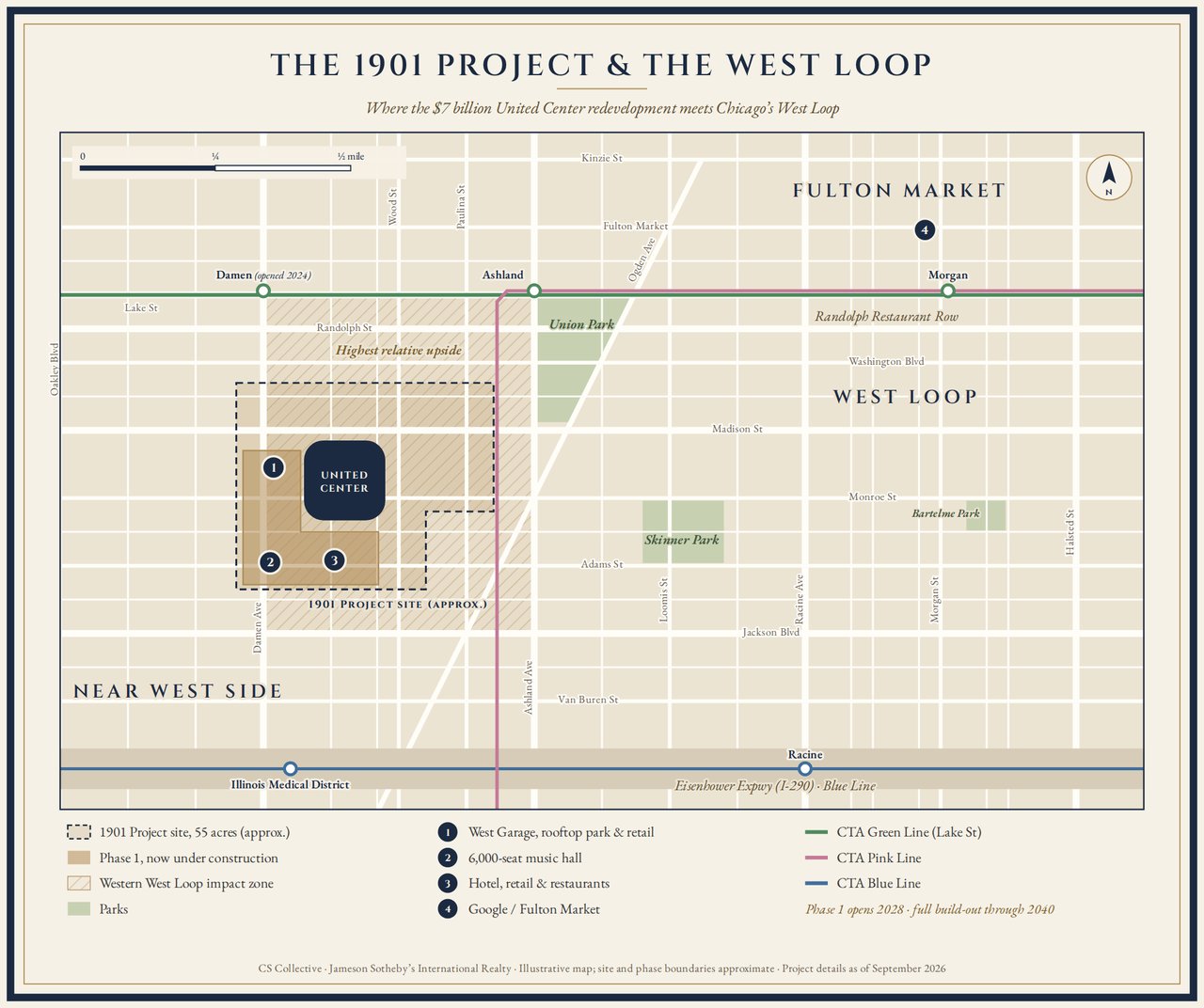
West Loop condos fall into four main types, and the building type affects price, noise, maintenance and how easy the unit is to finance.
Type | What it is | Pros | Watch for |
|---|---|---|---|
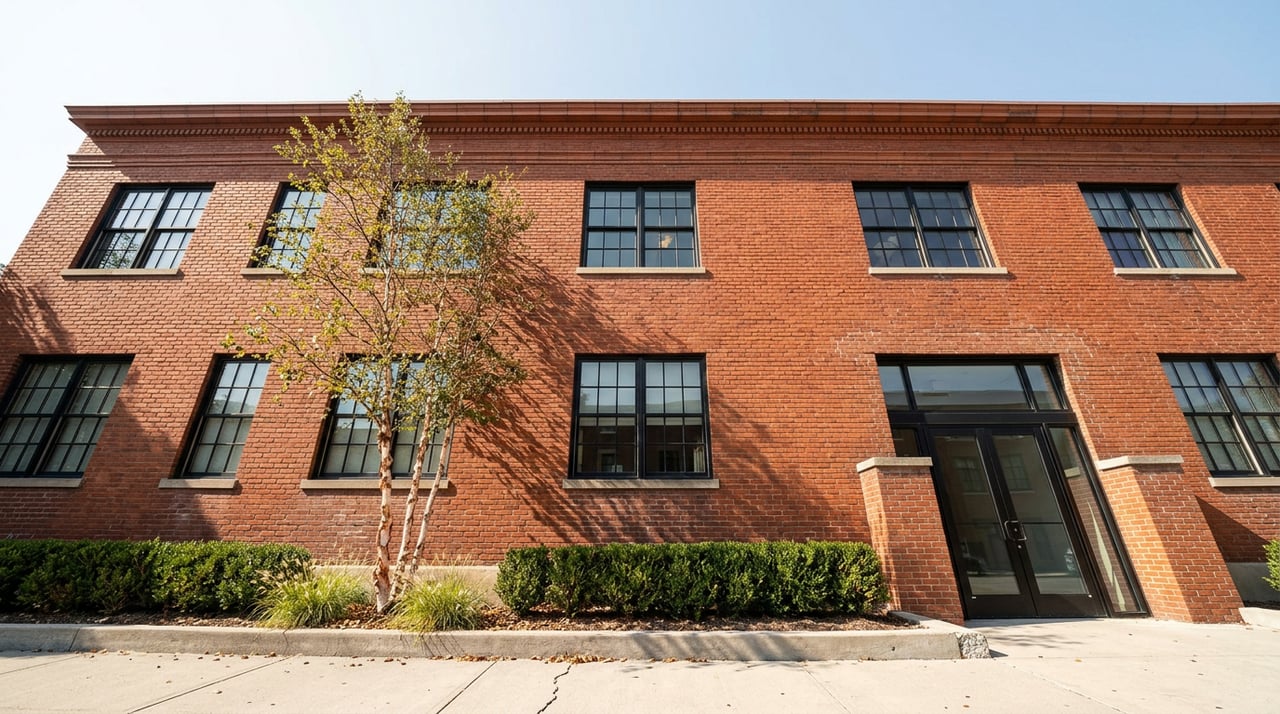
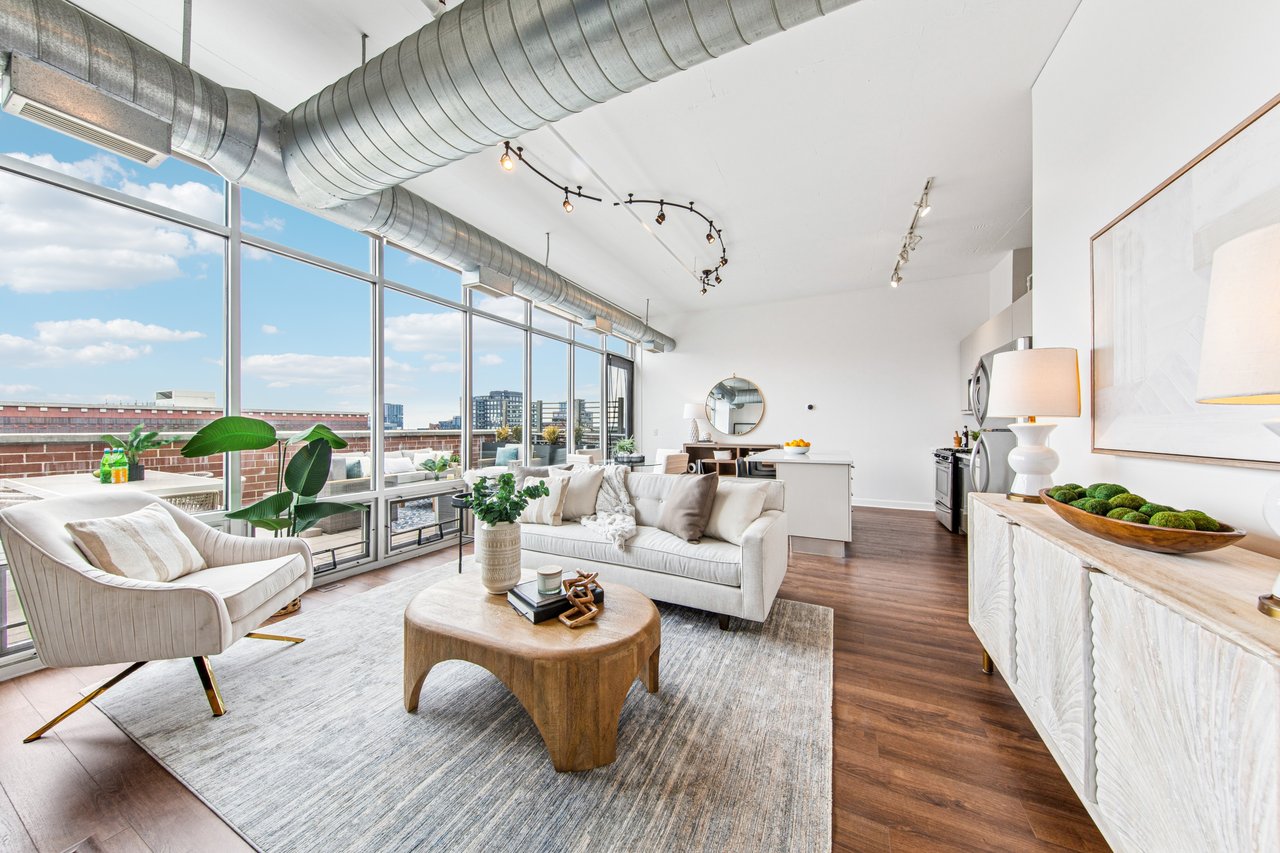
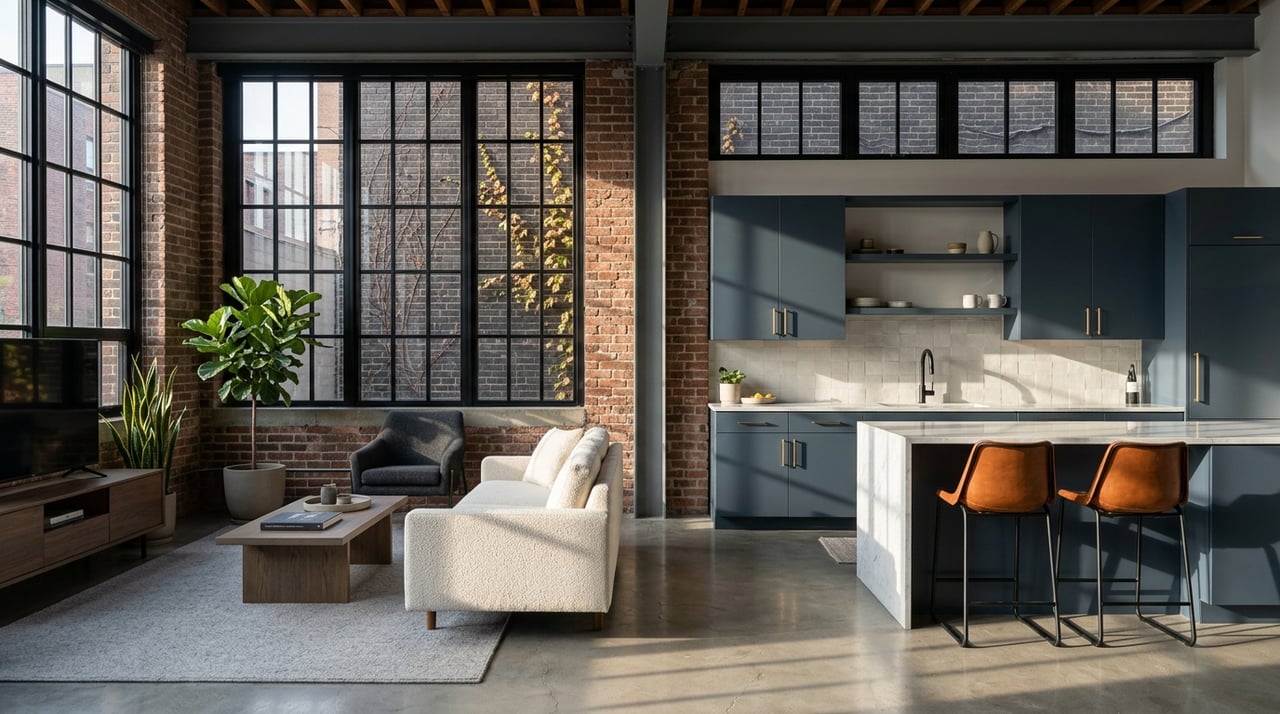
Timber loft | Converted 1890s–1920s warehouse with exposed brick, heavy timber beams and wood ceilings | Authentic character, high ceilings, large windows | Sound between floors, older windows, masonry and roof upkeep |
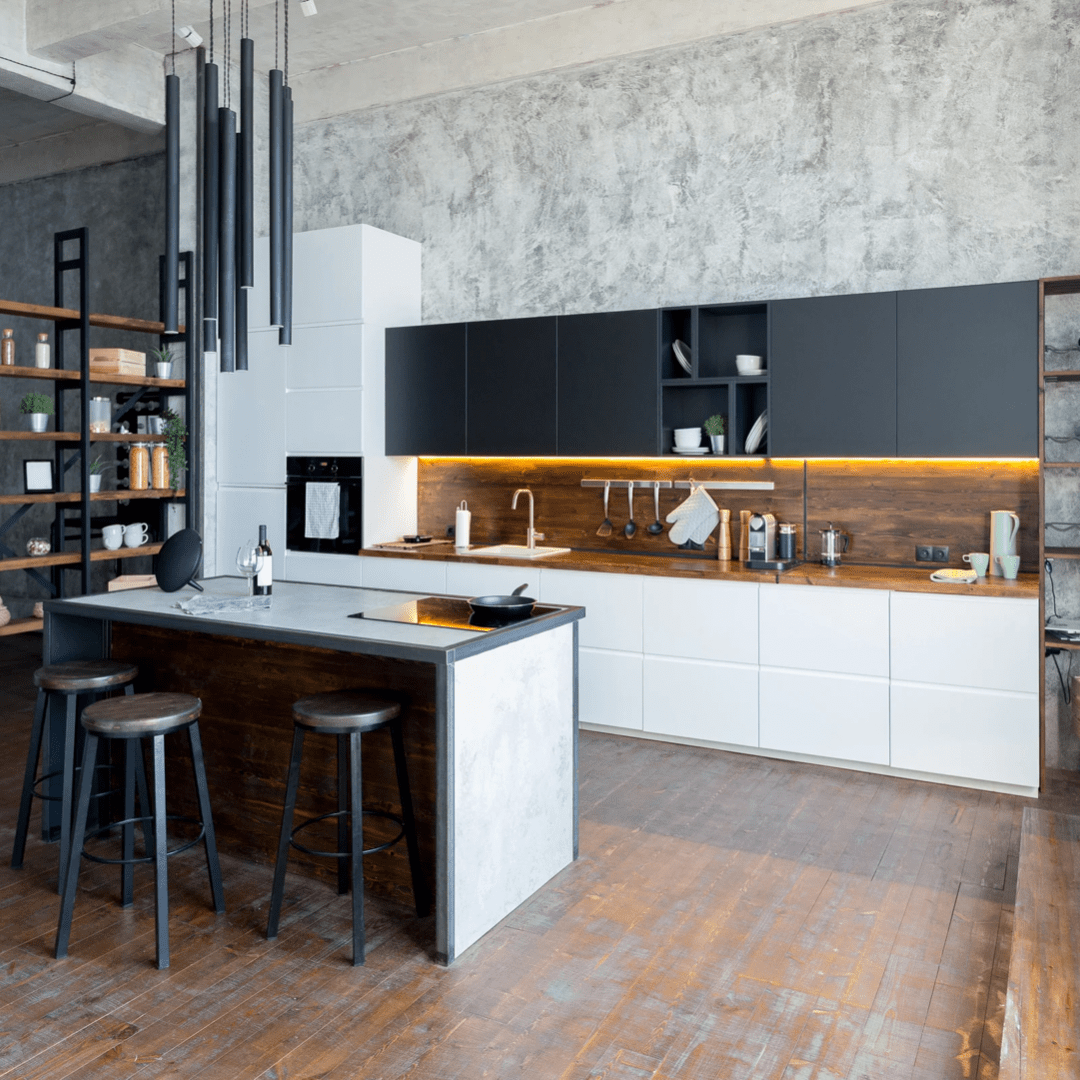
Concrete loft | Converted industrial building with concrete floors and ceilings | Quieter, sturdier, open plans | Ductwork and mechanicals often exposed; check HVAC age |
Soft loft / mid-rise | Newer building (1990s–2010s) styled as a loft, usually drywall ceilings | Modern systems with loft feel, often easier to finance | Less authentic character; check developer-era construction quality |
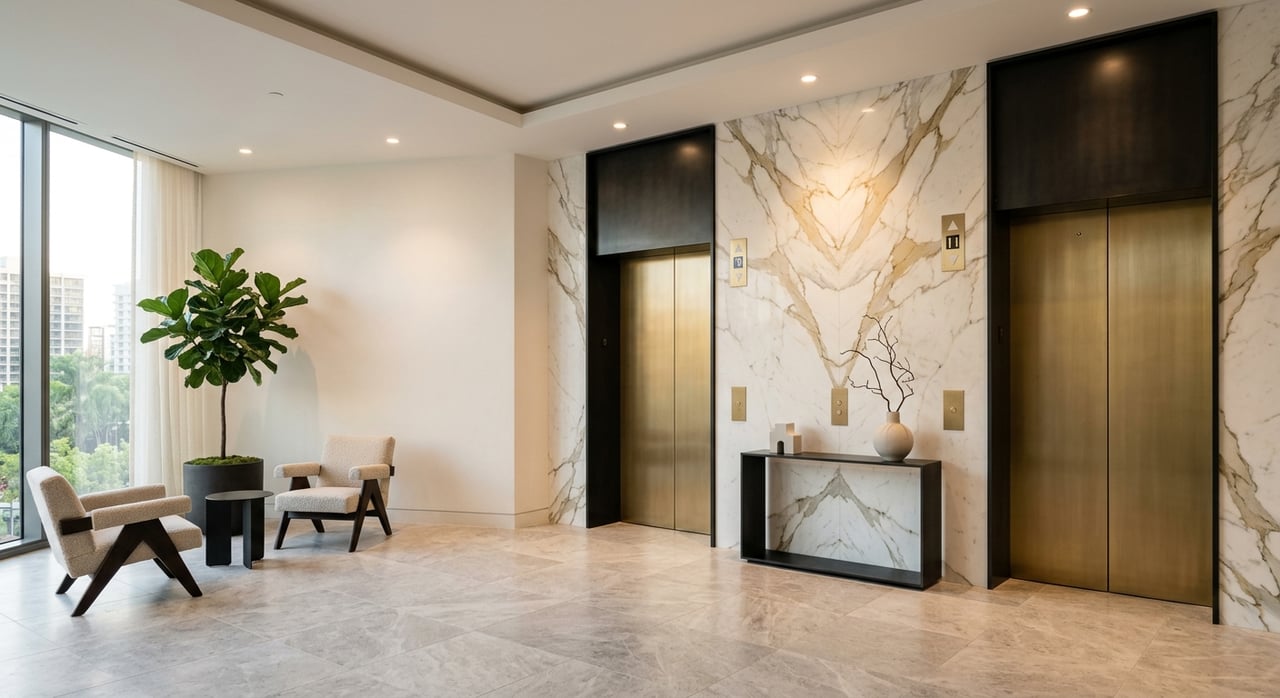
New boutique or tower | Recent construction, from 16-unit boutique buildings to high-rises with amenities | New systems, parking, terraces, amenities | Highest prices and assessments; new associations have short track records |
New construction to know: Belgravia Group's CA6 West Loop at Jackson and Racine offers three- and four-bedroom homes, with single-level units starting near $836,000 and duplexes from about $1.65 million. ZSD Corp's 1282 Washington is a 16-unit building with private elevator entries and two heated parking spaces per unit, priced from about $1.7 million to $4 million, with move-ins targeted for fall 2027.
What your budget buys in the West Loop
At roughly $390 per square foot, $500,000 buys about 1,300 square feet in an older loft, while new construction can run well above that per foot.
Budget | What you can typically expect |
|---|---|
Under $400K | One-bedroom or small two-bedroom in an older loft or mid-rise; parking often extra or leased |
$400K–$650K | Two-bedroom, two-bath loft or mid-rise unit, often with deeded parking; the heart of the market |
$650K–$1M | Large two-bedroom or three-bedroom, penthouse lofts, private terraces or roof decks |
$1M–$2M | Three- to four-bedroom new-construction homes, duplexes, heated garage parking |
$2M+ | Boutique new construction with private elevator entries, large terraces and multiple parking spaces |
For example, CS Collective's listing at 1330 W Monroe #410, a duplex penthouse loft, was listed at $899,000. Ranges are approximate and shift with building, floor, outdoor space and parking.
HOA due diligence: what to check before you buy
The condo association's finances matter as much as the unit, because a weak reserve fund can mean special assessments for you and trouble getting a mortgage.
In Illinois, the seller must provide resale disclosures under Section 22.1 of the Condominium Property Act. Ask your broker and attorney to review:
- Reserve fund balance: how much is saved for major repairs, and whether a professional reserve study has been done
- Special assessments: any current, approved or discussed assessments for roofs, masonry, windows, elevators or the garage
- Budget and dues history: how monthly assessments have changed over the past few years
- Board minutes: the best window into upcoming projects, disputes and deferred maintenance
- Rental and pet rules: leasing caps, minimum lease terms and pet restrictions
- Litigation and insurance: pending lawsuits and the master insurance policy
- Owner-occupancy and delinquencies: both affect whether lenders will finance the building
Legislation to watch: Illinois lawmakers are considering bills (SB3401 and HB2563) that would require most associations with more than 15 units to complete a reserve study every five years and share it with buyers. As of this writing they have not become law.
Parking, outdoor space and the features that drive value
In the West Loop, deeded parking and private outdoor space add the most value and resale appeal.
- Parking: confirm whether a space is deeded (you own it and it has its own tax PIN), limited common element (assigned to your unit) or leased. Deeded and heated garage parking command the biggest premium.
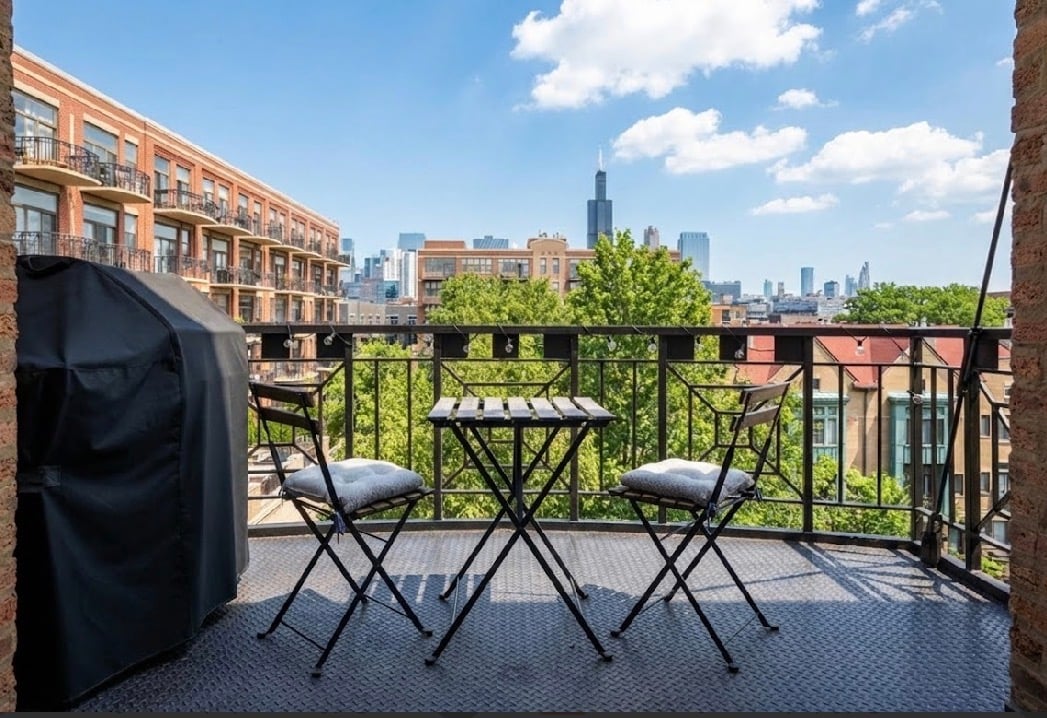
- Outdoor space: private terraces, balconies and roof decks are in short supply. A full private roof deck, like the one at CS Collective's upcoming listing at 100 S Sangamon across from Mary Bartelme Park, is one of the most sought-after features in the neighborhood.
- Bedroom count: three-bedroom condos are scarce, and a third room for an office or nursery is now a must-have for many buyers.
- Location within the neighborhood: quiet residential side streets near Mary Bartelme, Skinner or Union Park often hold value better than units directly on busy restaurant corridors.
- In-unit laundry and storage: expected at most price points; dedicated storage lockers and bike rooms are a plus.
Financing a West Loop condo in 2026
Financing a condo means the lender approves the building as well as you, and the rules got stricter in 2026.
- New lending rules (August 2026): Fannie Mae and Freddie Mac now require a full review of buildings with more than 10 units, which covers nearly every West Loop condo building. Lenders look at reserves, delinquencies, owner-occupancy, commercial space and deferred maintenance.
- Higher reserve requirement coming: starting in January 2027, associations will be expected to keep 15% of their annual budget in reserves, up from 10%. Buildings that fall short may raise dues or become harder to finance.
- Non-warrantable buildings: if a building doesn't meet these standards, you may need a portfolio or jumbo loan with a larger down payment. Ask your lender early.
- Small buildings: boutique buildings with 10 or fewer units no longer require a formal review, which can make them easier to finance.
- Property taxes: Cook County taxes are paid in arrears in two installments, so expect a tax proration credit at closing.
- Transfer tax: Chicago buyers pay the city's portion of the real estate transfer tax at closing; budget for it alongside lender and attorney fees.
Get pre-approved with a lender who regularly closes Chicago condos; they can flag building issues before you write an offer.
How to buy a West Loop condo, step by step
Most West Loop condo purchases close in 30 to 60 days once an offer is accepted.
- Get pre-approved with a lender experienced in Chicago condos, and ask how they handle the new full-review requirement.
- Choose your building type and must-haves: bedrooms, parking, outdoor space and budget for dues.
- Tour with a West Loop broker who knows building histories, assessment records and which associations are well run.
- Make an offer on the standard Chicago-area Multi-Board residential contract, with mortgage and inspection contingencies.
- Attorney review: in Illinois, both sides' real estate attorneys typically have five business days to review and modify the contract.
- Home inspection: inspect the unit and ask about common elements like the roof, masonry and mechanicals.
- Review the 22.1 disclosures and association documents, including budget, reserves, minutes and rules.
- Appraisal and building approval by your lender, then final loan approval.
- Final walkthrough and closing, usually at a title company, where you receive keys, fobs and parking access.
Frequently asked questions
How much does a condo cost in the West Loop?
The median West Loop condo sold for about $518,000 in early 2026, or roughly $387 per square foot. Two-bedroom units in new luxury buildings often exceed $750,000, and new three- and four-bedroom homes run from about $835,000 to $4 million.
Is a West Loop condo a good investment?
The West Loop is one of Chicago's most in-demand condo markets, supported by Fulton Market office growth, dining and walkability. Family-size units, deeded parking and private outdoor space tend to hold value best. Building finances matter as much as location.
What is the difference between a timber loft and a concrete loft?
A timber loft is a converted warehouse with wood beams and ceilings, offering more character but more sound transfer between floors. A concrete loft has concrete floors and ceilings, so it is usually quieter and sturdier.
What are HOA fees like for West Loop condos?
Monthly assessments vary widely by building age, amenities and what's included, such as heat, internet or a doorman. Compare dues against the reserve balance and any pending special assessments, not just the monthly number.
Are West Loop condos hard to finance in 2026?
They can be. Since August 2026, Fannie Mae and Freddie Mac require a full review of buildings over 10 units, so buildings with low reserves, high delinquencies or deferred maintenance may not qualify for conventional loans. Have your lender review the building early.
Is parking included with West Loop condos?
Not always. Parking may be deeded, assigned or leased, and some older loft buildings have none. Deeded garage parking typically adds significant value and is worth confirming before you make an offer.
About the author
Stephanie Turner is a Chicago real estate broker with 10 years of experience and co-leads CS Collective at Jameson Sotheby's International Realty with Christine Egley Rashkow. She specializes in the West Loop, Fulton Market, Bucktown, Lincoln Park and Chicago's North Side.
Thinking about buying a West Loop condo? Call or text Stephanie at 312.523.3131, email [email protected], or visit stephanieturnerchicago.com for a building-by-building walkthrough of what's on the market. Follow along on Instagram at @realtorstephturner.
Sources
- The Krish Group: West Loop loft buying guide, March 2026 Redfin snapshot
- Redfin: West Loop housing market
- Cooperator News: Chicago condo market snapshot, 2026
- REjournals: CA6 West Loop condominiums
- Hoodline: 1282 Washington, West Loop
- Axios Chicago: New condo lending rules, August 2026
- Illinois General Assembly: SB3401 reserve study bill
- Cooperator News: 2026 Illinois condo legislation