How The 78 Will Affect South Loop, Chinatown and Nearby Chicago Real Estate
Short answer: The 78 is a 62-acre, roughly $7 billion neighborhood being built on vacant riverfront land in the South Loop. With the Chicago Fire's $750 million stadium under construction since March 2026 and $425 million in city infrastructure funding approved in July 2026, the project is now in its build phase — which historically is when surrounding property values begin to move, not at announcement. Expect the earliest measurable effects in South Loop, Chinatown and East Pilsen between 2028 and 2032.
What is The 78, exactly?
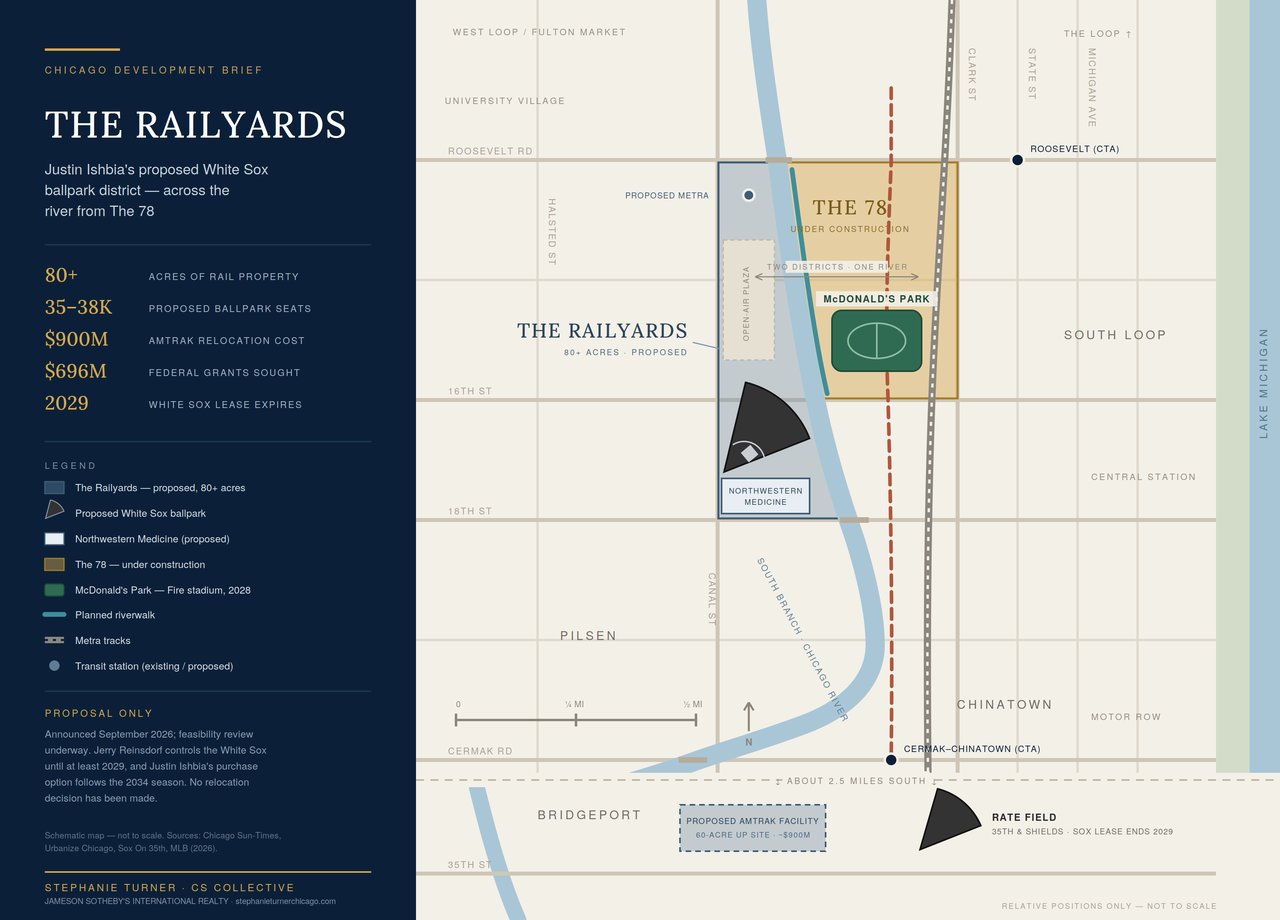
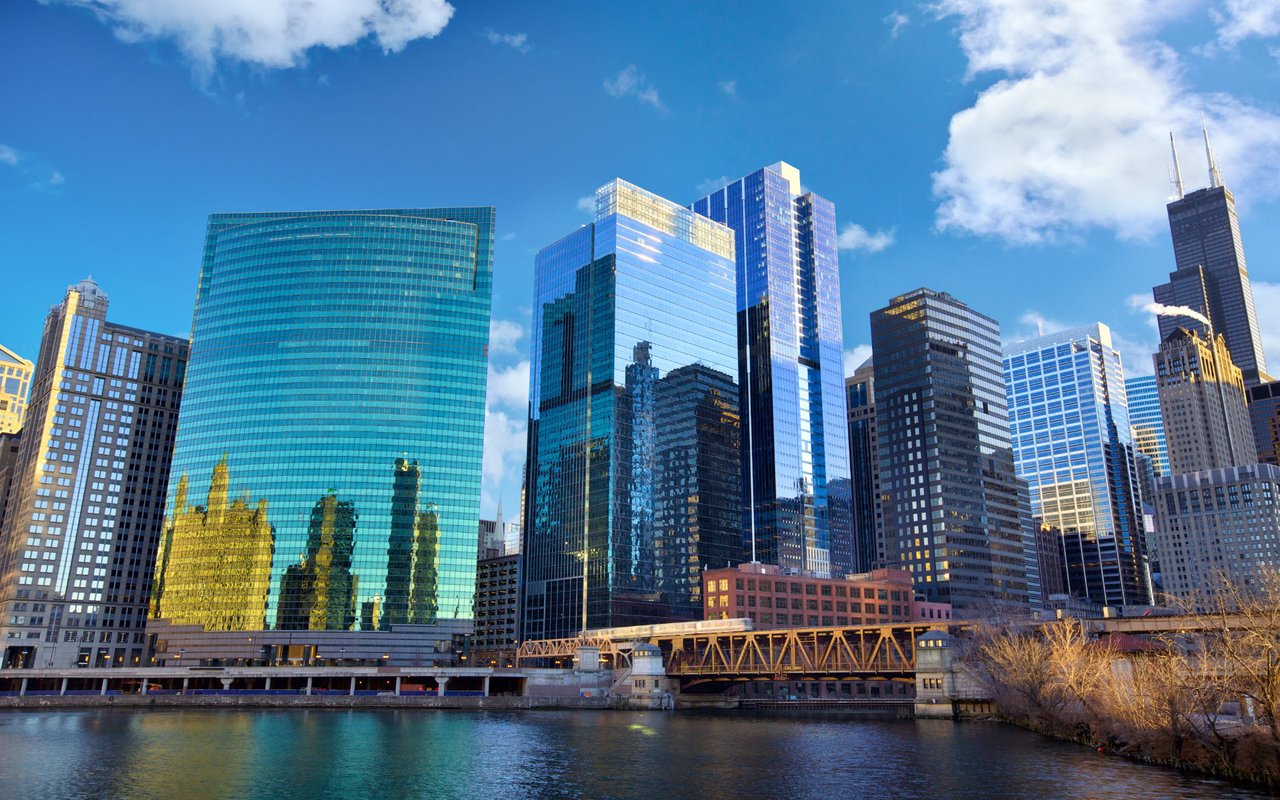
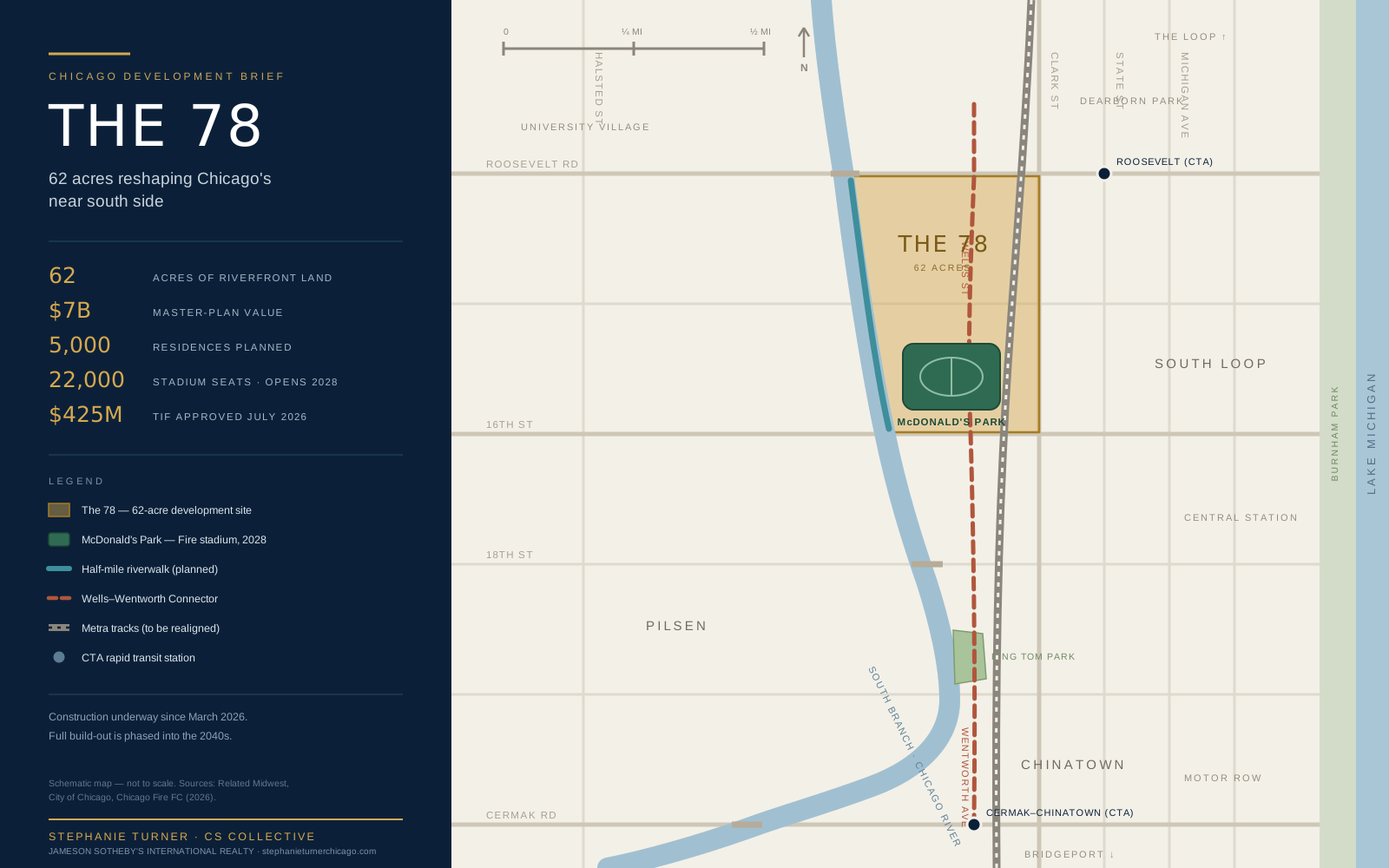
The 78 is Related Midwest's master-planned development on 62 acres of undeveloped land bounded by Roosevelt Road, Clark Street, 16th Street and the South Branch of the Chicago River. The name refers to the idea that it becomes Chicago's 78th community area — a new neighborhood dropped into the gap between the South Loop, Chinatown and the river.
The approved master plan calls for roughly 5,000 residences (including a share designated affordable), millions of square feet of commercial space, about 12 acres of parks and public space, and a half-mile riverwalk extension. Related Midwest has projected tens of thousands of permanent jobs at full build-out. Those figures come from the entitlement-stage plan and have already shifted once — the University of Illinois' Discovery Partners Institute, approved in 2019 as the original anchor, was never built.
What's actually under construction right now?
This is the question that separates The 78 from a decade of renderings.
- McDonald's Park — the Chicago Fire's 22,000-seat, soccer-specific stadium. Privately financed by owner Joe Mansueto at a cost reported between $650 and $750 million. Ground was broken March 3, 2026. Foundation and superstructure permits were issued through mid-2026, and the target is to open for the 2028 MLS season. McDonald's holds naming rights through at least 2040.
- Public infrastructure — In July 2026, City Council approved roughly $425 million in tax increment financing for roads, utilities, the riverwalk, and adjustments to the adjacent Metra tracks.
- The Wells-Wentworth Connector — the roadway that finally stitches the Loop to Chinatown through the site.
That combination matters. Infrastructure is the part of a megadevelopment that is hardest to reverse and most directly changes how a neighborhood functions day to day.
Will The 78 raise home values in the South Loop?
Directionally, yes — but slower and more unevenly than the headlines suggest, and not in a straight line.
Here's what the academic research on stadiums and land values consistently finds: a venue alone produces modest and highly localized effects, sometimes negative for the blocks closest to game-day traffic and parking. What moves values is the district around it — new streets, transit access, retail, parks, and daily foot traffic that exists on non-game days.
The 78 is being built as a district, not just a stadium, which is why I'd weight it more heavily than a typical arena announcement. But the value shows up as each phase delivers.
For context, here's where the South Loop market actually sits today (Redfin, June 2026):
Metric | South Loop |
|---|---|
Median sale price | $394,863 (down 4.0% YoY) |
Price per square foot | $329 (up 1.9% YoY) |
Median days on market | 55 |
Sale-to-list ratio | 102% |
Sold above list | 53.3% |
Note the split: median price is soft while price per square foot is up. That's a mix shift — more entry-level condo volume — not a collapse in underlying value. It's also the kind of detail that matters when you're pricing a specific building rather than reading a neighborhood headline.
Which neighborhoods are most affected?
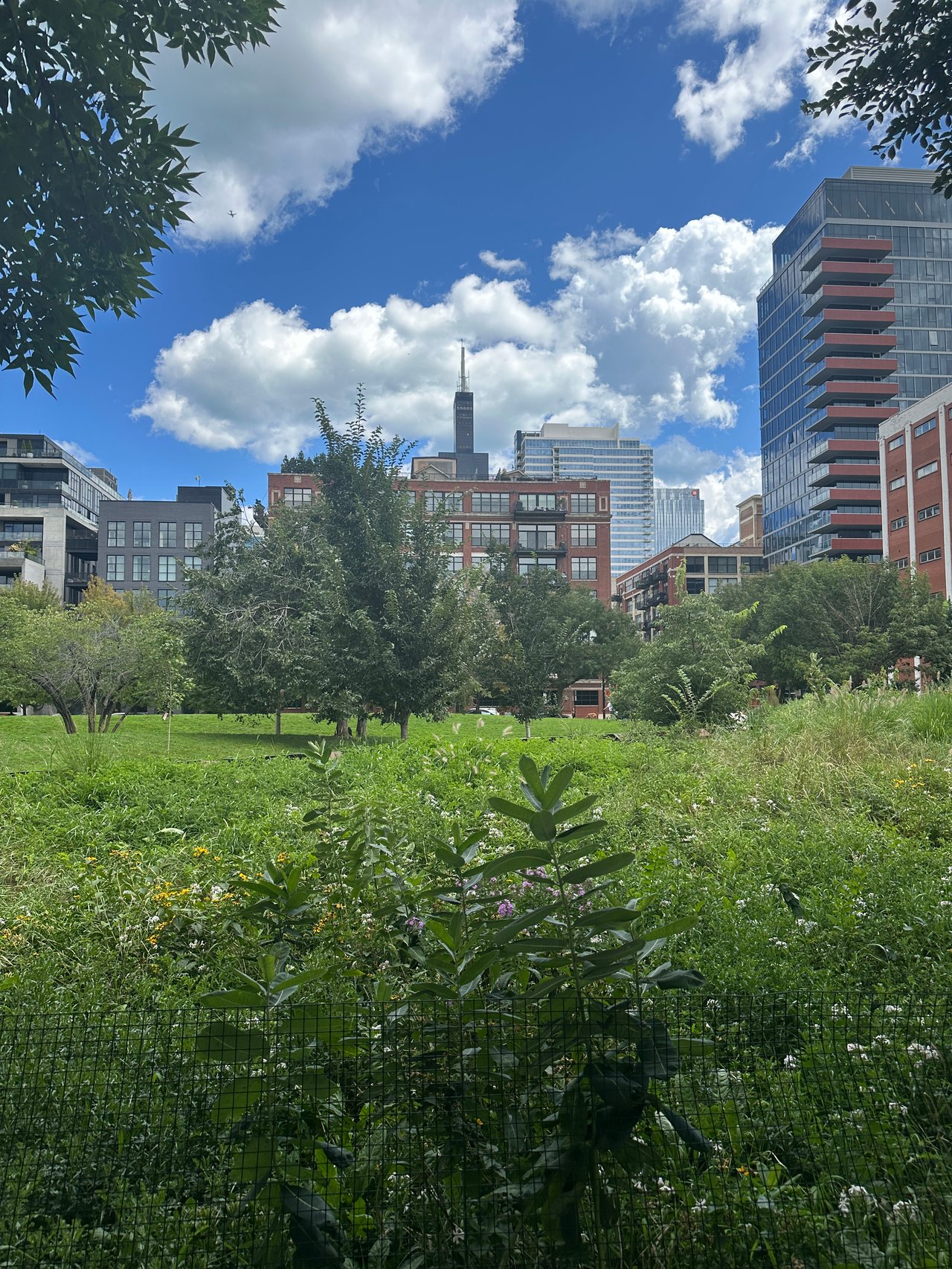
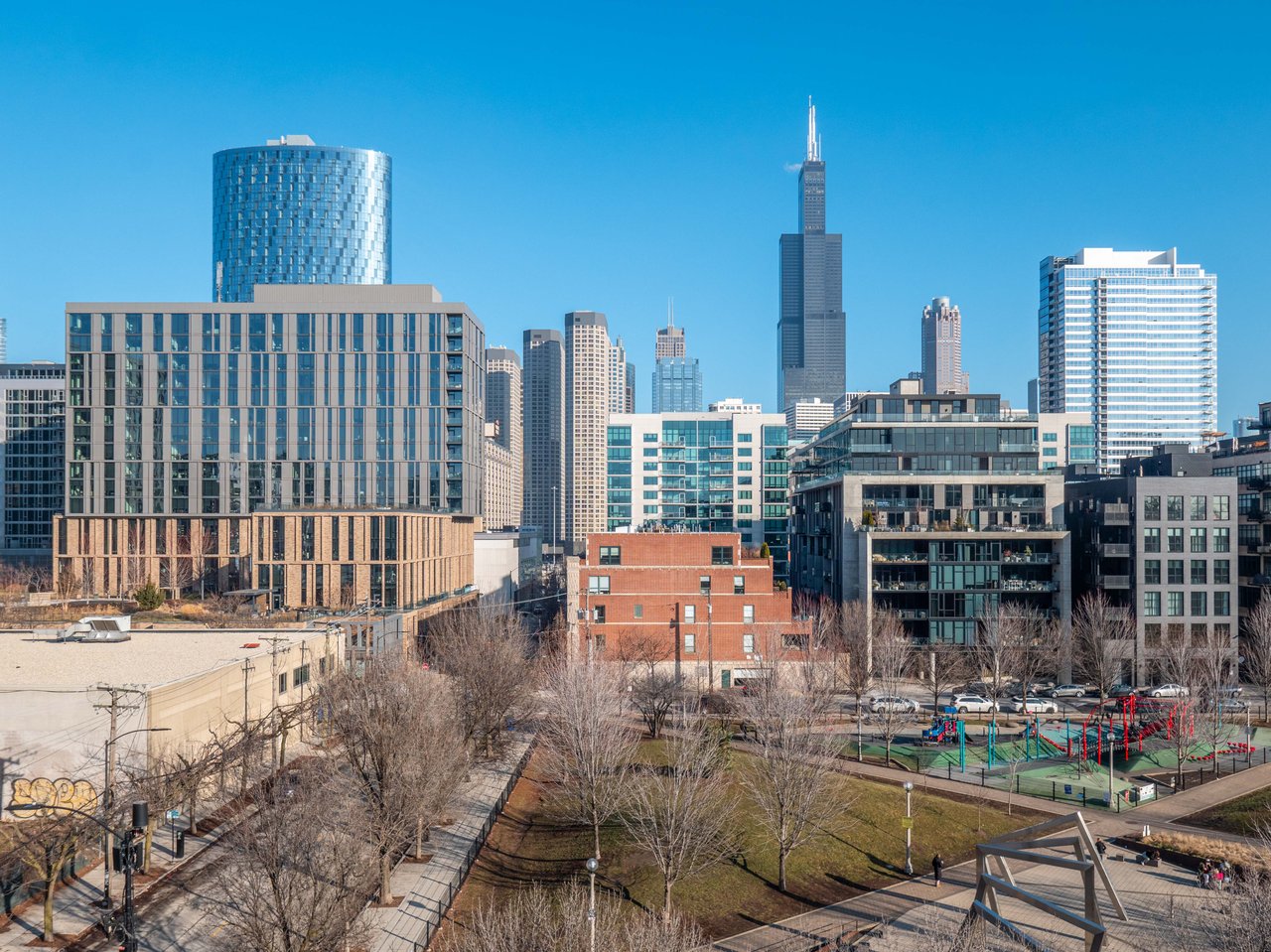
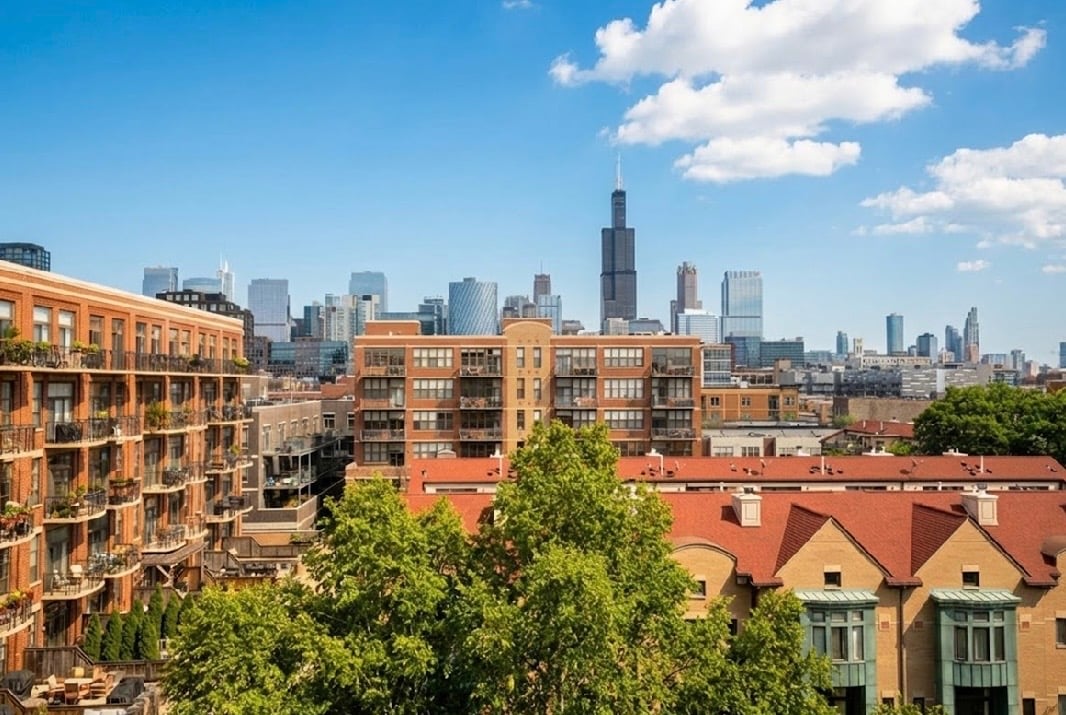
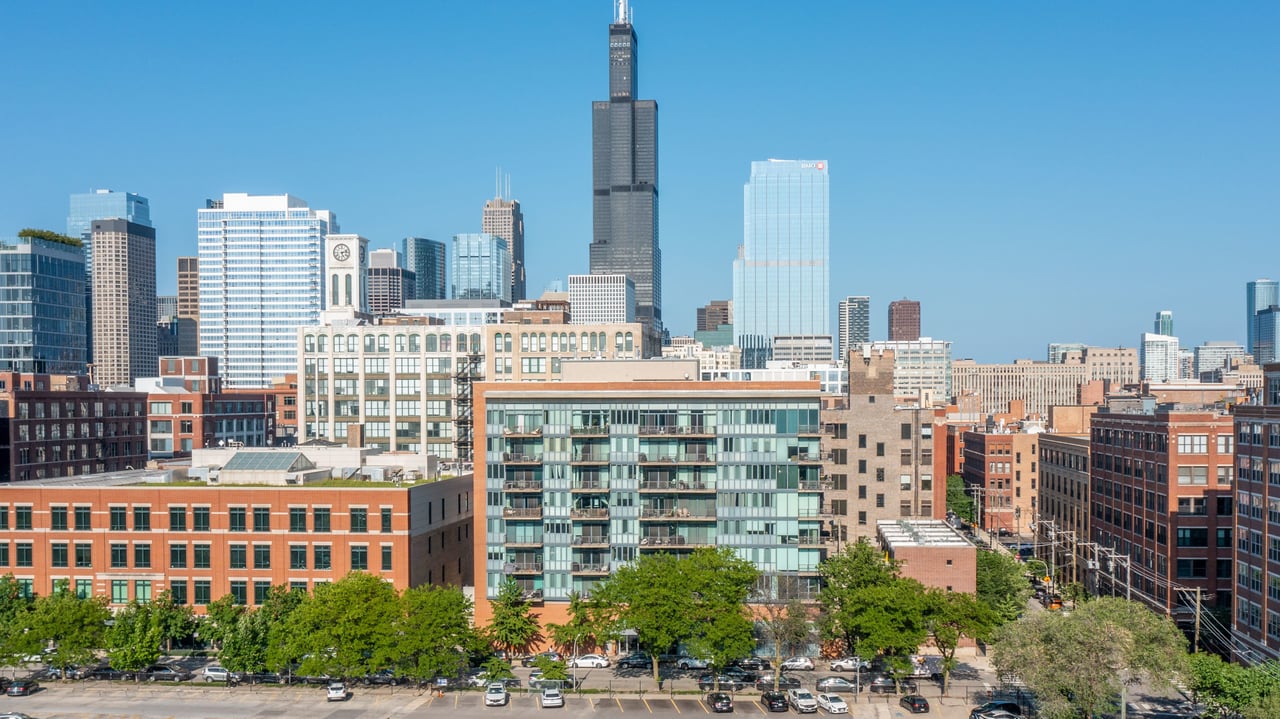
South Loop and Printers Row. Most directly exposed. Buildings along Wells, Clark and Roosevelt gain walkable access to a stadium, riverwalk and new retail. Units with river or skyline views facing the site have the most to gain — and the most construction disruption to absorb first.
Chinatown and Bridgeport. The Wells-Wentworth Connector meaningfully shortens the trip to the Loop. Chinatown has been one of the most stable, owner-occupied markets on the near south side, and improved connectivity plus stadium-driven demand for restaurants and parking is a real tailwind for two-to-four-unit and mixed-use property.
East Pilsen and the river corridor. Second-ring effects. Slower, but the riverfront land between 16th and Cermak becomes considerably more interesting to developers once The 78's infrastructure is in.
Dearborn Park and Central Station. Established, quieter pockets that benefit from the amenity halo without absorbing game-day traffic.
The West Loop precedent — and why timing is everything
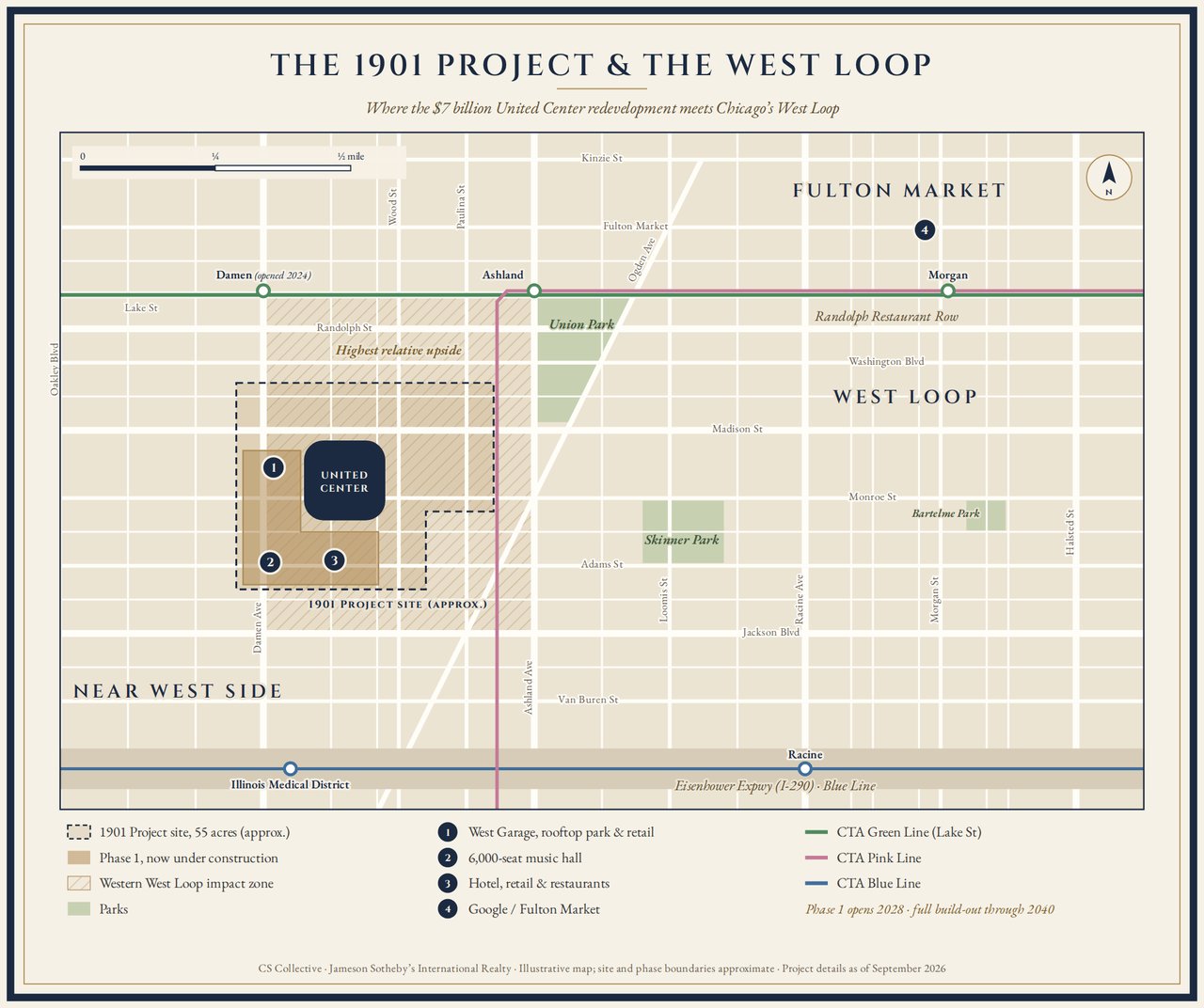
I've spent 25 years in this market, much of it in the West Loop and Fulton Market. I watched that district go from meatpacking and parking lots to corporate headquarters and a national restaurant row. The lesson wasn't that the announcements created value. It was that value accrued in steps: infrastructure first, then anchor employers, then retail, then residential pricing power — with multi-year gaps between each.
Buyers who got the best outcomes in Fulton Market weren't the ones who bought on the press release. They were the ones who bought before the infrastructure was visibly finished but after it was financed and permitted. The 78 crossed that threshold in 2026.
What buyers should do
- Underwrite the hold period, not the hype. If you're buying near The 78 primarily for appreciation, plan on seven to ten years. Phase delivery on a project this size routinely slips.
- Read the assessment risk. The site sits in a TIF district, and Cook County reassessment cycles will follow improving values. Model higher taxes into your carrying cost.
- Check the building, not just the block. South Loop association reserves, special assessments and rental caps vary enormously. Two buildings on the same street can have very different five-year outcomes.
- Price the construction years honestly. Between now and 2028 you're buying next to an active job site. That's a negotiating lever today and a premium later.
What sellers should do
If you own in the South Loop or Chinatown, the marketing story changed in 2026 — you're no longer selling proximity to vacant land, you're selling proximity to a funded, permitted, under-construction neighborhood. That belongs in the listing narrative, the photography plan and the broker outreach. Most listings in the area still aren't making that case.
Whether to sell now or hold depends on your building's specific supply picture and your own timeline, not on the neighborhood average.
What about displacement and affordability concerns?
They're a live part of the public record and worth understanding as a market participant. The Community Benefits Agreement for 78 Coalition — roughly a dozen organizations, including groups based in Chinatown — has raised concerns about affordability commitments and public engagement during the approval process. Alderman Bill Conway voted against the TIF package, calling it a bad deal for taxpayers.
For buyers and sellers, the practical read: affordable housing obligations and community benefit terms are still being negotiated, and they will shape the unit mix and delivery schedule of the residential phases.
Frequently asked questions
When will The 78 be finished?
There's no single completion date. The Chicago Fire stadium targets the 2028 MLS season. Infrastructure work runs alongside it. The full 62-acre build-out is a phased, multi-decade project expected to extend well into the 2040s.
How many homes will be built at The 78?
The approved master plan calls for roughly 5,000 residential units, including a portion designated as affordable. Final counts and phasing are still subject to change.
Is it a good time to buy in the South Loop?
The South Loop median sale price was $394,863 in June 2026, down 4.0% year-over-year, while price per square foot rose 1.9%. Softer median pricing combined with a now-funded megadevelopment next door is a favorable entry setup for buyers with a long hold horizon — though results vary sharply by building.
Who is developing The 78?
Related Midwest, which has owned the site since 2016. The master plan was designed by Skidmore, Owings & Merrill; the stadium is designed by Gensler.
Will the stadium hurt property values nearby?
Research on stadiums shows the closest blocks can see traffic, noise and parking pressure on event days, which weighs on value, while the broader district benefits from amenities and foot traffic. Location within two or three blocks matters a great deal here.
Stephanie Turner is a Chicago real estate broker with 10 years in the market and co-leads CS Collective at Jameson Sotheby's International Realty, specializing in the West Loop, Fulton Market, Bucktown, Lincoln Park and Chicago's North Side. Thinking about buying or selling near The 78? Call 312.523.3131 or email [email protected].