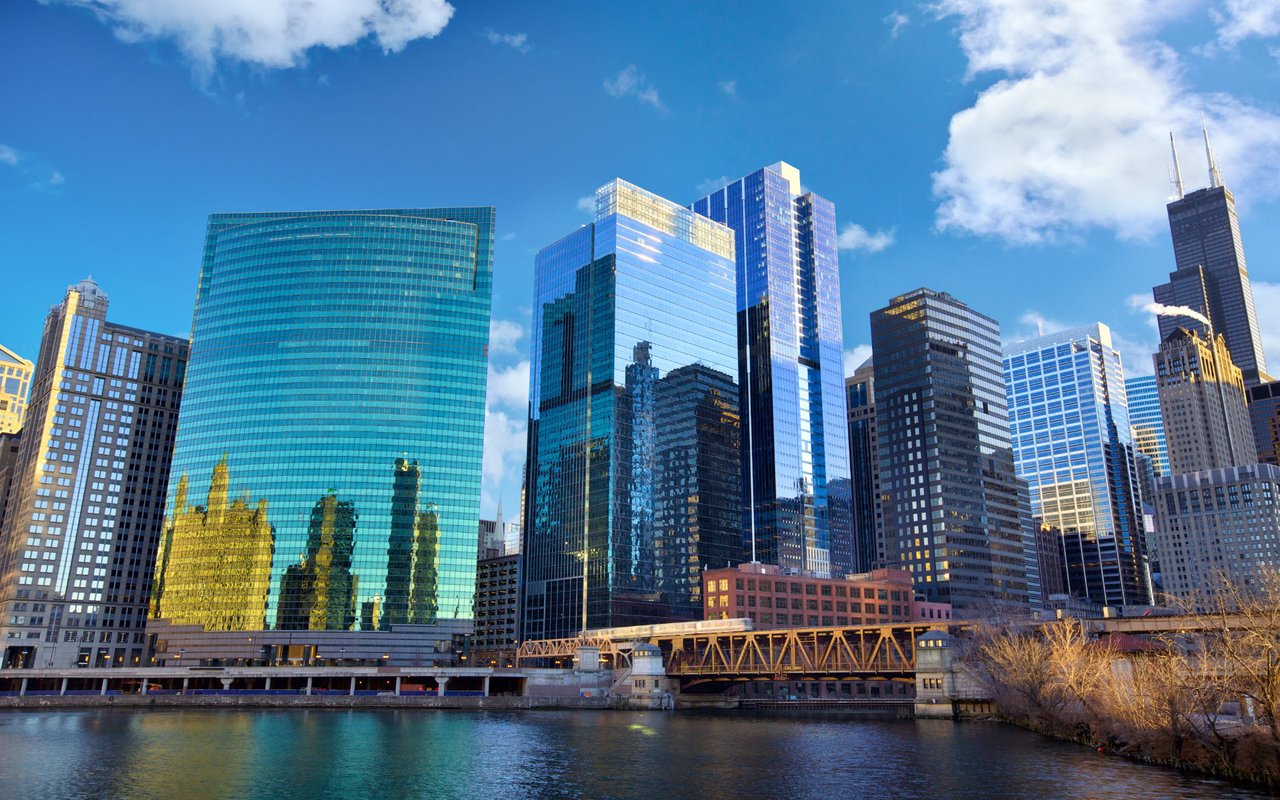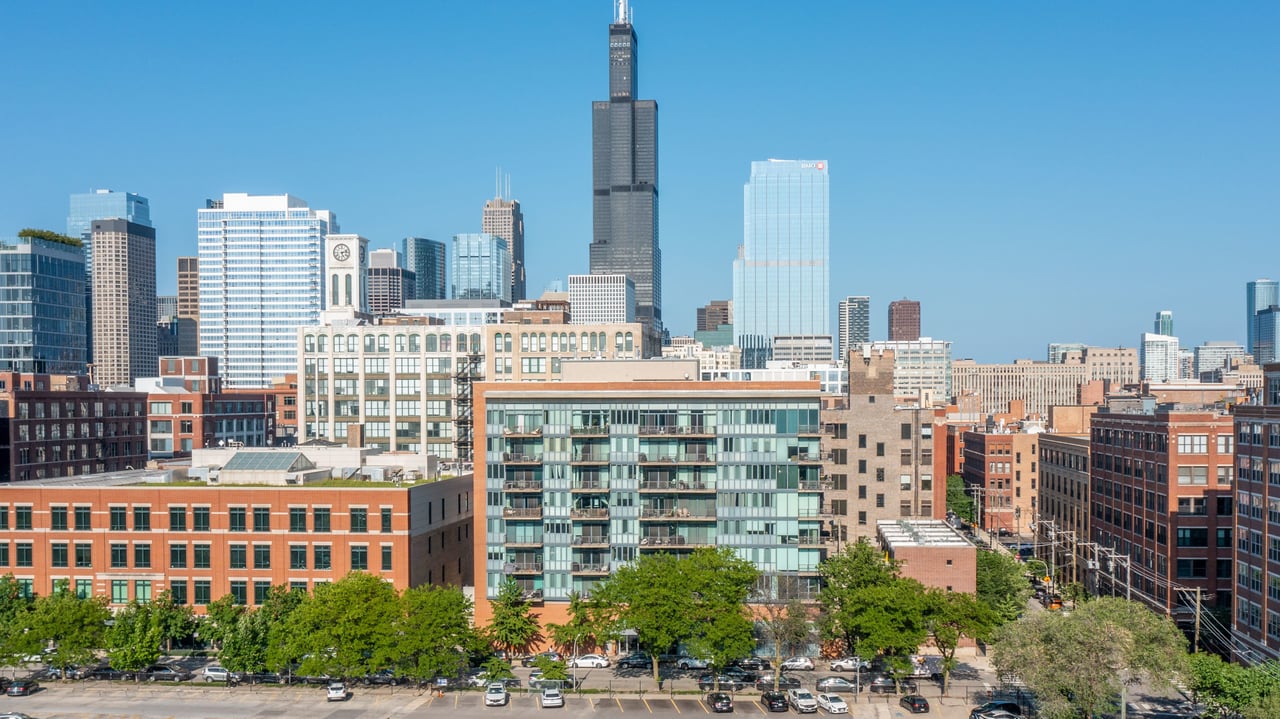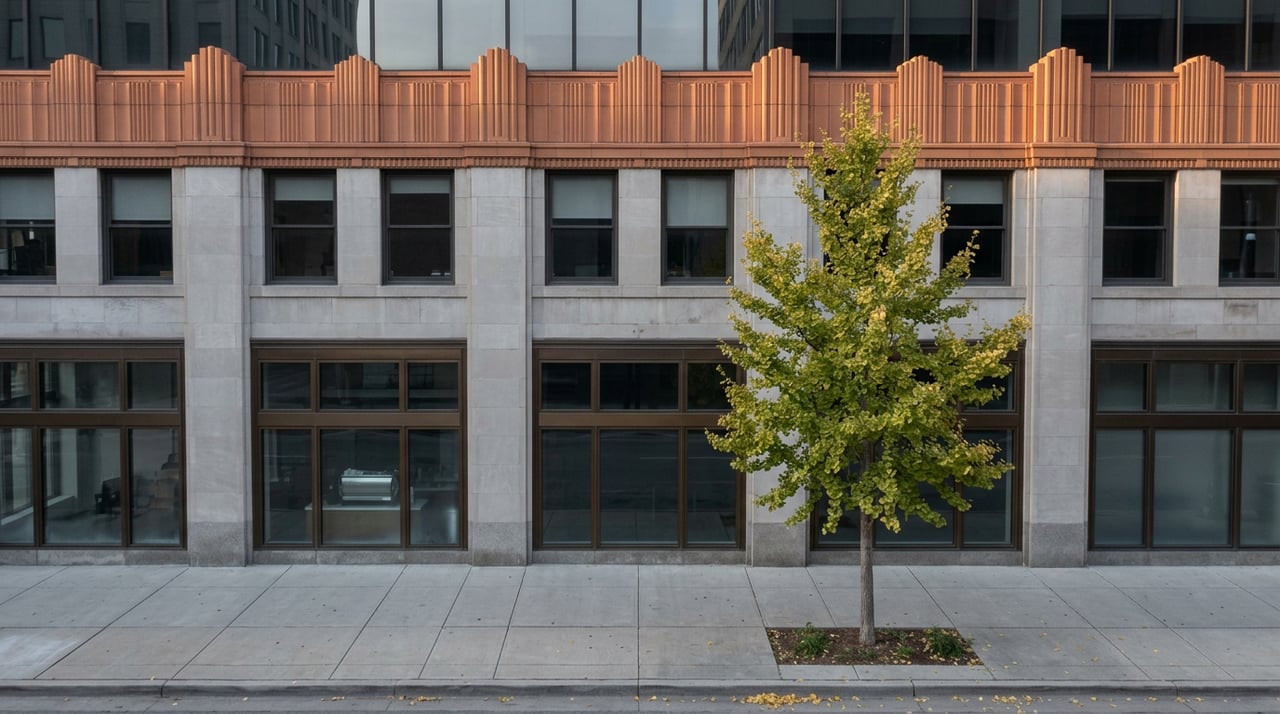
Walk east from Ogilvie Transportation Center these days and you pass a pastry counter that did not exist last fall. Walk into Italian Village at 71 W. Monroe before your first meeting and there is now a reason to stop that has nothing to do with cannelloni. Neither of these openings fills the Loop's longstanding gap: the weekday lunch crowd still has not fully come back. Instead, they offer reasons to stop during the hours around a lunch rush that no longer anchors the day the way it used to.
That distinction matters if you spend your weekdays downtown. The Loop's openings this year span more than the noon-to-1 p.m. window that office buildings once competed for. Their hours and locations also extend into the morning walk in, the commute home, and the after-work hour, at addresses with real history behind them.
The Lunch Rush Was Never Going to Carry the Whole Day
Downtown's office recovery has been uneven since 2020, and weekday lunch traffic in the Loop has still not returned to pre-pandemic levels, even as tourism and a growing downtown residential population have started to form a new customer base that does not clock in and out on an office schedule. That is a meaningful shift for anyone trying to read the neighborhood's food scene. A restaurant built purely around the lunch hour is betting on a crowd that has not fully materialized. A restaurant built around the morning commute, the walk home, or a Tuesday night, is betting on people who are already here, whether that's an office worker on a hybrid schedule or a resident of one of the apartment conversions reshaping older office towers.
Google's own regional headquarters is set to open downtown in 2027, which will add another wave of daytime foot traffic. But this year's openings already offer options for people walking these blocks right now.
Café Pisolino Bets on the Walk In, Not the Sit-Down Lunch
As Block Club Chicago reported, Italian Village has fed the Loop since 1927, when Alfredo Capitanini opened it, and the restaurant is now run by fourth-generation siblings Jonathan and Giovanni Capitanini. In 2024 they added Sotto and Bar Sotto to the building's lower level. This year they went the other direction on the clock, opening Café Pisolino, an espresso bar on the ground floor that runs 7:30 a.m. to 3 p.m., Tuesday through Saturday, with a gianduja-infused house latte and pastries like prosciutto cornettos and tomato tarts.
Block Club Chicago quoted Jonathan Capitanini as saying:
"Café Pisolino is our way of reimagining how Italian Village can serve the city throughout the day."
The name itself, borrowed from the Italian word for a short pause or nap, tells you who this is for. It is not a lunch destination. It is a stop on the way to a desk on Monroe Street, in a building that spent nearly a century without one.
Good Ambler Plants Itself on the Commute
A few blocks northwest, WTTW reported that the Art Deco former Chicago Daily News building at 2 N. Riverside Plaza changed hands last year and that among its new owners is a group that also holds The Salt Shed, the music venue run by 16 On Center, the same team behind the West Loop bakery Good Ambler. On June 22 this year, Good Ambler opened a second location inside that building, bringing James Beard Award finalist Meg Galus's seasonal pastries and chocolates closer to the commuter concourse that feeds Ogilvie.
The location is the point. This is not a destination bakery pulling people out of their way. It sits on the walk that thousands of people already make between a train platform and a desk east of the river, which means it can succeed on volume that has nothing to do with a lunch reservation.
Fatback Solves the Tuesday Problem
At 176 W. Wacker Drive, chef Charlie McKenna of Lillie's Q partnered with the Fifty/50 Group to open Fatback in March this year, a hybrid sandwich shop and butcher counter that runs weekdays from 10 a.m. to 7 p.m. The pitch is not another lunch counter competing for the same forty-five minutes every other sandwich shop wants. McKenna built it around what he has called the gap between a desk and a dinner table, a spot where someone working a hybrid schedule can grab a standout sandwich at noon and still walk out with a butcher cut for that night's dinner.
That nine-hour window, not a lunch peak, is the entire business model. Fatback does not need the pre-pandemic office crowd to come roaring back. It needs the smaller number of people who are downtown on any given day to have a reason to stop twice.
The Ives Takes the Room Lunch Never Used
Two blocks southeast, inside the Chicago Athletic Association Hotel, a room with a decade of muscle memory changed hands this year. The Cherry Circle Room, a fixture in that building's dining history, gave way to The Ives, opened by the team behind Midōsuji, the eight-seat omakase counter that debuted in the same hotel last fall under the Boka Restaurant Group. The Ives kept the big booths and low light the space was known for and layered in a New American menu built around a tableside cart of small dishes, including a chicken liver course finished with strawberries.
This one does not compete with lunch at all. It opens into the evening, in a room that was never going to be filled by a 12:15 reservation anyway.
Here is how those four openings map onto the day, in the order the clock actually moves:
| Opening | Location | Hour it claims | Arrived |
|---|---|---|---|
| Café Pisolino | Inside Italian Village, 71 W. Monroe St. | Morning walk to the office | June 2026 |
| Good Ambler | 2 N. Riverside Plaza | Commute from Ogilvie | June 22, 2026 |
| Fatback | 176 W. Wacker Dr. | Late morning through early evening | March 2026 |
| The Ives | Chicago Athletic Association Hotel | After work, dinner | 2026 |
Read across that table and a pattern emerges: four openings span different parts of the day.
What This Means If You Already Live Down Here
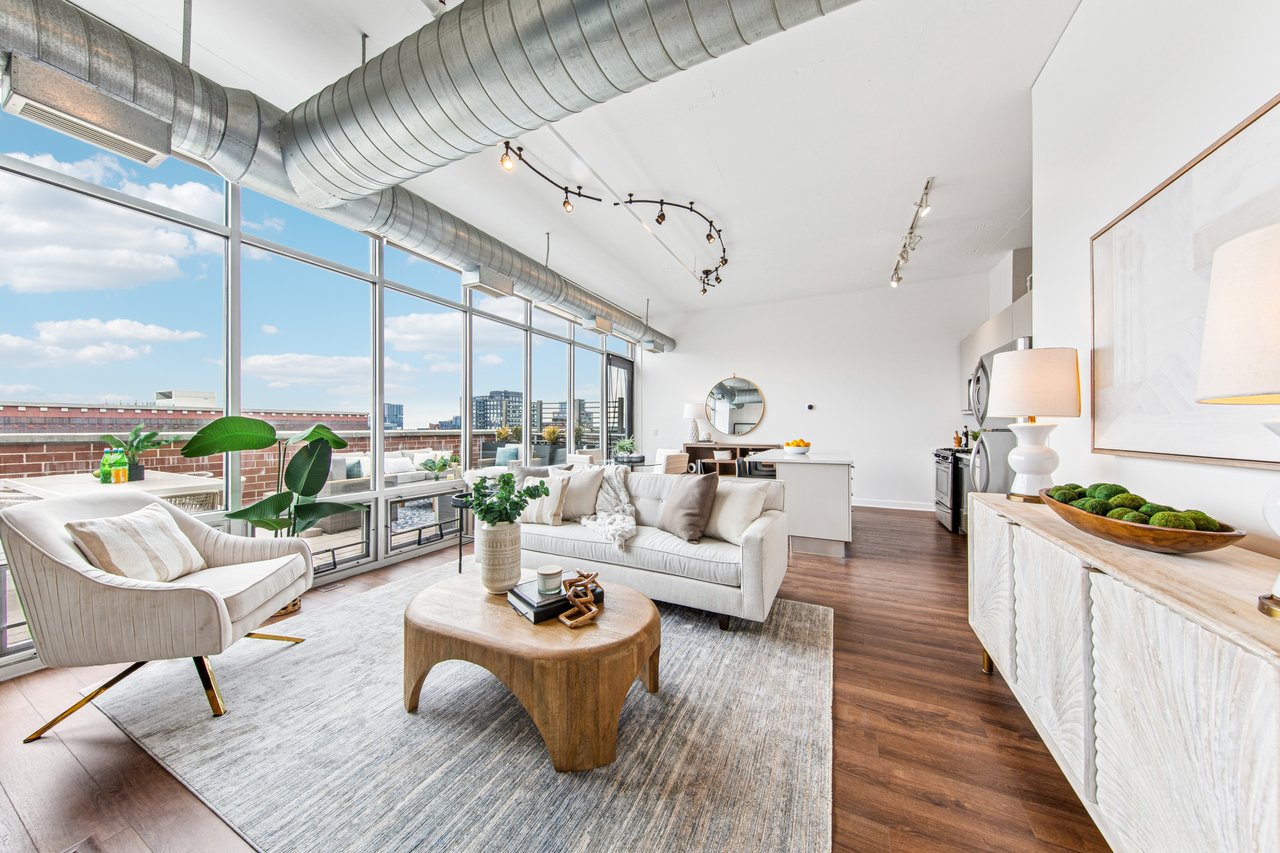
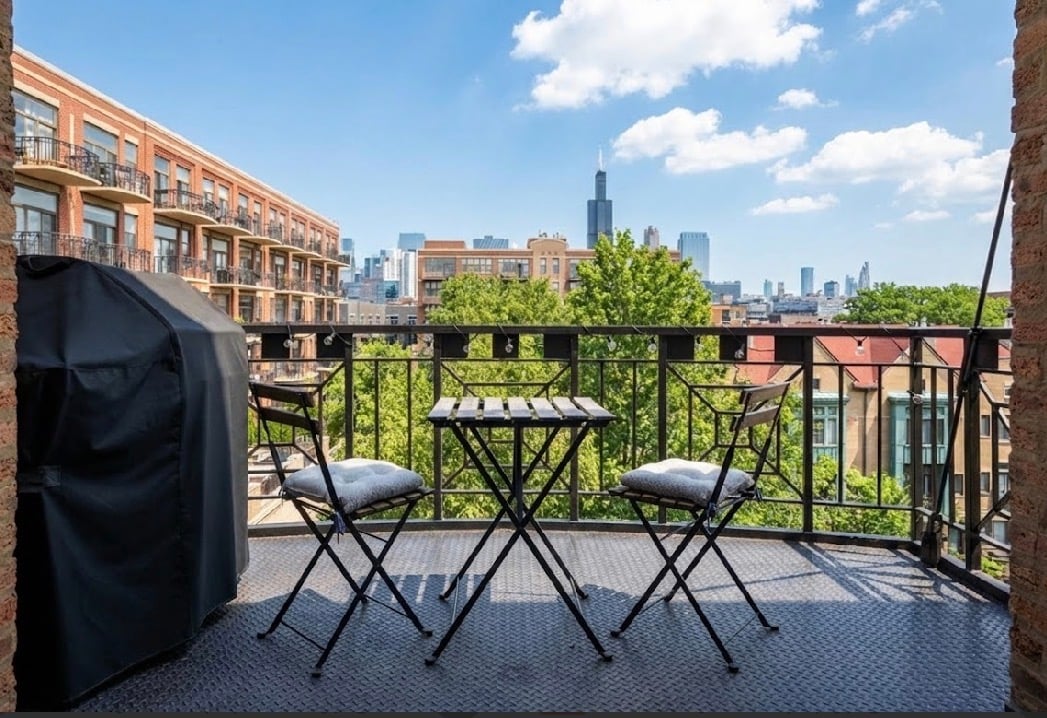
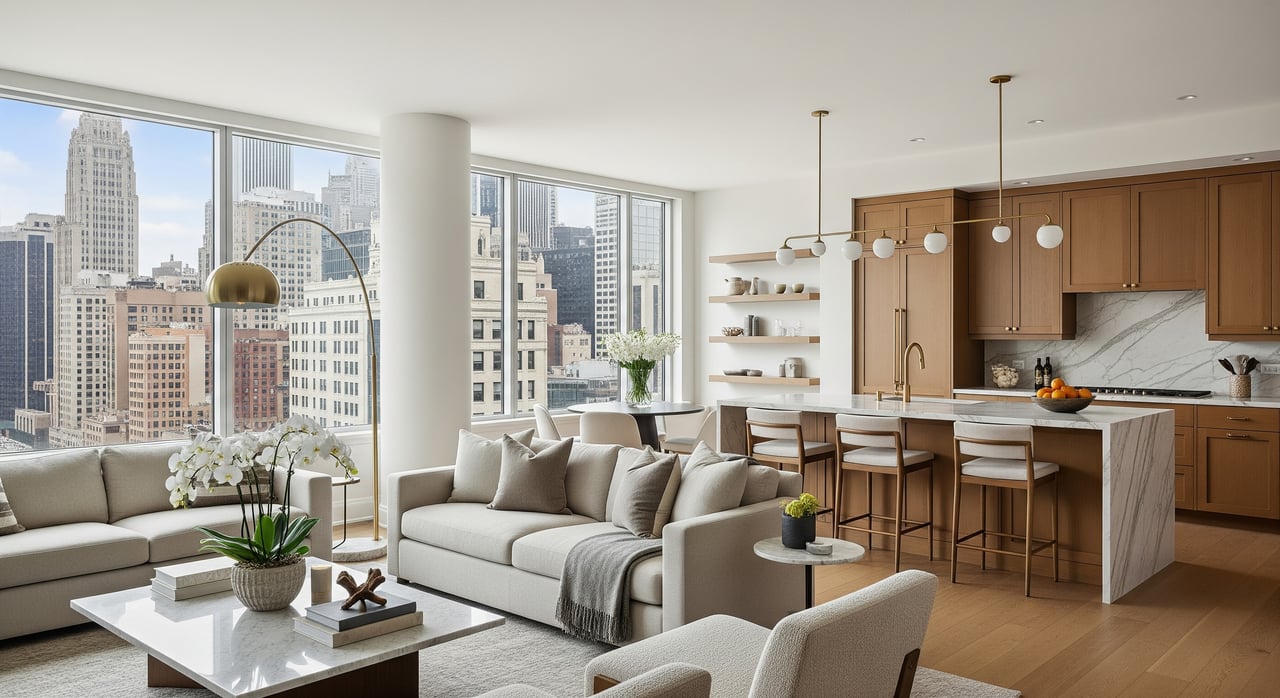
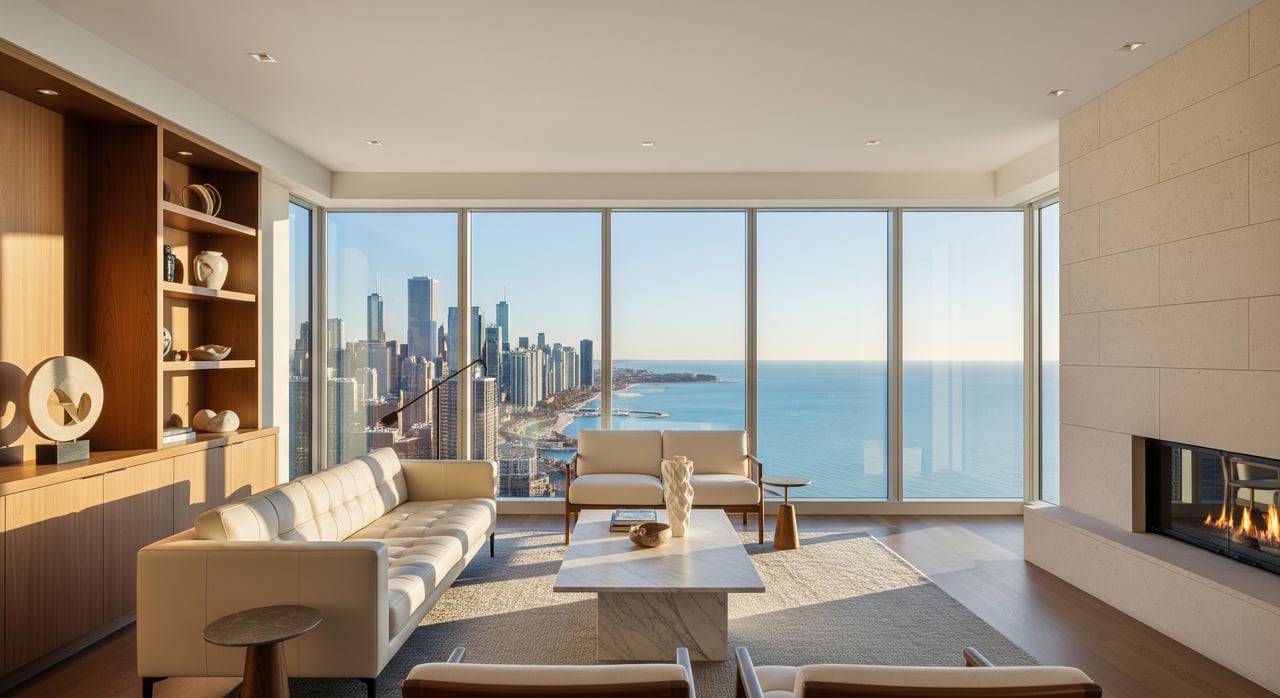
If you live in the Loop, this is not really news about restaurants. It is news about what kind of neighborhood you are actually living in now. A decade ago, a Loop address meant your food options shrank the moment the closing bell rang and the office towers emptied out. That was the tradeoff residents accepted for the address. This year's openings suggest that tradeoff is loosening, not because the office lunch crowd came back, but because enough people now live here, stay through the evening, or walk through on a commute that does not end at 5 p.m.
That is a different kind of neighborhood than the one being sold five years ago, and it is worth knowing whether you are a longtime resident deciding if it is time to look at a different unit, or someone just starting to think about what a Loop address would actually feel like day to day. Our own look at the tradeoffs of buying in the Loop goes deeper into that question if you want the fuller picture.
None of this requires a reservation or a real estate decision to enjoy. Grab the espresso at Pisolino on your way in tomorrow. That is the whole point.
If you are watching how downtown Chicago is changing and wondering what it means for your own address, whether you are already here or thinking about a move, Stephanie Turner knows this neighborhood block by block. Book a consultation when you are ready to talk specifics.