Bucktown vs. Wicker Park: Where to Buy in 2026
The quick answer
Choose Bucktown if you want a single-family home or larger condo on quieter, tree-lined residential streets, with some of the city's most desirable neighborhood schools and a more family-oriented feel. Choose Wicker Park if you want to be steps from Chicago's best independent shopping, dining and nightlife, with faster Blue Line access and more condo and two-flat options.
The two neighborhoods sit side by side, separated by The 606 trail along Bloomingdale Avenue, and overall medians are similar, roughly $650,000 to $725,000. Prices split sharply by property type: single-family homes typically start around $1.2 million in both neighborhoods, while most condos sell for $350,000 to $900,000.
Bucktown vs. Wicker Park at a glance
Bucktown | Wicker Park | |
|---|---|---|
Single-family homes | ~$1.2M–$3M+ | ~$1.3M–$4M+ |
Condos | ~$350K–$850K | ~$350K–$900K |
Median sale price (all types) | ~$700K | ~$630K–$725K |
Main housing types | Single-family homes, new construction, boutique condos, some lofts | Condos, two- and three-flats, Victorian single-family homes |
Walk Score | 93 | 93–94 |
Closest L stops | Blue Line at Damen and Western | Blue Line at Damen and Division |
Signature spots | Damen Avenue shops, Holstein Park, Churchill Field | Six Corners (Milwaukee, North and Damen), Division Street, Wicker Park (the park) |
Vibe | Residential, family-oriented, quieter | Energetic, creative, nightlife and shopping |
Best fit | Families, single-family buyers | Young professionals, condo buyers, two-flat buyers |
Prices are approximate neighborhood medians from Redfin and Trulia; see Sources.
Living in Bucktown
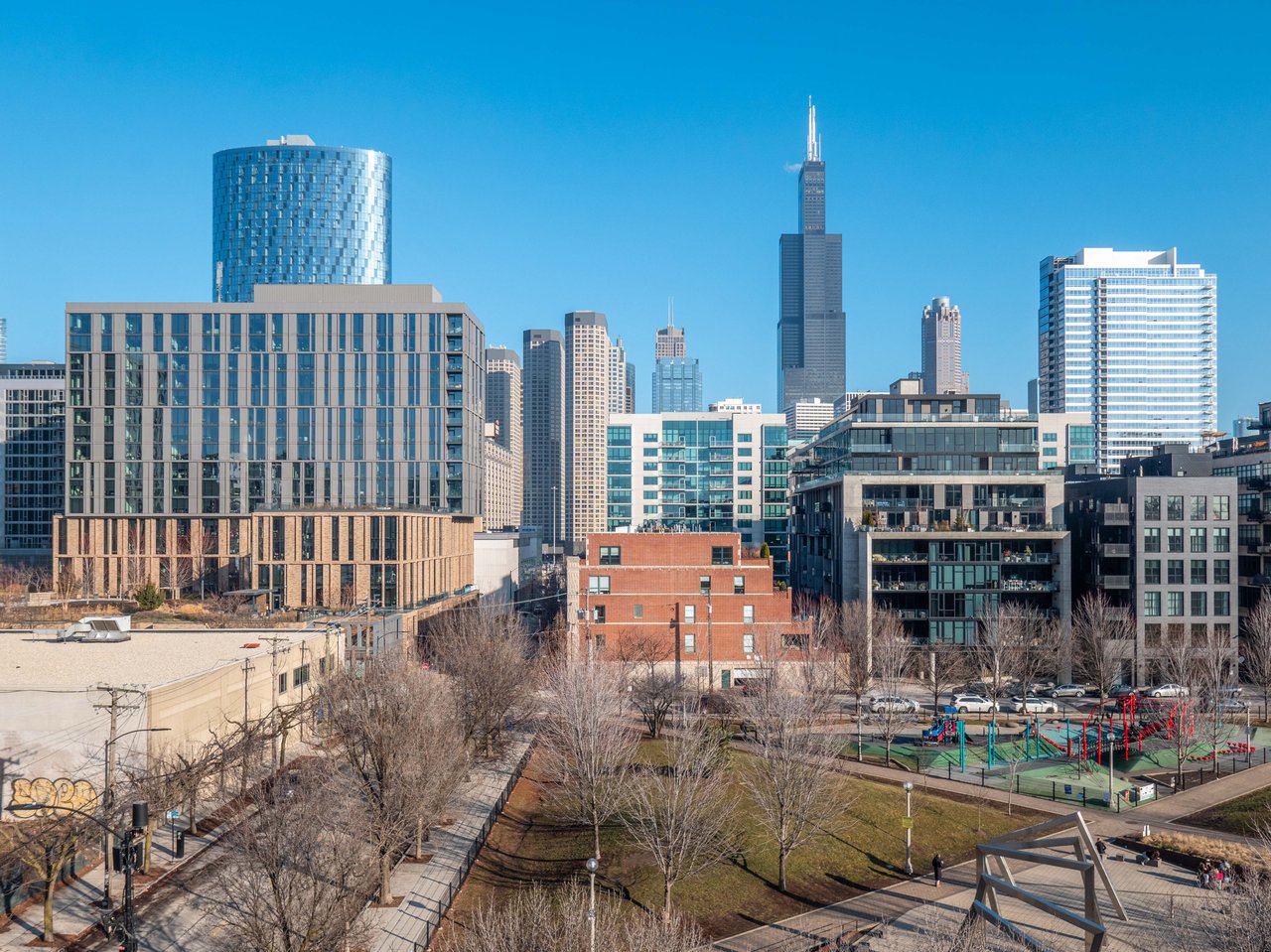
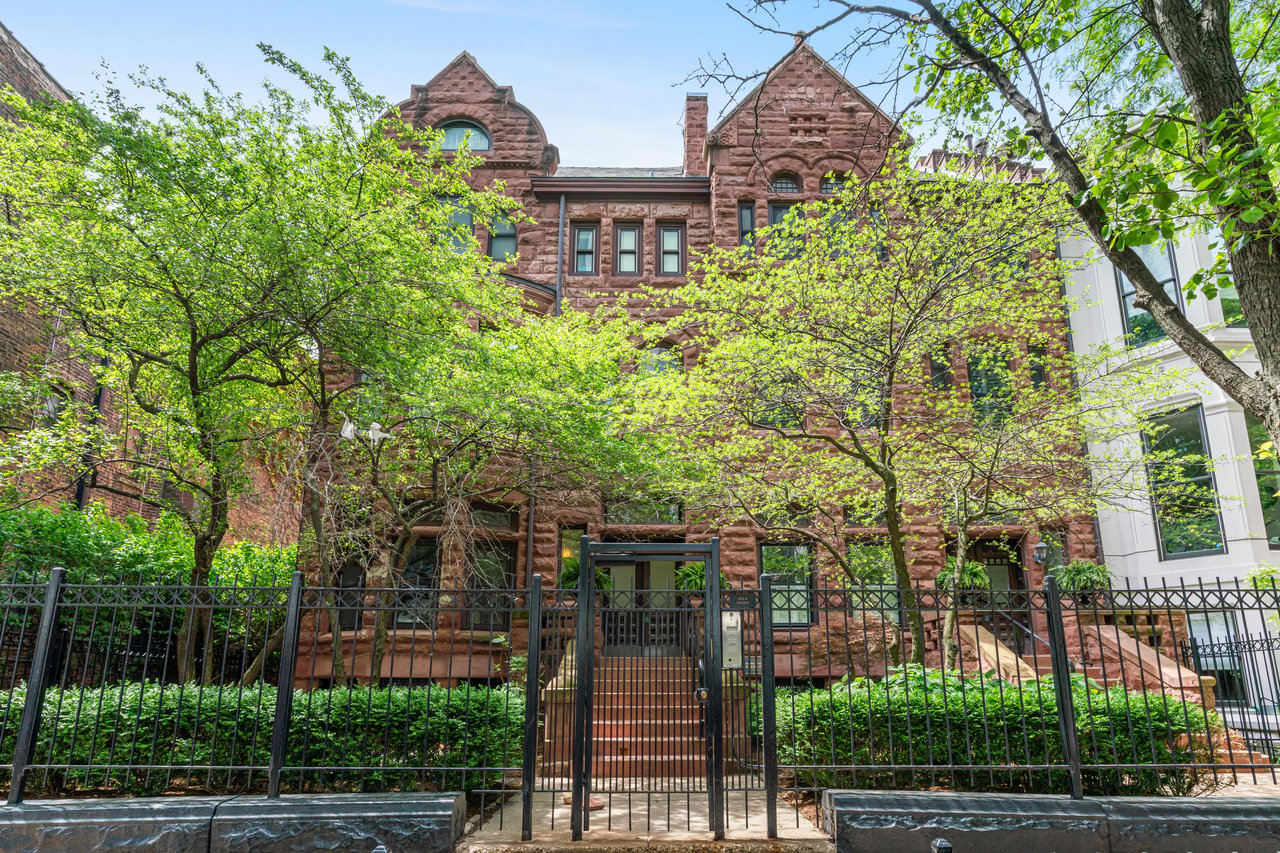
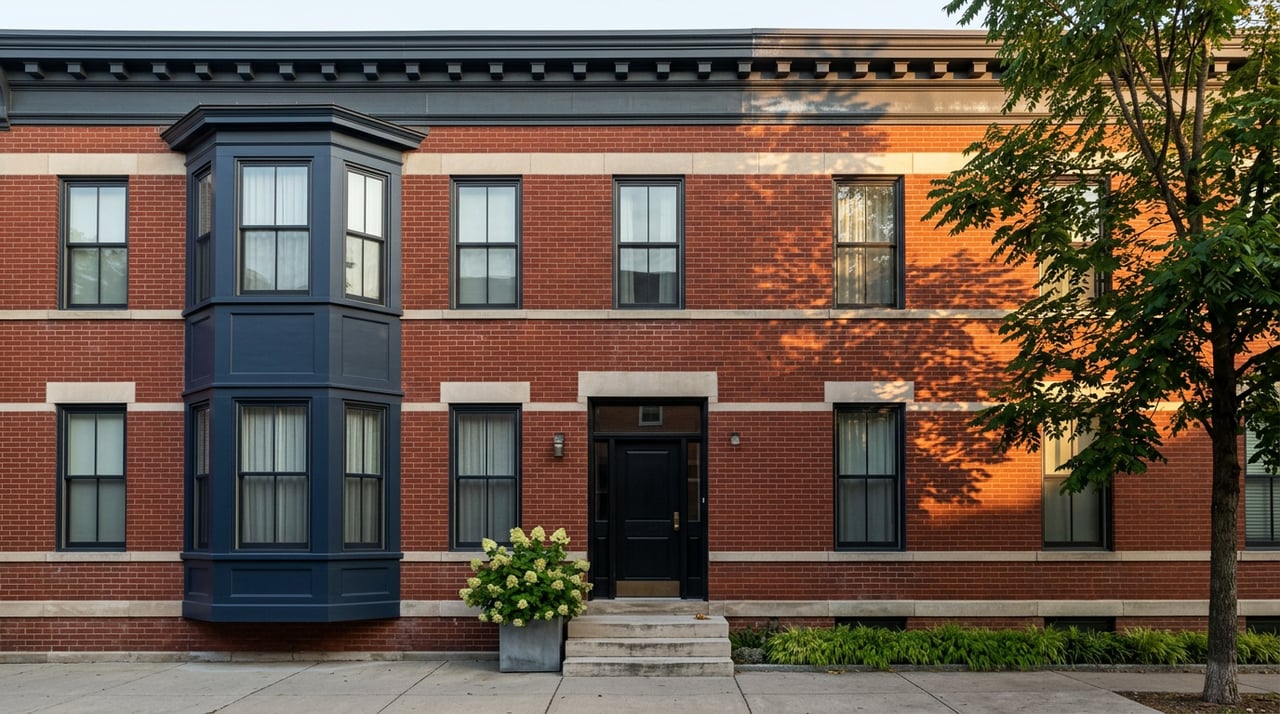
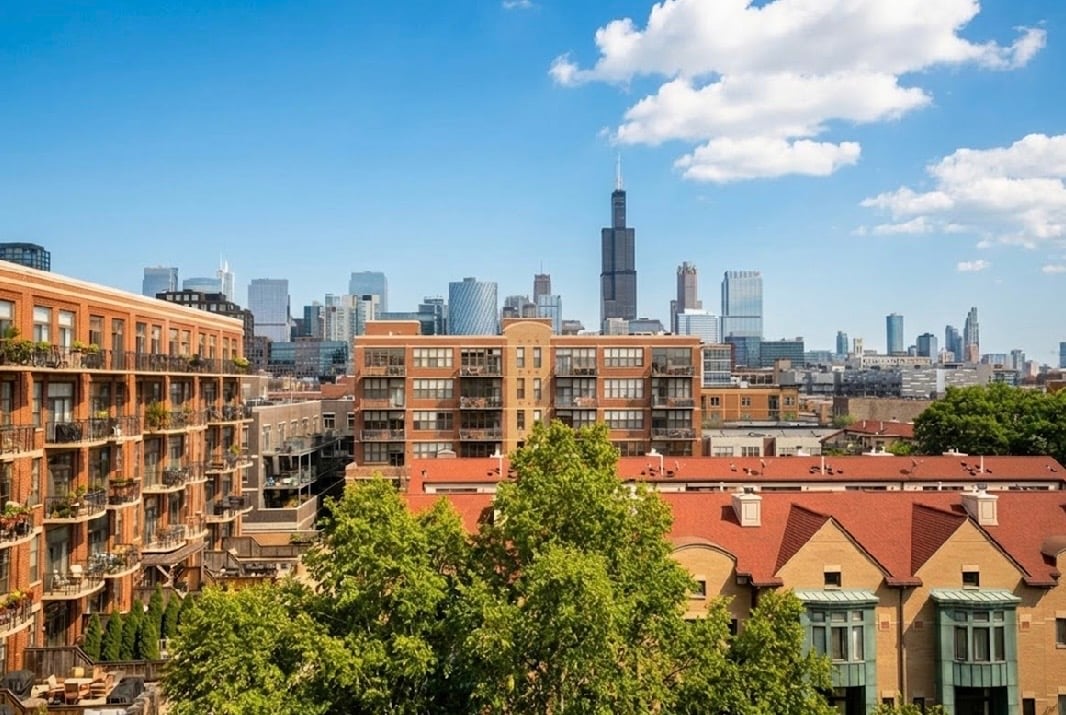
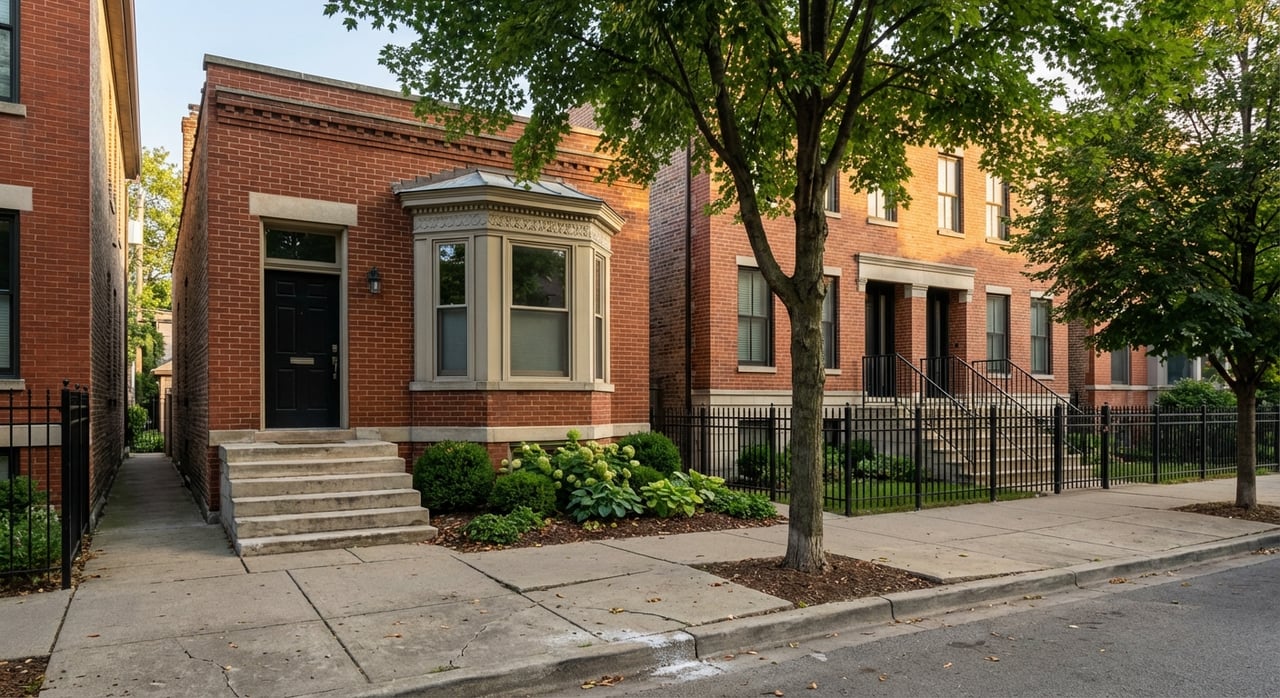
Bucktown is a residential neighborhood on Chicago's Near Northwest Side known for renovated single-family homes, new construction and quiet side streets just north of The 606.
It generally runs from Fullerton Avenue south to Bloomingdale Avenue, and from Western Avenue east to the Kennedy Expressway. Once a working-class Polish neighborhood, Bucktown has become one of the city's most sought-after places to raise a family, with many original cottages and two-flats rebuilt or replaced by larger homes.
Daily life centers on Damen Avenue's boutiques, cafés and fitness studios, and on neighborhood parks like Holstein Park and Churchill Field. Redfin gives Bucktown a Walk Score of 93.
Living in Wicker Park
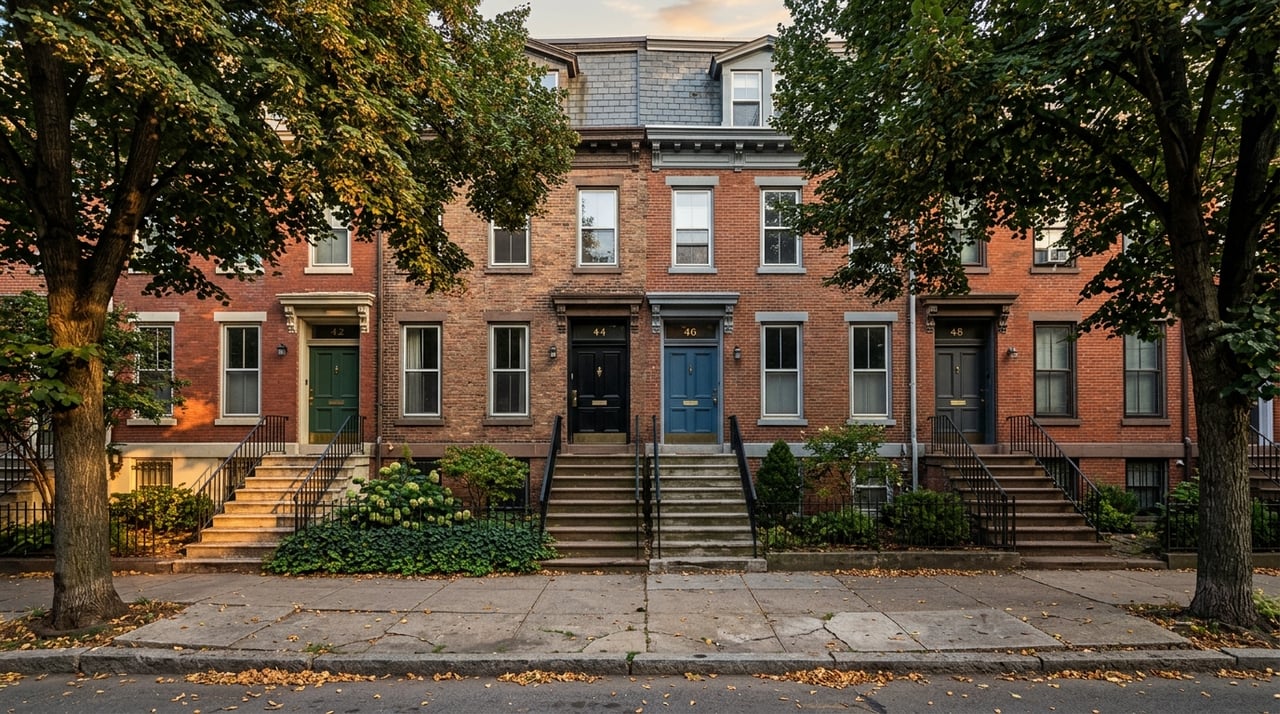
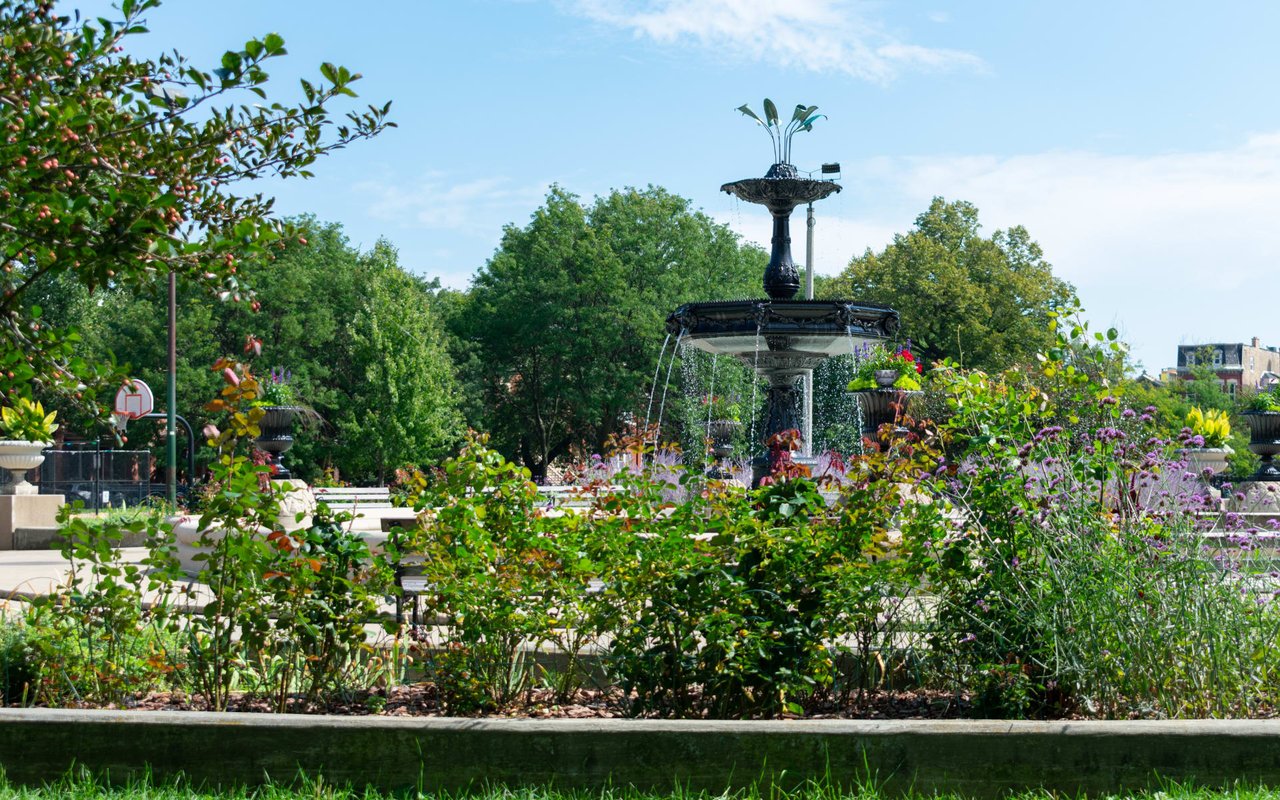
Wicker Park is one of Chicago's liveliest neighborhoods, known for independent boutiques, restaurants, music venues and grand Victorian homes around its namesake park.
It generally runs from Bloomingdale Avenue south to Division Street, and from Western Avenue east to roughly Ashland Avenue. The heart of the neighborhood is the Six Corners intersection of Milwaukee, North and Damen Avenues, with the historic Flat Iron Building and the Damen Blue Line stop.
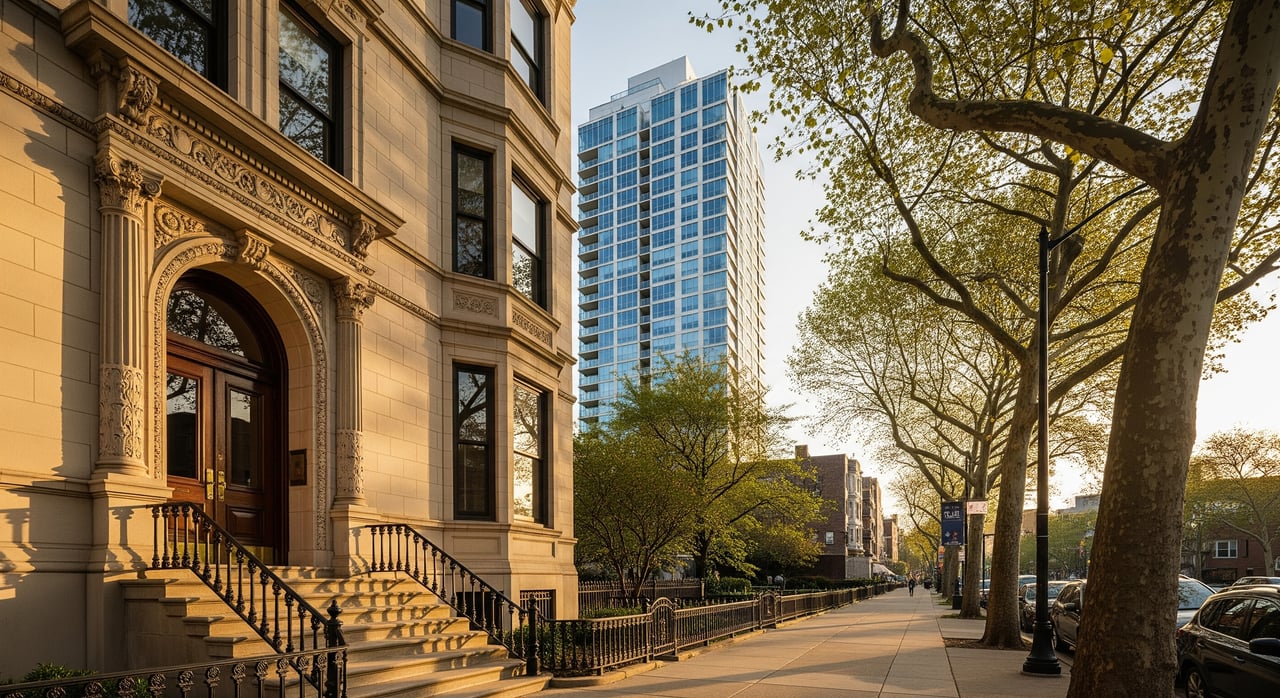
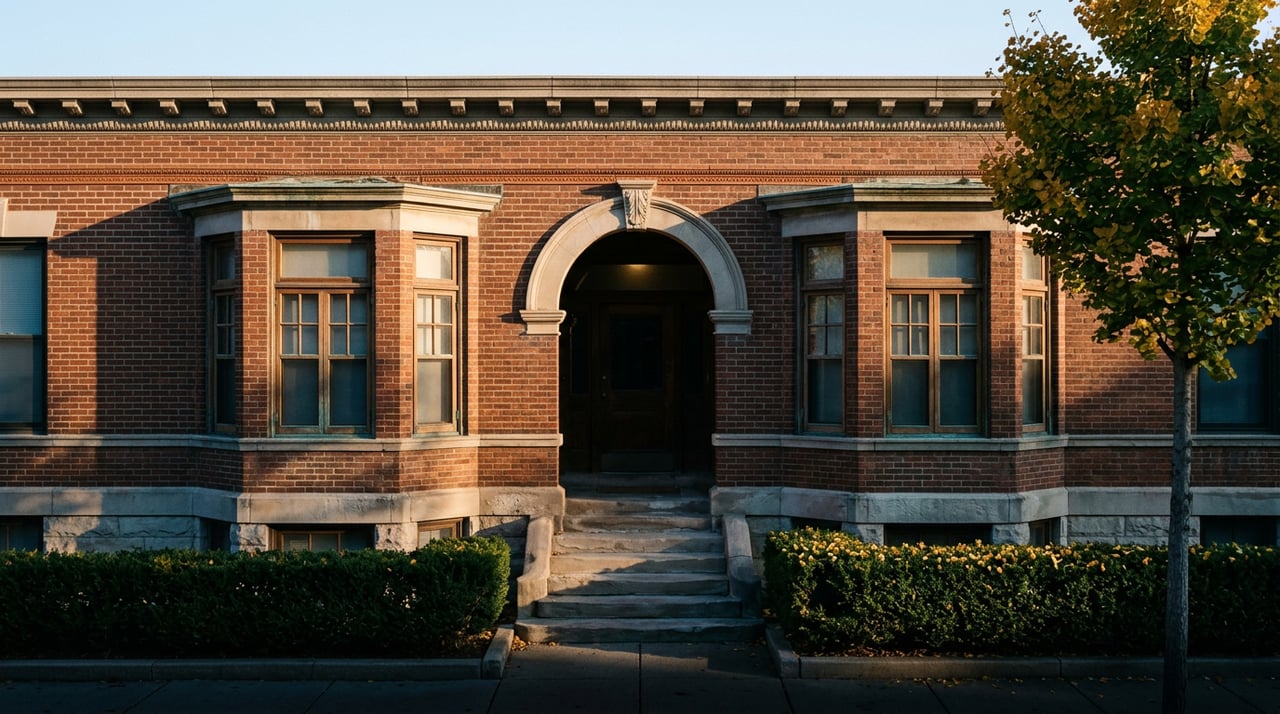
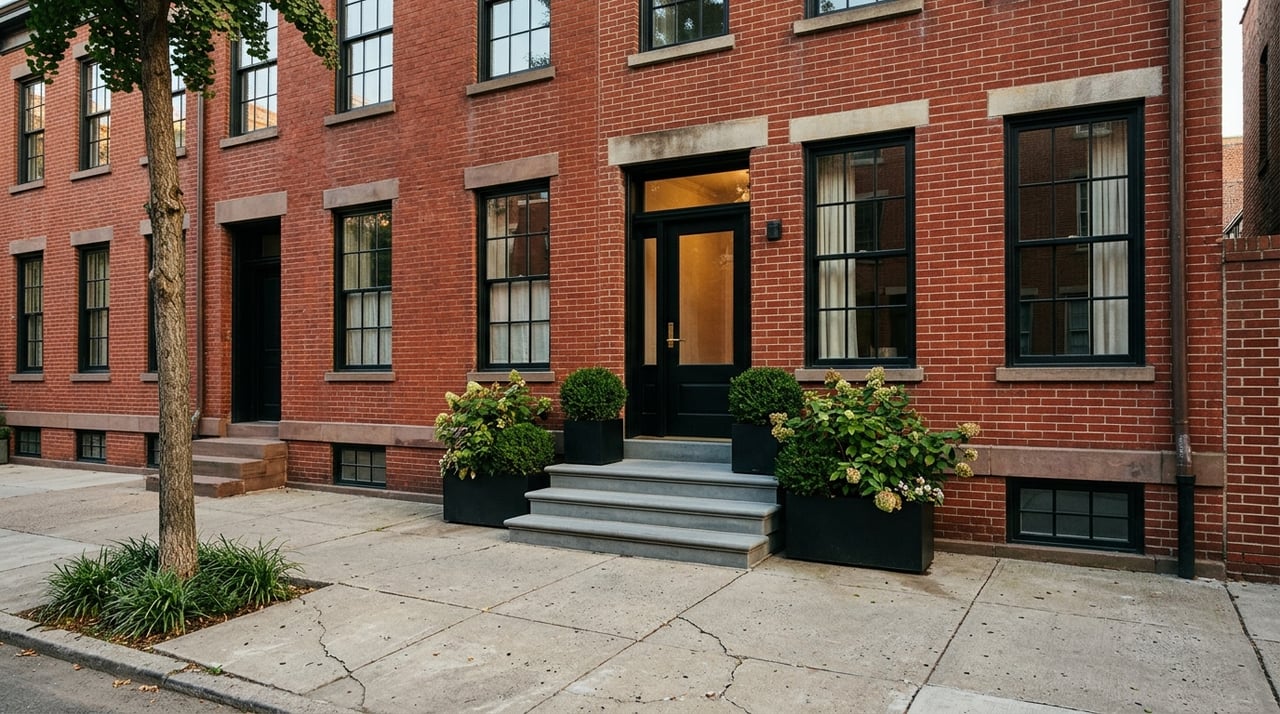
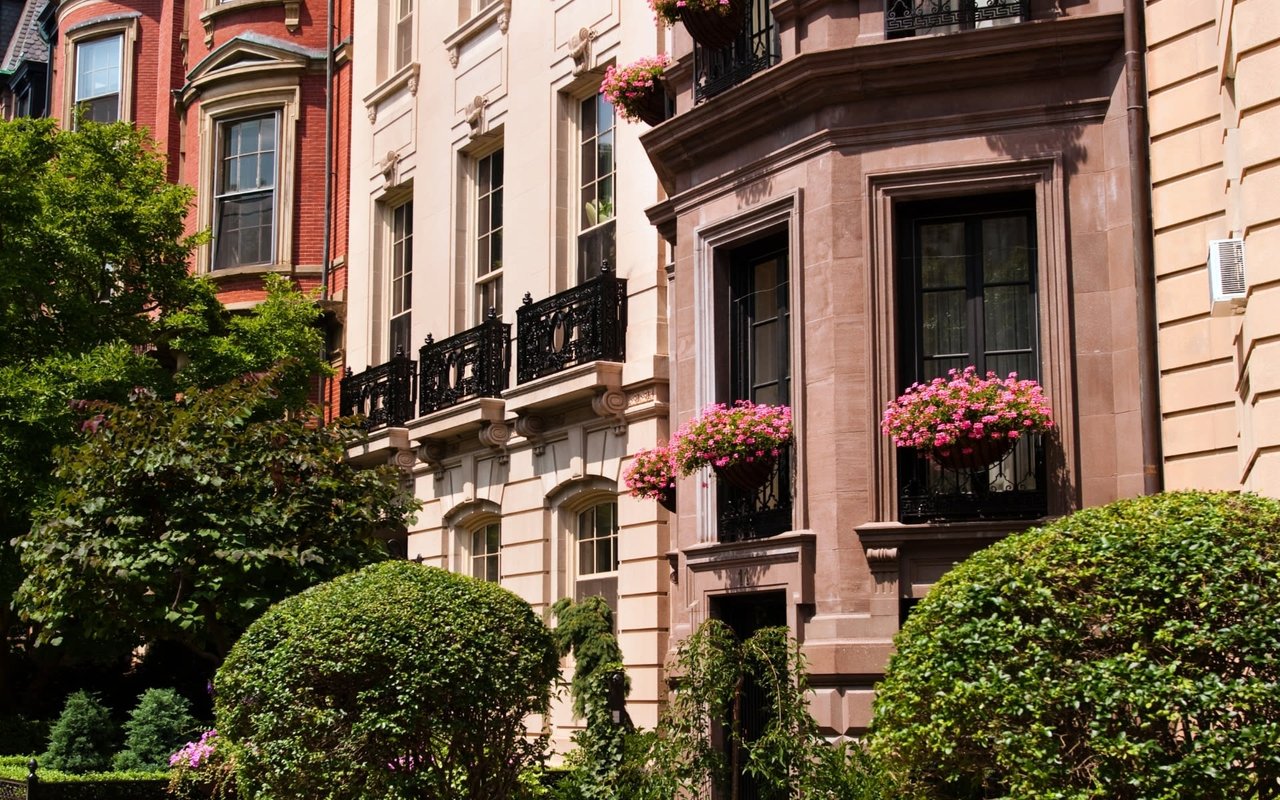
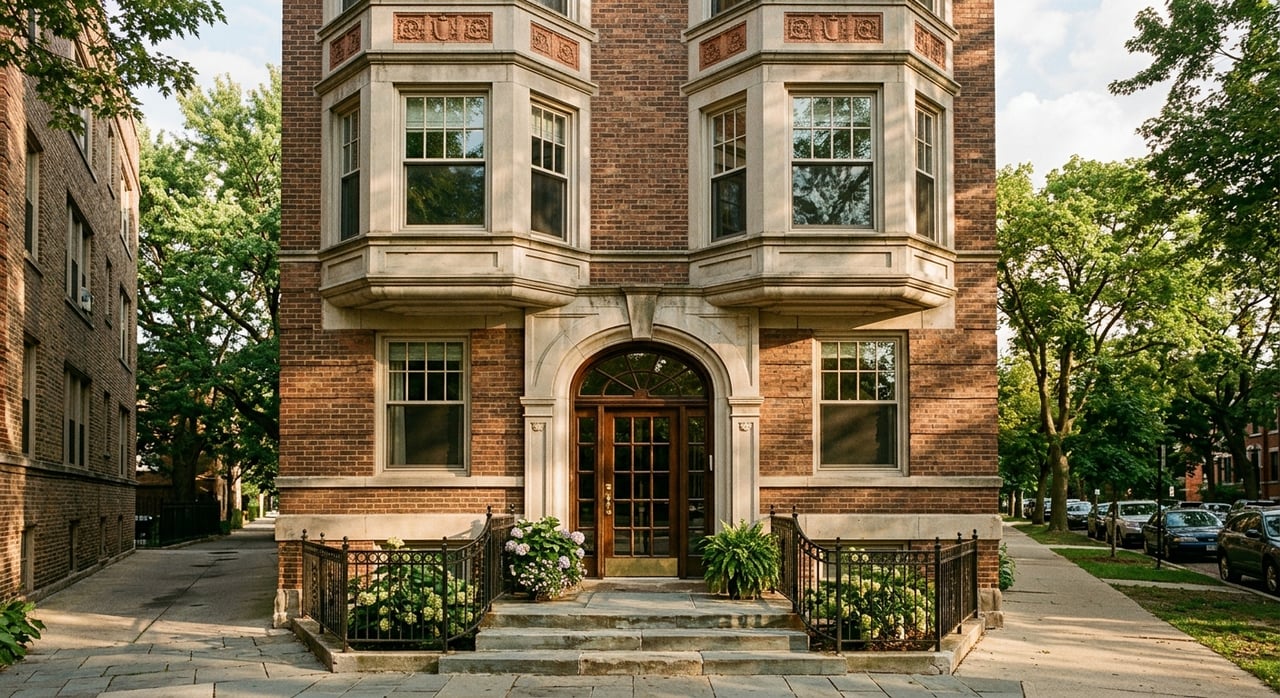
Wicker Park's history shows in its architecture: 19th-century mansions built by German and Scandinavian merchants line streets near the park, alongside vintage two- and three-flats and newer condo buildings. Wicker Park, the park itself, has a dog park, playground and seasonal farmers market.
Home prices and housing types
Neighborhood-wide medians hide the real story: in both Bucktown and Wicker Park, single-family homes and condos sell at very different price points.
Single-family home prices
Bucktown | Wicker Park | |
|---|---|---|
Typical price range | ~$1.2M to $3M+ | ~$1.3M to $4M+ |
What you get | 3–6 bedrooms on a standard 25-by-125-foot lot; many gut rehabs and new construction with finished lower levels, garage roof decks and heated garages | Grand 19th-century Victorians near the park, renovated workers' cottages, and new construction |
Top of the market | New construction and double-lot homes on quiet side streets, often in the Pulaski boundary | Historic homes and new builds on streets like Hoyne, Pierce, Caton and Dickens |
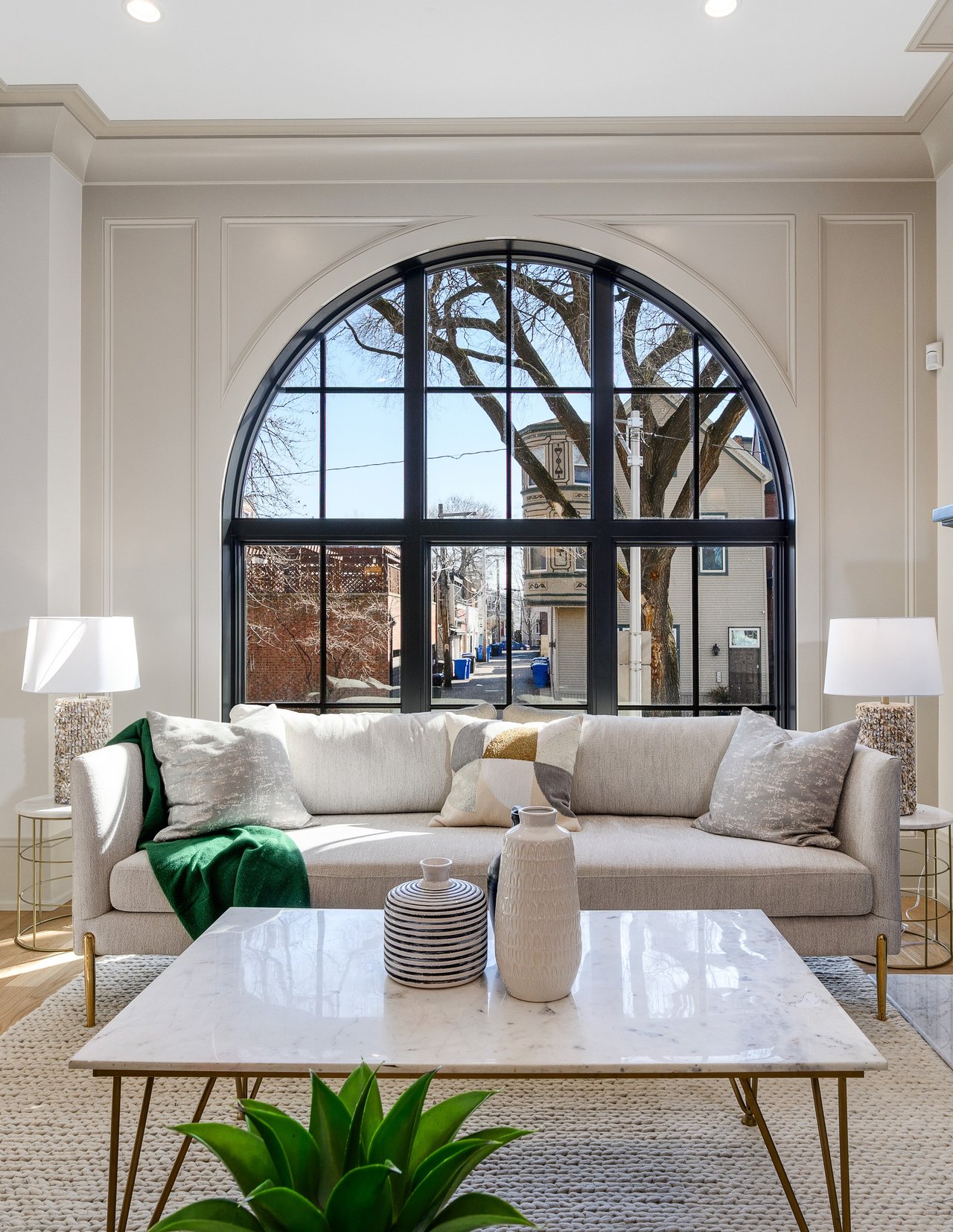
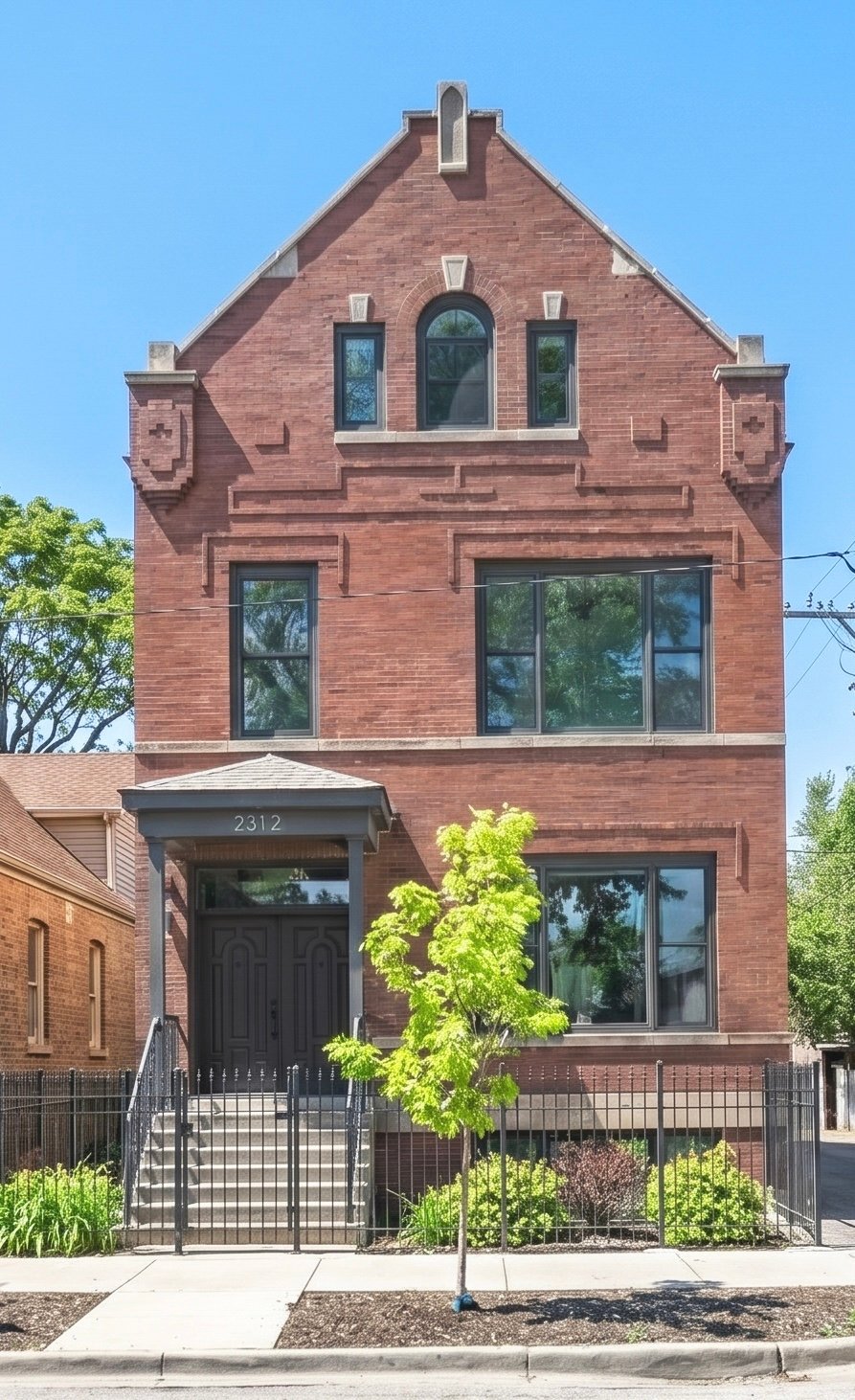
Bucktown. Single-family homes are Bucktown's signature product and the main reason families buy here. Expect most to sell from about $1.2 million to $2.5 million, with new construction and larger lots going higher. CS Collective's listing at 2312 W Charleston, a six-bedroom gut rehab, is a good example of the family-size homes buyers look for.
Wicker Park. Single-family homes are scarcer and skew higher. A recent snapshot showed 11 single-family homes for sale at an average list price of about $2.4 million. Streets near the park, including Dickens, Orchard, Caton and Clifton, regularly see sales of $2 million to over $4 million.
Condo prices
Bucktown | Wicker Park | |
|---|---|---|
Typical price range | ~$350K to $850K | ~$350K to $900K |
Typical product | Two- to three-bedroom duplex-downs and units in 3- to 9-unit boutique buildings; some lofts | Units in vintage two- and three-flats, loft conversions and newer mid-rises along Milwaukee and Division |
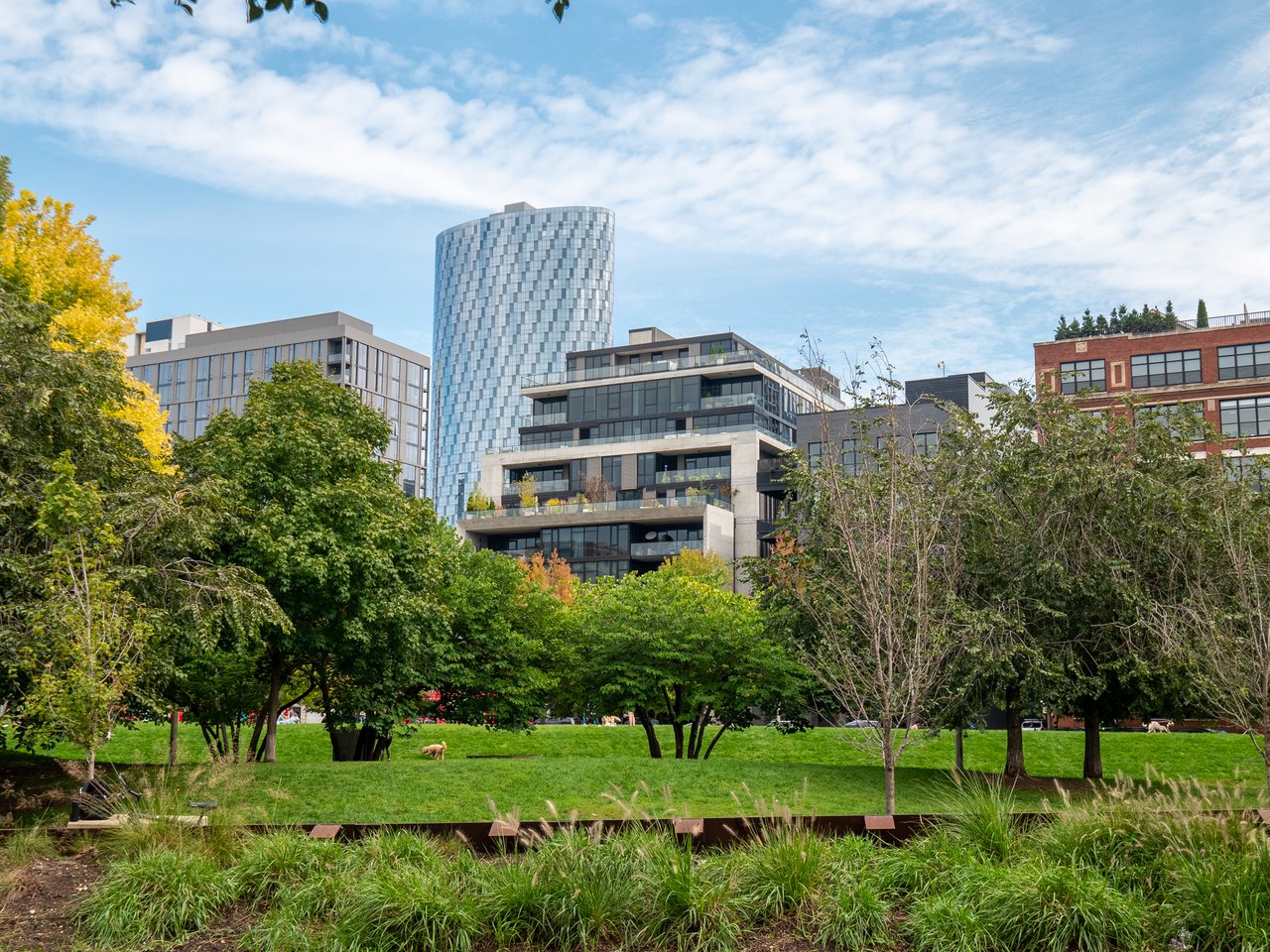
Higher end | New-construction boutique buildings with elevators, private outdoor space and garage parking | Penthouses with private roof decks and new construction near Six Corners |
Bucktown. Condos are the most affordable way into the neighborhood. Older duplex-down units from the late 1990s and 2000s often sell in the $400,000s to $500,000s, while new boutique buildings can reach $800,000 or more.
Wicker Park. Condos make up most of the inventory. A recent snapshot showed about 50 condos for sale at an average list price of about $640,000, and Trulia's estimates put a typical two-bedroom near $595,000.
Ranges are approximate and vary with block, size, parking and condition. Ask your broker for current MRED sales for the exact property type and blocks you're considering.
What to check either way: whether a home is new construction or a rehab, the age of mechanical systems, parking (garage vs. street), and for condos, HOA reserves under the stricter 2026 lending rules.
Lifestyle: dining, shopping, nightlife and The 606
Wicker Park has more energy and nightlife; Bucktown is calmer, with the same restaurants and shops a short walk away.
The 606. Both neighborhoods share The 606, the 2.7-mile elevated trail on a former rail line along Bloomingdale Avenue. It's used for running, biking and walking dogs, and homes within a block or two of a trail access point often command a premium.
Wicker Park. Milwaukee Avenue, Division Street and the blocks around Six Corners are packed with independent boutiques, vintage stores, cocktail bars, live-music venues and some of the city's most popular restaurants. Expect weekend crowds and late-night activity near the main corridors.
Bucktown. Damen Avenue north of The 606 offers boutiques, cafés, salons and neighborhood restaurants with a more relaxed pace. Holstein Park has a pool and field house, and Churchill Field has a popular dog park. Weekends here feel more like a residential neighborhood than a destination.
Schools and families
Bucktown is generally the stronger draw for families. Its neighborhood public schools are among the most desirable in Chicago, and being in-boundary is one of the biggest drivers of demand and home values in the neighborhood.
Bucktown and Pulaski International. Pulaski International School of Chicago, on McLean Avenue in the heart of Bucktown, is one of the main reasons families choose the neighborhood. It's a Chicago Public Schools neighborhood school with an International Baccalaureate program, and buyers actively search for homes inside its attendance boundary. Being in the Pulaski district is a real selling point that supports demand and resale value. Bucktown families also look at Burr Elementary and Drummond Montessori, a citywide magnet school.
Wicker Park. A.N. Pritzker School serves much of Wicker Park and includes a regional gifted center, and LaSalle II Magnet is nearby. Many families also look at selective-enrollment and magnet high schools across the city.
Attendance boundaries and magnet admissions change, so confirm the assigned school for any specific address with the CPS School Locator before you buy.
Commute and transit
Both neighborhoods are on the Blue Line, roughly 15 to 20 minutes from the Loop, with Wicker Park closer to most stations.
Wicker Park. The Damen stop at Six Corners and the Division stop put most of the neighborhood within a 10-minute walk of the Blue Line, which runs downtown and to O'Hare. Milwaukee Avenue is one of the city's busiest bike commuting routes.
Bucktown. The Damen and Western Blue Line stops sit along the southern and western edges, so some blocks in the northeast are a longer walk. Drivers get quick access to the Kennedy Expressway, and The 606 offers an off-street east-west bike route between Bucktown, Wicker Park, Logan Square and Humboldt Park.
Things to know before you buy
A few local rules and quirks affect buyers in both neighborhoods.
- The 606 anti-deconversion ordinance: in 2021, Chicago passed an ordinance adding fees and restrictions on demolishing or deconverting homes along The 606. The covered area lies west of Western Avenue. Bucktown sits almost entirely east of Western, as does Wicker Park, so homes in both neighborhoods generally fall outside it. Confirm for any address right at Western before you plan a teardown or conversion.
- Zoning and new construction: many lots allow a new single-family home or small multi-unit building, so a neighbor's teardown can bring a few years of construction. Check recent permits on the block.
- Noise near the corridors: homes on or near Milwaukee, North, Damen and Division get more traffic and nightlife noise; a block or two off the main streets is noticeably quieter.
- The Kennedy and the Blue Line: homes right along the expressway or the elevated Blue Line tracks trade at a discount for noise.
- Parking: many vintage homes and condos have no garage, and street permit zones vary by block. Garage parking adds real value in both neighborhoods.
Which neighborhood is right for you?
Bucktown is a better fit if you:
- Want a single-family home with four or more bedrooms, a yard and a garage
- Have children or plan to, and want to be in-boundary for a highly desirable neighborhood school
- Prefer quieter residential blocks with restaurants a short walk away
- Plan to stay long-term and renovate or build
Wicker Park is a better fit if you:
- Want to walk to independent shops, restaurants, bars and music venues
- Commute downtown or to O'Hare on the Blue Line
- Are looking for a condo or a two-flat to live in and rent out
- Love Victorian architecture and a neighborhood with a creative history
Still deciding? Walk The 606 from Damen to Western on a Saturday morning, then grab dinner at Six Corners. The contrast between the two sides of the trail usually makes the choice clear.
Frequently asked questions
Is Bucktown or Wicker Park more expensive?
It depends on the property type. Single-family homes typically run about $1.2 million to $3 million in Bucktown and about $1.3 million to $4 million in Wicker Park, where the grand homes near the park push the top end higher. Condos are similar in both, roughly $350,000 to $900,000. Overall medians are close, about $700,000 in Bucktown and $630,000 to $725,000 in Wicker Park.
What separates Bucktown and Wicker Park?
Bloomingdale Avenue and The 606 trail form the boundary. Bucktown is to the north, and Wicker Park is to the south.
Is Bucktown good for families?
Yes. Bucktown is one of Chicago's most popular neighborhoods for families, with single-family homes, neighborhood parks like Holstein Park, and Pulaski International School of Chicago, one of the city's most sought-after neighborhood schools.
Is Bucktown in the Pulaski school district?
Much of Bucktown is in the attendance boundary for Pulaski International School of Chicago, a CPS neighborhood school with an International Baccalaureate program. Homes inside the Pulaski boundary are in high demand, so confirm a specific address with the CPS School Locator before you buy.
Is Wicker Park a good place to buy a home?
Yes. Wicker Park combines Blue Line access, walkability and one of Chicago's best shopping and dining scenes. Its mix of condos, two-flats and Victorian homes gives buyers more options at different price points.
Which neighborhood has better transit, Bucktown or Wicker Park?
Wicker Park. The Damen and Division Blue Line stops are within a short walk of most of the neighborhood. Bucktown is served by the Damen and Western Blue Line stops, which are a longer walk from its northern blocks.
Can I tear down or convert a home in Bucktown or Wicker Park?
Usually, with permits. Chicago's 2021 anti-deconversion ordinance along The 606 covers an area west of Western Avenue, and Bucktown and Wicker Park sit almost entirely east of Western, so they generally fall outside it. Confirm the rules for a specific address before you buy.
About the author
Stephanie Turner is a Chicago real estate broker with 10 years of experience and co-leads CS Collective at Jameson Sotheby's International Realty with Christine Egley Rashkow. She specializes in Bucktown, Wicker Park, the West Loop, Fulton Market, Lincoln Park and Chicago's North Side.
Deciding between Bucktown and Wicker Park? Call or text Stephanie at 312.523.3131, email [email protected], or visit stephanieturnerchicago.com to tour both sides of The 606. Follow along on Instagram at @realtorstephturner.