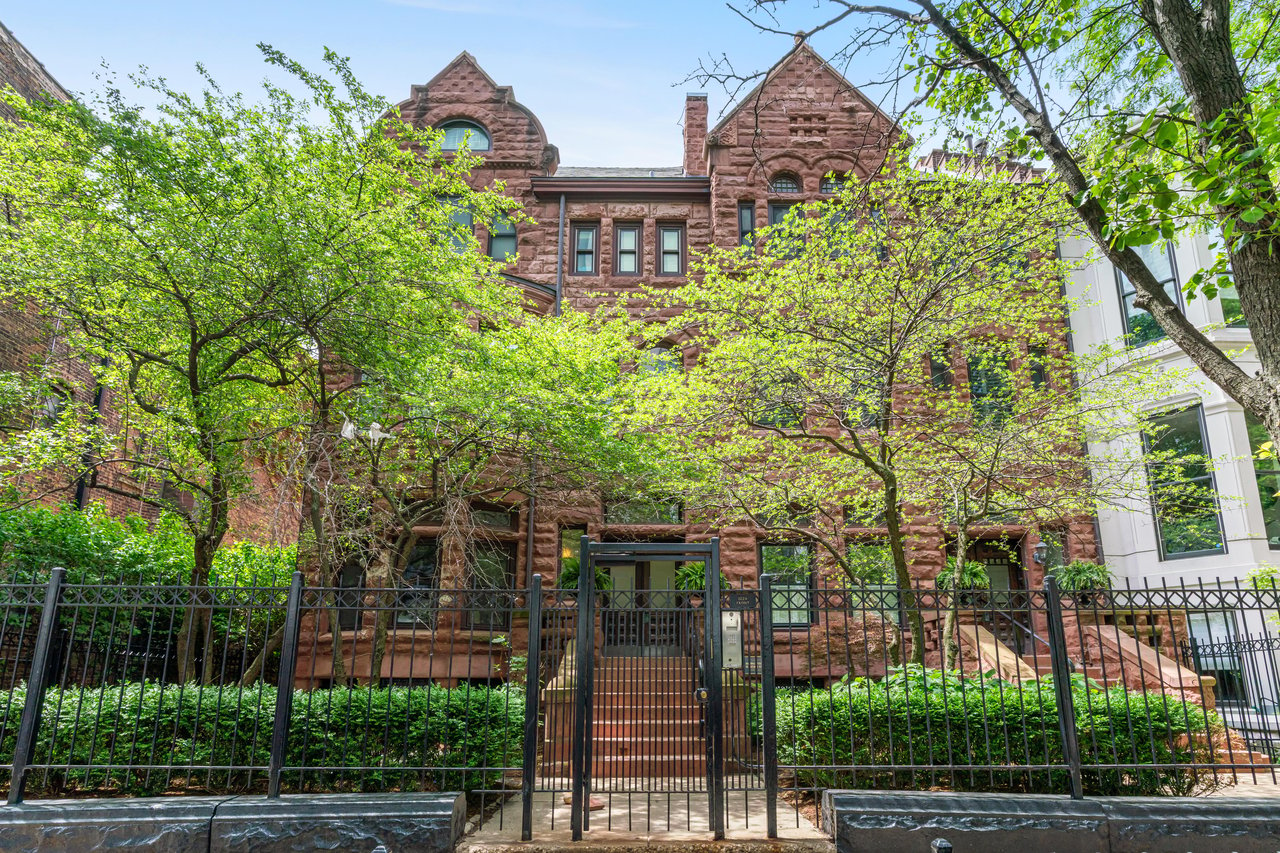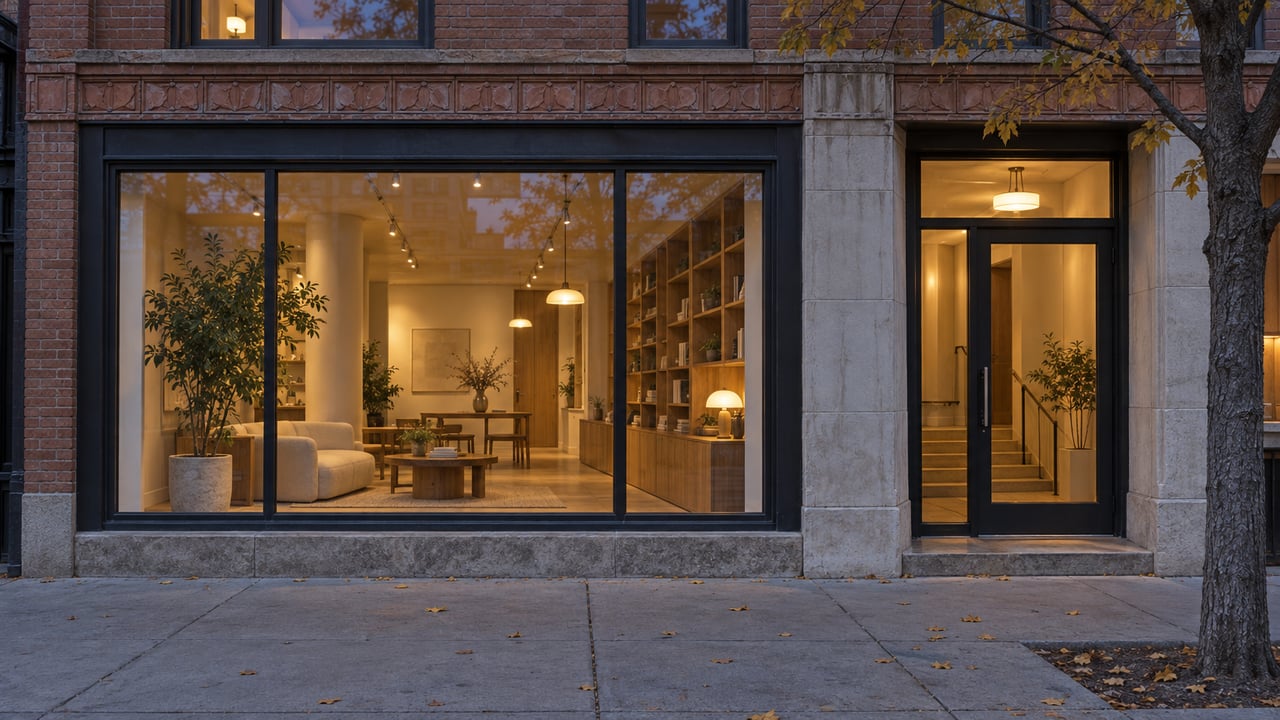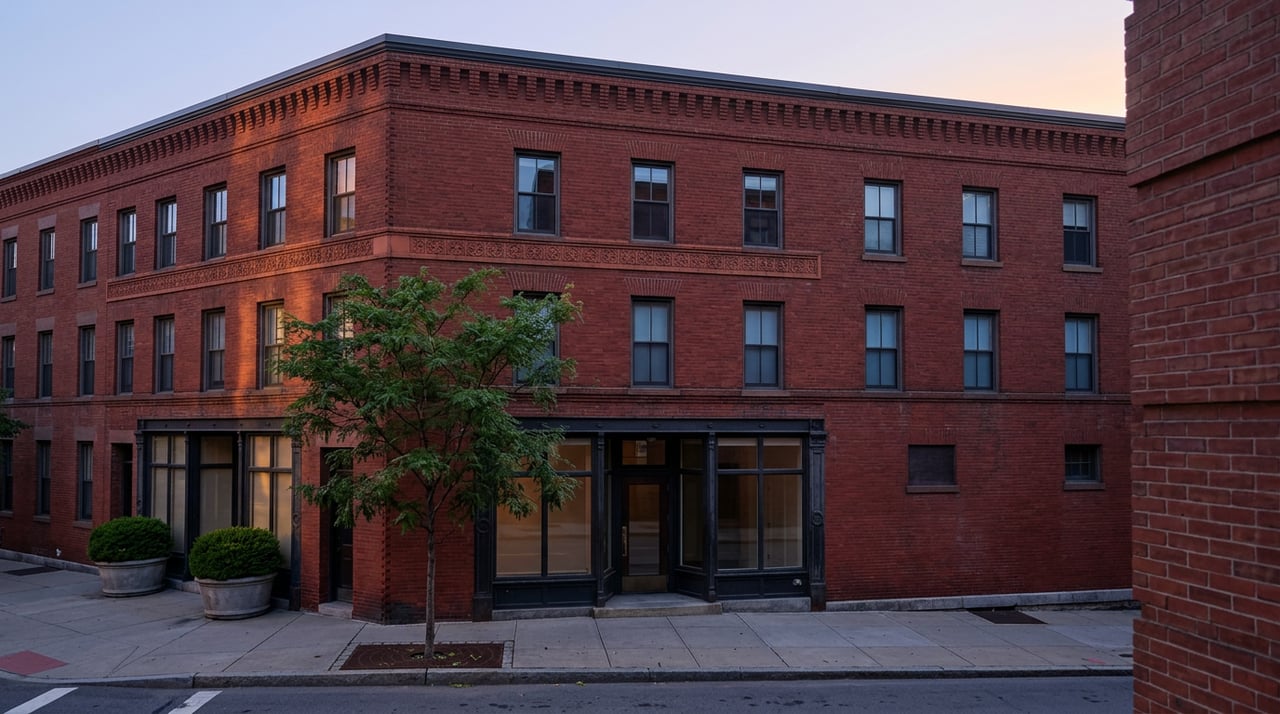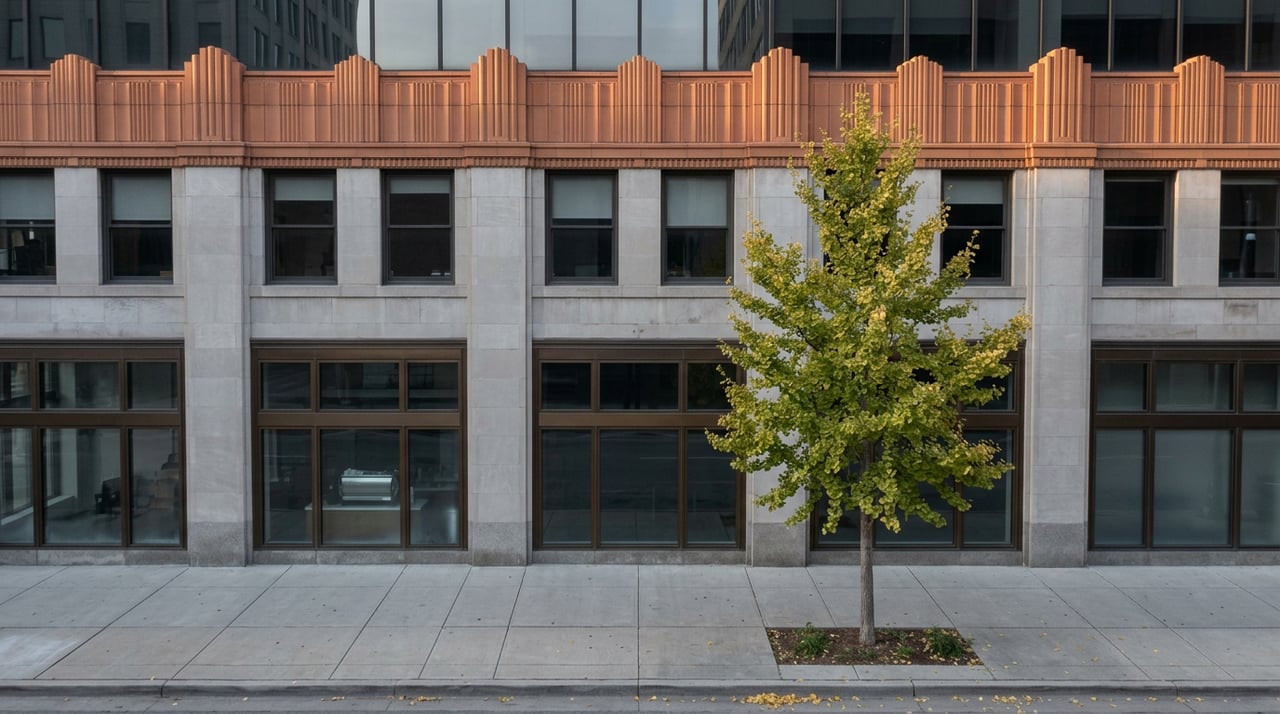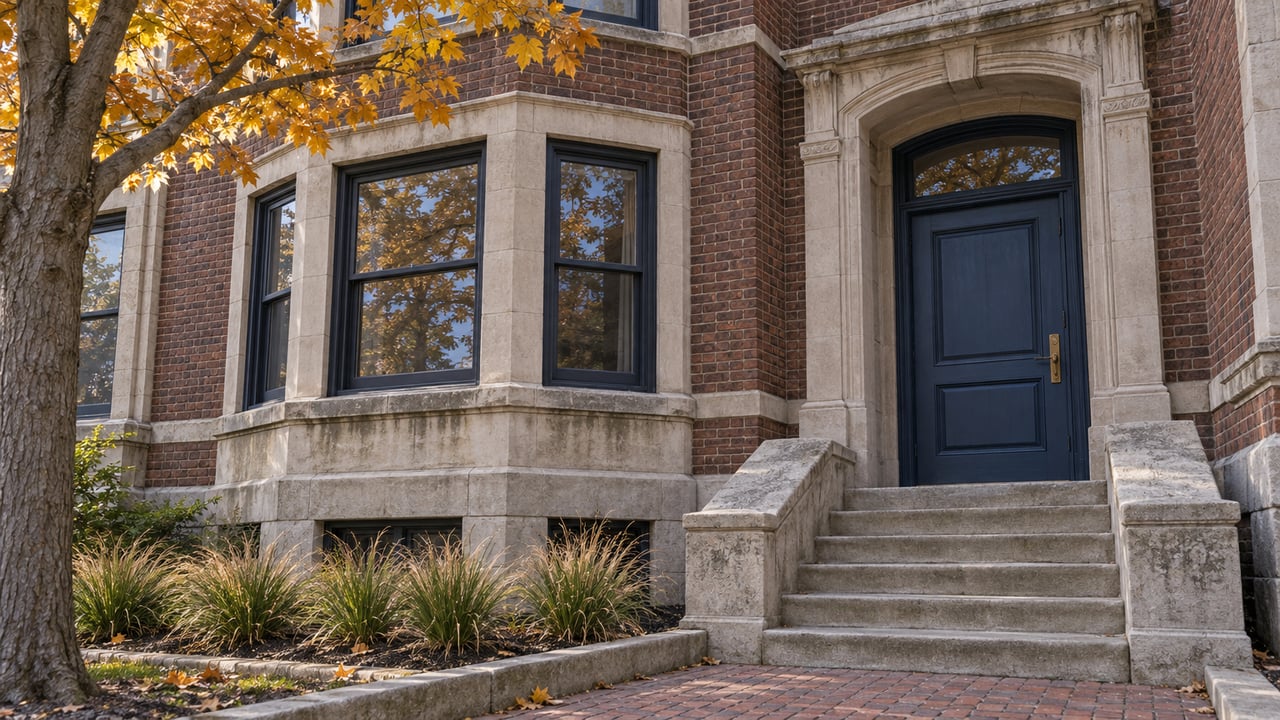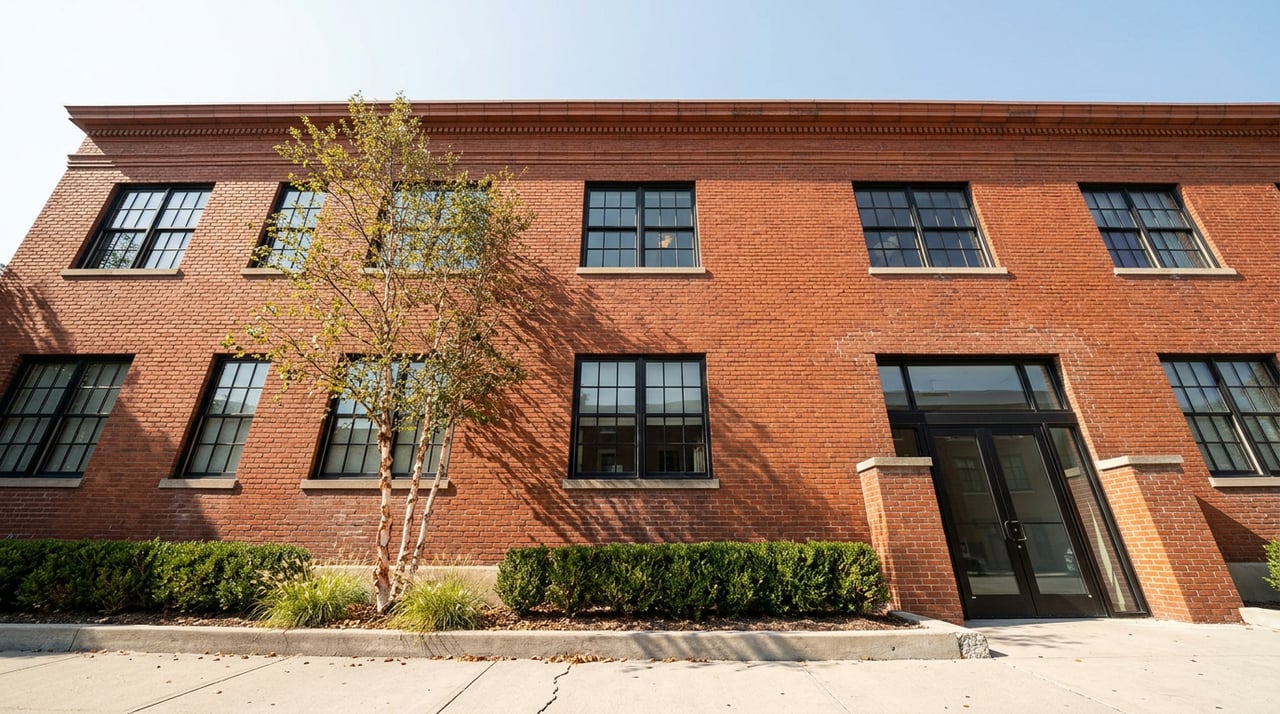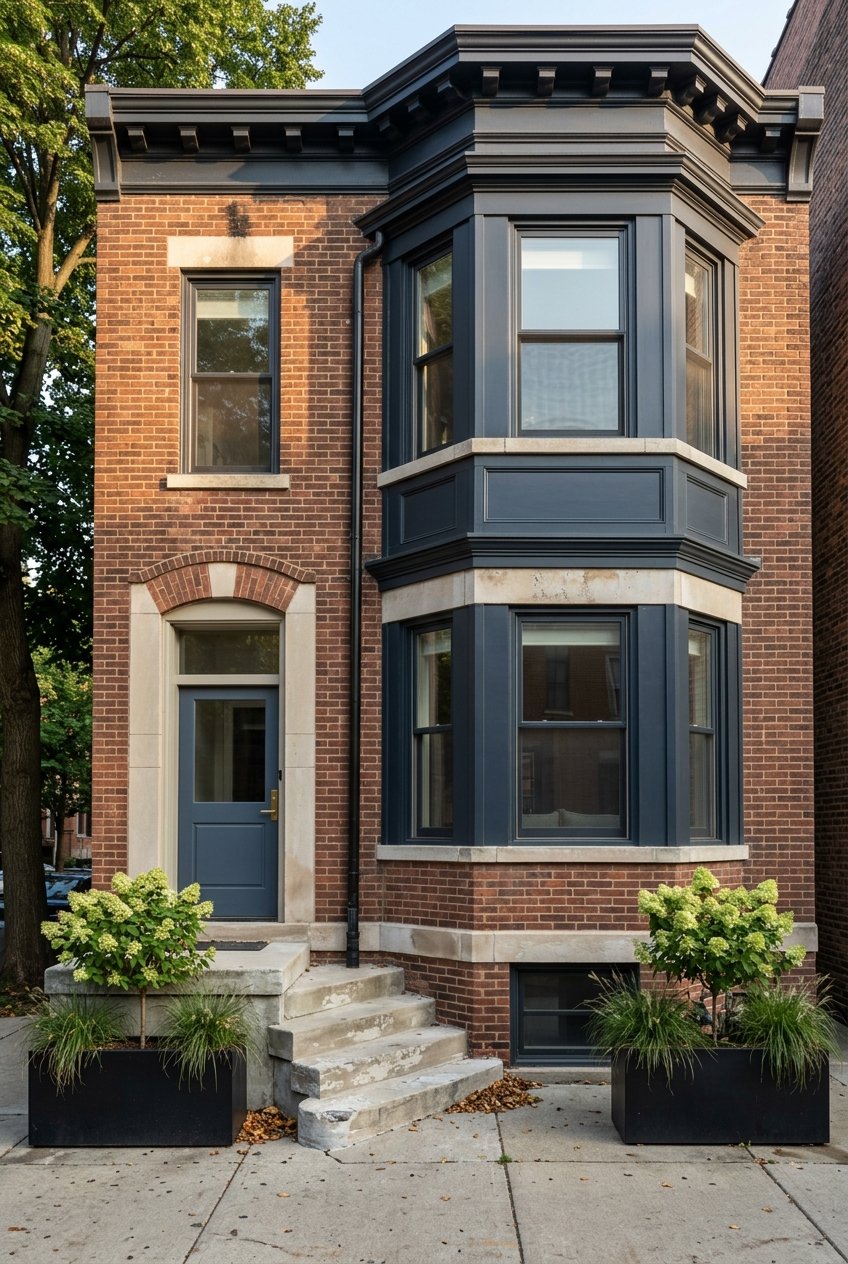
The Promontory played its last song just after midnight on New Year's Eve. Eleven years of live shows, comedy nights, and community meetings on the second floor of 5311 S. Lake Park Ave., gone in a single Instagram post that never explained why. Eight months later, walk that same stretch of 53rd Street and you'll pass a new Citibank branch, a Chick-fil-A with a line out the door, and Sanders BBQ Prime moving into the ground-floor restaurant space the Promontory's own kitchen vacated back in 2020. It would be easy to read that sequence as one story: independent Hyde Park getting swapped out for something more corporate.
That's not actually what happened. Look at where each new business landed, and a different pattern shows up. The properties that changed hands this year split cleanly into two groups, and they didn't come from the same place at all.
The Landlord Made One Big Move, and It Wasn't What You'd Guess
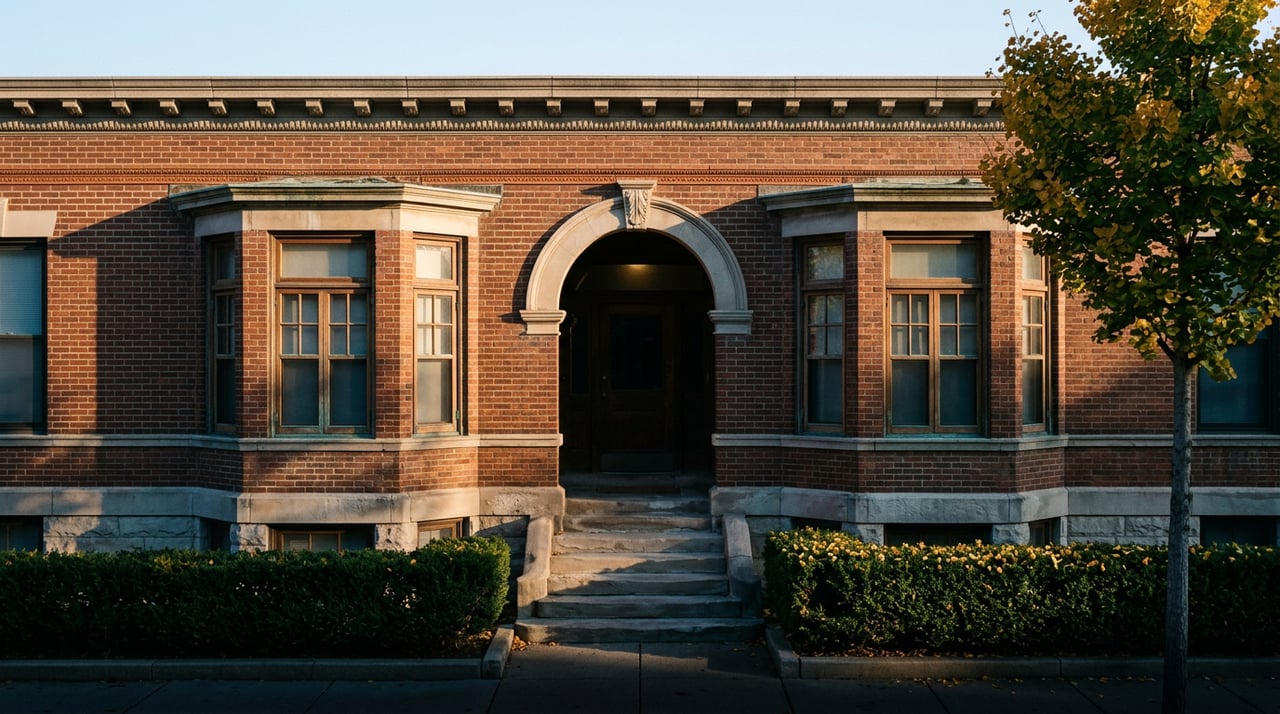
The Promontory's building belongs to UChicago CREO, the university's real estate arm, which had leased the space to the venue's operators for a decade. When those lease negotiations fell apart, the university didn't bring in a chain. It brought in Sanders BBQ Prime to take over the first-floor restaurant footprint that had sat empty since the Promontory's own kitchen closed in 2020. The upstairs concert hall itself, the room where El DeBarge once stretched a piano improvisation past twenty minutes and where Common played songs he didn't usually perform live, is still looking for a tenant.
Mario Smith, the venue's longtime manager, told the Hyde Park Herald before the doors closed for good: "We did something nobody else has done since the 1950s in Hyde Park." That's not a small claim, and it's also not really about a business closing. It's about a format disappearing. Sanders BBQ Prime will feed people in that building again. Nothing currently slated for the space will host a concert.
The Chains Didn't Push Anyone Out. They Filled Space That Had Been Sitting Empty.
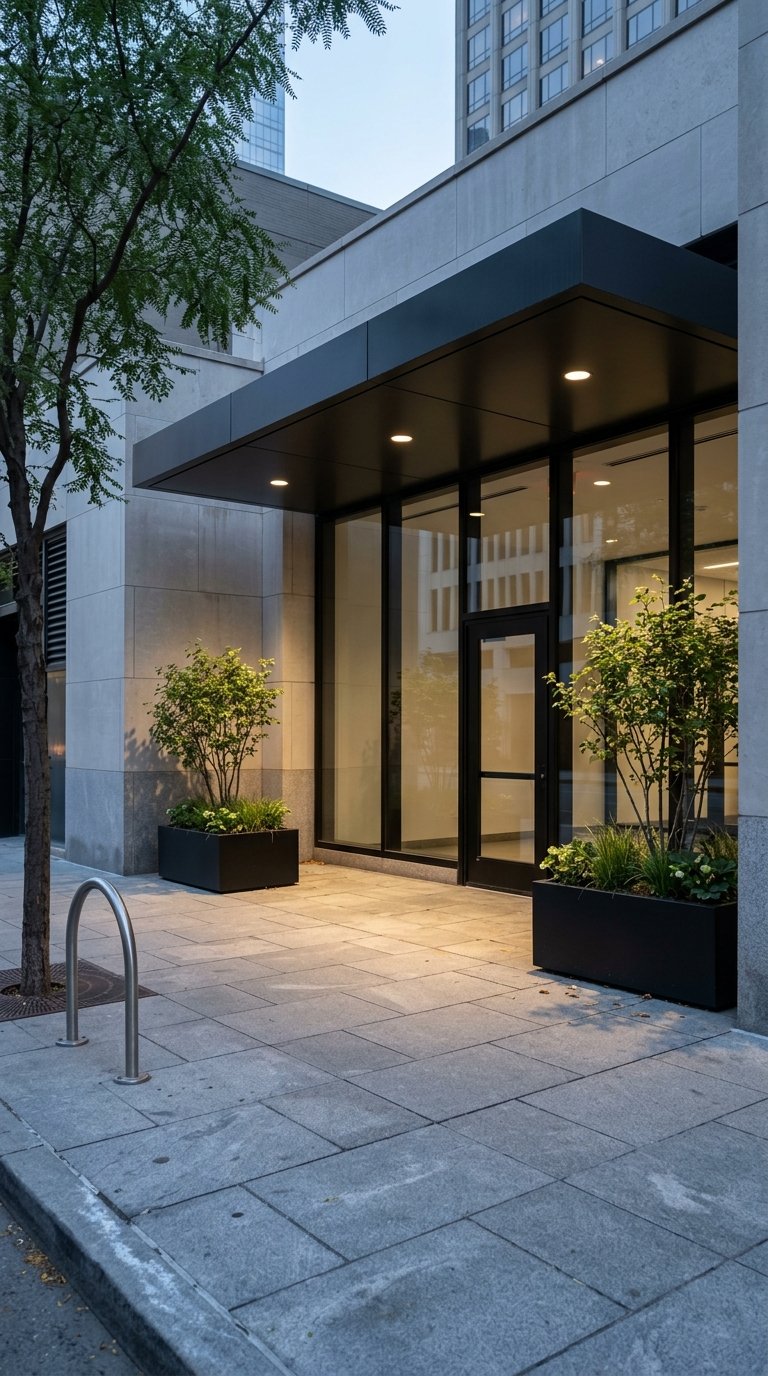
Here's where the "corporate creep" reading falls apart on inspection. Citibank opened its 53rd Street branch at 1428 E. 53rd St. in April 2026, and Chick-fil-A opened its location at 1512 E. 53rd St. in December 2025, with franchise operators Victor and Quin Golden cutting the ribbon alongside friends and family. Neither business displaced an existing tenant. Both moved into storefronts that were already vacant, part of the same 53rd Street corridor that the university has spent the better part of two decades trying to fill through the Harper Court redevelopment.
That distinction matters if you live here and you're trying to figure out whether the street's character is actually shifting or whether it just looks that way from a few headlines. A chain moving into a hole in the streetscape is a different event than a chain replacing a business that was already serving the block. So far this year, Hyde Park has had the first kind, not the second.
Two More Closures on the Corridor
Not every departure fits a tidy narrative either. Bob's Pizza, the Pilsen-based chain that brought its beer-dough and pickle pies to Harper Court back in 2023, quietly closed its Hyde Park location earlier this year with no public explanation. Hyde Bark Play Park, the boutique doggy day care run by LeAnna Quartuccio and Brandon Elkins, announced its own closing after a little more than three years in operation. Neither closure points to a landlord decision or a corporate strategy. They read like ordinary small-business math not working out, the kind of thing that happens on commercial strips everywhere and rarely makes it into a trend piece.
What Residents Are Adding, Without Waiting for a Landlord's Permission
The additions that feel most like Hyde Park, though, didn't come from the university or from a national chain. They came from people who already live here, filling gaps they'd personally run into.
As the Hyde Park Herald reported, Out of the Closet opened at 1709 E. 53rd St. in January, inside the historic Del Prado building, and it answered something specific: Hyde Park had gone seven years without a full-scale thrift store after Encore Resale closed in 2019. The nonprofit chain, run by the AIDS Healthcare Foundation, puts the majority of its proceeds toward HIV prevention and testing services, and it now sits alongside smaller resale shops like Gilda Designer Thrift Boutique that had already been filling part of that gap on their own.
Then there's the sauna that doesn't exist yet, but might soon. As the Hyde Park Herald reported, Sharla Paul, a longtime Hyde Park resident and former yoga teacher, is working with the Chicago Park District to bring a wood-fired, six-person mobile sauna to 57th Street Beach. The idea didn't come from a market study. It came from a bad fall on the Midway Plaisance ice rink five years ago that tore a tendon in her shoulder and left her driving seventeen miles to Evanston for sauna therapy that finally helped. She's already talking with Blue City Strength & Conditioning on Blackstone Avenue and Montgomery Place, the retirement community near the beach, about partnerships once the sauna is running.
The Art Walk That Needed Zero New Addresses
The clearest example of resident-driven addition, though, required no new real estate at all. As the Hyde Park Herald reported, Hyde Park's SOPHY Hotel launched its first neighborhood art walk this past fall, and instead of opening a new gallery, general manager Michael Falkenstein teamed up with South Side artist Paul Branton to turn six existing 53rd Street and Harper Court businesses into temporary exhibition spaces for two nights. Strugglebeard Bakery, The Silver Room, Connect Gallery, Hyde Park Bank, Hyatt Place, and Recycled Modern each hosted a different artist, with Branton pairing personalities to spaces on purpose. He put a young, bright-palette artist inside the bakery and an abstract painter inside the bank's vaulted lobby, betting on contrast rather than fit.
Falkenstein told the paper: "Remarkably, this has not been difficult." That ease is the tell. When an addition to the neighborhood doesn't require a new lease, a zoning sign-off, or a corporate real estate committee, it can happen in a season instead of a year.
What This Actually Tells You About the Street
Put those threads together and the picture of 53rd Street in 2026 isn't one of replacement. It's one of two separate systems running at the same time. The university, as the corridor's biggest landlord, is filling long-vacant storefronts and reassigning its own leased spaces, including at the Promontory. Meanwhile, the additions that feel most specific to this neighborhood, the thrift store answering a seven-year gap, the sauna born from one woman's own recovery, the art walk that turned six storefronts into galleries for a weekend, came from people who live here and didn't wait for a redevelopment plan to act on an idea.
If you've lived in Hyde Park long enough to remember when Encore Resale closed, or you were in the crowd for one of the Promontory's last shows, you already know this corridor changes in fits and starts, not all at once and not from a single direction. The businesses arriving this year prove that's still true. Some of what's new here was decided in a university real estate office. Some of it was decided by someone who got hurt on the ice five years ago and figured out a fix. Both kinds of change are shaping the same six blocks, and neither one is finished yet.
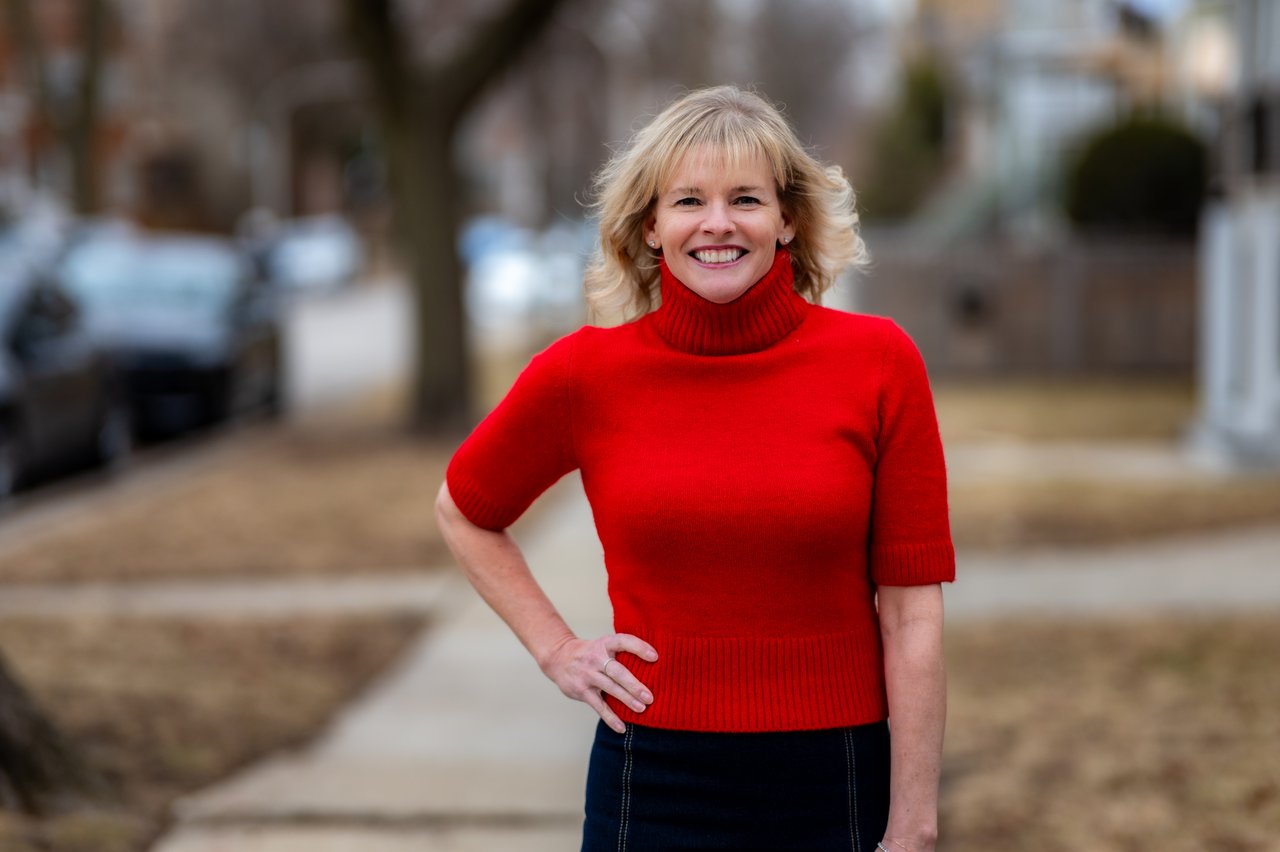
If you're watching these shifts because you're thinking about buying or selling on the South Side, not just visiting for dinner, Stephanie Turner tracks this corridor block by block. Book a consultation to talk through what a changing commercial strip means for a specific address in Hyde Park.